PetChill Pet Encyclopedia
Cat Health

Sneezing Blood in Cats: Causes and Care (Malaysia Guide)

A cat sneezing blood can be alarming, but it is not always an emergency. This guide explains the common causes, from infections to foreign objects, and outlines practical care steps for Malaysian cat owners.

Published: 2026-11-06Β·7 min readΒ·Author: PetChill Editorial
Sneezing Blood in Cats: Causes and Care (Malaysia Guide)

πŸ’‘ Quick Answer

Sneezing blood in cats usually comes from minor nasal irritation, infections, or foreign objects, but it can signal serious issues like tumours or bleeding disorders. See a vet promptly if bleeding is heavy, repeated, or accompanied by lethargy, loss of appetite, or breathing difficulty.

Why is my cat sneezing blood?

Sneezing blood in cats can be alarming, but it is not always a sign of a serious problem. The blood may come from irritated blood vessels in the nose, an infection, or a foreign object. In some cases, it can indicate a more serious condition such as a tumour or a bleeding disorder. This guide explains the common causes, what you can do at home, and when to seek veterinary care in Malaysia.

Common causes of sneezing blood

There are several reasons why a cat might sneeze blood. The blood often originates from the nasal passages, but it can also come from the mouth or throat. Here are the most common causes:

1. Upper respiratory infections

Just like humans, cats can get colds. Feline upper respiratory infections are common and can cause inflammation and irritation in the nasal passages. Frequent sneezing can rupture small blood vessels, leading to streaks of blood in the mucus. Common pathogens include feline herpesvirus and calicivirus. These infections are often self-limiting but can become chronic.

2. Foreign objects in the nose

Cats are curious creatures and may accidentally inhale small objects like grass seeds, blades of grass, or tiny pieces of plastic. These can lodge in the nasal cavity and cause irritation, sneezing, and bleeding. If your cat has a sudden onset of violent sneezing and pawing at the nose, a foreign object is a strong possibility.

3. Dental disease

Dental problems, especially abscesses or periodontal disease, can lead to bleeding that drains into the nasal passages. The roots of the upper teeth are close to the nasal cavity, so infection can spread. If your cat has bad breath, drooling, or difficulty eating, dental disease may be the culprit.

4. Trauma

A blow to the nose or face can cause bleeding. This could happen from a fall, a fight with another animal, or an accident. If your cat has had a recent injury, sneezing blood may be a result.

5. Dry air and environmental irritants

Low humidity, smoke, dust, and strong chemicals can dry out and irritate the nasal lining, making it more prone to bleeding. In Malaysia, air conditioning can dry out indoor air, and haze during certain seasons can worsen respiratory irritation.

6. Tumours and polyps

Less commonly, benign or malignant growths in the nasal cavity can cause bleeding. These are more common in older cats. Signs may include chronic sneezing, nasal discharge, and facial swelling.

7. Bleeding disorders

Conditions that affect blood clotting, such as thrombocytopenia or poisoning with rodenticides, can cause nosebleeds. These are serious and require immediate veterinary attention.

8. Hypertension

High blood pressure, often secondary to kidney disease or hyperthyroidism, can cause nosebleeds. This is more common in older cats.
Common causes of sneezing blood

When to see a vet

Not every episode of sneezing blood requires an emergency visit, but you should know when to act quickly. Seek veterinary care immediately if:

  • Bleeding is heavy or does not stop within a few minutes.
  • Your cat is having difficulty breathing, open-mouth breathing, or gasping.
  • There is a large amount of blood or blood clots.
  • Your cat is lethargic, weak, or collapses.
  • There is facial swelling or deformity.
  • Your cat has a known bleeding disorder or is on blood-thinning medication.
  • The bleeding follows a head injury.

If the bleeding is mild and your cat is otherwise bright and eating, you can monitor for 24 hours, but it is still wise to consult a vet if it recurs.

What to do at home

If your cat sneezes blood and it appears mild, you can take some steps to manage the situation while arranging a vet visit.

  1. Stay calm. Your cat will pick up on your anxiety. Speak softly and avoid sudden movements.
  2. Do not tilt the head back. This can cause blood to flow into the throat and make your cat gag or choke.
  3. Apply a cold compress. If you can do so safely, apply a cold, damp cloth to the bridge of the nose for a few minutes. This can help constrict blood vessels.
  4. Keep your cat quiet. Limit activity and keep your cat indoors in a calm environment.
  5. Observe breathing. Watch for any signs of difficulty breathing. If breathing becomes laboured, seek emergency care.
  6. Do not insert anything into the nose. Avoid cotton swabs or tissues inside the nostril, as this can worsen bleeding.
  7. Note the amount and frequency. This information will help your vet.
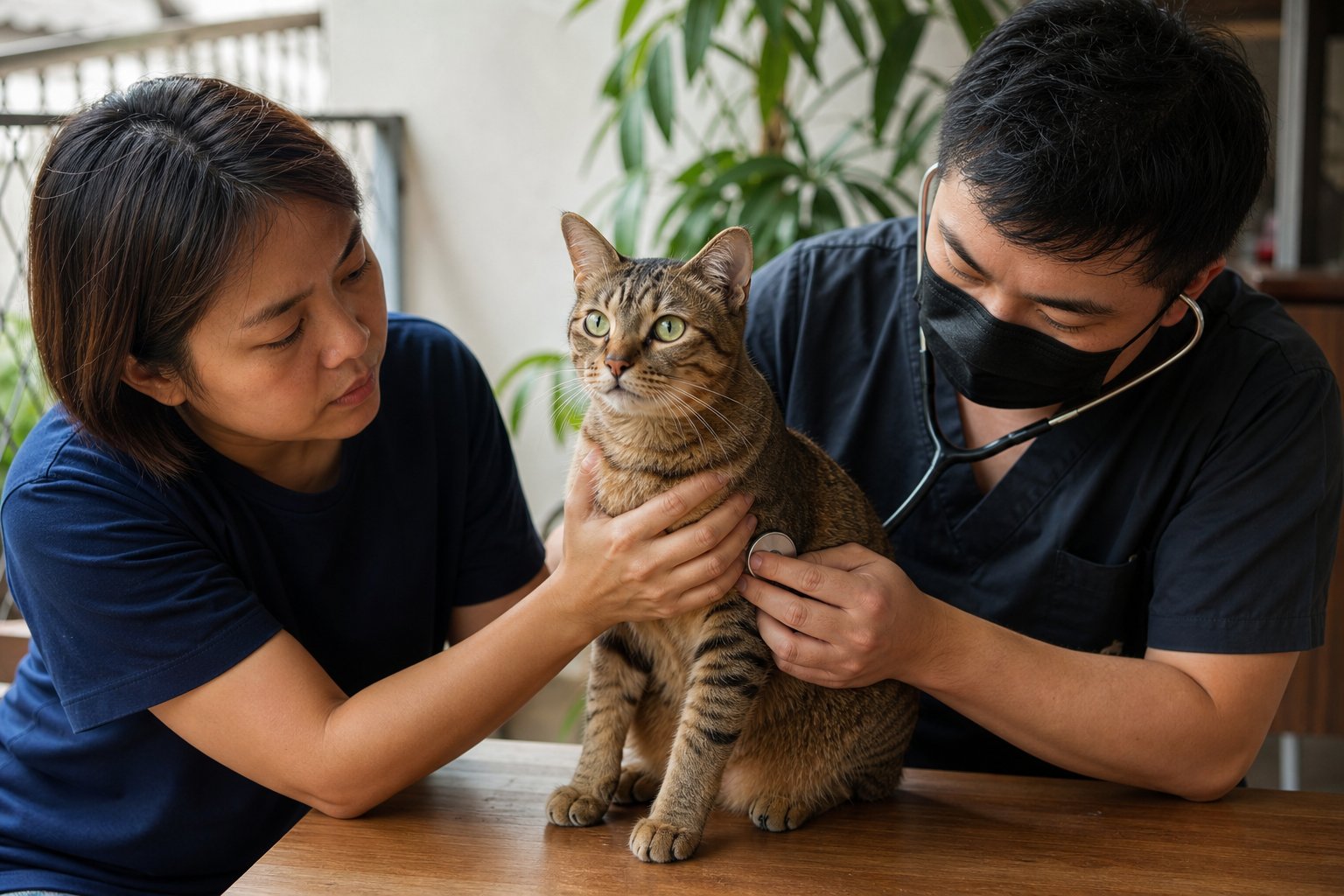
What to do at home

Diagnosis and treatment

When you take your cat to the vet, they will perform a thorough examination. This may include:

  • History and physical exam: The vet will ask about the onset, frequency, and amount of bleeding, as well as other symptoms. They will examine the nose, mouth, and overall health.
  • Blood tests: A complete blood count and biochemistry panel can check for infection, anaemia, and organ function. Coagulation tests may be done if a bleeding disorder is suspected.
  • Imaging: X-rays or CT scans can help identify foreign objects, tumours, or dental disease.
  • Endoscopy: A small camera may be used to visualise the nasal passages.
  • Blood pressure measurement: To check for hypertension.

Treatment depends on the underlying cause. For infections, antibiotics or antiviral medications may be prescribed. Foreign objects are removed under sedation or anaesthesia. Dental disease requires dental cleaning or extraction. Tumours may be treated with surgery, radiation, or chemotherapy. Bleeding disorders may require vitamin K or other therapies.

Caring for a cat with nosebleeds

If your cat has recurrent nosebleeds, you can take steps to reduce the risk and keep your cat comfortable.

  • Humidify the air: Use a humidifier or place a bowl of water near a heat source to add moisture to the air. This is especially helpful in air-conditioned rooms.
  • Avoid irritants: Keep your cat away from cigarette smoke, strong cleaning products, and dusty litter.
  • Use dust-free litter: Choose low-dust cat litter to reduce nasal irritation.
  • Regular vet check-ups: Especially for older cats, to monitor for underlying conditions like hypertension or dental disease.
  • Dental care: Brush your cat's teeth regularly and schedule professional dental cleanings.
  • Keep your cat indoors: This reduces exposure to trauma and foreign objects.
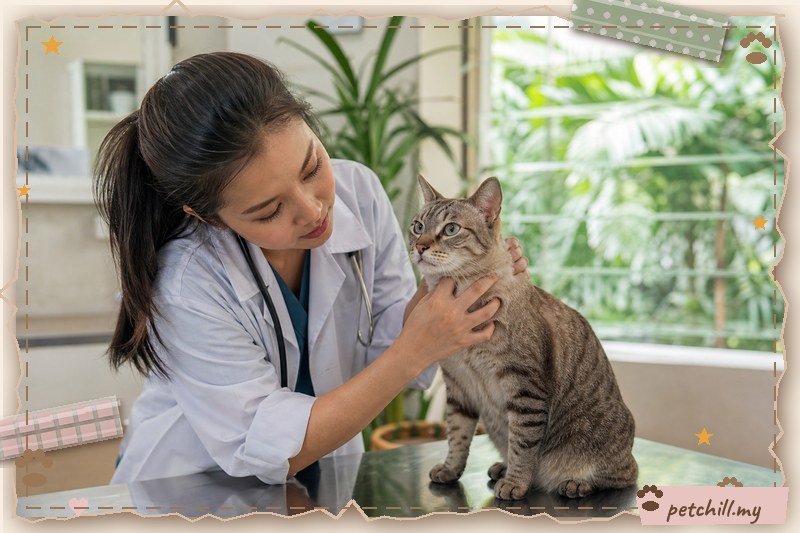
Caring for a cat with nosebleeds

Prevention tips for Malaysian cat owners

In Malaysia, the climate and living environment can influence your cat's health. Here are some specific tips:

  • Air conditioning: While essential for comfort, air conditioning can dry out the air. Use a humidifier or place water bowls around the house to maintain humidity.
  • Haze season: During haze, keep windows closed and use an air purifier to reduce airborne particles that can irritate the respiratory tract.
  • Urban living: Cats in apartments may be exposed to more dust and pollutants. Regular cleaning and dust-free litter can help.
  • Outdoor access: If your cat goes outside, supervise them to prevent fights and exposure to foreign objects like grass seeds.

Comparison table: common causes at a glance

Cause Typical signs Urgency
Upper respiratory infection Sneezing, nasal discharge, mild blood streaks See vet if persistent
Foreign object Sudden violent sneezing, pawing at nose, one-sided discharge Urgent
Dental disease Bad breath, drooling, difficulty eating, blood in saliva See vet soon
Trauma Recent injury, facial pain, swelling Emergency
Dry air/irritants Mild sneezing, no other signs Manage at home
Tumour Chronic sneezing, facial swelling, weight loss See vet promptly
Bleeding disorder Bleeding from multiple sites, lethargy Emergency
Hypertension Nosebleeds, dilated pupils, sudden blindness See vet promptly

Comparison table: common causes at a glance

Local examples

  • Kuala Lumpur apartment: A cat living in a high-rise apartment with air conditioning may experience dry nasal passages, leading to occasional blood-streaked sneezes. Using a humidifier can help.
  • Penang rainy season: During the rainy season, increased humidity and mould spores can trigger respiratory infections in cats, which may cause sneezing blood. Keeping the environment dry and clean is important.

Frequently asked questions

1. Is sneezing blood in cats an emergency? Not always, but it can be. If bleeding is heavy, lasts more than a few minutes, or your cat has trouble breathing, see a vet immediately. Small streaks with mild sneezing may not be urgent, but a vet should still check.

2. What causes a cat to sneeze blood? Common causes include upper respiratory infections, foreign objects in the nose, dental disease, trauma, and dry air. Less commonly, tumours, bleeding disorders, or hypertension can cause it. A vet exam is needed to identify the cause.

3. Can I treat my cat's nosebleed at home? You can keep your cat calm and avoid touching the nose. Do not tilt the head back. If bleeding is mild, apply a cold compress to the bridge of the nose. Seek vet advice if it recurs or worsens.

4. How can I prevent my cat from sneezing blood? Keep your cat indoors, maintain good air humidity, treat respiratory infections early, and schedule regular dental checks. Avoid exposure to irritants like smoke and strong chemicals.

5. Should I worry if my cat sneezes blood once? A single episode with a small amount of blood may be harmless, but monitor closely. If it happens again or your cat shows other signs like lethargy or loss of appetite, see a vet.

6. What will the vet do for a cat sneezing blood? The vet will examine the nose and mouth, check vital signs, and may recommend blood tests, imaging, or endoscopy. Treatment depends on the cause and may include antibiotics, removal of a foreign object, or other therapies.

Conclusion

Sneezing blood in cats can be a worrying symptom, but with prompt veterinary attention and proper home care, many causes are treatable. Understanding the common causes and knowing when to act can help you keep your cat healthy. If you are unsure, always err on the side of caution and consult a veterinarian.

Disclaimer: This article is for informational purposes only and does not replace professional veterinary advice. Always consult a licensed veterinarian for diagnosis and treatment of your cat's condition.

Frequently Asked Questions

πŸ“Œ Key Takeaways

  • This article covers: Why is my cat sneezing blood?, Common causes of sneezing blood, When to see a vet, What to do at home, Diagnosis and treatment, and more
  • Jump to any section via the table of contents for the key details
  • If in doubt, consult a registered veterinarian

Explore this topic cluster

This guide belongs to a Malaysia-focused topic cluster. Read the pillar guide and related articles.

View cluster β†’

πŸ“š Cat Health article index

This article is part of the Cat Health topic cluster. Explore related articles:

⭐ Pillar guide: Cat Health complete guideBlood Test for Cats in Malaysia: What It Checks, Costs and When You Need Oneβ†’ ReadBlood Test for Cats Step by Step: What Happens at the Clinicβ†’ ReadBlood Test for Cats: What to Expect (Malaysian Owner's Guide)β†’ ReadCat Constipation Treatment in Malaysia: A Practical Owner's Guideβ†’ ReadCat Dental Pain Treatment in Malaysia: A Practical Owner's Guideβ†’ ReadCat Diarrhea Treatment in Malaysia: A Practical Owner's Guideβ†’ ReadCat Ear Mites Treatment in Malaysia: A Complete Owner's Guideβ†’ ReadCat Eye Infection Treatment in Malaysia: A Practical Owner's Guideβ†’ ReadCat Fleas Treatment in Malaysia: A Practical Owner's Guideβ†’ ReadCat Hair Loss Treatment in Malaysia: A Practical Owner's Guideβ†’ ReadCat Licking Wounds: Why It Happens and How to Treat It in Malaysiaβ†’ ReadCat Poisoning Treatment in Malaysia: What to Do, What to Expect, and How to Prevent Itβ†’ ReadCat Ringworm Treatment in Malaysia: A Practical Owner's Guideβ†’ ReadCat Skin Fungus Treatment in Malaysia: A Practical Owner's Guideβ†’ ReadCat Sneezing Blood: Causes, Treatment and When to See a Vet in Malaysiaβ†’ ReadCat Vomiting Treatment in Malaysia: What to Do and When to See a Vetβ†’ ReadCat Weight Loss Treatment in Malaysia: A Practical Guide for Ownersβ†’ ReadCat Worms Treatment in Malaysia: A Practical Owner's Guideβ†’ ReadChocolate Poisoning and Cats in Malaysia: What Every Owner Should Knowβ†’ ReadConstipation in Cats: Causes, Care and When to See a Vet in Malaysiaβ†’ ReadConstipation in Cats in Malaysia: Causes, Signs and What to Doβ†’ ReadConstipation Prevention for Cats: A Practical Guide for Malaysian Ownersβ†’ ReadDental Pain in Cats: Causes, Signs and Care (Malaysia Guide)β†’ ReadDental Pain in Cats in Malaysia: Signs, Causes and What to Doβ†’ ReadDental Pain Prevention for Cats: A Practical Malaysian Guideβ†’ ReadDeworming Schedule for Cats in Malaysia: A Practical, Vet-Led Guideβ†’ ReadDeworming Schedule for Cats: A Step-by-Step Plan for Malaysian Ownersβ†’ ReadDeworming Schedule for Cats: What to Expect (Malaysia Guide)β†’ ReadDiarrhea in Cats: Causes and Care (Malaysian Owner's Guide)β†’ ReadDiarrhea in Cats in Malaysia: Causes, Home Care and When to See a Vetβ†’ ReadDiarrhea Prevention for Cats: A Practical Guide for Malaysian Ownersβ†’ ReadE-Collar Recovery for Cats in Malaysia: A Practical Guide for Ownersβ†’ ReadE-Collar Recovery for Cats Step by Step: A Practical Guide for Malaysian Ownersβ†’ ReadE-Collar Recovery for Cats: What to Expect (Malaysia Guide)β†’ ReadEar Mites in Cats: Causes and Care (Malaysia Guide)β†’ ReadEar Mites in Cats in Malaysia: Signs, Treatment and Preventionβ†’ ReadEar Mites Prevention for Cats: A Practical Malaysian Guideβ†’ ReadElectrical Cables and Cats in Malaysia: A Practical Safety Guideβ†’ ReadEye Infection in Cats: Causes and Care (Malaysia Guide)β†’ ReadEye Infection in Cats in Malaysia: Causes, Signs, Treatment & Preventionβ†’ ReadEye Infection Prevention for Cats: A Practical Malaysian Guideβ†’ ReadFans and Air Conditioning for Cats in Malaysia: A Practical Comfort Guideβ†’ ReadFlea Treatment for Cats in Malaysia: A Complete Guideβ†’ ReadFlea Treatment for Cats Step by Step: A Practical Malaysian Guideβ†’ ReadFlea Treatment for Cats: What to Expect (Malaysia Guide)β†’ ReadFleas in Cats: Causes and Care (Malaysia Guide)β†’ ReadFleas in Cats in Malaysia: Signs, Treatment and Preventionβ†’ ReadFleas Prevention for Cats in Malaysia: A Practical, Year-Round Planβ†’ ReadGiving Pills for Cats in Malaysia: A Stress-Free Step-by-Step Guideβ†’ ReadGiving Pills for Cats Step by Step: A Calm, Practical Guide for Malaysian Ownersβ†’ ReadGiving Pills for Cats: What to Expect (Malaysian Owner's Guide)β†’ ReadHair Loss in Cats: Causes and Care (Malaysian Owner's Guide)β†’ ReadHair Loss in Cats in Malaysia: Causes, Home Checks and When to See a Vetβ†’ ReadHair Loss Prevention for Cats: A Practical Grooming and Health Guideβ†’ ReadHousehold Cleaning Products and Cats in Malaysia: A Safety Guideβ†’ ReadHow to Prevent Chocolate Poisoning Around Cats: A Practical Guide for Malaysian Homesβ†’ ReadHow to Prevent Electrical Cables Around Cats: A Practical Safety Guide for Malaysian Homesβ†’ ReadHow to Prevent Fan and Aircond Problems Around Cats: A Malaysian Home Guideβ†’ ReadHow to Prevent Household Cleaning Products Around Cats: A Practical Safety Guide for Malaysian Homesβ†’ ReadHow to Prevent Lily Poisoning Around Cats: A Practical Safety Guide for Malaysian Homesβ†’ ReadHow to Prevent Open Windows Around Cats: A Practical Safety Guide for Malaysian Homesβ†’ ReadHow to Prevent Paracetamol Poisoning Around Cats: A Malaysian Safety Guideβ†’ ReadHow to Prevent Plastic Bags Around Cats: A Practical Safety Guide for Malaysian Homesβ†’ ReadHow to Treat Constipation in Cats at Home: A Practical Malaysian Guideβ†’ ReadHow to Treat Dental Pain in Cats at Home: Safe Relief and When to See a Vetβ†’ ReadHow to Treat Diarrhea in Cats at Home: A Practical Malaysian Guideβ†’ ReadHow to Treat Ear Mites in Cats at Home: A Practical Malaysian Guideβ†’ ReadHow to Treat Eye Infection in Cats at Home: Safe Steps for Malaysian Ownersβ†’ ReadHow to Treat Fleas in Cats at Home: A Practical Malaysian Guideβ†’ ReadHow to Treat Hair Loss in Cats at Home: A Practical Malaysian Guideβ†’ ReadHow to Treat Licking Wounds in Cats at Home: A Practical Guide for Malaysian Ownersβ†’ ReadHow to Treat Poisoning in Cats at Home: First Aid, Safe Steps and When to Rush to the Vetβ†’ ReadHow to Treat Ringworm in Cats at Home: A Practical Guide for Malaysian Ownersβ†’ ReadHow to Treat Skin Fungus in Cats at Home: A Practical Malaysian Guideβ†’ ReadHow to Treat Sneezing Blood in Cats at Home: Safe First Steps for Malaysian Ownersβ†’ ReadHow to Treat Vomiting in Cats at Home: A Practical Malaysian Guideβ†’ ReadHow to Treat Weight Loss in Cats at Home: A Practical Guide for Malaysian Ownersβ†’ ReadHow to Treat Worms in Cats at Home: A Practical, Safe Guide for Malaysian Ownersβ†’ ReadLicking Wounds in Cats: Causes and Care (Malaysian Vet Guide)β†’ ReadLicking Wounds in Cats Malaysia: When It's Normal and When to Stop Itβ†’ ReadLicking Wounds Prevention for Cats: How to Stop the Lick Cycle and Let Skin Healβ†’ ReadLily Poisoning and Cats in Malaysia: Why Every Petal Is an Emergencyβ†’ ReadOpen Windows and Cats in Malaysia: How to Keep Your Cat Safe Without Locking Up the Houseβ†’ ReadParacetamol Poisoning in Cats in Malaysia: Why Even One Tablet Can Be Deadlyβ†’ ReadPlastic Bags and Cats in Malaysia: Why They're Dangerous and How to Keep Your Cat Safeβ†’ ReadPoisoning in Cats: Causes, Symptoms and Care (Malaysia Guide)β†’ ReadPoisoning in Cats in Malaysia: Common Toxins, Signs and What to Doβ†’ ReadPoisoning Prevention for Cats in Malaysia: A Room-by-Room Safety Guideβ†’ ReadRingworm in Cats: Causes, Symptoms and Care (Malaysia Guide)β†’ ReadRingworm in Cats in Malaysia: Signs, Treatment and Preventionβ†’ ReadRingworm Prevention for Cats in Malaysia: A Practical, Vet-Informed Guideβ†’ ReadSigns of Constipation in Cats in Malaysia: What to Watch For and When to Actβ†’ ReadSigns of Dental Pain in Cats in Malaysia: What Owners Missβ†’ ReadSigns of Diarrhea in Cats in Malaysia: What's Normal, What's Notβ†’ ReadSigns of Ear Mites in Cats in Malaysia: How to Spot, Treat and Prevent Themβ†’ ReadSigns of Eye Infection in Cats in Malaysia: What Owners Should Look Forβ†’ ReadSigns of Fleas in Cats in Malaysia: How to Spot, Check and Actβ†’ ReadSigns of Hair Loss in Cats in Malaysia: What to Look For and When to Worryβ†’ ReadSigns of Licking Wounds in Cats Malaysia: How to Spot Problem Lickingβ†’ ReadSigns of Poisoning in Cats in Malaysia: What to Watch For and What to Doβ†’ ReadSigns of Ringworm in Cats in Malaysia: What Owners Should Look Forβ†’ ReadSigns of Skin Fungus in Cats in Malaysia: How to Spot Ringworm Earlyβ†’ ReadBlood in a Cat's Sneeze: Signs, Causes and What to Do in Malaysiaβ†’ ReadSigns of Vomiting in Cats in Malaysia: What's Normal, What's Not, and When to See a Vetβ†’ ReadSigns of Weight Loss in Cats in Malaysia: What to Watch For and When to Worryβ†’ ReadSigns of Worms in Cats in Malaysia: What Owners Should Look Forβ†’ ReadSkin Fungus in Cats: Causes, Signs and Care (Malaysia Guide)β†’ ReadSkin Fungus in Cats in Malaysia: Ringworm Signs, Treatment and Preventionβ†’ ReadSkin Fungus Prevention for Cats: A Practical Guide for Malaysian Homesβ†’ ReadSneezing Blood in Cats in Malaysia: Causes, What to Do, and When to See a Vetβ†’ ReadSneezing Blood Prevention for Cats: Causes, Care and When to Worryβ†’ ReadSterilization for Cats in Malaysia: A Complete Guide for Ownersβ†’ ReadSterilization for Cats Step by Step: A Malaysian Owner's Guideβ†’ ReadSterilisation for Cats: What to Expect (Malaysian Owner's Guide)β†’ ReadUltrasound for Cats in Malaysia: What It Is, When It's Needed, and What to Expectβ†’ ReadUltrasound for Cats Step by Step: What Happens, What It Costs, and How to Prepareβ†’ ReadUltrasound for Cats: What to Expect (Malaysian Owner's Guide)β†’ ReadVaccination Side Effects for Cats in Malaysia: What's Normal, What's Notβ†’ ReadVaccination Side Effects for Cats: A Step-by-Step Guide for Malaysian Ownersβ†’ ReadCat Vaccination Side Effects: What Malaysian Owners Should Expectβ†’ ReadVomiting in Cats: Causes and Care (Malaysia Guide)β†’ ReadVomiting in Cats in Malaysia: When It's Normal and When to Worryβ†’ ReadVomiting Prevention for Cats: A Practical Guide for Malaysian Ownersβ†’ ReadWeight Loss in Cats: Causes and Care (Malaysian Vet Guide)β†’ ReadWeight Loss in Cats in Malaysia: Causes, Warning Signs and What to Doβ†’ ReadWeight Loss Prevention for Cats: A Practical Malaysian Guideβ†’ ReadWorms in Cats: Causes and Care (Malaysia Vet Guide)β†’ ReadWorms in Cats in Malaysia: A Practical Owner's Guideβ†’ ReadWorms Prevention for Cats in Malaysia: A Complete Guideβ†’ ReadWound Care for Cats in Malaysia: A Practical Owner's Guideβ†’ ReadWound Care for Cats Step by Step: A Practical Malaysian Guideβ†’ ReadWound Care for Cats: What to Expect, Step by Stepβ†’ ReadX-Ray for Cats in Malaysia: What to Expect, Costs and Safetyβ†’ ReadX-Ray for Cats Step by Step: What Malaysian Owners Should Expectβ†’ ReadX-Ray for Cats: What to Expect (Malaysian Owner's Guide)β†’ ReadArthritis Pet Care in Malaysia: A Practical Guide for Cats and Dogsβ†’ ReadCat Arthritis in Malaysia: 5 Home Signs Your Cat Is in Pain β€” and What to Doβ†’ ReadEarly Signs of Chronic Disease in Cats: 7 Daily Checks and a 4-Week Record Sheetβ†’ ReadCat Chronic Kidney Disease in Malaysia: The Daily Care Routine That Actually Slows It Downβ†’ ReadCat Constipation in Malaysia: The 48-Hour Rule, Red Flags and What Actually Helpsβ†’ ReadCat Dehydration in Malaysia: Home Skin-Turgor Test, 7 Causes and Emergency Signsβ†’ ReadCat Heart Disease in Malaysia: Sleep Breathing Count, HCM Early Signs and When to Rush to the Vetβ†’ ReadCat Kidney Disease in Malaysia: Early Signs, Prevention and Everyday Careβ†’ ReadCat Pancreatitis in Malaysia: Symptoms, fPLI Testing, Treatment and Home Recoveryβ†’ ReadCat Ringworm in Malaysia: Signs, Treatment and Home Cleaning Guideβ†’ ReadCat Symptom Checker Malaysia: 12 Common Signs and a Green-Amber-Red Triage Tableβ†’ ReadPet Deworming in Malaysia: How Often to Worm Your Cat or Dogβ†’ ReadPet Gut Health in Malaysia: Probiotics, Food Transitions and Stool Troubles (Part 2)β†’ ReadCat Gut Health: Probiotics, Antibiotics and Food Transitions Explained (Malaysia)β†’ ReadPet Health Malaysia 2026: Common Cat and Dog Illnesses, Prevention Care and Vet Guidanceβ†’ ReadPet Insurance in Malaysia: How to Compare Plans Before You Signβ†’ ReadPet Poisoning at Home: Household Chemicals, Toxic Plants and When Not to Induce Vomiting (Malaysia)β†’ ReadPet Poisoning at Home: Household Chemicals, Insecticides and Toxic Plants (Malaysia, Part 1)β†’ ReadCat Chronic Disease Early Signs in Malaysia: 7 Daily Checks and a 4-Week Logβ†’ ReadCat Health Guide Malaysia: Symptom Check, Red-Flag Triage & When to See a Vetβ†’ ReadCat Ringworm in Malaysia: Symptoms, Treatment and Home Cleaning Guideβ†’ ReadGut Health, Probiotics & Food Transition Part 2: Practical Malaysia Guideβ†’ ReadPet Health in Malaysia: A Practical Prevention Guide for Cats and Dogsβ†’ Read

Related products at PetChill