Start with the right question: is it shedding or hair loss?
Cats lose hair every day, and in a warm, humid country like Malaysia that shedding can look dramatic. The key to prevention is knowing the difference between normal coat turnover and true hair loss, because the two need very different responses.
Normal shedding is even. You find hairs on the sofa, on clothes and in the brush, but the cat's skin underneath still looks covered. Seasonal coat changes, indoor lighting, temperature and grooming habits all affect how much loose hair appears.
True hair loss, called alopecia, leaves visible thinning or bald patches. It may be symmetrical on both flanks, concentrated around the tail base, or patchy on the head and neck. The skin may be red, scabby, greasy or darkened. Sometimes the cat is itchy; sometimes it is not.
Prevention works best when you treat hair loss as a symptom rather than a grooming problem. A full coat depends on healthy skin, good nutrition, parasite control, a comfortable environment and early treatment of underlying disease. The sections below walk through each of those layers.
Build a simple grooming routine
Brushing is the most practical prevention habit a cat owner can build. It removes loose hair before it mats, distributes natural oils along the coat and gives you a weekly close-up of the skin. That close-up is how problems get caught early.
How often you brush depends on the coat:
| Coat type | Suggested brushing | Notes |
|---|---|---|
| Short, smooth coat | 1–2 times a week | A rubber curry brush or soft bristle brush is enough |
| Short, dense coat | 2–3 times a week | Use a fine-toothed comb for the undercoat |
| Semi-longhair | 3–4 times a week | Focus on armpits, belly and behind the ears |
| Longhair | Daily | Prevent mats, which trap moisture and irritate skin |
| Senior or arthritic cat | Short, gentle sessions daily | The cat may not groom hard-to-reach areas |
A few grooming rules matter more than the tool:
- Brush in the direction of the coat, then gently comb against it to lift loose undercoat.
- Never rip through a mat. Work it loose with your fingers or a wide-toothed comb, or ask a groomer or vet to clip it out.
- Check ears, armpits, the tail base and the belly each session. These are common spots for parasites, scabs and over-grooming.
- Stop if the cat becomes stressed. Short, frequent sessions beat one long battle.
- Bathe only when necessary and use a cat-safe shampoo. Frequent bathing strips oils and can dry the skin.
Grooming also reduces hairballs and the amount of fur around the house, which matters in apartments where the cat lives close to soft furnishings.
Control parasites before they control the coat
Fleas are one of the most common preventable causes of itchy skin and hair loss in cats. In Malaysia's climate, fleas and other external parasites can stay active year-round, so prevention is continuous rather than seasonal.
Flea bites cause intense itching, especially around the tail base, neck and back. Cats respond by scratching, biting and over-grooming, which removes hair and leaves scabs. A single flea can trigger a reaction in a sensitive cat, so seeing no fleas does not rule them out.
Other parasites matter too:
- Ear mites cause head shaking, scratching and hair loss around the ears.
- Mites that cause mange lead to crusty, thickened skin and patchy loss, often starting on the face, ears or elbows.
- Ticks are less often a direct cause of widespread hair loss but can transmit disease.
- Ringworm, a fungal infection rather than a parasite, causes circular bald patches with scaly edges and can spread to people and other pets.
Prevention steps that work in Malaysian homes:
- Use flea and tick prevention recommended by your vet, and follow the weight-based dose exactly.
- Treat every cat and dog in the household, not just the itchy one.
- Wash pet bedding in hot water regularly and vacuum floors, sofas and car seats.
- Groom outdoors or over a washable surface, and dispose of collected hair.
- Check new cats and kittens before bringing them home, and ask about parasite history.
- Keep up monthly prevention even when the cat stays indoors, because fleas arrive on clothing, shoes and other pets.
Never use dog parasite products on cats. Some ingredients are toxic to cats, and the wrong product can cause serious illness.
Feed for skin and coat, not just for weight
Hair is mostly protein, and the skin is the body's largest organ. A cat that eats a complete, balanced diet has the raw materials to grow a healthy coat. A cat on an inadequate diet may show dull fur, flaky skin and slow regrowth after normal shedding.
Look for these dietary basics:
- Animal protein as the main ingredient. Cats are obligate carnivores and need amino acids such as taurine and methionine.
- Essential fatty acids, particularly omega-3 from fish oil and omega-6 from poultry fat, which support the skin barrier.
- Zinc, vitamin A and B vitamins, which are involved in skin maintenance and repair.
- Fresh water at all times, since dehydration shows in dry, brittle coats.
Some owners add fish oil or a skin supplement. That can help in specific cases, but supplements are not a substitute for a complete diet, and excess amounts of some vitamins and minerals are harmful. Ask your vet before adding anything, especially for cats with kidney, liver or urinary problems.
If you change foods, transition gradually over about a week to avoid stomach upset. If the coat does not improve after a few months on a good diet, the cause is probably not nutritional and needs investigation.
Reduce stress and over-grooming
Not all hair loss is itchy or infectious. Some cats groom themselves bald because of stress, boredom or a skin sensation they cannot escape. This is called over-grooming or psychogenic alopecia, and it often produces symmetrical thinning on the belly, inner thighs and flanks.
Common triggers in Malaysian homes include:
- A new pet or baby in the house
- Moving home or rearranging furniture
- Loud renovation work nearby
- Being confined in a small space without enrichment
- Conflict between cats in a multi-cat household
- Changes in routine, such as a return to office work
Prevention is about giving the cat control and choice:
- Provide vertical space: shelves, cat trees and window perches.
- Offer scratching posts and safe hiding spots in every room the cat uses.
- Keep feeding, play and litter routines predictable.
- Use puzzle feeders and short daily play sessions to burn energy.
- In multi-cat homes, provide separate resources so no cat has to compete.
- Use pheromone diffusers only as a support, not a replacement for fixing the environment.
If over-grooming continues despite a calm home, a vet should rule out pain, allergies and parasites first. Behavioural treatment comes after medical causes are excluded.
Watch for hormonal and internal disease
Some causes of hair loss come from inside the body and cannot be prevented by grooming alone. They can, however, be caught early, which improves the outcome.
- Hyperthyroidism in older cats can cause a poor, greasy coat, weight loss despite a good appetite, and increased activity or thirst.
- Diabetes mellitus can lead to dry coat, thinning and recurrent skin infections.
- Kidney disease often shows as dull fur and dehydration.
- Allergies, including flea allergy, food allergy and environmental allergy, cause itching and self-trauma.
- Skin infections with bacteria or yeast thrive on damaged skin and worsen hair loss.
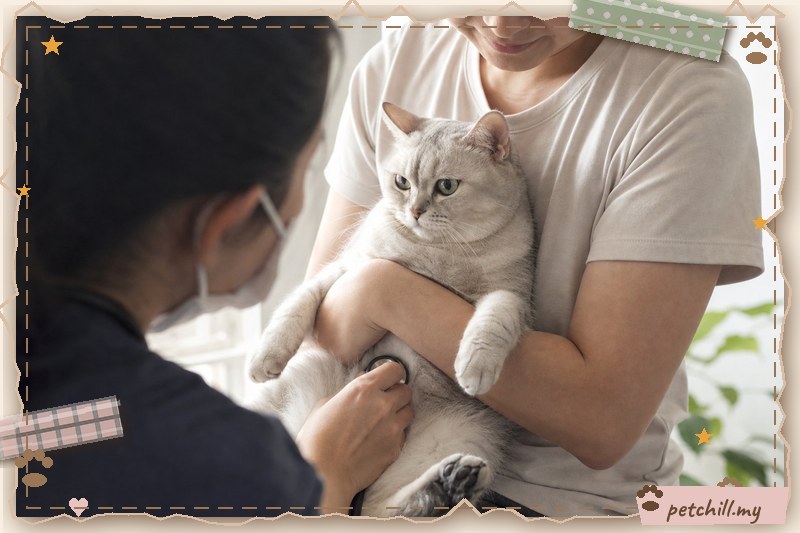
A vet visit for unexplained hair loss usually includes a physical exam, skin scrapings, a fungal culture or lamp test, and sometimes blood tests. Early checks are cheaper and kinder than waiting for a bald, infected patch to develop.
Set up the home for coat health
A cat's environment affects its skin and coat more than most owners expect. In a Kuala Lumpur apartment, humidity, air-conditioning and limited outdoor access all shape the coat.
Practical home steps:
- Keep bedding clean and dry. Damp fabric encourages fungal growth and skin irritation.
- Manage humidity with ventilation or a dehumidifier if the home feels clammy.
- Provide shade and fresh water, especially in a Johor terrace house with a hot afternoon patio.
- Avoid smoking indoors and strong chemical sprays near the cat's resting areas.
- Store cleaning products safely, since contact burns and poisoning can damage skin and coat.
- Check the coat after walks on a harness or time in a catio, especially in the rainy season when damp fur stays wet longer.
A simple weekly check takes two minutes: run your hands over the whole body, look at the skin under the fur, and note any new bald spots, scabs, lumps or changes in grooming behaviour.
When to see a vet
See a vet promptly if you notice any of the following:
- Bald patches that are spreading or not regrowing
- Red, scabby, greasy or thickened skin
- Constant scratching, head shaking or biting at the coat
- Hair loss around the ears, face or tail base
- Circular patches with scaly edges, which may be ringworm
- Weight loss, increased thirst or appetite, or lethargy alongside coat changes
- Lumps or swellings under the skin
- Hair loss in a kitten or a sudden change in an older cat
- Any skin problem that has not improved after two to three weeks of good grooming and parasite control
Do not apply human creams, medicated shampoos or home remedies without veterinary advice. Some are toxic to cats, and some mask the signs a vet needs to see.
A prevention checklist you can keep
- Brush according to coat type, at least weekly for short coats and daily for longhairs.
- Use vet-recommended flea and tick prevention every month for every pet.
- Feed a complete diet with good animal protein and essential fatty acids.
- Keep fresh water available and monitor drinking habits.
- Provide enrichment and predictable routines to reduce stress.
- Check the skin during every grooming session.
- Wash bedding and vacuum regularly.
- Book a vet check at the first sign of patchy or itchy hair loss.
Hair loss prevention for cats is not one product or one trick. It is a routine of grooming, parasite control, good food, a calm home and early veterinary care. Build those habits and most preventable coat problems will be caught while they are still small.
This article is general information for cat owners and does not replace examination by a licensed veterinarian. If your cat has hair loss, itching or skin changes, consult a vet for diagnosis and treatment.
Related reading
- Deworming Schedule for Cats: A Step-by-Step Plan for Malaysian Owners
- Blood Test for Cats Step by Step: What Happens at the Clinic
- Cat Fleas Treatment in Malaysia: A Practical Owner's Guide
- Dental Pain in Cats in Malaysia: Signs, Causes and What to Do
- Dental Pain Prevention for Cats: A Practical Malaysian Guide