
PetChill Pet Encyclopedia
Cat Health

Cat Constipation Treatment in Malaysia: A Practical Owner's Guide

Cat constipation is common and usually treatable, but it can become an emergency. This Malaysian guide explains home steps, vet treatments, diet fixes and red flags.

Published: 2026-11-06·7 min read·Author: PetChill Editorial
Cat Constipation Treatment in Malaysia: A Practical Owner''s Guide

Quick answer

Treat mild cat constipation at home with more water, wet food and vet-approved fibre, and see a vet if your cat strains for more than 24-48 hours, cries, vomits or stops eating. A Malaysian vet may prescribe laxatives, enemas or fluids, and severe cases need hospital care.

What counts as cat constipation?

Constipation is when a cat passes stool less often, or the stool is hard and dry and difficult to pass. It is not a disease on its own; it is a sign that something in the gut, diet, hydration or environment is not working well.

A normal cat usually passes stool once a day or every other day. The stool should be formed but not rock-hard. If your cat is visiting the litter box often, squatting for a long time, crying, or producing small hard pellets, that is constipation until proven otherwise.

Some cats develop obstipation, which means they cannot pass stool at all. This is a medical emergency. Repeated bouts can lead to megacolon, where the colon becomes stretched and loses its ability to push stool out. Megacolon is serious and needs long-term veterinary management.
What counts as cat constipation?

Why cats get constipated

There are many causes, and a vet visit helps sort out which one applies to your cat. Common reasons include:

  • Low water intake. Cats evolved to get water from prey, and many do not drink enough from a bowl. Dry food only diets can worsen this.
  • Low fibre or poor diet. Some diets lack the fibre needed to keep stool moving.
  • Hairballs. Long-haired cats and heavy groomers can swallow a lot of fur.
  • Obesity and inactivity. Overweight cats move less and often have poorer gut motility.
  • Pain or arthritis. A cat with sore hips may avoid the litter box or hold stool.
  • Litter box problems. A dirty box, a box in a noisy place, or too few boxes can make a cat hold stool.
  • Stress. A new pet, a move, or building work can change toilet habits.
  • Medical conditions. Dehydration, kidney disease, thyroid problems, diabetes, spinal problems, nerve damage, and pelvic injuries can all cause constipation.
  • Medicines. Some drugs, including certain painkillers, slow the gut.
  • Foreign material. Ingested hair, bone fragments or other material can block the bowel.

In Malaysia, hot weather and air-conditioned homes can both affect how much a cat drinks. Cats in apartments may also have fewer chances to move around, which adds to the risk.

Home care for mild constipation

If your cat is bright, eating, not vomiting, and has passed some stool in the last day or two, you can try gentle home steps. If your cat is unwell or in pain, skip home care and see a vet.

1. Increase water intake

  • Switch part or all of the diet to wet food.
  • Add a spoonful of warm water to wet food.
  • Use a water fountain; many cats prefer running water.
  • Place several water bowls around the home, away from food.
  • Offer low-salt broth only if your vet agrees.

2. Add safe fibre

Plain cooked pumpkin, canned pumpkin without sugar or spices, and psyllium husk mixed into wet food are common options. Start with a small amount and increase slowly over several days. Too much fibre too fast can cause gas or make things worse if your cat is dehydrated.

Ask your vet for the right amount for your cat's weight. Do not use human fibre supplements without checking, because some contain sweeteners or other ingredients that are not suitable for cats.

3. Keep the litter box clean and calm

Scoop at least once a day and wash the box regularly. Have one box per cat plus one extra. Place boxes in quiet spots, away from noisy appliances and busy walkways. In a Kuala Lumpur apartment, a bathroom or a quiet corner of a balcony can work well if it is safe and shaded.

4. Encourage movement

Short play sessions with a wand toy or laser pointer can help gut motility. Even 10 minutes twice a day makes a difference for indoor cats.

5. Groom regularly

Brushing helps remove loose fur before your cat swallows it. This is especially important for long-haired cats and during shedding season.

6. Never use human medicines

Do not give human laxatives, enemas, suppositories, or mineral oil unless your vet has specifically prescribed them. Some human products are toxic to cats, and enemas given incorrectly can cause serious injury.
Home care for mild constipation

What your vet may do

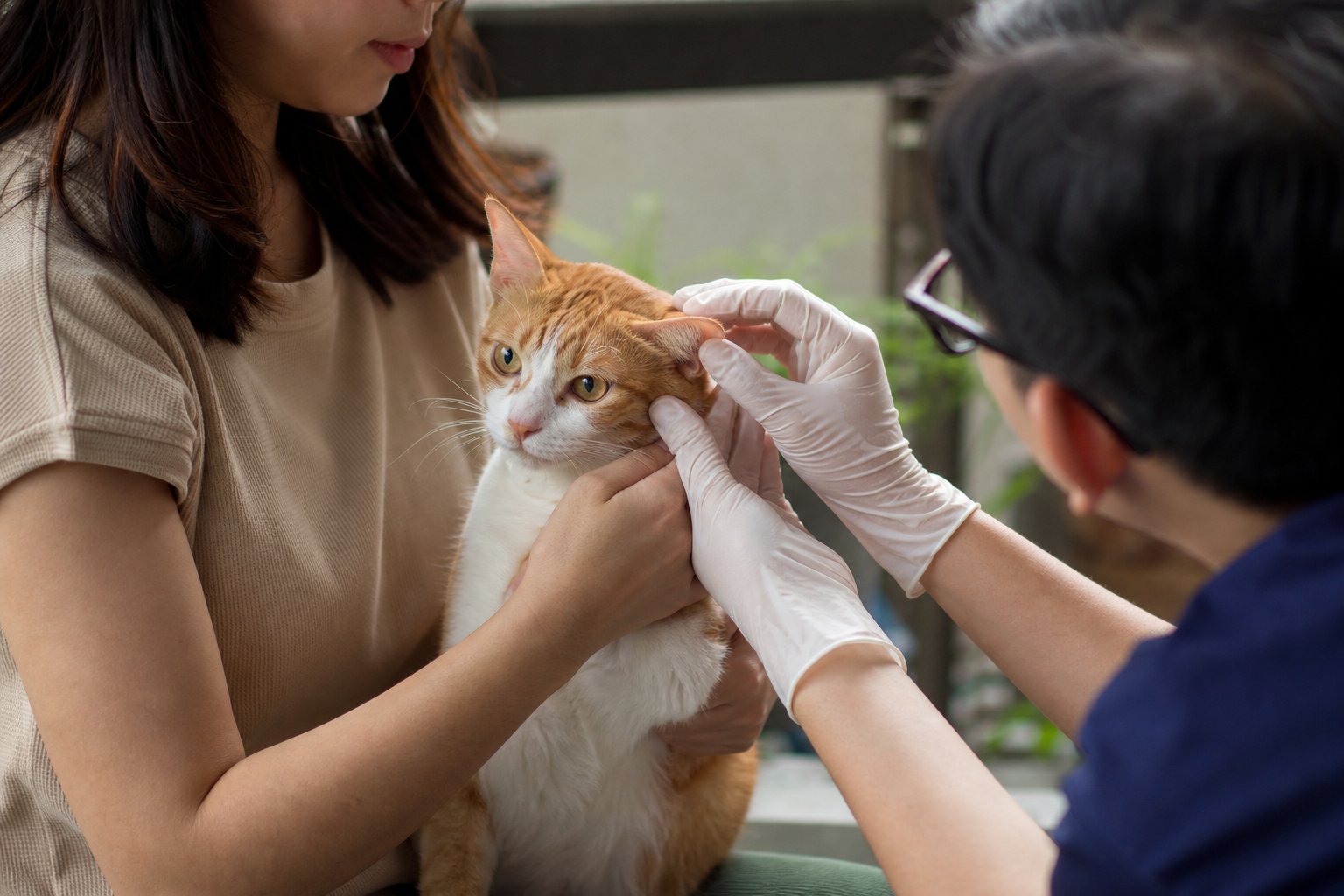
When you visit a Malaysian vet, expect a physical examination first. The vet will feel your cat's abdomen, check hydration, look at the gums, and may do a rectal examination.

Depending on the findings, your vet may recommend:

  • Fluid therapy. Subcutaneous or intravenous fluids to rehydrate the cat and soften stool.
  • Laxatives. Vet-only products such as lactulose or other stool softeners, dosed by weight.
  • Enemas. Given carefully by a vet, sometimes under sedation. Never attempt this at home.
  • Manual removal. In severe cases, the vet may need to remove hard stool manually under anaesthesia.
  • Blood tests and imaging. To check for kidney disease, thyroid problems, diabetes, or a blockage. X-rays or ultrasound may be needed.
  • Hospitalisation. Cats that are dehydrated, vomiting, or blocked may need to stay for monitoring and treatment.
  • Surgery. Rare, but sometimes needed for megacolon or a physical obstruction.

Your vet will also discuss diet. Prescription gastrointestinal or high-fibre diets are often recommended, and these are available through vet clinics in Malaysia. Local prices vary, so ask your vet or pet retailer for a quote rather than assuming a fixed cost.

Diet and long-term management

The best long-term treatment is often prevention. Once your cat is stable, focus on:

  • Wet food as the base diet. It adds water and is easier on the gut.
  • A vet-recommended fibre level. Some cats do better on higher fibre; others need a highly digestible diet. Your vet can guide you.
  • Consistent feeding times. Sudden diet changes can cause problems.
  • Weight control. Keep your cat lean; obesity is a major risk factor.
  • Regular play and grooming. Both support gut health.
  • Monitoring. Keep a simple log of litter box visits and stool appearance. This helps your vet spot patterns.

If your cat has megacolon, long-term medication and special diet are often needed, and some cats need regular vet checks.
Diet and long-term management

Comparison table: home care vs vet treatment

Situation What you can do at home What a vet may do When to seek help
Mild constipation, cat bright and eating Wet food, water, safe fibre, clean litter box, play Examine, advise diet, prescribe stool softener if needed If no stool in 24-48 hours
Straining and crying Stop home remedies, offer water Pain relief, fluids, enema, blood tests Same day
Vomiting or not eating Do not force food or medicine Fluids, anti-nausea medicine, imaging Same day
No stool for over 48 hours None; see a vet Enema, manual removal, hospitalisation Urgent
Repeated bouts Diet and lifestyle changes Investigate underlying disease, long-term plan Book a check-up

When to see a vet

See a vet promptly if your cat:

  • Has not passed stool for more than 48 hours.
  • Is straining and crying in the litter box.
  • Is vomiting, drooling, or refusing food.
  • Has a swollen, painful abdomen.
  • Is lethargic or hiding.
  • Has blood in the stool or around the anus.
  • Has had repeated constipation episodes.
  • Is a long-haired cat with a large hairball problem that does not improve.

Do not wait to see if it resolves on its own if any of these signs are present. Constipation can progress to a blockage, which is dangerous.
When to see a vet

Preventing constipation in Malaysian homes

Malaysia's climate and housing shape cat care. In a Penang terrace house during the rainy season, cats may stay indoors more and drink less. In a Johor terrace house with an outdoor area, make sure your cat has shade and fresh water at all times. In high-rise apartments, keep litter boxes away from hot balconies and ensure your cat has quiet, safe spaces.

Practical prevention tips:

  • Provide fresh water in several places and change it daily.
  • Use wet food daily, especially in hot weather.
  • Brush your cat several times a week.
  • Keep litter boxes clean and private.
  • Schedule a yearly vet check, and more often for senior cats.
  • Watch for changes in appetite, water intake and litter box habits.

A simple daily checklist

  • Fresh water available in at least two places.
  • Wet food offered at least once a day.
  • Litter box scooped and clean.
  • Play session of 10-15 minutes.
  • Quick check of stool appearance and frequency.
  • Grooming for long-haired cats.

What not to do

  • Do not give human laxatives or enemas.
  • Do not force food or water into a vomiting cat.
  • Do not ignore repeated straining.
  • Do not delay vet care because you want to try home remedies first.

Final word

Cat constipation is common and often manageable, but it should not be ignored. Start with water, wet food and a clean litter box, and involve your vet early if your cat is uncomfortable or not improving. In Malaysia, ask your vet for local pricing and product advice, because costs and available diets vary by clinic and city.

This article is general information only and is not a substitute for veterinary advice. Always consult a licensed veterinarian for diagnosis and treatment of your cat.

Frequently Asked Questions

📌 Key Takeaways

  • This article covers: Quick answer, What counts as cat constipation?, Why cats get constipated, Home care for mild constipation, What your vet may do, and more
  • Jump to any section via the table of contents for the key details
  • If in doubt, consult a registered veterinarian

Explore this topic cluster

This guide belongs to a Malaysia-focused topic cluster. Read the pillar guide and related articles.

View cluster →

📚 Cat Health article index

This article is part of the Cat Health topic cluster. Explore related articles:

⭐ Pillar guide: Cat Health complete guideBlood Test for Cats in Malaysia: What It Checks, Costs and When You Need One→ ReadBlood Test for Cats Step by Step: What Happens at the Clinic→ ReadBlood Test for Cats: What to Expect (Malaysian Owner's Guide)→ ReadCat Dental Pain Treatment in Malaysia: A Practical Owner's Guide→ ReadCat Diarrhea Treatment in Malaysia: A Practical Owner's Guide→ ReadCat Ear Mites Treatment in Malaysia: A Complete Owner's Guide→ ReadCat Eye Infection Treatment in Malaysia: A Practical Owner's Guide→ ReadCat Fleas Treatment in Malaysia: A Practical Owner's Guide→ ReadCat Hair Loss Treatment in Malaysia: A Practical Owner's Guide→ ReadCat Licking Wounds: Why It Happens and How to Treat It in Malaysia→ ReadCat Poisoning Treatment in Malaysia: What to Do, What to Expect, and How to Prevent It→ ReadCat Ringworm Treatment in Malaysia: A Practical Owner's Guide→ ReadCat Skin Fungus Treatment in Malaysia: A Practical Owner's Guide→ ReadCat Sneezing Blood: Causes, Treatment and When to See a Vet in Malaysia→ ReadCat Vomiting Treatment in Malaysia: What to Do and When to See a Vet→ ReadCat Weight Loss Treatment in Malaysia: A Practical Guide for Owners→ ReadCat Worms Treatment in Malaysia: A Practical Owner's Guide→ ReadChocolate Poisoning and Cats in Malaysia: What Every Owner Should Know→ ReadConstipation in Cats: Causes, Care and When to See a Vet in Malaysia→ ReadConstipation in Cats in Malaysia: Causes, Signs and What to Do→ ReadConstipation Prevention for Cats: A Practical Guide for Malaysian Owners→ ReadDental Pain in Cats: Causes, Signs and Care (Malaysia Guide)→ ReadDental Pain in Cats in Malaysia: Signs, Causes and What to Do→ ReadDental Pain Prevention for Cats: A Practical Malaysian Guide→ ReadDeworming Schedule for Cats in Malaysia: A Practical, Vet-Led Guide→ ReadDeworming Schedule for Cats: A Step-by-Step Plan for Malaysian Owners→ ReadDeworming Schedule for Cats: What to Expect (Malaysia Guide)→ ReadDiarrhea in Cats: Causes and Care (Malaysian Owner's Guide)→ ReadDiarrhea in Cats in Malaysia: Causes, Home Care and When to See a Vet→ ReadDiarrhea Prevention for Cats: A Practical Guide for Malaysian Owners→ ReadE-Collar Recovery for Cats in Malaysia: A Practical Guide for Owners→ ReadE-Collar Recovery for Cats Step by Step: A Practical Guide for Malaysian Owners→ ReadE-Collar Recovery for Cats: What to Expect (Malaysia Guide)→ ReadEar Mites in Cats: Causes and Care (Malaysia Guide)→ ReadEar Mites in Cats in Malaysia: Signs, Treatment and Prevention→ ReadEar Mites Prevention for Cats: A Practical Malaysian Guide→ ReadElectrical Cables and Cats in Malaysia: A Practical Safety Guide→ ReadEye Infection in Cats: Causes and Care (Malaysia Guide)→ ReadEye Infection in Cats in Malaysia: Causes, Signs, Treatment & Prevention→ ReadEye Infection Prevention for Cats: A Practical Malaysian Guide→ ReadFans and Air Conditioning for Cats in Malaysia: A Practical Comfort Guide→ ReadFlea Treatment for Cats in Malaysia: A Complete Guide→ ReadFlea Treatment for Cats Step by Step: A Practical Malaysian Guide→ ReadFlea Treatment for Cats: What to Expect (Malaysia Guide)→ ReadFleas in Cats: Causes and Care (Malaysia Guide)→ ReadFleas in Cats in Malaysia: Signs, Treatment and Prevention→ ReadFleas Prevention for Cats in Malaysia: A Practical, Year-Round Plan→ ReadGiving Pills for Cats in Malaysia: A Stress-Free Step-by-Step Guide→ ReadGiving Pills for Cats Step by Step: A Calm, Practical Guide for Malaysian Owners→ ReadGiving Pills for Cats: What to Expect (Malaysian Owner's Guide)→ ReadHair Loss in Cats: Causes and Care (Malaysian Owner's Guide)→ ReadHair Loss in Cats in Malaysia: Causes, Home Checks and When to See a Vet→ ReadHair Loss Prevention for Cats: A Practical Grooming and Health Guide→ ReadHousehold Cleaning Products and Cats in Malaysia: A Safety Guide→ ReadHow to Prevent Chocolate Poisoning Around Cats: A Practical Guide for Malaysian Homes→ ReadHow to Prevent Electrical Cables Around Cats: A Practical Safety Guide for Malaysian Homes→ ReadHow to Prevent Fan and Aircond Problems Around Cats: A Malaysian Home Guide→ ReadHow to Prevent Household Cleaning Products Around Cats: A Practical Safety Guide for Malaysian Homes→ ReadHow to Prevent Lily Poisoning Around Cats: A Practical Safety Guide for Malaysian Homes→ ReadHow to Prevent Open Windows Around Cats: A Practical Safety Guide for Malaysian Homes→ ReadHow to Prevent Paracetamol Poisoning Around Cats: A Malaysian Safety Guide→ ReadHow to Prevent Plastic Bags Around Cats: A Practical Safety Guide for Malaysian Homes→ ReadHow to Treat Constipation in Cats at Home: A Practical Malaysian Guide→ ReadHow to Treat Dental Pain in Cats at Home: Safe Relief and When to See a Vet→ ReadHow to Treat Diarrhea in Cats at Home: A Practical Malaysian Guide→ ReadHow to Treat Ear Mites in Cats at Home: A Practical Malaysian Guide→ ReadHow to Treat Eye Infection in Cats at Home: Safe Steps for Malaysian Owners→ ReadHow to Treat Fleas in Cats at Home: A Practical Malaysian Guide→ ReadHow to Treat Hair Loss in Cats at Home: A Practical Malaysian Guide→ ReadHow to Treat Licking Wounds in Cats at Home: A Practical Guide for Malaysian Owners→ ReadHow to Treat Poisoning in Cats at Home: First Aid, Safe Steps and When to Rush to the Vet→ ReadHow to Treat Ringworm in Cats at Home: A Practical Guide for Malaysian Owners→ ReadHow to Treat Skin Fungus in Cats at Home: A Practical Malaysian Guide→ ReadHow to Treat Sneezing Blood in Cats at Home: Safe First Steps for Malaysian Owners→ ReadHow to Treat Vomiting in Cats at Home: A Practical Malaysian Guide→ ReadHow to Treat Weight Loss in Cats at Home: A Practical Guide for Malaysian Owners→ ReadHow to Treat Worms in Cats at Home: A Practical, Safe Guide for Malaysian Owners→ ReadLicking Wounds in Cats: Causes and Care (Malaysian Vet Guide)→ ReadLicking Wounds in Cats Malaysia: When It's Normal and When to Stop It→ ReadLicking Wounds Prevention for Cats: How to Stop the Lick Cycle and Let Skin Heal→ ReadLily Poisoning and Cats in Malaysia: Why Every Petal Is an Emergency→ ReadOpen Windows and Cats in Malaysia: How to Keep Your Cat Safe Without Locking Up the House→ ReadParacetamol Poisoning in Cats in Malaysia: Why Even One Tablet Can Be Deadly→ ReadPlastic Bags and Cats in Malaysia: Why They're Dangerous and How to Keep Your Cat Safe→ ReadPoisoning in Cats: Causes, Symptoms and Care (Malaysia Guide)→ ReadPoisoning in Cats in Malaysia: Common Toxins, Signs and What to Do→ ReadPoisoning Prevention for Cats in Malaysia: A Room-by-Room Safety Guide→ ReadRingworm in Cats: Causes, Symptoms and Care (Malaysia Guide)→ ReadRingworm in Cats in Malaysia: Signs, Treatment and Prevention→ ReadRingworm Prevention for Cats in Malaysia: A Practical, Vet-Informed Guide→ ReadSigns of Constipation in Cats in Malaysia: What to Watch For and When to Act→ ReadSigns of Dental Pain in Cats in Malaysia: What Owners Miss→ ReadSigns of Diarrhea in Cats in Malaysia: What's Normal, What's Not→ ReadSigns of Ear Mites in Cats in Malaysia: How to Spot, Treat and Prevent Them→ ReadSigns of Eye Infection in Cats in Malaysia: What Owners Should Look For→ ReadSigns of Fleas in Cats in Malaysia: How to Spot, Check and Act→ ReadSigns of Hair Loss in Cats in Malaysia: What to Look For and When to Worry→ ReadSigns of Licking Wounds in Cats Malaysia: How to Spot Problem Licking→ ReadSigns of Poisoning in Cats in Malaysia: What to Watch For and What to Do→ ReadSigns of Ringworm in Cats in Malaysia: What Owners Should Look For→ ReadSigns of Skin Fungus in Cats in Malaysia: How to Spot Ringworm Early→ ReadBlood in a Cat's Sneeze: Signs, Causes and What to Do in Malaysia→ ReadSigns of Vomiting in Cats in Malaysia: What's Normal, What's Not, and When to See a Vet→ ReadSigns of Weight Loss in Cats in Malaysia: What to Watch For and When to Worry→ ReadSigns of Worms in Cats in Malaysia: What Owners Should Look For→ ReadSkin Fungus in Cats: Causes, Signs and Care (Malaysia Guide)→ ReadSkin Fungus in Cats in Malaysia: Ringworm Signs, Treatment and Prevention→ ReadSkin Fungus Prevention for Cats: A Practical Guide for Malaysian Homes→ ReadSneezing Blood in Cats: Causes and Care (Malaysia Guide)→ ReadSneezing Blood in Cats in Malaysia: Causes, What to Do, and When to See a Vet→ ReadSneezing Blood Prevention for Cats: Causes, Care and When to Worry→ ReadSterilization for Cats in Malaysia: A Complete Guide for Owners→ ReadSterilization for Cats Step by Step: A Malaysian Owner's Guide→ ReadSterilisation for Cats: What to Expect (Malaysian Owner's Guide)→ ReadUltrasound for Cats in Malaysia: What It Is, When It's Needed, and What to Expect→ ReadUltrasound for Cats Step by Step: What Happens, What It Costs, and How to Prepare→ ReadUltrasound for Cats: What to Expect (Malaysian Owner's Guide)→ ReadVaccination Side Effects for Cats in Malaysia: What's Normal, What's Not→ ReadVaccination Side Effects for Cats: A Step-by-Step Guide for Malaysian Owners→ ReadCat Vaccination Side Effects: What Malaysian Owners Should Expect→ ReadVomiting in Cats: Causes and Care (Malaysia Guide)→ ReadVomiting in Cats in Malaysia: When It's Normal and When to Worry→ ReadVomiting Prevention for Cats: A Practical Guide for Malaysian Owners→ ReadWeight Loss in Cats: Causes and Care (Malaysian Vet Guide)→ ReadWeight Loss in Cats in Malaysia: Causes, Warning Signs and What to Do→ ReadWeight Loss Prevention for Cats: A Practical Malaysian Guide→ ReadWorms in Cats: Causes and Care (Malaysia Vet Guide)→ ReadWorms in Cats in Malaysia: A Practical Owner's Guide→ ReadWorms Prevention for Cats in Malaysia: A Complete Guide→ ReadWound Care for Cats in Malaysia: A Practical Owner's Guide→ ReadWound Care for Cats Step by Step: A Practical Malaysian Guide→ ReadWound Care for Cats: What to Expect, Step by Step→ ReadX-Ray for Cats in Malaysia: What to Expect, Costs and Safety→ ReadX-Ray for Cats Step by Step: What Malaysian Owners Should Expect→ ReadX-Ray for Cats: What to Expect (Malaysian Owner's Guide)→ ReadArthritis Pet Care in Malaysia: A Practical Guide for Cats and Dogs→ ReadCat Arthritis in Malaysia: 5 Home Signs Your Cat Is in Pain — and What to Do→ ReadEarly Signs of Chronic Disease in Cats: 7 Daily Checks and a 4-Week Record Sheet→ ReadCat Chronic Kidney Disease in Malaysia: The Daily Care Routine That Actually Slows It Down→ ReadCat Constipation in Malaysia: The 48-Hour Rule, Red Flags and What Actually Helps→ ReadCat Dehydration in Malaysia: Home Skin-Turgor Test, 7 Causes and Emergency Signs→ ReadCat Heart Disease in Malaysia: Sleep Breathing Count, HCM Early Signs and When to Rush to the Vet→ ReadCat Kidney Disease in Malaysia: Early Signs, Prevention and Everyday Care→ ReadCat Pancreatitis in Malaysia: Symptoms, fPLI Testing, Treatment and Home Recovery→ ReadCat Ringworm in Malaysia: Signs, Treatment and Home Cleaning Guide→ ReadCat Symptom Checker Malaysia: 12 Common Signs and a Green-Amber-Red Triage Table→ ReadPet Deworming in Malaysia: How Often to Worm Your Cat or Dog→ ReadPet Gut Health in Malaysia: Probiotics, Food Transitions and Stool Troubles (Part 2)→ ReadCat Gut Health: Probiotics, Antibiotics and Food Transitions Explained (Malaysia)→ ReadPet Health Malaysia 2026: Common Cat and Dog Illnesses, Prevention Care and Vet Guidance→ ReadPet Insurance in Malaysia: How to Compare Plans Before You Sign→ ReadPet Poisoning at Home: Household Chemicals, Toxic Plants and When Not to Induce Vomiting (Malaysia)→ ReadPet Poisoning at Home: Household Chemicals, Insecticides and Toxic Plants (Malaysia, Part 1)→ ReadCat Chronic Disease Early Signs in Malaysia: 7 Daily Checks and a 4-Week Log→ ReadCat Health Guide Malaysia: Symptom Check, Red-Flag Triage & When to See a Vet→ ReadCat Ringworm in Malaysia: Symptoms, Treatment and Home Cleaning Guide→ ReadGut Health, Probiotics & Food Transition Part 2: Practical Malaysia Guide→ ReadPet Health in Malaysia: A Practical Prevention Guide for Cats and Dogs→ Read

Related products at PetChill

