

Worms are among the most common health problems in cats, and in Malaysia's warm, humid climate, parasites can thrive year-round. While worms might seem like a minor issue, they can cause serious illness, especially in kittens and older cats. The good news is that prevention is straightforward and highly effective. This guide explains the types of worms that affect cats, how they spread, and practical steps you can take to keep your cat worm-free.
Why Worm Prevention Matters for Malaysian Cats
Malaysia's tropical environment is ideal for parasite survival. Unlike colder countries where freezing winters break the parasite life cycle, here worms can persist in soil and on surfaces throughout the year. That means your cat faces a constant risk, even if they never step outside.
Worms can cause a range of problems, from mild digestive upset to life-threatening anaemia. Kittens are especially vulnerable because their immune systems are still developing, and they can become infected through their mother's milk. Adult cats with worms may show subtle signs like a dull coat or slight weight loss, which are easy to miss.
Prevention is not just about protecting your cat; it also protects your family. Some cat worms, such as roundworms and hookworms, can infect humans. Children are particularly at risk because they may play in contaminated soil or forget to wash their hands. By keeping your cat worm-free, you reduce the risk of zoonotic infections in your household.
Types of Worms That Affect Cats
Cats can be affected by several types of internal parasites. The most common in Malaysia include:
- Roundworms: These look like spaghetti and are often seen in vomit or stool. They are the most common worm in kittens and can be transmitted through mother's milk.
- Tapeworms: These are flat, segmented worms that can be seen around the anus or in stool. They are spread by fleas, so flea control is essential for prevention.
- Hookworms: These tiny worms attach to the intestinal wall and feed on blood, causing anaemia. They can penetrate the skin, so cats can become infected by walking on contaminated soil.
- Whipworms: Less common but can cause chronic diarrhoea and weight loss.
- Heartworms: Though more associated with dogs, cats can also get heartworms from mosquito bites. Heartworm disease in cats is serious and often difficult to diagnose.
Each type has a different life cycle and transmission route, which is why a comprehensive prevention plan is important.
How Cats Get Worms
Understanding how worms spread helps you target prevention. Common routes include:
- Ingestion of eggs or larvae: Cats can swallow worm eggs from contaminated soil, water, or food. They may also ingest larvae while grooming.
- Fleas: Tapeworms are transmitted when a cat swallows an infected flea during grooming. This is why flea control is a cornerstone of worm prevention.
- Hunting: Cats that hunt rodents or birds can become infected with tapeworms and other parasites.
- Mother to kitten: Kittens can get roundworms through the placenta or mother's milk.
- Raw meat: Feeding raw meat can expose cats to tapeworms and other parasites.
- Mosquitoes: Heartworm larvae are transmitted through mosquito bites.
Even indoor cats are not completely safe. Worm eggs can be brought indoors on shoes, and mosquitoes can enter the home. That's why year-round prevention is recommended for all cats, regardless of lifestyle.
Core Prevention Strategies
A multi-layered approach is the most effective way to prevent worms. Here are the key strategies:
1. Regular Deworming
Deworming is the foundation of worm prevention. The frequency depends on your cat's age, lifestyle, and risk factors. As a general guide:
- Kittens: Start deworming at 2–3 weeks of age and repeat every 2 weeks until 12 weeks, then monthly until 6 months.
- Adult cats: Deworm every 3–6 months. Cats that hunt or have access outdoors may need more frequent treatment.
- Pregnant and nursing cats: Deworm as advised by your vet to prevent transmission to kittens.
Always use a dewormer appropriate for your cat's weight and age. Never use dog dewormers, as some can be toxic to cats. Your Malaysian vet can recommend a product and schedule tailored to your cat.
2. Flea Control
Fleas are the primary vector for tapeworms. Keeping your cat flea-free is essential. Use a vet-recommended flea treatment (spot-on, oral, or collar) and treat all pets in the household. Also, maintain a clean environment: wash bedding regularly and vacuum floors and furniture to remove flea eggs and larvae.
3. Hygiene and Litter Box Management
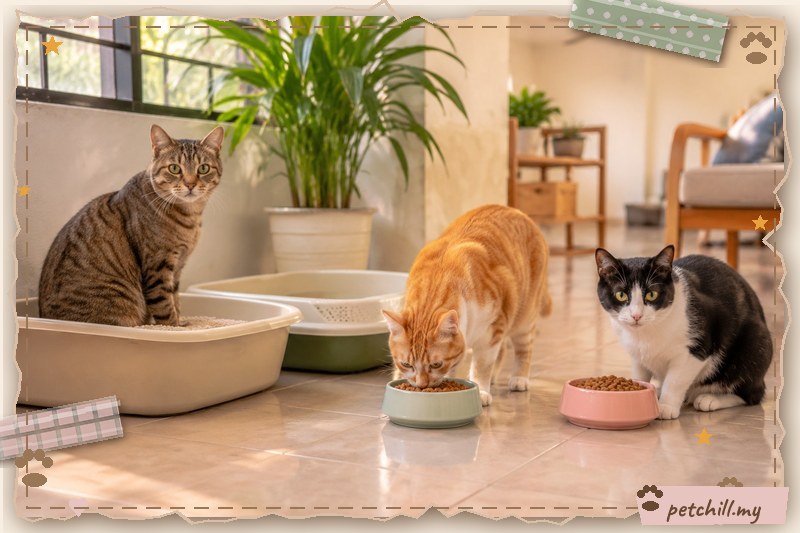
Worm eggs are shed in faeces, so daily litter box cleaning is crucial. Remove faeces promptly and dispose of them in a sealed bag. Wash your hands thoroughly after handling the litter box. If your cat has been diagnosed with worms, disinfect the litter box with a suitable cleaner (avoid bleach if your cat is sensitive) and replace litter completely.
4. Keep Cats Indoors
Indoor cats have a lower risk of exposure to worms, especially those transmitted through soil or prey. However, indoor cats can still get worms from fleas or contaminated objects, so deworming is still necessary. If your cat goes outside, supervise them and prevent hunting.
5. Avoid Raw Meat
Feeding raw meat can expose your cat to tapeworms and other pathogens. If you choose a raw diet, freeze meat appropriately and source from reputable suppliers, but be aware that freezing does not kill all parasites. Cooking meat is safer.
6. Mosquito Control
Heartworm is transmitted by mosquitoes, so reducing mosquito breeding sites around your home helps. Remove standing water, use screens on windows, and consider mosquito repellents safe for cats (never use human repellents containing DEET).
Deworming Products: What to Look For
There are many deworming products available in Malaysia, including tablets, spot-on treatments, and pastes. Look for products that are effective against the worms common in your area. A broad-spectrum dewormer that covers roundworms, hookworms, and tapeworms is often recommended. Some products also protect against heartworm.
Always check the label for the active ingredient and the weight range. Common active ingredients include praziquantel (for tapeworms), pyrantel pamoate (for roundworms and hookworms), and fenbendazole (for various worms). Your vet can help you choose the right product.
Important: Never give your cat a dewormer meant for dogs or livestock. Some dog dewormers contain ingredients that are fatal to cats.
Comparison of Common Deworming Options
| Product Type | Pros | Cons | Best For |
|---|---|---|---|
| Oral tablets | Precise dosing, effective | Some cats resist pills | Cats that accept pills |
| Spot-on treatments | Easy to apply, also may control fleas | Can be messy, requires restraint | Cats that dislike pills |
| Pastes | Easy to administer | Less precise dosing | Kittens, fussy cats |
| Injectable (vet only) | Long-lasting | Requires vet visit | Cats with compliance issues |
Note: Prices vary, so ask your local vet or pet retailer for current pricing.
Special Considerations for Malaysian Homes
Malaysia's climate and living arrangements can affect worm prevention. Here are some specific contexts:
- Kuala Lumpur apartment: Even in high-rise apartments, cats can be exposed to worms through fleas brought in by other pets or on clothing. Regular deworming and flea control are still needed. Mosquitoes can also enter apartments, so heartworm prevention is worth discussing with your vet.
- Johor terrace house: Cats with access to a garden or compound are at higher risk of picking up hookworm larvae from soil. Keep cats indoors or supervise outdoor time, and deworm more frequently if they go outside.
When to See a Vet
While prevention is mostly home-based, some situations require professional attention:
- Kittens with a potbellied appearance, diarrhoea, or poor growth: They may have a heavy worm burden and need prompt treatment.
- Visible worms in stool or vomit: This indicates an active infection; your vet can confirm the type and prescribe appropriate treatment.
- Weight loss, lethargy, or vomiting: These can be signs of worms or other serious conditions.
- Blood in stool or anaemia: Hookworms can cause significant blood loss.
- Coughing or difficulty breathing: Could be heartworm disease.
- If you are unsure about deworming products or schedules: Always consult your vet, especially before giving any medication to a pregnant or nursing cat.
Building a Worm Prevention Routine
A consistent routine makes prevention easy. Here's a sample schedule you can adapt:
- Daily: Clean litter box, remove faeces, wash hands.
- Weekly: Check your cat for fleas (use a flea comb), wash bedding.
- Monthly: Apply flea prevention as directed.
- Every 3–6 months: Deworm (or as advised by your vet).
- Annually: Vet check-up, including faecal exam if recommended.
Keep a record of deworming dates and products used. This helps you stay on track and provides useful information for your vet.
Common Myths About Cat Worms
- "Indoor cats don't get worms." False. Indoor cats can get worms from fleas, shoes, or mosquitoes.
- "Garlic prevents worms." There is no scientific evidence that garlic prevents worms, and garlic can be toxic to cats.
- "My cat is healthy, so they don't have worms." Cats can carry worms without showing obvious signs.
- "Deworming once is enough." Reinfection is common, so regular deworming is necessary.
Conclusion
Worm prevention is an essential part of responsible cat care. By following a regular deworming schedule, controlling fleas, maintaining good hygiene, and keeping your cat indoors, you can significantly reduce the risk of worm infections. In Malaysia's climate, year-round prevention is key. If you have any concerns about your cat's health or deworming products, consult your veterinarian for personalised advice.
Vet disclaimer: This article provides general information only and is not a substitute for professional veterinary advice. Always consult a licensed veterinarian for diagnosis and treatment of your cat's health conditions.
Related reading
- Cat Health Guide Malaysia: Symptom Check, Red-Flag Triage & When to See a Vet
- Cat Worms Treatment in Malaysia: A Practical Owner's Guide
- Deworming Schedule for Cats: What to Expect (Malaysia Guide)
- Fleas Prevention for Cats in Malaysia: A Practical, Year-Round Plan
- Pet Health in Malaysia: A Practical Prevention Guide for Cats and Dogs
- Signs of Worms in Cats in Malaysia: What Owners Should Look For
- Worms in Cats in Malaysia: A Practical Owner's Guide
- Blood Test for Cats in Malaysia: What It Checks, Costs and When You Need One
- Blood Test for Cats: What to Expect (Malaysian Owner's Guide)
- Cat Dental Pain Treatment in Malaysia: A Practical Owner's Guide

