
PetChill Pet Encyclopedia
Cat Health

Cat Ringworm Treatment in Malaysia: A Practical Owner's Guide

Ringworm in cats is a fungal skin infection, not a worm. Treatment usually combines vet-prescribed antifungal medication with environmental cleaning. This guide explains the signs, the treatment options available through Malaysian vets, and how to stop reinfection at home.

Published: 2026-11-06Β·7 min readΒ·Author: PetChill Editorial
Cat Ringworm Treatment in Malaysia: A Practical Owner''s Guide

πŸ’‘ Quick Answer

Cat ringworm treatment in Malaysia centres on vet-prescribed antifungal medication (oral or topical) plus thorough cleaning of the home. Most cats need several weeks of treatment. Never use human antifungal creams without veterinary advice, and see a vet promptly if your cat has circular hair loss, scaling or persistent itching.

What is ringworm and why does it matter for Malaysian cat owners?

Ringworm is a fungal infection of the skin, hair and sometimes nails. Despite the name, it is not a worm. In cats, the most common cause is a fungus called Microsporum canis, though other fungi can be involved. The infection creates circular areas of hair loss, scaling and sometimes redness or crusting. It can affect cats of any age, but kittens, senior cats and cats with weakened immunity are more vulnerable.

In Malaysia's warm, humid climate, fungal skin problems are common, and ringworm can persist in the environment for months if not addressed properly. Because ringworm can spread to people and other pets, treatment is not just about clearing the cat's skin; it is about breaking the cycle of infection in the home.

This guide explains the signs, how vets diagnose ringworm, the treatment options available through Malaysian veterinary practices, and the practical steps you can take at home. It does not replace a veterinary consultation, but it will help you ask the right questions and manage the process confidently.

Recognising ringworm: signs to look for

Ringworm lesions are often described as circular, but they do not always start that way. Early signs can be subtle. Watch for:

  • Circular patches of hair loss, especially on the head, ears, face, tail or limbs.
  • Scaly, flaky or crusty skin within the bald patches.
  • Redness or darkening of the skin.
  • Broken hairs at the edges of the lesion.
  • Mild to moderate itching, though some cats show little discomfort.
  • In some cats, widespread scaling or patchy hair loss rather than distinct circles.

Some cats carry ringworm without obvious signs, which is one reason it can spread silently in multi-cat households. If you have other pets, they may need checking too.

Ringworm look-alikes

Many skin conditions can mimic ringworm, including bacterial infections, allergies, mites and other fungal diseases. This is why a vet's diagnosis matters. Do not assume every bald patch is ringworm, and do not start treatment without confirmation if you can avoid it.
Recognising ringworm: signs to look for

How vets diagnose ringworm in Malaysia

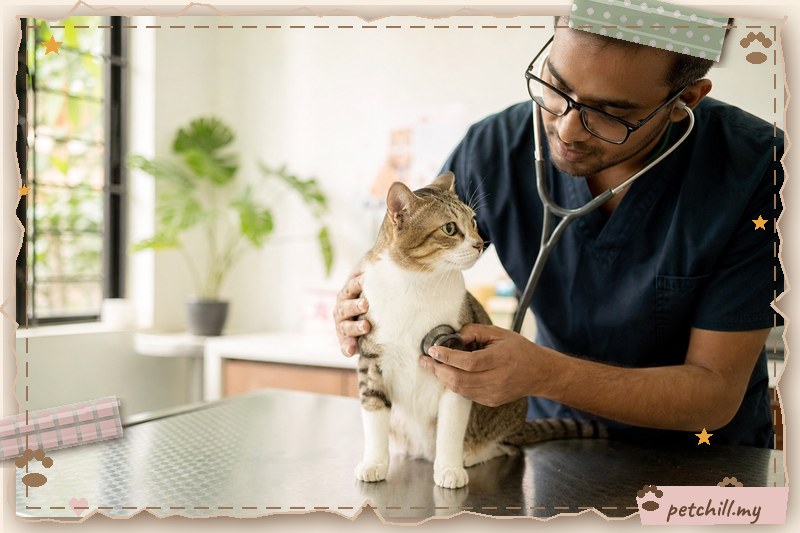
A Malaysian vet will typically start with a physical examination and a history of your cat's lifestyle, recent contact with other animals, and any skin problems in the household. They may use a Wood's lamp, a special ultraviolet light that causes some ringworm fungi to fluoresce. However, not all ringworm strains glow, so a negative Wood's lamp does not rule out infection.

The most reliable test is a fungal culture, where a sample of hair or skin scales is placed on a special medium and monitored for growth. This can take one to three weeks. Your vet may also examine hairs under a microscope to look for fungal spores. In some cases, they may recommend a skin biopsy if the diagnosis remains unclear.

Because laboratory testing takes time, some vets may start treatment based on strong clinical suspicion while waiting for results. Always follow your vet's advice on testing and rechecking.

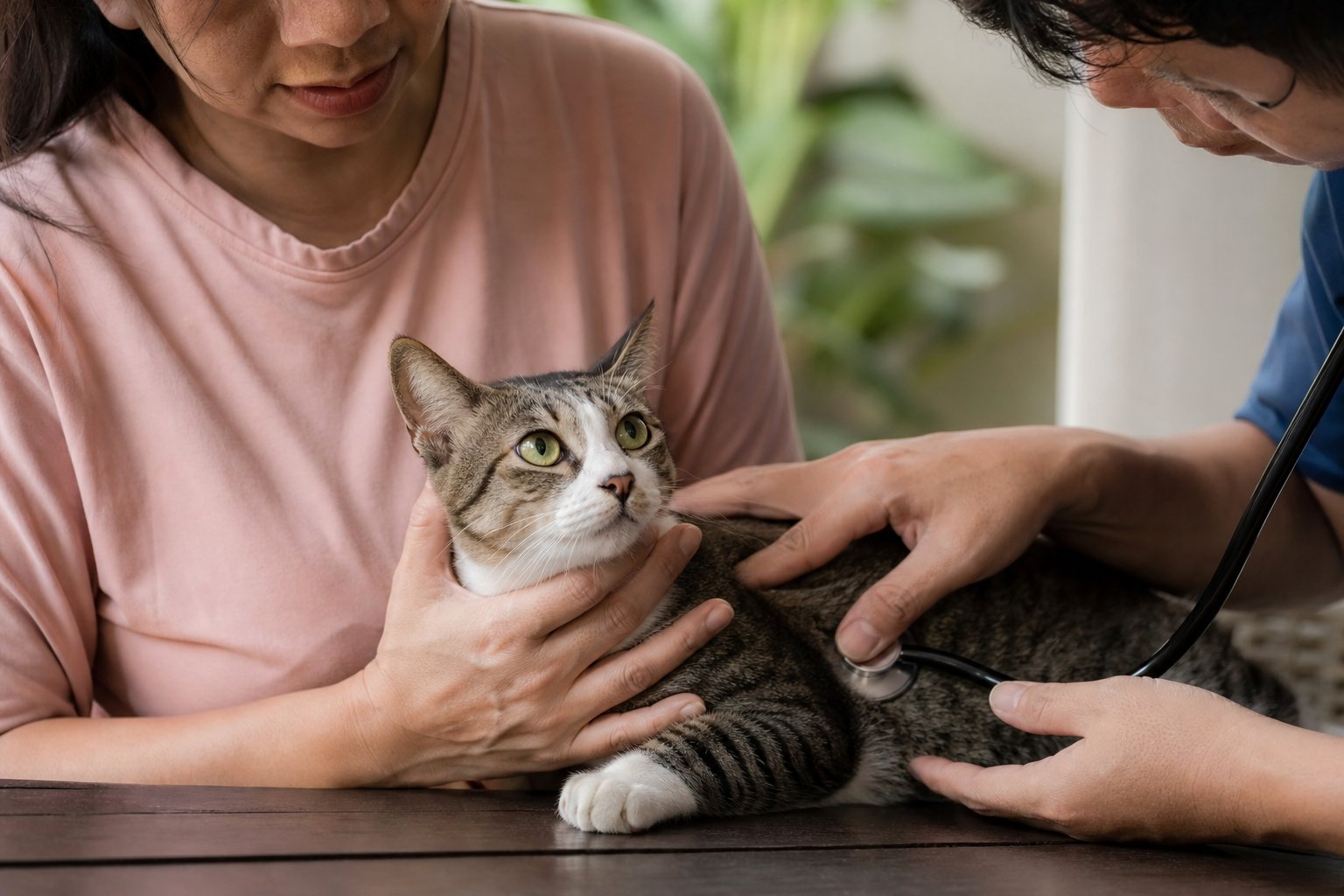
Treatment options for cat ringworm

Treatment usually combines medication with environmental management. The exact plan depends on the severity of the infection, the cat's age and health, and whether other pets or people are affected.

Oral antifungal medication

For many cats, oral antifungal drugs are the cornerstone of treatment. These are prescription-only and must be dosed by a vet. Common active ingredients include griseofulvin, itraconazole and terbinafine. Each has different considerations:

  • Griseofulvin is an older drug and can have side effects, especially in cats with liver issues or pregnant cats. It is not suitable for all cats.
  • Itraconazole is often used and may be given in pulse doses or daily, depending on the vet's protocol.
  • Terbinafine is another option and may be used alone or in combination.

Your vet will decide which drug is appropriate, the dose, and the duration. Never use human antifungal tablets for your cat without veterinary guidance, as doses and safety profiles differ.

Topical treatment

Topical therapy can help reduce environmental contamination and treat localised lesions. Options include:

  • Medicated shampoos or dips containing antifungal agents such as miconazole or chlorhexidine. These are often used as part of a broader plan.
  • Spot-on products or creams, though cats may lick these off, so use only as directed by your vet.
  • Lime sulfur dips, which are effective but have a strong smell and can stain. They are sometimes used in severe or widespread cases.

Topical treatment alone is rarely enough for widespread ringworm, but it can be a useful adjunct.

Environmental decontamination

This is often the most overlooked part of treatment. Ringworm spores can survive in the environment for a long time. Without cleaning, your cat can be reinfected after treatment ends. Key steps include:

  • Wash all bedding, blankets and soft toys in hot water (at least 60Β°C if possible) and dry thoroughly.
  • Vacuum floors, furniture and cat trees regularly. Empty the vacuum bag or canister outdoors.
  • Wipe hard surfaces with a vet-approved disinfectant effective against fungal spores. Diluted bleach is sometimes recommended, but use it carefully and follow safety instructions.
  • Clean grooming tools, food bowls and litter trays.
  • Consider replacing items that are difficult to clean, such as cardboard scratchers.

Treating other pets and people

If you have other pets, they may need to be examined and possibly treated even if they show no signs. People in the household should watch for circular, itchy rashes and see a doctor if they appear. Children, elderly people and immunocompromised individuals are at higher risk.
Treatment options for cat ringworm

A comparison of common treatment approaches

Approach What it involves Pros Cons
Oral antifungal Prescription tablets or liquid given daily or in pulses Treats infection from within; essential for widespread cases Requires vet monitoring; potential side effects; cost varies
Topical therapy Shampoos, dips, creams or spot-ons Helps reduce spores on the coat; can soothe skin May be messy; cats may lick products; not enough alone for severe cases
Environmental cleaning Washing, vacuuming, disinfecting Reduces reinfection risk; protects people and other pets Time-consuming; requires consistency
Combined plan Oral + topical + cleaning Most effective for clearing infection and preventing spread Requires commitment and follow-up

Costs for these treatments vary widely in Malaysia depending on the vet, the medication and the size of your cat. Ask your vet for an estimate and discuss any budget concerns openly.

Setting up a treatment routine at home

A consistent routine makes treatment easier and more effective. Here is a practical checklist:

  1. Create a quiet space. If possible, keep your cat in a room that is easy to clean, especially during the early weeks. This limits spore spread.
  2. Handle with care. Wear gloves when applying topical treatments or cleaning lesions, and wash your hands afterwards.
  3. Medicate at the same time each day. Use treats or a pill pocket if your cat is difficult to pill. Ask your vet for tips.
  4. Clean daily. Vacuum high-traffic areas and wash bedding regularly. Keep a schedule.
  5. Monitor progress. Take photos of lesions weekly to track improvement. Note any new patches.
  6. Keep other pets separate until your vet confirms it is safe to reintroduce them.
  7. Attend recheck appointments. Your vet may want to culture again before declaring your cat clear.
Setting up a treatment routine at home

Preventing ringworm in Malaysian homes

Prevention is especially important in humid climates where fungal spores can linger. Practical steps include:

  • Keep your cat's environment clean and dry. Address damp areas and ensure good ventilation.
  • Wash bedding regularly, even when your cat is healthy.
  • Avoid sharing grooming tools between pets.
  • Quarantine new cats or kittens until they have been checked by a vet.
  • Maintain good nutrition and regular veterinary care to support immunity.
  • Manage stress in multi-cat households, as stress can increase susceptibility.

In Malaysia, many cats live indoors in apartments or terrace houses. Indoor living reduces exposure to outdoor fungi but does not eliminate risk, especially if infected animals visit or if spores are brought in on clothing or shoes.

When to see a vet

See a vet promptly if you notice:

  • Circular hair loss, scaling or crusting that is spreading.
  • Persistent scratching or signs of discomfort.
  • Lesions that do not improve after a week or two of home cleaning.
  • Any skin problem in a kitten, senior cat or cat with other health issues.
  • A person in the household develops a circular, itchy rash.
  • Your cat seems unwell, loses appetite or becomes lethargic.

Do not wait for home remedies to work if the signs are clear. Early treatment reduces suffering and lowers the risk of spread.
When to see a vet

Living with ringworm: what to expect

Treatment can take weeks, and patience is key. Some cats improve quickly, while others need longer courses. Your vet may adjust the plan based on response. It is normal to feel frustrated, but consistency with medication and cleaning makes a real difference.

Keep a log of doses, cleaning days and lesion photos. This helps your vet assess progress. If you have children, explain that they should not handle the cat's lesions and should wash hands after contact.

Final thoughts

Ringworm is manageable with veterinary guidance and good hygiene. In Malaysia, where humidity can favour fungal growth, a thorough approach to treatment and cleaning is especially valuable. Work with your vet to confirm the diagnosis, follow the prescribed plan, and clean diligently. With time and consistency, most cats recover well.

This article is for general information only and does not replace professional veterinary advice. Always consult a licensed veterinarian for diagnosis and treatment of your cat's condition.

Frequently Asked Questions

πŸ“Œ Key Takeaways

  • This article covers: What is ringworm and why does it matter for Malaysian cat owners?, Recognising ringworm: signs to look for, How vets diagnose ringworm in Malaysia, Treatment options for cat ringworm, A comparison of common treatment approaches, and more
  • Jump to any section via the table of contents for the key details
  • If in doubt, consult a registered veterinarian

Explore this topic cluster

This guide belongs to a Malaysia-focused topic cluster. Read the pillar guide and related articles.

View cluster β†’

πŸ“š Cat Health article index

This article is part of the Cat Health topic cluster. Explore related articles:

⭐ Pillar guide: Cat Health complete guideBlood Test for Cats in Malaysia: What It Checks, Costs and When You Need Oneβ†’ ReadBlood Test for Cats Step by Step: What Happens at the Clinicβ†’ ReadBlood Test for Cats: What to Expect (Malaysian Owner's Guide)β†’ ReadCat Constipation Treatment in Malaysia: A Practical Owner's Guideβ†’ ReadCat Dental Pain Treatment in Malaysia: A Practical Owner's Guideβ†’ ReadCat Diarrhea Treatment in Malaysia: A Practical Owner's Guideβ†’ ReadCat Ear Mites Treatment in Malaysia: A Complete Owner's Guideβ†’ ReadCat Eye Infection Treatment in Malaysia: A Practical Owner's Guideβ†’ ReadCat Fleas Treatment in Malaysia: A Practical Owner's Guideβ†’ ReadCat Hair Loss Treatment in Malaysia: A Practical Owner's Guideβ†’ ReadCat Licking Wounds: Why It Happens and How to Treat It in Malaysiaβ†’ ReadCat Poisoning Treatment in Malaysia: What to Do, What to Expect, and How to Prevent Itβ†’ ReadCat Skin Fungus Treatment in Malaysia: A Practical Owner's Guideβ†’ ReadCat Sneezing Blood: Causes, Treatment and When to See a Vet in Malaysiaβ†’ ReadCat Vomiting Treatment in Malaysia: What to Do and When to See a Vetβ†’ ReadCat Weight Loss Treatment in Malaysia: A Practical Guide for Ownersβ†’ ReadCat Worms Treatment in Malaysia: A Practical Owner's Guideβ†’ ReadChocolate Poisoning and Cats in Malaysia: What Every Owner Should Knowβ†’ ReadConstipation in Cats: Causes, Care and When to See a Vet in Malaysiaβ†’ ReadConstipation in Cats in Malaysia: Causes, Signs and What to Doβ†’ ReadConstipation Prevention for Cats: A Practical Guide for Malaysian Ownersβ†’ ReadDental Pain in Cats: Causes, Signs and Care (Malaysia Guide)β†’ ReadDental Pain in Cats in Malaysia: Signs, Causes and What to Doβ†’ ReadDental Pain Prevention for Cats: A Practical Malaysian Guideβ†’ ReadDeworming Schedule for Cats in Malaysia: A Practical, Vet-Led Guideβ†’ ReadDeworming Schedule for Cats: A Step-by-Step Plan for Malaysian Ownersβ†’ ReadDeworming Schedule for Cats: What to Expect (Malaysia Guide)β†’ ReadDiarrhea in Cats: Causes and Care (Malaysian Owner's Guide)β†’ ReadDiarrhea in Cats in Malaysia: Causes, Home Care and When to See a Vetβ†’ ReadDiarrhea Prevention for Cats: A Practical Guide for Malaysian Ownersβ†’ ReadE-Collar Recovery for Cats in Malaysia: A Practical Guide for Ownersβ†’ ReadE-Collar Recovery for Cats Step by Step: A Practical Guide for Malaysian Ownersβ†’ ReadE-Collar Recovery for Cats: What to Expect (Malaysia Guide)β†’ ReadEar Mites in Cats: Causes and Care (Malaysia Guide)β†’ ReadEar Mites in Cats in Malaysia: Signs, Treatment and Preventionβ†’ ReadEar Mites Prevention for Cats: A Practical Malaysian Guideβ†’ ReadElectrical Cables and Cats in Malaysia: A Practical Safety Guideβ†’ ReadEye Infection in Cats: Causes and Care (Malaysia Guide)β†’ ReadEye Infection in Cats in Malaysia: Causes, Signs, Treatment & Preventionβ†’ ReadEye Infection Prevention for Cats: A Practical Malaysian Guideβ†’ ReadFans and Air Conditioning for Cats in Malaysia: A Practical Comfort Guideβ†’ ReadFlea Treatment for Cats in Malaysia: A Complete Guideβ†’ ReadFlea Treatment for Cats Step by Step: A Practical Malaysian Guideβ†’ ReadFlea Treatment for Cats: What to Expect (Malaysia Guide)β†’ ReadFleas in Cats: Causes and Care (Malaysia Guide)β†’ ReadFleas in Cats in Malaysia: Signs, Treatment and Preventionβ†’ ReadFleas Prevention for Cats in Malaysia: A Practical, Year-Round Planβ†’ ReadGiving Pills for Cats in Malaysia: A Stress-Free Step-by-Step Guideβ†’ ReadGiving Pills for Cats Step by Step: A Calm, Practical Guide for Malaysian Ownersβ†’ ReadGiving Pills for Cats: What to Expect (Malaysian Owner's Guide)β†’ ReadHair Loss in Cats: Causes and Care (Malaysian Owner's Guide)β†’ ReadHair Loss in Cats in Malaysia: Causes, Home Checks and When to See a Vetβ†’ ReadHair Loss Prevention for Cats: A Practical Grooming and Health Guideβ†’ ReadHousehold Cleaning Products and Cats in Malaysia: A Safety Guideβ†’ ReadHow to Prevent Chocolate Poisoning Around Cats: A Practical Guide for Malaysian Homesβ†’ ReadHow to Prevent Electrical Cables Around Cats: A Practical Safety Guide for Malaysian Homesβ†’ ReadHow to Prevent Fan and Aircond Problems Around Cats: A Malaysian Home Guideβ†’ ReadHow to Prevent Household Cleaning Products Around Cats: A Practical Safety Guide for Malaysian Homesβ†’ ReadHow to Prevent Lily Poisoning Around Cats: A Practical Safety Guide for Malaysian Homesβ†’ ReadHow to Prevent Open Windows Around Cats: A Practical Safety Guide for Malaysian Homesβ†’ ReadHow to Prevent Paracetamol Poisoning Around Cats: A Malaysian Safety Guideβ†’ ReadHow to Prevent Plastic Bags Around Cats: A Practical Safety Guide for Malaysian Homesβ†’ ReadHow to Treat Constipation in Cats at Home: A Practical Malaysian Guideβ†’ ReadHow to Treat Dental Pain in Cats at Home: Safe Relief and When to See a Vetβ†’ ReadHow to Treat Diarrhea in Cats at Home: A Practical Malaysian Guideβ†’ ReadHow to Treat Ear Mites in Cats at Home: A Practical Malaysian Guideβ†’ ReadHow to Treat Eye Infection in Cats at Home: Safe Steps for Malaysian Ownersβ†’ ReadHow to Treat Fleas in Cats at Home: A Practical Malaysian Guideβ†’ ReadHow to Treat Hair Loss in Cats at Home: A Practical Malaysian Guideβ†’ ReadHow to Treat Licking Wounds in Cats at Home: A Practical Guide for Malaysian Ownersβ†’ ReadHow to Treat Poisoning in Cats at Home: First Aid, Safe Steps and When to Rush to the Vetβ†’ ReadHow to Treat Ringworm in Cats at Home: A Practical Guide for Malaysian Ownersβ†’ ReadHow to Treat Skin Fungus in Cats at Home: A Practical Malaysian Guideβ†’ ReadHow to Treat Sneezing Blood in Cats at Home: Safe First Steps for Malaysian Ownersβ†’ ReadHow to Treat Vomiting in Cats at Home: A Practical Malaysian Guideβ†’ ReadHow to Treat Weight Loss in Cats at Home: A Practical Guide for Malaysian Ownersβ†’ ReadHow to Treat Worms in Cats at Home: A Practical, Safe Guide for Malaysian Ownersβ†’ ReadLicking Wounds in Cats: Causes and Care (Malaysian Vet Guide)β†’ ReadLicking Wounds in Cats Malaysia: When It's Normal and When to Stop Itβ†’ ReadLicking Wounds Prevention for Cats: How to Stop the Lick Cycle and Let Skin Healβ†’ ReadLily Poisoning and Cats in Malaysia: Why Every Petal Is an Emergencyβ†’ ReadOpen Windows and Cats in Malaysia: How to Keep Your Cat Safe Without Locking Up the Houseβ†’ ReadParacetamol Poisoning in Cats in Malaysia: Why Even One Tablet Can Be Deadlyβ†’ ReadPlastic Bags and Cats in Malaysia: Why They're Dangerous and How to Keep Your Cat Safeβ†’ ReadPoisoning in Cats: Causes, Symptoms and Care (Malaysia Guide)β†’ ReadPoisoning in Cats in Malaysia: Common Toxins, Signs and What to Doβ†’ ReadPoisoning Prevention for Cats in Malaysia: A Room-by-Room Safety Guideβ†’ ReadRingworm in Cats: Causes, Symptoms and Care (Malaysia Guide)β†’ ReadRingworm in Cats in Malaysia: Signs, Treatment and Preventionβ†’ ReadRingworm Prevention for Cats in Malaysia: A Practical, Vet-Informed Guideβ†’ ReadSigns of Constipation in Cats in Malaysia: What to Watch For and When to Actβ†’ ReadSigns of Dental Pain in Cats in Malaysia: What Owners Missβ†’ ReadSigns of Diarrhea in Cats in Malaysia: What's Normal, What's Notβ†’ ReadSigns of Ear Mites in Cats in Malaysia: How to Spot, Treat and Prevent Themβ†’ ReadSigns of Eye Infection in Cats in Malaysia: What Owners Should Look Forβ†’ ReadSigns of Fleas in Cats in Malaysia: How to Spot, Check and Actβ†’ ReadSigns of Hair Loss in Cats in Malaysia: What to Look For and When to Worryβ†’ ReadSigns of Licking Wounds in Cats Malaysia: How to Spot Problem Lickingβ†’ ReadSigns of Poisoning in Cats in Malaysia: What to Watch For and What to Doβ†’ ReadSigns of Ringworm in Cats in Malaysia: What Owners Should Look Forβ†’ ReadSigns of Skin Fungus in Cats in Malaysia: How to Spot Ringworm Earlyβ†’ ReadBlood in a Cat's Sneeze: Signs, Causes and What to Do in Malaysiaβ†’ ReadSigns of Vomiting in Cats in Malaysia: What's Normal, What's Not, and When to See a Vetβ†’ ReadSigns of Weight Loss in Cats in Malaysia: What to Watch For and When to Worryβ†’ ReadSigns of Worms in Cats in Malaysia: What Owners Should Look Forβ†’ ReadSkin Fungus in Cats: Causes, Signs and Care (Malaysia Guide)β†’ ReadSkin Fungus in Cats in Malaysia: Ringworm Signs, Treatment and Preventionβ†’ ReadSkin Fungus Prevention for Cats: A Practical Guide for Malaysian Homesβ†’ ReadSneezing Blood in Cats: Causes and Care (Malaysia Guide)β†’ ReadSneezing Blood in Cats in Malaysia: Causes, What to Do, and When to See a Vetβ†’ ReadSneezing Blood Prevention for Cats: Causes, Care and When to Worryβ†’ ReadSterilization for Cats in Malaysia: A Complete Guide for Ownersβ†’ ReadSterilization for Cats Step by Step: A Malaysian Owner's Guideβ†’ ReadSterilisation for Cats: What to Expect (Malaysian Owner's Guide)β†’ ReadUltrasound for Cats in Malaysia: What It Is, When It's Needed, and What to Expectβ†’ ReadUltrasound for Cats Step by Step: What Happens, What It Costs, and How to Prepareβ†’ ReadUltrasound for Cats: What to Expect (Malaysian Owner's Guide)β†’ ReadVaccination Side Effects for Cats in Malaysia: What's Normal, What's Notβ†’ ReadVaccination Side Effects for Cats: A Step-by-Step Guide for Malaysian Ownersβ†’ ReadCat Vaccination Side Effects: What Malaysian Owners Should Expectβ†’ ReadVomiting in Cats: Causes and Care (Malaysia Guide)β†’ ReadVomiting in Cats in Malaysia: When It's Normal and When to Worryβ†’ ReadVomiting Prevention for Cats: A Practical Guide for Malaysian Ownersβ†’ ReadWeight Loss in Cats: Causes and Care (Malaysian Vet Guide)β†’ ReadWeight Loss in Cats in Malaysia: Causes, Warning Signs and What to Doβ†’ ReadWeight Loss Prevention for Cats: A Practical Malaysian Guideβ†’ ReadWorms in Cats: Causes and Care (Malaysia Vet Guide)β†’ ReadWorms in Cats in Malaysia: A Practical Owner's Guideβ†’ ReadWorms Prevention for Cats in Malaysia: A Complete Guideβ†’ ReadWound Care for Cats in Malaysia: A Practical Owner's Guideβ†’ ReadWound Care for Cats Step by Step: A Practical Malaysian Guideβ†’ ReadWound Care for Cats: What to Expect, Step by Stepβ†’ ReadX-Ray for Cats in Malaysia: What to Expect, Costs and Safetyβ†’ ReadX-Ray for Cats Step by Step: What Malaysian Owners Should Expectβ†’ ReadX-Ray for Cats: What to Expect (Malaysian Owner's Guide)β†’ ReadArthritis Pet Care in Malaysia: A Practical Guide for Cats and Dogsβ†’ ReadCat Arthritis in Malaysia: 5 Home Signs Your Cat Is in Pain β€” and What to Doβ†’ ReadEarly Signs of Chronic Disease in Cats: 7 Daily Checks and a 4-Week Record Sheetβ†’ ReadCat Chronic Kidney Disease in Malaysia: The Daily Care Routine That Actually Slows It Downβ†’ ReadCat Constipation in Malaysia: The 48-Hour Rule, Red Flags and What Actually Helpsβ†’ ReadCat Dehydration in Malaysia: Home Skin-Turgor Test, 7 Causes and Emergency Signsβ†’ ReadCat Heart Disease in Malaysia: Sleep Breathing Count, HCM Early Signs and When to Rush to the Vetβ†’ ReadCat Kidney Disease in Malaysia: Early Signs, Prevention and Everyday Careβ†’ ReadCat Pancreatitis in Malaysia: Symptoms, fPLI Testing, Treatment and Home Recoveryβ†’ ReadCat Ringworm in Malaysia: Signs, Treatment and Home Cleaning Guideβ†’ ReadCat Symptom Checker Malaysia: 12 Common Signs and a Green-Amber-Red Triage Tableβ†’ ReadPet Deworming in Malaysia: How Often to Worm Your Cat or Dogβ†’ ReadPet Gut Health in Malaysia: Probiotics, Food Transitions and Stool Troubles (Part 2)β†’ ReadCat Gut Health: Probiotics, Antibiotics and Food Transitions Explained (Malaysia)β†’ ReadPet Health Malaysia 2026: Common Cat and Dog Illnesses, Prevention Care and Vet Guidanceβ†’ ReadPet Insurance in Malaysia: How to Compare Plans Before You Signβ†’ ReadPet Poisoning at Home: Household Chemicals, Toxic Plants and When Not to Induce Vomiting (Malaysia)β†’ ReadPet Poisoning at Home: Household Chemicals, Insecticides and Toxic Plants (Malaysia, Part 1)β†’ ReadCat Chronic Disease Early Signs in Malaysia: 7 Daily Checks and a 4-Week Logβ†’ ReadCat Health Guide Malaysia: Symptom Check, Red-Flag Triage & When to See a Vetβ†’ ReadCat Ringworm in Malaysia: Symptoms, Treatment and Home Cleaning Guideβ†’ ReadGut Health, Probiotics & Food Transition Part 2: Practical Malaysia Guideβ†’ ReadPet Health in Malaysia: A Practical Prevention Guide for Cats and Dogsβ†’ Read

Related products at PetChill

