
PetChill Pet Encyclopedia
Cat Health

Cat Licking Wounds: Why It Happens and How to Treat It in Malaysia

Cats lick wounds to clean them, but excessive licking can delay healing and cause infection. This guide explains causes, home care, treatment options and when to see a vet in Malaysia.

Published: 2026-11-06Β·7 min readΒ·Author: PetChill Editorial
Cat Licking Wounds: Why It Happens and How to Treat It in Malaysia

πŸ’‘ Quick Answer

Cats lick wounds as a natural cleaning and soothing behaviour, but excessive licking can reopen the wound, introduce infection and delay healing. Keep the area clean, use an Elizabethan collar if needed, and see a vet if the wound is deep, bleeding, smelly or not healing within a few days.

Why does my cat keep licking its wound?

Cats lick wounds for several reasons. It is partly instinct: a mother cat licks her kittens to clean them, and an injured cat may lick a wound to remove dirt and soothe the area. Saliva contains some antibacterial compounds, but it is not a substitute for proper wound care. In fact, rough tongue papillae can irritate skin, and constant licking can reopen a healing wound, introduce bacteria and create a moist environment where infection thrives.

Licking can also be a displacement behaviour. A cat in pain, stressed or bored may lick a wound or a bare patch of skin repeatedly. This can lead to a lick granuloma, a thickened, inflamed area of skin that becomes a cycle of itching and licking. If your cat is licking a wound excessively, it is a sign to intervene, not just wait.

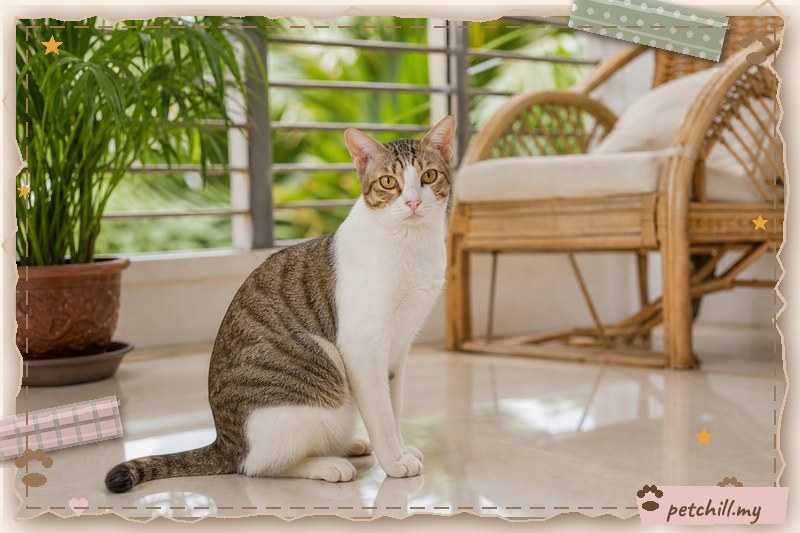
What causes wounds that cats lick?

Common wounds include fight wounds (especially from other cats), scratches, surgical incisions, hot spots, abscesses and minor cuts from sharp objects. In Malaysia, outdoor cats may get wounds from fences, drains or other animals. Indoor cats can get wounds from grooming tools, sharp furniture edges or over-zealous scratching.

Some cats lick not because of a wound but because of underlying skin disease, allergies, parasites such as fleas, or pain elsewhere. If your cat suddenly starts licking a particular area, check for a wound, but also consider whether the behaviour is new and whether there are other signs like hair loss, redness or swelling.
What causes wounds that cats lick?

How do I assess a cat wound at home?

First, stay calm and protect yourself. A hurt cat may bite or scratch. Wrap your cat gently in a towel if needed, or ask someone to help. Look at the wound in good light. Check for:

  • Bleeding: minor oozing is common; heavy or spurting bleeding needs urgent vet care.
  • Depth: a superficial scratch is different from a deep puncture or gaping wound.
  • Signs of infection: pus, bad smell, redness, warmth, swelling or a dark discharge.
  • Foreign objects: thorns, glass, grass seeds or dirt trapped in the wound.
  • Your cat's demeanour: lethargy, hiding, refusing food or pain when touched.

If the wound is deep, gaping, bleeding heavily or has pus, do not try to treat it at home. Cover it with a clean, non-stick dressing if possible and go to a vet.

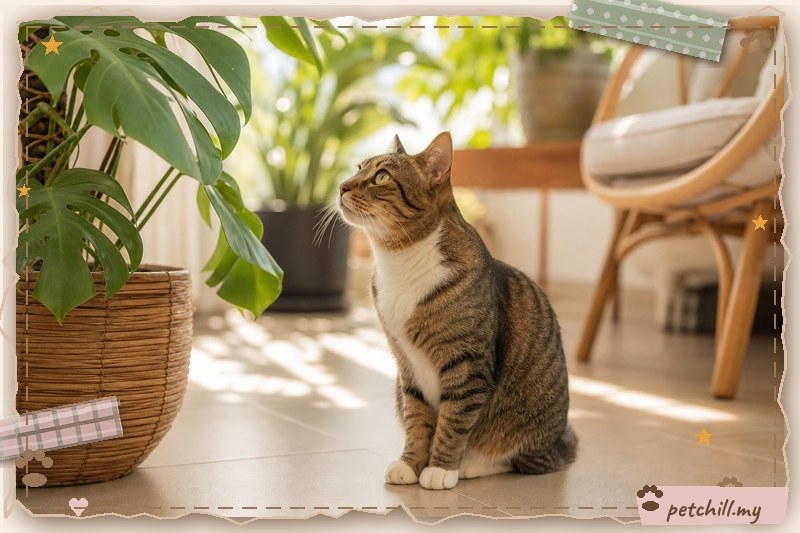
What is safe home treatment for minor wounds?

For small, superficial cuts with minor bleeding, you can do the following:

  1. Clean your hands with soap and water before touching your cat.
  2. Flush the wound with lukewarm saline solution or plain water. You can make saline by dissolving half a teaspoon of salt in a cup of boiled, cooled water. Do not use alcohol, hydrogen peroxide or iodine on open wounds; these can damage tissue.
  3. Gently pat dry with a clean gauze or cloth. Do not rub.
  4. Apply a thin layer of vet-approved antiseptic only if your vet has recommended one. Human antiseptics and ointments are not automatically safe for cats.
  5. Cover if needed with a light, breathable dressing, but many cats will remove it. A recovery suit or cone may be more practical.
  6. Prevent licking with an Elizabethan collar (cone) or a soft recovery suit. This is the single most important step to allow healing.
  7. Monitor daily for signs of infection and take a photo to track progress.

Do not use human painkillers such as paracetamol or ibuprofen; they are toxic to cats. Do not apply tea tree oil, lavender oil or other essential oils; they can be harmful.

What is safe home treatment for minor wounds?

How do I stop my cat from licking the wound?

The most effective method is a physical barrier. An Elizabethan collar (cone) prevents the cat from reaching the wound with its tongue. Choose a cone that fits well: it should extend beyond the nose but not restrict eating or drinking. Soft cones or recovery suits are alternatives, especially in warm weather. In Malaysia's heat, a well-ventilated cone or a light recovery suit is better than a thick fabric cone that traps heat.

Other strategies include:

  • Distraction: offer puzzle feeders, gentle play or a cozy resting spot away from the wound area.
  • Keep the wound clean and dry: a dirty or wet wound itches more.
  • Do not use bitter sprays unless your vet approves; some can irritate the wound.
  • Check for pain: if your cat is licking because of pain, pain relief from a vet may reduce the behaviour.
  • Environmental enrichment: reduce stress with vertical spaces, hiding spots and routine.

If your cat still licks through the cone or suit, or if the licking is intense and obsessive, see a vet. Medication for anxiety or pain may be needed in some cases.

What treatment will a vet provide?

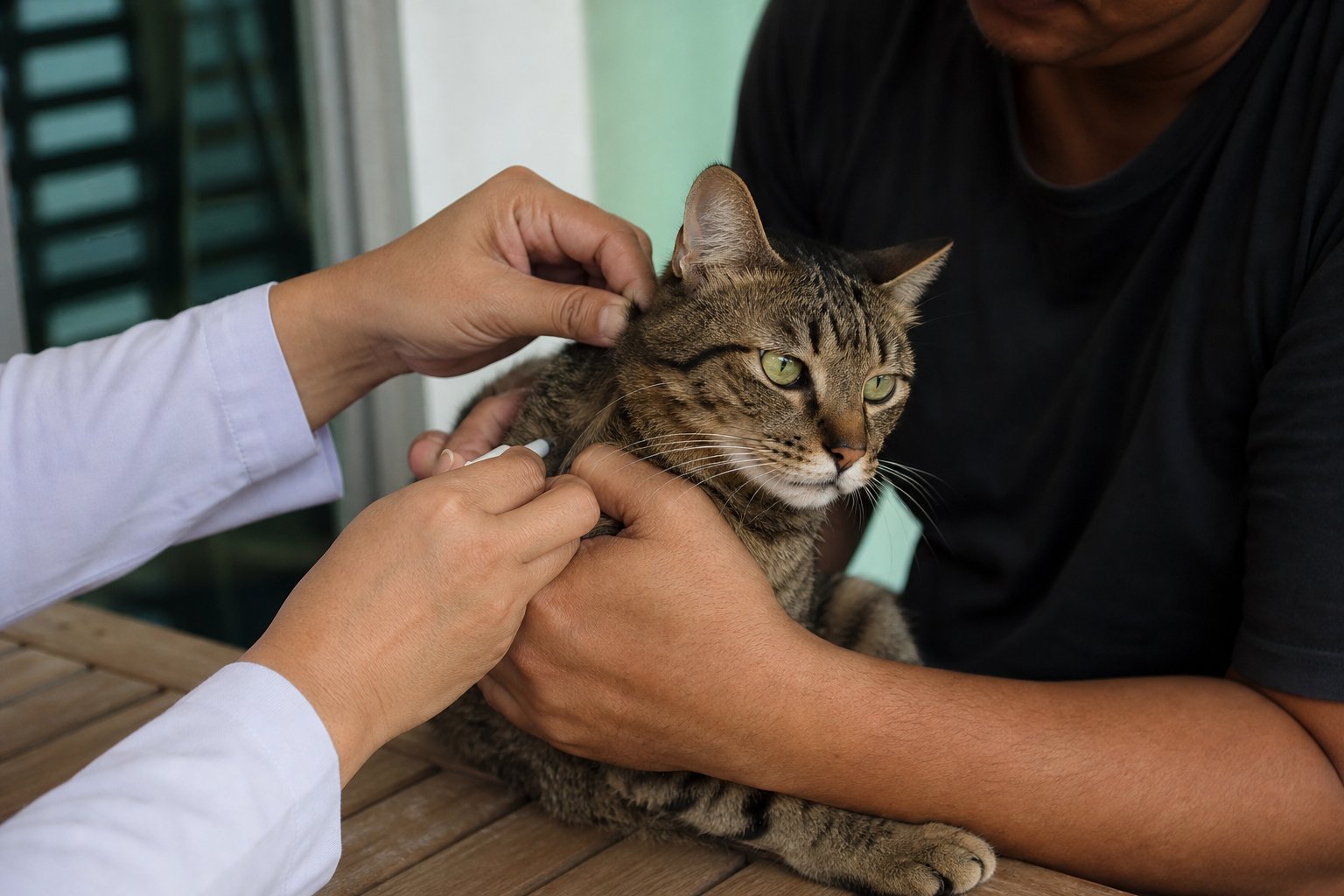
A vet will assess the wound and may:

  • Clean and debride the wound.
  • Prescribe antibiotics if infection is present or likely.
  • Provide pain relief.
  • Close deep wounds with sutures or surgical glue.
  • Place a drain for abscesses.
  • Recommend an Elizabethan collar or recovery suit.
  • Investigate underlying causes if licking is not wound-related.

For bite wounds, vets often prescribe antibiotics because cat bites carry bacteria deep into tissue. Abscesses may need to be lanced and flushed. Your vet will also check your cat's vaccination status, especially for rabies and tetanus, though rabies is controlled in Malaysia. Follow your vet's instructions carefully and attend follow-up appointments.
What treatment will a vet provide?

Comparison table: home care vs vet care

Situation Home care suitable? What to do
Small superficial scratch, minor bleeding Yes Clean with saline, prevent licking, monitor daily
Wound with pus, bad smell or swelling No See a vet for antibiotics and wound cleaning
Deep puncture or gaping wound No Cover and go to vet immediately
Bleeding that does not stop after 5 minutes of pressure No Emergency vet care
Cat is lethargic, off food or in pain No See a vet
Surgical incision with redness or discharge No Contact your vet
Cat licking a bare patch with no wound Maybe Check for parasites, allergies or stress; vet if persists

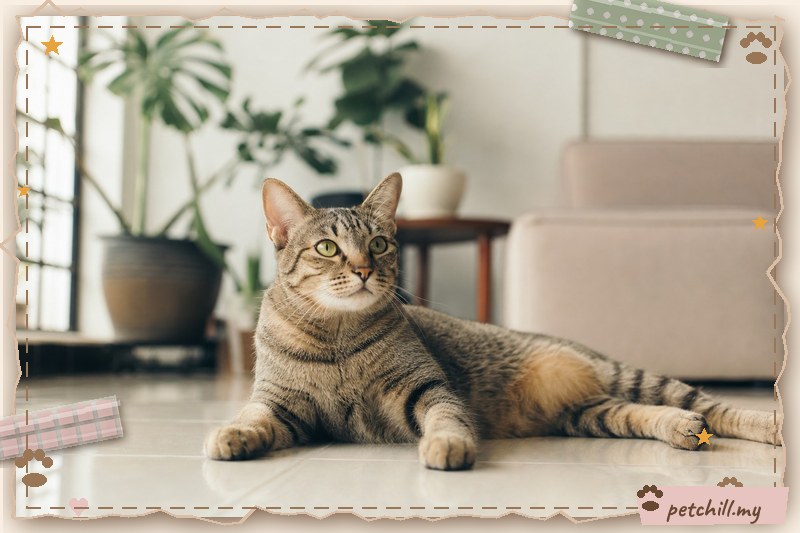
When to see a vet

See a vet if any of the following apply:

  • The wound is deep, gaping or bleeding heavily.
  • There is pus, a bad smell, spreading redness or swelling.
  • Your cat is lethargic, hiding, refusing food or showing pain.
  • The wound was caused by a bite or an unknown object.
  • The wound is on the face, eye, paw or near a joint.
  • Your cat keeps licking despite a cone or suit.
  • The wound is not improving within 2 to 3 days.
  • Your cat has a fever or is vomiting.

If you are unsure, call your vet clinic for advice. It is better to have a wound checked early than to wait for infection to set in.
When to see a vet

Practical examples for Malaysian cat owners

Kuala Lumpur apartment: A cat living in a high-rise may get a wound from a sharp edge or a fall. Keep a pet first-aid kit with saline, gauze, a cone and a recovery suit. In a small apartment, a recovery suit may be easier than a cone that bumps into furniture. Keep the cat indoors and away from other pets during healing.

Johor terrace house: An outdoor-access cat may get fight wounds from neighbourhood cats. Check your cat daily for scratches, especially around the head and tail base. If you see a bite wound, see a vet promptly because cat bites often abscess. Keep your cat indoors at night to reduce fights.

Penang rainy season: Damp weather can make wounds slow to dry and more prone to infection. Keep the wound dry, avoid walks in wet grass, and dry your cat thoroughly if it gets wet. Use a breathable cone and check the skin under the cone for moisture or rash.

Prevention and long-term care

Prevent wounds by keeping cats indoors or in secure enclosures, avoiding fights, and removing sharp objects. Regular grooming helps you spot wounds early. Keep your cat's vaccinations up to date and use parasite control. If your cat is prone to licking, address stress and allergies with your vet. A balanced diet and good hydration support healing.

What about licking without a visible wound?

If your cat licks a area of skin with no wound, it may be due to fleas, allergies, pain, stress or a lick granuloma. See a vet to rule out medical causes. Do not apply human creams. Your vet may recommend parasite control, a hypoallergenic diet, medication or behavioural therapy.

Conclusion

Cat licking wounds is natural, but excessive licking can harm healing. Clean minor wounds with saline, prevent licking with a cone or suit, and monitor closely. See a vet for deep, infected or non-healing wounds. In Malaysia's climate, keep wounds dry and choose breathable barriers. When in doubt, ask your vet.

Vet disclaimer: This article is for general information only and is not a substitute for professional veterinary advice. Always consult a licensed veterinarian for diagnosis and treatment of your cat's wound.

Frequently Asked Questions

πŸ“Œ Key Takeaways

  • This article covers: Why does my cat keep licking its wound?, What causes wounds that cats lick?, How do I assess a cat wound at home?, What is safe home treatment for minor wounds?, How do I stop my cat from licking the wound?, and more
  • Jump to any section via the table of contents for the key details
  • If in doubt, consult a registered veterinarian

Explore this topic cluster

This guide belongs to a Malaysia-focused topic cluster. Read the pillar guide and related articles.

View cluster β†’

πŸ“š Cat Health article index

This article is part of the Cat Health topic cluster. Explore related articles:

⭐ Pillar guide: Cat Health complete guideBlood Test for Cats in Malaysia: What It Checks, Costs and When You Need Oneβ†’ ReadBlood Test for Cats Step by Step: What Happens at the Clinicβ†’ ReadBlood Test for Cats: What to Expect (Malaysian Owner's Guide)β†’ ReadCat Constipation Treatment in Malaysia: A Practical Owner's Guideβ†’ ReadCat Dental Pain Treatment in Malaysia: A Practical Owner's Guideβ†’ ReadCat Diarrhea Treatment in Malaysia: A Practical Owner's Guideβ†’ ReadCat Ear Mites Treatment in Malaysia: A Complete Owner's Guideβ†’ ReadCat Eye Infection Treatment in Malaysia: A Practical Owner's Guideβ†’ ReadCat Fleas Treatment in Malaysia: A Practical Owner's Guideβ†’ ReadCat Hair Loss Treatment in Malaysia: A Practical Owner's Guideβ†’ ReadCat Poisoning Treatment in Malaysia: What to Do, What to Expect, and How to Prevent Itβ†’ ReadCat Ringworm Treatment in Malaysia: A Practical Owner's Guideβ†’ ReadCat Skin Fungus Treatment in Malaysia: A Practical Owner's Guideβ†’ ReadCat Sneezing Blood: Causes, Treatment and When to See a Vet in Malaysiaβ†’ ReadCat Vomiting Treatment in Malaysia: What to Do and When to See a Vetβ†’ ReadCat Weight Loss Treatment in Malaysia: A Practical Guide for Ownersβ†’ ReadCat Worms Treatment in Malaysia: A Practical Owner's Guideβ†’ ReadChocolate Poisoning and Cats in Malaysia: What Every Owner Should Knowβ†’ ReadConstipation in Cats: Causes, Care and When to See a Vet in Malaysiaβ†’ ReadConstipation in Cats in Malaysia: Causes, Signs and What to Doβ†’ ReadConstipation Prevention for Cats: A Practical Guide for Malaysian Ownersβ†’ ReadDental Pain in Cats: Causes, Signs and Care (Malaysia Guide)β†’ ReadDental Pain in Cats in Malaysia: Signs, Causes and What to Doβ†’ ReadDental Pain Prevention for Cats: A Practical Malaysian Guideβ†’ ReadDeworming Schedule for Cats in Malaysia: A Practical, Vet-Led Guideβ†’ ReadDeworming Schedule for Cats: A Step-by-Step Plan for Malaysian Ownersβ†’ ReadDeworming Schedule for Cats: What to Expect (Malaysia Guide)β†’ ReadDiarrhea in Cats: Causes and Care (Malaysian Owner's Guide)β†’ ReadDiarrhea in Cats in Malaysia: Causes, Home Care and When to See a Vetβ†’ ReadDiarrhea Prevention for Cats: A Practical Guide for Malaysian Ownersβ†’ ReadE-Collar Recovery for Cats in Malaysia: A Practical Guide for Ownersβ†’ ReadE-Collar Recovery for Cats Step by Step: A Practical Guide for Malaysian Ownersβ†’ ReadE-Collar Recovery for Cats: What to Expect (Malaysia Guide)β†’ ReadEar Mites in Cats: Causes and Care (Malaysia Guide)β†’ ReadEar Mites in Cats in Malaysia: Signs, Treatment and Preventionβ†’ ReadEar Mites Prevention for Cats: A Practical Malaysian Guideβ†’ ReadElectrical Cables and Cats in Malaysia: A Practical Safety Guideβ†’ ReadEye Infection in Cats: Causes and Care (Malaysia Guide)β†’ ReadEye Infection in Cats in Malaysia: Causes, Signs, Treatment & Preventionβ†’ ReadEye Infection Prevention for Cats: A Practical Malaysian Guideβ†’ ReadFans and Air Conditioning for Cats in Malaysia: A Practical Comfort Guideβ†’ ReadFlea Treatment for Cats in Malaysia: A Complete Guideβ†’ ReadFlea Treatment for Cats Step by Step: A Practical Malaysian Guideβ†’ ReadFlea Treatment for Cats: What to Expect (Malaysia Guide)β†’ ReadFleas in Cats: Causes and Care (Malaysia Guide)β†’ ReadFleas in Cats in Malaysia: Signs, Treatment and Preventionβ†’ ReadFleas Prevention for Cats in Malaysia: A Practical, Year-Round Planβ†’ ReadGiving Pills for Cats in Malaysia: A Stress-Free Step-by-Step Guideβ†’ ReadGiving Pills for Cats Step by Step: A Calm, Practical Guide for Malaysian Ownersβ†’ ReadGiving Pills for Cats: What to Expect (Malaysian Owner's Guide)β†’ ReadHair Loss in Cats: Causes and Care (Malaysian Owner's Guide)β†’ ReadHair Loss in Cats in Malaysia: Causes, Home Checks and When to See a Vetβ†’ ReadHair Loss Prevention for Cats: A Practical Grooming and Health Guideβ†’ ReadHousehold Cleaning Products and Cats in Malaysia: A Safety Guideβ†’ ReadHow to Prevent Chocolate Poisoning Around Cats: A Practical Guide for Malaysian Homesβ†’ ReadHow to Prevent Electrical Cables Around Cats: A Practical Safety Guide for Malaysian Homesβ†’ ReadHow to Prevent Fan and Aircond Problems Around Cats: A Malaysian Home Guideβ†’ ReadHow to Prevent Household Cleaning Products Around Cats: A Practical Safety Guide for Malaysian Homesβ†’ ReadHow to Prevent Lily Poisoning Around Cats: A Practical Safety Guide for Malaysian Homesβ†’ ReadHow to Prevent Open Windows Around Cats: A Practical Safety Guide for Malaysian Homesβ†’ ReadHow to Prevent Paracetamol Poisoning Around Cats: A Malaysian Safety Guideβ†’ ReadHow to Prevent Plastic Bags Around Cats: A Practical Safety Guide for Malaysian Homesβ†’ ReadHow to Treat Constipation in Cats at Home: A Practical Malaysian Guideβ†’ ReadHow to Treat Dental Pain in Cats at Home: Safe Relief and When to See a Vetβ†’ ReadHow to Treat Diarrhea in Cats at Home: A Practical Malaysian Guideβ†’ ReadHow to Treat Ear Mites in Cats at Home: A Practical Malaysian Guideβ†’ ReadHow to Treat Eye Infection in Cats at Home: Safe Steps for Malaysian Ownersβ†’ ReadHow to Treat Fleas in Cats at Home: A Practical Malaysian Guideβ†’ ReadHow to Treat Hair Loss in Cats at Home: A Practical Malaysian Guideβ†’ ReadHow to Treat Licking Wounds in Cats at Home: A Practical Guide for Malaysian Ownersβ†’ ReadHow to Treat Poisoning in Cats at Home: First Aid, Safe Steps and When to Rush to the Vetβ†’ ReadHow to Treat Ringworm in Cats at Home: A Practical Guide for Malaysian Ownersβ†’ ReadHow to Treat Skin Fungus in Cats at Home: A Practical Malaysian Guideβ†’ ReadHow to Treat Sneezing Blood in Cats at Home: Safe First Steps for Malaysian Ownersβ†’ ReadHow to Treat Vomiting in Cats at Home: A Practical Malaysian Guideβ†’ ReadHow to Treat Weight Loss in Cats at Home: A Practical Guide for Malaysian Ownersβ†’ ReadHow to Treat Worms in Cats at Home: A Practical, Safe Guide for Malaysian Ownersβ†’ ReadLicking Wounds in Cats: Causes and Care (Malaysian Vet Guide)β†’ ReadLicking Wounds in Cats Malaysia: When It's Normal and When to Stop Itβ†’ ReadLicking Wounds Prevention for Cats: How to Stop the Lick Cycle and Let Skin Healβ†’ ReadLily Poisoning and Cats in Malaysia: Why Every Petal Is an Emergencyβ†’ ReadOpen Windows and Cats in Malaysia: How to Keep Your Cat Safe Without Locking Up the Houseβ†’ ReadParacetamol Poisoning in Cats in Malaysia: Why Even One Tablet Can Be Deadlyβ†’ ReadPlastic Bags and Cats in Malaysia: Why They're Dangerous and How to Keep Your Cat Safeβ†’ ReadPoisoning in Cats: Causes, Symptoms and Care (Malaysia Guide)β†’ ReadPoisoning in Cats in Malaysia: Common Toxins, Signs and What to Doβ†’ ReadPoisoning Prevention for Cats in Malaysia: A Room-by-Room Safety Guideβ†’ ReadRingworm in Cats: Causes, Symptoms and Care (Malaysia Guide)β†’ ReadRingworm in Cats in Malaysia: Signs, Treatment and Preventionβ†’ ReadRingworm Prevention for Cats in Malaysia: A Practical, Vet-Informed Guideβ†’ ReadSigns of Constipation in Cats in Malaysia: What to Watch For and When to Actβ†’ ReadSigns of Dental Pain in Cats in Malaysia: What Owners Missβ†’ ReadSigns of Diarrhea in Cats in Malaysia: What's Normal, What's Notβ†’ ReadSigns of Ear Mites in Cats in Malaysia: How to Spot, Treat and Prevent Themβ†’ ReadSigns of Eye Infection in Cats in Malaysia: What Owners Should Look Forβ†’ ReadSigns of Fleas in Cats in Malaysia: How to Spot, Check and Actβ†’ ReadSigns of Hair Loss in Cats in Malaysia: What to Look For and When to Worryβ†’ ReadSigns of Licking Wounds in Cats Malaysia: How to Spot Problem Lickingβ†’ ReadSigns of Poisoning in Cats in Malaysia: What to Watch For and What to Doβ†’ ReadSigns of Ringworm in Cats in Malaysia: What Owners Should Look Forβ†’ ReadSigns of Skin Fungus in Cats in Malaysia: How to Spot Ringworm Earlyβ†’ ReadBlood in a Cat's Sneeze: Signs, Causes and What to Do in Malaysiaβ†’ ReadSigns of Vomiting in Cats in Malaysia: What's Normal, What's Not, and When to See a Vetβ†’ ReadSigns of Weight Loss in Cats in Malaysia: What to Watch For and When to Worryβ†’ ReadSigns of Worms in Cats in Malaysia: What Owners Should Look Forβ†’ ReadSkin Fungus in Cats: Causes, Signs and Care (Malaysia Guide)β†’ ReadSkin Fungus in Cats in Malaysia: Ringworm Signs, Treatment and Preventionβ†’ ReadSkin Fungus Prevention for Cats: A Practical Guide for Malaysian Homesβ†’ ReadSneezing Blood in Cats: Causes and Care (Malaysia Guide)β†’ ReadSneezing Blood in Cats in Malaysia: Causes, What to Do, and When to See a Vetβ†’ ReadSneezing Blood Prevention for Cats: Causes, Care and When to Worryβ†’ ReadSterilization for Cats in Malaysia: A Complete Guide for Ownersβ†’ ReadSterilization for Cats Step by Step: A Malaysian Owner's Guideβ†’ ReadSterilisation for Cats: What to Expect (Malaysian Owner's Guide)β†’ ReadUltrasound for Cats in Malaysia: What It Is, When It's Needed, and What to Expectβ†’ ReadUltrasound for Cats Step by Step: What Happens, What It Costs, and How to Prepareβ†’ ReadUltrasound for Cats: What to Expect (Malaysian Owner's Guide)β†’ ReadVaccination Side Effects for Cats in Malaysia: What's Normal, What's Notβ†’ ReadVaccination Side Effects for Cats: A Step-by-Step Guide for Malaysian Ownersβ†’ ReadCat Vaccination Side Effects: What Malaysian Owners Should Expectβ†’ ReadVomiting in Cats: Causes and Care (Malaysia Guide)β†’ ReadVomiting in Cats in Malaysia: When It's Normal and When to Worryβ†’ ReadVomiting Prevention for Cats: A Practical Guide for Malaysian Ownersβ†’ ReadWeight Loss in Cats: Causes and Care (Malaysian Vet Guide)β†’ ReadWeight Loss in Cats in Malaysia: Causes, Warning Signs and What to Doβ†’ ReadWeight Loss Prevention for Cats: A Practical Malaysian Guideβ†’ ReadWorms in Cats: Causes and Care (Malaysia Vet Guide)β†’ ReadWorms in Cats in Malaysia: A Practical Owner's Guideβ†’ ReadWorms Prevention for Cats in Malaysia: A Complete Guideβ†’ ReadWound Care for Cats in Malaysia: A Practical Owner's Guideβ†’ ReadWound Care for Cats Step by Step: A Practical Malaysian Guideβ†’ ReadWound Care for Cats: What to Expect, Step by Stepβ†’ ReadX-Ray for Cats in Malaysia: What to Expect, Costs and Safetyβ†’ ReadX-Ray for Cats Step by Step: What Malaysian Owners Should Expectβ†’ ReadX-Ray for Cats: What to Expect (Malaysian Owner's Guide)β†’ ReadArthritis Pet Care in Malaysia: A Practical Guide for Cats and Dogsβ†’ ReadCat Arthritis in Malaysia: 5 Home Signs Your Cat Is in Pain β€” and What to Doβ†’ ReadEarly Signs of Chronic Disease in Cats: 7 Daily Checks and a 4-Week Record Sheetβ†’ ReadCat Chronic Kidney Disease in Malaysia: The Daily Care Routine That Actually Slows It Downβ†’ ReadCat Constipation in Malaysia: The 48-Hour Rule, Red Flags and What Actually Helpsβ†’ ReadCat Dehydration in Malaysia: Home Skin-Turgor Test, 7 Causes and Emergency Signsβ†’ ReadCat Heart Disease in Malaysia: Sleep Breathing Count, HCM Early Signs and When to Rush to the Vetβ†’ ReadCat Kidney Disease in Malaysia: Early Signs, Prevention and Everyday Careβ†’ ReadCat Pancreatitis in Malaysia: Symptoms, fPLI Testing, Treatment and Home Recoveryβ†’ ReadCat Ringworm in Malaysia: Signs, Treatment and Home Cleaning Guideβ†’ ReadCat Symptom Checker Malaysia: 12 Common Signs and a Green-Amber-Red Triage Tableβ†’ ReadPet Deworming in Malaysia: How Often to Worm Your Cat or Dogβ†’ ReadPet Gut Health in Malaysia: Probiotics, Food Transitions and Stool Troubles (Part 2)β†’ ReadCat Gut Health: Probiotics, Antibiotics and Food Transitions Explained (Malaysia)β†’ ReadPet Health Malaysia 2026: Common Cat and Dog Illnesses, Prevention Care and Vet Guidanceβ†’ ReadPet Insurance in Malaysia: How to Compare Plans Before You Signβ†’ ReadPet Poisoning at Home: Household Chemicals, Toxic Plants and When Not to Induce Vomiting (Malaysia)β†’ ReadPet Poisoning at Home: Household Chemicals, Insecticides and Toxic Plants (Malaysia, Part 1)β†’ ReadCat Chronic Disease Early Signs in Malaysia: 7 Daily Checks and a 4-Week Logβ†’ ReadCat Health Guide Malaysia: Symptom Check, Red-Flag Triage & When to See a Vetβ†’ ReadCat Ringworm in Malaysia: Symptoms, Treatment and Home Cleaning Guideβ†’ ReadGut Health, Probiotics & Food Transition Part 2: Practical Malaysia Guideβ†’ ReadPet Health in Malaysia: A Practical Prevention Guide for Cats and Dogsβ†’ Read

Related products at PetChill

