
PetChill Pet Encyclopedia
Cat Health

Blood in a Cat's Sneeze: Signs, Causes and What to Do in Malaysia

A bloody sneeze in cats can range from a minor nosebleed to a sign of infection, injury or a foreign object. Here is how Malaysian owners can read the signs and act fast.

Published: 2026-11-06·7 min read·Author: PetChill Editorial
Blood in a Cat''s Sneeze: Signs, Causes and What to Do in Malaysia

Quick answer

A cat sneezing blood usually means something is irritating or damaging the lining of the nose or upper airways. The cause may be as simple as dry air or a hard sneeze, or as serious as an infection, a foreign object, trauma or dental disease. A single small streak can be minor, but repeated bloody sneezes, heavy bleeding, breathing trouble or a lethargic cat need a vet promptly.

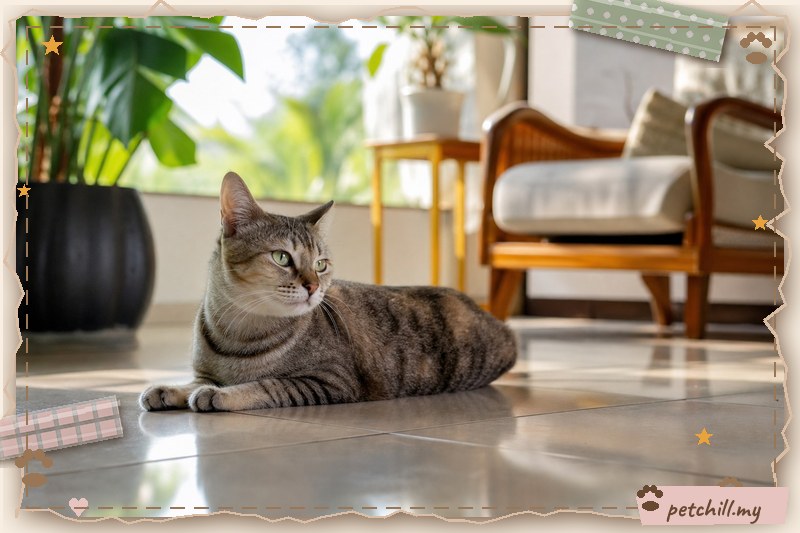
What bloody sneezing looks like

Owners often notice blood in different ways. Knowing the pattern helps you describe it to a vet.

  • A pink tinge on a tissue after a sneeze, often a small amount mixed with clear mucus.
  • Bright red droplets on the floor, furniture or the cat's bedding.
  • Dark, clotted blood around one or both nostrils.
  • Blood-stained discharge that keeps coming back over hours or days.
  • A cat that swallows blood and later vomits or has dark stools.

Other signs that may appear alongside the bloody sneeze include:

  • Sneezing fits, reverse sneezing or noisy breathing.
  • Pawing at the nose or face.
  • Nasal discharge that is clear, cloudy, yellow or green.
  • Squinting, watery eyes or swelling around the face.
  • Reduced appetite, lethargy or hiding.
  • Bad breath or drooling, which can point to dental problems.

A cat that sneezes blood once and then behaves normally is different from a cat that sneezes blood repeatedly and looks unwell. The second pattern deserves faster action.
What bloody sneezing looks like

Common causes of blood in a cat's sneeze

1. Upper respiratory infection

Cat flu and other respiratory infections irritate and inflame the nasal lining. Repeated sneezing can rupture tiny blood vessels, leaving streaks of blood. Discharge, fever, eye changes and poor appetite often accompany infection. Some cats carry viruses long-term and have flare-ups during stress or illness.

2. Foreign object in the nose

Grass seeds, small insects, bits of plant material or tiny toys can lodge in a nostril. The cat may sneeze violently, paw at the face, and produce blood-tinged discharge from one side. This is common in outdoor cats and in homes with dried plants or dusty areas.

3. Trauma or injury

A fall, road accident, cat fight, or a bump to the face can damage the nose or blood vessels. Blood may appear immediately or hours later. Head trauma is serious and needs urgent assessment.

4. Dental disease

Severe gum disease or tooth root infection can erode tissue and cause bleeding that drains into the nose. Bad breath, drooling, chewing on one side and reluctance to eat are clues. Dental disease is common in older cats and is often overlooked.

5. Dry air and environmental irritation

Air-conditioned rooms, dry weather, smoke, strong cleaning sprays, incense and dusty litter can dry and irritate the nasal lining. A cat may sneeze more and produce small amounts of blood. This is often mild but should not be ignored if it continues.

6. Tumours or polyps

Growths in the nose or sinuses are less common but more likely in older cats. Signs include persistent one-sided discharge, bloody sneezing, facial swelling, noisy breathing and weight loss. A vet can examine the nose and recommend tests.

7. Bleeding disorders or poisoning

Rodenticide poisoning, some medications and clotting problems can cause bleeding from the nose and other sites. Pale gums, bruising, weakness or bleeding elsewhere are red flags. This is an emergency.

8. High blood pressure

In older cats, high blood pressure can cause nosebleeds. It may be linked to kidney disease or an overactive thyroid. A vet can measure blood pressure and check for underlying disease.

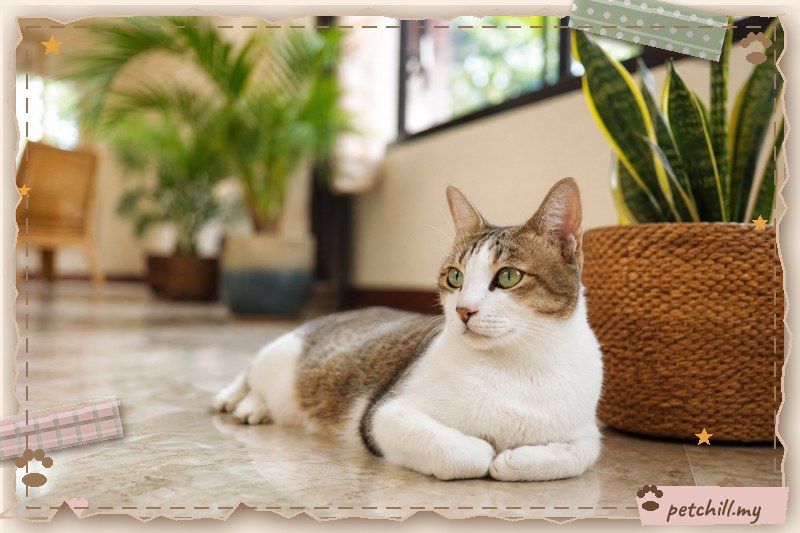
Comparison table: mild versus urgent signs

Sign Usually mild Needs a vet soon Emergency
Amount of blood Small streak once Repeated streaks over a day Heavy flow or continuous bleeding
Breathing Normal Slightly noisy Open-mouth breathing, gasping, blue gums
Behaviour Alert, eating, playful Reduced appetite or hiding Collapse, weakness, confusion
Discharge Clear and occasional Coloured or one-sided Blood plus foul smell or facial swelling
Injury None Minor bump Head trauma, fall, road accident
Other signs None Sneezing fits, eye discharge Pale gums, bruising, bleeding elsewhere

Use this table as a guide only. A vet is the only one who can confirm the cause.
Comparison table: mild versus urgent signs

What to do when your cat sneezes blood

  1. Stay calm. Your cat picks up on stress. Speak softly and avoid chasing.
  2. Confine the cat. Place it in a carrier or a quiet room with soft bedding.
  3. Do not tilt the head back. This can send blood down the throat and cause nausea.
  4. Wipe gently. Use a clean, damp cloth to remove blood from the fur and nostrils. Do not push anything into the nose.
  5. Note the details. Record the time, amount, colour, which nostril, and any other signs. Photos help.
  6. Call your vet. Describe what happened and ask whether to come in now or monitor.
  7. Keep the cat warm and quiet while you arrange transport.

Do not give human nose drops, aspirin, ibuprofen or any medication without veterinary advice. Some common human drugs are toxic to cats.

When to see a vet

Contact a veterinarian promptly if any of the following apply:

  • Bleeding lasts more than a few minutes or keeps restarting.
  • The cat sneezes blood more than once in a day.
  • Breathing is noisy, fast or laboured, or the cat breathes with an open mouth.
  • The cat is lethargic, hiding, not eating or drinking.
  • There is swelling around the face, eyes or nose.
  • Discharge is one-sided, thick, yellow or green, or has a bad smell.
  • The cat has bad breath, drooling or trouble chewing.
  • The cat is older and the bloody sneezing has persisted for days.
  • You suspect a foreign object, poisoning or injury.

Seek emergency care immediately if bleeding is heavy, the cat collapses, has pale or white gums, is gasping, or has suffered a head injury. Do not wait to see if it improves.
When to see a vet

How vets investigate bloody sneezing

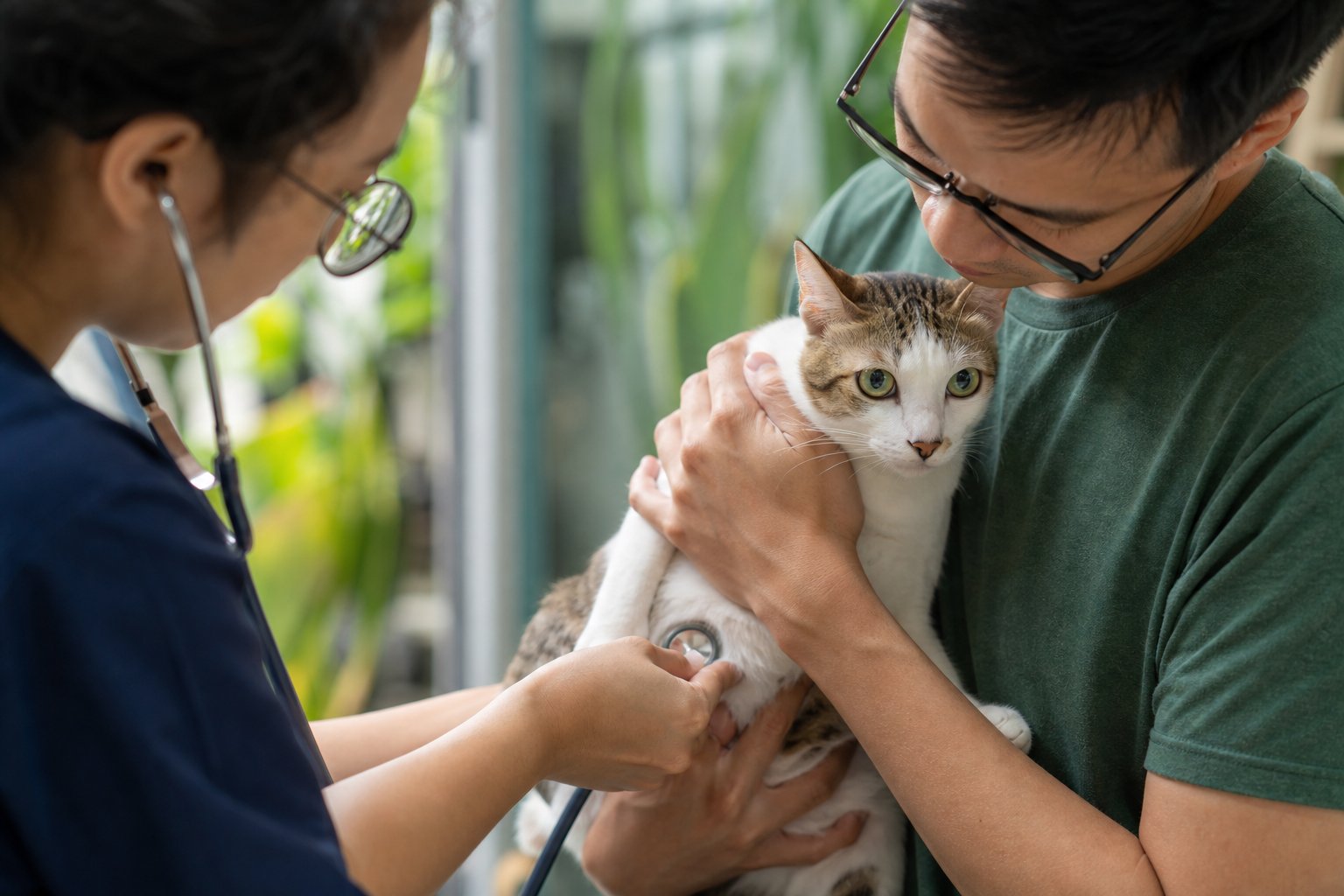
A vet will start with a full history and physical exam. They may check the mouth, eyes, ears and lymph nodes, and look into the nostrils with an instrument. Depending on findings, they may recommend:

  • Blood tests to check for infection, anaemia and clotting problems.
  • Blood pressure measurement, especially in older cats.
  • Imaging such as X-rays or endoscopy to look for foreign objects, growths or dental disease.
  • Swabs or samples to identify infections.
  • Dental examination under anaesthesia if dental disease is suspected.

Treatment depends on the cause. Infections may need antibiotics or supportive care. Foreign objects need removal. Dental disease needs dental treatment. Trauma and bleeding disorders need urgent stabilisation. Never assume a bloody sneeze is harmless just because it stops.

Home care and prevention in Malaysia

Malaysian homes often combine air-conditioning, ceiling fans, open windows and humid outdoor air. These can affect a cat's nose.

  • Manage humidity. Air-conditioned rooms can be very dry. Use a humidifier or place a bowl of water near a safe heat source, and keep the cat away from direct cold drafts.
  • Reduce dust and fumes. Vacuum regularly, wash bedding, avoid strong cleaning sprays, incense and cigarette smoke near the cat.
  • Choose low-dust litter. Clumping clay litters can be dusty. Unscented, low-dust options may suit sensitive cats.
  • Keep vaccinations up to date. Discuss cat flu vaccination with your vet, especially for cats that go outdoors or live with other cats.
  • Check teeth regularly. Dental disease is a common hidden cause of nasal problems. Ask your vet about dental checks.
  • Supervise outdoor time. Outdoor cats are more likely to sniff grass seeds, fight or be injured.
  • Use secure carriers. A frightened cat that sneezes blood may bolt. Keep carriers clean and ready.

In a Kuala Lumpur apartment, dry air-conditioned rooms and dusty corridors can irritate a cat's nose, so regular cleaning and humidity control matter. In a Johor terrace house, open windows and garden plants may expose cats to grass seeds and pollen, so check the nose after outdoor time. Penang's rainy season can bring damp indoor air and mould, which may worsen respiratory irritation, so keep bedding dry and rooms ventilated.
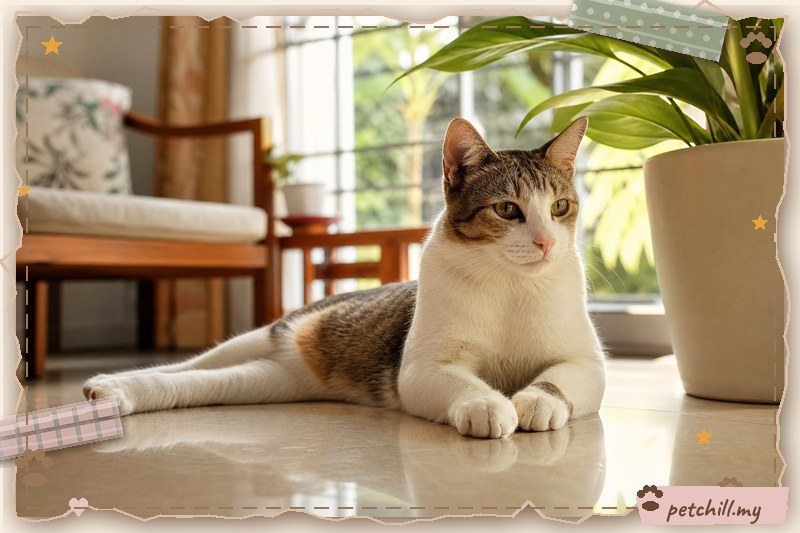
Home care and prevention in Malaysia

What not to do

  • Do not put cotton buds or tissues deep into the nose.
  • Do not use human decongestants or saline products without vet advice.
  • Do not delay care because the bleeding seems small.
  • Do not assume the cat has a simple cold if blood keeps appearing.
  • Do not let the cat outside while bleeding or unwell.

Key takeaways

  • Blood in a cat's sneeze can be minor or serious; the pattern and other signs matter.
  • Common causes include infection, foreign objects, trauma, dental disease, dry air and, in older cats, tumours or high blood pressure.
  • Keep the cat calm, do not tilt the head back, and call your vet.
  • Heavy bleeding, breathing difficulty, collapse or injury is an emergency.
  • Prevention focuses on clean air, humidity, dental care and vaccination.

Vet disclaimer

This article is for general information only and is not a substitute for veterinary advice. Every cat is different. If your cat is sneezing blood or showing any worrying signs, contact a licensed veterinarian in Malaysia for a proper examination and treatment plan.

Frequently Asked Questions

📌 Key Takeaways

  • This article covers: Quick answer, What bloody sneezing looks like, Common causes of blood in a cat's sneeze, Comparison table: mild versus urgent signs, What to do when your cat sneezes blood, and more
  • Jump to any section via the table of contents for the key details
  • If in doubt, consult a registered veterinarian

Explore this topic cluster

This guide belongs to a Malaysia-focused topic cluster. Read the pillar guide and related articles.

View cluster →

📚 Cat Health article index

This article is part of the Cat Health topic cluster. Explore related articles:

⭐ Pillar guide: Cat Health complete guideBlood Test for Cats in Malaysia: What It Checks, Costs and When You Need One→ ReadBlood Test for Cats Step by Step: What Happens at the Clinic→ ReadBlood Test for Cats: What to Expect (Malaysian Owner's Guide)→ ReadCat Constipation Treatment in Malaysia: A Practical Owner's Guide→ ReadCat Dental Pain Treatment in Malaysia: A Practical Owner's Guide→ ReadCat Diarrhea Treatment in Malaysia: A Practical Owner's Guide→ ReadCat Ear Mites Treatment in Malaysia: A Complete Owner's Guide→ ReadCat Eye Infection Treatment in Malaysia: A Practical Owner's Guide→ ReadCat Fleas Treatment in Malaysia: A Practical Owner's Guide→ ReadCat Hair Loss Treatment in Malaysia: A Practical Owner's Guide→ ReadCat Licking Wounds: Why It Happens and How to Treat It in Malaysia→ ReadCat Poisoning Treatment in Malaysia: What to Do, What to Expect, and How to Prevent It→ ReadCat Ringworm Treatment in Malaysia: A Practical Owner's Guide→ ReadCat Skin Fungus Treatment in Malaysia: A Practical Owner's Guide→ ReadCat Sneezing Blood: Causes, Treatment and When to See a Vet in Malaysia→ ReadCat Vomiting Treatment in Malaysia: What to Do and When to See a Vet→ ReadCat Weight Loss Treatment in Malaysia: A Practical Guide for Owners→ ReadCat Worms Treatment in Malaysia: A Practical Owner's Guide→ ReadChocolate Poisoning and Cats in Malaysia: What Every Owner Should Know→ ReadConstipation in Cats: Causes, Care and When to See a Vet in Malaysia→ ReadConstipation in Cats in Malaysia: Causes, Signs and What to Do→ ReadConstipation Prevention for Cats: A Practical Guide for Malaysian Owners→ ReadDental Pain in Cats: Causes, Signs and Care (Malaysia Guide)→ ReadDental Pain in Cats in Malaysia: Signs, Causes and What to Do→ ReadDental Pain Prevention for Cats: A Practical Malaysian Guide→ ReadDeworming Schedule for Cats in Malaysia: A Practical, Vet-Led Guide→ ReadDeworming Schedule for Cats: A Step-by-Step Plan for Malaysian Owners→ ReadDeworming Schedule for Cats: What to Expect (Malaysia Guide)→ ReadDiarrhea in Cats: Causes and Care (Malaysian Owner's Guide)→ ReadDiarrhea in Cats in Malaysia: Causes, Home Care and When to See a Vet→ ReadDiarrhea Prevention for Cats: A Practical Guide for Malaysian Owners→ ReadE-Collar Recovery for Cats in Malaysia: A Practical Guide for Owners→ ReadE-Collar Recovery for Cats Step by Step: A Practical Guide for Malaysian Owners→ ReadE-Collar Recovery for Cats: What to Expect (Malaysia Guide)→ ReadEar Mites in Cats: Causes and Care (Malaysia Guide)→ ReadEar Mites in Cats in Malaysia: Signs, Treatment and Prevention→ ReadEar Mites Prevention for Cats: A Practical Malaysian Guide→ ReadElectrical Cables and Cats in Malaysia: A Practical Safety Guide→ ReadEye Infection in Cats: Causes and Care (Malaysia Guide)→ ReadEye Infection in Cats in Malaysia: Causes, Signs, Treatment & Prevention→ ReadEye Infection Prevention for Cats: A Practical Malaysian Guide→ ReadFans and Air Conditioning for Cats in Malaysia: A Practical Comfort Guide→ ReadFlea Treatment for Cats in Malaysia: A Complete Guide→ ReadFlea Treatment for Cats Step by Step: A Practical Malaysian Guide→ ReadFlea Treatment for Cats: What to Expect (Malaysia Guide)→ ReadFleas in Cats: Causes and Care (Malaysia Guide)→ ReadFleas in Cats in Malaysia: Signs, Treatment and Prevention→ ReadFleas Prevention for Cats in Malaysia: A Practical, Year-Round Plan→ ReadGiving Pills for Cats in Malaysia: A Stress-Free Step-by-Step Guide→ ReadGiving Pills for Cats Step by Step: A Calm, Practical Guide for Malaysian Owners→ ReadGiving Pills for Cats: What to Expect (Malaysian Owner's Guide)→ ReadHair Loss in Cats: Causes and Care (Malaysian Owner's Guide)→ ReadHair Loss in Cats in Malaysia: Causes, Home Checks and When to See a Vet→ ReadHair Loss Prevention for Cats: A Practical Grooming and Health Guide→ ReadHousehold Cleaning Products and Cats in Malaysia: A Safety Guide→ ReadHow to Prevent Chocolate Poisoning Around Cats: A Practical Guide for Malaysian Homes→ ReadHow to Prevent Electrical Cables Around Cats: A Practical Safety Guide for Malaysian Homes→ ReadHow to Prevent Fan and Aircond Problems Around Cats: A Malaysian Home Guide→ ReadHow to Prevent Household Cleaning Products Around Cats: A Practical Safety Guide for Malaysian Homes→ ReadHow to Prevent Lily Poisoning Around Cats: A Practical Safety Guide for Malaysian Homes→ ReadHow to Prevent Open Windows Around Cats: A Practical Safety Guide for Malaysian Homes→ ReadHow to Prevent Paracetamol Poisoning Around Cats: A Malaysian Safety Guide→ ReadHow to Prevent Plastic Bags Around Cats: A Practical Safety Guide for Malaysian Homes→ ReadHow to Treat Constipation in Cats at Home: A Practical Malaysian Guide→ ReadHow to Treat Dental Pain in Cats at Home: Safe Relief and When to See a Vet→ ReadHow to Treat Diarrhea in Cats at Home: A Practical Malaysian Guide→ ReadHow to Treat Ear Mites in Cats at Home: A Practical Malaysian Guide→ ReadHow to Treat Eye Infection in Cats at Home: Safe Steps for Malaysian Owners→ ReadHow to Treat Fleas in Cats at Home: A Practical Malaysian Guide→ ReadHow to Treat Hair Loss in Cats at Home: A Practical Malaysian Guide→ ReadHow to Treat Licking Wounds in Cats at Home: A Practical Guide for Malaysian Owners→ ReadHow to Treat Poisoning in Cats at Home: First Aid, Safe Steps and When to Rush to the Vet→ ReadHow to Treat Ringworm in Cats at Home: A Practical Guide for Malaysian Owners→ ReadHow to Treat Skin Fungus in Cats at Home: A Practical Malaysian Guide→ ReadHow to Treat Sneezing Blood in Cats at Home: Safe First Steps for Malaysian Owners→ ReadHow to Treat Vomiting in Cats at Home: A Practical Malaysian Guide→ ReadHow to Treat Weight Loss in Cats at Home: A Practical Guide for Malaysian Owners→ ReadHow to Treat Worms in Cats at Home: A Practical, Safe Guide for Malaysian Owners→ ReadLicking Wounds in Cats: Causes and Care (Malaysian Vet Guide)→ ReadLicking Wounds in Cats Malaysia: When It's Normal and When to Stop It→ ReadLicking Wounds Prevention for Cats: How to Stop the Lick Cycle and Let Skin Heal→ ReadLily Poisoning and Cats in Malaysia: Why Every Petal Is an Emergency→ ReadOpen Windows and Cats in Malaysia: How to Keep Your Cat Safe Without Locking Up the House→ ReadParacetamol Poisoning in Cats in Malaysia: Why Even One Tablet Can Be Deadly→ ReadPlastic Bags and Cats in Malaysia: Why They're Dangerous and How to Keep Your Cat Safe→ ReadPoisoning in Cats: Causes, Symptoms and Care (Malaysia Guide)→ ReadPoisoning in Cats in Malaysia: Common Toxins, Signs and What to Do→ ReadPoisoning Prevention for Cats in Malaysia: A Room-by-Room Safety Guide→ ReadRingworm in Cats: Causes, Symptoms and Care (Malaysia Guide)→ ReadRingworm in Cats in Malaysia: Signs, Treatment and Prevention→ ReadRingworm Prevention for Cats in Malaysia: A Practical, Vet-Informed Guide→ ReadSigns of Constipation in Cats in Malaysia: What to Watch For and When to Act→ ReadSigns of Dental Pain in Cats in Malaysia: What Owners Miss→ ReadSigns of Diarrhea in Cats in Malaysia: What's Normal, What's Not→ ReadSigns of Ear Mites in Cats in Malaysia: How to Spot, Treat and Prevent Them→ ReadSigns of Eye Infection in Cats in Malaysia: What Owners Should Look For→ ReadSigns of Fleas in Cats in Malaysia: How to Spot, Check and Act→ ReadSigns of Hair Loss in Cats in Malaysia: What to Look For and When to Worry→ ReadSigns of Licking Wounds in Cats Malaysia: How to Spot Problem Licking→ ReadSigns of Poisoning in Cats in Malaysia: What to Watch For and What to Do→ ReadSigns of Ringworm in Cats in Malaysia: What Owners Should Look For→ ReadSigns of Skin Fungus in Cats in Malaysia: How to Spot Ringworm Early→ ReadSigns of Vomiting in Cats in Malaysia: What's Normal, What's Not, and When to See a Vet→ ReadSigns of Weight Loss in Cats in Malaysia: What to Watch For and When to Worry→ ReadSigns of Worms in Cats in Malaysia: What Owners Should Look For→ ReadSkin Fungus in Cats: Causes, Signs and Care (Malaysia Guide)→ ReadSkin Fungus in Cats in Malaysia: Ringworm Signs, Treatment and Prevention→ ReadSkin Fungus Prevention for Cats: A Practical Guide for Malaysian Homes→ ReadSneezing Blood in Cats: Causes and Care (Malaysia Guide)→ ReadSneezing Blood in Cats in Malaysia: Causes, What to Do, and When to See a Vet→ ReadSneezing Blood Prevention for Cats: Causes, Care and When to Worry→ ReadSterilization for Cats in Malaysia: A Complete Guide for Owners→ ReadSterilization for Cats Step by Step: A Malaysian Owner's Guide→ ReadSterilisation for Cats: What to Expect (Malaysian Owner's Guide)→ ReadUltrasound for Cats in Malaysia: What It Is, When It's Needed, and What to Expect→ ReadUltrasound for Cats Step by Step: What Happens, What It Costs, and How to Prepare→ ReadUltrasound for Cats: What to Expect (Malaysian Owner's Guide)→ ReadVaccination Side Effects for Cats in Malaysia: What's Normal, What's Not→ ReadVaccination Side Effects for Cats: A Step-by-Step Guide for Malaysian Owners→ ReadCat Vaccination Side Effects: What Malaysian Owners Should Expect→ ReadVomiting in Cats: Causes and Care (Malaysia Guide)→ ReadVomiting in Cats in Malaysia: When It's Normal and When to Worry→ ReadVomiting Prevention for Cats: A Practical Guide for Malaysian Owners→ ReadWeight Loss in Cats: Causes and Care (Malaysian Vet Guide)→ ReadWeight Loss in Cats in Malaysia: Causes, Warning Signs and What to Do→ ReadWeight Loss Prevention for Cats: A Practical Malaysian Guide→ ReadWorms in Cats: Causes and Care (Malaysia Vet Guide)→ ReadWorms in Cats in Malaysia: A Practical Owner's Guide→ ReadWorms Prevention for Cats in Malaysia: A Complete Guide→ ReadWound Care for Cats in Malaysia: A Practical Owner's Guide→ ReadWound Care for Cats Step by Step: A Practical Malaysian Guide→ ReadWound Care for Cats: What to Expect, Step by Step→ ReadX-Ray for Cats in Malaysia: What to Expect, Costs and Safety→ ReadX-Ray for Cats Step by Step: What Malaysian Owners Should Expect→ ReadX-Ray for Cats: What to Expect (Malaysian Owner's Guide)→ ReadArthritis Pet Care in Malaysia: A Practical Guide for Cats and Dogs→ ReadCat Arthritis in Malaysia: 5 Home Signs Your Cat Is in Pain — and What to Do→ ReadEarly Signs of Chronic Disease in Cats: 7 Daily Checks and a 4-Week Record Sheet→ ReadCat Chronic Kidney Disease in Malaysia: The Daily Care Routine That Actually Slows It Down→ ReadCat Constipation in Malaysia: The 48-Hour Rule, Red Flags and What Actually Helps→ ReadCat Dehydration in Malaysia: Home Skin-Turgor Test, 7 Causes and Emergency Signs→ ReadCat Heart Disease in Malaysia: Sleep Breathing Count, HCM Early Signs and When to Rush to the Vet→ ReadCat Kidney Disease in Malaysia: Early Signs, Prevention and Everyday Care→ ReadCat Pancreatitis in Malaysia: Symptoms, fPLI Testing, Treatment and Home Recovery→ ReadCat Ringworm in Malaysia: Signs, Treatment and Home Cleaning Guide→ ReadCat Symptom Checker Malaysia: 12 Common Signs and a Green-Amber-Red Triage Table→ ReadPet Deworming in Malaysia: How Often to Worm Your Cat or Dog→ ReadPet Gut Health in Malaysia: Probiotics, Food Transitions and Stool Troubles (Part 2)→ ReadCat Gut Health: Probiotics, Antibiotics and Food Transitions Explained (Malaysia)→ ReadPet Health Malaysia 2026: Common Cat and Dog Illnesses, Prevention Care and Vet Guidance→ ReadPet Insurance in Malaysia: How to Compare Plans Before You Sign→ ReadPet Poisoning at Home: Household Chemicals, Toxic Plants and When Not to Induce Vomiting (Malaysia)→ ReadPet Poisoning at Home: Household Chemicals, Insecticides and Toxic Plants (Malaysia, Part 1)→ ReadCat Chronic Disease Early Signs in Malaysia: 7 Daily Checks and a 4-Week Log→ ReadCat Health Guide Malaysia: Symptom Check, Red-Flag Triage & When to See a Vet→ ReadCat Ringworm in Malaysia: Symptoms, Treatment and Home Cleaning Guide→ ReadGut Health, Probiotics & Food Transition Part 2: Practical Malaysia Guide→ ReadPet Health in Malaysia: A Practical Prevention Guide for Cats and Dogs→ Read

Related products at PetChill

