
Quick answer
Cat weight loss treatment in Malaysia starts with a vet visit to find the cause — illness, parasites, dental pain or diet. Treatment may include deworming, dental care, a calorie-controlled diet, or medication for conditions like hyperthyroidism or diabetes. Never put a cat on a diet without veterinary supervision.
Why cat weight loss matters
A cat's body weight is one of the simplest health signals you have at home. Unlike a dog, a cat cannot tell you it feels unwell. Weight loss is often the first visible clue that something is wrong. It can also be the result of a diet that is too strict, or of a cat that is simply not eating enough because of stress, pain or competition from other pets.
The challenge is that weight loss has two very different meanings. For an overweight cat, losing weight is the goal — but it must be done slowly and under supervision. For a cat at a healthy weight, losing weight is a warning sign. Treatment depends entirely on which situation you are facing.
In Malaysia, many cats live indoors in apartments and terrace houses, which makes weight monitoring easier. But busy schedules, multi-cat households and free-feeding can hide gradual changes. Weighing your cat monthly, or at least every few months, gives you a baseline to compare against.
Recognising unhealthy weight loss
You do not need a scale to notice a problem, but a scale helps confirm it. Run your hands along your cat's sides. You should feel the ribs easily under a thin layer of fat, and see a waist behind the ribs when viewed from above. If the ribs feel sharp, the spine is prominent, or the hip bones stick out, your cat may be underweight.
Other signs that weight loss is not just cosmetic include:
- A dull or greasy coat
- Reduced grooming
- Hiding or withdrawal
- Changes in appetite — eating more, eating less, or refusing food
- Vomiting or diarrhoea
- Bad breath or drooling
- Increased thirst and urination
- Weakness or reluctance to jump
Any of these combined with weight loss should prompt a vet visit. If your cat stops eating entirely for more than 24 hours, treat it as urgent, especially in overweight cats, because they are at risk of a serious liver condition called hepatic lipidosis.
Common causes of weight loss in cats
The list of possible causes is long, which is why a vet exam matters. Common categories include:
Dietary and management issues. Free-feeding a low-quality diet, sudden food changes, competition from other cats, or a stressful environment can all reduce intake. Some cats are simply fussy and eat less when bored or anxious.
Parasites. Intestinal worms and other parasites can cause weight loss despite a good appetite. Deworming is a routine part of treatment in Malaysia, especially for cats that go outdoors or eat raw food.
Dental disease. Painful teeth and gums are a very common cause of reduced eating. Cats may drop food, chew on one side, drool, or refuse hard food. A dental check should be part of every weight-loss workup.
Hyperthyroidism. An overactive thyroid makes cats eat more while losing weight. It is common in older cats and is treatable with medication, diet or other options depending on the case.
Kidney disease. Chronic kidney disease often causes weight loss, reduced appetite, increased drinking and urination. It is managed with diet, hydration support and monitoring.
Diabetes mellitus. Cats with diabetes may lose weight despite a good appetite, and often drink and urinate more. Treatment involves insulin, diet and monitoring.
Gastrointestinal disease. Inflammatory bowel disease, food intolerance and intestinal lymphoma can all cause weight loss, vomiting and diarrhoea.
Cancer and other systemic illness. Unexplained weight loss in an older cat should always raise the possibility of cancer or organ disease.
Stress and behaviour. A new pet, a move, renovation noise or a change in routine can reduce appetite. This is common in Malaysian households during festive periods or when a new family member arrives.
What happens at the vet
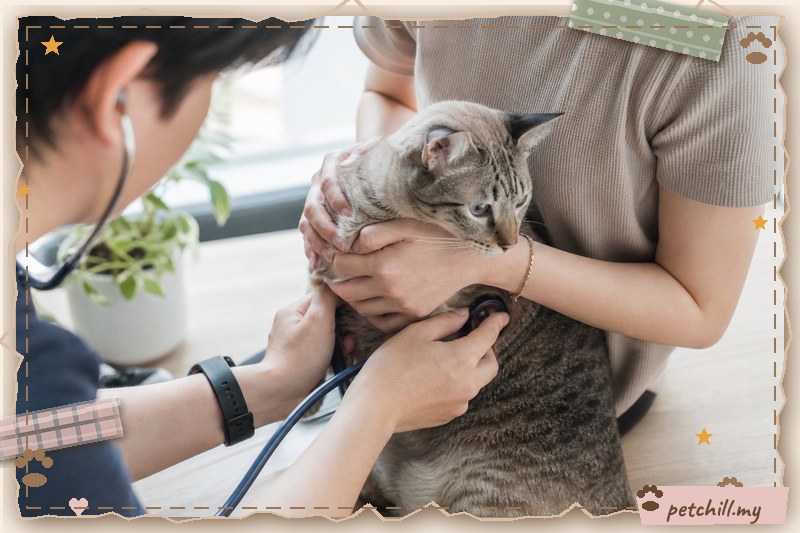
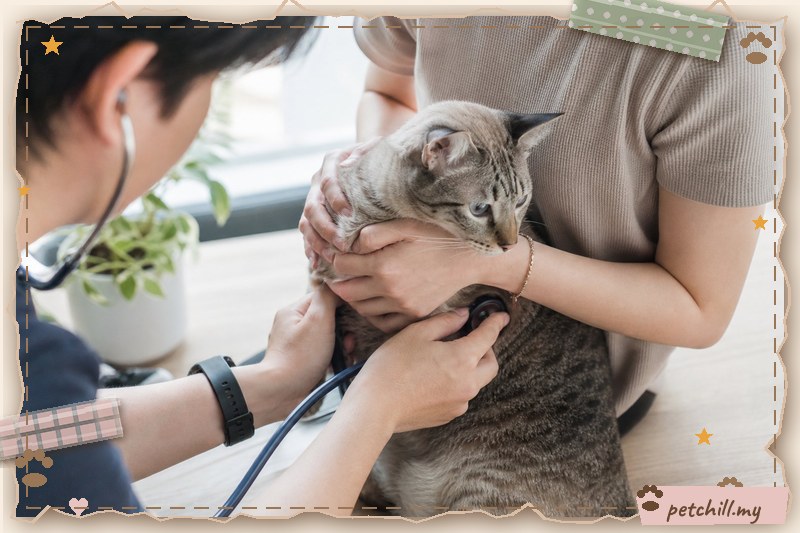
A good weight-loss consultation is a structured investigation, not a quick glance. Expect your vet to:
- Take a full history. Diet, appetite, water intake, litter box habits, vomiting, behaviour, travel and deworming history.
- Weigh your cat and score body condition. A body condition score (BCS) on a 1–9 or 1–5 scale gives a consistent record.
- Perform a physical exam. Checking teeth, gums, thyroid area, abdomen, lymph nodes and hydration.
- Run baseline tests. A complete blood count, biochemistry panel, thyroid hormone test, urine test and faecal exam are typical first-line tests.
- Add imaging if needed. X-rays or ultrasound can check for masses, organ changes or intestinal thickening.
Not every cat needs every test on the first visit. Your vet will prioritise based on age, history and physical findings. Ask for a written plan and a follow-up weight check, because trends over time are more useful than a single number.
Treatment options
Treatment is cause-specific. The table below summarises common approaches.
| Cause | Typical treatment | What owners do at home |
|---|---|---|
| Parasites | Deworming, flea control | Give medication as directed, clean litter box |
| Dental disease | Dental cleaning, extractions | Soft food during recovery, daily brushing if possible |
| Hyperthyroidism | Medication, prescription diet, or other vet-directed therapy | Give medication consistently, attend rechecks |
| Kidney disease | Prescription kidney diet, hydration support | Monitor water intake, weight and appetite |
| Diabetes | Insulin, diet, monitoring | Learn injection technique, track glucose as advised |
| Gastrointestinal disease | Diet trial, medication, further tests | Keep a food diary, avoid treats during trials |
| Stress-related appetite loss | Environmental changes, appetite stimulants if prescribed | Separate feeding stations, quiet space |
| Obesity (intentional loss) | Calorie-controlled diet, exercise plan | Weigh food, stop free-feeding, weekly weigh-ins |
For cats that are overweight and need to lose weight, the goal is slow, steady loss — roughly 0.5–1% of body weight per week, as directed by your vet. Crash dieting is dangerous. Your vet may recommend a therapeutic weight-loss diet, measured portions and puzzle feeders to slow eating.
For underweight cats, the goal is to reverse the cause and support nutrition. Appetite stimulants, anti-nausea medication, pain relief and highly palatable recovery diets may be used short-term. Never force-feed a cat unless your vet has shown you how.
Building a safe weight plan at home
Whether your cat needs to gain or lose weight, structure helps.
Weigh regularly. Use a baby scale or weigh yourself holding the cat, then subtract your weight. Record the number weekly.
Measure food. Use a kitchen scale rather than a cup. Cups vary and can over- or under-feed by a significant margin.
Stop free-feeding. Leave food down for set meal times only, unless your vet advises otherwise. This is especially important in multi-cat homes.
Separate feeding stations. In a household with several cats, feed them in different rooms or use microchip feeders so you know who eats what.
Limit treats. Treats should be a small part of daily calories. Use a portion of the daily kibble as treats instead.
Increase activity gently. Short play sessions with a wand toy, food puzzles and climbing shelves help. Avoid intense exercise in very overweight cats until your vet clears them.
Keep a diary. Note food, appetite, vomiting, stool quality and weight. This makes vet visits more productive.
Monitoring progress and avoiding mistakes
The most common mistakes owners make are changing too much too fast and stopping treatment when the cat looks better. Weight loss treatment is a marathon, not a sprint.
Set realistic checkpoints with your vet — for example, a weigh-in every two to four weeks during active treatment, then every three months once stable. If your cat is losing weight intentionally, a plateau is a sign to review portions, not to cut food drastically. If your cat is being treated for an illness, improvement in weight often lags behind improvement in bloodwork, so be patient.
Watch for red flags: continued loss despite treatment, refusal to eat, vomiting that does not settle, or new weakness. These mean the plan needs review.
When to see a vet
See a vet promptly if your cat:
- Loses more than 10% of body weight without dieting
- Stops eating for more than 24 hours
- Shows increased thirst and urination
- Has persistent vomiting or diarrhoea
- Has bad breath, drooling or difficulty eating
- Becomes lethargic, hides, or seems weak
- Is an older cat with any unexplained change in weight
If your cat is overweight and you want to start a diet, book a consultation first. Your vet can rule out conditions that make weight loss unsafe and set a target weight.
Local context for Malaysian owners
Malaysian pet owners face some practical realities. Many cats live indoors in apartments and terrace houses, which limits roaming but also limits exercise. The hot, humid climate means food can spoil quickly, so portion control and fresh water matter. Multi-cat households are common, and free-feeding is often the default, which makes weight problems harder to spot.
Veterinary care is available in most cities and towns, but services vary. Ask your vet what diagnostics they can run in-house and what needs to be sent to a laboratory. Prices for consultations, tests and prescription diets vary by clinic and location, so ask for an estimate before treatment begins. There is no single national price, and you should not assume a quote from one clinic applies to another.
If you are unsure whether your cat is overweight or underweight, a body condition score chart from your vet is a useful starting point. The Malaysian Department of Veterinary Services (DVS) provides general animal health information, and the SPCA and local veterinary associations can point you toward responsible care resources.
A simple weekly checklist
- Weigh your cat and record it
- Check ribs, waist and hip bones by touch
- Review food portions and treat intake
- Watch appetite, water intake and litter box output
- Note any vomiting, diarrhoea or behaviour change
- Check teeth and gums briefly
- Confirm parasite prevention is up to date
- Book a vet review if trends are worrying
Bottom line
Cat weight loss treatment in Malaysia is not a single product or diet — it is a process of finding the cause, correcting it, and supporting your cat's nutrition along the way. Whether your cat needs to gain or lose weight, the safest path is a vet-guided plan with regular weighing and honest monitoring at home. Start with a consultation, ask questions, and adjust gradually.
This article is general information and not a substitute for veterinary advice. Always consult a licensed veterinarian about your cat's health.
Related reading
- Blood Test for Cats in Malaysia: What It Checks, Costs and When You Need One
- Blood Test for Cats: What to Expect (Malaysian Owner's Guide)
- Cat Ear Mites Treatment in Malaysia: A Complete Owner's Guide
- Cat Eye Infection Treatment in Malaysia: A Practical Owner's Guide
- Cat Licking Wounds: Why It Happens and How to Treat It in Malaysia