
PetChill Pet Encyclopedia
Cat Health

How to Prevent Chocolate Poisoning Around Cats: A Practical Guide for Malaysian Homes

Chocolate is toxic to cats. This guide explains why, how to cat-proof your home, what to do if your cat eats chocolate, and when to call a vet. Written for Malaysian pet owners.

Published: 2026-11-06Β·7 min readΒ·Author: PetChill Editorial
How to Prevent Chocolate Poisoning Around Cats: A Practical Guide for Malaysian

πŸ’‘ Quick Answer

Prevent chocolate poisoning by storing all chocolate in sealed, cat-proof containers, never leaving it on counters or tables, teaching children and guests not to feed pets chocolate, and keeping cocoa powder and baking chocolate especially secure. If your cat eats chocolate, call your vet immediately.

Why chocolate is dangerous for cats

Chocolate contains two methylxanthines that are toxic to cats: theobromine and caffeine. Cats are more sensitive to these compounds than humans, and their smaller body weight means even small amounts can cause serious problems. Theobromine is the main culprit; it stimulates the heart and central nervous system and can lead to vomiting, diarrhoea, hyperactivity, tremors, seizures, and in severe cases, death.

The risk depends on the type of chocolate and the amount eaten. Dark chocolate and unsweetened baking chocolate contain much higher levels of theobromine than milk chocolate. White chocolate has very little theobromine but is still high in fat and sugar, which can cause pancreatitis and stomach upset. Cocoa powder is extremely concentrated and dangerous.

Cats are curious creatures, and they may investigate chocolate left on counters, in bags, or under the Christmas tree. Unlike dogs, cats are less likely to eat large amounts voluntarily because they lack sweet taste receptors, but they can still ingest chocolate accidentally while grooming or playing. Never assume your cat won't touch chocolate.

Common sources of chocolate in Malaysian homes

In Malaysia, chocolate is everywhere: festive seasons like Hari Raya, Chinese New Year, Deepavali, and Christmas bring chocolate gifts and hampers. Birthdays, office parties, and school holidays mean more treats around the house. Here are common sources to watch:

  • Chocolate bars and blocks left on coffee tables or kitchen counters.
  • Chocolate biscuits, cookies, and cakes in open containers.
  • Chocolate-flavoured drinks and cocoa powder.
  • Baking chocolate and cocoa powder used for home baking.
  • Chocolate gifts in wrappers or boxes under the tree or on shelves.
  • Chocolate ice cream and desserts in the freezer.
  • Chocolate wrappers and foil that may still have residue.
  • Chocolate-flavoured pet treats (avoid these entirely).

Even small amounts of cocoa powder spilled on the floor can be licked by a cat. Always clean up thoroughly.
Common sources of chocolate in Malaysian homes

How to cat-proof your home: a room-by-room checklist

Prevention is about making chocolate inaccessible. Use this checklist to secure your home.

Kitchen

  • Store all chocolate in sealed, hard plastic containers with tight lids. Cats can open some containers, so choose ones with locking clips.
  • Keep chocolate inside closed cupboards, not on open shelves.
  • Put cocoa powder and baking chocolate in a high cupboard, ideally behind a child-proof lock.
  • Never leave chocolate on the counter to cool or thaw.
  • Wipe counters and floors immediately after baking or handling chocolate.
  • Secure rubbish bins with lids that cats cannot pry open. Empty bins frequently.
  • Check that chocolate wrappers are not left in open bins or on surfaces.

Living room and dining area

  • Do not leave chocolate bowls or hampers on coffee tables or dining tables.
  • After festive gatherings, clear all chocolate immediately.
  • Keep handbags and backpacks zipped and out of reach; cats may investigate chocolate inside.
  • Store chocolate gifts in closed cupboards, not under the tree or on open display.

Bedroom and study

  • Keep bedside snacks in sealed containers inside drawers.
  • Do not leave chocolate in open desk drawers or on nightstands.
  • Secure any chocolate-flavoured medications or supplements.

Outdoor and balcony

  • If you have an outdoor cat enclosure, ensure no chocolate is accessible.
  • Do not leave chocolate outdoors where cats roam.
  • Secure compost bins; chocolate waste can attract cats.

General household rules

  • Teach children never to feed cats chocolate or leave it within reach.
  • Inform guests and domestic helpers about the danger.
  • Keep chocolate out of reach during festive seasons and school holidays.
  • Check toys and craft supplies for chocolate-scented items.

Safe storage and disposal

Proper storage reduces risk. Use airtight containers made of hard plastic or metal. Glass jars can break and cause injury. Label containers clearly. Keep chocolate in a high cupboard that cats cannot jump to, or in a locked cabinet if you have a determined cat.

Dispose of chocolate wrappers and leftovers in a closed bin immediately. Do not leave them in open bins or on counters. If you have a compost bin, ensure it is cat-proof. Rinse wrappers before disposal if they have chocolate residue.

When buying chocolate, choose quantities you will consume quickly. Avoid stockpiling large amounts during sales. If you receive chocolate gifts you don't want, store them securely or give them away promptly.
Safe storage and disposal

What to do if your cat eats chocolate

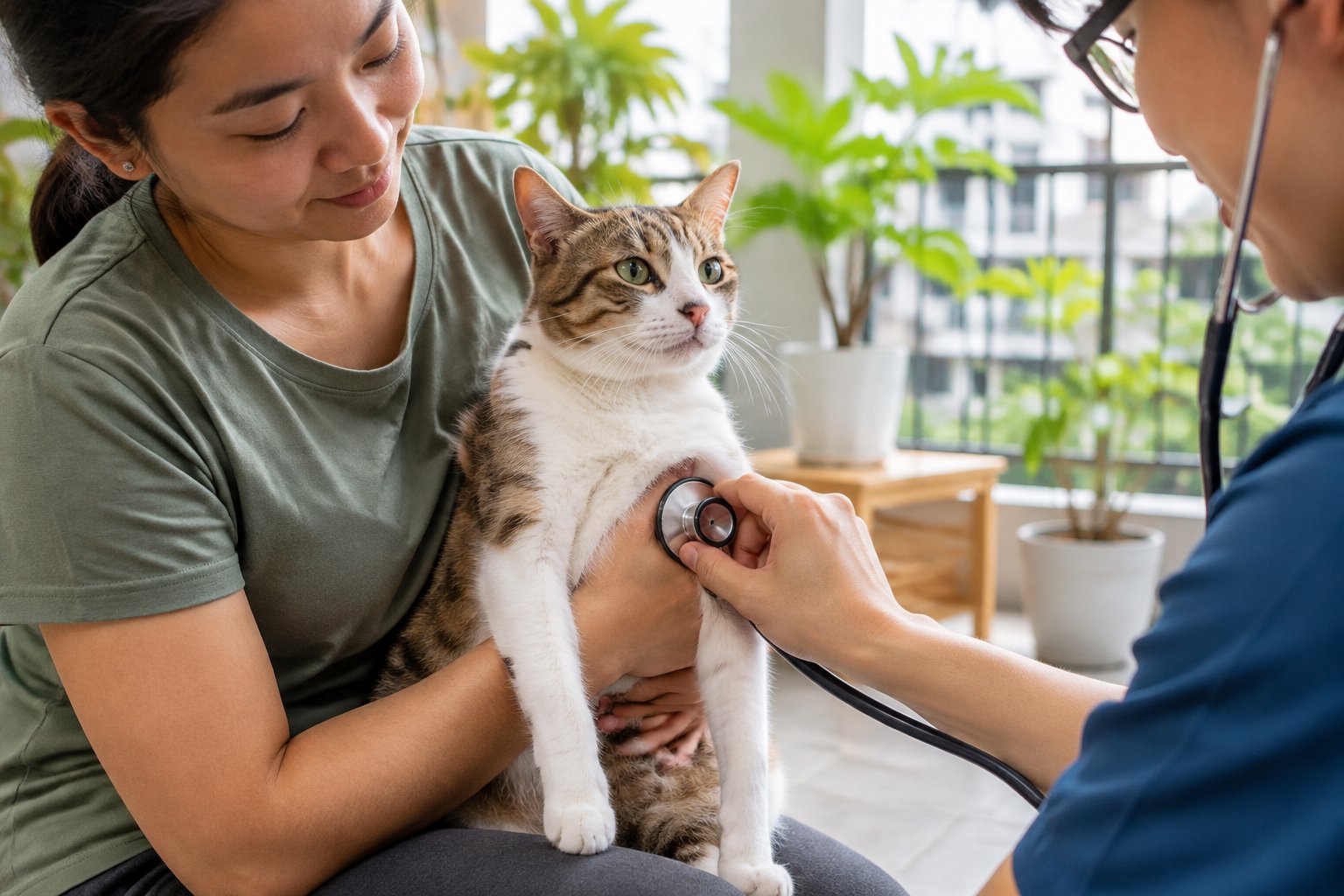
If you suspect your cat has eaten chocolate, act quickly. Call your veterinarian or an emergency animal clinic immediately. Do not wait for symptoms to appear. Have the following information ready:

  • Type of chocolate (dark, milk, white, cocoa powder).
  • Amount eaten (estimate if unsure).
  • Time of ingestion.
  • Your cat's weight and age.
  • Any symptoms observed.

Do not induce vomiting unless your vet instructs you to. Some home remedies can be dangerous. Your vet may ask you to bring the packaging or a sample of the chocolate.

If your vet is closed, call an emergency clinic. Keep the number saved in your phone. In Malaysia, emergency vet services are available in major cities, but it's best to know your nearest option in advance.

Signs of chocolate poisoning in cats

Symptoms usually appear within 6 to 12 hours after ingestion, but can be faster with large amounts. Watch for:

  • Vomiting and diarrhoea.
  • Restlessness, hyperactivity, or pacing.
  • Increased thirst and urination.
  • Rapid breathing or panting.
  • Increased heart rate or irregular heartbeat.
  • Muscle tremors or twitching.
  • Seizures.
  • Collapse or coma in severe cases.

If you see any of these signs, seek veterinary care immediately. Early treatment improves the outcome.

Signs of chocolate poisoning in cats

Chocolate toxicity comparison table

Type of chocolate Theobromine level Risk to cats Notes
White chocolate Very low Low to moderate High fat and sugar can cause pancreatitis; still unsafe
Milk chocolate Moderate Moderate to high Common in gifts; small amounts can cause symptoms
Dark chocolate High High Even small amounts can be dangerous
Baking chocolate (unsweetened) Very high Severe Extremely toxic; seek vet immediately
Cocoa powder Very high Severe Highly concentrated; dangerous even in tiny amounts
Chocolate-covered treats Varies Moderate to high Depends on chocolate type and size

This table is a general guide. Always consult your vet for specific advice.

Keeping cats safe during festive seasons

Festive seasons in Malaysia mean more chocolate in the home. Hari Raya, Chinese New Year, Deepavali, and Christmas bring hampers, gifts, and treats. Here are extra precautions:

  • Designate a secure cupboard for chocolate gifts.
  • Open hampers away from cats and dispose of packaging immediately.
  • Inform guests not to feed cats chocolate or leave plates unattended.
  • Keep cats out of the kitchen during baking and food preparation.
  • After parties, do a quick sweep of floors and tables for dropped chocolate.
  • Consider using baby gates to keep cats out of dining areas during gatherings.
Keeping cats safe during festive seasons

Educating children and guests

Children may not understand that chocolate is toxic to cats. Teach them from a young age:

  • Never share chocolate with cats.
  • Keep chocolate wrappers in the bin, not on the floor.
  • Tell an adult immediately if a cat eats chocolate.
  • Do not leave chocolate on beds or sofas.

Guests may not be pet owners and may not know the risks. Politely remind them not to feed your cat and to keep chocolate out of reach. Display a small sign in the kitchen if helpful.

When to see a vet

Seek veterinary care immediately if your cat has eaten chocolate or shows any of these signs:

  • Vomiting or diarrhoea after possible chocolate ingestion.
  • Restlessness, tremors, or seizures.
  • Rapid breathing or heart rate.
  • Collapse or weakness.
  • Any known ingestion of dark chocolate, baking chocolate, or cocoa powder.

Do not wait for symptoms. Early intervention can save your cat's life. Call your vet or emergency clinic first; they may advise you to bring the cat in immediately.

Creating an emergency plan

Prepare for emergencies before they happen:

  • Save your vet's number and the nearest emergency clinic's number in your phone.
  • Keep a pet first-aid kit with basic supplies.
  • Know the location of the nearest 24-hour vet clinic.
  • Have a carrier ready for transport.
  • Keep a record of your cat's weight and any medical conditions.

In Malaysia, emergency vet services are available in major cities like Kuala Lumpur, Penang, and Johor Bahru. Check ahead for opening hours and services.

Common myths about cats and chocolate

  • Myth: Cats won't eat chocolate because they don't like sweet things. Fact: Cats lack sweet taste receptors, but they may still eat chocolate accidentally or out of curiosity.
  • Myth: A little bit of chocolate is fine. Fact: Even small amounts can cause digestive upset, and dark chocolate is dangerous.
  • Myth: White chocolate is safe. Fact: White chocolate is high in fat and sugar and can cause pancreatitis.
  • Myth: Milk chocolate is not toxic. Fact: Milk chocolate contains theobromine and can cause symptoms, especially in small cats.
  • Myth: Inducing vomiting at home is safe. Fact: Only do so under veterinary guidance.

Conclusion

Preventing chocolate poisoning in cats requires vigilance and good storage habits. Keep all chocolate in sealed containers inside closed cupboards, clean up promptly, and educate everyone in the household. Know the signs of poisoning and have your vet's number ready. With a few simple steps, you can keep your cat safe from this common household hazard.

Disclaimer: This article is for general information only and is not a substitute for professional veterinary advice. Always consult a licensed veterinarian for diagnosis and treatment of your pet.

Frequently Asked Questions

πŸ“Œ Key Takeaways

  • This article covers: Why chocolate is dangerous for cats, Common sources of chocolate in Malaysian homes, How to cat-proof your home: a room-by-room checklist, Safe storage and disposal, What to do if your cat eats chocolate, and more
  • Jump to any section via the table of contents for the key details
  • If in doubt, consult a registered veterinarian

Explore this topic cluster

This guide belongs to a Malaysia-focused topic cluster. Read the pillar guide and related articles.

View cluster β†’

πŸ“š Cat Health article index

This article is part of the Cat Health topic cluster. Explore related articles:

⭐ Pillar guide: Cat Health complete guideBlood Test for Cats in Malaysia: What It Checks, Costs and When You Need Oneβ†’ ReadBlood Test for Cats Step by Step: What Happens at the Clinicβ†’ ReadBlood Test for Cats: What to Expect (Malaysian Owner's Guide)β†’ ReadCat Constipation Treatment in Malaysia: A Practical Owner's Guideβ†’ ReadCat Dental Pain Treatment in Malaysia: A Practical Owner's Guideβ†’ ReadCat Diarrhea Treatment in Malaysia: A Practical Owner's Guideβ†’ ReadCat Ear Mites Treatment in Malaysia: A Complete Owner's Guideβ†’ ReadCat Eye Infection Treatment in Malaysia: A Practical Owner's Guideβ†’ ReadCat Fleas Treatment in Malaysia: A Practical Owner's Guideβ†’ ReadCat Hair Loss Treatment in Malaysia: A Practical Owner's Guideβ†’ ReadCat Licking Wounds: Why It Happens and How to Treat It in Malaysiaβ†’ ReadCat Poisoning Treatment in Malaysia: What to Do, What to Expect, and How to Prevent Itβ†’ ReadCat Ringworm Treatment in Malaysia: A Practical Owner's Guideβ†’ ReadCat Skin Fungus Treatment in Malaysia: A Practical Owner's Guideβ†’ ReadCat Sneezing Blood: Causes, Treatment and When to See a Vet in Malaysiaβ†’ ReadCat Vomiting Treatment in Malaysia: What to Do and When to See a Vetβ†’ ReadCat Weight Loss Treatment in Malaysia: A Practical Guide for Ownersβ†’ ReadCat Worms Treatment in Malaysia: A Practical Owner's Guideβ†’ ReadChocolate Poisoning and Cats in Malaysia: What Every Owner Should Knowβ†’ ReadConstipation in Cats: Causes, Care and When to See a Vet in Malaysiaβ†’ ReadConstipation in Cats in Malaysia: Causes, Signs and What to Doβ†’ ReadConstipation Prevention for Cats: A Practical Guide for Malaysian Ownersβ†’ ReadDental Pain in Cats: Causes, Signs and Care (Malaysia Guide)β†’ ReadDental Pain in Cats in Malaysia: Signs, Causes and What to Doβ†’ ReadDental Pain Prevention for Cats: A Practical Malaysian Guideβ†’ ReadDeworming Schedule for Cats in Malaysia: A Practical, Vet-Led Guideβ†’ ReadDeworming Schedule for Cats: A Step-by-Step Plan for Malaysian Ownersβ†’ ReadDeworming Schedule for Cats: What to Expect (Malaysia Guide)β†’ ReadDiarrhea in Cats: Causes and Care (Malaysian Owner's Guide)β†’ ReadDiarrhea in Cats in Malaysia: Causes, Home Care and When to See a Vetβ†’ ReadDiarrhea Prevention for Cats: A Practical Guide for Malaysian Ownersβ†’ ReadE-Collar Recovery for Cats in Malaysia: A Practical Guide for Ownersβ†’ ReadE-Collar Recovery for Cats Step by Step: A Practical Guide for Malaysian Ownersβ†’ ReadE-Collar Recovery for Cats: What to Expect (Malaysia Guide)β†’ ReadEar Mites in Cats: Causes and Care (Malaysia Guide)β†’ ReadEar Mites in Cats in Malaysia: Signs, Treatment and Preventionβ†’ ReadEar Mites Prevention for Cats: A Practical Malaysian Guideβ†’ ReadElectrical Cables and Cats in Malaysia: A Practical Safety Guideβ†’ ReadEye Infection in Cats: Causes and Care (Malaysia Guide)β†’ ReadEye Infection in Cats in Malaysia: Causes, Signs, Treatment & Preventionβ†’ ReadEye Infection Prevention for Cats: A Practical Malaysian Guideβ†’ ReadFans and Air Conditioning for Cats in Malaysia: A Practical Comfort Guideβ†’ ReadFlea Treatment for Cats in Malaysia: A Complete Guideβ†’ ReadFlea Treatment for Cats Step by Step: A Practical Malaysian Guideβ†’ ReadFlea Treatment for Cats: What to Expect (Malaysia Guide)β†’ ReadFleas in Cats: Causes and Care (Malaysia Guide)β†’ ReadFleas in Cats in Malaysia: Signs, Treatment and Preventionβ†’ ReadFleas Prevention for Cats in Malaysia: A Practical, Year-Round Planβ†’ ReadGiving Pills for Cats in Malaysia: A Stress-Free Step-by-Step Guideβ†’ ReadGiving Pills for Cats Step by Step: A Calm, Practical Guide for Malaysian Ownersβ†’ ReadGiving Pills for Cats: What to Expect (Malaysian Owner's Guide)β†’ ReadHair Loss in Cats: Causes and Care (Malaysian Owner's Guide)β†’ ReadHair Loss in Cats in Malaysia: Causes, Home Checks and When to See a Vetβ†’ ReadHair Loss Prevention for Cats: A Practical Grooming and Health Guideβ†’ ReadHousehold Cleaning Products and Cats in Malaysia: A Safety Guideβ†’ ReadHow to Prevent Electrical Cables Around Cats: A Practical Safety Guide for Malaysian Homesβ†’ ReadHow to Prevent Fan and Aircond Problems Around Cats: A Malaysian Home Guideβ†’ ReadHow to Prevent Household Cleaning Products Around Cats: A Practical Safety Guide for Malaysian Homesβ†’ ReadHow to Prevent Lily Poisoning Around Cats: A Practical Safety Guide for Malaysian Homesβ†’ ReadHow to Prevent Open Windows Around Cats: A Practical Safety Guide for Malaysian Homesβ†’ ReadHow to Prevent Paracetamol Poisoning Around Cats: A Malaysian Safety Guideβ†’ ReadHow to Prevent Plastic Bags Around Cats: A Practical Safety Guide for Malaysian Homesβ†’ ReadHow to Treat Constipation in Cats at Home: A Practical Malaysian Guideβ†’ ReadHow to Treat Dental Pain in Cats at Home: Safe Relief and When to See a Vetβ†’ ReadHow to Treat Diarrhea in Cats at Home: A Practical Malaysian Guideβ†’ ReadHow to Treat Ear Mites in Cats at Home: A Practical Malaysian Guideβ†’ ReadHow to Treat Eye Infection in Cats at Home: Safe Steps for Malaysian Ownersβ†’ ReadHow to Treat Fleas in Cats at Home: A Practical Malaysian Guideβ†’ ReadHow to Treat Hair Loss in Cats at Home: A Practical Malaysian Guideβ†’ ReadHow to Treat Licking Wounds in Cats at Home: A Practical Guide for Malaysian Ownersβ†’ ReadHow to Treat Poisoning in Cats at Home: First Aid, Safe Steps and When to Rush to the Vetβ†’ ReadHow to Treat Ringworm in Cats at Home: A Practical Guide for Malaysian Ownersβ†’ ReadHow to Treat Skin Fungus in Cats at Home: A Practical Malaysian Guideβ†’ ReadHow to Treat Sneezing Blood in Cats at Home: Safe First Steps for Malaysian Ownersβ†’ ReadHow to Treat Vomiting in Cats at Home: A Practical Malaysian Guideβ†’ ReadHow to Treat Weight Loss in Cats at Home: A Practical Guide for Malaysian Ownersβ†’ ReadHow to Treat Worms in Cats at Home: A Practical, Safe Guide for Malaysian Ownersβ†’ ReadLicking Wounds in Cats: Causes and Care (Malaysian Vet Guide)β†’ ReadLicking Wounds in Cats Malaysia: When It's Normal and When to Stop Itβ†’ ReadLicking Wounds Prevention for Cats: How to Stop the Lick Cycle and Let Skin Healβ†’ ReadLily Poisoning and Cats in Malaysia: Why Every Petal Is an Emergencyβ†’ ReadOpen Windows and Cats in Malaysia: How to Keep Your Cat Safe Without Locking Up the Houseβ†’ ReadParacetamol Poisoning in Cats in Malaysia: Why Even One Tablet Can Be Deadlyβ†’ ReadPlastic Bags and Cats in Malaysia: Why They're Dangerous and How to Keep Your Cat Safeβ†’ ReadPoisoning in Cats: Causes, Symptoms and Care (Malaysia Guide)β†’ ReadPoisoning in Cats in Malaysia: Common Toxins, Signs and What to Doβ†’ ReadPoisoning Prevention for Cats in Malaysia: A Room-by-Room Safety Guideβ†’ ReadRingworm in Cats: Causes, Symptoms and Care (Malaysia Guide)β†’ ReadRingworm in Cats in Malaysia: Signs, Treatment and Preventionβ†’ ReadRingworm Prevention for Cats in Malaysia: A Practical, Vet-Informed Guideβ†’ ReadSigns of Constipation in Cats in Malaysia: What to Watch For and When to Actβ†’ ReadSigns of Dental Pain in Cats in Malaysia: What Owners Missβ†’ ReadSigns of Diarrhea in Cats in Malaysia: What's Normal, What's Notβ†’ ReadSigns of Ear Mites in Cats in Malaysia: How to Spot, Treat and Prevent Themβ†’ ReadSigns of Eye Infection in Cats in Malaysia: What Owners Should Look Forβ†’ ReadSigns of Fleas in Cats in Malaysia: How to Spot, Check and Actβ†’ ReadSigns of Hair Loss in Cats in Malaysia: What to Look For and When to Worryβ†’ ReadSigns of Licking Wounds in Cats Malaysia: How to Spot Problem Lickingβ†’ ReadSigns of Poisoning in Cats in Malaysia: What to Watch For and What to Doβ†’ ReadSigns of Ringworm in Cats in Malaysia: What Owners Should Look Forβ†’ ReadSigns of Skin Fungus in Cats in Malaysia: How to Spot Ringworm Earlyβ†’ ReadBlood in a Cat's Sneeze: Signs, Causes and What to Do in Malaysiaβ†’ ReadSigns of Vomiting in Cats in Malaysia: What's Normal, What's Not, and When to See a Vetβ†’ ReadSigns of Weight Loss in Cats in Malaysia: What to Watch For and When to Worryβ†’ ReadSigns of Worms in Cats in Malaysia: What Owners Should Look Forβ†’ ReadSkin Fungus in Cats: Causes, Signs and Care (Malaysia Guide)β†’ ReadSkin Fungus in Cats in Malaysia: Ringworm Signs, Treatment and Preventionβ†’ ReadSkin Fungus Prevention for Cats: A Practical Guide for Malaysian Homesβ†’ ReadSneezing Blood in Cats: Causes and Care (Malaysia Guide)β†’ ReadSneezing Blood in Cats in Malaysia: Causes, What to Do, and When to See a Vetβ†’ ReadSneezing Blood Prevention for Cats: Causes, Care and When to Worryβ†’ ReadSterilization for Cats in Malaysia: A Complete Guide for Ownersβ†’ ReadSterilization for Cats Step by Step: A Malaysian Owner's Guideβ†’ ReadSterilisation for Cats: What to Expect (Malaysian Owner's Guide)β†’ ReadUltrasound for Cats in Malaysia: What It Is, When It's Needed, and What to Expectβ†’ ReadUltrasound for Cats Step by Step: What Happens, What It Costs, and How to Prepareβ†’ ReadUltrasound for Cats: What to Expect (Malaysian Owner's Guide)β†’ ReadVaccination Side Effects for Cats in Malaysia: What's Normal, What's Notβ†’ ReadVaccination Side Effects for Cats: A Step-by-Step Guide for Malaysian Ownersβ†’ ReadCat Vaccination Side Effects: What Malaysian Owners Should Expectβ†’ ReadVomiting in Cats: Causes and Care (Malaysia Guide)β†’ ReadVomiting in Cats in Malaysia: When It's Normal and When to Worryβ†’ ReadVomiting Prevention for Cats: A Practical Guide for Malaysian Ownersβ†’ ReadWeight Loss in Cats: Causes and Care (Malaysian Vet Guide)β†’ ReadWeight Loss in Cats in Malaysia: Causes, Warning Signs and What to Doβ†’ ReadWeight Loss Prevention for Cats: A Practical Malaysian Guideβ†’ ReadWorms in Cats: Causes and Care (Malaysia Vet Guide)β†’ ReadWorms in Cats in Malaysia: A Practical Owner's Guideβ†’ ReadWorms Prevention for Cats in Malaysia: A Complete Guideβ†’ ReadWound Care for Cats in Malaysia: A Practical Owner's Guideβ†’ ReadWound Care for Cats Step by Step: A Practical Malaysian Guideβ†’ ReadWound Care for Cats: What to Expect, Step by Stepβ†’ ReadX-Ray for Cats in Malaysia: What to Expect, Costs and Safetyβ†’ ReadX-Ray for Cats Step by Step: What Malaysian Owners Should Expectβ†’ ReadX-Ray for Cats: What to Expect (Malaysian Owner's Guide)β†’ ReadArthritis Pet Care in Malaysia: A Practical Guide for Cats and Dogsβ†’ ReadCat Arthritis in Malaysia: 5 Home Signs Your Cat Is in Pain β€” and What to Doβ†’ ReadEarly Signs of Chronic Disease in Cats: 7 Daily Checks and a 4-Week Record Sheetβ†’ ReadCat Chronic Kidney Disease in Malaysia: The Daily Care Routine That Actually Slows It Downβ†’ ReadCat Constipation in Malaysia: The 48-Hour Rule, Red Flags and What Actually Helpsβ†’ ReadCat Dehydration in Malaysia: Home Skin-Turgor Test, 7 Causes and Emergency Signsβ†’ ReadCat Heart Disease in Malaysia: Sleep Breathing Count, HCM Early Signs and When to Rush to the Vetβ†’ ReadCat Kidney Disease in Malaysia: Early Signs, Prevention and Everyday Careβ†’ ReadCat Pancreatitis in Malaysia: Symptoms, fPLI Testing, Treatment and Home Recoveryβ†’ ReadCat Ringworm in Malaysia: Signs, Treatment and Home Cleaning Guideβ†’ ReadCat Symptom Checker Malaysia: 12 Common Signs and a Green-Amber-Red Triage Tableβ†’ ReadPet Deworming in Malaysia: How Often to Worm Your Cat or Dogβ†’ ReadPet Gut Health in Malaysia: Probiotics, Food Transitions and Stool Troubles (Part 2)β†’ ReadCat Gut Health: Probiotics, Antibiotics and Food Transitions Explained (Malaysia)β†’ ReadPet Health Malaysia 2026: Common Cat and Dog Illnesses, Prevention Care and Vet Guidanceβ†’ ReadPet Insurance in Malaysia: How to Compare Plans Before You Signβ†’ ReadPet Poisoning at Home: Household Chemicals, Toxic Plants and When Not to Induce Vomiting (Malaysia)β†’ ReadPet Poisoning at Home: Household Chemicals, Insecticides and Toxic Plants (Malaysia, Part 1)β†’ ReadCat Chronic Disease Early Signs in Malaysia: 7 Daily Checks and a 4-Week Logβ†’ ReadCat Health Guide Malaysia: Symptom Check, Red-Flag Triage & When to See a Vetβ†’ ReadCat Ringworm in Malaysia: Symptoms, Treatment and Home Cleaning Guideβ†’ ReadGut Health, Probiotics & Food Transition Part 2: Practical Malaysia Guideβ†’ ReadPet Health in Malaysia: A Practical Prevention Guide for Cats and Dogsβ†’ Read