
PetChill Pet Encyclopedia
Cat Health

Signs of Constipation in Cats in Malaysia: What to Watch For and When to Act

Constipation in cats is more than a missed litter box visit. Learn the signs Malaysian cat owners should watch for, how to monitor at home, and when straining becomes an emergency.

Published: 2026-11-06·7 min read·Author: PetChill Editorial
Signs of Constipation in Cats in Malaysia: What to Watch For and When to Act

Quick answer

Constipation in cats shows up as straining in the litter box, small hard stools, fewer bowel movements, appetite loss, vomiting, and abdominal discomfort. If your cat strains repeatedly, cries, or has not passed stool for more than 48 hours, see a vet promptly. Straining with no urine in a male cat is an emergency.

Why constipation matters more than most owners think

A missed litter box visit is easy to overlook. Cats are private about toileting, and many Malaysian owners only notice a problem when the box looks unusually clean or the cat starts crying in it. Constipation is not just an uncomfortable moment. When stool sits in the colon for too long, more water is absorbed, the stool becomes harder, and passing it becomes painful. That pain can make a cat hold back, which worsens the cycle.

Over time, repeated constipation can lead to obstipation, where the cat cannot empty the colon at all, and megacolon, where the colon loses its ability to contract normally. These are serious conditions that need veterinary management. The earlier you recognise the signs, the easier and less stressful treatment usually is.
Why constipation matters more than most owners think

The main signs of constipation in cats

Litter box behaviour changes

  • Straining or squatting for a long time with little or no result
  • Crying or meowing while in the box
  • Frequent trips to the box with small or no stools
  • Leaving the box quickly after straining
  • Going outside the box, especially on smooth floors or in the bathtub
  • Excessive grooming around the anus or lower abdomen

Stool changes

  • Small, dry, hard stools
  • Pellet-like droppings
  • Stools that look like small rocks or pebbles
  • Mucus on the stool surface
  • Streaks of fresh red blood on the outside of the stool
  • Very dark, compact stools

General health and behaviour changes

  • Reduced appetite or refusing food
  • Vomiting, sometimes after straining
  • Weight loss over time
  • Lethargy or less interest in play
  • Abdominal discomfort when picked up or touched
  • Hiding more than usual
  • A tense or bloated belly

Not every constipated cat shows all these signs. Some cats simply go less often and seem slightly quieter. Others show dramatic straining and vomiting. The pattern matters more than any single sign.

How to tell constipation from other litter box problems

Straining in the litter box does not always mean constipation. Cats can strain because of bladder inflammation, urinary blockage, diarrhoea, or pain in the lower back or hips. This distinction is important because a urinary blockage in a male cat can become fatal within a day or two.

Sign Constipation Urinary blockage Diarrhoea
What is produced Small hard stool or nothing Little or no urine, sometimes drops Loose or watery stool
Frequency Less often than usual Frequent small attempts More frequent
Vocalisation May cry when passing hard stool Often cries, restless Usually quiet
Appetite Reduced Reduced or absent Often normal
Belly feel Firm, sometimes bloated Painful, tense Soft or gassy
Urgency See vet if over 48 hours Emergency Monitor and see vet if persistent

If you are unsure whether your cat is passing urine, check the litter for clumps. A male cat that strains with no urine output needs emergency veterinary care.
How to tell constipation from other litter box problems

Common causes of constipation in cats

Constipation usually has more than one cause. Common contributors include:

  • Low water intake, especially on dry-food-only diets
  • Hairballs, particularly in long-haired cats
  • Obesity and reduced activity
  • Stress from changes at home, such as a new pet or a move
  • Dirty or too few litter boxes
  • Arthritis or back pain that makes squatting uncomfortable
  • Pelvic injury or narrowing after trauma
  • Medications such as some painkillers or diuretics
  • Underlying conditions such as kidney disease, hyperthyroidism, diabetes, or neurological problems
  • Foreign material in the gut, such as swallowed string or hair accessories

In Malaysia, humid weather and indoor living can reduce a cat's natural activity and water intake. Cats that live in air-conditioned apartments may drink less than owners expect. Long-haired breeds and senior cats are also more prone to constipation.

Home monitoring: what to track and how

You do not need to hover over the litter box, but a simple routine helps you catch problems early.

Keep a simple litter box log

  • Note the date and approximate time of each stool
  • Describe the size and consistency: normal, small, hard, pellet-like
  • Note any straining, crying, or blood
  • Record changes in appetite, water intake, and activity
  • Note vomiting or hairballs

A week of notes gives your vet useful information and helps you spot patterns.

Check water intake

Cats are not big drinkers by nature. Encourage water with:

  • Multiple water bowls in different rooms
  • A water fountain, which some cats prefer
  • Wet food, which adds moisture to the diet
  • Wide, shallow bowls that do not press on whiskers
  • Fresh water changed daily

Review the litter box setup

  • Provide one box per cat plus one extra
  • Scoop at least once daily
  • Place boxes in quiet, accessible spots
  • Avoid covered boxes if your cat seems reluctant
  • Use a litter your cat accepts; sudden changes can cause avoidance

Encourage movement

Gentle play with a wand toy, short chase games, and food puzzles can help gut motility. For senior cats, low-impact play and comfortable resting spots matter more than intense exercise.
Home monitoring: what to track and how

Diet and hydration: practical steps for Malaysian homes

Diet is the foundation of good bowel health. A cat on dry food only may take in less water than a cat on wet food. You do not need to change everything at once. Small, gradual changes are easier on the gut.

  • Offer wet food alongside dry food, or gradually increase wet food
  • Add a little warm water to dry food if your cat accepts it
  • Try different water bowl placements and a fountain
  • Avoid sudden diet changes; transition over seven to ten days
  • Ask your vet before adding fibre supplements, pumpkin, or laxatives

Fibre can help some cats and worsen others. Insoluble fibre adds bulk, while soluble fibre holds water. The right choice depends on your cat's condition, so veterinary guidance is important. Never give human laxatives or enemas to a cat without veterinary advice, as some ingredients are toxic and enemas can cause serious electrolyte problems.

Hairballs, grooming, and long-haired cats

Hairballs are common in long-haired cats and during shedding season. Frequent hairballs can contribute to constipation, and constipation can make hairballs more likely. Regular grooming helps remove loose hair before your cat swallows it. If your cat vomits hairballs often or seems uncomfortable, mention it to your vet.
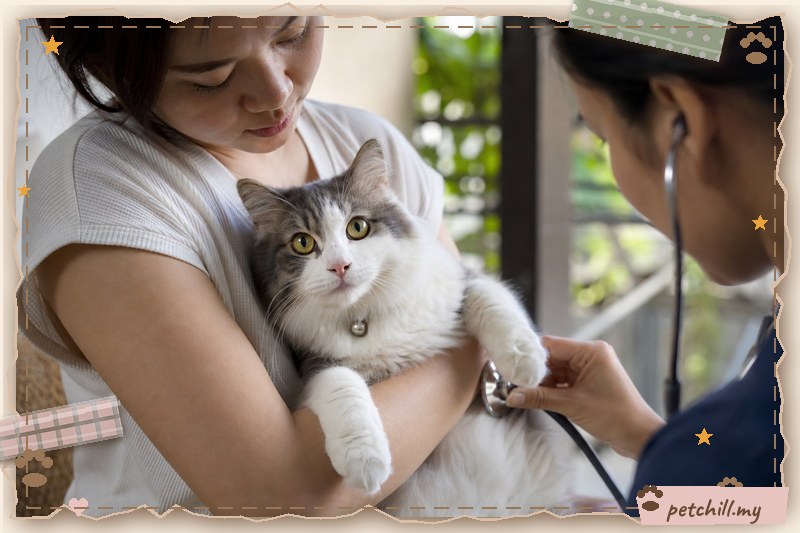
Hairballs, grooming, and long-haired cats

Stress and litter box avoidance

Stress can change toileting habits. A cat that is bullied by another cat, startled by noise, or unhappy with a dirty box may hold stool longer. In a multi-cat household, watch for one cat guarding boxes or blocking access. Add boxes in different locations and separate feeding and toileting areas. In a Kuala Lumpur apartment, vertical space and quiet corners can make a real difference.

Senior cats and cats with ongoing health issues

Older cats are more likely to have kidney disease, arthritis, dental pain, and reduced mobility. These can all contribute to constipation. A senior cat that stops using the box may be in pain rather than being stubborn. Regular veterinary check-ups, blood tests, and blood pressure checks help catch underlying disease early.

When to see a vet

See a vet if your cat:

  • Has not passed stool for more than 48 hours
  • Strains repeatedly with little or no result
  • Cries or shows pain in the litter box
  • Has blood in the stool or on the litter
  • Vomits repeatedly or stops eating
  • Has a tense, painful, or bloated belly
  • Is a male cat straining with no urine output (emergency)
  • Has a history of constipation that is getting more frequent
  • Is losing weight or seems generally unwell

Your vet will examine your cat, ask about diet and litter box habits, and may recommend tests such as blood work, urine tests, or imaging. Treatment depends on the cause and severity. It may include fluids, dietary changes, medication, or manual removal of impacted stool under veterinary care.

Prevention checklist for Malaysian cat owners

  • Provide fresh water in multiple places and consider a fountain
  • Include wet food in the daily diet
  • Keep litter boxes clean and plentiful
  • Scoop daily and wash boxes regularly
  • Groom long-haired cats several times a week
  • Encourage daily play and movement
  • Keep a simple stool and behaviour log
  • Book regular vet checks, especially for senior cats
  • Ask your vet before using fibre, laxatives, or supplements
  • Watch for straining and act early rather than waiting

A note on local context

Malaysian homes vary widely, from high-rise apartments to terrace houses with outdoor areas. Cats in apartments may have less space to move, while cats in landed homes may have more hiding spots. In either setting, the litter box should be easy to reach, quiet, and clean. During rainy seasons, some cats drink less and sleep more, so watch water intake and activity. Local prices for food, litter, and veterinary care vary, so ask your vet or retailer for current options rather than relying on online figures.

Final word

Constipation is common, treatable, and often preventable. The key is to notice the early signs, keep the litter box routine simple, and seek help before straining becomes a chronic problem. If you are unsure, a quick call to your vet is better than waiting.

This article is general information only and is not a substitute for veterinary advice. Always consult a licensed veterinarian about your cat's health.

Frequently Asked Questions

📌 Key Takeaways

  • This article covers: Quick answer, Why constipation matters more than most owners think, The main signs of constipation in cats, How to tell constipation from other litter box problems, Common causes of constipation in cats, and more
  • Jump to any section via the table of contents for the key details
  • If in doubt, consult a registered veterinarian

Explore this topic cluster

This guide belongs to a Malaysia-focused topic cluster. Read the pillar guide and related articles.

View cluster →

📚 Cat Health article index

This article is part of the Cat Health topic cluster. Explore related articles:

⭐ Pillar guide: Cat Health complete guideBlood Test for Cats in Malaysia: What It Checks, Costs and When You Need One→ ReadBlood Test for Cats Step by Step: What Happens at the Clinic→ ReadBlood Test for Cats: What to Expect (Malaysian Owner's Guide)→ ReadCat Constipation Treatment in Malaysia: A Practical Owner's Guide→ ReadCat Dental Pain Treatment in Malaysia: A Practical Owner's Guide→ ReadCat Diarrhea Treatment in Malaysia: A Practical Owner's Guide→ ReadCat Ear Mites Treatment in Malaysia: A Complete Owner's Guide→ ReadCat Eye Infection Treatment in Malaysia: A Practical Owner's Guide→ ReadCat Fleas Treatment in Malaysia: A Practical Owner's Guide→ ReadCat Hair Loss Treatment in Malaysia: A Practical Owner's Guide→ ReadCat Licking Wounds: Why It Happens and How to Treat It in Malaysia→ ReadCat Poisoning Treatment in Malaysia: What to Do, What to Expect, and How to Prevent It→ ReadCat Ringworm Treatment in Malaysia: A Practical Owner's Guide→ ReadCat Skin Fungus Treatment in Malaysia: A Practical Owner's Guide→ ReadCat Sneezing Blood: Causes, Treatment and When to See a Vet in Malaysia→ ReadCat Vomiting Treatment in Malaysia: What to Do and When to See a Vet→ ReadCat Weight Loss Treatment in Malaysia: A Practical Guide for Owners→ ReadCat Worms Treatment in Malaysia: A Practical Owner's Guide→ ReadChocolate Poisoning and Cats in Malaysia: What Every Owner Should Know→ ReadConstipation in Cats: Causes, Care and When to See a Vet in Malaysia→ ReadConstipation in Cats in Malaysia: Causes, Signs and What to Do→ ReadConstipation Prevention for Cats: A Practical Guide for Malaysian Owners→ ReadDental Pain in Cats: Causes, Signs and Care (Malaysia Guide)→ ReadDental Pain in Cats in Malaysia: Signs, Causes and What to Do→ ReadDental Pain Prevention for Cats: A Practical Malaysian Guide→ ReadDeworming Schedule for Cats in Malaysia: A Practical, Vet-Led Guide→ ReadDeworming Schedule for Cats: A Step-by-Step Plan for Malaysian Owners→ ReadDeworming Schedule for Cats: What to Expect (Malaysia Guide)→ ReadDiarrhea in Cats: Causes and Care (Malaysian Owner's Guide)→ ReadDiarrhea in Cats in Malaysia: Causes, Home Care and When to See a Vet→ ReadDiarrhea Prevention for Cats: A Practical Guide for Malaysian Owners→ ReadE-Collar Recovery for Cats in Malaysia: A Practical Guide for Owners→ ReadE-Collar Recovery for Cats Step by Step: A Practical Guide for Malaysian Owners→ ReadE-Collar Recovery for Cats: What to Expect (Malaysia Guide)→ ReadEar Mites in Cats: Causes and Care (Malaysia Guide)→ ReadEar Mites in Cats in Malaysia: Signs, Treatment and Prevention→ ReadEar Mites Prevention for Cats: A Practical Malaysian Guide→ ReadElectrical Cables and Cats in Malaysia: A Practical Safety Guide→ ReadEye Infection in Cats: Causes and Care (Malaysia Guide)→ ReadEye Infection in Cats in Malaysia: Causes, Signs, Treatment & Prevention→ ReadEye Infection Prevention for Cats: A Practical Malaysian Guide→ ReadFans and Air Conditioning for Cats in Malaysia: A Practical Comfort Guide→ ReadFlea Treatment for Cats in Malaysia: A Complete Guide→ ReadFlea Treatment for Cats Step by Step: A Practical Malaysian Guide→ ReadFlea Treatment for Cats: What to Expect (Malaysia Guide)→ ReadFleas in Cats: Causes and Care (Malaysia Guide)→ ReadFleas in Cats in Malaysia: Signs, Treatment and Prevention→ ReadFleas Prevention for Cats in Malaysia: A Practical, Year-Round Plan→ ReadGiving Pills for Cats in Malaysia: A Stress-Free Step-by-Step Guide→ ReadGiving Pills for Cats Step by Step: A Calm, Practical Guide for Malaysian Owners→ ReadGiving Pills for Cats: What to Expect (Malaysian Owner's Guide)→ ReadHair Loss in Cats: Causes and Care (Malaysian Owner's Guide)→ ReadHair Loss in Cats in Malaysia: Causes, Home Checks and When to See a Vet→ ReadHair Loss Prevention for Cats: A Practical Grooming and Health Guide→ ReadHousehold Cleaning Products and Cats in Malaysia: A Safety Guide→ ReadHow to Prevent Chocolate Poisoning Around Cats: A Practical Guide for Malaysian Homes→ ReadHow to Prevent Electrical Cables Around Cats: A Practical Safety Guide for Malaysian Homes→ ReadHow to Prevent Fan and Aircond Problems Around Cats: A Malaysian Home Guide→ ReadHow to Prevent Household Cleaning Products Around Cats: A Practical Safety Guide for Malaysian Homes→ ReadHow to Prevent Lily Poisoning Around Cats: A Practical Safety Guide for Malaysian Homes→ ReadHow to Prevent Open Windows Around Cats: A Practical Safety Guide for Malaysian Homes→ ReadHow to Prevent Paracetamol Poisoning Around Cats: A Malaysian Safety Guide→ ReadHow to Prevent Plastic Bags Around Cats: A Practical Safety Guide for Malaysian Homes→ ReadHow to Treat Constipation in Cats at Home: A Practical Malaysian Guide→ ReadHow to Treat Dental Pain in Cats at Home: Safe Relief and When to See a Vet→ ReadHow to Treat Diarrhea in Cats at Home: A Practical Malaysian Guide→ ReadHow to Treat Ear Mites in Cats at Home: A Practical Malaysian Guide→ ReadHow to Treat Eye Infection in Cats at Home: Safe Steps for Malaysian Owners→ ReadHow to Treat Fleas in Cats at Home: A Practical Malaysian Guide→ ReadHow to Treat Hair Loss in Cats at Home: A Practical Malaysian Guide→ ReadHow to Treat Licking Wounds in Cats at Home: A Practical Guide for Malaysian Owners→ ReadHow to Treat Poisoning in Cats at Home: First Aid, Safe Steps and When to Rush to the Vet→ ReadHow to Treat Ringworm in Cats at Home: A Practical Guide for Malaysian Owners→ ReadHow to Treat Skin Fungus in Cats at Home: A Practical Malaysian Guide→ ReadHow to Treat Sneezing Blood in Cats at Home: Safe First Steps for Malaysian Owners→ ReadHow to Treat Vomiting in Cats at Home: A Practical Malaysian Guide→ ReadHow to Treat Weight Loss in Cats at Home: A Practical Guide for Malaysian Owners→ ReadHow to Treat Worms in Cats at Home: A Practical, Safe Guide for Malaysian Owners→ ReadLicking Wounds in Cats: Causes and Care (Malaysian Vet Guide)→ ReadLicking Wounds in Cats Malaysia: When It's Normal and When to Stop It→ ReadLicking Wounds Prevention for Cats: How to Stop the Lick Cycle and Let Skin Heal→ ReadLily Poisoning and Cats in Malaysia: Why Every Petal Is an Emergency→ ReadOpen Windows and Cats in Malaysia: How to Keep Your Cat Safe Without Locking Up the House→ ReadParacetamol Poisoning in Cats in Malaysia: Why Even One Tablet Can Be Deadly→ ReadPlastic Bags and Cats in Malaysia: Why They're Dangerous and How to Keep Your Cat Safe→ ReadPoisoning in Cats: Causes, Symptoms and Care (Malaysia Guide)→ ReadPoisoning in Cats in Malaysia: Common Toxins, Signs and What to Do→ ReadPoisoning Prevention for Cats in Malaysia: A Room-by-Room Safety Guide→ ReadRingworm in Cats: Causes, Symptoms and Care (Malaysia Guide)→ ReadRingworm in Cats in Malaysia: Signs, Treatment and Prevention→ ReadRingworm Prevention for Cats in Malaysia: A Practical, Vet-Informed Guide→ ReadSigns of Dental Pain in Cats in Malaysia: What Owners Miss→ ReadSigns of Diarrhea in Cats in Malaysia: What's Normal, What's Not→ ReadSigns of Ear Mites in Cats in Malaysia: How to Spot, Treat and Prevent Them→ ReadSigns of Eye Infection in Cats in Malaysia: What Owners Should Look For→ ReadSigns of Fleas in Cats in Malaysia: How to Spot, Check and Act→ ReadSigns of Hair Loss in Cats in Malaysia: What to Look For and When to Worry→ ReadSigns of Licking Wounds in Cats Malaysia: How to Spot Problem Licking→ ReadSigns of Poisoning in Cats in Malaysia: What to Watch For and What to Do→ ReadSigns of Ringworm in Cats in Malaysia: What Owners Should Look For→ ReadSigns of Skin Fungus in Cats in Malaysia: How to Spot Ringworm Early→ ReadBlood in a Cat's Sneeze: Signs, Causes and What to Do in Malaysia→ ReadSigns of Vomiting in Cats in Malaysia: What's Normal, What's Not, and When to See a Vet→ ReadSigns of Weight Loss in Cats in Malaysia: What to Watch For and When to Worry→ ReadSigns of Worms in Cats in Malaysia: What Owners Should Look For→ ReadSkin Fungus in Cats: Causes, Signs and Care (Malaysia Guide)→ ReadSkin Fungus in Cats in Malaysia: Ringworm Signs, Treatment and Prevention→ ReadSkin Fungus Prevention for Cats: A Practical Guide for Malaysian Homes→ ReadSneezing Blood in Cats: Causes and Care (Malaysia Guide)→ ReadSneezing Blood in Cats in Malaysia: Causes, What to Do, and When to See a Vet→ ReadSneezing Blood Prevention for Cats: Causes, Care and When to Worry→ ReadSterilization for Cats in Malaysia: A Complete Guide for Owners→ ReadSterilization for Cats Step by Step: A Malaysian Owner's Guide→ ReadSterilisation for Cats: What to Expect (Malaysian Owner's Guide)→ ReadUltrasound for Cats in Malaysia: What It Is, When It's Needed, and What to Expect→ ReadUltrasound for Cats Step by Step: What Happens, What It Costs, and How to Prepare→ ReadUltrasound for Cats: What to Expect (Malaysian Owner's Guide)→ ReadVaccination Side Effects for Cats in Malaysia: What's Normal, What's Not→ ReadVaccination Side Effects for Cats: A Step-by-Step Guide for Malaysian Owners→ ReadCat Vaccination Side Effects: What Malaysian Owners Should Expect→ ReadVomiting in Cats: Causes and Care (Malaysia Guide)→ ReadVomiting in Cats in Malaysia: When It's Normal and When to Worry→ ReadVomiting Prevention for Cats: A Practical Guide for Malaysian Owners→ ReadWeight Loss in Cats: Causes and Care (Malaysian Vet Guide)→ ReadWeight Loss in Cats in Malaysia: Causes, Warning Signs and What to Do→ ReadWeight Loss Prevention for Cats: A Practical Malaysian Guide→ ReadWorms in Cats: Causes and Care (Malaysia Vet Guide)→ ReadWorms in Cats in Malaysia: A Practical Owner's Guide→ ReadWorms Prevention for Cats in Malaysia: A Complete Guide→ ReadWound Care for Cats in Malaysia: A Practical Owner's Guide→ ReadWound Care for Cats Step by Step: A Practical Malaysian Guide→ ReadWound Care for Cats: What to Expect, Step by Step→ ReadX-Ray for Cats in Malaysia: What to Expect, Costs and Safety→ ReadX-Ray for Cats Step by Step: What Malaysian Owners Should Expect→ ReadX-Ray for Cats: What to Expect (Malaysian Owner's Guide)→ ReadArthritis Pet Care in Malaysia: A Practical Guide for Cats and Dogs→ ReadCat Arthritis in Malaysia: 5 Home Signs Your Cat Is in Pain — and What to Do→ ReadEarly Signs of Chronic Disease in Cats: 7 Daily Checks and a 4-Week Record Sheet→ ReadCat Chronic Kidney Disease in Malaysia: The Daily Care Routine That Actually Slows It Down→ ReadCat Constipation in Malaysia: The 48-Hour Rule, Red Flags and What Actually Helps→ ReadCat Dehydration in Malaysia: Home Skin-Turgor Test, 7 Causes and Emergency Signs→ ReadCat Heart Disease in Malaysia: Sleep Breathing Count, HCM Early Signs and When to Rush to the Vet→ ReadCat Kidney Disease in Malaysia: Early Signs, Prevention and Everyday Care→ ReadCat Pancreatitis in Malaysia: Symptoms, fPLI Testing, Treatment and Home Recovery→ ReadCat Ringworm in Malaysia: Signs, Treatment and Home Cleaning Guide→ ReadCat Symptom Checker Malaysia: 12 Common Signs and a Green-Amber-Red Triage Table→ ReadPet Deworming in Malaysia: How Often to Worm Your Cat or Dog→ ReadPet Gut Health in Malaysia: Probiotics, Food Transitions and Stool Troubles (Part 2)→ ReadCat Gut Health: Probiotics, Antibiotics and Food Transitions Explained (Malaysia)→ ReadPet Health Malaysia 2026: Common Cat and Dog Illnesses, Prevention Care and Vet Guidance→ ReadPet Insurance in Malaysia: How to Compare Plans Before You Sign→ ReadPet Poisoning at Home: Household Chemicals, Toxic Plants and When Not to Induce Vomiting (Malaysia)→ ReadPet Poisoning at Home: Household Chemicals, Insecticides and Toxic Plants (Malaysia, Part 1)→ ReadCat Chronic Disease Early Signs in Malaysia: 7 Daily Checks and a 4-Week Log→ ReadCat Health Guide Malaysia: Symptom Check, Red-Flag Triage & When to See a Vet→ ReadCat Ringworm in Malaysia: Symptoms, Treatment and Home Cleaning Guide→ ReadGut Health, Probiotics & Food Transition Part 2: Practical Malaysia Guide→ ReadPet Health in Malaysia: A Practical Prevention Guide for Cats and Dogs→ Read

Related products at PetChill

