
PetChill Pet Encyclopedia
Cat Health

Licking Wounds in Cats: Causes and Care (Malaysian Vet Guide)

Cats lick wounds to clean them, but excessive licking can delay healing, cause infection or signal pain and stress. Learn the causes, safe home care, and when to see a Malaysian vet.

Published: 2026-11-06·6 min read·Author: PetChill Editorial
Licking Wounds in Cats: Causes and Care (Malaysian Vet Guide)

💡 Quick Answer

Cats lick wounds as instinctive grooming to clean and soothe them, but persistent licking can reopen skin, introduce bacteria and mask pain or stress. Check the wound daily, use an Elizabethan collar if licking is constant, and see a vet for deep, bleeding, smelly or non-healing wounds.

Why cats lick wounds — and when it becomes a problem

Cats lick wounds because grooming is their built-in first aid. Saliva moistens the area, removes debris and may have mild antibacterial properties. For a tiny scratch, a few licks are harmless. The problem starts when licking becomes constant. Excessive licking can reopen the skin, introduce bacteria, delay healing and turn a minor scrape into an infected sore. It can also be a sign of pain, itch or stress that needs attention.

This guide explains the common causes of wound licking in cats, how to care for a wound safely at home, and when a Malaysian vet visit is needed. It covers surgical wounds, fight wounds, hot spots and stress-related over-grooming.

Common causes of wound licking in cats

1. Normal grooming and instinct

Cats spend a large part of their day grooming. When they feel a small cut or insect bite, licking is an automatic response. The tongue removes dirt and keeps the area moist. In most cases, this settles within a day or two.

2. Pain or irritation

A wound that hurts attracts attention. Cats may lick a surgical incision, an abscess or a graze because the area feels strange. Licking can soothe the cat briefly, but it also stimulates the wound and can make pain worse.

3. Infection and discharge

If bacteria get into a wound, the cat may lick to clean away pus or discharge. Signs include redness, swelling, warmth, a bad smell or yellowish fluid. Infection is common after cat fight wounds because cat teeth push bacteria deep into tissue.

4. Itching during healing

As skin heals, it can itch. Licking is the cat's way of scratching. This is a critical period because fresh tissue is fragile and easy to reopen.

5. Stress and over-grooming

Some cats lick not because of a wound but because of stress. A small wound may become the focus of repetitive grooming. Stressors include a new pet, moving house, a noisy environment or being confined indoors. Over-grooming can create bald patches and raw skin, especially on the belly, flanks and legs.

6. Parasites and allergies

Fleas, mites and skin allergies cause itching that leads to licking and scratching. In Malaysia's warm, humid climate, fleas and fungal skin infections are common year-round. A cat may lick a small bite until it becomes a larger sore.

7. Post-surgery licking

After desexing or any surgery, cats often lick the incision. This is the most common reason vets send cats home with an Elizabethan collar. Licking a surgical wound can pull out stitches and cause infection.
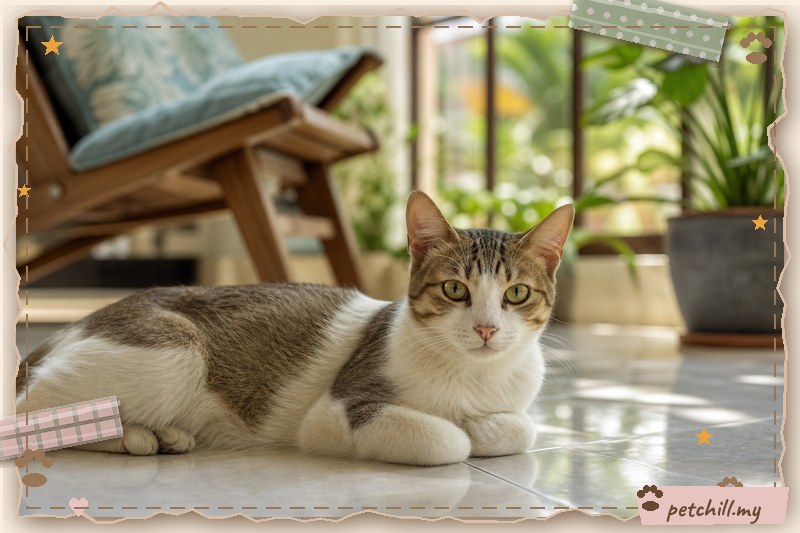
Common causes of wound licking in cats

How to tell a minor wound from a serious one

Not every wound needs a vet, but some do. Use this table as a guide. It does not replace a vet examination.

Sign Likely minor See a vet
Size Small scratch under 1 cm Deep cut, puncture or wound over 2 cm
Bleeding Oozes then stops Bleeds steadily or restarts
Discharge Clear fluid for a day Pus, yellow-green fluid or bad smell
Swelling Slight redness Firm swelling, heat or spreading redness
Cat's behaviour Eating, playing normally Hiding, not eating, lethargic, limping
Licking Occasional Constant, despite distraction or collar
Location Leg, tail, back Eye, mouth, paw pad, belly, near anus

If you are unsure, phone your vet. It is better to check a minor wound than to treat an infected one late.

Safe home care for a licking cat

Step 1: Assess without stressing the cat

Approach calmly. Wrap the cat in a towel if needed. Look at the wound in good light. Do not probe deep punctures with cotton buds, as this can push bacteria further in.

Step 2: Clean gently

Use lukewarm water or sterile saline. Avoid alcohol, hydrogen peroxide, iodine or human antiseptics unless your vet recommends them, as these can damage tissue and are toxic if licked. Pat dry with clean gauze. Do not rub.

Step 3: Stop the licking

The most effective tool is an Elizabethan collar (cone) or a soft recovery suit. A cone should extend past the nose so the cat cannot reach the wound. Check fit daily: it should be snug but allow eating, drinking and sleeping. Some cats do better with a fabric recovery suit, but ensure it is not tight and does not trap moisture.

Step 4: Keep the wound dry and clean

Avoid bathing the cat or letting it walk in wet grass until the wound closes. In Malaysia's rainy season, dry paws and indoor rest help prevent contamination.

Step 5: Distract and monitor

Offer play, puzzle feeders and quiet company. Check the wound twice daily for redness, swelling, discharge or reopening. Take a photo each day to track progress.

Step 6: Never use human medicines

Human antibiotic creams, painkillers and antiseptics can be toxic to cats. Paracetamol and ibuprofen are dangerous. Only use products prescribed by your vet.
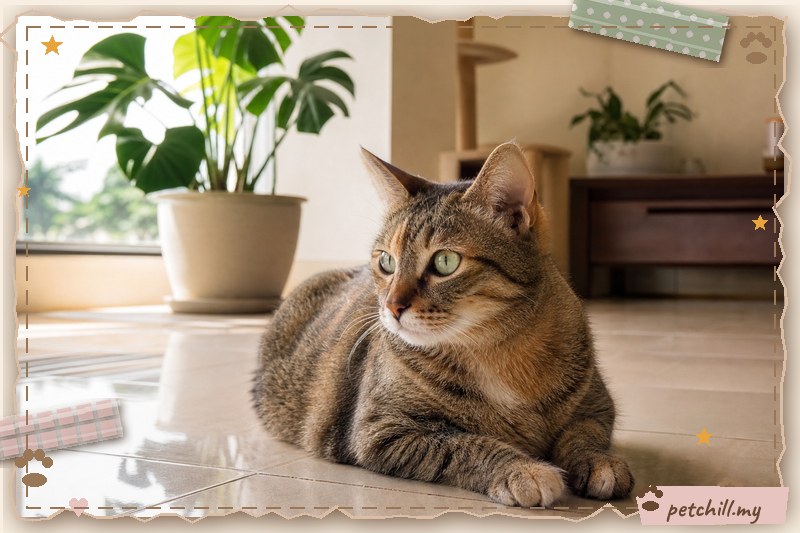
Safe home care for a licking cat

When to see a vet

See a vet promptly if any of the following occur:

  • The wound is deep, gaping or bleeding heavily.
  • There is pus, a bad smell or spreading redness.
  • Your cat is limping, hiding, not eating or seems painful.
  • The wound is near the eye, mouth, paw pad or anus.
  • Licking continues despite a collar.
  • A surgical incision opens or stitches are missing.
  • Your cat has a fever, vomiting or diarrhoea.
  • The wound has not improved after 3–5 days of home care.

Cat fight wounds are especially risky. A small puncture can seal over and form an abscess within days. Vets often need to drain the abscess and prescribe antibiotics. Do not wait for a swelling to burst.

Preventing wound licking and repeat injuries

  • Neuter and keep cats indoors or in a secure enclosure. Fighting is a major cause of wounds.
  • Control fleas year-round. Use vet-recommended flea prevention suitable for Malaysia's climate.
  • Reduce stress. Provide vertical space, hiding spots and separate feeding stations in multi-cat homes.
  • Check skin weekly. Part the fur and look for scabs, bald patches or redness.
  • Use a cone after surgery. Follow your vet's instructions on how long to keep it on.
  • Keep nails trimmed. This reduces self-trauma from scratching.
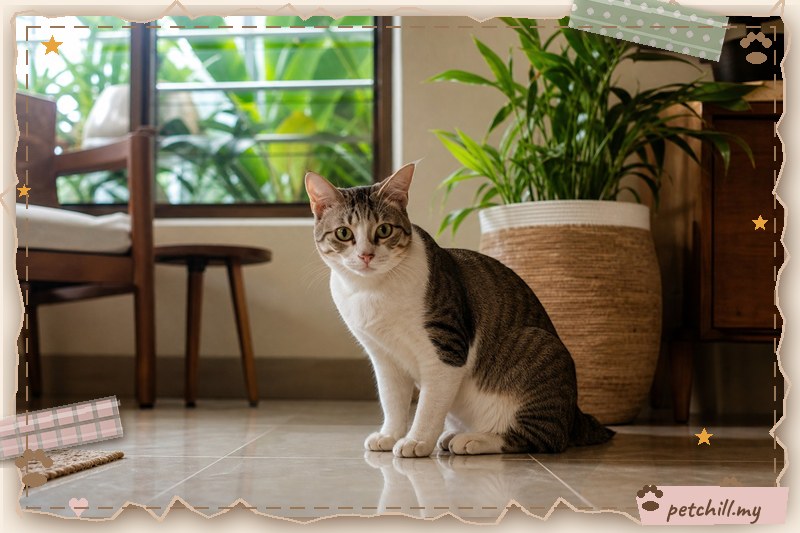
Preventing wound licking and repeat injuries

Special situations in Malaysian homes

Kuala Lumpur apartment: Indoor cats in high-rise apartments may over-groom due to boredom or stress from noise and confinement. A small wound can become a licking habit. Enrichment such as window perches, timed play and puzzle feeders helps. If the cat is alone for long hours, consider a companion or a pet sitter.

Johor terrace house: Cats with outdoor access may get into fights or brush against sharp fences. Check paws and tails after outdoor time. Warm, humid weather also encourages fungal skin infections, so dry any wet fur thoroughly.

Penang rainy season: Wet conditions mean more muddy paws and damp fur. Keep wounds covered and dry, and change bedding often. If your cat goes outside, dry it with a towel after rain and check for cuts.

What not to do

  • Do not apply human antiseptics, oils or toothpaste.
  • Do not use cotton wool directly on a wound; fibres can stick.
  • Do not give human painkillers.
  • Do not let the cat lick a wound "to clean it" for long periods.
  • Do not use a tight bandage without vet guidance.
  • Do not delay a vet visit because the wound looks small; cat bites are deceptive.
What not to do

A vet will examine the wound, check for depth and infection, and may clip fur around it. Treatment may include cleaning, draining an abscess, stitches, antibiotics or pain relief. Your vet may also recommend a cone, a recovery suit or a soft collar. For stress-related over-grooming, the vet may discuss behaviour modification, environmental enrichment or referral to a behaviourist. Always ask your vet about aftercare and follow-up.

Quick checklist for cat owners

  • Check the wound twice daily.
  • Clean gently with saline or lukewarm water.
  • Use a cone or recovery suit if licking is constant.
  • Keep the area dry.
  • Photograph the wound daily.
  • Note appetite, energy and litter box habits.
  • Call your vet if any red flag appears.
  • Never use human medication.

Bottom line

Licking is a normal cat behaviour, but wound licking can quickly become harmful. The key is to distinguish occasional grooming from persistent licking, protect the wound with a collar or suit, and watch for infection. When in doubt, ask a Malaysian vet. Early care is simpler, cheaper and kinder than treating an infected abscess.

This article is general information only and does not replace a veterinary examination. If your cat has a wound, contact a licensed veterinarian for advice.

Frequently Asked Questions

📌 Key Takeaways

  • This article covers: Why cats lick wounds — and when it becomes a problem, Common causes of wound licking in cats, How to tell a minor wound from a serious one, Safe home care for a licking cat, When to see a vet, and more
  • Jump to any section via the table of contents for the key details
  • If in doubt, consult a registered veterinarian

Explore this topic cluster

This guide belongs to a Malaysia-focused topic cluster. Read the pillar guide and related articles.

View cluster →

📚 Cat Health article index

This article is part of the Cat Health topic cluster. Explore related articles:

⭐ Pillar guide: Cat Health complete guideBlood Test for Cats in Malaysia: What It Checks, Costs and When You Need One→ ReadBlood Test for Cats Step by Step: What Happens at the Clinic→ ReadBlood Test for Cats: What to Expect (Malaysian Owner's Guide)→ ReadCat Constipation Treatment in Malaysia: A Practical Owner's Guide→ ReadCat Dental Pain Treatment in Malaysia: A Practical Owner's Guide→ ReadCat Diarrhea Treatment in Malaysia: A Practical Owner's Guide→ ReadCat Ear Mites Treatment in Malaysia: A Complete Owner's Guide→ ReadCat Eye Infection Treatment in Malaysia: A Practical Owner's Guide→ ReadCat Fleas Treatment in Malaysia: A Practical Owner's Guide→ ReadCat Hair Loss Treatment in Malaysia: A Practical Owner's Guide→ ReadCat Licking Wounds: Why It Happens and How to Treat It in Malaysia→ ReadCat Poisoning Treatment in Malaysia: What to Do, What to Expect, and How to Prevent It→ ReadCat Ringworm Treatment in Malaysia: A Practical Owner's Guide→ ReadCat Skin Fungus Treatment in Malaysia: A Practical Owner's Guide→ ReadCat Sneezing Blood: Causes, Treatment and When to See a Vet in Malaysia→ ReadCat Vomiting Treatment in Malaysia: What to Do and When to See a Vet→ ReadCat Weight Loss Treatment in Malaysia: A Practical Guide for Owners→ ReadCat Worms Treatment in Malaysia: A Practical Owner's Guide→ ReadChocolate Poisoning and Cats in Malaysia: What Every Owner Should Know→ ReadConstipation in Cats: Causes, Care and When to See a Vet in Malaysia→ ReadConstipation in Cats in Malaysia: Causes, Signs and What to Do→ ReadConstipation Prevention for Cats: A Practical Guide for Malaysian Owners→ ReadDental Pain in Cats: Causes, Signs and Care (Malaysia Guide)→ ReadDental Pain in Cats in Malaysia: Signs, Causes and What to Do→ ReadDental Pain Prevention for Cats: A Practical Malaysian Guide→ ReadDeworming Schedule for Cats in Malaysia: A Practical, Vet-Led Guide→ ReadDeworming Schedule for Cats: A Step-by-Step Plan for Malaysian Owners→ ReadDeworming Schedule for Cats: What to Expect (Malaysia Guide)→ ReadDiarrhea in Cats: Causes and Care (Malaysian Owner's Guide)→ ReadDiarrhea in Cats in Malaysia: Causes, Home Care and When to See a Vet→ ReadDiarrhea Prevention for Cats: A Practical Guide for Malaysian Owners→ ReadE-Collar Recovery for Cats in Malaysia: A Practical Guide for Owners→ ReadE-Collar Recovery for Cats Step by Step: A Practical Guide for Malaysian Owners→ ReadE-Collar Recovery for Cats: What to Expect (Malaysia Guide)→ ReadEar Mites in Cats: Causes and Care (Malaysia Guide)→ ReadEar Mites in Cats in Malaysia: Signs, Treatment and Prevention→ ReadEar Mites Prevention for Cats: A Practical Malaysian Guide→ ReadElectrical Cables and Cats in Malaysia: A Practical Safety Guide→ ReadEye Infection in Cats: Causes and Care (Malaysia Guide)→ ReadEye Infection in Cats in Malaysia: Causes, Signs, Treatment & Prevention→ ReadEye Infection Prevention for Cats: A Practical Malaysian Guide→ ReadFans and Air Conditioning for Cats in Malaysia: A Practical Comfort Guide→ ReadFlea Treatment for Cats in Malaysia: A Complete Guide→ ReadFlea Treatment for Cats Step by Step: A Practical Malaysian Guide→ ReadFlea Treatment for Cats: What to Expect (Malaysia Guide)→ ReadFleas in Cats: Causes and Care (Malaysia Guide)→ ReadFleas in Cats in Malaysia: Signs, Treatment and Prevention→ ReadFleas Prevention for Cats in Malaysia: A Practical, Year-Round Plan→ ReadGiving Pills for Cats in Malaysia: A Stress-Free Step-by-Step Guide→ ReadGiving Pills for Cats Step by Step: A Calm, Practical Guide for Malaysian Owners→ ReadGiving Pills for Cats: What to Expect (Malaysian Owner's Guide)→ ReadHair Loss in Cats: Causes and Care (Malaysian Owner's Guide)→ ReadHair Loss in Cats in Malaysia: Causes, Home Checks and When to See a Vet→ ReadHair Loss Prevention for Cats: A Practical Grooming and Health Guide→ ReadHousehold Cleaning Products and Cats in Malaysia: A Safety Guide→ ReadHow to Prevent Chocolate Poisoning Around Cats: A Practical Guide for Malaysian Homes→ ReadHow to Prevent Electrical Cables Around Cats: A Practical Safety Guide for Malaysian Homes→ ReadHow to Prevent Fan and Aircond Problems Around Cats: A Malaysian Home Guide→ ReadHow to Prevent Household Cleaning Products Around Cats: A Practical Safety Guide for Malaysian Homes→ ReadHow to Prevent Lily Poisoning Around Cats: A Practical Safety Guide for Malaysian Homes→ ReadHow to Prevent Open Windows Around Cats: A Practical Safety Guide for Malaysian Homes→ ReadHow to Prevent Paracetamol Poisoning Around Cats: A Malaysian Safety Guide→ ReadHow to Prevent Plastic Bags Around Cats: A Practical Safety Guide for Malaysian Homes→ ReadHow to Treat Constipation in Cats at Home: A Practical Malaysian Guide→ ReadHow to Treat Dental Pain in Cats at Home: Safe Relief and When to See a Vet→ ReadHow to Treat Diarrhea in Cats at Home: A Practical Malaysian Guide→ ReadHow to Treat Ear Mites in Cats at Home: A Practical Malaysian Guide→ ReadHow to Treat Eye Infection in Cats at Home: Safe Steps for Malaysian Owners→ ReadHow to Treat Fleas in Cats at Home: A Practical Malaysian Guide→ ReadHow to Treat Hair Loss in Cats at Home: A Practical Malaysian Guide→ ReadHow to Treat Licking Wounds in Cats at Home: A Practical Guide for Malaysian Owners→ ReadHow to Treat Poisoning in Cats at Home: First Aid, Safe Steps and When to Rush to the Vet→ ReadHow to Treat Ringworm in Cats at Home: A Practical Guide for Malaysian Owners→ ReadHow to Treat Skin Fungus in Cats at Home: A Practical Malaysian Guide→ ReadHow to Treat Sneezing Blood in Cats at Home: Safe First Steps for Malaysian Owners→ ReadHow to Treat Vomiting in Cats at Home: A Practical Malaysian Guide→ ReadHow to Treat Weight Loss in Cats at Home: A Practical Guide for Malaysian Owners→ ReadHow to Treat Worms in Cats at Home: A Practical, Safe Guide for Malaysian Owners→ ReadLicking Wounds in Cats Malaysia: When It's Normal and When to Stop It→ ReadLicking Wounds Prevention for Cats: How to Stop the Lick Cycle and Let Skin Heal→ ReadLily Poisoning and Cats in Malaysia: Why Every Petal Is an Emergency→ ReadOpen Windows and Cats in Malaysia: How to Keep Your Cat Safe Without Locking Up the House→ ReadParacetamol Poisoning in Cats in Malaysia: Why Even One Tablet Can Be Deadly→ ReadPlastic Bags and Cats in Malaysia: Why They're Dangerous and How to Keep Your Cat Safe→ ReadPoisoning in Cats: Causes, Symptoms and Care (Malaysia Guide)→ ReadPoisoning in Cats in Malaysia: Common Toxins, Signs and What to Do→ ReadPoisoning Prevention for Cats in Malaysia: A Room-by-Room Safety Guide→ ReadRingworm in Cats: Causes, Symptoms and Care (Malaysia Guide)→ ReadRingworm in Cats in Malaysia: Signs, Treatment and Prevention→ ReadRingworm Prevention for Cats in Malaysia: A Practical, Vet-Informed Guide→ ReadSigns of Constipation in Cats in Malaysia: What to Watch For and When to Act→ ReadSigns of Dental Pain in Cats in Malaysia: What Owners Miss→ ReadSigns of Diarrhea in Cats in Malaysia: What's Normal, What's Not→ ReadSigns of Ear Mites in Cats in Malaysia: How to Spot, Treat and Prevent Them→ ReadSigns of Eye Infection in Cats in Malaysia: What Owners Should Look For→ ReadSigns of Fleas in Cats in Malaysia: How to Spot, Check and Act→ ReadSigns of Hair Loss in Cats in Malaysia: What to Look For and When to Worry→ ReadSigns of Licking Wounds in Cats Malaysia: How to Spot Problem Licking→ ReadSigns of Poisoning in Cats in Malaysia: What to Watch For and What to Do→ ReadSigns of Ringworm in Cats in Malaysia: What Owners Should Look For→ ReadSigns of Skin Fungus in Cats in Malaysia: How to Spot Ringworm Early→ ReadBlood in a Cat's Sneeze: Signs, Causes and What to Do in Malaysia→ ReadSigns of Vomiting in Cats in Malaysia: What's Normal, What's Not, and When to See a Vet→ ReadSigns of Weight Loss in Cats in Malaysia: What to Watch For and When to Worry→ ReadSigns of Worms in Cats in Malaysia: What Owners Should Look For→ ReadSkin Fungus in Cats: Causes, Signs and Care (Malaysia Guide)→ ReadSkin Fungus in Cats in Malaysia: Ringworm Signs, Treatment and Prevention→ ReadSkin Fungus Prevention for Cats: A Practical Guide for Malaysian Homes→ ReadSneezing Blood in Cats: Causes and Care (Malaysia Guide)→ ReadSneezing Blood in Cats in Malaysia: Causes, What to Do, and When to See a Vet→ ReadSneezing Blood Prevention for Cats: Causes, Care and When to Worry→ ReadSterilization for Cats in Malaysia: A Complete Guide for Owners→ ReadSterilization for Cats Step by Step: A Malaysian Owner's Guide→ ReadSterilisation for Cats: What to Expect (Malaysian Owner's Guide)→ ReadUltrasound for Cats in Malaysia: What It Is, When It's Needed, and What to Expect→ ReadUltrasound for Cats Step by Step: What Happens, What It Costs, and How to Prepare→ ReadUltrasound for Cats: What to Expect (Malaysian Owner's Guide)→ ReadVaccination Side Effects for Cats in Malaysia: What's Normal, What's Not→ ReadVaccination Side Effects for Cats: A Step-by-Step Guide for Malaysian Owners→ ReadCat Vaccination Side Effects: What Malaysian Owners Should Expect→ ReadVomiting in Cats: Causes and Care (Malaysia Guide)→ ReadVomiting in Cats in Malaysia: When It's Normal and When to Worry→ ReadVomiting Prevention for Cats: A Practical Guide for Malaysian Owners→ ReadWeight Loss in Cats: Causes and Care (Malaysian Vet Guide)→ ReadWeight Loss in Cats in Malaysia: Causes, Warning Signs and What to Do→ ReadWeight Loss Prevention for Cats: A Practical Malaysian Guide→ ReadWorms in Cats: Causes and Care (Malaysia Vet Guide)→ ReadWorms in Cats in Malaysia: A Practical Owner's Guide→ ReadWorms Prevention for Cats in Malaysia: A Complete Guide→ ReadWound Care for Cats in Malaysia: A Practical Owner's Guide→ ReadWound Care for Cats Step by Step: A Practical Malaysian Guide→ ReadWound Care for Cats: What to Expect, Step by Step→ ReadX-Ray for Cats in Malaysia: What to Expect, Costs and Safety→ ReadX-Ray for Cats Step by Step: What Malaysian Owners Should Expect→ ReadX-Ray for Cats: What to Expect (Malaysian Owner's Guide)→ ReadArthritis Pet Care in Malaysia: A Practical Guide for Cats and Dogs→ ReadCat Arthritis in Malaysia: 5 Home Signs Your Cat Is in Pain — and What to Do→ ReadEarly Signs of Chronic Disease in Cats: 7 Daily Checks and a 4-Week Record Sheet→ ReadCat Chronic Kidney Disease in Malaysia: The Daily Care Routine That Actually Slows It Down→ ReadCat Constipation in Malaysia: The 48-Hour Rule, Red Flags and What Actually Helps→ ReadCat Dehydration in Malaysia: Home Skin-Turgor Test, 7 Causes and Emergency Signs→ ReadCat Heart Disease in Malaysia: Sleep Breathing Count, HCM Early Signs and When to Rush to the Vet→ ReadCat Kidney Disease in Malaysia: Early Signs, Prevention and Everyday Care→ ReadCat Pancreatitis in Malaysia: Symptoms, fPLI Testing, Treatment and Home Recovery→ ReadCat Ringworm in Malaysia: Signs, Treatment and Home Cleaning Guide→ ReadCat Symptom Checker Malaysia: 12 Common Signs and a Green-Amber-Red Triage Table→ ReadPet Deworming in Malaysia: How Often to Worm Your Cat or Dog→ ReadPet Gut Health in Malaysia: Probiotics, Food Transitions and Stool Troubles (Part 2)→ ReadCat Gut Health: Probiotics, Antibiotics and Food Transitions Explained (Malaysia)→ ReadPet Health Malaysia 2026: Common Cat and Dog Illnesses, Prevention Care and Vet Guidance→ ReadPet Insurance in Malaysia: How to Compare Plans Before You Sign→ ReadPet Poisoning at Home: Household Chemicals, Toxic Plants and When Not to Induce Vomiting (Malaysia)→ ReadPet Poisoning at Home: Household Chemicals, Insecticides and Toxic Plants (Malaysia, Part 1)→ ReadCat Chronic Disease Early Signs in Malaysia: 7 Daily Checks and a 4-Week Log→ ReadCat Health Guide Malaysia: Symptom Check, Red-Flag Triage & When to See a Vet→ ReadCat Ringworm in Malaysia: Symptoms, Treatment and Home Cleaning Guide→ ReadGut Health, Probiotics & Food Transition Part 2: Practical Malaysia Guide→ ReadPet Health in Malaysia: A Practical Prevention Guide for Cats and Dogs→ Read

Related products at PetChill

