
PetChill Pet Encyclopedia
Cat Health

Licking Wounds in Cats Malaysia: When It's Normal and When to Stop It

Cats lick wounds as part of normal grooming, but persistent licking can delay healing and cause infection. Learn the signs, home management tips and vet red flags for Malaysian cat owners.

Published: 2026-11-06·8 min read·Author: PetChill Editorial
Licking Wounds in Cats Malaysia: When It''s Normal and When to Stop It

Quick answer

Some licking is normal grooming and helps keep a small wound clean, but constant or intense licking is a problem. It can reopen the wound, introduce bacteria and slow healing. If your cat licks a wound non-stop, the wound smells, swells or discharges pus, see a vet promptly.

Why cats lick wounds at all

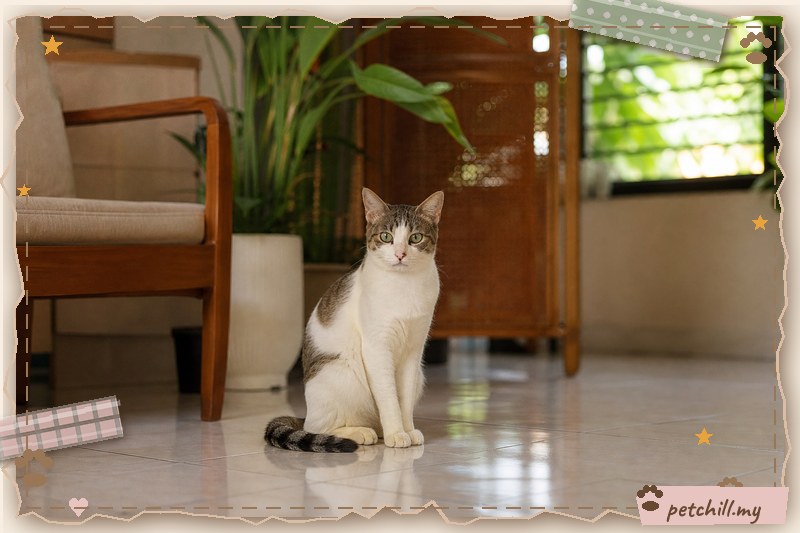
Licking is one of a cat's core grooming behaviours. A cat's tongue is rough and muscular, and grooming spreads saliva over the coat, removes loose hair and debris, and helps regulate body temperature. When a cat has a cut, graze, surgical incision or abscess, the same instinct kicks in: the cat licks the area to clean it and to soothe the irritation.

There is a persistent myth that cat saliva is antiseptic and that licking heals wounds. It is not true. Cat mouths carry a wide range of bacteria, and saliva is mostly water with enzymes and proteins that do not sterilise skin. Licking can actually push bacteria deeper into a wound, soften and macerate the surrounding skin, and pull at stitches. A little licking may help remove dried blood or dirt, but the benefit is small and the risks grow quickly.

It also helps to understand that licking is not only about hygiene. Cats lick when they are itchy, in pain, anxious or bored. A cat that has just had surgery may lick the incision because the shaved skin feels strange, because the sutures tug, or because the area is healing and itchy. A cat with an allergy or a skin infection may lick and chew until the skin is raw. In those cases the licking is a symptom, not the cause, and covering the wound without addressing the underlying itch will not solve the problem.
Why cats lick wounds at all

Normal grooming versus problem licking

Not every lick is a problem. The key questions are how often, how long, and what the skin looks like afterwards.

Sign Usually normal Worth watching See a vet
Frequency A few brief licks after eating or waking Several short sessions a day Non-stop or almost non-stop
Duration Seconds to a minute A few minutes at a time Long sessions, or licking through the night
Skin appearance Clean, intact, dry Slightly pink, hair thinning Red, raw, moist, swollen, bleeding
Wound edges Closed and flat Slightly raised Open, gaping, or stitches missing
Discharge None A little clear fluid Pus, blood, or bad smell
Behaviour Relaxed Occasional Restless, hiding, off food, crying

A useful rule of thumb: if you can distract your cat with play, food or a toy and the licking stops, it is probably mild. If your cat returns to the same spot again and again, or licks through a distraction, that is problem licking.

What problem licking does to a wound

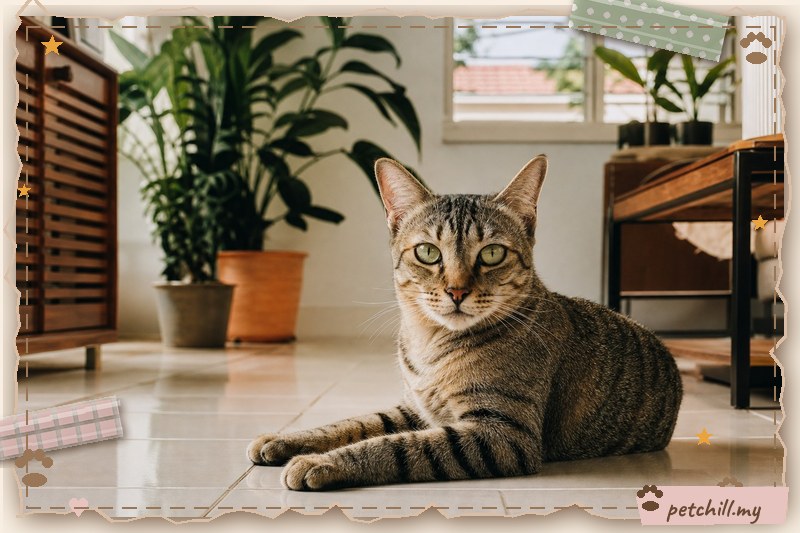
Licking is mechanical trauma. The tongue's rough surface and the suction action of licking can pull at a healing wound edge, remove newly formed scab tissue, and break down sutures. Over time this can lead to:

  • Reopening of the wound. A surgical incision that was neatly closed can split, especially in the first few days after surgery.
  • Infection. Bacteria from the mouth enter the wound, causing redness, swelling, pus and pain.
  • Macerated skin. Constant moisture softens the skin around the wound, making it more fragile and prone to breakdown.
  • Delayed healing. Every time the scab or clot is removed, the healing process restarts.
  • Lick granuloma. Some cats develop a raised, thickened, hairless plaque from chronic licking, often on a leg or the flank. This is a stubborn problem that needs veterinary management.
  • Self-trauma. Cats can lick and chew so hard that they create a new wound where none existed.
What problem licking does to a wound

Common causes of wounds in Malaysian cats

Malaysian cats face a fairly predictable set of wound risks, and knowing them helps you decide how urgently to act.

  • Fights with other cats. Territorial disputes are common, especially among outdoor and free-roaming cats. Cat bites are small puncture wounds that seal over quickly and trap bacteria, so they often turn into abscesses a few days later.
  • Scratches from sharp objects. Broken glass, wire fencing, nails, and rough edges on gates and grilles.
  • Household accidents. Cuts from kitchen preparation, falling objects, or catching a paw in a door.
  • Surgical incisions. Spay and neuter surgery, lump removal, dental extractions and other procedures all leave a wound that the cat may want to lick.
  • Skin disease. Flea allergy, fungal infections, and food or environmental allergies cause itching that leads to licking and self-trauma.
  • Hot spots and lick granulomas. Moist, warm climates can worsen skin irritation, and a small itchy spot can become a large raw area within days.

Step-by-step: managing a licking cat at home

If your cat has a minor wound and is licking it, here is a practical sequence.

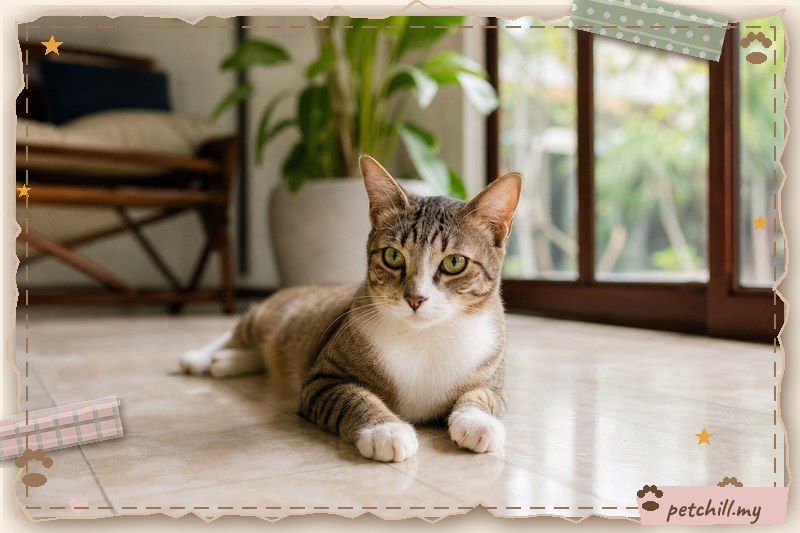
  1. Stay calm and look first. Gently part the fur and check the wound in good light. Note the size, depth, whether it is bleeding, and whether there is pus or a bad smell.
  2. Do not use human antiseptics. Hydrogen peroxide, alcohol, iodine and human antibiotic creams can damage tissue and are toxic if licked. Ask your vet what, if anything, to apply.
  3. Stop the licking physically. A properly fitted Elizabethan collar (cone) or a soft recovery suit is the most reliable way to break the cycle. A cone should extend past the nose so the cat cannot reach the wound, and should not be so loose that it slips off.
  4. Keep the wound dry and clean. Follow your vet's instructions. If they advised a dressing, check it daily for slipping, moisture or smell.
  5. Reduce boredom and stress. Bored cats lick more. Offer puzzle feeders, short play sessions, window perches and safe hiding spots. A stressed cat may need a quiet room away from other pets.
  6. Check the wound twice daily. Take a photo each day so you can compare. Look for increasing redness, swelling, discharge or a gaping edge.
  7. Keep the cone on until your vet says otherwise. Removing it early because the cat seems unhappy is one of the most common reasons wounds reopen.
Step-by-step: managing a licking cat at home

Choosing between a cone, a suit and a bandage

Option Best for Pros Cons
Elizabethan collar (cone) Most wounds, especially on the head, neck and body Reliable, inexpensive, easy to clean Some cats dislike it; can bump into furniture; needs correct sizing
Soft recovery suit Body and abdominal wounds, cats that panic in a cone Allows normal movement and eating Not suitable for head or paw wounds; must be kept clean and dry
Light bandage Paw and lower leg wounds, as advised by a vet Protects the wound Wrong bandaging can cut off circulation; must be changed by a vet
No cover Tiny superficial scratches only No stress High risk of licking and infection

Ask your vet which option suits your cat's wound. Never leave a bandage on for days without checking it, and never apply a tight bandage yourself.

When to see a vet

See a vet promptly if any of the following apply:

  • The wound is deep, gaping, or bleeding that does not stop with gentle pressure.
  • The wound was caused by a cat bite or an unknown animal bite.
  • There is pus, a bad smell, spreading redness, or swelling.
  • Your cat is limping, crying, hiding, off food, or has a fever.
  • Stitches have come loose or the incision has opened.
  • The licking is non-stop despite a cone, or your cat has created a raw, hairless patch.
  • The wound is on the eye, eyelid, mouth, ear or paw.
  • Your cat has not been vaccinated against tetanus-relevant risks or has an unknown vaccination history, and the wound is dirty.
  • The wound is not improving after two to three days of home care.

Cat bites deserve special mention. A small puncture on the tail base, leg or rump can look trivial on day one and become a painful abscess by day three. If your cat has been in a fight, a vet check is wise even if you cannot see a wound.
When to see a vet

Preventing wound licking before it starts

Prevention is mostly about reducing the reasons cats lick and making wounds harder to reach.

  • Neuter or spay. This reduces roaming and fighting, which are the main sources of bite wounds.
  • Keep cats indoors or in a secure enclosure. This lowers exposure to fights, traffic and sharp objects.
  • Cat-proof your home. Cover sharp edges, secure loose wires, and store glass and sharp tools safely.
  • Control fleas and skin disease. Treat fleas promptly and ask your vet about allergies if your cat is itchy.
  • Plan for surgery. Have a cone or suit ready before the procedure, and set up a quiet recovery space.
  • Enrich the environment. Scratching posts, climbing shelves and daily play reduce boredom-driven licking.
  • Check your cat weekly. A quick hands-on check of the coat, skin, paws and ears catches small problems early.

Special situations

Post-surgery. The first 7 to 10 days are the highest-risk period. Keep the cone on, check the incision daily, and keep the cat away from other pets that might lick the wound. Contact your vet if the incision looks red, swollen or open.

Abscesses. A cat abscess often needs veterinary drainage and antibiotics. Do not try to squeeze or open an abscess at home. Keep the cat indoors and use a cone until the vet has reviewed it.

Lick granuloma. This is a chronic, thickened, hairless lesion caused by persistent licking. It needs a vet to identify the underlying cause, which may be allergy, pain or behaviour, and to plan treatment. A cone alone will not cure it.

Multi-cat homes. Other cats may lick a wounded cat's wound. Separate them during recovery, or supervise closely.

Senior cats and cats with chronic illness. Older cats and cats with conditions such as arthritis or kidney disease may heal more slowly and are more vulnerable to infection. Lower your threshold for calling the vet.

A simple daily wound checklist

Use this each day while your cat is healing:

  • Is the cone or suit still on and correctly fitted?
  • Is the wound the same size, or smaller, than yesterday?
  • Is the skin around it dry, or is it moist and softened?
  • Is there any new redness, swelling, pus or smell?
  • Is your cat eating, drinking, using the litter tray and moving normally?
  • Is your cat licking through or around the barrier?
  • Have you taken a photo for comparison?

If you answer yes to any of the problem signs, call your vet.

Bottom line

Licking is a normal cat behaviour, but it is not a treatment for wounds. A little grooming of a tiny scratch is fine; persistent licking is a warning sign that needs management. Use a cone or recovery suit, keep the wound clean and dry, reduce boredom and stress, and check the wound daily. When in doubt, ask your vet, especially for bites, deep wounds, surgical incisions and any wound that is not improving.

This article is general information for Malaysian cat owners and is not a substitute for veterinary examination. Always consult a licensed veterinarian for diagnosis and treatment of your cat's wound.

Frequently Asked Questions

📌 Key Takeaways

  • This article covers: Quick answer, Why cats lick wounds at all, Normal grooming versus problem licking, What problem licking does to a wound, Common causes of wounds in Malaysian cats, and more
  • Jump to any section via the table of contents for the key details
  • If in doubt, consult a registered veterinarian

Explore this topic cluster

This guide belongs to a Malaysia-focused topic cluster. Read the pillar guide and related articles.

View cluster →

📚 Cat Health article index

This article is part of the Cat Health topic cluster. Explore related articles:

⭐ Pillar guide: Cat Health complete guideBlood Test for Cats in Malaysia: What It Checks, Costs and When You Need One→ ReadBlood Test for Cats Step by Step: What Happens at the Clinic→ ReadBlood Test for Cats: What to Expect (Malaysian Owner's Guide)→ ReadCat Constipation Treatment in Malaysia: A Practical Owner's Guide→ ReadCat Dental Pain Treatment in Malaysia: A Practical Owner's Guide→ ReadCat Diarrhea Treatment in Malaysia: A Practical Owner's Guide→ ReadCat Ear Mites Treatment in Malaysia: A Complete Owner's Guide→ ReadCat Eye Infection Treatment in Malaysia: A Practical Owner's Guide→ ReadCat Fleas Treatment in Malaysia: A Practical Owner's Guide→ ReadCat Hair Loss Treatment in Malaysia: A Practical Owner's Guide→ ReadCat Licking Wounds: Why It Happens and How to Treat It in Malaysia→ ReadCat Poisoning Treatment in Malaysia: What to Do, What to Expect, and How to Prevent It→ ReadCat Ringworm Treatment in Malaysia: A Practical Owner's Guide→ ReadCat Skin Fungus Treatment in Malaysia: A Practical Owner's Guide→ ReadCat Sneezing Blood: Causes, Treatment and When to See a Vet in Malaysia→ ReadCat Vomiting Treatment in Malaysia: What to Do and When to See a Vet→ ReadCat Weight Loss Treatment in Malaysia: A Practical Guide for Owners→ ReadCat Worms Treatment in Malaysia: A Practical Owner's Guide→ ReadChocolate Poisoning and Cats in Malaysia: What Every Owner Should Know→ ReadConstipation in Cats: Causes, Care and When to See a Vet in Malaysia→ ReadConstipation in Cats in Malaysia: Causes, Signs and What to Do→ ReadConstipation Prevention for Cats: A Practical Guide for Malaysian Owners→ ReadDental Pain in Cats: Causes, Signs and Care (Malaysia Guide)→ ReadDental Pain in Cats in Malaysia: Signs, Causes and What to Do→ ReadDental Pain Prevention for Cats: A Practical Malaysian Guide→ ReadDeworming Schedule for Cats in Malaysia: A Practical, Vet-Led Guide→ ReadDeworming Schedule for Cats: A Step-by-Step Plan for Malaysian Owners→ ReadDeworming Schedule for Cats: What to Expect (Malaysia Guide)→ ReadDiarrhea in Cats: Causes and Care (Malaysian Owner's Guide)→ ReadDiarrhea in Cats in Malaysia: Causes, Home Care and When to See a Vet→ ReadDiarrhea Prevention for Cats: A Practical Guide for Malaysian Owners→ ReadE-Collar Recovery for Cats in Malaysia: A Practical Guide for Owners→ ReadE-Collar Recovery for Cats Step by Step: A Practical Guide for Malaysian Owners→ ReadE-Collar Recovery for Cats: What to Expect (Malaysia Guide)→ ReadEar Mites in Cats: Causes and Care (Malaysia Guide)→ ReadEar Mites in Cats in Malaysia: Signs, Treatment and Prevention→ ReadEar Mites Prevention for Cats: A Practical Malaysian Guide→ ReadElectrical Cables and Cats in Malaysia: A Practical Safety Guide→ ReadEye Infection in Cats: Causes and Care (Malaysia Guide)→ ReadEye Infection in Cats in Malaysia: Causes, Signs, Treatment & Prevention→ ReadEye Infection Prevention for Cats: A Practical Malaysian Guide→ ReadFans and Air Conditioning for Cats in Malaysia: A Practical Comfort Guide→ ReadFlea Treatment for Cats in Malaysia: A Complete Guide→ ReadFlea Treatment for Cats Step by Step: A Practical Malaysian Guide→ ReadFlea Treatment for Cats: What to Expect (Malaysia Guide)→ ReadFleas in Cats: Causes and Care (Malaysia Guide)→ ReadFleas in Cats in Malaysia: Signs, Treatment and Prevention→ ReadFleas Prevention for Cats in Malaysia: A Practical, Year-Round Plan→ ReadGiving Pills for Cats in Malaysia: A Stress-Free Step-by-Step Guide→ ReadGiving Pills for Cats Step by Step: A Calm, Practical Guide for Malaysian Owners→ ReadGiving Pills for Cats: What to Expect (Malaysian Owner's Guide)→ ReadHair Loss in Cats: Causes and Care (Malaysian Owner's Guide)→ ReadHair Loss in Cats in Malaysia: Causes, Home Checks and When to See a Vet→ ReadHair Loss Prevention for Cats: A Practical Grooming and Health Guide→ ReadHousehold Cleaning Products and Cats in Malaysia: A Safety Guide→ ReadHow to Prevent Chocolate Poisoning Around Cats: A Practical Guide for Malaysian Homes→ ReadHow to Prevent Electrical Cables Around Cats: A Practical Safety Guide for Malaysian Homes→ ReadHow to Prevent Fan and Aircond Problems Around Cats: A Malaysian Home Guide→ ReadHow to Prevent Household Cleaning Products Around Cats: A Practical Safety Guide for Malaysian Homes→ ReadHow to Prevent Lily Poisoning Around Cats: A Practical Safety Guide for Malaysian Homes→ ReadHow to Prevent Open Windows Around Cats: A Practical Safety Guide for Malaysian Homes→ ReadHow to Prevent Paracetamol Poisoning Around Cats: A Malaysian Safety Guide→ ReadHow to Prevent Plastic Bags Around Cats: A Practical Safety Guide for Malaysian Homes→ ReadHow to Treat Constipation in Cats at Home: A Practical Malaysian Guide→ ReadHow to Treat Dental Pain in Cats at Home: Safe Relief and When to See a Vet→ ReadHow to Treat Diarrhea in Cats at Home: A Practical Malaysian Guide→ ReadHow to Treat Ear Mites in Cats at Home: A Practical Malaysian Guide→ ReadHow to Treat Eye Infection in Cats at Home: Safe Steps for Malaysian Owners→ ReadHow to Treat Fleas in Cats at Home: A Practical Malaysian Guide→ ReadHow to Treat Hair Loss in Cats at Home: A Practical Malaysian Guide→ ReadHow to Treat Licking Wounds in Cats at Home: A Practical Guide for Malaysian Owners→ ReadHow to Treat Poisoning in Cats at Home: First Aid, Safe Steps and When to Rush to the Vet→ ReadHow to Treat Ringworm in Cats at Home: A Practical Guide for Malaysian Owners→ ReadHow to Treat Skin Fungus in Cats at Home: A Practical Malaysian Guide→ ReadHow to Treat Sneezing Blood in Cats at Home: Safe First Steps for Malaysian Owners→ ReadHow to Treat Vomiting in Cats at Home: A Practical Malaysian Guide→ ReadHow to Treat Weight Loss in Cats at Home: A Practical Guide for Malaysian Owners→ ReadHow to Treat Worms in Cats at Home: A Practical, Safe Guide for Malaysian Owners→ ReadLicking Wounds in Cats: Causes and Care (Malaysian Vet Guide)→ ReadLicking Wounds Prevention for Cats: How to Stop the Lick Cycle and Let Skin Heal→ ReadLily Poisoning and Cats in Malaysia: Why Every Petal Is an Emergency→ ReadOpen Windows and Cats in Malaysia: How to Keep Your Cat Safe Without Locking Up the House→ ReadParacetamol Poisoning in Cats in Malaysia: Why Even One Tablet Can Be Deadly→ ReadPlastic Bags and Cats in Malaysia: Why They're Dangerous and How to Keep Your Cat Safe→ ReadPoisoning in Cats: Causes, Symptoms and Care (Malaysia Guide)→ ReadPoisoning in Cats in Malaysia: Common Toxins, Signs and What to Do→ ReadPoisoning Prevention for Cats in Malaysia: A Room-by-Room Safety Guide→ ReadRingworm in Cats: Causes, Symptoms and Care (Malaysia Guide)→ ReadRingworm in Cats in Malaysia: Signs, Treatment and Prevention→ ReadRingworm Prevention for Cats in Malaysia: A Practical, Vet-Informed Guide→ ReadSigns of Constipation in Cats in Malaysia: What to Watch For and When to Act→ ReadSigns of Dental Pain in Cats in Malaysia: What Owners Miss→ ReadSigns of Diarrhea in Cats in Malaysia: What's Normal, What's Not→ ReadSigns of Ear Mites in Cats in Malaysia: How to Spot, Treat and Prevent Them→ ReadSigns of Eye Infection in Cats in Malaysia: What Owners Should Look For→ ReadSigns of Fleas in Cats in Malaysia: How to Spot, Check and Act→ ReadSigns of Hair Loss in Cats in Malaysia: What to Look For and When to Worry→ ReadSigns of Licking Wounds in Cats Malaysia: How to Spot Problem Licking→ ReadSigns of Poisoning in Cats in Malaysia: What to Watch For and What to Do→ ReadSigns of Ringworm in Cats in Malaysia: What Owners Should Look For→ ReadSigns of Skin Fungus in Cats in Malaysia: How to Spot Ringworm Early→ ReadBlood in a Cat's Sneeze: Signs, Causes and What to Do in Malaysia→ ReadSigns of Vomiting in Cats in Malaysia: What's Normal, What's Not, and When to See a Vet→ ReadSigns of Weight Loss in Cats in Malaysia: What to Watch For and When to Worry→ ReadSigns of Worms in Cats in Malaysia: What Owners Should Look For→ ReadSkin Fungus in Cats: Causes, Signs and Care (Malaysia Guide)→ ReadSkin Fungus in Cats in Malaysia: Ringworm Signs, Treatment and Prevention→ ReadSkin Fungus Prevention for Cats: A Practical Guide for Malaysian Homes→ ReadSneezing Blood in Cats: Causes and Care (Malaysia Guide)→ ReadSneezing Blood in Cats in Malaysia: Causes, What to Do, and When to See a Vet→ ReadSneezing Blood Prevention for Cats: Causes, Care and When to Worry→ ReadSterilization for Cats in Malaysia: A Complete Guide for Owners→ ReadSterilization for Cats Step by Step: A Malaysian Owner's Guide→ ReadSterilisation for Cats: What to Expect (Malaysian Owner's Guide)→ ReadUltrasound for Cats in Malaysia: What It Is, When It's Needed, and What to Expect→ ReadUltrasound for Cats Step by Step: What Happens, What It Costs, and How to Prepare→ ReadUltrasound for Cats: What to Expect (Malaysian Owner's Guide)→ ReadVaccination Side Effects for Cats in Malaysia: What's Normal, What's Not→ ReadVaccination Side Effects for Cats: A Step-by-Step Guide for Malaysian Owners→ ReadCat Vaccination Side Effects: What Malaysian Owners Should Expect→ ReadVomiting in Cats: Causes and Care (Malaysia Guide)→ ReadVomiting in Cats in Malaysia: When It's Normal and When to Worry→ ReadVomiting Prevention for Cats: A Practical Guide for Malaysian Owners→ ReadWeight Loss in Cats: Causes and Care (Malaysian Vet Guide)→ ReadWeight Loss in Cats in Malaysia: Causes, Warning Signs and What to Do→ ReadWeight Loss Prevention for Cats: A Practical Malaysian Guide→ ReadWorms in Cats: Causes and Care (Malaysia Vet Guide)→ ReadWorms in Cats in Malaysia: A Practical Owner's Guide→ ReadWorms Prevention for Cats in Malaysia: A Complete Guide→ ReadWound Care for Cats in Malaysia: A Practical Owner's Guide→ ReadWound Care for Cats Step by Step: A Practical Malaysian Guide→ ReadWound Care for Cats: What to Expect, Step by Step→ ReadX-Ray for Cats in Malaysia: What to Expect, Costs and Safety→ ReadX-Ray for Cats Step by Step: What Malaysian Owners Should Expect→ ReadX-Ray for Cats: What to Expect (Malaysian Owner's Guide)→ ReadArthritis Pet Care in Malaysia: A Practical Guide for Cats and Dogs→ ReadCat Arthritis in Malaysia: 5 Home Signs Your Cat Is in Pain — and What to Do→ ReadEarly Signs of Chronic Disease in Cats: 7 Daily Checks and a 4-Week Record Sheet→ ReadCat Chronic Kidney Disease in Malaysia: The Daily Care Routine That Actually Slows It Down→ ReadCat Constipation in Malaysia: The 48-Hour Rule, Red Flags and What Actually Helps→ ReadCat Dehydration in Malaysia: Home Skin-Turgor Test, 7 Causes and Emergency Signs→ ReadCat Heart Disease in Malaysia: Sleep Breathing Count, HCM Early Signs and When to Rush to the Vet→ ReadCat Kidney Disease in Malaysia: Early Signs, Prevention and Everyday Care→ ReadCat Pancreatitis in Malaysia: Symptoms, fPLI Testing, Treatment and Home Recovery→ ReadCat Ringworm in Malaysia: Signs, Treatment and Home Cleaning Guide→ ReadCat Symptom Checker Malaysia: 12 Common Signs and a Green-Amber-Red Triage Table→ ReadPet Deworming in Malaysia: How Often to Worm Your Cat or Dog→ ReadPet Gut Health in Malaysia: Probiotics, Food Transitions and Stool Troubles (Part 2)→ ReadCat Gut Health: Probiotics, Antibiotics and Food Transitions Explained (Malaysia)→ ReadPet Health Malaysia 2026: Common Cat and Dog Illnesses, Prevention Care and Vet Guidance→ ReadPet Insurance in Malaysia: How to Compare Plans Before You Sign→ ReadPet Poisoning at Home: Household Chemicals, Toxic Plants and When Not to Induce Vomiting (Malaysia)→ ReadPet Poisoning at Home: Household Chemicals, Insecticides and Toxic Plants (Malaysia, Part 1)→ ReadCat Chronic Disease Early Signs in Malaysia: 7 Daily Checks and a 4-Week Log→ ReadCat Health Guide Malaysia: Symptom Check, Red-Flag Triage & When to See a Vet→ ReadCat Ringworm in Malaysia: Symptoms, Treatment and Home Cleaning Guide→ ReadGut Health, Probiotics & Food Transition Part 2: Practical Malaysia Guide→ ReadPet Health in Malaysia: A Practical Prevention Guide for Cats and Dogs→ Read

Related products at PetChill

