
PetChill Pet Encyclopedia
Cat Health

Sterilisation for Cats: What to Expect (Malaysian Owner's Guide)

Sterilisation for cats means removing the reproductive organs under general anaesthesia: spaying (females) or neutering (males). Expect a pre-op check, a same-day procedure, about 7–14 days of restricted activity and cone or suit wear, and a gradual settling of hormone-driven behaviour over 4–8 weeks.

Published: 2026-11-06·8 min read·Author: PetChill Editorial
Sterilisation for Cats: What to Expect (Malaysian Owner''s Guide)

💡 Quick Answer

Sterilisation for cats is routine surgery under general anaesthesia: females are spayed (ovaries and usually uterus removed), males are neutered (testicles removed). Expect a pre-surgery health check, drop-off and pickup on the same day, roughly 7–14 days of restricted activity and cone or recovery-suit wear, then calmer behaviour over the following weeks.

The short answer

Sterilisation is the surgical removal of a cat's reproductive organs under general anaesthesia. Females are spayed (ovaries, and usually the uterus, are removed); males are neutered (both testicles are removed). It is one of the most common procedures in small-animal practice, and most healthy cats go home the same day.

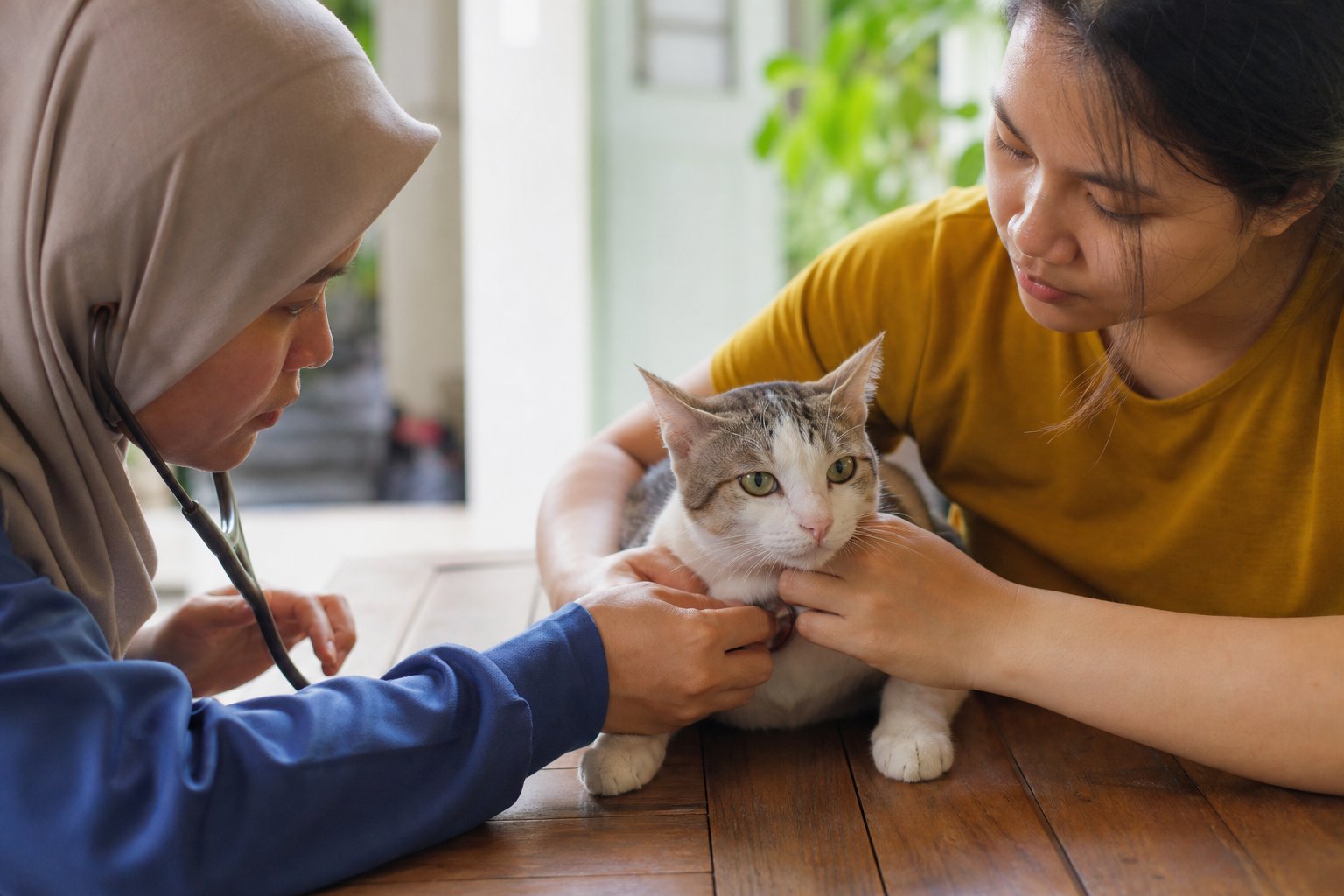
What you should actually plan for: a pre-surgery health check, a day at the clinic, a shaved patch and a small wound, roughly one to two weeks of indoor rest with a cone or recovery suit, and a gradual change in hormone-driven behaviour over the next month or two. Below is a realistic walkthrough, from the first phone call to the follow-up check.

Spay vs neuter: what is actually removed

| | Female (spay / ovariohysterectomy) | Male (neuter / castration) | |---|---|---|---| | What is removed | Ovaries, usually the uterus too | Both testicles | | Typical incision | Mid-line belly, a few centimetres | Small scrotal or pre-scrotal incision | | Usual surgical time | Longer, roughly 20–45 minutes | Shorter, roughly 10–20 minutes | | Anaesthetic | Full general anaesthetic | Full general anaesthetic | | Usual stay | Same-day discharge in most cases | Same-day discharge in most cases | | Visible stitches | Often internal, sometimes skin sutures | Often none or a couple | | Typical recovery | 10–14 days of restricted activity | 7–10 days of restricted activity | | Main things to watch | Wound line, licking, swelling | Scrotal swelling, licking, bruising |

Some clinics offer a flank approach for female cats, and some perform keyhole (laparoscopic) spays where available. Ask which method your vet uses and why, because aftercare instructions differ slightly.
Spay vs neuter: what is actually removed

Before the surgery: the pre-op checklist

A good clinic will not simply book your cat in and operate. Expect a short consultation, a physical examination, and a conversation about your cat's health history.

What to prepare and ask:

  • Vaccination and parasite status. Many vets prefer core vaccinations to be current before elective surgery. Bring your record book.
  • Fasting instructions. Usually no food for several hours before anaesthesia, with water often allowed until a set time. Follow your clinic's exact timing; do not guess.
  • Blood tests. Some vets recommend a pre-anaesthetic blood panel, especially for older cats or cats with an unknown history. It is optional at many clinics but worth discussing.
  • Medication disclosure. Tell the vet about every supplement, herbal product and medicine, including flea treatments.
  • Weight and age. Most cats are sterilised from around five to six months. Your vet may advise waiting or proceeding earlier depending on body condition and household situation.
  • Transport. Bring a secure carrier with a towel or absorbent pad inside. A cat waking from anaesthesia should never travel loose in a car.
  • Payment and consent. You will sign a consent form covering anaesthesia and possible complications. Read it, and ask what the fee includes: anaesthesia, pain relief, cone, take-home medication, follow-up visit.

Costs vary widely by clinic, city and whether blood work or extra monitoring is included. Rather than rely on a figure you saw online, ask your own vet for a written estimate covering the whole episode, not just the surgery.

The day of surgery

Most owners drop their cat off in the morning and collect in the afternoon or early evening. The clinic will confirm fasting, admit your cat, place an intravenous catheter in many cases, and induce anaesthesia. Monitoring typically includes heart rate, breathing, temperature and oxygen levels.

While you wait, prepare the recovery room at home:

  • A quiet, warm room away from noise and other pets.
  • A low-sided litter tray with non-clumping or paper-based litter so granules do not stick to the wound.
  • Soft bedding that is easy to wash.
  • Food and water stations close by, so your cat does not have to climb.
  • Anything jumpable removed or blocked: cat trees, window ledges, high shelves.

When you collect your cat, expect them to be drowsy, wobbly and possibly grumpy. Ask the vet or nurse to show you the incision, explain the medication schedule, and confirm when to return for a check or stitch removal.
The day of surgery

The first 24–48 hours

This is the period that worries owners most, so here is what is generally normal and what is not.

Usually normal:

  • Wobbly walking and sleepy behaviour for several hours.
  • Reduced appetite on the first evening; many cats eat properly by the next morning.
  • A small amount of pinkish staining on the bedding.
  • Grumbling, hiding or clinginess.
  • Slight swelling or bruising around a male cat's scrotum.

Offer small amounts of water and a light meal when your vet says it is fine. Do not free-feed a large portion to a groggy cat. Keep them warm, quiet and indoors.

Call the clinic if you see:

  • Heavy bleeding, or blood soaking through bedding.
  • Repeated vomiting, or no eating or drinking for more than about 24 hours.
  • A wound that is opening, or stitches that have come out.
  • Pale gums, laboured breathing, or a cat that will not wake properly.
  • A swollen, hard or hot incision, or discharge that smells unpleasant.

Recovery at home: the two-week plan

Most cats need 7–14 days of restricted activity. The wound heals faster than the cat's willingness to slow down, which is the real challenge.

Daily routine:

  1. Check the wound once or twice a day. Look, do not scrub. Note redness, swelling, discharge or gaps.
  2. Give medication exactly as prescribed. Use a pill popper or ask for liquid if dosing is difficult. Never use human painkillers; paracetamol and ibuprofen are toxic to cats.
  3. Keep the cone or recovery suit on unless your vet says otherwise. Licking is the most common cause of wound problems.
  4. Scoop litter frequently and keep the tray shallow.
  5. Weigh weekly if you can, and watch appetite and litter-box output.
  6. Log anything odd with times and photos, so you can describe it clearly if you call the clinic.

Activity rules: no jumping on furniture, no stairs if avoidable, no rough play with other pets, no baths, and absolutely no outdoors. If you have a multi-cat home, separate the recovering cat when you cannot supervise, then reintroduce gradually. A cat that smells of the clinic may be hissed at; a slow reintroduction with scent swapping helps.

Elizabethan collar vs recovery suit: cones are cheap and effective but some cats struggle to eat or drink. Soft recovery suits cover the wound and allow more normal movement but must be checked for dampness and fit. Whichever you use, check the wound at least twice daily.
Recovery at home: the two-week plan

Behaviour and body changes to expect

Sterilisation removes the source of sex hormones, so behaviour changes are real but gradual.

Area What often changes Timeline
Female calling and restlessness Stops or greatly reduces Next expected season onward
Male spraying and urine odour Reduces, especially if done young Weeks to a couple of months
Roaming and door-dashing Often reduces Gradual over weeks
Aggression between male cats Often reduces Weeks to months
Appetite and metabolism Appetite may rise, energy needs fall From the first weeks
Weight Risk of gain if portions unchanged Months
Coat Occasionally softer or thicker Months

Two honest caveats. First, sterilisation is not a behaviour cure: a cat that sprays because of stress, or fights because of territory, may keep doing it. Second, some behaviours become habit, so pair surgery with environmental changes such as more litter trays, vertical space and predictable routines.

Weight is the change owners underestimate. After surgery, reduce portions slightly, measure food, cut treats, and build in short daily play sessions. Ask your vet for a target weight and recheck it at the follow-up.

Living arrangements in Malaysia: practical adjustments

Recovery advice has to fit real homes.

  • Kuala Lumpur apartment. With no garden and shared corridors, the risk is a cat slipping out of the front door while groggy. Confine your cat to one room, keep the carrier out of sight, and warn household members and condo cleaners not to open windows wide. Air-conditioning is fine, but avoid direct cold draughts on a recovering cat.
  • Johor terrace house. Multiple exits, a back lane and other neighbourhood cats make door-dashing a real concern. Keep the recovering cat in an inner room, close grilles, and ask everyone to use one door. If you have other pets, rotate access rather than letting them meet unsupervised.

In a humid climate, keep the wound area dry and check skin folds for moisture. If your cat wears a recovery suit, change or wash it if it becomes damp. During the rainy season, indoor drying and clean, dry bedding matter more, since a damp cone or suit against skin is uncomfortable and can irritate.
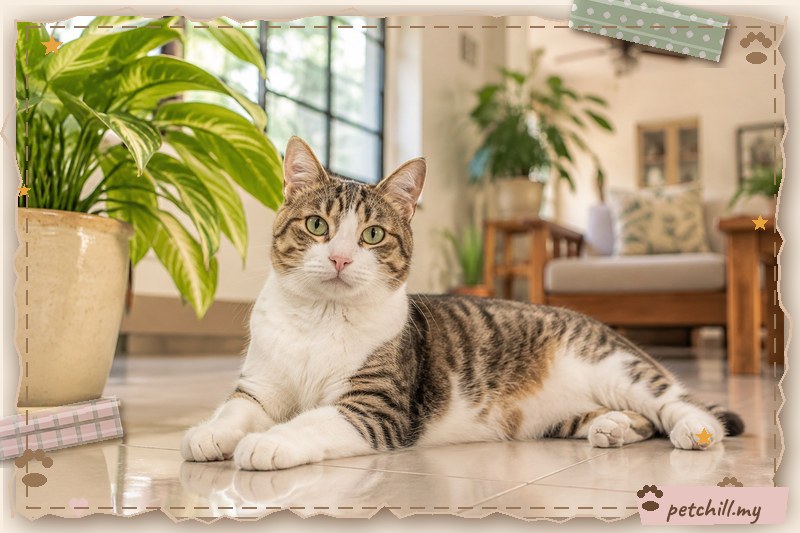
Living arrangements in Malaysia: practical adjustments

Common myths, checked

  • "She should have one litter first." There is no health benefit to letting a cat give birth before sterilisation, and pregnancy carries its own risks.
  • "Neutering makes males weak." Removing testicles does not weaken a cat; it removes testosterone-driven roaming and fighting pressure.
  • "It is too late for an older cat." Older cats can be sterilised, but they need a fuller health check and sometimes extra anaesthetic precautions.
  • "Stitches dissolve, so no check-up needed." Even with dissolving sutures, a follow-up lets your vet confirm healing.
  • "One quick lick is fine." Repeated licking macerates the skin and introduces bacteria. Use the cone or suit.

When to see a vet

Contact your vet promptly, or an emergency clinic if closed, if you notice any of the following after sterilisation:

  • Bleeding that does not stop, or a steadily growing swelling or lump at the incision.
  • The wound gaping open, stitches missing, or tissue visible.
  • Discharge that is yellow, green or foul-smelling.
  • Persistent vomiting, diarrhoea, or refusal to eat or drink beyond 24 hours.
  • Lethargy that worsens instead of improving, or a cat that seems painful when handled.
  • Difficulty urinating, especially in male cats, which is an emergency.
  • Pale or blue-tinged gums, laboured breathing, or collapse.
  • A male cat with a scrotum that becomes very swollen, hard or dark.

When in doubt, phone the clinic and describe what you see. Sending a clear photo of the wound helps the vet triage quickly.

A realistic timeline

  • Day 0: drop-off, surgery, pickup drowsy. Quiet room, no food until instructed.
  • Day 1: more alert, small meals, wound checked, medication started.
  • Days 2–3: appetite usually back to normal; keep activity restricted.
  • Days 4–7: wound looks cleaner; boredom sets in, so add food puzzles and gentle play.
  • Days 7–14: follow-up check or stitch removal; most cats cleared for normal activity.
  • Weeks 2–8: hormone-driven behaviour settles; adjust portions and monitor weight.

Final checklist before you book

  • Confirm the estimate covers anaesthesia, pain relief, cone or suit, medication and follow-up.
  • Ask about pre-anaesthetic blood tests and whether they are advised for your cat.
  • Confirm fasting times in writing.
  • Prepare a quiet recovery room and a shallow litter tray in advance.
  • Arrange a day off or a quiet weekend for the first 48 hours.
  • Note your clinic's out-of-hours number.
  • Plan how you will keep your cat indoors for two weeks, including doors, windows and other pets.

This article is general information for cat owners and is not a substitute for veterinary advice. Anaesthetic protocols, timing and aftercare vary between cats and clinics. Always follow your own veterinarian's instructions, and contact them if you have any concerns about your cat's health.

Frequently Asked Questions

📌 Key Takeaways

  • This article covers: The short answer, Spay vs neuter: what is actually removed, Before the surgery: the pre-op checklist, The day of surgery, The first 24–48 hours, and more
  • Jump to any section via the table of contents for the key details
  • If in doubt, consult a registered veterinarian

Explore this topic cluster

This guide belongs to a Malaysia-focused topic cluster. Read the pillar guide and related articles.

View cluster →

📚 Cat Health article index

This article is part of the Cat Health topic cluster. Explore related articles:

⭐ Pillar guide: Cat Health complete guideBlood Test for Cats in Malaysia: What It Checks, Costs and When You Need One→ ReadBlood Test for Cats Step by Step: What Happens at the Clinic→ ReadBlood Test for Cats: What to Expect (Malaysian Owner's Guide)→ ReadCat Constipation Treatment in Malaysia: A Practical Owner's Guide→ ReadCat Dental Pain Treatment in Malaysia: A Practical Owner's Guide→ ReadCat Diarrhea Treatment in Malaysia: A Practical Owner's Guide→ ReadCat Ear Mites Treatment in Malaysia: A Complete Owner's Guide→ ReadCat Eye Infection Treatment in Malaysia: A Practical Owner's Guide→ ReadCat Fleas Treatment in Malaysia: A Practical Owner's Guide→ ReadCat Hair Loss Treatment in Malaysia: A Practical Owner's Guide→ ReadCat Licking Wounds: Why It Happens and How to Treat It in Malaysia→ ReadCat Poisoning Treatment in Malaysia: What to Do, What to Expect, and How to Prevent It→ ReadCat Ringworm Treatment in Malaysia: A Practical Owner's Guide→ ReadCat Skin Fungus Treatment in Malaysia: A Practical Owner's Guide→ ReadCat Sneezing Blood: Causes, Treatment and When to See a Vet in Malaysia→ ReadCat Vomiting Treatment in Malaysia: What to Do and When to See a Vet→ ReadCat Weight Loss Treatment in Malaysia: A Practical Guide for Owners→ ReadCat Worms Treatment in Malaysia: A Practical Owner's Guide→ ReadChocolate Poisoning and Cats in Malaysia: What Every Owner Should Know→ ReadConstipation in Cats: Causes, Care and When to See a Vet in Malaysia→ ReadConstipation in Cats in Malaysia: Causes, Signs and What to Do→ ReadConstipation Prevention for Cats: A Practical Guide for Malaysian Owners→ ReadDental Pain in Cats: Causes, Signs and Care (Malaysia Guide)→ ReadDental Pain in Cats in Malaysia: Signs, Causes and What to Do→ ReadDental Pain Prevention for Cats: A Practical Malaysian Guide→ ReadDeworming Schedule for Cats in Malaysia: A Practical, Vet-Led Guide→ ReadDeworming Schedule for Cats: A Step-by-Step Plan for Malaysian Owners→ ReadDeworming Schedule for Cats: What to Expect (Malaysia Guide)→ ReadDiarrhea in Cats: Causes and Care (Malaysian Owner's Guide)→ ReadDiarrhea in Cats in Malaysia: Causes, Home Care and When to See a Vet→ ReadDiarrhea Prevention for Cats: A Practical Guide for Malaysian Owners→ ReadE-Collar Recovery for Cats in Malaysia: A Practical Guide for Owners→ ReadE-Collar Recovery for Cats Step by Step: A Practical Guide for Malaysian Owners→ ReadE-Collar Recovery for Cats: What to Expect (Malaysia Guide)→ ReadEar Mites in Cats: Causes and Care (Malaysia Guide)→ ReadEar Mites in Cats in Malaysia: Signs, Treatment and Prevention→ ReadEar Mites Prevention for Cats: A Practical Malaysian Guide→ ReadElectrical Cables and Cats in Malaysia: A Practical Safety Guide→ ReadEye Infection in Cats: Causes and Care (Malaysia Guide)→ ReadEye Infection in Cats in Malaysia: Causes, Signs, Treatment & Prevention→ ReadEye Infection Prevention for Cats: A Practical Malaysian Guide→ ReadFans and Air Conditioning for Cats in Malaysia: A Practical Comfort Guide→ ReadFlea Treatment for Cats in Malaysia: A Complete Guide→ ReadFlea Treatment for Cats Step by Step: A Practical Malaysian Guide→ ReadFlea Treatment for Cats: What to Expect (Malaysia Guide)→ ReadFleas in Cats: Causes and Care (Malaysia Guide)→ ReadFleas in Cats in Malaysia: Signs, Treatment and Prevention→ ReadFleas Prevention for Cats in Malaysia: A Practical, Year-Round Plan→ ReadGiving Pills for Cats in Malaysia: A Stress-Free Step-by-Step Guide→ ReadGiving Pills for Cats Step by Step: A Calm, Practical Guide for Malaysian Owners→ ReadGiving Pills for Cats: What to Expect (Malaysian Owner's Guide)→ ReadHair Loss in Cats: Causes and Care (Malaysian Owner's Guide)→ ReadHair Loss in Cats in Malaysia: Causes, Home Checks and When to See a Vet→ ReadHair Loss Prevention for Cats: A Practical Grooming and Health Guide→ ReadHousehold Cleaning Products and Cats in Malaysia: A Safety Guide→ ReadHow to Prevent Chocolate Poisoning Around Cats: A Practical Guide for Malaysian Homes→ ReadHow to Prevent Electrical Cables Around Cats: A Practical Safety Guide for Malaysian Homes→ ReadHow to Prevent Fan and Aircond Problems Around Cats: A Malaysian Home Guide→ ReadHow to Prevent Household Cleaning Products Around Cats: A Practical Safety Guide for Malaysian Homes→ ReadHow to Prevent Lily Poisoning Around Cats: A Practical Safety Guide for Malaysian Homes→ ReadHow to Prevent Open Windows Around Cats: A Practical Safety Guide for Malaysian Homes→ ReadHow to Prevent Paracetamol Poisoning Around Cats: A Malaysian Safety Guide→ ReadHow to Prevent Plastic Bags Around Cats: A Practical Safety Guide for Malaysian Homes→ ReadHow to Treat Constipation in Cats at Home: A Practical Malaysian Guide→ ReadHow to Treat Dental Pain in Cats at Home: Safe Relief and When to See a Vet→ ReadHow to Treat Diarrhea in Cats at Home: A Practical Malaysian Guide→ ReadHow to Treat Ear Mites in Cats at Home: A Practical Malaysian Guide→ ReadHow to Treat Eye Infection in Cats at Home: Safe Steps for Malaysian Owners→ ReadHow to Treat Fleas in Cats at Home: A Practical Malaysian Guide→ ReadHow to Treat Hair Loss in Cats at Home: A Practical Malaysian Guide→ ReadHow to Treat Licking Wounds in Cats at Home: A Practical Guide for Malaysian Owners→ ReadHow to Treat Poisoning in Cats at Home: First Aid, Safe Steps and When to Rush to the Vet→ ReadHow to Treat Ringworm in Cats at Home: A Practical Guide for Malaysian Owners→ ReadHow to Treat Skin Fungus in Cats at Home: A Practical Malaysian Guide→ ReadHow to Treat Sneezing Blood in Cats at Home: Safe First Steps for Malaysian Owners→ ReadHow to Treat Vomiting in Cats at Home: A Practical Malaysian Guide→ ReadHow to Treat Weight Loss in Cats at Home: A Practical Guide for Malaysian Owners→ ReadHow to Treat Worms in Cats at Home: A Practical, Safe Guide for Malaysian Owners→ ReadLicking Wounds in Cats: Causes and Care (Malaysian Vet Guide)→ ReadLicking Wounds in Cats Malaysia: When It's Normal and When to Stop It→ ReadLicking Wounds Prevention for Cats: How to Stop the Lick Cycle and Let Skin Heal→ ReadLily Poisoning and Cats in Malaysia: Why Every Petal Is an Emergency→ ReadOpen Windows and Cats in Malaysia: How to Keep Your Cat Safe Without Locking Up the House→ ReadParacetamol Poisoning in Cats in Malaysia: Why Even One Tablet Can Be Deadly→ ReadPlastic Bags and Cats in Malaysia: Why They're Dangerous and How to Keep Your Cat Safe→ ReadPoisoning in Cats: Causes, Symptoms and Care (Malaysia Guide)→ ReadPoisoning in Cats in Malaysia: Common Toxins, Signs and What to Do→ ReadPoisoning Prevention for Cats in Malaysia: A Room-by-Room Safety Guide→ ReadRingworm in Cats: Causes, Symptoms and Care (Malaysia Guide)→ ReadRingworm in Cats in Malaysia: Signs, Treatment and Prevention→ ReadRingworm Prevention for Cats in Malaysia: A Practical, Vet-Informed Guide→ ReadSigns of Constipation in Cats in Malaysia: What to Watch For and When to Act→ ReadSigns of Dental Pain in Cats in Malaysia: What Owners Miss→ ReadSigns of Diarrhea in Cats in Malaysia: What's Normal, What's Not→ ReadSigns of Ear Mites in Cats in Malaysia: How to Spot, Treat and Prevent Them→ ReadSigns of Eye Infection in Cats in Malaysia: What Owners Should Look For→ ReadSigns of Fleas in Cats in Malaysia: How to Spot, Check and Act→ ReadSigns of Hair Loss in Cats in Malaysia: What to Look For and When to Worry→ ReadSigns of Licking Wounds in Cats Malaysia: How to Spot Problem Licking→ ReadSigns of Poisoning in Cats in Malaysia: What to Watch For and What to Do→ ReadSigns of Ringworm in Cats in Malaysia: What Owners Should Look For→ ReadSigns of Skin Fungus in Cats in Malaysia: How to Spot Ringworm Early→ ReadBlood in a Cat's Sneeze: Signs, Causes and What to Do in Malaysia→ ReadSigns of Vomiting in Cats in Malaysia: What's Normal, What's Not, and When to See a Vet→ ReadSigns of Weight Loss in Cats in Malaysia: What to Watch For and When to Worry→ ReadSigns of Worms in Cats in Malaysia: What Owners Should Look For→ ReadSkin Fungus in Cats: Causes, Signs and Care (Malaysia Guide)→ ReadSkin Fungus in Cats in Malaysia: Ringworm Signs, Treatment and Prevention→ ReadSkin Fungus Prevention for Cats: A Practical Guide for Malaysian Homes→ ReadSneezing Blood in Cats: Causes and Care (Malaysia Guide)→ ReadSneezing Blood in Cats in Malaysia: Causes, What to Do, and When to See a Vet→ ReadSneezing Blood Prevention for Cats: Causes, Care and When to Worry→ ReadSterilization for Cats in Malaysia: A Complete Guide for Owners→ ReadSterilization for Cats Step by Step: A Malaysian Owner's Guide→ ReadUltrasound for Cats in Malaysia: What It Is, When It's Needed, and What to Expect→ ReadUltrasound for Cats Step by Step: What Happens, What It Costs, and How to Prepare→ ReadUltrasound for Cats: What to Expect (Malaysian Owner's Guide)→ ReadVaccination Side Effects for Cats in Malaysia: What's Normal, What's Not→ ReadVaccination Side Effects for Cats: A Step-by-Step Guide for Malaysian Owners→ ReadCat Vaccination Side Effects: What Malaysian Owners Should Expect→ ReadVomiting in Cats: Causes and Care (Malaysia Guide)→ ReadVomiting in Cats in Malaysia: When It's Normal and When to Worry→ ReadVomiting Prevention for Cats: A Practical Guide for Malaysian Owners→ ReadWeight Loss in Cats: Causes and Care (Malaysian Vet Guide)→ ReadWeight Loss in Cats in Malaysia: Causes, Warning Signs and What to Do→ ReadWeight Loss Prevention for Cats: A Practical Malaysian Guide→ ReadWorms in Cats: Causes and Care (Malaysia Vet Guide)→ ReadWorms in Cats in Malaysia: A Practical Owner's Guide→ ReadWorms Prevention for Cats in Malaysia: A Complete Guide→ ReadWound Care for Cats in Malaysia: A Practical Owner's Guide→ ReadWound Care for Cats Step by Step: A Practical Malaysian Guide→ ReadWound Care for Cats: What to Expect, Step by Step→ ReadX-Ray for Cats in Malaysia: What to Expect, Costs and Safety→ ReadX-Ray for Cats Step by Step: What Malaysian Owners Should Expect→ ReadX-Ray for Cats: What to Expect (Malaysian Owner's Guide)→ ReadArthritis Pet Care in Malaysia: A Practical Guide for Cats and Dogs→ ReadCat Arthritis in Malaysia: 5 Home Signs Your Cat Is in Pain — and What to Do→ ReadEarly Signs of Chronic Disease in Cats: 7 Daily Checks and a 4-Week Record Sheet→ ReadCat Chronic Kidney Disease in Malaysia: The Daily Care Routine That Actually Slows It Down→ ReadCat Constipation in Malaysia: The 48-Hour Rule, Red Flags and What Actually Helps→ ReadCat Dehydration in Malaysia: Home Skin-Turgor Test, 7 Causes and Emergency Signs→ ReadCat Heart Disease in Malaysia: Sleep Breathing Count, HCM Early Signs and When to Rush to the Vet→ ReadCat Kidney Disease in Malaysia: Early Signs, Prevention and Everyday Care→ ReadCat Pancreatitis in Malaysia: Symptoms, fPLI Testing, Treatment and Home Recovery→ ReadCat Ringworm in Malaysia: Signs, Treatment and Home Cleaning Guide→ ReadCat Symptom Checker Malaysia: 12 Common Signs and a Green-Amber-Red Triage Table→ ReadPet Deworming in Malaysia: How Often to Worm Your Cat or Dog→ ReadPet Gut Health in Malaysia: Probiotics, Food Transitions and Stool Troubles (Part 2)→ ReadCat Gut Health: Probiotics, Antibiotics and Food Transitions Explained (Malaysia)→ ReadPet Health Malaysia 2026: Common Cat and Dog Illnesses, Prevention Care and Vet Guidance→ ReadPet Insurance in Malaysia: How to Compare Plans Before You Sign→ ReadPet Poisoning at Home: Household Chemicals, Toxic Plants and When Not to Induce Vomiting (Malaysia)→ ReadPet Poisoning at Home: Household Chemicals, Insecticides and Toxic Plants (Malaysia, Part 1)→ ReadCat Chronic Disease Early Signs in Malaysia: 7 Daily Checks and a 4-Week Log→ ReadCat Health Guide Malaysia: Symptom Check, Red-Flag Triage & When to See a Vet→ ReadCat Ringworm in Malaysia: Symptoms, Treatment and Home Cleaning Guide→ ReadGut Health, Probiotics & Food Transition Part 2: Practical Malaysia Guide→ ReadPet Health in Malaysia: A Practical Prevention Guide for Cats and Dogs→ Read

Related products at PetChill

