
PetChill Pet Encyclopedia
Cat Health

How to Prevent Electrical Cables Around Cats: A Practical Safety Guide for Malaysian Homes

Cats chew cords out of curiosity, boredom or stress, and the result can be a severe electric shock or house fire. This guide shows how to prevent electrical cables around cats using covers, routing, deterrents and simple daily habits.

Published: 2026-11-06Β·8 min readΒ·Author: PetChill Editorial
How to Prevent Electrical Cables Around Cats: A Practical Safety Guide for

πŸ’‘ Quick Answer

Prevent electrical cable accidents by covering or hiding every cord, routing cables behind furniture or inside conduit, unplugging unused appliances, offering safe chew toys and enrichment, and keeping cats out of cable-heavy rooms when unsupervised. Check cables daily for bite marks and replace damaged ones immediately.

The short answer

Cats chew electrical cables out of curiosity, boredom, teething or stress, and a bite can cause severe burns, electric shock, heart rhythm problems or a house fire. The fix is layered: cover or hide every cord, route cables out of reach, unplug what you are not using, block access behind appliances, and give your cat better things to chew and play with. Check cables regularly for bite marks and replace damaged ones at once.

Why cats target cables in the first place

Cats are hunters and explorers. A dangling phone charger looks like a snake or a toy. Kittens teething between roughly three and seven months often chew everything, including cords. Bored indoor cats may chew as a displacement behaviour, especially in small apartments with limited stimulation. Stress from a new pet, a move or a noisy household can also trigger chewing.

Some cats are drawn to the texture or taste of certain plastics. Others simply find the area behind the television interesting because it is warm, hidden and full of movement. Understanding the reason helps you choose the right fix: a bored cat needs enrichment, a teething kitten needs safe chews, and an anxious cat needs a calmer routine.
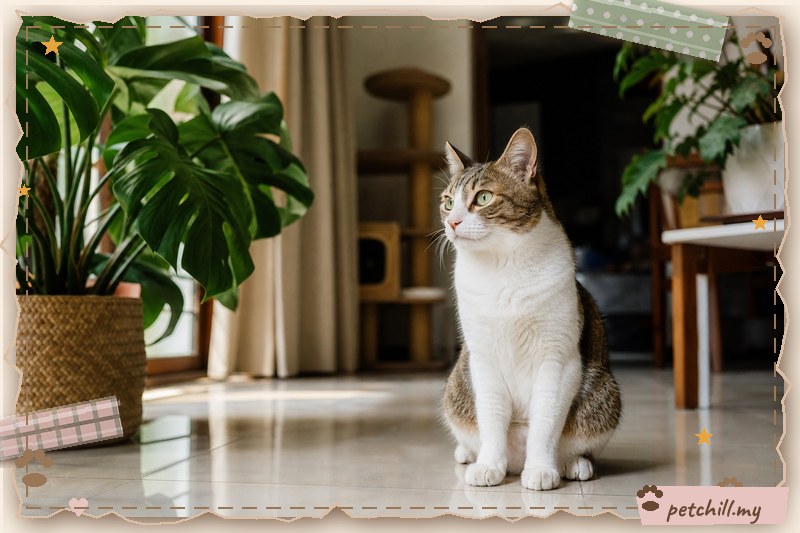
Why cats target cables in the first place

Start with a room-by-room cable audit

Before buying anything, walk through your home and list every cable a cat can reach. Do this at cat height: kneel down and look under furniture, behind the television, beside the bed and around the kitchen counter.

  • Living room: television, soundbar, router, console, lamps, phone chargers, extension leads.
  • Bedroom: bedside lamps, chargers, fan cords, electric blanket cables.
  • Kitchen: kettle, rice cooker, microwave, refrigerator cord, blender.
  • Home office: laptop charger, monitor cables, printer, desk lamp, power strips.
  • Utility area: washing machine, iron, vacuum charger, water heater cords.
  • Balcony or car porch: extension cords, decorative lights, fan cables.

Mark each cable as exposed, partly hidden or fully enclosed. Exposed cables on the floor or dangling at cat height are the priority. Photograph the problem areas so you can track what you have fixed.

Use physical barriers, not just deterrents

Physical barriers are the most reliable way to prevent electrical cables around cats. Sprays and scents fade, but a rigid cover keeps working.

Method How it works Best for Watch-outs
Rigid plastic trunking Encloses cables in a hard channel fixed to the wall or skirting Long runs along walls, home office setups Choose a size that fits all cables; do not crush them
Split-loom tubing Slit plastic tube that wraps around existing cables Behind furniture, under desks Cats can sometimes pull it loose; secure with clips
Cable concealers Decorative covers that stick to walls or skirting Visible areas, rented homes Adhesive may fail in humid weather; check monthly
Cable trays under desks Keeps cords off the floor and out of reach Home offices, entertainment units Cats can still reach open trays; add a cover
Cord shorteners and clips Keep slack cords tight and off the floor Lamps, chargers, small appliances Not a barrier on their own; combine with covers
Furniture and gates Block access behind appliances and cabinets Kitchens, utility areas Ensure ventilation is not blocked

Avoid soft fabric cord wraps if your cat is a determined chewer. They add texture and can be shredded. Also avoid loose cable ties with long tails, which cats love to bat and chew.

Use physical barriers, not just deterrents

Route cables where cats cannot reach

Cable covers only work if the cable is in the right place. Run cords along walls, behind furniture and above cat height where possible. Use cable clips to hold cords tight against skirting boards. Keep chargers off the floor and unplug them when not in use. For entertainment units, push the unit close to the wall so there is no gap for a cat to squeeze behind.

In kitchens, keep appliance cords short and away from counter edges. Do not let cords dangle over the edge of counters, where cats can grab them. For floor-level cables that cannot be moved, use trunking and block access with a sturdy panel or storage box.

If you rent and cannot drill into walls, use adhesive cable channels and freestanding cable management boxes. Check adhesive regularly in humid Malaysian weather, because heat and moisture can weaken the bond.

Make the cables less appealing

Once the physical setup is safe, reduce the temptation. Cats often chew because they are bored or under-stimulated, so enrichment is part of cable prevention, not a separate task.

  • Offer safe chews: cat-safe chew toys, dental sticks designed for cats, and cardboard to shred.
  • Rotate toys: keep a few toys out at a time and swap them weekly to keep novelty high.
  • Play before meals: a short wand-toy session before food mimics the hunt-eat-groom-sleep cycle and reduces boredom chewing.
  • Add vertical space: cat trees, shelves and window perches give cats somewhere to watch the world instead of exploring behind the television.
  • Use food puzzles: scatter feeders and puzzle feeders slow eating and occupy the mind.
  • Keep routines predictable: regular meal times and quiet spaces help anxious cats.

Taste deterrents such as bitter apple or citrus sprays can be used as a temporary extra layer, but only buy products labelled safe for pets and test on a small area first. Never apply sprays directly to a cat or to cables that carry heat. Do not rely on them as your main defence.

Make the cables less appealing

Manage the areas cats love most

Some spots attract cats again and again. Deal with them directly.

Behind the television and router. Use a cable management box or a closed cabinet. Push the unit close to the wall. If there is still a gap, place a sturdy board or storage unit to block access.

Under the bed. Use under-bed storage boxes to block access, or run an extension lead inside trunking along the wall. Avoid loose electric blanket cords.

The home office. Use a cable tray under the desk and a cable spine from desk to floor. Unplug laptop chargers when not in use and store them in a drawer.

The kitchen. Keep kettle and rice cooker cords short and unplugged when not in use. Do not leave appliance cords hanging over the counter edge. Block the gap beside the refrigerator if a cat can squeeze in.

The balcony or utility area. Use outdoor-rated trunking for any exposed cable. Keep washing machine and water heater cords clipped to the wall and out of reach.

Protect kittens and new cats

Kittens are the highest-risk group because they explore with their mouths and can fit into small gaps. Before bringing a kitten home, cover every reachable cable, block gaps behind furniture and remove dangling chargers. Supervise free time in cable-heavy rooms and use a playpen or a safe room when you cannot watch.

For a newly adopted adult cat, keep the first few weeks calm and contained. A new environment is stressful, and stress can trigger chewing. Provide hiding spots, a scratching post and predictable meals, and introduce the rest of the home gradually.

Protect kittens and new cats

Electrical safety habits for the whole household

Prevention is not only about cables. It is also about how the household uses electricity.

  • Unplug chargers, irons and small appliances when not in use.
  • Do not overload extension leads or daisy-chain power strips.
  • Replace frayed or bitten cables immediately; do not tape them up as a long-term fix.
  • Keep power strips off the floor and inside covered boxes.
  • Use socket covers on unused outlets if you have kittens.
  • Check cables weekly for bite marks, especially in multi-cat homes.
  • Keep cables away from water sources in kitchens and bathrooms.
  • Teach children to put chargers away and not to leave cords on the floor.

If a cable is damaged, switch off the power at the plug and replace the cable or appliance. A taped repair is not safe around a determined chewer.

What to do if a cat bites a cable

This is an emergency. Do not touch the cat or the cable while the power is on. Switch off the power at the main breaker or unplug the appliance from a safe distance if possible. Once the power is off, wrap the cat in a towel to keep it warm and calm, and contact a vet immediately.

Electrical injury can cause burns in the mouth, difficulty breathing, heart rhythm problems, muscle damage and seizures. Signs may not appear straight away. Even if your cat seems normal, a vet check is important. Do not give food or water until a vet advises.

When to see a vet

Contact a vet urgently if your cat has bitten or chewed a live cable, has burns or drooling, is breathing fast or with difficulty, is weak, collapsing, trembling or having a seizure, or has a racing or irregular heartbeat. Also see a vet if you notice bite marks on cables and your cat is drooling, off food or quiet, because mouth burns can be painful and easy to miss. If you are unsure whether your cat contacted a live cable, treat it as an emergency and call your vet for advice.

A simple weekly checklist

  • Walk the home at cat height and look for new or loose cables.
  • Check cable covers for cracks, loose adhesive or pulled tubing.
  • Look for bite marks, especially on chargers and lamp cords.
  • Confirm power strips are off the floor and covered.
  • Unplug unused appliances and store chargers away.
  • Refresh toys and check that puzzle feeders are clean.
  • Check that gaps behind furniture are still blocked.

Bottom line

Preventing electrical cable accidents around cats is mostly about design and routine. Cover and route every cable, block access to cable-heavy areas, unplug what you are not using, and give your cat safe things to chew and explore. Check regularly, act fast if a cable is damaged, and treat any suspected electric shock as an emergency.

This article is general information only and is not a substitute for veterinary advice. If you suspect your cat has been shocked or has chewed a cable, contact a veterinarian immediately.

Frequently Asked Questions

πŸ“Œ Key Takeaways

  • This article covers: The short answer, Why cats target cables in the first place, Start with a room-by-room cable audit, Use physical barriers, not just deterrents, Route cables where cats cannot reach, and more
  • Jump to any section via the table of contents for the key details
  • If in doubt, consult a registered veterinarian

Explore this topic cluster

This guide belongs to a Malaysia-focused topic cluster. Read the pillar guide and related articles.

View cluster β†’

πŸ“š Cat Health article index

This article is part of the Cat Health topic cluster. Explore related articles:

⭐ Pillar guide: Cat Health complete guideBlood Test for Cats in Malaysia: What It Checks, Costs and When You Need Oneβ†’ ReadBlood Test for Cats Step by Step: What Happens at the Clinicβ†’ ReadBlood Test for Cats: What to Expect (Malaysian Owner's Guide)β†’ ReadCat Constipation Treatment in Malaysia: A Practical Owner's Guideβ†’ ReadCat Dental Pain Treatment in Malaysia: A Practical Owner's Guideβ†’ ReadCat Diarrhea Treatment in Malaysia: A Practical Owner's Guideβ†’ ReadCat Ear Mites Treatment in Malaysia: A Complete Owner's Guideβ†’ ReadCat Eye Infection Treatment in Malaysia: A Practical Owner's Guideβ†’ ReadCat Fleas Treatment in Malaysia: A Practical Owner's Guideβ†’ ReadCat Hair Loss Treatment in Malaysia: A Practical Owner's Guideβ†’ ReadCat Licking Wounds: Why It Happens and How to Treat It in Malaysiaβ†’ ReadCat Poisoning Treatment in Malaysia: What to Do, What to Expect, and How to Prevent Itβ†’ ReadCat Ringworm Treatment in Malaysia: A Practical Owner's Guideβ†’ ReadCat Skin Fungus Treatment in Malaysia: A Practical Owner's Guideβ†’ ReadCat Sneezing Blood: Causes, Treatment and When to See a Vet in Malaysiaβ†’ ReadCat Vomiting Treatment in Malaysia: What to Do and When to See a Vetβ†’ ReadCat Weight Loss Treatment in Malaysia: A Practical Guide for Ownersβ†’ ReadCat Worms Treatment in Malaysia: A Practical Owner's Guideβ†’ ReadChocolate Poisoning and Cats in Malaysia: What Every Owner Should Knowβ†’ ReadConstipation in Cats: Causes, Care and When to See a Vet in Malaysiaβ†’ ReadConstipation in Cats in Malaysia: Causes, Signs and What to Doβ†’ ReadConstipation Prevention for Cats: A Practical Guide for Malaysian Ownersβ†’ ReadDental Pain in Cats: Causes, Signs and Care (Malaysia Guide)β†’ ReadDental Pain in Cats in Malaysia: Signs, Causes and What to Doβ†’ ReadDental Pain Prevention for Cats: A Practical Malaysian Guideβ†’ ReadDeworming Schedule for Cats in Malaysia: A Practical, Vet-Led Guideβ†’ ReadDeworming Schedule for Cats: A Step-by-Step Plan for Malaysian Ownersβ†’ ReadDeworming Schedule for Cats: What to Expect (Malaysia Guide)β†’ ReadDiarrhea in Cats: Causes and Care (Malaysian Owner's Guide)β†’ ReadDiarrhea in Cats in Malaysia: Causes, Home Care and When to See a Vetβ†’ ReadDiarrhea Prevention for Cats: A Practical Guide for Malaysian Ownersβ†’ ReadE-Collar Recovery for Cats in Malaysia: A Practical Guide for Ownersβ†’ ReadE-Collar Recovery for Cats Step by Step: A Practical Guide for Malaysian Ownersβ†’ ReadE-Collar Recovery for Cats: What to Expect (Malaysia Guide)β†’ ReadEar Mites in Cats: Causes and Care (Malaysia Guide)β†’ ReadEar Mites in Cats in Malaysia: Signs, Treatment and Preventionβ†’ ReadEar Mites Prevention for Cats: A Practical Malaysian Guideβ†’ ReadElectrical Cables and Cats in Malaysia: A Practical Safety Guideβ†’ ReadEye Infection in Cats: Causes and Care (Malaysia Guide)β†’ ReadEye Infection in Cats in Malaysia: Causes, Signs, Treatment & Preventionβ†’ ReadEye Infection Prevention for Cats: A Practical Malaysian Guideβ†’ ReadFans and Air Conditioning for Cats in Malaysia: A Practical Comfort Guideβ†’ ReadFlea Treatment for Cats in Malaysia: A Complete Guideβ†’ ReadFlea Treatment for Cats Step by Step: A Practical Malaysian Guideβ†’ ReadFlea Treatment for Cats: What to Expect (Malaysia Guide)β†’ ReadFleas in Cats: Causes and Care (Malaysia Guide)β†’ ReadFleas in Cats in Malaysia: Signs, Treatment and Preventionβ†’ ReadFleas Prevention for Cats in Malaysia: A Practical, Year-Round Planβ†’ ReadGiving Pills for Cats in Malaysia: A Stress-Free Step-by-Step Guideβ†’ ReadGiving Pills for Cats Step by Step: A Calm, Practical Guide for Malaysian Ownersβ†’ ReadGiving Pills for Cats: What to Expect (Malaysian Owner's Guide)β†’ ReadHair Loss in Cats: Causes and Care (Malaysian Owner's Guide)β†’ ReadHair Loss in Cats in Malaysia: Causes, Home Checks and When to See a Vetβ†’ ReadHair Loss Prevention for Cats: A Practical Grooming and Health Guideβ†’ ReadHousehold Cleaning Products and Cats in Malaysia: A Safety Guideβ†’ ReadHow to Prevent Chocolate Poisoning Around Cats: A Practical Guide for Malaysian Homesβ†’ ReadHow to Prevent Fan and Aircond Problems Around Cats: A Malaysian Home Guideβ†’ ReadHow to Prevent Household Cleaning Products Around Cats: A Practical Safety Guide for Malaysian Homesβ†’ ReadHow to Prevent Lily Poisoning Around Cats: A Practical Safety Guide for Malaysian Homesβ†’ ReadHow to Prevent Open Windows Around Cats: A Practical Safety Guide for Malaysian Homesβ†’ ReadHow to Prevent Paracetamol Poisoning Around Cats: A Malaysian Safety Guideβ†’ ReadHow to Prevent Plastic Bags Around Cats: A Practical Safety Guide for Malaysian Homesβ†’ ReadHow to Treat Constipation in Cats at Home: A Practical Malaysian Guideβ†’ ReadHow to Treat Dental Pain in Cats at Home: Safe Relief and When to See a Vetβ†’ ReadHow to Treat Diarrhea in Cats at Home: A Practical Malaysian Guideβ†’ ReadHow to Treat Ear Mites in Cats at Home: A Practical Malaysian Guideβ†’ ReadHow to Treat Eye Infection in Cats at Home: Safe Steps for Malaysian Ownersβ†’ ReadHow to Treat Fleas in Cats at Home: A Practical Malaysian Guideβ†’ ReadHow to Treat Hair Loss in Cats at Home: A Practical Malaysian Guideβ†’ ReadHow to Treat Licking Wounds in Cats at Home: A Practical Guide for Malaysian Ownersβ†’ ReadHow to Treat Poisoning in Cats at Home: First Aid, Safe Steps and When to Rush to the Vetβ†’ ReadHow to Treat Ringworm in Cats at Home: A Practical Guide for Malaysian Ownersβ†’ ReadHow to Treat Skin Fungus in Cats at Home: A Practical Malaysian Guideβ†’ ReadHow to Treat Sneezing Blood in Cats at Home: Safe First Steps for Malaysian Ownersβ†’ ReadHow to Treat Vomiting in Cats at Home: A Practical Malaysian Guideβ†’ ReadHow to Treat Weight Loss in Cats at Home: A Practical Guide for Malaysian Ownersβ†’ ReadHow to Treat Worms in Cats at Home: A Practical, Safe Guide for Malaysian Ownersβ†’ ReadLicking Wounds in Cats: Causes and Care (Malaysian Vet Guide)β†’ ReadLicking Wounds in Cats Malaysia: When It's Normal and When to Stop Itβ†’ ReadLicking Wounds Prevention for Cats: How to Stop the Lick Cycle and Let Skin Healβ†’ ReadLily Poisoning and Cats in Malaysia: Why Every Petal Is an Emergencyβ†’ ReadOpen Windows and Cats in Malaysia: How to Keep Your Cat Safe Without Locking Up the Houseβ†’ ReadParacetamol Poisoning in Cats in Malaysia: Why Even One Tablet Can Be Deadlyβ†’ ReadPlastic Bags and Cats in Malaysia: Why They're Dangerous and How to Keep Your Cat Safeβ†’ ReadPoisoning in Cats: Causes, Symptoms and Care (Malaysia Guide)β†’ ReadPoisoning in Cats in Malaysia: Common Toxins, Signs and What to Doβ†’ ReadPoisoning Prevention for Cats in Malaysia: A Room-by-Room Safety Guideβ†’ ReadRingworm in Cats: Causes, Symptoms and Care (Malaysia Guide)β†’ ReadRingworm in Cats in Malaysia: Signs, Treatment and Preventionβ†’ ReadRingworm Prevention for Cats in Malaysia: A Practical, Vet-Informed Guideβ†’ ReadSigns of Constipation in Cats in Malaysia: What to Watch For and When to Actβ†’ ReadSigns of Dental Pain in Cats in Malaysia: What Owners Missβ†’ ReadSigns of Diarrhea in Cats in Malaysia: What's Normal, What's Notβ†’ ReadSigns of Ear Mites in Cats in Malaysia: How to Spot, Treat and Prevent Themβ†’ ReadSigns of Eye Infection in Cats in Malaysia: What Owners Should Look Forβ†’ ReadSigns of Fleas in Cats in Malaysia: How to Spot, Check and Actβ†’ ReadSigns of Hair Loss in Cats in Malaysia: What to Look For and When to Worryβ†’ ReadSigns of Licking Wounds in Cats Malaysia: How to Spot Problem Lickingβ†’ ReadSigns of Poisoning in Cats in Malaysia: What to Watch For and What to Doβ†’ ReadSigns of Ringworm in Cats in Malaysia: What Owners Should Look Forβ†’ ReadSigns of Skin Fungus in Cats in Malaysia: How to Spot Ringworm Earlyβ†’ ReadBlood in a Cat's Sneeze: Signs, Causes and What to Do in Malaysiaβ†’ ReadSigns of Vomiting in Cats in Malaysia: What's Normal, What's Not, and When to See a Vetβ†’ ReadSigns of Weight Loss in Cats in Malaysia: What to Watch For and When to Worryβ†’ ReadSigns of Worms in Cats in Malaysia: What Owners Should Look Forβ†’ ReadSkin Fungus in Cats: Causes, Signs and Care (Malaysia Guide)β†’ ReadSkin Fungus in Cats in Malaysia: Ringworm Signs, Treatment and Preventionβ†’ ReadSkin Fungus Prevention for Cats: A Practical Guide for Malaysian Homesβ†’ ReadSneezing Blood in Cats: Causes and Care (Malaysia Guide)β†’ ReadSneezing Blood in Cats in Malaysia: Causes, What to Do, and When to See a Vetβ†’ ReadSneezing Blood Prevention for Cats: Causes, Care and When to Worryβ†’ ReadSterilization for Cats in Malaysia: A Complete Guide for Ownersβ†’ ReadSterilization for Cats Step by Step: A Malaysian Owner's Guideβ†’ ReadSterilisation for Cats: What to Expect (Malaysian Owner's Guide)β†’ ReadUltrasound for Cats in Malaysia: What It Is, When It's Needed, and What to Expectβ†’ ReadUltrasound for Cats Step by Step: What Happens, What It Costs, and How to Prepareβ†’ ReadUltrasound for Cats: What to Expect (Malaysian Owner's Guide)β†’ ReadVaccination Side Effects for Cats in Malaysia: What's Normal, What's Notβ†’ ReadVaccination Side Effects for Cats: A Step-by-Step Guide for Malaysian Ownersβ†’ ReadCat Vaccination Side Effects: What Malaysian Owners Should Expectβ†’ ReadVomiting in Cats: Causes and Care (Malaysia Guide)β†’ ReadVomiting in Cats in Malaysia: When It's Normal and When to Worryβ†’ ReadVomiting Prevention for Cats: A Practical Guide for Malaysian Ownersβ†’ ReadWeight Loss in Cats: Causes and Care (Malaysian Vet Guide)β†’ ReadWeight Loss in Cats in Malaysia: Causes, Warning Signs and What to Doβ†’ ReadWeight Loss Prevention for Cats: A Practical Malaysian Guideβ†’ ReadWorms in Cats: Causes and Care (Malaysia Vet Guide)β†’ ReadWorms in Cats in Malaysia: A Practical Owner's Guideβ†’ ReadWorms Prevention for Cats in Malaysia: A Complete Guideβ†’ ReadWound Care for Cats in Malaysia: A Practical Owner's Guideβ†’ ReadWound Care for Cats Step by Step: A Practical Malaysian Guideβ†’ ReadWound Care for Cats: What to Expect, Step by Stepβ†’ ReadX-Ray for Cats in Malaysia: What to Expect, Costs and Safetyβ†’ ReadX-Ray for Cats Step by Step: What Malaysian Owners Should Expectβ†’ ReadX-Ray for Cats: What to Expect (Malaysian Owner's Guide)β†’ ReadArthritis Pet Care in Malaysia: A Practical Guide for Cats and Dogsβ†’ ReadCat Arthritis in Malaysia: 5 Home Signs Your Cat Is in Pain β€” and What to Doβ†’ ReadEarly Signs of Chronic Disease in Cats: 7 Daily Checks and a 4-Week Record Sheetβ†’ ReadCat Chronic Kidney Disease in Malaysia: The Daily Care Routine That Actually Slows It Downβ†’ ReadCat Constipation in Malaysia: The 48-Hour Rule, Red Flags and What Actually Helpsβ†’ ReadCat Dehydration in Malaysia: Home Skin-Turgor Test, 7 Causes and Emergency Signsβ†’ ReadCat Heart Disease in Malaysia: Sleep Breathing Count, HCM Early Signs and When to Rush to the Vetβ†’ ReadCat Kidney Disease in Malaysia: Early Signs, Prevention and Everyday Careβ†’ ReadCat Pancreatitis in Malaysia: Symptoms, fPLI Testing, Treatment and Home Recoveryβ†’ ReadCat Ringworm in Malaysia: Signs, Treatment and Home Cleaning Guideβ†’ ReadCat Symptom Checker Malaysia: 12 Common Signs and a Green-Amber-Red Triage Tableβ†’ ReadPet Deworming in Malaysia: How Often to Worm Your Cat or Dogβ†’ ReadPet Gut Health in Malaysia: Probiotics, Food Transitions and Stool Troubles (Part 2)β†’ ReadCat Gut Health: Probiotics, Antibiotics and Food Transitions Explained (Malaysia)β†’ ReadPet Health Malaysia 2026: Common Cat and Dog Illnesses, Prevention Care and Vet Guidanceβ†’ ReadPet Insurance in Malaysia: How to Compare Plans Before You Signβ†’ ReadPet Poisoning at Home: Household Chemicals, Toxic Plants and When Not to Induce Vomiting (Malaysia)β†’ ReadPet Poisoning at Home: Household Chemicals, Insecticides and Toxic Plants (Malaysia, Part 1)β†’ ReadCat Chronic Disease Early Signs in Malaysia: 7 Daily Checks and a 4-Week Logβ†’ ReadCat Health Guide Malaysia: Symptom Check, Red-Flag Triage & When to See a Vetβ†’ ReadCat Ringworm in Malaysia: Symptoms, Treatment and Home Cleaning Guideβ†’ ReadGut Health, Probiotics & Food Transition Part 2: Practical Malaysia Guideβ†’ ReadPet Health in Malaysia: A Practical Prevention Guide for Cats and Dogsβ†’ Read

Related products at PetChill

