
PetChill Pet Encyclopedia
Cat Health

Signs of Weight Loss in Cats in Malaysia: What to Watch For and When to Worry

Unexplained weight loss in cats is often the first clue to an underlying health problem. This guide explains how to spot the signs early, measure body condition at home, and know when to see a vet in Malaysia.

Published: 2026-11-06·8 min read·Author: PetChill Editorial
Signs of Weight Loss in Cats in Malaysia: What to Watch For and When to Worry

Quick answer

Unexplained weight loss in a cat is not a cosmetic issue. It is often the first visible clue that something is wrong. Watch for a waist that looks too narrow, ribs and spine that are easy to feel, loose skin along the back, sunken flanks, reduced appetite, hiding, poor grooming, or a sudden change in behaviour. Weigh your cat monthly and see a vet if weight drops by more than 5–10% without a planned diet.

Why weight loss matters more than it looks

Cats are good at hiding illness. In the wild, showing weakness invites competition, so a sick cat often keeps eating, keeps grooming and keeps sitting in its usual spots until it cannot. Weight loss is one of the few changes that owners can measure objectively at home.

A cat that loses weight may be losing fat, muscle, or both. Muscle loss is especially serious because it affects strength, immune function and recovery. In older cats, muscle wasting along the spine and hind legs is common and should never be dismissed as "just old age".

Weight loss also changes how medicines work. A thinner cat may need different doses, and a cat with poor body condition has less reserve to fight infection or recover from surgery. Catching the change early gives your vet more options.
Why weight loss matters more than it looks

The early signs of weight loss in cats

Owners often notice weight loss in one of three ways: the cat feels lighter when picked up, the shape changes, or the cat starts behaving differently. Look for these signs:

  • A narrow waist from above. A healthy cat has a gentle hourglass shape behind the ribs. If the waist looks pinched or the hips stick out, the cat may be underweight.
  • Ribs and spine easy to feel. You should feel ribs under a thin layer of fat, like the back of your hand. If they feel like knuckles, the cat is too thin.
  • Sunken flanks. The area between the last rib and the hip can look hollow.
  • Loose skin along the back. When fat is lost, skin may feel loose or tent slightly.
  • Prominent shoulder blades and hip bones. These bones should be covered, not sharp.
  • Reduced appetite or fussy eating. A cat that leaves food, eats slowly or drops food may have mouth pain.
  • Hiding or withdrawing. A cat that spends more time under the bed or in a cupboard may be unwell.
  • Poor coat condition. Dull, greasy or scruffy fur can accompany weight loss.
  • Weakness or reluctance to jump. Muscle loss makes jumping and climbing harder.
  • Increased thirst or urination. These can accompany kidney disease, diabetes or hyperthyroidism.
  • Vomiting, diarrhoea or constipation. Digestive signs often travel with weight loss.

Not every cat shows every sign. Some cats lose weight slowly over months, and the change is easy to miss until a friend or vet points it out.

How to check body condition at home

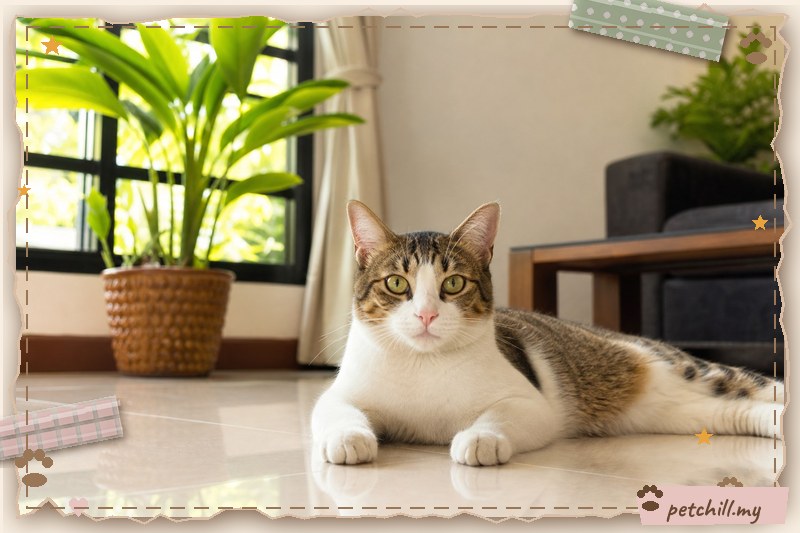
Body condition scoring (BCS) is a hands-on method used by vets worldwide. You do not need special equipment. Stand beside your cat and use both hands.

  1. Feel the ribs. Place flat palms on both sides of the chest. You should feel ribs easily under a thin fat cover. If you cannot feel them, the cat may be overweight. If they feel sharp, the cat may be underweight.
  2. Feel the spine. Run your fingers along the back. The spine should feel like a series of small bumps under a light cover, not a sharp ridge.
  3. Look from above. Stand over the cat. There should be a visible waist behind the ribs.
  4. Look from the side. The belly should tuck up slightly from the ribcage to the hind legs.
  5. Check the hip bones. They should be covered and not stick out sharply.

A simple 1–5 scale helps track changes:

Score What you feel and see Meaning
1 Ribs, spine and hip bones very prominent; no fat; obvious waist and tuck Severely underweight
2 Ribs and spine easy to feel; little fat; waist obvious Underweight
3 Ribs felt under light fat; waist visible; slight tuck Ideal
4 Ribs hard to feel; waist barely visible; belly rounded Overweight
5 Ribs not felt; no waist; belly hangs Obese

Aim for a score of 3. If your cat moves from 3 to 2, or from 2 to 1, act. Take a photo from above and from the side every month so you can compare shapes over time.
How to check body condition at home

Weighing your cat at home

Body condition is useful, but weight in grams is more precise. A cheap digital baby scale works well. If you do not have one, weigh yourself on a bathroom scale, then weigh yourself holding the cat, and subtract the difference. Do this on the same day each month, ideally before breakfast.

Record the number. A loss of 100 g in a 4 kg cat is 2.5%, which is small. A loss of 300 g is 7.5%, which is worth a vet call. Trends matter more than single readings.

Common causes of weight loss in cats

Weight loss has many possible causes. A vet will consider the cat's age, appetite, thirst, stool, urine, behaviour and living environment.

  • Dental disease. Painful teeth and gums make eating difficult. Cats may drop food, chew on one side, drool or eat less.
  • Chronic kidney disease. Common in older cats. Signs include increased thirst, increased urination, weight loss and reduced appetite.
  • Hyperthyroidism. An overactive thyroid speeds up metabolism. Cats may eat well but still lose weight, and may be restless or have a racing heart.
  • Diabetes mellitus. Increased thirst, urination and appetite with weight loss are classic signs.
  • Gastrointestinal disease. Inflammatory bowel disease, food intolerance, parasites and tumours can cause vomiting, diarrhoea and poor absorption.
  • Cancer. Unexplained weight loss, especially with lethargy or a palpable lump, needs investigation.
  • Stress or environment. A new pet, moving house, renovation noise or a crowded multi-cat home can reduce food intake.
  • Poor diet or feeding competition. In multi-cat homes, a shy cat may be pushed away from food.
  • Parasites. Fleas, ticks and intestinal worms can affect condition, especially in cats that go outdoors.
  • Age-related changes. Senior cats may have reduced digestion and sense of smell, making food less appealing.

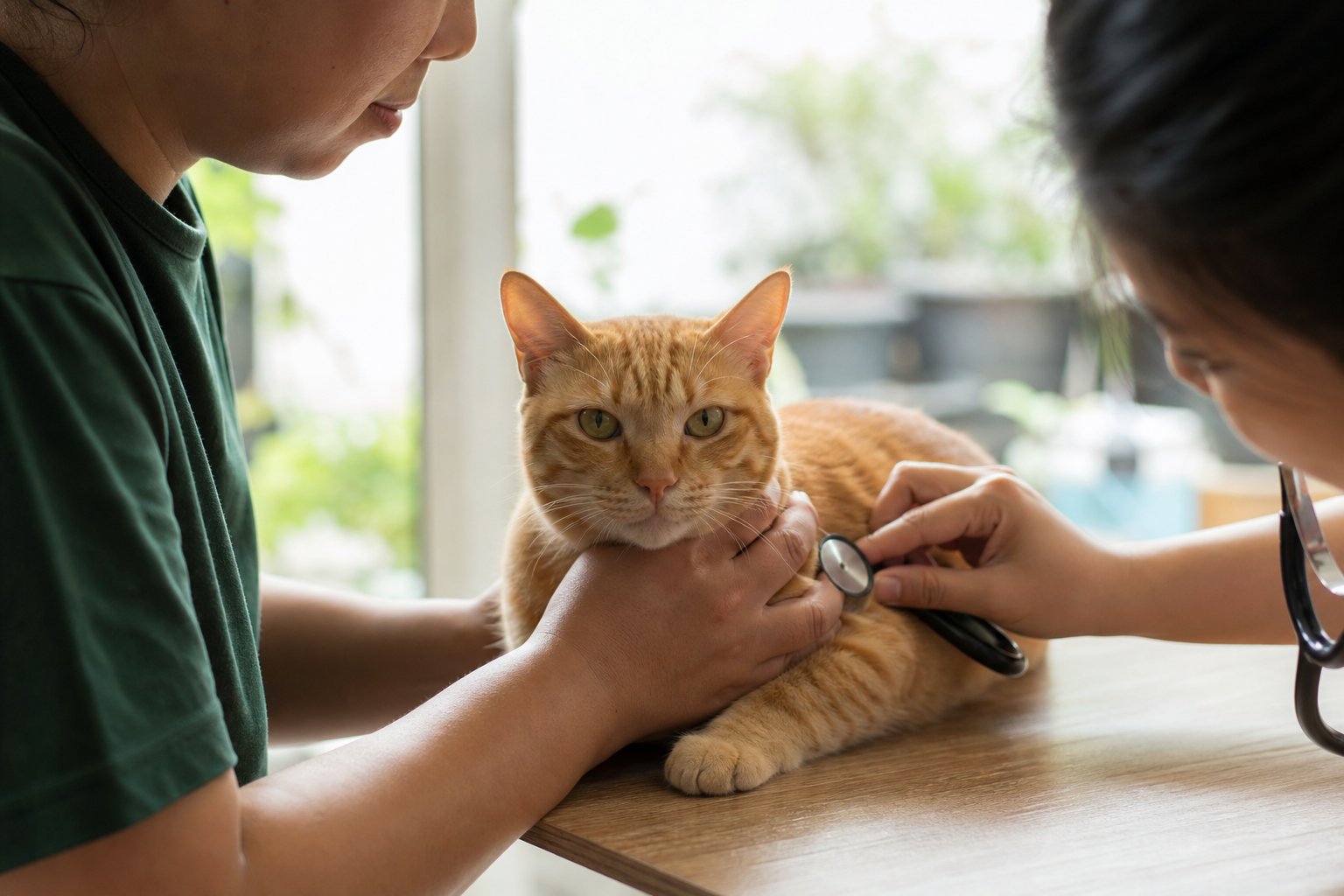
This is not a complete list. Only a vet can diagnose the cause after examination and appropriate tests.
Common causes of weight loss in cats

Weight loss in senior cats

Senior cats deserve extra attention. From around eight years old, kidney disease, hyperthyroidism, diabetes, arthritis and dental disease become more common. Weight loss in a senior cat should never be put down to ageing alone.

Senior cats may also have a reduced sense of smell and taste, making food less interesting. They may have arthritis that makes reaching the bowl uncomfortable. A vet can help with pain relief, diet changes and regular monitoring.

A practical senior checklist:

  • Weigh monthly and record the number.
  • Watch water intake and litter box output.
  • Check teeth and gums monthly.
  • Note any change in jumping, climbing or grooming.
  • Ask your vet about senior blood and urine screening.

Weight loss in multi-cat homes

In a home with several cats, it is easy to miss which cat is losing weight. Feed separately if possible, or supervise meals. Use microchip feeders if available, or simply watch each cat eat for a few minutes a day.

Also check for bullying at the food bowl, blocked access to litter boxes, and competition for sleeping spots. Stress in a multi-cat home can reduce appetite and cause weight loss even when food is plentiful.
Weight loss in multi-cat homes

What to do before you see the vet

You can gather useful information at home that will help your vet:

  • Record your cat's weight and body condition score.
  • Note appetite changes, including what and how much your cat eats.
  • Track water intake and litter box habits.
  • Note vomiting, diarrhoea, constipation or drooling.
  • Take short videos of any unusual behaviour.
  • List all foods, treats and supplements.
  • Note any recent changes at home, such as a new pet or renovation.
  • Bring a fresh stool sample if possible.

Do not start supplements or change diet without advice, especially if your cat has other signs of illness.

When to see a vet

See a vet promptly if:

  • Your cat loses more than 5–10% of body weight without a planned diet.
  • Weight loss continues over two or three monthly weigh-ins.
  • Appetite, thirst or urination changes.
  • Vomiting or diarrhoea lasts more than a day or two.
  • Your cat hides, stops grooming, seems weak or has difficulty jumping.
  • Your cat is senior and losing weight.
  • You feel a lump or notice a swollen abdomen.
  • Your cat has bad breath, drooling or difficulty eating.

If your cat stops eating completely for more than 24 hours, seek veterinary advice urgently. Cats can become seriously ill quickly when they stop eating.

Practical Malaysian contexts

In a Kuala Lumpur apartment, space is limited and cats often share small rooms. A shy cat may be pushed away from the food bowl, so feed cats in separate rooms or use microchip feeders. Weigh each cat monthly on a baby scale near the bathroom.

In a Johor terrace house, cats may have access to a garden or open windows. Outdoor access increases the risk of parasites and fights, so keep up flea and worm prevention and check for wounds or abscesses that could affect appetite.

During the Penang rainy season, cats may stay indoors more, exercise less and eat differently. Watch for stress from changes in routine and keep food and water away from damp areas to prevent spoilage.

Prevention and monitoring

Prevention is mostly about routine and observation:

  • Weigh monthly and record results.
  • Body condition score monthly.
  • Feed a balanced diet appropriate for age and health status.
  • Keep up dental care and parasite prevention.
  • Provide separate feeding and resting areas in multi-cat homes.
  • Schedule regular vet checks, especially for senior cats.
  • Reduce stress from changes at home where possible.

A simple notebook or phone note is enough. The goal is to notice change early, when it is easiest to investigate.

Bottom line

Signs of weight loss in cats include a narrow waist, prominent ribs and spine, sunken flanks, loose skin, reduced appetite, hiding, poor grooming and weakness. Check body condition monthly, weigh your cat, and see a vet if weight drops by more than 5–10% without a planned diet. Early investigation gives your cat the best chance of a good outcome.

This article provides general information only and is not a substitute for veterinary advice. Always consult a licensed veterinarian for diagnosis and treatment of your cat.

Frequently Asked Questions

📌 Key Takeaways

  • This article covers: Quick answer, Why weight loss matters more than it looks, The early signs of weight loss in cats, How to check body condition at home, Weighing your cat at home, and more
  • Jump to any section via the table of contents for the key details
  • If in doubt, consult a registered veterinarian

Explore this topic cluster

This guide belongs to a Malaysia-focused topic cluster. Read the pillar guide and related articles.

View cluster →

📚 Cat Health article index

This article is part of the Cat Health topic cluster. Explore related articles:

⭐ Pillar guide: Cat Health complete guideBlood Test for Cats in Malaysia: What It Checks, Costs and When You Need One→ ReadBlood Test for Cats Step by Step: What Happens at the Clinic→ ReadBlood Test for Cats: What to Expect (Malaysian Owner's Guide)→ ReadCat Constipation Treatment in Malaysia: A Practical Owner's Guide→ ReadCat Dental Pain Treatment in Malaysia: A Practical Owner's Guide→ ReadCat Diarrhea Treatment in Malaysia: A Practical Owner's Guide→ ReadCat Ear Mites Treatment in Malaysia: A Complete Owner's Guide→ ReadCat Eye Infection Treatment in Malaysia: A Practical Owner's Guide→ ReadCat Fleas Treatment in Malaysia: A Practical Owner's Guide→ ReadCat Hair Loss Treatment in Malaysia: A Practical Owner's Guide→ ReadCat Licking Wounds: Why It Happens and How to Treat It in Malaysia→ ReadCat Poisoning Treatment in Malaysia: What to Do, What to Expect, and How to Prevent It→ ReadCat Ringworm Treatment in Malaysia: A Practical Owner's Guide→ ReadCat Skin Fungus Treatment in Malaysia: A Practical Owner's Guide→ ReadCat Sneezing Blood: Causes, Treatment and When to See a Vet in Malaysia→ ReadCat Vomiting Treatment in Malaysia: What to Do and When to See a Vet→ ReadCat Weight Loss Treatment in Malaysia: A Practical Guide for Owners→ ReadCat Worms Treatment in Malaysia: A Practical Owner's Guide→ ReadChocolate Poisoning and Cats in Malaysia: What Every Owner Should Know→ ReadConstipation in Cats: Causes, Care and When to See a Vet in Malaysia→ ReadConstipation in Cats in Malaysia: Causes, Signs and What to Do→ ReadConstipation Prevention for Cats: A Practical Guide for Malaysian Owners→ ReadDental Pain in Cats: Causes, Signs and Care (Malaysia Guide)→ ReadDental Pain in Cats in Malaysia: Signs, Causes and What to Do→ ReadDental Pain Prevention for Cats: A Practical Malaysian Guide→ ReadDeworming Schedule for Cats in Malaysia: A Practical, Vet-Led Guide→ ReadDeworming Schedule for Cats: A Step-by-Step Plan for Malaysian Owners→ ReadDeworming Schedule for Cats: What to Expect (Malaysia Guide)→ ReadDiarrhea in Cats: Causes and Care (Malaysian Owner's Guide)→ ReadDiarrhea in Cats in Malaysia: Causes, Home Care and When to See a Vet→ ReadDiarrhea Prevention for Cats: A Practical Guide for Malaysian Owners→ ReadE-Collar Recovery for Cats in Malaysia: A Practical Guide for Owners→ ReadE-Collar Recovery for Cats Step by Step: A Practical Guide for Malaysian Owners→ ReadE-Collar Recovery for Cats: What to Expect (Malaysia Guide)→ ReadEar Mites in Cats: Causes and Care (Malaysia Guide)→ ReadEar Mites in Cats in Malaysia: Signs, Treatment and Prevention→ ReadEar Mites Prevention for Cats: A Practical Malaysian Guide→ ReadElectrical Cables and Cats in Malaysia: A Practical Safety Guide→ ReadEye Infection in Cats: Causes and Care (Malaysia Guide)→ ReadEye Infection in Cats in Malaysia: Causes, Signs, Treatment & Prevention→ ReadEye Infection Prevention for Cats: A Practical Malaysian Guide→ ReadFans and Air Conditioning for Cats in Malaysia: A Practical Comfort Guide→ ReadFlea Treatment for Cats in Malaysia: A Complete Guide→ ReadFlea Treatment for Cats Step by Step: A Practical Malaysian Guide→ ReadFlea Treatment for Cats: What to Expect (Malaysia Guide)→ ReadFleas in Cats: Causes and Care (Malaysia Guide)→ ReadFleas in Cats in Malaysia: Signs, Treatment and Prevention→ ReadFleas Prevention for Cats in Malaysia: A Practical, Year-Round Plan→ ReadGiving Pills for Cats in Malaysia: A Stress-Free Step-by-Step Guide→ ReadGiving Pills for Cats Step by Step: A Calm, Practical Guide for Malaysian Owners→ ReadGiving Pills for Cats: What to Expect (Malaysian Owner's Guide)→ ReadHair Loss in Cats: Causes and Care (Malaysian Owner's Guide)→ ReadHair Loss in Cats in Malaysia: Causes, Home Checks and When to See a Vet→ ReadHair Loss Prevention for Cats: A Practical Grooming and Health Guide→ ReadHousehold Cleaning Products and Cats in Malaysia: A Safety Guide→ ReadHow to Prevent Chocolate Poisoning Around Cats: A Practical Guide for Malaysian Homes→ ReadHow to Prevent Electrical Cables Around Cats: A Practical Safety Guide for Malaysian Homes→ ReadHow to Prevent Fan and Aircond Problems Around Cats: A Malaysian Home Guide→ ReadHow to Prevent Household Cleaning Products Around Cats: A Practical Safety Guide for Malaysian Homes→ ReadHow to Prevent Lily Poisoning Around Cats: A Practical Safety Guide for Malaysian Homes→ ReadHow to Prevent Open Windows Around Cats: A Practical Safety Guide for Malaysian Homes→ ReadHow to Prevent Paracetamol Poisoning Around Cats: A Malaysian Safety Guide→ ReadHow to Prevent Plastic Bags Around Cats: A Practical Safety Guide for Malaysian Homes→ ReadHow to Treat Constipation in Cats at Home: A Practical Malaysian Guide→ ReadHow to Treat Dental Pain in Cats at Home: Safe Relief and When to See a Vet→ ReadHow to Treat Diarrhea in Cats at Home: A Practical Malaysian Guide→ ReadHow to Treat Ear Mites in Cats at Home: A Practical Malaysian Guide→ ReadHow to Treat Eye Infection in Cats at Home: Safe Steps for Malaysian Owners→ ReadHow to Treat Fleas in Cats at Home: A Practical Malaysian Guide→ ReadHow to Treat Hair Loss in Cats at Home: A Practical Malaysian Guide→ ReadHow to Treat Licking Wounds in Cats at Home: A Practical Guide for Malaysian Owners→ ReadHow to Treat Poisoning in Cats at Home: First Aid, Safe Steps and When to Rush to the Vet→ ReadHow to Treat Ringworm in Cats at Home: A Practical Guide for Malaysian Owners→ ReadHow to Treat Skin Fungus in Cats at Home: A Practical Malaysian Guide→ ReadHow to Treat Sneezing Blood in Cats at Home: Safe First Steps for Malaysian Owners→ ReadHow to Treat Vomiting in Cats at Home: A Practical Malaysian Guide→ ReadHow to Treat Weight Loss in Cats at Home: A Practical Guide for Malaysian Owners→ ReadHow to Treat Worms in Cats at Home: A Practical, Safe Guide for Malaysian Owners→ ReadLicking Wounds in Cats: Causes and Care (Malaysian Vet Guide)→ ReadLicking Wounds in Cats Malaysia: When It's Normal and When to Stop It→ ReadLicking Wounds Prevention for Cats: How to Stop the Lick Cycle and Let Skin Heal→ ReadLily Poisoning and Cats in Malaysia: Why Every Petal Is an Emergency→ ReadOpen Windows and Cats in Malaysia: How to Keep Your Cat Safe Without Locking Up the House→ ReadParacetamol Poisoning in Cats in Malaysia: Why Even One Tablet Can Be Deadly→ ReadPlastic Bags and Cats in Malaysia: Why They're Dangerous and How to Keep Your Cat Safe→ ReadPoisoning in Cats: Causes, Symptoms and Care (Malaysia Guide)→ ReadPoisoning in Cats in Malaysia: Common Toxins, Signs and What to Do→ ReadPoisoning Prevention for Cats in Malaysia: A Room-by-Room Safety Guide→ ReadRingworm in Cats: Causes, Symptoms and Care (Malaysia Guide)→ ReadRingworm in Cats in Malaysia: Signs, Treatment and Prevention→ ReadRingworm Prevention for Cats in Malaysia: A Practical, Vet-Informed Guide→ ReadSigns of Constipation in Cats in Malaysia: What to Watch For and When to Act→ ReadSigns of Dental Pain in Cats in Malaysia: What Owners Miss→ ReadSigns of Diarrhea in Cats in Malaysia: What's Normal, What's Not→ ReadSigns of Ear Mites in Cats in Malaysia: How to Spot, Treat and Prevent Them→ ReadSigns of Eye Infection in Cats in Malaysia: What Owners Should Look For→ ReadSigns of Fleas in Cats in Malaysia: How to Spot, Check and Act→ ReadSigns of Hair Loss in Cats in Malaysia: What to Look For and When to Worry→ ReadSigns of Licking Wounds in Cats Malaysia: How to Spot Problem Licking→ ReadSigns of Poisoning in Cats in Malaysia: What to Watch For and What to Do→ ReadSigns of Ringworm in Cats in Malaysia: What Owners Should Look For→ ReadSigns of Skin Fungus in Cats in Malaysia: How to Spot Ringworm Early→ ReadBlood in a Cat's Sneeze: Signs, Causes and What to Do in Malaysia→ ReadSigns of Vomiting in Cats in Malaysia: What's Normal, What's Not, and When to See a Vet→ ReadSigns of Worms in Cats in Malaysia: What Owners Should Look For→ ReadSkin Fungus in Cats: Causes, Signs and Care (Malaysia Guide)→ ReadSkin Fungus in Cats in Malaysia: Ringworm Signs, Treatment and Prevention→ ReadSkin Fungus Prevention for Cats: A Practical Guide for Malaysian Homes→ ReadSneezing Blood in Cats: Causes and Care (Malaysia Guide)→ ReadSneezing Blood in Cats in Malaysia: Causes, What to Do, and When to See a Vet→ ReadSneezing Blood Prevention for Cats: Causes, Care and When to Worry→ ReadSterilization for Cats in Malaysia: A Complete Guide for Owners→ ReadSterilization for Cats Step by Step: A Malaysian Owner's Guide→ ReadSterilisation for Cats: What to Expect (Malaysian Owner's Guide)→ ReadUltrasound for Cats in Malaysia: What It Is, When It's Needed, and What to Expect→ ReadUltrasound for Cats Step by Step: What Happens, What It Costs, and How to Prepare→ ReadUltrasound for Cats: What to Expect (Malaysian Owner's Guide)→ ReadVaccination Side Effects for Cats in Malaysia: What's Normal, What's Not→ ReadVaccination Side Effects for Cats: A Step-by-Step Guide for Malaysian Owners→ ReadCat Vaccination Side Effects: What Malaysian Owners Should Expect→ ReadVomiting in Cats: Causes and Care (Malaysia Guide)→ ReadVomiting in Cats in Malaysia: When It's Normal and When to Worry→ ReadVomiting Prevention for Cats: A Practical Guide for Malaysian Owners→ ReadWeight Loss in Cats: Causes and Care (Malaysian Vet Guide)→ ReadWeight Loss in Cats in Malaysia: Causes, Warning Signs and What to Do→ ReadWeight Loss Prevention for Cats: A Practical Malaysian Guide→ ReadWorms in Cats: Causes and Care (Malaysia Vet Guide)→ ReadWorms in Cats in Malaysia: A Practical Owner's Guide→ ReadWorms Prevention for Cats in Malaysia: A Complete Guide→ ReadWound Care for Cats in Malaysia: A Practical Owner's Guide→ ReadWound Care for Cats Step by Step: A Practical Malaysian Guide→ ReadWound Care for Cats: What to Expect, Step by Step→ ReadX-Ray for Cats in Malaysia: What to Expect, Costs and Safety→ ReadX-Ray for Cats Step by Step: What Malaysian Owners Should Expect→ ReadX-Ray for Cats: What to Expect (Malaysian Owner's Guide)→ ReadArthritis Pet Care in Malaysia: A Practical Guide for Cats and Dogs→ ReadCat Arthritis in Malaysia: 5 Home Signs Your Cat Is in Pain — and What to Do→ ReadEarly Signs of Chronic Disease in Cats: 7 Daily Checks and a 4-Week Record Sheet→ ReadCat Chronic Kidney Disease in Malaysia: The Daily Care Routine That Actually Slows It Down→ ReadCat Constipation in Malaysia: The 48-Hour Rule, Red Flags and What Actually Helps→ ReadCat Dehydration in Malaysia: Home Skin-Turgor Test, 7 Causes and Emergency Signs→ ReadCat Heart Disease in Malaysia: Sleep Breathing Count, HCM Early Signs and When to Rush to the Vet→ ReadCat Kidney Disease in Malaysia: Early Signs, Prevention and Everyday Care→ ReadCat Pancreatitis in Malaysia: Symptoms, fPLI Testing, Treatment and Home Recovery→ ReadCat Ringworm in Malaysia: Signs, Treatment and Home Cleaning Guide→ ReadCat Symptom Checker Malaysia: 12 Common Signs and a Green-Amber-Red Triage Table→ ReadPet Deworming in Malaysia: How Often to Worm Your Cat or Dog→ ReadPet Gut Health in Malaysia: Probiotics, Food Transitions and Stool Troubles (Part 2)→ ReadCat Gut Health: Probiotics, Antibiotics and Food Transitions Explained (Malaysia)→ ReadPet Health Malaysia 2026: Common Cat and Dog Illnesses, Prevention Care and Vet Guidance→ ReadPet Insurance in Malaysia: How to Compare Plans Before You Sign→ ReadPet Poisoning at Home: Household Chemicals, Toxic Plants and When Not to Induce Vomiting (Malaysia)→ ReadPet Poisoning at Home: Household Chemicals, Insecticides and Toxic Plants (Malaysia, Part 1)→ ReadCat Chronic Disease Early Signs in Malaysia: 7 Daily Checks and a 4-Week Log→ ReadCat Health Guide Malaysia: Symptom Check, Red-Flag Triage & When to See a Vet→ ReadCat Ringworm in Malaysia: Symptoms, Treatment and Home Cleaning Guide→ ReadGut Health, Probiotics & Food Transition Part 2: Practical Malaysia Guide→ ReadPet Health in Malaysia: A Practical Prevention Guide for Cats and Dogs→ Read

Related products at PetChill

