
PetChill Pet Encyclopedia
Cat Health

Diarrhea in Cats in Malaysia: Causes, Home Care and When to See a Vet

Diarrhea in cats is a common sign of digestive upset, but it can also indicate serious illness. This guide explains causes, home care, and red flags for Malaysian cat owners.

Published: 2026-11-06·7 min read·Author: PetChill Editorial
Diarrhea in Cats in Malaysia: Causes, Home Care and When to See a Vet

Quick answer

Diarrhea in cats is a common sign of digestive upset, but it can also indicate serious illness. Most mild cases resolve with supportive care, but you should see a vet if diarrhea lasts more than 24–48 hours, contains blood, or is accompanied by vomiting, lethargy, or dehydration.

What is diarrhea in cats?

Diarrhea is the passage of loose, watery, or more frequent stool than normal. It is not a disease itself but a symptom of an underlying issue in the digestive tract or elsewhere in the body. In cats, diarrhea can be acute (sudden and short-lived) or chronic (lasting more than two to three weeks).

Acute diarrhea is often caused by dietary indiscretion, stress, or mild infections. Chronic diarrhea may point to food allergies, inflammatory bowel disease, parasites, or organ dysfunction. The color, consistency, and frequency of the stool can offer clues: black, tarry stool may indicate bleeding in the upper digestive tract; pale, greasy stool may suggest fat malabsorption; and stool with fresh blood or mucus often points to colitis (inflammation of the colon).
What is diarrhea in cats?

Common causes of diarrhea in cats

There are many possible reasons a cat may develop diarrhea. In Malaysia, the warm, humid climate can influence some causes, such as parasite prevalence and food spoilage.

Dietary causes

  • Sudden diet change: Switching food without a gradual transition can upset the gut.
  • Food intolerance or allergy: Some cats react to certain proteins or ingredients.
  • Spoiled food: In Malaysia's heat, food left out can spoil quickly. Always refrigerate wet food and avoid leaving it out for more than 30 minutes.
  • Foreign bodies: Cats may swallow string, hair ties, or bones, causing irritation or blockage.
  • Overfeeding or scavenging: Eating too much or getting into garbage can lead to upset.

Infectious causes

  • Viruses: Feline panleukopenia virus (feline distemper) causes severe diarrhea, especially in kittens. Feline coronavirus can also cause gastrointestinal signs.
  • Bacteria: Salmonella, Campylobacter, and E. coli can cause diarrhea. These may be acquired from contaminated food or water.
  • Parasites: Roundworms, hookworms, tapeworms, giardia, coccidia, and Tritrichomonas foetus are common in Malaysia. Kittens and outdoor cats are at higher risk.

Non-infectious causes

  • Inflammatory bowel disease (IBD): Chronic inflammation of the intestines, often causing weight loss and vomiting alongside diarrhea.
  • Organ disease: Kidney disease, liver disease, pancreatitis, and hyperthyroidism can all cause diarrhea.
  • Stress: Moving house, new pets, or changes in routine can trigger stress-related diarrhea.
  • Medications: Antibiotics and some other drugs can disrupt gut flora.

Signs and symptoms to watch for

Diarrhea may be the only sign, but often other symptoms accompany it. Pay attention to:

  • Frequency: How many times a day?
  • Consistency: Is it soft, watery, or formed?
  • Color: Brown, yellow, green, black, or bloody?
  • Presence of mucus or undigested food.
  • Accompanying signs: vomiting, loss of appetite, lethargy, fever, dehydration, weight loss, or abdominal pain.

Dehydration is a major concern, especially in kittens and senior cats. Signs include dry gums, skin that doesn't spring back when gently pinched, sunken eyes, and weakness. If you suspect dehydration, see a vet immediately.
Signs and symptoms to watch for

Home care for mild diarrhea

If your cat is otherwise bright, alert, and not showing severe signs, you can try supportive care at home for 24–48 hours.

1. Ensure hydration

Provide fresh, clean water at all times. You can encourage drinking by offering multiple water bowls, using a pet fountain, or adding a little water to food. Avoid giving milk, as many cats are lactose intolerant and it can worsen diarrhea.

2. Withhold food briefly (adults only)

For adult cats, a short fast of 12–24 hours can rest the gut. Never fast kittens, pregnant cats, or cats with underlying health conditions without veterinary advice. After fasting, offer small, frequent meals of bland food.

3. Bland diet

Offer plain boiled chicken (no skin, no bones, no seasoning) or a veterinary gastrointestinal diet. You can also mix in plain cooked pumpkin or sweet potato for fiber. Feed small amounts every 4–6 hours. Gradually transition back to regular food over 2–3 days.

4. Probiotics

Veterinary probiotics can help restore gut flora. Ask your vet for a suitable product. Do not use human probiotics without checking with a vet.

5. Keep the litter box clean

Diarrhea can be messy. Scoop the litter box more frequently and disinfect it to prevent spread of infectious agents.

6. Monitor closely

Keep a diary of stool frequency, consistency, and any other signs. If diarrhea persists beyond 48 hours or worsens, contact your vet.

What not to do

  • Do not give human anti-diarrheal medications (e.g., loperamide, bismuth subsalicylate). They can be toxic to cats.
  • Do not give human antibiotics without veterinary prescription.
  • Do not fast kittens or sick cats without veterinary guidance.
  • Do not ignore blood in the stool or other red flags.
What not to do

When to see a vet

Seek veterinary care promptly if your cat shows any of the following:

  • Diarrhea lasting more than 48 hours.
  • Blood or black, tarry stool.
  • Vomiting that persists or is accompanied by diarrhea.
  • Lethargy, weakness, or reluctance to move.
  • Loss of appetite for more than 24 hours.
  • Signs of dehydration (dry gums, skin tenting, sunken eyes).
  • Fever (temperature above 39.2°C).
  • Diarrhea in a kitten, senior cat, or pregnant cat.
  • Known exposure to toxins or foreign bodies.
  • Chronic diarrhea (lasting weeks) or weight loss.

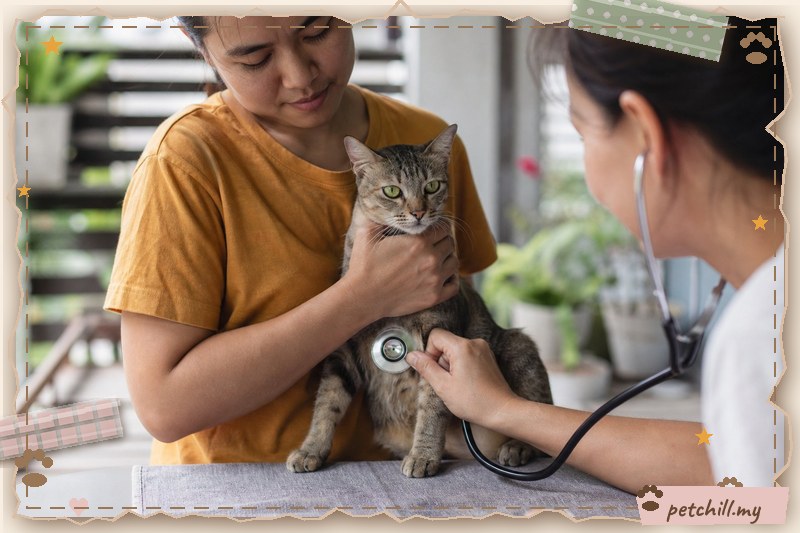
Your vet will perform a physical examination and may recommend fecal tests, blood work, X-rays, or ultrasound to determine the cause. Treatment depends on the diagnosis and may include fluids, deworming, antibiotics, prescription diets, or other medications.

Diagnosis and treatment at the vet

When you bring your cat to the vet, be prepared to describe the diarrhea: when it started, how often, consistency, color, and any other signs. Bring a stool sample if possible.

Common diagnostic tests include:

  • Fecal flotation and smear: To check for parasites.
  • Fecal PCR: For giardia, Tritrichomonas, and other pathogens.
  • Blood tests: To assess organ function and hydration.
  • Imaging: X-rays or ultrasound to look for foreign bodies, masses, or organ abnormalities.
  • Diet trials: For suspected food allergies.

Treatment may involve:

  • Fluid therapy: To correct dehydration.
  • Deworming: For parasitic infections.
  • Antibiotics: Only if bacterial infection is confirmed.
  • Prescription diets: For food allergies or IBD.
  • Immunosuppressants: For IBD.
  • Surgery: For foreign bodies or tumors.
Diagnosis and treatment at the vet

Prevention tips for Malaysian cat owners

  • Feed a balanced diet: Choose high-quality cat food and avoid sudden changes. Transition foods over 7–10 days.
  • Practice good hygiene: Wash food and water bowls daily, and store food properly to prevent spoilage in the heat.
  • Regular deworming: Follow your vet's advice for deworming, especially for outdoor cats.
  • Keep cats indoors: This reduces exposure to parasites and infectious diseases.
  • Manage stress: Provide a stable environment and gradual introductions to new pets or changes.
  • Vaccinate: Keep vaccinations up to date, especially against panleukopenia.
  • Regular vet check-ups: Annual exams help catch problems early.

Comparison table: acute vs. chronic diarrhea

Feature Acute diarrhea Chronic diarrhea
Duration Less than 2 weeks More than 2–3 weeks
Common causes Dietary indiscretion, stress, mild infections Food allergy, IBD, parasites, organ disease
Typical signs Sudden loose stool, may have vomiting Weight loss, increased frequency, mucus
Home care Supportive care for 24–48 hours Requires veterinary investigation
When to see vet If persists >48 hours or severe signs Always, for diagnosis and management

Local considerations for Malaysian cat owners

Malaysia's tropical climate means parasites are prevalent year-round. Mosquitoes can transmit heartworm, though this is more a concern for dogs; still, regular parasite control is important. In apartments, cats may be more prone to stress from confined spaces, which can trigger diarrhea. In terrace houses, cats may have access to outdoors and increase their risk of scavenging or hunting, leading to parasitic infections. Always ensure your cat has access to clean water, especially during hot weather.

Frequently asked questions

1. How long does diarrhea in cats usually last? Mild diarrhea from dietary indiscretion often resolves within 24–48 hours with supportive care. If it persists beyond 48 hours or worsens, see a vet.

2. Can I give my cat human diarrhea medicine? No. Never give human medications like loperamide or bismuth subsalicylate without veterinary advice; they can be toxic to cats.

3. What should I feed a cat with diarrhea? Offer small amounts of bland, easily digestible food such as plain boiled chicken or a vet-recommended gastrointestinal diet. Ensure fresh water is always available.

4. When should I take my cat to the vet for diarrhea? Seek veterinary care if diarrhea lasts more than 48 hours, contains blood or mucus, or is accompanied by vomiting, lethargy, fever, or dehydration.

5. Can worms cause diarrhea in cats? Yes. Intestinal parasites like roundworms, hookworms, and giardia commonly cause diarrhea, especially in kittens. Regular deworming helps prevent this.

6. Is diarrhea in cats contagious to other pets? Some causes, such as giardia, salmonella, and feline panleukopenia virus, are contagious. Isolate the affected cat and practice good hygiene.

Vet disclaimer

This article is for informational purposes only and does not replace professional veterinary advice. Always consult a licensed veterinarian for diagnosis and treatment of your cat's condition. The information provided is general and may not apply to your pet's specific situation.

Frequently Asked Questions

📌 Key Takeaways

  • This article covers: Quick answer, What is diarrhea in cats?, Common causes of diarrhea in cats, Signs and symptoms to watch for, Home care for mild diarrhea, and more
  • Jump to any section via the table of contents for the key details
  • If in doubt, consult a registered veterinarian

Explore this topic cluster

This guide belongs to a Malaysia-focused topic cluster. Read the pillar guide and related articles.

View cluster →

📚 Cat Health article index

This article is part of the Cat Health topic cluster. Explore related articles:

⭐ Pillar guide: Cat Health complete guideBlood Test for Cats in Malaysia: What It Checks, Costs and When You Need One→ ReadBlood Test for Cats Step by Step: What Happens at the Clinic→ ReadBlood Test for Cats: What to Expect (Malaysian Owner's Guide)→ ReadCat Constipation Treatment in Malaysia: A Practical Owner's Guide→ ReadCat Dental Pain Treatment in Malaysia: A Practical Owner's Guide→ ReadCat Diarrhea Treatment in Malaysia: A Practical Owner's Guide→ ReadCat Ear Mites Treatment in Malaysia: A Complete Owner's Guide→ ReadCat Eye Infection Treatment in Malaysia: A Practical Owner's Guide→ ReadCat Fleas Treatment in Malaysia: A Practical Owner's Guide→ ReadCat Hair Loss Treatment in Malaysia: A Practical Owner's Guide→ ReadCat Licking Wounds: Why It Happens and How to Treat It in Malaysia→ ReadCat Poisoning Treatment in Malaysia: What to Do, What to Expect, and How to Prevent It→ ReadCat Ringworm Treatment in Malaysia: A Practical Owner's Guide→ ReadCat Skin Fungus Treatment in Malaysia: A Practical Owner's Guide→ ReadCat Sneezing Blood: Causes, Treatment and When to See a Vet in Malaysia→ ReadCat Vomiting Treatment in Malaysia: What to Do and When to See a Vet→ ReadCat Weight Loss Treatment in Malaysia: A Practical Guide for Owners→ ReadCat Worms Treatment in Malaysia: A Practical Owner's Guide→ ReadChocolate Poisoning and Cats in Malaysia: What Every Owner Should Know→ ReadConstipation in Cats: Causes, Care and When to See a Vet in Malaysia→ ReadConstipation in Cats in Malaysia: Causes, Signs and What to Do→ ReadConstipation Prevention for Cats: A Practical Guide for Malaysian Owners→ ReadDental Pain in Cats: Causes, Signs and Care (Malaysia Guide)→ ReadDental Pain in Cats in Malaysia: Signs, Causes and What to Do→ ReadDental Pain Prevention for Cats: A Practical Malaysian Guide→ ReadDeworming Schedule for Cats in Malaysia: A Practical, Vet-Led Guide→ ReadDeworming Schedule for Cats: A Step-by-Step Plan for Malaysian Owners→ ReadDeworming Schedule for Cats: What to Expect (Malaysia Guide)→ ReadDiarrhea in Cats: Causes and Care (Malaysian Owner's Guide)→ ReadDiarrhea Prevention for Cats: A Practical Guide for Malaysian Owners→ ReadE-Collar Recovery for Cats in Malaysia: A Practical Guide for Owners→ ReadE-Collar Recovery for Cats Step by Step: A Practical Guide for Malaysian Owners→ ReadE-Collar Recovery for Cats: What to Expect (Malaysia Guide)→ ReadEar Mites in Cats: Causes and Care (Malaysia Guide)→ ReadEar Mites in Cats in Malaysia: Signs, Treatment and Prevention→ ReadEar Mites Prevention for Cats: A Practical Malaysian Guide→ ReadElectrical Cables and Cats in Malaysia: A Practical Safety Guide→ ReadEye Infection in Cats: Causes and Care (Malaysia Guide)→ ReadEye Infection in Cats in Malaysia: Causes, Signs, Treatment & Prevention→ ReadEye Infection Prevention for Cats: A Practical Malaysian Guide→ ReadFans and Air Conditioning for Cats in Malaysia: A Practical Comfort Guide→ ReadFlea Treatment for Cats in Malaysia: A Complete Guide→ ReadFlea Treatment for Cats Step by Step: A Practical Malaysian Guide→ ReadFlea Treatment for Cats: What to Expect (Malaysia Guide)→ ReadFleas in Cats: Causes and Care (Malaysia Guide)→ ReadFleas in Cats in Malaysia: Signs, Treatment and Prevention→ ReadFleas Prevention for Cats in Malaysia: A Practical, Year-Round Plan→ ReadGiving Pills for Cats in Malaysia: A Stress-Free Step-by-Step Guide→ ReadGiving Pills for Cats Step by Step: A Calm, Practical Guide for Malaysian Owners→ ReadGiving Pills for Cats: What to Expect (Malaysian Owner's Guide)→ ReadHair Loss in Cats: Causes and Care (Malaysian Owner's Guide)→ ReadHair Loss in Cats in Malaysia: Causes, Home Checks and When to See a Vet→ ReadHair Loss Prevention for Cats: A Practical Grooming and Health Guide→ ReadHousehold Cleaning Products and Cats in Malaysia: A Safety Guide→ ReadHow to Prevent Chocolate Poisoning Around Cats: A Practical Guide for Malaysian Homes→ ReadHow to Prevent Electrical Cables Around Cats: A Practical Safety Guide for Malaysian Homes→ ReadHow to Prevent Fan and Aircond Problems Around Cats: A Malaysian Home Guide→ ReadHow to Prevent Household Cleaning Products Around Cats: A Practical Safety Guide for Malaysian Homes→ ReadHow to Prevent Lily Poisoning Around Cats: A Practical Safety Guide for Malaysian Homes→ ReadHow to Prevent Open Windows Around Cats: A Practical Safety Guide for Malaysian Homes→ ReadHow to Prevent Paracetamol Poisoning Around Cats: A Malaysian Safety Guide→ ReadHow to Prevent Plastic Bags Around Cats: A Practical Safety Guide for Malaysian Homes→ ReadHow to Treat Constipation in Cats at Home: A Practical Malaysian Guide→ ReadHow to Treat Dental Pain in Cats at Home: Safe Relief and When to See a Vet→ ReadHow to Treat Diarrhea in Cats at Home: A Practical Malaysian Guide→ ReadHow to Treat Ear Mites in Cats at Home: A Practical Malaysian Guide→ ReadHow to Treat Eye Infection in Cats at Home: Safe Steps for Malaysian Owners→ ReadHow to Treat Fleas in Cats at Home: A Practical Malaysian Guide→ ReadHow to Treat Hair Loss in Cats at Home: A Practical Malaysian Guide→ ReadHow to Treat Licking Wounds in Cats at Home: A Practical Guide for Malaysian Owners→ ReadHow to Treat Poisoning in Cats at Home: First Aid, Safe Steps and When to Rush to the Vet→ ReadHow to Treat Ringworm in Cats at Home: A Practical Guide for Malaysian Owners→ ReadHow to Treat Skin Fungus in Cats at Home: A Practical Malaysian Guide→ ReadHow to Treat Sneezing Blood in Cats at Home: Safe First Steps for Malaysian Owners→ ReadHow to Treat Vomiting in Cats at Home: A Practical Malaysian Guide→ ReadHow to Treat Weight Loss in Cats at Home: A Practical Guide for Malaysian Owners→ ReadHow to Treat Worms in Cats at Home: A Practical, Safe Guide for Malaysian Owners→ ReadLicking Wounds in Cats: Causes and Care (Malaysian Vet Guide)→ ReadLicking Wounds in Cats Malaysia: When It's Normal and When to Stop It→ ReadLicking Wounds Prevention for Cats: How to Stop the Lick Cycle and Let Skin Heal→ ReadLily Poisoning and Cats in Malaysia: Why Every Petal Is an Emergency→ ReadOpen Windows and Cats in Malaysia: How to Keep Your Cat Safe Without Locking Up the House→ ReadParacetamol Poisoning in Cats in Malaysia: Why Even One Tablet Can Be Deadly→ ReadPlastic Bags and Cats in Malaysia: Why They're Dangerous and How to Keep Your Cat Safe→ ReadPoisoning in Cats: Causes, Symptoms and Care (Malaysia Guide)→ ReadPoisoning in Cats in Malaysia: Common Toxins, Signs and What to Do→ ReadPoisoning Prevention for Cats in Malaysia: A Room-by-Room Safety Guide→ ReadRingworm in Cats: Causes, Symptoms and Care (Malaysia Guide)→ ReadRingworm in Cats in Malaysia: Signs, Treatment and Prevention→ ReadRingworm Prevention for Cats in Malaysia: A Practical, Vet-Informed Guide→ ReadSigns of Constipation in Cats in Malaysia: What to Watch For and When to Act→ ReadSigns of Dental Pain in Cats in Malaysia: What Owners Miss→ ReadSigns of Diarrhea in Cats in Malaysia: What's Normal, What's Not→ ReadSigns of Ear Mites in Cats in Malaysia: How to Spot, Treat and Prevent Them→ ReadSigns of Eye Infection in Cats in Malaysia: What Owners Should Look For→ ReadSigns of Fleas in Cats in Malaysia: How to Spot, Check and Act→ ReadSigns of Hair Loss in Cats in Malaysia: What to Look For and When to Worry→ ReadSigns of Licking Wounds in Cats Malaysia: How to Spot Problem Licking→ ReadSigns of Poisoning in Cats in Malaysia: What to Watch For and What to Do→ ReadSigns of Ringworm in Cats in Malaysia: What Owners Should Look For→ ReadSigns of Skin Fungus in Cats in Malaysia: How to Spot Ringworm Early→ ReadBlood in a Cat's Sneeze: Signs, Causes and What to Do in Malaysia→ ReadSigns of Vomiting in Cats in Malaysia: What's Normal, What's Not, and When to See a Vet→ ReadSigns of Weight Loss in Cats in Malaysia: What to Watch For and When to Worry→ ReadSigns of Worms in Cats in Malaysia: What Owners Should Look For→ ReadSkin Fungus in Cats: Causes, Signs and Care (Malaysia Guide)→ ReadSkin Fungus in Cats in Malaysia: Ringworm Signs, Treatment and Prevention→ ReadSkin Fungus Prevention for Cats: A Practical Guide for Malaysian Homes→ ReadSneezing Blood in Cats: Causes and Care (Malaysia Guide)→ ReadSneezing Blood in Cats in Malaysia: Causes, What to Do, and When to See a Vet→ ReadSneezing Blood Prevention for Cats: Causes, Care and When to Worry→ ReadSterilization for Cats in Malaysia: A Complete Guide for Owners→ ReadSterilization for Cats Step by Step: A Malaysian Owner's Guide→ ReadSterilisation for Cats: What to Expect (Malaysian Owner's Guide)→ ReadUltrasound for Cats in Malaysia: What It Is, When It's Needed, and What to Expect→ ReadUltrasound for Cats Step by Step: What Happens, What It Costs, and How to Prepare→ ReadUltrasound for Cats: What to Expect (Malaysian Owner's Guide)→ ReadVaccination Side Effects for Cats in Malaysia: What's Normal, What's Not→ ReadVaccination Side Effects for Cats: A Step-by-Step Guide for Malaysian Owners→ ReadCat Vaccination Side Effects: What Malaysian Owners Should Expect→ ReadVomiting in Cats: Causes and Care (Malaysia Guide)→ ReadVomiting in Cats in Malaysia: When It's Normal and When to Worry→ ReadVomiting Prevention for Cats: A Practical Guide for Malaysian Owners→ ReadWeight Loss in Cats: Causes and Care (Malaysian Vet Guide)→ ReadWeight Loss in Cats in Malaysia: Causes, Warning Signs and What to Do→ ReadWeight Loss Prevention for Cats: A Practical Malaysian Guide→ ReadWorms in Cats: Causes and Care (Malaysia Vet Guide)→ ReadWorms in Cats in Malaysia: A Practical Owner's Guide→ ReadWorms Prevention for Cats in Malaysia: A Complete Guide→ ReadWound Care for Cats in Malaysia: A Practical Owner's Guide→ ReadWound Care for Cats Step by Step: A Practical Malaysian Guide→ ReadWound Care for Cats: What to Expect, Step by Step→ ReadX-Ray for Cats in Malaysia: What to Expect, Costs and Safety→ ReadX-Ray for Cats Step by Step: What Malaysian Owners Should Expect→ ReadX-Ray for Cats: What to Expect (Malaysian Owner's Guide)→ ReadArthritis Pet Care in Malaysia: A Practical Guide for Cats and Dogs→ ReadCat Arthritis in Malaysia: 5 Home Signs Your Cat Is in Pain — and What to Do→ ReadEarly Signs of Chronic Disease in Cats: 7 Daily Checks and a 4-Week Record Sheet→ ReadCat Chronic Kidney Disease in Malaysia: The Daily Care Routine That Actually Slows It Down→ ReadCat Constipation in Malaysia: The 48-Hour Rule, Red Flags and What Actually Helps→ ReadCat Dehydration in Malaysia: Home Skin-Turgor Test, 7 Causes and Emergency Signs→ ReadCat Heart Disease in Malaysia: Sleep Breathing Count, HCM Early Signs and When to Rush to the Vet→ ReadCat Kidney Disease in Malaysia: Early Signs, Prevention and Everyday Care→ ReadCat Pancreatitis in Malaysia: Symptoms, fPLI Testing, Treatment and Home Recovery→ ReadCat Ringworm in Malaysia: Signs, Treatment and Home Cleaning Guide→ ReadCat Symptom Checker Malaysia: 12 Common Signs and a Green-Amber-Red Triage Table→ ReadPet Deworming in Malaysia: How Often to Worm Your Cat or Dog→ ReadPet Gut Health in Malaysia: Probiotics, Food Transitions and Stool Troubles (Part 2)→ ReadCat Gut Health: Probiotics, Antibiotics and Food Transitions Explained (Malaysia)→ ReadPet Health Malaysia 2026: Common Cat and Dog Illnesses, Prevention Care and Vet Guidance→ ReadPet Insurance in Malaysia: How to Compare Plans Before You Sign→ ReadPet Poisoning at Home: Household Chemicals, Toxic Plants and When Not to Induce Vomiting (Malaysia)→ ReadPet Poisoning at Home: Household Chemicals, Insecticides and Toxic Plants (Malaysia, Part 1)→ ReadCat Chronic Disease Early Signs in Malaysia: 7 Daily Checks and a 4-Week Log→ ReadCat Health Guide Malaysia: Symptom Check, Red-Flag Triage & When to See a Vet→ ReadCat Ringworm in Malaysia: Symptoms, Treatment and Home Cleaning Guide→ ReadGut Health, Probiotics & Food Transition Part 2: Practical Malaysia Guide→ ReadPet Health in Malaysia: A Practical Prevention Guide for Cats and Dogs→ Read

Related products at PetChill

