
Quick answer
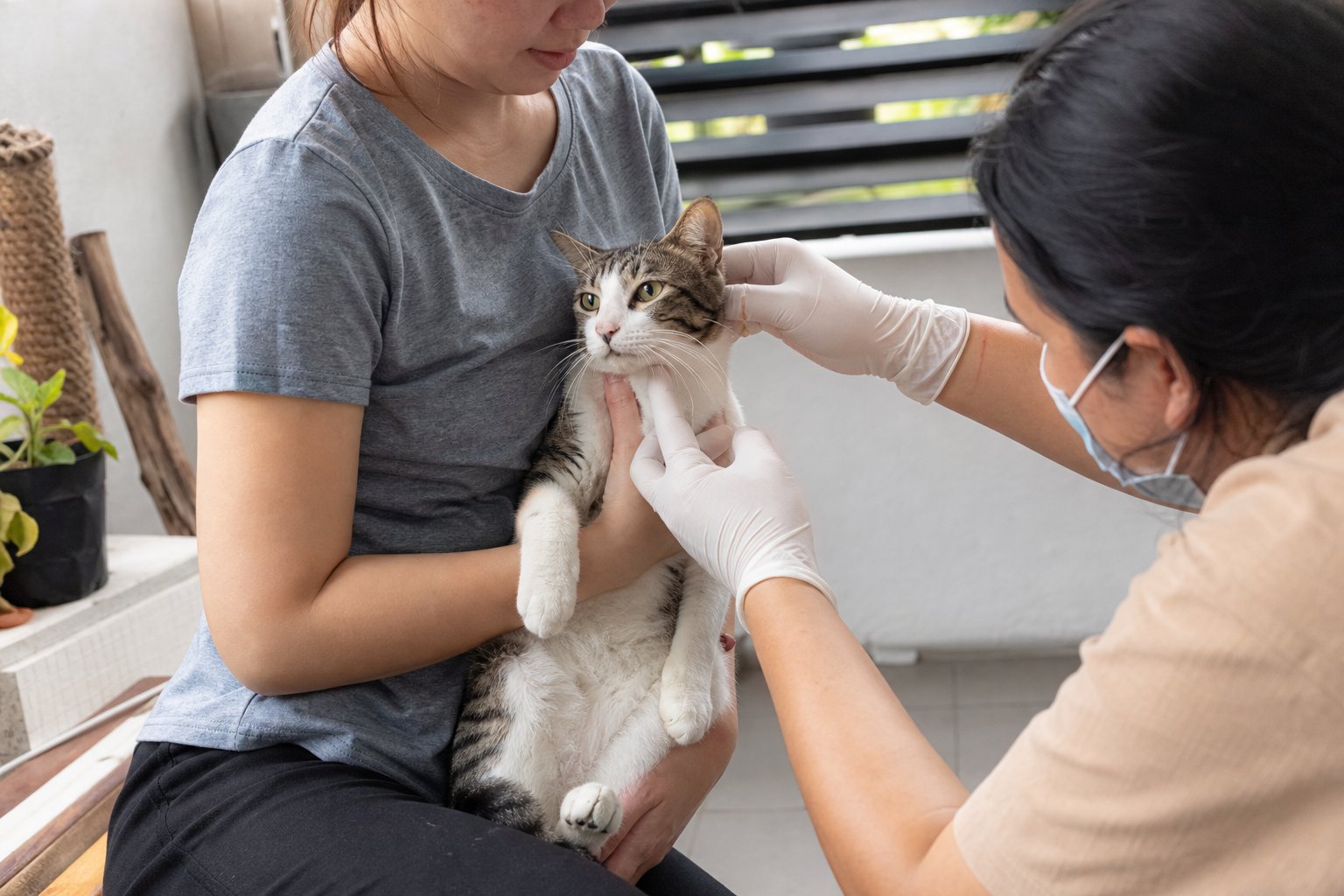
Eye infections in cats are common, and in Malaysia's warm, humid climate they can flare up quickly. The earliest signs are usually watery or sticky discharge, squinting, redness, and pawing at the eye. Some cats also sneeze or have a runny nose. If discharge turns yellow or green, the eye looks swollen, or your cat seems in pain, book a vet visit promptly rather than waiting.
What counts as an eye infection?
"Eye infection" is a broad term. It can mean a bacterial infection, a viral infection such as feline herpesvirus or calicivirus, or a secondary infection on top of an injury, allergy, or blocked tear duct. Many cats with a viral infection develop secondary bacterial infections, which is why discharge may change colour.
It helps to think of eye problems in three groups:
- Infectious: bacteria, viruses, or rarely fungi.
- Non-infectious irritation: dust, smoke, shampoo, or a foreign body.
- Structural or pressure problems: ulcers, eyelid abnormalities, or glaucoma.
Only a vet can tell these apart. Some treatments that help one cause can harm another, especially when an ulcer is present.
The main signs of eye infection in cats
Discharge
Discharge is the most common sign owners notice. Clear and watery discharge can be early or mild. Thick, yellow, green, or grey discharge usually suggests a bacterial component or a worsening problem. Crusting at the inner corner or along the eyelid is also common, especially after sleep.
Squinting and holding the eye shut
A cat with eye pain often squints or keeps the eye closed. This is a protective reflex. If your cat is holding one eye tightly shut, or blinking more than usual, treat it as a sign to get checked.
Redness and swelling
The white of the eye (sclera) or the inner eyelids may look pink or red. The eyelids themselves can swell, making the eye look smaller. Swelling of the conjunctiva, the thin membrane around the eye, is called conjunctivitis and is very common in cats.
Pawing, rubbing, and head rubbing
Cats with irritated eyes often paw at their face or rub their head against furniture. This can worsen the problem by introducing bacteria or causing scratches. A cone collar from a pet shop can help prevent self-trauma while you arrange a vet visit.
Sensitivity to light
Some cats become sensitive to bright light and may seek darker spots. You might notice them squinting more in sunlight or turning away from windows.
Tear staining and wet fur
Excess tears can leave a wet track down the face and brown staining below the eye. In flat-faced breeds, tears may overflow more easily. Persistent wetness can irritate the skin and lead to dermatitis.
Third eyelid showing
The pink membrane at the inner corner of the eye may become more visible. This can happen with eye irritation, but it can also be a sign of other illness, so it is worth mentioning to your vet.
Nasal discharge and sneezing
Many infectious eye problems in cats come with upper respiratory signs. If your cat is sneezing, has a runny nose, or seems congested along with eye discharge, a viral infection is more likely.
Cloudiness or colour change
The eye should be clear. Cloudiness, a blue or white haze, or a change in the colour of the iris is not a typical infection sign and needs prompt vet attention. It can indicate an ulcer, inflammation inside the eye, or increased pressure.
Changes in vision or behaviour
A cat that bumps into things, seems startled, or avoids jumping may be having trouble seeing. Vision changes with eye problems are urgent.
Common causes behind these signs
Viral infections
Feline herpesvirus and calicivirus are widespread. Many cats carry herpesvirus latently and shed it during stress, illness, or after boarding. Viral infections often cause watery discharge, sneezing, and conjunctivitis. They can also cause corneal ulcers, which are painful and need vet treatment.
Bacterial infections
Bacteria such as staphylococci and streptococci can cause primary infections or complicate viral ones. Bacterial infections often produce thicker, coloured discharge.
Foreign bodies and trauma
Dust, grass seeds, sand, or a scratch from another cat can irritate the eye and lead to infection. In Malaysia, outdoor cats may be more exposed to plant material and dust.
Allergies and irritants
Smoke, household sprays, perfumes, and dusty litter can irritate eyes. Allergies often cause clear discharge and redness in both eyes, but they can become infected if the cat rubs.
Eyelid and tear duct problems
Rolled eyelids (entropion), blocked tear ducts, and extra eyelashes can cause chronic irritation and discharge. These are often structural and may need surgical correction.
Dental disease
In cats, upper dental infections can sometimes spread to the eye area. A vet may examine the mouth when an eye problem keeps returning.
How to check your cat's eyes at home
A gentle home check helps you describe the problem to your vet. Do not force anything into the eye.
- Wash your hands before and after handling your cat.
- Use good light. Natural daylight or a torch held to the side works well. Avoid shining directly into the eye.
- Look at both eyes. Compare size, colour, and discharge. Many problems affect one eye first.
- Check the eyelids. Gently part the lids if your cat allows. Look for redness, swelling, or a visible third eyelid.
- Look at the surface. A healthy cornea is clear. Note any cloudiness, blue haze, or visible scratch.
- Check discharge. Note the colour and consistency: clear, watery, thick, yellow, green, or crusty.
- Observe behaviour. Watch for squinting, pawing, light sensitivity, and changes in appetite or activity.
- Take a photo. A clear photo helps your vet see changes over time.
What not to do
- Do not use human eye drops or leftover pet medication.
- Do not wipe the eye with cotton wool that leaves fibres; use a clean, damp cloth or sterile gauze.
- Do not try to remove a foreign body yourself.
- Do not delay if the eye is painful or cloudy.
Comparing common eye signs
The table below is a general guide only. It cannot replace a vet examination.
| Sign | Possible causes | Urgency |
|---|---|---|
| Clear watery discharge, mild redness | Early viral infection, allergy, irritant | See vet if it persists beyond 24–48 hours |
| Thick yellow or green discharge | Bacterial infection, worsening viral infection | See vet promptly |
| Squinting or holding eye shut | Pain, ulcer, foreign body | Same-day vet visit |
| Swollen eyelids | Infection, allergy, trauma | Vet visit within 24 hours |
| Cloudy eye | Ulcer, glaucoma, internal inflammation | Emergency vet visit |
| Third eyelid showing | Irritation, dehydration, other illness | Vet visit |
| Sneezing plus eye discharge | Viral upper respiratory infection | Vet visit |
| One eye affected after being outdoors | Foreign body or trauma | Vet visit |
How vets diagnose eye infections
Your vet will ask about the history: when signs started, whether one or both eyes are affected, whether your cat goes outdoors, and whether other cats in the home are sick. They will examine the eye with a light and may use a fluorescein stain to check for corneal ulcers. This dye temporarily turns damaged areas green under blue light.
Other tests may include tear production measurement, swabs for culture, or pressure measurement if glaucoma is suspected. In some cases, referral to a veterinary ophthalmologist is needed. In Malaysia, specialist services are limited, so your general vet may discuss referral options.
Treatment basics
Treatment depends on the cause. Your vet may prescribe antibiotic drops or ointment for bacterial infection, antiviral medication for herpesvirus, pain relief, or lubricating drops for dry eye. Never use medication prescribed for another pet or a previous episode without vet advice.
If an ulcer is present, some drops can make it worse. This is why a vet examination before treatment matters. For cats with viral infections, reducing stress and keeping them warm and well fed supports recovery. In multi-cat homes, isolate the affected cat and wash bedding and bowls.
Living with a cat with eye problems in Malaysia
Malaysia's climate brings specific challenges. Air conditioning can dry the air indoors, while outdoor humidity and dust can irritate eyes. Cats living in apartments may be exposed to cooking fumes, cleaning sprays, and dusty litter. In terrace houses, cats that go outdoors may encounter plant seeds, insects, and other cats.
Practical steps include:
- Use low-dust litter and avoid strongly scented cleaning products near your cat.
- Keep windows screened to reduce dust and insects.
- Clean your cat's face gently with a damp cloth if discharge builds up.
- Wash hands after handling a sick cat, especially in multi-cat homes.
- Keep vaccinations up to date and discuss feline herpesvirus and calicivirus risks with your vet.
- Reduce stress during boarding or moving house, as stress can trigger viral flare-ups.
When to see a vet
See a vet promptly if you notice any of the following:
- Yellow, green, or thick discharge.
- Squinting or holding the eye shut.
- Redness or swelling that does not settle within a day.
- Cloudiness, colour change, or a visible third eyelid.
- Pawing at the eye or rubbing the face.
- Sneezing, nasal discharge, or loss of appetite.
- Signs in a kitten, an older cat, or a cat with other health problems.
Seek emergency care if the eye is bulging, bleeding, suddenly blind, or if your cat is in obvious severe pain. Eye problems can worsen quickly, and some, such as glaucoma or deep ulcers, can cause permanent damage if untreated.
Prevention and daily care
You cannot prevent every eye infection, but you can lower the risk. Keep your cat's vaccinations current, maintain good nutrition, and manage stress. Groom gently and check eyes during routine handling. If your cat has long hair around the face, keep it trimmed away from the eyes. Avoid letting your cat ride in a car with its head out of the window, and keep household chemicals out of reach.
In multi-cat households, introduce new cats carefully and isolate any cat with discharge or sneezing until a vet has checked them. Wash food bowls and bedding regularly. If your cat has recurring eye problems, ask your vet about underlying causes such as herpesvirus, blocked tear ducts, or eyelid conformation.
Bottom line
Eye infections in cats are common and usually treatable, but they are not a wait-and-see problem. Recognise the signs early, avoid human medications, and get veterinary advice if the eye is painful, cloudy, or producing coloured discharge. In Malaysia's climate, good hygiene and stress management go a long way toward keeping eyes healthy.
This article is general information only and does not replace a veterinary examination. If your cat has an eye problem, consult a licensed veterinarian in Malaysia.
Related reading
- Giving Pills for Cats in Malaysia: A Stress-Free Step-by-Step Guide
- How to Treat Eye Infection in Cats at Home: Safe Steps for Malaysian Owners
- Weight Loss Prevention for Cats: A Practical Malaysian Guide
- Blood Test for Cats Step by Step: What Happens at the Clinic
- Cat Eye Infection Treatment in Malaysia: A Practical Owner's Guide
- Cat Hair Loss Treatment in Malaysia: A Practical Owner's Guide

