
PetChill Pet Encyclopedia
Cat Health

Poisoning in Cats: Causes, Symptoms and Care (Malaysia Guide)

Cats are curious groomers, which makes them vulnerable to everyday poisons at home. This guide explains common toxins, early signs, safe first aid and vet care in Malaysia.

Published: 2026-11-06Β·7 min readΒ·Author: PetChill Editorial
Poisoning in Cats: Causes, Symptoms and Care (Malaysia Guide)

πŸ’‘ Quick Answer

Poisoning in cats happens when they swallow, inhale or touch toxic substances such as lilies, human medicines, insecticides or antifreeze. Signs include vomiting, drooling, tremors and collapse. Remove the source, do not induce vomiting, and contact a vet immediately. Early treatment greatly improves the chance of recovery.

Poisoning in cats: what every Malaysian owner should know

Cats are fastidious groomers and curious explorers. That combination makes them vulnerable to poisons around the home, garden and neighbourhood. A cat may swallow a toxic substance directly, lick it from its fur, or absorb it through the skin. Because cats are smaller than many pets and have different liver enzymes, some substances that are mild for humans or dogs can be serious for them.

This guide explains the common causes of poisoning in cats, the signs to watch for, safe first steps at home, and when to seek veterinary care. It is written for Malaysian cat owners living in apartments, terrace houses and rural areas, where the risks can differ.

Common causes of poisoning in cats

Toxic plants

Plants are a major culprit, especially indoor and balcony plants. Lilies are particularly dangerous: even small exposures to Easter, tiger, Asiatic and some day lilies can cause severe kidney failure in cats. Other risky plants include sago palm, oleander, azalea, rhododendron, tulip bulbs, daffodil bulbs, dieffenbachia and pothos. Cats may chew leaves, bathe in pollen or drink water from a vase holding cut flowers.

Human medicines

Many common painkillers are toxic to cats. Paracetamol (acetaminophen) can damage red blood cells and the liver. Ibuprofen and naproxen can cause stomach ulcers and kidney damage. Aspirin is also risky. Never give human medicine to a cat without veterinary advice. Cats may also lick spilled pills or gel capsules from the floor.

Dog flea and tick products

Products containing permethrin or other pyrethroids are often used on dogs but are highly toxic to cats. Cats can be poisoned by direct application, by licking a treated dog, or by sharing bedding. Always read labels and keep dog products away from cats.

Household cleaners and chemicals

Bleach, drain cleaners, oven cleaners, disinfectants, paint thinners and antifreeze are all hazardous. Cats may walk through spills and then groom their paws. Antifreeze (ethylene glycol) has a sweet taste and even a small amount can cause fatal kidney damage.

Insecticides and rodenticides

Cockroach sprays, ant baits, mosquito coils and rodent poisons pose risks. Cats can ingest bait directly or eat poisoned rodents. Secondary poisoning is a real concern. Store chemicals in closed cabinets and use pet-safe alternatives where possible.

Human foods

Chocolate, onions, garlic, chives, grapes, raisins, alcohol, caffeine and xylitol (a sweetener) are toxic to cats. Some cats are attracted to milk and dairy, which can cause digestive upset rather than true poisoning, but it is best to avoid.

Essential oils and home fragrances

Many essential oils, including tea tree, eucalyptus, peppermint, citrus and pine, are toxic to cats. Diffusers, potpourri and concentrated oils can cause drooling, tremors and liver problems. Cats lack certain liver enzymes to metabolise these compounds.

Other hazards

Batteries, coins, zinc, lead, slug bait, compost, mouldy food and some garden fertilisers can also poison cats. Even some β€œnatural” remedies and herbal supplements are unsafe.
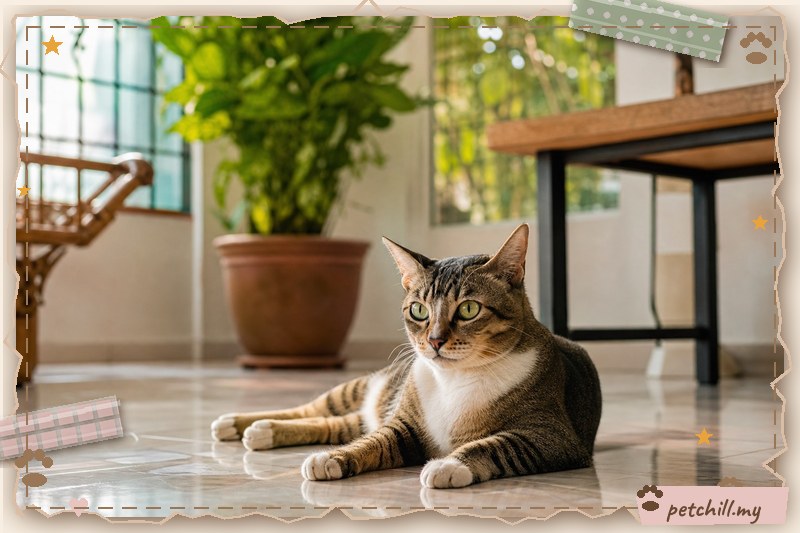
Common causes of poisoning in cats

Signs of poisoning in cats

Signs vary with the toxin, dose and time since exposure. Watch for:

  • Vomiting or diarrhoea
  • Drooling or foaming at the mouth
  • Loss of appetite or refusal to drink
  • Lethargy, weakness or collapse
  • Tremors, seizures or twitching
  • Difficulty breathing or rapid breathing
  • Pale, yellow or brown gums
  • Increased thirst and urination, or reduced urination
  • Swelling of the face or paws
  • Burns or redness around the mouth or skin
  • Unusual behaviour, confusion or hyperactivity

Some poisons cause delayed signs. For example, lily poisoning may not show until kidney damage is advanced. If you suspect exposure, do not wait for symptoms.

What to do if you suspect poisoning

  1. Stay calm and protect yourself. Wear gloves if handling the substance.
  2. Remove your cat from the source. Move it to a safe, ventilated area.
  3. Prevent grooming. If poison is on the fur or paws, rinse with lukewarm water and mild pet-safe soap if advised by a vet. Do not use harsh chemicals.
  4. Collect information. Keep the packaging, plant material, vomit or a sample of the substance. Note the time of exposure and estimated amount.
  5. Call your vet or an emergency clinic immediately. Describe the product and your cat’s weight and signs.
  6. Do not induce vomiting unless a vet tells you to. Some substances cause more damage when brought up, and cats can aspirate vomit into the lungs.
  7. Do not give food, milk or home remedies unless instructed. Milk does not neutralise poison and may worsen some cases.
  8. Bring your cat in promptly. Time matters for decontamination and antidotes.
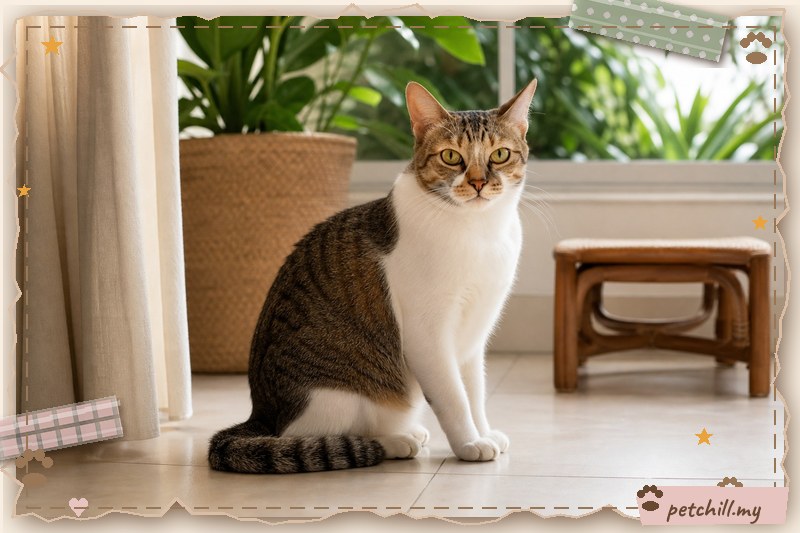
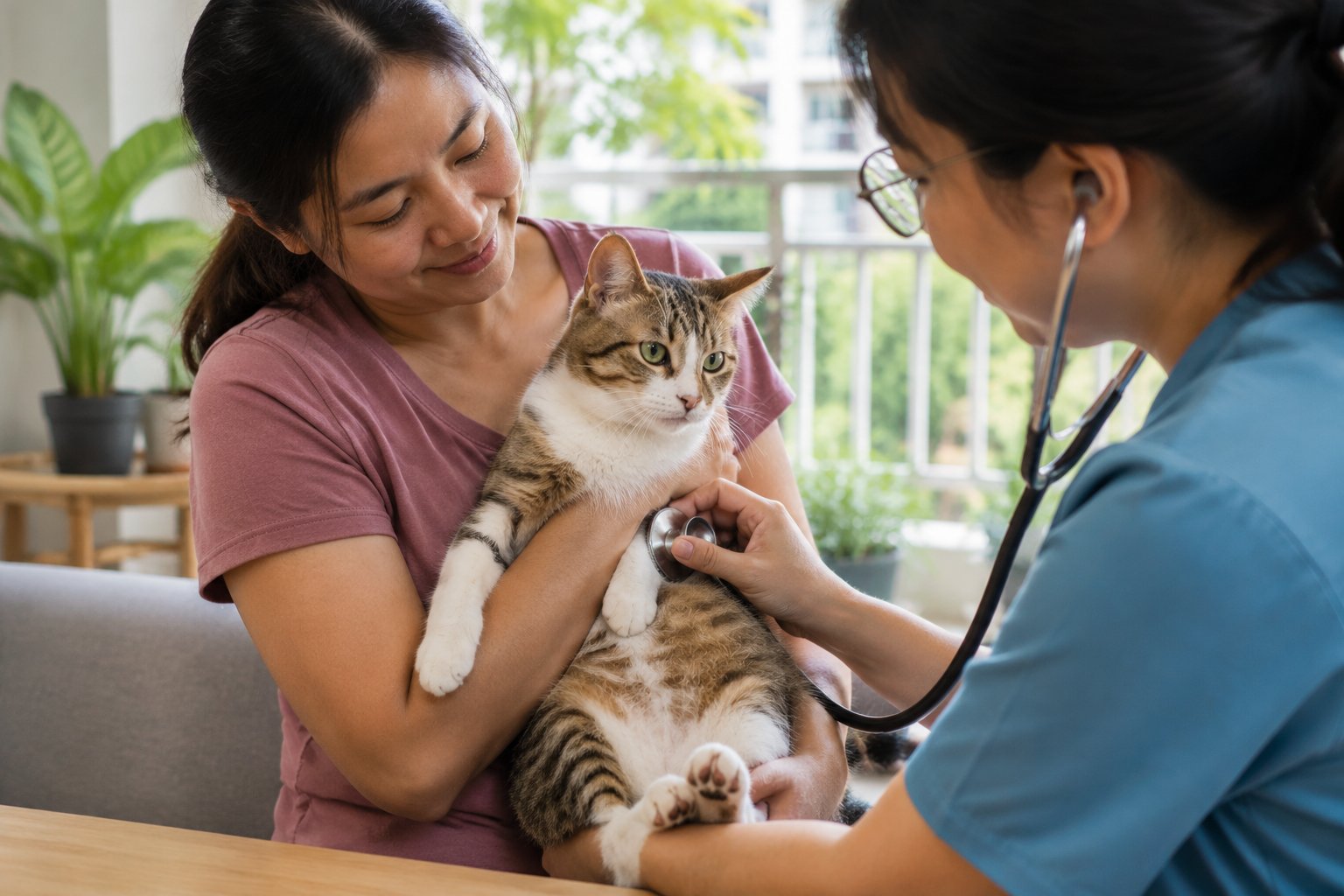
What to do if you suspect poisoning

Diagnosis and treatment at the vet

Your vet will take a history, examine your cat and may run blood tests, urine tests, X-rays or ultrasound. Treatment depends on the poison and may include:

  • Inducing vomiting under controlled conditions (only if safe and recent)
  • Activated charcoal to bind certain toxins
  • Intravenous fluids to support kidneys and circulation
  • Medications for seizures, pain or nausea
  • Antidotes for specific poisons, where available
  • Oxygen therapy or breathing support
  • Surgery in rare cases, such as removing a foreign object

Hospitalisation may be needed for monitoring. Some cats recover quickly; others need days of supportive care.

Preventing poisoning at home

In the kitchen

  • Store medicines in closed cabinets, not on counters.
  • Keep human foods out of reach; secure bins.
  • Avoid feeding table scraps.
  • Clean spills immediately.

In the bathroom and laundry

  • Keep cleaners, bleach and detergents in locked cupboards.
  • Close toilet lids; some cleaners leave residue.
  • Store antifreeze and car products safely.

In the garden and balcony

  • Remove toxic plants or place them where cats cannot reach.
  • Avoid slug bait and rodenticides; use traps or professional help.
  • Check for mushrooms after rain.

Around the home

  • Use pet-safe cleaning products where possible.
  • Avoid essential oil diffusers and potpourri.
  • Keep batteries, coins and small objects away.
  • Read labels on flea and tick products; never use dog products on cats.

For Malaysian homes

In Kuala Lumpur apartments, balcony plants and open windows can expose cats to toxic ornamentals and neighbourhood pest control. In Johor terrace houses, gardens and carports may harbour snail bait, antifreeze drips and rodent bait. During the Penang rainy season, mushrooms and mouldy compost can appear in gardens, and damp conditions may lead to more insecticide use.
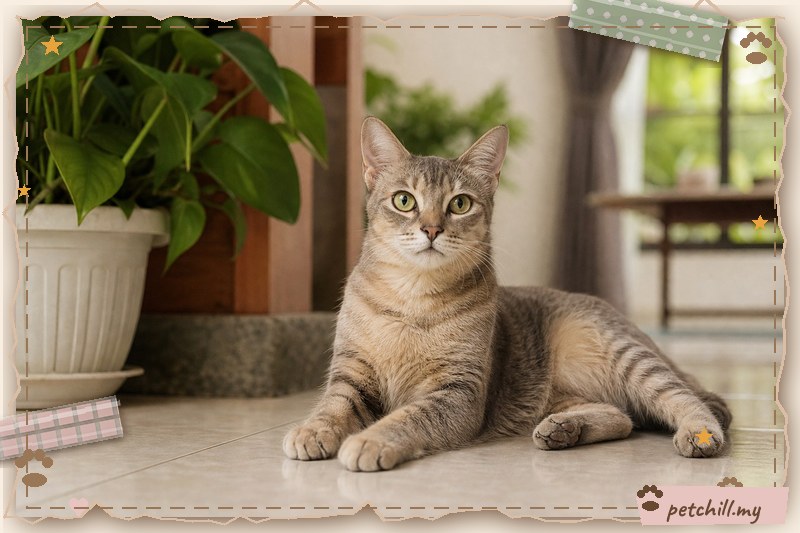
Preventing poisoning at home

Comparison table: common toxins and key risks

Toxin Common source Key risks Immediate action
Lilies Bouquets, balcony plants Kidney failure Remove exposure, vet immediately
Paracetamol Human painkillers Blood damage, liver failure Vet immediately; do not wait
Permethrin Dog flea products Tremors, seizures Wash if on skin (vet advice), vet now
Antifreeze Car radiators, spills Fatal kidney damage Vet immediately; antidote time-sensitive
Rodenticides Baits, poisoned rodents Bleeding, neurological signs Vet immediately; bring packaging
Chocolate Snacks, baking Heart rhythm, seizures Call vet; amount matters
Essential oils Diffusers, potpourri Drooling, tremors, liver Remove source, ventilate, vet
Household cleaners Kitchen, bathroom Burns, vomiting Rinse if advised, vet

When to see a vet

Seek veterinary care immediately if your cat shows any of the following:

  • Known or suspected exposure to a toxic substance
  • Vomiting, drooling or diarrhoea that persists
  • Tremors, seizures or collapse
  • Difficulty breathing
  • Pale, yellow or brown gums
  • Swelling of the face or paws
  • Burns around the mouth or skin
  • Increased thirst and urination, or no urination
  • Lethargy or loss of appetite

Do not wait for signs to worsen. Early treatment is often simpler and more successful.
When to see a vet

Frequently asked questions

What are the most common causes of poisoning in cats? Common causes include lilies and other toxic plants, human painkillers, dog flea and tick products, household cleaners, insecticides, antifreeze, rodent bait and human foods like chocolate, onions and grapes. Cats are also poisoned by licking treated surfaces or grooming contaminated fur.

What should I do first if I think my cat has been poisoned? Move your cat away from the poison, remove any contaminated material from its fur or mouth, and collect the packaging or a sample if safe. Do not induce vomiting. Call your vet or an emergency clinic immediately for instructions.

Can I make my cat vomit at home? No. Never induce vomiting unless a veterinarian specifically instructs you to do so. Some poisons cause more harm when vomited, and cats can choke or inhale vomit. Always follow professional advice.

Are lilies really dangerous to cats? Yes. Many lily species, including Easter, tiger and Asiatic lilies, can cause severe kidney failure in cats even after small exposures such as nibbling leaves or licking pollen. Keep lilies out of cat-accessible areas entirely.

How long does it take for poisoning signs to appear in cats? It varies by toxin. Some signs appear within minutes, such as drooling after tasting a bitter substance, while others like kidney damage from lilies may take 12 to 72 hours. If you suspect exposure, seek advice even if your cat seems fine.

Can poisoning in cats be treated successfully? Yes, many cats recover with prompt veterinary care. Treatment may include decontamination, activated charcoal, intravenous fluids, anti-seizure medication and supportive care. The outcome depends on the toxin, dose and how quickly treatment starts.

Vet disclaimer

This article is for general information only and does not replace professional veterinary advice. If you suspect your cat has been poisoned, contact a licensed veterinarian immediately. Always follow your vet’s instructions regarding first aid and treatment.

Frequently Asked Questions

πŸ“Œ Key Takeaways

  • This article covers: Poisoning in cats: what every Malaysian owner should know, Common causes of poisoning in cats, Signs of poisoning in cats, What to do if you suspect poisoning, Diagnosis and treatment at the vet, and more
  • Jump to any section via the table of contents for the key details
  • If in doubt, consult a registered veterinarian

Explore this topic cluster

This guide belongs to a Malaysia-focused topic cluster. Read the pillar guide and related articles.

View cluster β†’

πŸ“š Cat Health article index

This article is part of the Cat Health topic cluster. Explore related articles:

⭐ Pillar guide: Cat Health complete guideBlood Test for Cats in Malaysia: What It Checks, Costs and When You Need Oneβ†’ ReadBlood Test for Cats Step by Step: What Happens at the Clinicβ†’ ReadBlood Test for Cats: What to Expect (Malaysian Owner's Guide)β†’ ReadCat Constipation Treatment in Malaysia: A Practical Owner's Guideβ†’ ReadCat Dental Pain Treatment in Malaysia: A Practical Owner's Guideβ†’ ReadCat Diarrhea Treatment in Malaysia: A Practical Owner's Guideβ†’ ReadCat Ear Mites Treatment in Malaysia: A Complete Owner's Guideβ†’ ReadCat Eye Infection Treatment in Malaysia: A Practical Owner's Guideβ†’ ReadCat Fleas Treatment in Malaysia: A Practical Owner's Guideβ†’ ReadCat Hair Loss Treatment in Malaysia: A Practical Owner's Guideβ†’ ReadCat Licking Wounds: Why It Happens and How to Treat It in Malaysiaβ†’ ReadCat Poisoning Treatment in Malaysia: What to Do, What to Expect, and How to Prevent Itβ†’ ReadCat Ringworm Treatment in Malaysia: A Practical Owner's Guideβ†’ ReadCat Skin Fungus Treatment in Malaysia: A Practical Owner's Guideβ†’ ReadCat Sneezing Blood: Causes, Treatment and When to See a Vet in Malaysiaβ†’ ReadCat Vomiting Treatment in Malaysia: What to Do and When to See a Vetβ†’ ReadCat Weight Loss Treatment in Malaysia: A Practical Guide for Ownersβ†’ ReadCat Worms Treatment in Malaysia: A Practical Owner's Guideβ†’ ReadChocolate Poisoning and Cats in Malaysia: What Every Owner Should Knowβ†’ ReadConstipation in Cats: Causes, Care and When to See a Vet in Malaysiaβ†’ ReadConstipation in Cats in Malaysia: Causes, Signs and What to Doβ†’ ReadConstipation Prevention for Cats: A Practical Guide for Malaysian Ownersβ†’ ReadDental Pain in Cats: Causes, Signs and Care (Malaysia Guide)β†’ ReadDental Pain in Cats in Malaysia: Signs, Causes and What to Doβ†’ ReadDental Pain Prevention for Cats: A Practical Malaysian Guideβ†’ ReadDeworming Schedule for Cats in Malaysia: A Practical, Vet-Led Guideβ†’ ReadDeworming Schedule for Cats: A Step-by-Step Plan for Malaysian Ownersβ†’ ReadDeworming Schedule for Cats: What to Expect (Malaysia Guide)β†’ ReadDiarrhea in Cats: Causes and Care (Malaysian Owner's Guide)β†’ ReadDiarrhea in Cats in Malaysia: Causes, Home Care and When to See a Vetβ†’ ReadDiarrhea Prevention for Cats: A Practical Guide for Malaysian Ownersβ†’ ReadE-Collar Recovery for Cats in Malaysia: A Practical Guide for Ownersβ†’ ReadE-Collar Recovery for Cats Step by Step: A Practical Guide for Malaysian Ownersβ†’ ReadE-Collar Recovery for Cats: What to Expect (Malaysia Guide)β†’ ReadEar Mites in Cats: Causes and Care (Malaysia Guide)β†’ ReadEar Mites in Cats in Malaysia: Signs, Treatment and Preventionβ†’ ReadEar Mites Prevention for Cats: A Practical Malaysian Guideβ†’ ReadElectrical Cables and Cats in Malaysia: A Practical Safety Guideβ†’ ReadEye Infection in Cats: Causes and Care (Malaysia Guide)β†’ ReadEye Infection in Cats in Malaysia: Causes, Signs, Treatment & Preventionβ†’ ReadEye Infection Prevention for Cats: A Practical Malaysian Guideβ†’ ReadFans and Air Conditioning for Cats in Malaysia: A Practical Comfort Guideβ†’ ReadFlea Treatment for Cats in Malaysia: A Complete Guideβ†’ ReadFlea Treatment for Cats Step by Step: A Practical Malaysian Guideβ†’ ReadFlea Treatment for Cats: What to Expect (Malaysia Guide)β†’ ReadFleas in Cats: Causes and Care (Malaysia Guide)β†’ ReadFleas in Cats in Malaysia: Signs, Treatment and Preventionβ†’ ReadFleas Prevention for Cats in Malaysia: A Practical, Year-Round Planβ†’ ReadGiving Pills for Cats in Malaysia: A Stress-Free Step-by-Step Guideβ†’ ReadGiving Pills for Cats Step by Step: A Calm, Practical Guide for Malaysian Ownersβ†’ ReadGiving Pills for Cats: What to Expect (Malaysian Owner's Guide)β†’ ReadHair Loss in Cats: Causes and Care (Malaysian Owner's Guide)β†’ ReadHair Loss in Cats in Malaysia: Causes, Home Checks and When to See a Vetβ†’ ReadHair Loss Prevention for Cats: A Practical Grooming and Health Guideβ†’ ReadHousehold Cleaning Products and Cats in Malaysia: A Safety Guideβ†’ ReadHow to Prevent Chocolate Poisoning Around Cats: A Practical Guide for Malaysian Homesβ†’ ReadHow to Prevent Electrical Cables Around Cats: A Practical Safety Guide for Malaysian Homesβ†’ ReadHow to Prevent Fan and Aircond Problems Around Cats: A Malaysian Home Guideβ†’ ReadHow to Prevent Household Cleaning Products Around Cats: A Practical Safety Guide for Malaysian Homesβ†’ ReadHow to Prevent Lily Poisoning Around Cats: A Practical Safety Guide for Malaysian Homesβ†’ ReadHow to Prevent Open Windows Around Cats: A Practical Safety Guide for Malaysian Homesβ†’ ReadHow to Prevent Paracetamol Poisoning Around Cats: A Malaysian Safety Guideβ†’ ReadHow to Prevent Plastic Bags Around Cats: A Practical Safety Guide for Malaysian Homesβ†’ ReadHow to Treat Constipation in Cats at Home: A Practical Malaysian Guideβ†’ ReadHow to Treat Dental Pain in Cats at Home: Safe Relief and When to See a Vetβ†’ ReadHow to Treat Diarrhea in Cats at Home: A Practical Malaysian Guideβ†’ ReadHow to Treat Ear Mites in Cats at Home: A Practical Malaysian Guideβ†’ ReadHow to Treat Eye Infection in Cats at Home: Safe Steps for Malaysian Ownersβ†’ ReadHow to Treat Fleas in Cats at Home: A Practical Malaysian Guideβ†’ ReadHow to Treat Hair Loss in Cats at Home: A Practical Malaysian Guideβ†’ ReadHow to Treat Licking Wounds in Cats at Home: A Practical Guide for Malaysian Ownersβ†’ ReadHow to Treat Poisoning in Cats at Home: First Aid, Safe Steps and When to Rush to the Vetβ†’ ReadHow to Treat Ringworm in Cats at Home: A Practical Guide for Malaysian Ownersβ†’ ReadHow to Treat Skin Fungus in Cats at Home: A Practical Malaysian Guideβ†’ ReadHow to Treat Sneezing Blood in Cats at Home: Safe First Steps for Malaysian Ownersβ†’ ReadHow to Treat Vomiting in Cats at Home: A Practical Malaysian Guideβ†’ ReadHow to Treat Weight Loss in Cats at Home: A Practical Guide for Malaysian Ownersβ†’ ReadHow to Treat Worms in Cats at Home: A Practical, Safe Guide for Malaysian Ownersβ†’ ReadLicking Wounds in Cats: Causes and Care (Malaysian Vet Guide)β†’ ReadLicking Wounds in Cats Malaysia: When It's Normal and When to Stop Itβ†’ ReadLicking Wounds Prevention for Cats: How to Stop the Lick Cycle and Let Skin Healβ†’ ReadLily Poisoning and Cats in Malaysia: Why Every Petal Is an Emergencyβ†’ ReadOpen Windows and Cats in Malaysia: How to Keep Your Cat Safe Without Locking Up the Houseβ†’ ReadParacetamol Poisoning in Cats in Malaysia: Why Even One Tablet Can Be Deadlyβ†’ ReadPlastic Bags and Cats in Malaysia: Why They're Dangerous and How to Keep Your Cat Safeβ†’ ReadPoisoning in Cats in Malaysia: Common Toxins, Signs and What to Doβ†’ ReadPoisoning Prevention for Cats in Malaysia: A Room-by-Room Safety Guideβ†’ ReadRingworm in Cats: Causes, Symptoms and Care (Malaysia Guide)β†’ ReadRingworm in Cats in Malaysia: Signs, Treatment and Preventionβ†’ ReadRingworm Prevention for Cats in Malaysia: A Practical, Vet-Informed Guideβ†’ ReadSigns of Constipation in Cats in Malaysia: What to Watch For and When to Actβ†’ ReadSigns of Dental Pain in Cats in Malaysia: What Owners Missβ†’ ReadSigns of Diarrhea in Cats in Malaysia: What's Normal, What's Notβ†’ ReadSigns of Ear Mites in Cats in Malaysia: How to Spot, Treat and Prevent Themβ†’ ReadSigns of Eye Infection in Cats in Malaysia: What Owners Should Look Forβ†’ ReadSigns of Fleas in Cats in Malaysia: How to Spot, Check and Actβ†’ ReadSigns of Hair Loss in Cats in Malaysia: What to Look For and When to Worryβ†’ ReadSigns of Licking Wounds in Cats Malaysia: How to Spot Problem Lickingβ†’ ReadSigns of Poisoning in Cats in Malaysia: What to Watch For and What to Doβ†’ ReadSigns of Ringworm in Cats in Malaysia: What Owners Should Look Forβ†’ ReadSigns of Skin Fungus in Cats in Malaysia: How to Spot Ringworm Earlyβ†’ ReadBlood in a Cat's Sneeze: Signs, Causes and What to Do in Malaysiaβ†’ ReadSigns of Vomiting in Cats in Malaysia: What's Normal, What's Not, and When to See a Vetβ†’ ReadSigns of Weight Loss in Cats in Malaysia: What to Watch For and When to Worryβ†’ ReadSigns of Worms in Cats in Malaysia: What Owners Should Look Forβ†’ ReadSkin Fungus in Cats: Causes, Signs and Care (Malaysia Guide)β†’ ReadSkin Fungus in Cats in Malaysia: Ringworm Signs, Treatment and Preventionβ†’ ReadSkin Fungus Prevention for Cats: A Practical Guide for Malaysian Homesβ†’ ReadSneezing Blood in Cats: Causes and Care (Malaysia Guide)β†’ ReadSneezing Blood in Cats in Malaysia: Causes, What to Do, and When to See a Vetβ†’ ReadSneezing Blood Prevention for Cats: Causes, Care and When to Worryβ†’ ReadSterilization for Cats in Malaysia: A Complete Guide for Ownersβ†’ ReadSterilization for Cats Step by Step: A Malaysian Owner's Guideβ†’ ReadSterilisation for Cats: What to Expect (Malaysian Owner's Guide)β†’ ReadUltrasound for Cats in Malaysia: What It Is, When It's Needed, and What to Expectβ†’ ReadUltrasound for Cats Step by Step: What Happens, What It Costs, and How to Prepareβ†’ ReadUltrasound for Cats: What to Expect (Malaysian Owner's Guide)β†’ ReadVaccination Side Effects for Cats in Malaysia: What's Normal, What's Notβ†’ ReadVaccination Side Effects for Cats: A Step-by-Step Guide for Malaysian Ownersβ†’ ReadCat Vaccination Side Effects: What Malaysian Owners Should Expectβ†’ ReadVomiting in Cats: Causes and Care (Malaysia Guide)β†’ ReadVomiting in Cats in Malaysia: When It's Normal and When to Worryβ†’ ReadVomiting Prevention for Cats: A Practical Guide for Malaysian Ownersβ†’ ReadWeight Loss in Cats: Causes and Care (Malaysian Vet Guide)β†’ ReadWeight Loss in Cats in Malaysia: Causes, Warning Signs and What to Doβ†’ ReadWeight Loss Prevention for Cats: A Practical Malaysian Guideβ†’ ReadWorms in Cats: Causes and Care (Malaysia Vet Guide)β†’ ReadWorms in Cats in Malaysia: A Practical Owner's Guideβ†’ ReadWorms Prevention for Cats in Malaysia: A Complete Guideβ†’ ReadWound Care for Cats in Malaysia: A Practical Owner's Guideβ†’ ReadWound Care for Cats Step by Step: A Practical Malaysian Guideβ†’ ReadWound Care for Cats: What to Expect, Step by Stepβ†’ ReadX-Ray for Cats in Malaysia: What to Expect, Costs and Safetyβ†’ ReadX-Ray for Cats Step by Step: What Malaysian Owners Should Expectβ†’ ReadX-Ray for Cats: What to Expect (Malaysian Owner's Guide)β†’ ReadArthritis Pet Care in Malaysia: A Practical Guide for Cats and Dogsβ†’ ReadCat Arthritis in Malaysia: 5 Home Signs Your Cat Is in Pain β€” and What to Doβ†’ ReadEarly Signs of Chronic Disease in Cats: 7 Daily Checks and a 4-Week Record Sheetβ†’ ReadCat Chronic Kidney Disease in Malaysia: The Daily Care Routine That Actually Slows It Downβ†’ ReadCat Constipation in Malaysia: The 48-Hour Rule, Red Flags and What Actually Helpsβ†’ ReadCat Dehydration in Malaysia: Home Skin-Turgor Test, 7 Causes and Emergency Signsβ†’ ReadCat Heart Disease in Malaysia: Sleep Breathing Count, HCM Early Signs and When to Rush to the Vetβ†’ ReadCat Kidney Disease in Malaysia: Early Signs, Prevention and Everyday Careβ†’ ReadCat Pancreatitis in Malaysia: Symptoms, fPLI Testing, Treatment and Home Recoveryβ†’ ReadCat Ringworm in Malaysia: Signs, Treatment and Home Cleaning Guideβ†’ ReadCat Symptom Checker Malaysia: 12 Common Signs and a Green-Amber-Red Triage Tableβ†’ ReadPet Deworming in Malaysia: How Often to Worm Your Cat or Dogβ†’ ReadPet Gut Health in Malaysia: Probiotics, Food Transitions and Stool Troubles (Part 2)β†’ ReadCat Gut Health: Probiotics, Antibiotics and Food Transitions Explained (Malaysia)β†’ ReadPet Health Malaysia 2026: Common Cat and Dog Illnesses, Prevention Care and Vet Guidanceβ†’ ReadPet Insurance in Malaysia: How to Compare Plans Before You Signβ†’ ReadPet Poisoning at Home: Household Chemicals, Toxic Plants and When Not to Induce Vomiting (Malaysia)β†’ ReadPet Poisoning at Home: Household Chemicals, Insecticides and Toxic Plants (Malaysia, Part 1)β†’ ReadCat Chronic Disease Early Signs in Malaysia: 7 Daily Checks and a 4-Week Logβ†’ ReadCat Health Guide Malaysia: Symptom Check, Red-Flag Triage & When to See a Vetβ†’ ReadCat Ringworm in Malaysia: Symptoms, Treatment and Home Cleaning Guideβ†’ ReadGut Health, Probiotics & Food Transition Part 2: Practical Malaysia Guideβ†’ ReadPet Health in Malaysia: A Practical Prevention Guide for Cats and Dogsβ†’ Read