
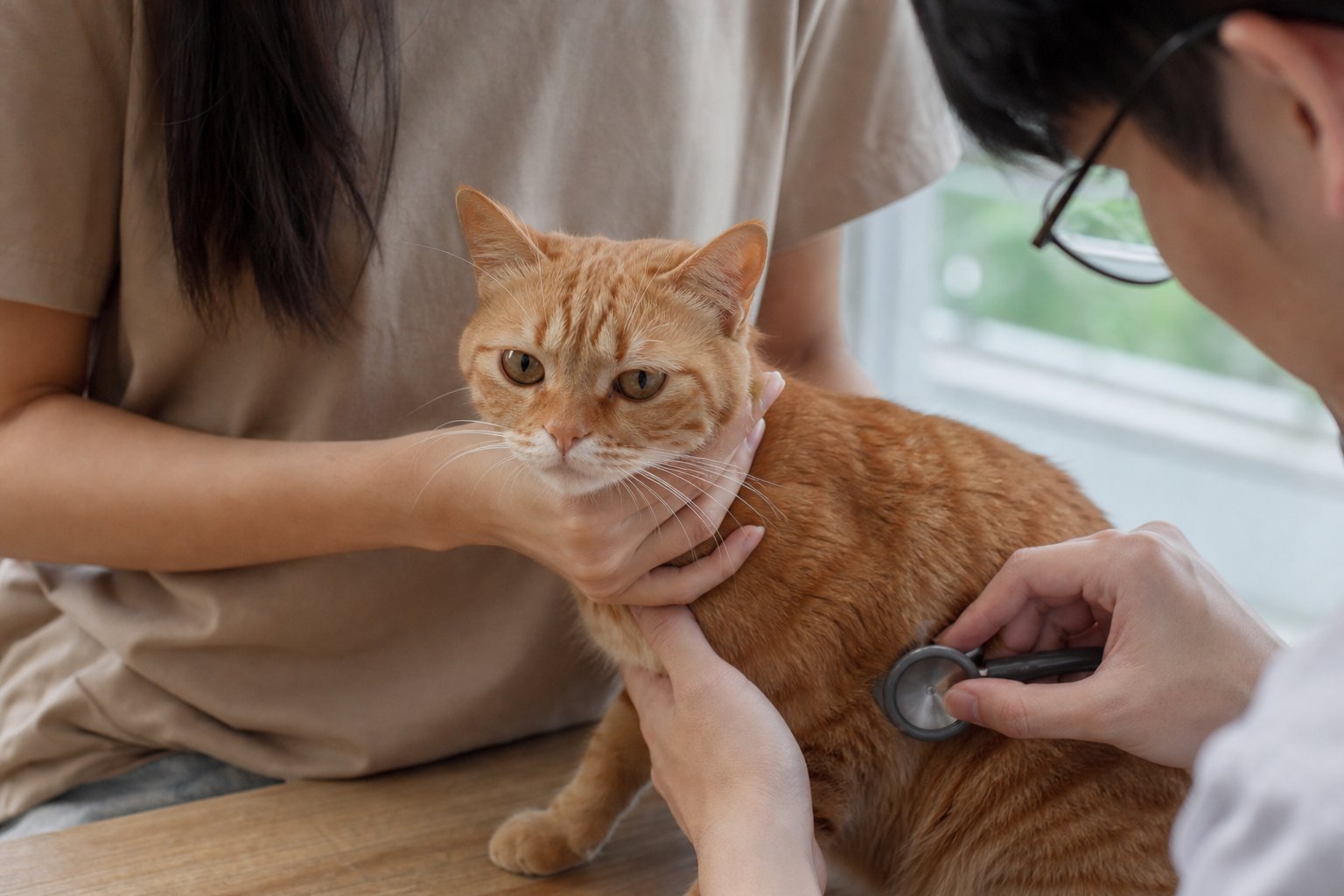
If you suspect your cat or dog has swallowed a household chemical, been sprayed with insecticide or eaten a suspicious plant, do three things now: move your pet away from the source, keep the product packaging or a photo of the plant, and call a vet. Never induce vomiting, never force water or milk, and never give human medicine. Seizures, collapse, breathing difficulty or repeated vomiting mean go to a clinic immediately, not tomorrow.
Why the home is the most common poisoning site
Most poisoning cases start in the kitchen, bathroom or balcony rather than outdoors. Cleaning sprays sit in low cupboards, insecticide baits hide behind the sofa, and pots of jasmine or aloe sit exactly at nose height for a curious cat. Cats and dogs lick their paws and fur constantly, so a surface that merely looks dry may still leave chemical residue on the coat that gets swallowed during grooming.
The rule for every household toxin is the same: remove, record, call a vet. Remove the product or plant from reach, record what was eaten, roughly how much, at what time, and your pet's weight, then call a vet for a decision on treatment. Inducing vomiting, stomach pumping and any antidote are veterinary decisions, not owner decisions.
Three risk groups are worth separating:
- Corrosive items — chlorine bleach, drain cleaners and strong alkalis. These burn the mouth, throat and stomach on contact.
- Irritant gases — formed when incompatible cleaners are mixed, or released from aerosols and coils. These hit the lungs first.
- Pesticides and insecticides — absorbed through the lungs, skin or gut, and often affecting the nervous system.
Cleaning chemicals: bleach, vinegar and the never-mix rule
Chlorine bleach and acidic cleaners such as white vinegar or citric acid must never be used one after the other in the same room. Mixing them releases chlorine gas and other irritant fumes. In a small, poorly ventilated space the concentration builds quickly, and because pets stay close to the floor they inhale more of it than a standing adult.
A safe cleaning routine looks like this:
- Move pets to another room, or out of the home, before you start.
- Open every window and switch on the exhaust fan.
- Use one product at a time — never blend, never layer them.
- Wipe the surface again with plain water afterwards.
- Let everything dry fully and the smell clear before pets return.
- Wash food bowls and water bowls with plain water after nearby spraying.
Residue left on the floor is an overlooked risk. Vinegar residue is not highly toxic by itself, but the smell and dampness irritate airways, and a dog crossing a damp floor then licks its paws clean. Pets with a history of skin disease or chronic airway problems are more sensitive, so ask your vet before scheduling a deep clean.
| Household chemical | Typical route of exposure | Signs to watch for | What to do |
|---|---|---|---|
| Chlorine bleach, mould removers, some disinfectants | Licking floors or cloths, licking paws, inhaling spray mist, drinking from an unwashed bowl | Drooling, vomiting, mouth pain, coughing, low energy | Remove pet, ventilate, keep packaging, call a vet; do not induce vomiting |
| White vinegar and acidic descalers | Licking residue, inhaling fumes, prolonged skin contact | Watery eyes, coughing, reddened skin, tummy upset | Rinse with plain water, dry fully, call a vet if signs appear |
| Vinegar mixed with bleach | Breathing irritant gas during cleaning | Coughing, rapid breathing, watery eyes, dullness | Get the pet out at once, open all windows; treat breathing signs as an emergency |
| Drain cleaners, strong alkalis | Licking the bottle rim or splashes on fur | Severe drooling, difficulty swallowing, mouth burns | Emergency case — go to a vet now; do not rinse, feed or give anything by mouth |
| Skincare products with salicylic acid | Licking treated skin, chewing a bottle | Vomiting, lethargy, abnormal breathing or temperature | Store in closed drawers; call a vet on any contact |
Insecticides: exposure routes and when to call
Insecticides are among the most toxic items kept in a typical home, and the exposure routes are wider than most owners assume: sprays, coils and liquid vaporisers, ant and cockroach bait stations, spot-on treatments, medicated shampoos, garden sprays, and floors that were treated but have not yet dried.
Absorption speed depends on the formulation, the route and the surface. Inhalation and contact with mucous membranes are fastest; skin absorption is slower but continues as long as the chemical stays on the coat; licking sends it through the gut. There is no useful "wait a few hours and see" test. The decision rule is simple: confirmed contact or any symptoms — either one alone is enough to call a vet.
While a spray or fogging treatment is being applied, and afterwards, keep pets in another room or off the premises. Let them back only when surfaces are dry, ventilation is good and the smell has gone. Fish tanks and bird cages are especially sensitive to aerosols and must be fully isolated.
| Insecticide type | Main exposure route | During and after use | Seek a vet immediately if |
|---|---|---|---|
| Sprays, coils, liquid vaporisers | Inhaling mist or vapour, licking settled residue | Pet out of the room, windows open, return only when dry | Coughing, rapid breathing, drooling, dullness |
| Ant or cockroach bait stations | Biting open the bait, licking gel | Placed where pets cannot reach, collected after use | Drooling, vomiting, tremors, seizures |
| Spot-on treatments, medicated shampoos | Skin absorption, licking the treated area | Follow label or vet instructions; prevent licking until dry | Unsteady walking, dilated pupils, skin swelling |
| Garden and balcony sprays | Licking leaf residue, licking paws | Keep pets off the balcony or planters until safe | Vomiting, diarrhoea, tremors, pupil changes |
Rainy seasons in Penang and other northern states drive more mosquito and ant activity indoors, which is exactly when coils, sprays and baits appear on shop shelves. Plan ahead: carry out treatments when nobody and no pet is home, ventilate thoroughly, and confine the cat to one dry room well away from treated areas.
Toxic plants: jasmine, aloe, avocado and the high-risk list
Potted plants are a favourite hazard because cats chew leaves, bat at the soil and drink from vase water. Several common ones deserve attention:
- Jasmine — potentially toxic to cats, with the leaves and flowers carrying the main risk. Ingestion may cause gastrointestinal upset and neurological signs. Jasmine essential oils, diffusers and scented products are worse, because cats have a limited ability to metabolise these compounds. Long-term effects depend on dose and frequency, so never judge severity yourself.
- Aloe — contains anthraquinone compounds; eating the flesh or skin can trigger vomiting and diarrhoea. Aloe gels made for skincare often contain added ingredients and should also be kept out of reach.
- Avocado — the skin, leaves, pit and the plant itself pose risks to cats, dogs, birds and rabbits, and the flesh should not be offered either. Watch for vomiting, diarrhoea, low energy and breathing changes. A swallowed pit also raises the risk of a gut blockage.
- Lilies, dieffenbachia and similar foliage — high-risk plants, with some lilies being especially dangerous for cats. Homes with cats should simply avoid keeping them.
Practical steps for plant-owning homes: place pots on high shelves or hang them, cover balcony planters with mesh, change vase water daily, keep diffusers out of pet areas, and bin pruned leaves straight away in a lidded bin. If your cat is a habitual chewer, offer a safe alternative such as cat grass.
A Kuala Lumpur apartment with pots along the window ledge is the classic setup — the cat reaches the same pot every afternoon. Moving the pots to a hanging rail or a closed balcony solves the problem far better than trying to supervise constantly.
Human food risks: grapes, xylitol, caffeine and salt
The principle for food hazards fits in one line: do not feed, store it away, treat ingestion as an emergency, and never induce vomiting yourself.
| Food or ingredient | Why it matters | Common signs | What to do |
|---|---|---|---|
| Grapes, raisins, grape juice | Kidney toxicity; no established safe amount, individual variation is large | Vomiting, loss of appetite, lethargy, changes in drinking and urination | Do not induce vomiting; call a vet at once with the amount and time; blood tests may be needed even if the pet looks well |
| Xylitol (sweetener) | Found in sugar-free gum, sweets, some peanut butter and baked goods | Drowsiness, unsteady walking, vomiting | Treat as an emergency and take the packaging with you |
| Caffeine (coffee, tea, energy drinks, some supplements) | Stimulates the nervous system and heart | Restlessness, fast heartbeat, tremors, vomiting, high body temperature | Nothing by mouth; contact a vet or emergency clinic immediately |
| High-salt foods (snacks, cured items, seasoned soups) | Disrupts electrolytes and nerve function | Vomiting, diarrhoea, excessive thirst, unsteady gait | Do not force water; call a vet with the food type and amount |
| Garlic, ginger, star anise and other spices | Garlic is an allium; processed dishes also carry salt and oil | Drooling, vomiting, diarrhoea, low energy | Remove the food, call a vet, bring the packaging for compound dishes |
| Peanut butter and nut spreads | Some products contain xylitol or excess salt | Vomiting, lethargy, unsteadiness | Read the ingredient label; suspect xylitol and treat as an emergency |
Extra reminders worth repeating:
- Grapes and raisins are never a test food — raisin bread and grape juice count too.
- Xylitol is not only in gum — check sweets, peanut butter, baked goods and supplements.
- Caffeine is not only in coffee cups — energy drinks, some painkillers and slimming supplements count, and a sachet left on a table is a common accident.
- Do not wash a toxin down with water or milk — this neutralises nothing and can cause choking or electrolyte problems.
- If your pet has a blood-sugar condition, offering sweet food or sugar water is risky; call a vet first.
Overlooked items: skincare, alcohol and mothballs
Several everyday items get missed during a safety check:
- Salicylic acid products — exfoliants, acne treatments, some shampoos and even medicated pet washes. Keep them in a closed drawer, not on a bedside table.
- Alcohol — hand sanitiser, alcohol wipes, desserts and drinks. Even small amounts can affect the nervous system, blood sugar and body temperature. Let sanitiser dry fully before handling your pet.
- Formaldehyde-releasing products — new furniture, adhesives and some scented items can irritate eyes, skin and airways. Ventilate after delivery and keep pets from sleeping against new cabinets.
- Mothballs and camphor blocks — keep wardrobes and shoe cabinets closed, and do not let a pet lie on clothing stored with them.
- Human medicines — painkillers, cold tablets, ointments and supplements are a leading cause of household poisoning. Store them sealed and out of reach.
A Johor terrace house with a garden shed adds two more hazards: fertilisers and garden chemicals stored at floor level. Lock the shed, and treat any spill on the path as a contaminated area until it is washed away and dry.
When to see a vet
Go to a clinic immediately, without waiting overnight, if any of these appear:
- Seizures, loss of balance, a wobbling gait, abnormal pupils or a poor response to light.
- Rapid breathing, open-mouth breathing, persistent cough or discoloured gums.
- Repeated vomiting, vomiting blood, heavy drooling, difficulty swallowing or obvious mouth pain.
- Ingestion of grapes, xylitol, caffeine, salty food, human medicines, insecticides or any unknown plant — even with no symptoms yet, because effects can be delayed.
- Drowsiness or unresponsiveness, abnormal body temperature, persistent diarrhoea or no bowel movement.
- Skin or eye contact with concentrated cleaners, pesticides or essential oils — do not apply anything yourself.
Prepare before you call or arrive:
- Product packaging, or a photo of the label
- A sample or photo of the plant, and any vomit
- Route of exposure (eaten, inhaled, on skin), approximate amount, time
- Your pet's weight, age, medical history and current medications
- Whether anything has already been given at home
Keep clinic and emergency numbers on the fridge, and write a short "never feed" list beside them.
Prevention checklist
- Store all chemicals, cleaners and medicines in closed cupboards with child locks.
- Clean one product at a time, ventilate, rinse with plain water, dry fully, then let pets back in.
- Place insecticide baits and sprays where pets cannot reach; keep pets out during application.
- Hang or net balcony and windowsill pots; change vase water daily.
- Use lidded bins for kitchen waste and pruned leaves.
- Read ingredient labels for peanut butter, sugar-free products and supplements.
- Keep a photo of your pet's usual weight and health notes on your phone so you can report quickly to a vet.
Prices for pet-safe cleaners, litters and recovery foods vary between Malaysian retailers and change over time, so ask your vet or check current listings rather than relying on any fixed figure.
Frequently asked questions
Q: When should I take my pet to a vet after an insecticide exposure?
A: Do not wait for symptoms. If contact is confirmed or suspected — spray, ant bait, spot-on drops, or a treated floor — call a vet straight away with the product name, route, time and your pet's weight. Drooling, vomiting, tremors, seizures, pupil changes or fast breathing are emergencies.
Q: How long does an insecticide take to reach the bloodstream?
A: There is no single timetable. Speed depends on the ingredient, formulation, route, whether the surface is dry, and your pet's size and age. Inhaled and mucous-membrane exposure is fastest; skin contact is slower but keeps absorbing. Judge by contact plus symptoms, never by waiting a few hours.
Q: What should I do if my cat eats grapes or raisins?
A: Remove the remaining fruit and packaging. Do not force water or milk, and never induce vomiting yourself. Call a vet immediately with the amount, the time, your cat's weight and whether vomiting happened. Kidney damage can appear later, so a normal-looking cat still needs assessment and blood tests.
Q: What harmful gas comes from mixing white vinegar with bleach?
A: Vinegar is acidic and bleach is chlorine-based, so mixing them releases chlorine gas and other irritant fumes that sting the eyes, nose and throat. Pets are closer to the floor and breathe more of it. Clean with one product at a time, ventilate, keep pets out, rinse and dry fully.
Q: How do I judge whether vomiting, seizures or loss of balance need emergency care?
A: Seizures, loss of balance, abnormal pupils, unconsciousness and fast or open-mouth breathing are emergencies — go now. A single vomit with normal energy can start by removing the suspect item and calling a vet. Repeated vomit, blood, heavy drooling, a painful bloated belly or known chemical contact means emergency care.
Q: What are the first steps if my cat swallows avocado?
A: Do not induce vomiting. Contact a vet at once and take the remaining flesh, pit, leaves and packaging. Note which part, roughly how much and when. Watch for vomiting, diarrhoea, low energy and breathing changes. A swallowed pit or chewed leaf raises blockage risk, so treat it as an emergency.
This guide is for general information only and does not replace veterinary diagnosis, treatment or advice. If you suspect poisoning, contact a veterinarian immediately.
Related reading
- Cat Health Guide Malaysia: Symptom Check, Red-Flag Triage & When to See a Vet
- Pet Health in Malaysia: A Practical Prevention Guide for Cats and Dogs
- Pet Health Malaysia 2026: Common Cat and Dog Illnesses, Prevention Care and Vet Guidance
- Cat Constipation in Malaysia: The 48-Hour Rule, Red Flags and What Actually Helps
- Cat Dehydration in Malaysia: Home Skin-Turgor Test, 7 Causes and Emergency Signs
- Cat Pancreatitis in Malaysia: Symptoms, fPLI Testing, Treatment and Home Recovery
- Cat Ringworm in Malaysia: Signs, Treatment and Home Cleaning Guide
- Cat Arthritis in Malaysia: 5 Home Signs Your Cat Is in Pain — and What to Do
- Cat Chronic Disease Early Signs in Malaysia: 7 Daily Checks and a 4-Week Log