
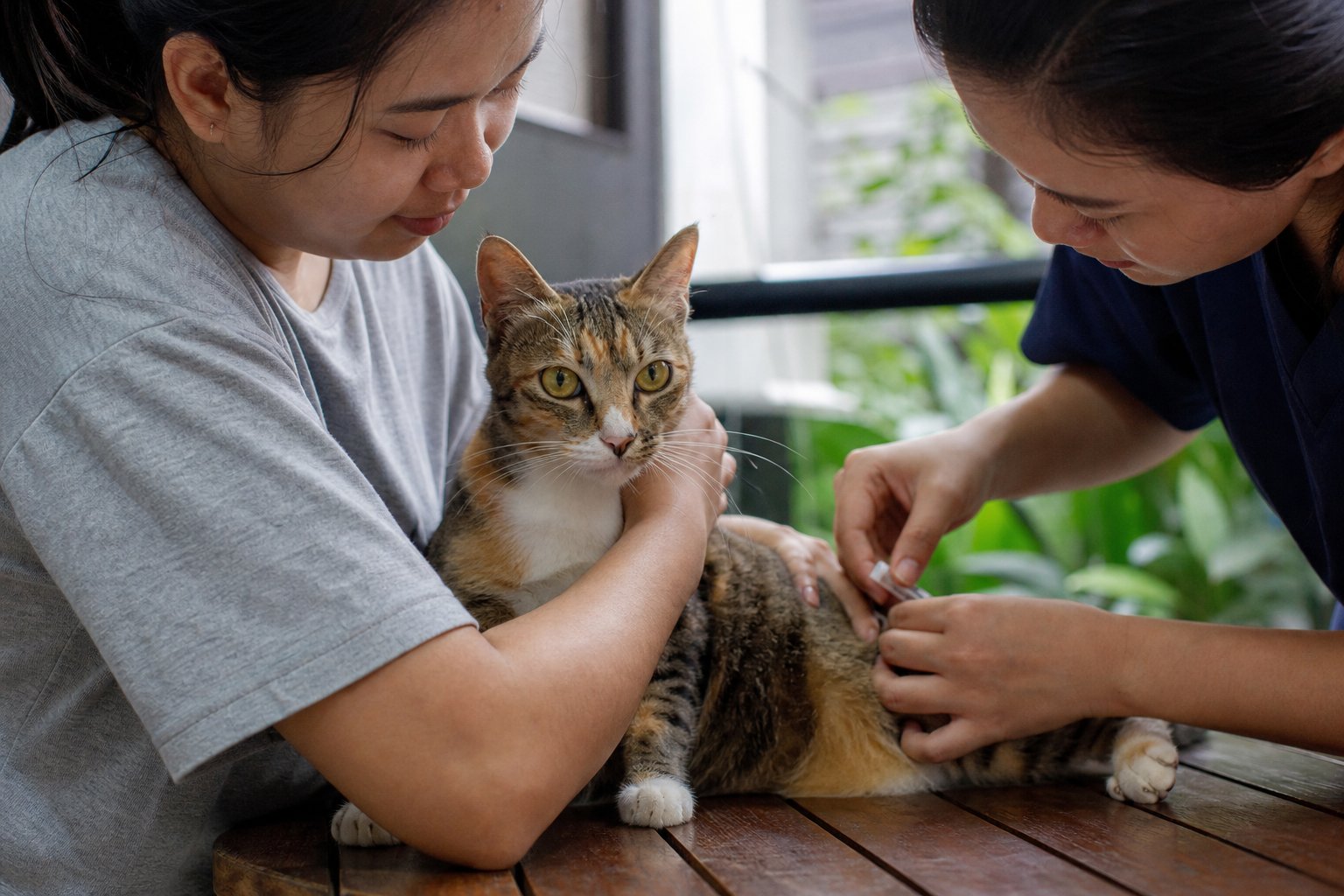
Quick answer: Prevention is the cheapest vet bill you will ever pay. Get three things right and most health problems stay manageable: core vaccinations on schedule, monthly flea and tick control combined with deworming every three months, and a short daily health check that catches trouble early — when treatment is simpler, faster and less costly.
Why Preventive Care Matters
Routine check-ups, vaccinations and everyday grooming do more than keep your pet looking good. They extend lifespan, reduce the number of emergency visits, and turn large unexpected bills into small planned ones. Many serious conditions — kidney disease, dental decay, advanced arthritis, heavy parasite loads — develop silently over months. By the time a pet shows obvious signs, the condition is already expensive to treat.
Prevention also works in your favour financially. A year of flea preventives, dewormers and booster vaccinations typically costs far less than a single hospitalisation for a parasitic infection, a skin infection that has turned systemic, or a urinary blockage. Think of the schedule below as a maintenance plan, the same way you would service a car before a long-distance drive.
The approach is simple enough to fit into a busy week: book the annual vet visit, set reminders for parasite control, and spend ten minutes a day observing your pet. Everything else in this guide builds on those three habits.
Common Cat Health Problems
Ringworm (fungal skin infection). Despite the name, this is a fungus, not a worm. Look for circular patches of hair loss, red or crumbly skin, and scratching. Treatment combines antifungal ointment, medicated baths and thorough environmental cleaning, because fungal spores survive on bedding, brushes and furniture for months. Wash soft items hot, vacuum regularly, and wash your hands after handling an affected cat.
Ear mites. The classic sign is dark brown, coffee-ground-like discharge inside the ear, with frequent scratching and head shaking. Your vet will supply ear drops and show you how to clean the ear canal safely. Never insert cotton buds deep into the ear — you can damage the canal or eardrum. Check ears weekly as part of your grooming routine.
Fleas. Intense scratching, small red bumps on the skin, and tiny black specks (flea dirt) near the tail base or on the belly are the giveaways. Treatment includes a spot-on or oral product for the pet plus spraying or treating the environment, because most of the flea population lives in bedding and carpet rather than on the animal. Monthly prevention is far easier than eradication.
Kidney disease. Common in older cats and often advanced before diagnosis. Warning signs include drinking noticeably more, urinating more, reduced appetite and gradual weight loss. Management centres on prescription kidney diets, subcutaneous fluids and medication, but early detection through regular blood tests changes the prognosis dramatically. Keep fresh water available in several bowls around the home.
Constipation. Straining, hard dry stools and a reduced appetite are the main signs. Causes include dehydration, insufficient fibre, hairballs and reduced activity. Encourage water intake, groom long-haired cats daily to reduce swallowed hair, and increase fibre only after checking with your vet — straining can sometimes indicate a more serious obstruction.
Common Dog Health Problems
Skin disease. Itching, redness, hair loss and a sour odour are the standard presentation. Triggers range from flea allergy and environmental allergens to bacterial or yeast overgrowth, all of which thrive in humidity. Treatment may involve medicated baths, antibiotics or allergy medication, and the underlying trigger has to be identified or the problem returns. Keep the coat clean and dry, and rinse thoroughly after outdoor exercise.
Arthritis. Typical signs are stiffness after rest, reluctance to jump into the car or onto furniture, and slowness on stairs. Weight control is the single most effective intervention, supported by joint supplements, appropriate pain relief and gentle regular exercise. Never give human painkillers such as ibuprofen or paracetamol to a dog unless a vet has specifically prescribed them — these drugs can cause kidney failure or stomach ulceration.
Dental disease. By middle age, most dogs and cats have some tartar buildup. Bad breath, red or bleeding gums, dropped food and reluctance to chew are signs that need attention. Untreated gum disease allows bacteria into the bloodstream, which can damage the heart, liver and kidneys — making tooth care a genuine health measure, not cosmetic grooming.
A Ten-Minute Daily Care Routine
You do not need hours to keep a pet healthy. Split the effort across morning and evening and it becomes automatic.
Morning, five minutes — look, smell, feel, check.
- Look: Are the food and water bowls empty or untouched? Sudden refusal to drink, or gulping water constantly, can signal kidney trouble or diabetes.
- Smell: Sniff the ears for a sour or musty odour and the skin for a rancid, greasy smell. Odour usually means infection or yeast overgrowth starting.
- Feel: Run your hands over the joints. A dog that hesitates, groans or stiffens when rising may be developing arthritis.
- Check: While brushing, part the fur and look for black specks, red patches, lumps or ticks — especially in skin folds and around the collar.
Evening, five minutes — the three essentials.
- Teeth: Brush two or three times a week with a finger brush and pet-specific toothpaste. If brushing is impossible, use a dental chew as a partial substitute, not a replacement.
- Ears: Apply a few drops of veterinary ear cleaner, massage the base of the ear, then wipe away visible residue with cotton wool. This prevents the wax build-up that mites and yeast exploit.
- Nails: Trim every two to three weeks with proper pet nail clippers, avoiding the pink quick. If you cut too far by accident, keep styptic powder on hand. Reward your pet afterwards so nail trimming stays positive.
Coat care: short-haired pets once or twice a week; long-haired pets daily. Bathing frequency depends on lifestyle — roughly once or twice a month for cats, and every one to two weeks for dogs that spend time outdoors, always with a shampoo formulated for pets.
Vaccination Schedule
Core vaccines protect against diseases that are common, severe and sometimes fatal. The timing below reflects the standard three-dose puppy and kitten series followed by annual boosters; your vet may adjust the exact schedule to your pet's risk profile.
| Life stage | Cats | Dogs |
|---|---|---|
| 8 weeks | First core dose (feline panleukopenia, calicivirus, rhinotracheitis) | First core dose (distemper, hepatitis, parainfluenza, parvovirus) |
| 12 weeks | Second core dose | Second core dose |
| 16 weeks | Third core dose + rabies vaccination | Third core dose + rabies vaccination |
| Annually | Core booster | Core booster |
| Ongoing | Discuss rabies boosters and local licensing with your vet | Discuss rabies boosters and local licensing with your vet |
Additional vaccines may be recommended depending on lifestyle — a dog that mixes with others at boarding kennels or parks faces different exposure than a cat that stays entirely indoors. Record every vaccination in your pet's health file, including product names and batch numbers, and bring the record to each visit.
Deworming and Parasite Control
Parasites are divided into two groups, and each needs its own schedule.
| Type | Common examples | Suggested frequency | Typical products |
|---|---|---|---|
| Internal | Roundworms, hookworms, tapeworms | Every 3 months | Oral tablets, spot-on drops |
| External | Fleas, ticks, ear mites | Monthly | Spot-on solutions, collars, sprays |
Dogs that roam outdoors, hunt, or are fed raw meat may need more frequent internal deworming, as may households with young children, because several roundworm species can be transmitted to people. Ticks deserve particular attention: they carry blood-borne diseases that affect both pets and humans, and a single attached tick can transmit infection within a day or two. Check your pet after every walk in grassy or wooded areas, and remove any tick promptly with a proper tick remover rather than pulling it out bare-handed.
Buy parasite products from your vet or a licensed retailer rather than unverified online sellers, and never use a dog product on a cat — some dog-only formulations contain compounds that are life-threatening to cats.
Choosing a Vet and Preparing for Emergencies
When selecting a clinic, weigh four factors: proximity to your home (critical during an emergency), the range of equipment available for diagnostics and surgery, the veterinarian's experience and standing among other pet owners, and whether charges are explained clearly before treatment begins. A good clinic will give you an estimate upfront and contact you before proceeding with anything beyond routine care.
Do your homework before you need help urgently. Visit a clinic for a routine check-up, ask how out-of-hours cases are handled, and find out which facility covers nights and public holidays. Save the clinic's number in your phone along with a backup option.
Red flags that need immediate attention:
- Vomiting more than three times in a short period, or any vomiting combined with lethargy
- Laboured, rapid or open-mouth breathing
- Seizures, collapse or sudden disorientation
- No food eaten for more than 24 hours, or no water for 12
- A cat straining in the litter box, crying while urinating, or producing no urine — a blockage can become fatal within hours
- Sudden weakness or paralysis of the hind legs, which may indicate a slipped disc
Budgeting and Pet Insurance
Veterinary costs vary by location, clinic and condition, so treat any figure you read as indicative only and ask your Malaysian vet or retailer for current local pricing. Two sensible ways to spread the cost are setting aside a small monthly pet savings fund, and looking at insurance.
Insurance matters most for purebred animals, which carry higher risks of inherited conditions, and for older pets, when age-related illness becomes likely. If you are comparing plans, look past the premium to the terms that actually determine your out-of-pocket cost:
| Feature | What to check |
|---|---|
| Annual coverage limit | The maximum paid per year, and whether it resets on renewal |
| Co-payment | The percentage you pay after the claim, typically the biggest cost driver |
| Waiting period | How long before illnesses and injuries become claimable |
| Pre-existing conditions | Whether hereditary or previously treated problems are excluded permanently |
| What is covered | Outpatient visits, surgery, diagnostics, medication, dental illness |
| Claim process | Direct billing at the clinic or reimbursement afterwards, and turnaround time |
Read the exclusions carefully. Some plans cover accidents only, others exclude hereditary conditions, and many cap payouts per condition. A cheaper premium with a low annual limit or a high co-payment can cost more in a serious case.
When to See a Vet
Book a non-urgent appointment if you notice any of these persisting for more than a day: appetite loss, vomiting or diarrhoea, coughing, excessive thirst or urination, weight loss, dull coat, bad breath, limping, scratching or head shaking, or a lump that has appeared or grown. Also schedule a visit for any behavioural change — hiding, aggression, house-soiling in a previously clean pet — because pain and illness frequently show up first as personality shifts.
See the vet urgently for breathing difficulty, seizures, bleeding that will not stop, suspected poisoning, a distended or painful abdomen, inability to urinate, sudden blindness, or trauma from a fall or road accident. For these, call the clinic while you are on the way rather than waiting for an appointment slot.
Make annual wellness checks a standing appointment, even when your pet seems perfectly healthy. Bloodwork and dental assessment in a well animal reveal problems that a physical exam alone will miss.
Related reading
- Cat Health Guide Malaysia: Symptom Check, Red-Flag Triage & When to See a Vet
- Pet Health in Malaysia: A Practical Prevention Guide for Cats and Dogs
- Pet Poisoning at Home: Household Chemicals, Insecticides and Toxic Plants (Malaysia, Part 1)
- Cat Dehydration in Malaysia: Home Skin-Turgor Test, 7 Causes and Emergency Signs
- Cat Pancreatitis in Malaysia: Symptoms, fPLI Testing, Treatment and Home Recovery
- Cat Ringworm in Malaysia: Signs, Treatment and Home Cleaning Guide
- Cat Symptom Checker Malaysia: 12 Common Signs and a Green-Amber-Red Triage Table
- Cat Arthritis in Malaysia: 5 Home Signs Your Cat Is in Pain — and What to Do