
PetChill Pet Encyclopedia
Cat Health

Ear Mites in Cats: Causes and Care (Malaysia Guide)

Ear mites are tiny parasites that cause intense itching and dark, coffee-ground debris in a cat's ears. This guide explains the causes, symptoms, treatment and prevention for Malaysian cat owners.

Published: 2026-11-06Β·7 min readΒ·Author: PetChill Editorial
Ear Mites in Cats: Causes and Care (Malaysia Guide)

πŸ’‘ Quick Answer

Ear mites in cats are caused by the mite Otodectes cynotis, which spreads through close contact with infected animals. Care involves vet-prescribed ear drops, cleaning away debris, treating all pets in the home, and washing bedding to prevent reinfection.

What are ear mites and why are they so common in cats?

Ear mites are tiny parasites, barely visible to the naked eye, that live in the ear canal of cats and other animals. The most common species in cats is Otodectes cynotis. They feed on ear wax, oils and skin debris, causing intense irritation. Ear mites are one of the most frequent causes of itchy ears in cats worldwide, and Malaysian pet owners see them regularly because our warm, humid climate helps mites survive longer outside the host.

Unlike fleas, ear mites do not jump or fly. They crawl from animal to animal during close contact, which is why shelters, multi-cat households and outdoor cats are at higher risk. Kittens can pick them up from their mother within the first weeks of life. Because mites are so small, you may never see them directly, but the damage they leave behind is easy to spot.

What causes ear mites in cats?

Ear mites are caused by infestation with the mite Otodectes cynotis. The main routes of transmission are:

  • Direct contact with an infected animal. This is the most common cause. Cats that roam outdoors, visit grooming salons, or live with other pets can pick up mites.
  • Mother to kittens. Mites pass easily from a nursing queen to her kittens.
  • Contaminated bedding and grooming tools. Mites can survive for a short time off the host, so shared blankets, brushes and carriers can spread them.
  • New pets without quarantine. Bringing a new cat or dog home without a vet check is a frequent source of infestation.
  • Outdoor access. Cats that go outside, especially in neighbourhoods with many free-roaming cats, face higher exposure.

It is a myth that ear mites only affect dirty ears. Clean ears can still become infested. The mite itself is the cause, not poor hygiene.

What causes ear mites in cats?

What are the signs of ear mites in cats?

Ear mites cause a classic set of symptoms. Watch for:

  • Intense scratching of the ears and head. Your cat may scratch until the skin bleeds.
  • Head shaking. Frequent, vigorous shaking of the head is common.
  • Dark, crumbly debris in the ear canal. This looks like coffee grounds or brown wax. It is a mix of mite waste, blood and ear wax.
  • Red, inflamed ear flaps. The skin inside the ear may look angry and sore.
  • A bad smell. Secondary bacterial or yeast infections can cause an odour.
  • Rubbing the head on furniture or the floor.
  • Aural haematoma. A blood-filled swelling on the ear flap can develop from violent scratching.
  • Restlessness or irritability. Some cats become withdrawn or aggressive due to discomfort.

Not every cat with ear mites shows all these signs. Some cats have a mild infestation with little visible debris, especially if they have been treated recently with a product that partially controls mites. A vet can confirm the diagnosis by examining a sample of ear wax under a microscope.

How are ear mites diagnosed?

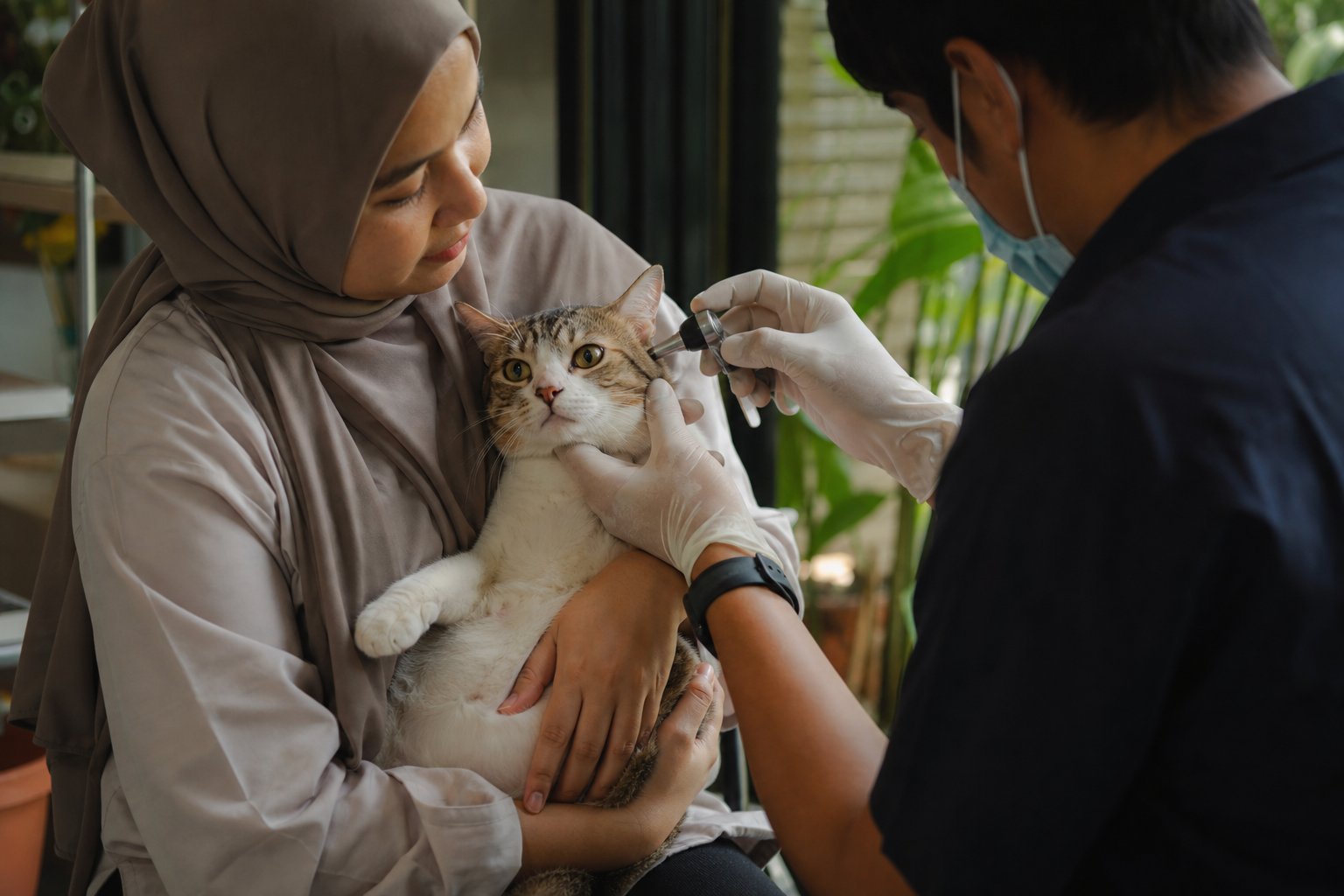
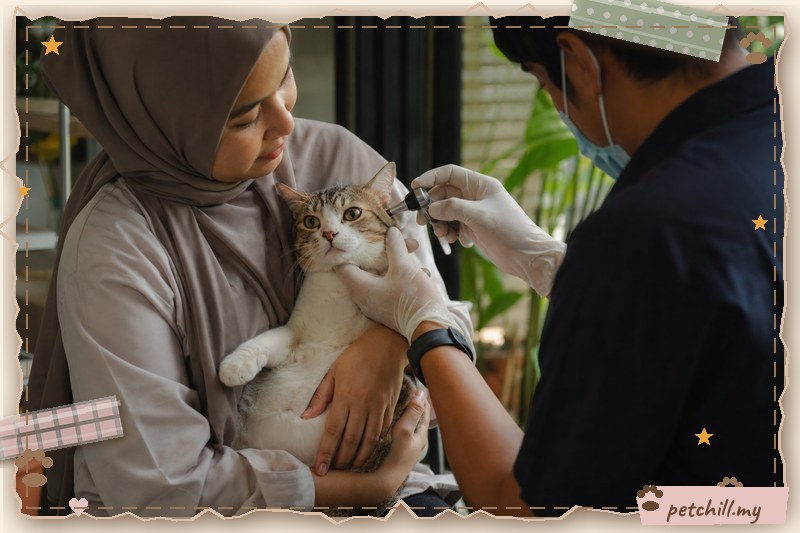
Your vet will usually start by looking into the ear canal with an otoscope. They may also take a sample of debris with a cotton swab and examine it under a microscope to look for mites or their eggs. This is quick and painless. In some cases, a vet may suspect ear mites based on the history and appearance alone, but confirming the diagnosis is important because other conditions, such as bacterial ear infections, allergies or ear polyps, can look similar.

If your cat has a ruptured eardrum or a severe infection, the vet will adjust the treatment plan. Never put anything into a cat's ear if you suspect the eardrum is damaged.
How are ear mites diagnosed?

How to treat ear mites at home

Treatment has two parts: killing the mites and cleaning the ears. Always follow your vet's instructions. Here is a general step-by-step care plan:

  1. Get a confirmed diagnosis. Do not guess. Your vet will recommend a product that is safe and effective.
  2. Use the prescribed medication. This may be ear drops, a spot-on treatment, or an injection in some cases. Apply exactly as directed. Do not stop early even if the ears look clean.
  3. Clean the ears gently. Use a vet-approved ear cleaner and cotton wool. Never use cotton buds deep in the ear canal, as this can push debris further in or damage the eardrum. Wipe only the visible parts of the ear.
  4. Treat all pets in the house. Dogs, cats and ferrets can all carry ear mites. Treat them at the same time, even if they show no signs.
  5. Wash bedding and blankets. Use hot water and dry thoroughly. Clean grooming tools with a pet-safe disinfectant.
  6. Prevent scratching. A soft cone (Elizabethan collar) may be needed if your cat is scratching its ears raw.
  7. Recheck with your vet. A follow-up visit helps confirm the mites are gone and the ears have healed.

Home remedies such as olive oil, garlic or vinegar are not recommended. They can irritate the ear canal and do not reliably kill mites. Many over-the-counter ear drops sold online are ineffective against Otodectes cynotis. Your vet can prescribe a product that works.

Comparison of common ear mite treatments

Treatment type How it works Typical duration Pros Cons
Ear drops (e.g., selamectin, ivermectin-based) Kills mites on contact in the ear canal 7–10 days, daily or as directed Direct action, widely available Requires handling, may be messy
Spot-on products Absorbed through skin, kills mites systemically Single dose or monthly Easy to apply, treats whole body Not all products cover mites; vet prescription needed
Injectable treatment Vet-administered, kills mites internally 1–2 injections No daily handling Requires vet visit, not for all cats
Oral medication Kills mites from inside As prescribed Useful for cats that resist ear drops Less common, vet discretion

Note: Product availability and prices vary in Malaysia. Ask your vet for the most suitable option for your cat.
Comparison of common ear mite treatments

How to prevent ear mites from coming back

Prevention is mostly about hygiene and managing contact with other animals:

  • Quarantine new pets. Keep a new cat or dog separate for at least a week and have them checked by a vet before introducing them to resident pets.
  • Treat all pets regularly. Use vet-recommended parasite control that covers ear mites if your pets are at risk.
  • Wash bedding weekly. Hot water kills mites and eggs.
  • Clean carriers and grooming tools. Wipe down after use, especially if you visit a groomer or shelter.
  • Limit contact with stray cats. If your cat roams outdoors, supervise or keep it indoors where possible.
  • Check ears weekly. A quick look and sniff can catch problems early.

When to see a vet

See a vet if your cat shows any of these signs:

  • Persistent head shaking or ear scratching that does not improve within a few days.
  • Dark discharge, redness or swelling in the ear.
  • A foul smell from the ear.
  • A soft, fluid-filled swelling on the ear flap (aural haematoma).
  • Signs of pain when you touch the ear.
  • Loss of balance, head tilt or hearing loss.
  • No improvement after a course of treatment.

Ear mites are not a do-it-yourself diagnosis. Other conditions, including ear infections, allergies and foreign bodies, can mimic the signs. A vet can confirm the cause and prescribe the right treatment.
When to see a vet

Local considerations for Malaysian cat owners

Malaysia's warm, humid climate means ear mites can survive longer in the environment than in cooler countries. This makes thorough cleaning of bedding and grooming tools especially important. In high-rise apartments, cats may have less outdoor access, but mites can still arrive via new pets, grooming visits or contact with other animals in the building. In terrace houses with open windows or balconies, free-roaming neighbourhood cats can come close, so keep screens secure and check your cat's ears regularly.

During the rainy season, ears may stay moist, which can worsen irritation. Dry your cat's ears gently after a bath or if they get wet outdoors. If you live in a multi-cat household, treat all cats at once to avoid ping-pong reinfection.

Frequently asked questions

What causes ear mites in cats? Ear mites spread through direct contact with infected animals, from mother to kittens, and via contaminated bedding or grooming tools. The mite Otodectes cynotis is the cause.

Are ear mites contagious to other pets? Yes. They spread easily between cats, dogs and ferrets. Treat all pets in the home at the same time.

Can I treat ear mites at home without a vet? Only with a vet-confirmed diagnosis and prescribed product. Home remedies are unreliable and can irritate the ear.

How long does ear mite treatment take? Most treatments last 3 to 4 weeks. Some spot-on products work in one dose; ear drops are usually applied for 7 to 10 days. Finish the full course.

Can ear mites cause deafness? Severe untreated cases can lead to ear infections and eardrum damage, and rarely hearing loss. Early treatment prevents complications.

How do I prevent ear mites from coming back? Treat all pets, wash bedding in hot water, clean grooming tools, quarantine new pets, and check ears weekly.

Vet disclaimer

This article is for general information only and is not a substitute for professional veterinary advice. Ear mites and other ear conditions can look alike, and treatment must be tailored to your cat. Always consult a licensed veterinarian for diagnosis and treatment. If your cat is in pain or its condition worsens, seek veterinary care promptly.

Frequently Asked Questions

πŸ“Œ Key Takeaways

  • This article covers: What are ear mites and why are they so common in cats?, What causes ear mites in cats?, What are the signs of ear mites in cats?, How are ear mites diagnosed?, How to treat ear mites at home, and more
  • Jump to any section via the table of contents for the key details
  • If in doubt, consult a registered veterinarian

Explore this topic cluster

This guide belongs to a Malaysia-focused topic cluster. Read the pillar guide and related articles.

View cluster β†’

πŸ“š Cat Health article index

This article is part of the Cat Health topic cluster. Explore related articles:

⭐ Pillar guide: Cat Health complete guideBlood Test for Cats in Malaysia: What It Checks, Costs and When You Need Oneβ†’ ReadBlood Test for Cats Step by Step: What Happens at the Clinicβ†’ ReadBlood Test for Cats: What to Expect (Malaysian Owner's Guide)β†’ ReadCat Constipation Treatment in Malaysia: A Practical Owner's Guideβ†’ ReadCat Dental Pain Treatment in Malaysia: A Practical Owner's Guideβ†’ ReadCat Diarrhea Treatment in Malaysia: A Practical Owner's Guideβ†’ ReadCat Ear Mites Treatment in Malaysia: A Complete Owner's Guideβ†’ ReadCat Eye Infection Treatment in Malaysia: A Practical Owner's Guideβ†’ ReadCat Fleas Treatment in Malaysia: A Practical Owner's Guideβ†’ ReadCat Hair Loss Treatment in Malaysia: A Practical Owner's Guideβ†’ ReadCat Licking Wounds: Why It Happens and How to Treat It in Malaysiaβ†’ ReadCat Poisoning Treatment in Malaysia: What to Do, What to Expect, and How to Prevent Itβ†’ ReadCat Ringworm Treatment in Malaysia: A Practical Owner's Guideβ†’ ReadCat Skin Fungus Treatment in Malaysia: A Practical Owner's Guideβ†’ ReadCat Sneezing Blood: Causes, Treatment and When to See a Vet in Malaysiaβ†’ ReadCat Vomiting Treatment in Malaysia: What to Do and When to See a Vetβ†’ ReadCat Weight Loss Treatment in Malaysia: A Practical Guide for Ownersβ†’ ReadCat Worms Treatment in Malaysia: A Practical Owner's Guideβ†’ ReadChocolate Poisoning and Cats in Malaysia: What Every Owner Should Knowβ†’ ReadConstipation in Cats: Causes, Care and When to See a Vet in Malaysiaβ†’ ReadConstipation in Cats in Malaysia: Causes, Signs and What to Doβ†’ ReadConstipation Prevention for Cats: A Practical Guide for Malaysian Ownersβ†’ ReadDental Pain in Cats: Causes, Signs and Care (Malaysia Guide)β†’ ReadDental Pain in Cats in Malaysia: Signs, Causes and What to Doβ†’ ReadDental Pain Prevention for Cats: A Practical Malaysian Guideβ†’ ReadDeworming Schedule for Cats in Malaysia: A Practical, Vet-Led Guideβ†’ ReadDeworming Schedule for Cats: A Step-by-Step Plan for Malaysian Ownersβ†’ ReadDeworming Schedule for Cats: What to Expect (Malaysia Guide)β†’ ReadDiarrhea in Cats: Causes and Care (Malaysian Owner's Guide)β†’ ReadDiarrhea in Cats in Malaysia: Causes, Home Care and When to See a Vetβ†’ ReadDiarrhea Prevention for Cats: A Practical Guide for Malaysian Ownersβ†’ ReadE-Collar Recovery for Cats in Malaysia: A Practical Guide for Ownersβ†’ ReadE-Collar Recovery for Cats Step by Step: A Practical Guide for Malaysian Ownersβ†’ ReadE-Collar Recovery for Cats: What to Expect (Malaysia Guide)β†’ ReadEar Mites in Cats in Malaysia: Signs, Treatment and Preventionβ†’ ReadEar Mites Prevention for Cats: A Practical Malaysian Guideβ†’ ReadElectrical Cables and Cats in Malaysia: A Practical Safety Guideβ†’ ReadEye Infection in Cats: Causes and Care (Malaysia Guide)β†’ ReadEye Infection in Cats in Malaysia: Causes, Signs, Treatment & Preventionβ†’ ReadEye Infection Prevention for Cats: A Practical Malaysian Guideβ†’ ReadFans and Air Conditioning for Cats in Malaysia: A Practical Comfort Guideβ†’ ReadFlea Treatment for Cats in Malaysia: A Complete Guideβ†’ ReadFlea Treatment for Cats Step by Step: A Practical Malaysian Guideβ†’ ReadFlea Treatment for Cats: What to Expect (Malaysia Guide)β†’ ReadFleas in Cats: Causes and Care (Malaysia Guide)β†’ ReadFleas in Cats in Malaysia: Signs, Treatment and Preventionβ†’ ReadFleas Prevention for Cats in Malaysia: A Practical, Year-Round Planβ†’ ReadGiving Pills for Cats in Malaysia: A Stress-Free Step-by-Step Guideβ†’ ReadGiving Pills for Cats Step by Step: A Calm, Practical Guide for Malaysian Ownersβ†’ ReadGiving Pills for Cats: What to Expect (Malaysian Owner's Guide)β†’ ReadHair Loss in Cats: Causes and Care (Malaysian Owner's Guide)β†’ ReadHair Loss in Cats in Malaysia: Causes, Home Checks and When to See a Vetβ†’ ReadHair Loss Prevention for Cats: A Practical Grooming and Health Guideβ†’ ReadHousehold Cleaning Products and Cats in Malaysia: A Safety Guideβ†’ ReadHow to Prevent Chocolate Poisoning Around Cats: A Practical Guide for Malaysian Homesβ†’ ReadHow to Prevent Electrical Cables Around Cats: A Practical Safety Guide for Malaysian Homesβ†’ ReadHow to Prevent Fan and Aircond Problems Around Cats: A Malaysian Home Guideβ†’ ReadHow to Prevent Household Cleaning Products Around Cats: A Practical Safety Guide for Malaysian Homesβ†’ ReadHow to Prevent Lily Poisoning Around Cats: A Practical Safety Guide for Malaysian Homesβ†’ ReadHow to Prevent Open Windows Around Cats: A Practical Safety Guide for Malaysian Homesβ†’ ReadHow to Prevent Paracetamol Poisoning Around Cats: A Malaysian Safety Guideβ†’ ReadHow to Prevent Plastic Bags Around Cats: A Practical Safety Guide for Malaysian Homesβ†’ ReadHow to Treat Constipation in Cats at Home: A Practical Malaysian Guideβ†’ ReadHow to Treat Dental Pain in Cats at Home: Safe Relief and When to See a Vetβ†’ ReadHow to Treat Diarrhea in Cats at Home: A Practical Malaysian Guideβ†’ ReadHow to Treat Ear Mites in Cats at Home: A Practical Malaysian Guideβ†’ ReadHow to Treat Eye Infection in Cats at Home: Safe Steps for Malaysian Ownersβ†’ ReadHow to Treat Fleas in Cats at Home: A Practical Malaysian Guideβ†’ ReadHow to Treat Hair Loss in Cats at Home: A Practical Malaysian Guideβ†’ ReadHow to Treat Licking Wounds in Cats at Home: A Practical Guide for Malaysian Ownersβ†’ ReadHow to Treat Poisoning in Cats at Home: First Aid, Safe Steps and When to Rush to the Vetβ†’ ReadHow to Treat Ringworm in Cats at Home: A Practical Guide for Malaysian Ownersβ†’ ReadHow to Treat Skin Fungus in Cats at Home: A Practical Malaysian Guideβ†’ ReadHow to Treat Sneezing Blood in Cats at Home: Safe First Steps for Malaysian Ownersβ†’ ReadHow to Treat Vomiting in Cats at Home: A Practical Malaysian Guideβ†’ ReadHow to Treat Weight Loss in Cats at Home: A Practical Guide for Malaysian Ownersβ†’ ReadHow to Treat Worms in Cats at Home: A Practical, Safe Guide for Malaysian Ownersβ†’ ReadLicking Wounds in Cats: Causes and Care (Malaysian Vet Guide)β†’ ReadLicking Wounds in Cats Malaysia: When It's Normal and When to Stop Itβ†’ ReadLicking Wounds Prevention for Cats: How to Stop the Lick Cycle and Let Skin Healβ†’ ReadLily Poisoning and Cats in Malaysia: Why Every Petal Is an Emergencyβ†’ ReadOpen Windows and Cats in Malaysia: How to Keep Your Cat Safe Without Locking Up the Houseβ†’ ReadParacetamol Poisoning in Cats in Malaysia: Why Even One Tablet Can Be Deadlyβ†’ ReadPlastic Bags and Cats in Malaysia: Why They're Dangerous and How to Keep Your Cat Safeβ†’ ReadPoisoning in Cats: Causes, Symptoms and Care (Malaysia Guide)β†’ ReadPoisoning in Cats in Malaysia: Common Toxins, Signs and What to Doβ†’ ReadPoisoning Prevention for Cats in Malaysia: A Room-by-Room Safety Guideβ†’ ReadRingworm in Cats: Causes, Symptoms and Care (Malaysia Guide)β†’ ReadRingworm in Cats in Malaysia: Signs, Treatment and Preventionβ†’ ReadRingworm Prevention for Cats in Malaysia: A Practical, Vet-Informed Guideβ†’ ReadSigns of Constipation in Cats in Malaysia: What to Watch For and When to Actβ†’ ReadSigns of Dental Pain in Cats in Malaysia: What Owners Missβ†’ ReadSigns of Diarrhea in Cats in Malaysia: What's Normal, What's Notβ†’ ReadSigns of Ear Mites in Cats in Malaysia: How to Spot, Treat and Prevent Themβ†’ ReadSigns of Eye Infection in Cats in Malaysia: What Owners Should Look Forβ†’ ReadSigns of Fleas in Cats in Malaysia: How to Spot, Check and Actβ†’ ReadSigns of Hair Loss in Cats in Malaysia: What to Look For and When to Worryβ†’ ReadSigns of Licking Wounds in Cats Malaysia: How to Spot Problem Lickingβ†’ ReadSigns of Poisoning in Cats in Malaysia: What to Watch For and What to Doβ†’ ReadSigns of Ringworm in Cats in Malaysia: What Owners Should Look Forβ†’ ReadSigns of Skin Fungus in Cats in Malaysia: How to Spot Ringworm Earlyβ†’ ReadBlood in a Cat's Sneeze: Signs, Causes and What to Do in Malaysiaβ†’ ReadSigns of Vomiting in Cats in Malaysia: What's Normal, What's Not, and When to See a Vetβ†’ ReadSigns of Weight Loss in Cats in Malaysia: What to Watch For and When to Worryβ†’ ReadSigns of Worms in Cats in Malaysia: What Owners Should Look Forβ†’ ReadSkin Fungus in Cats: Causes, Signs and Care (Malaysia Guide)β†’ ReadSkin Fungus in Cats in Malaysia: Ringworm Signs, Treatment and Preventionβ†’ ReadSkin Fungus Prevention for Cats: A Practical Guide for Malaysian Homesβ†’ ReadSneezing Blood in Cats: Causes and Care (Malaysia Guide)β†’ ReadSneezing Blood in Cats in Malaysia: Causes, What to Do, and When to See a Vetβ†’ ReadSneezing Blood Prevention for Cats: Causes, Care and When to Worryβ†’ ReadSterilization for Cats in Malaysia: A Complete Guide for Ownersβ†’ ReadSterilization for Cats Step by Step: A Malaysian Owner's Guideβ†’ ReadSterilisation for Cats: What to Expect (Malaysian Owner's Guide)β†’ ReadUltrasound for Cats in Malaysia: What It Is, When It's Needed, and What to Expectβ†’ ReadUltrasound for Cats Step by Step: What Happens, What It Costs, and How to Prepareβ†’ ReadUltrasound for Cats: What to Expect (Malaysian Owner's Guide)β†’ ReadVaccination Side Effects for Cats in Malaysia: What's Normal, What's Notβ†’ ReadVaccination Side Effects for Cats: A Step-by-Step Guide for Malaysian Ownersβ†’ ReadCat Vaccination Side Effects: What Malaysian Owners Should Expectβ†’ ReadVomiting in Cats: Causes and Care (Malaysia Guide)β†’ ReadVomiting in Cats in Malaysia: When It's Normal and When to Worryβ†’ ReadVomiting Prevention for Cats: A Practical Guide for Malaysian Ownersβ†’ ReadWeight Loss in Cats: Causes and Care (Malaysian Vet Guide)β†’ ReadWeight Loss in Cats in Malaysia: Causes, Warning Signs and What to Doβ†’ ReadWeight Loss Prevention for Cats: A Practical Malaysian Guideβ†’ ReadWorms in Cats: Causes and Care (Malaysia Vet Guide)β†’ ReadWorms in Cats in Malaysia: A Practical Owner's Guideβ†’ ReadWorms Prevention for Cats in Malaysia: A Complete Guideβ†’ ReadWound Care for Cats in Malaysia: A Practical Owner's Guideβ†’ ReadWound Care for Cats Step by Step: A Practical Malaysian Guideβ†’ ReadWound Care for Cats: What to Expect, Step by Stepβ†’ ReadX-Ray for Cats in Malaysia: What to Expect, Costs and Safetyβ†’ ReadX-Ray for Cats Step by Step: What Malaysian Owners Should Expectβ†’ ReadX-Ray for Cats: What to Expect (Malaysian Owner's Guide)β†’ ReadArthritis Pet Care in Malaysia: A Practical Guide for Cats and Dogsβ†’ ReadCat Arthritis in Malaysia: 5 Home Signs Your Cat Is in Pain β€” and What to Doβ†’ ReadEarly Signs of Chronic Disease in Cats: 7 Daily Checks and a 4-Week Record Sheetβ†’ ReadCat Chronic Kidney Disease in Malaysia: The Daily Care Routine That Actually Slows It Downβ†’ ReadCat Constipation in Malaysia: The 48-Hour Rule, Red Flags and What Actually Helpsβ†’ ReadCat Dehydration in Malaysia: Home Skin-Turgor Test, 7 Causes and Emergency Signsβ†’ ReadCat Heart Disease in Malaysia: Sleep Breathing Count, HCM Early Signs and When to Rush to the Vetβ†’ ReadCat Kidney Disease in Malaysia: Early Signs, Prevention and Everyday Careβ†’ ReadCat Pancreatitis in Malaysia: Symptoms, fPLI Testing, Treatment and Home Recoveryβ†’ ReadCat Ringworm in Malaysia: Signs, Treatment and Home Cleaning Guideβ†’ ReadCat Symptom Checker Malaysia: 12 Common Signs and a Green-Amber-Red Triage Tableβ†’ ReadPet Deworming in Malaysia: How Often to Worm Your Cat or Dogβ†’ ReadPet Gut Health in Malaysia: Probiotics, Food Transitions and Stool Troubles (Part 2)β†’ ReadCat Gut Health: Probiotics, Antibiotics and Food Transitions Explained (Malaysia)β†’ ReadPet Health Malaysia 2026: Common Cat and Dog Illnesses, Prevention Care and Vet Guidanceβ†’ ReadPet Insurance in Malaysia: How to Compare Plans Before You Signβ†’ ReadPet Poisoning at Home: Household Chemicals, Toxic Plants and When Not to Induce Vomiting (Malaysia)β†’ ReadPet Poisoning at Home: Household Chemicals, Insecticides and Toxic Plants (Malaysia, Part 1)β†’ ReadCat Chronic Disease Early Signs in Malaysia: 7 Daily Checks and a 4-Week Logβ†’ ReadCat Health Guide Malaysia: Symptom Check, Red-Flag Triage & When to See a Vetβ†’ ReadCat Ringworm in Malaysia: Symptoms, Treatment and Home Cleaning Guideβ†’ ReadGut Health, Probiotics & Food Transition Part 2: Practical Malaysia Guideβ†’ ReadPet Health in Malaysia: A Practical Prevention Guide for Cats and Dogsβ†’ Read

Related products at PetChill

