
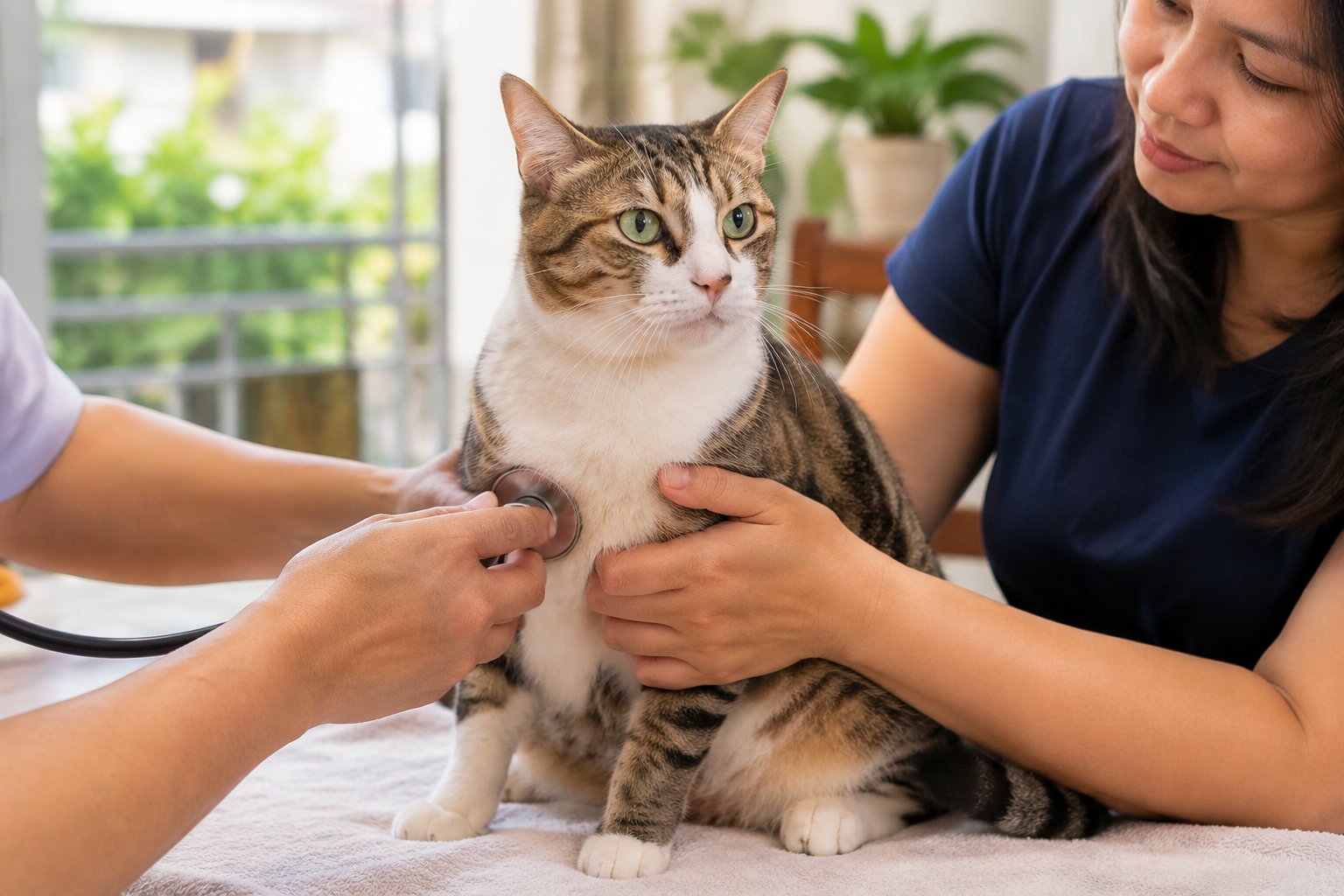
Why plastic bags are a hidden hazard for cats
Plastic bags are common in Malaysian homes—they arrive with groceries, takeaway food, and online deliveries. For cats, these bags are not just playthings; they are a serious hazard. Cats are curious and agile, and a bag left on the floor can quickly become a trap. The two main dangers are suffocation and ingestion. Suffocation happens when a cat puts its head through a handle or into the bag and panics, tightening the plastic around its neck. Ingestion occurs when a cat chews or swallows pieces of plastic, which can lead to intestinal blockage. Both are emergencies that are far easier to prevent than to treat.
This guide explains how to prevent plastic bags around cats in Malaysian homes. You will learn where bags commonly accumulate, how to store them safely, and what to do if your cat gets into trouble. The advice is practical and can be applied in apartments, terrace houses, and shared living spaces.
The risks: suffocation, ingestion, and stress
Suffocation risk
Plastic bags, especially those with handles, can form a loop that tightens when a cat struggles. Cats often investigate bags by putting their heads inside, and the rustling sound can be enticing. Once the head is through a handle, the cat may panic and twist, causing the plastic to constrict. This can lead to rapid oxygen deprivation. Even bags without handles can cling to a cat's face if the opening seals around the nose and mouth.
Ingestion and blockage
Cats may chew on plastic bags because of the texture or residual food smells. Swallowed plastic does not digest and can cause an obstruction in the intestines. Symptoms may not appear immediately, but vomiting, constipation, and lethargy are common signs. Surgery is sometimes needed to remove the blockage, which is stressful and costly.
Stress and behavioural issues
A cat that has had a frightening experience with a bag may become anxious or develop compulsive behaviours. Preventing access reduces stress for both cat and owner.
Where plastic bags hide in Malaysian homes
Plastic bags can be found in more places than you might think. Common spots include:
- Kitchen counters and floors
- Under the sink
- Grocery storage areas
- Laundry baskets
- Bedroom closets
- Car porch or garage
- Recycling bins
- Delivery parcel piles
In Malaysian homes, it is also common to keep a stash of bags for reuse. These stashes are often hung on hooks or stuffed into drawers, which can be accessible to cats. The first step in prevention is to identify all bag locations in your home.
Room-by-room prevention checklist
Use this checklist to cat-proof each area.
| Area | Risks | Prevention tips |
|---|---|---|
| Kitchen | Bags on counters, under sink, in open bins | Store bags in a closed drawer or high cabinet; use a bin with a secure lid; never leave bags on the floor |
| Living room | Shopping bags left on sofa or floor | Hang bags in a closet immediately; provide a designated bag-free zone |
| Bedroom | Closets with bags, under-bed storage | Keep closet doors closed; use sealed storage boxes |
| Bathroom | Bags from toiletries or laundry | Store in a locked cabinet; avoid hanging bags on hooks |
| Laundry area | Plastic laundry bags | Remove bags immediately and dispose of them in a closed bin |
| Car porch/garage | Bags from deliveries or car litter | Keep bags in a locked cabinet; sweep floors regularly |
| Recycling area | Open bins with plastic | Use a lidded bin; rinse and store recyclables in a secure container |
Safe storage solutions
Use rigid containers
Instead of keeping bags in a pile, use a rigid dispenser or a sealed plastic container. A simple box with a lid can work. Place it in a cabinet that cats cannot open. Avoid bags that hang from doorknobs or chairs, as these are tempting targets.
Designate a bag-free zone
Choose one area of the home where bags are never allowed, such as the bedroom or the sofa area. This reduces the chance of a bag being left out accidentally.
Dispose of bags immediately
After unpacking groceries or deliveries, empty and dispose of bags right away. Do not leave them on the floor "just for a minute." Cats can get into trouble in seconds.
Cut handles before disposal
Before throwing away plastic bags, cut the handles to prevent a cat from getting its head stuck if it investigates the bin. This is a simple but effective step.
Secure bins
Use bins with locking lids, especially in the kitchen and recycling area. A cat can easily knock over a light bin and access the contents.
Alternatives to plastic bags
Reducing plastic bag use in the home is good for the environment and for your cat. Consider these alternatives:
- Reusable cloth bags for groceries. Store them out of reach when not in use.
- Paper bags for some shopping, but supervise cats around them as they can still be chewed.
- Cardboard boxes for storage instead of bags.
- Rigid containers for leftovers and bulk items.
- Baskets for laundry and toys.
When you do use plastic bags, choose those without handles or with handles that can be easily removed.
Training and enrichment
Cats need mental stimulation. If they are bored, they may seek out bags for entertainment. Provide safe alternatives:
- Crinkle toys that make similar sounds
- Puzzle feeders
- Cat tunnels and cardboard boxes
- Interactive play sessions with wand toys
Redirect your cat's attention if you see them approaching a bag. A firm "no" and a toy substitution can help over time.
What to do if your cat gets a bag stuck
If you find your cat with a bag around its head or neck, stay calm. Do not pull the bag, as this can tighten it. Instead, try to stabilize the cat with a towel and carefully cut the bag away with scissors, keeping the blades pointed away from the cat. If the cat is panicking, wrap it in a towel first. If you cannot safely remove the bag, call your vet immediately.
When to see a vet
Seek veterinary attention if your cat:
- Has swallowed plastic or you suspect ingestion
- Is vomiting, has diarrhoea, or is constipated
- Shows loss of appetite or lethargy
- Has a bag stuck and is distressed
- Has difficulty breathing
Do not induce vomiting unless instructed by a vet. Some plastics can cause more damage when vomited.
Creating a cat-safe home in Malaysian living spaces
Apartments and high-rises
In Kuala Lumpur apartments, space is limited, so bags may pile up quickly. Use vertical storage: high cabinets, wall-mounted dispensers, or closed drawers. Ensure balconies are secure and free of bags that could blow around. If you have a helper or family members, communicate the bag rules clearly.
Terrace houses and landed properties
In a Johor terrace house, bags might accumulate in the car porch or garden. Keep bags in a locked shed or cabinet. Check the garden for plastic debris after windy days. If you have a recycling area, use a lidded bin and keep it away from cat access.
During festive seasons
During Hari Raya, Chinese New Year, Deepavali, and Christmas, there is often an influx of bags from gifts and shopping. Have a plan: designate a bag collection point and empty it daily. Consider asking guests to keep bags with them or provide a closed bin for disposal.
Teaching children and household members
Children may not understand the risks. Explain that plastic bags are dangerous for cats and show them where to put bags safely. Make it a household rule: bags go straight into the closed bin or storage container. Praise children for following the rule.
If you have a cat that loves bags
Some cats are particularly attracted to bags. For these cats, extra vigilance is needed. Consider using a covered bin and never leaving bags on the floor. Provide alternative crinkle toys and rotate them to keep interest. If your cat is obsessed, consult your vet or a behaviourist for advice.
Emergency plan
Keep your vet's phone number and an emergency clinic number handy. Know the signs of distress and act quickly. Having a cat first-aid kit with a towel and blunt-nosed scissors can help in an emergency.
Conclusion
Preventing plastic bags around cats is about awareness and good habits. By storing bags securely, disposing of them properly, and providing safe alternatives, you can reduce the risk of suffocation and ingestion. Start with the room-by-room checklist and make bag safety a household rule. Your cat's safety is worth the effort.
Disclaimer: This article is for general information only and is not a substitute for professional veterinary advice. Always consult a licensed veterinarian for health concerns about your cat.
Related reading
- Cat Health Guide Malaysia: Symptom Check, Red-Flag Triage & When to See a Vet
- Household Cleaning Products and Cats in Malaysia: A Safety Guide
- How to Prevent Chocolate Poisoning Around Cats: A Practical Guide for Malaysian Homes
- How to Prevent Electrical Cables Around Cats: A Practical Safety Guide for Malaysian Homes
- How to Prevent Lily Poisoning Around Cats: A Practical Safety Guide for Malaysian Homes
- How to Prevent Open Windows Around Cats: A Practical Safety Guide for Malaysian Homes
- Open Windows and Cats in Malaysia: How to Keep Your Cat Safe Without Locking Up the House
- X-Ray for Cats Step by Step: What Malaysian Owners Should Expect
- Blood Test for Cats in Malaysia: What It Checks, Costs and When You Need One
- Blood Test for Cats: What to Expect (Malaysian Owner's Guide)
- Cat Dental Pain Treatment in Malaysia: A Practical Owner's Guide

