
Quick answer
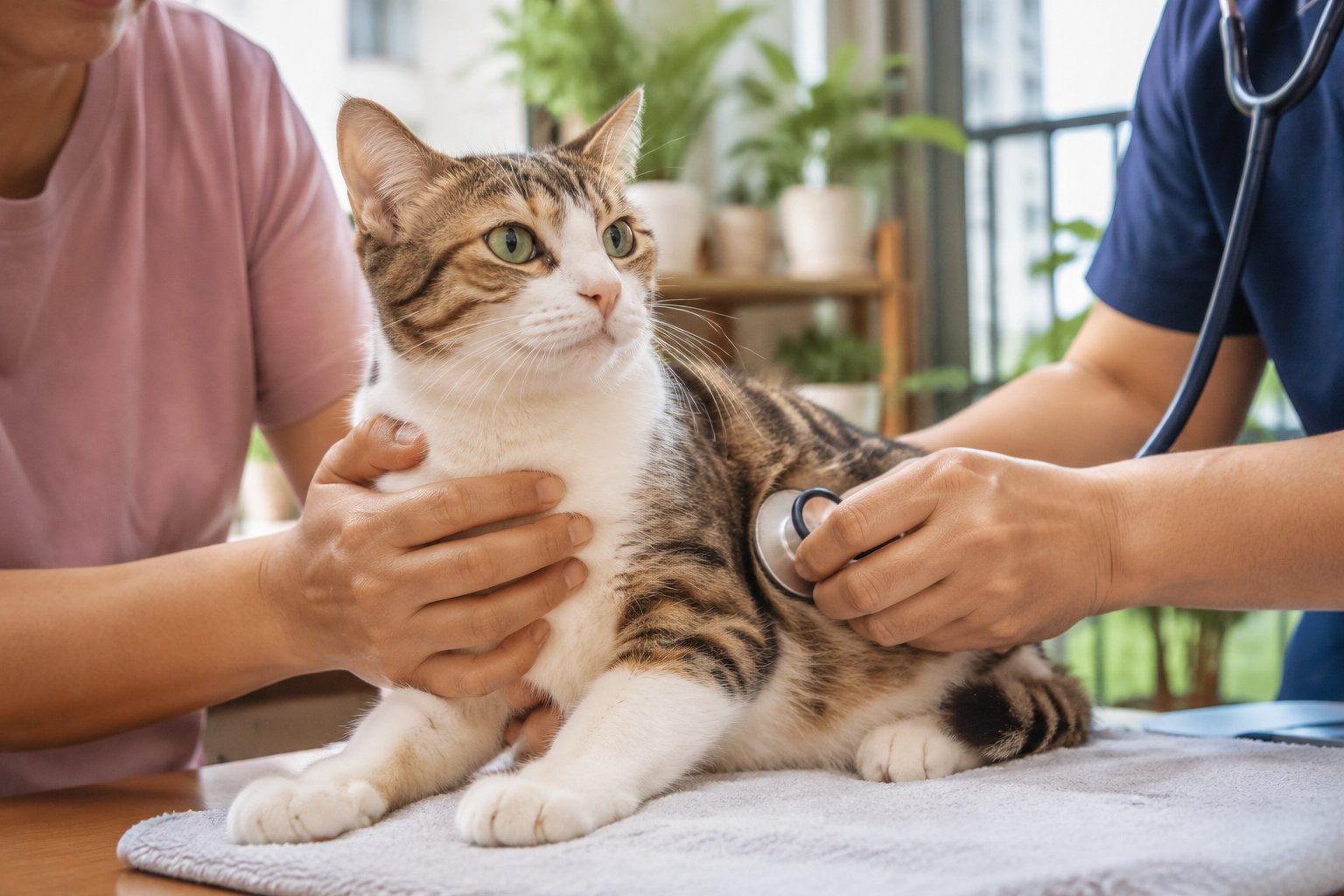
Cat dental pain treatment in Malaysia begins with a proper veterinary diagnosis, usually involving an oral exam under sedation or anaesthesia. Treatment may include pain relief, antibiotics for infection, professional dental cleaning, tooth extractions, or referral for advanced procedures. Never give human painkillers to cats—they are toxic. Early intervention reduces suffering and saves teeth.
Why dental pain in cats is easy to miss
Cats are masters at hiding discomfort. In the wild, showing weakness can make them a target, so they often keep eating even when their mouths hurt. This means dental pain can progress silently for weeks or months before you notice anything wrong.
Many owners only realise something is amiss when the cat stops eating entirely or develops a swollen face. By then, the problem may be advanced. Understanding the subtle signs is the first step to getting help.
Common signs of dental pain in cats include:
- Dropping food from the mouth or eating on one side
- Chewing cautiously or avoiding hard kibble
- Pawing at the mouth or rubbing the face
- Bad breath (halitosis)
- Drooling, sometimes with blood-tinged saliva
- Reduced appetite or weight loss
- Reluctance to groom
- Irritability or withdrawal
- Swelling around the jaw or under the eye
If you notice any of these, book a vet appointment. Do not wait for the cat to stop eating completely.

Common causes of dental pain in cats
Several conditions can cause oral pain. Your vet will determine the exact cause through examination and possibly dental X-rays.
Periodontal disease
Plaque hardens into tartar, which irritates the gums and leads to gingivitis. If untreated, it progresses to periodontitis, destroying the tissues that support the teeth. This is one of the most common dental problems in cats.
Tooth resorption (feline odontoclastic resorptive lesions)
This is a painful condition where the tooth structure is broken down by the cat's own cells. It often starts at the gum line and can expose sensitive dentin or the pulp cavity. Tooth resorption is a leading cause of dental pain and tooth loss in cats. The exact cause is not fully understood, but it is not simply cavities.
Gingivostomatitis
Severe inflammation of the gums and oral tissues, often immune-mediated. Cats with this condition may have difficulty eating and significant pain. Treatment can be complex and may involve medication, dietary changes, and sometimes extractions.
Fractured teeth
Trauma from chewing on hard objects, falls, or fights can fracture teeth and expose the pulp, leading to infection and pain.
Oral tumours
Less common but serious. Any non-healing sore or mass in the mouth should be examined by a vet.
Diagnosing dental pain: what to expect at the vet
A thorough oral examination in a conscious cat is limited because they rarely allow a good look. Your vet will likely recommend a general anaesthetic or deep sedation to examine the mouth properly, take dental X-rays, and perform treatment in the same session.
Before anaesthesia, your vet may run blood tests to assess organ function. This is especially important for older cats or those with underlying health issues.
Dental X-rays are crucial because many dental diseases, including tooth resorption and root abscesses, are not visible to the naked eye. Without X-rays, your vet may miss painful conditions hidden below the gum line.

Treatment options for cat dental pain
The treatment plan depends on the diagnosis, the cat's overall health, and the severity of the pain.
Pain relief
Your vet will prescribe appropriate pain relief. Never use human medications. Cats metabolise drugs differently, and common human painkillers like paracetamol and ibuprofen are toxic. Your vet may use NSAIDs formulated for cats, opioids, or other analgesics, always with careful dosing.
Antibiotics
If there is a bacterial infection, antibiotics may be prescribed. However, antibiotics alone do not treat the underlying cause, such as tartar or a fractured tooth.
Professional dental cleaning (scaling and polishing)
This removes plaque and tartar above and below the gum line. It is performed under anaesthesia. Cleaning alone does not treat tooth resorption or deep periodontal pockets.
Tooth extractions
Extraction is often necessary for teeth that are severely diseased, fractured, or resorbing. Removing a painful tooth can greatly improve a cat's quality of life. Cats can eat well even with several missing teeth.
Advanced procedures
In some cases, referral to a veterinary dentist may be needed for root canal therapy, crown placement, or complex extractions. These services may be limited in Malaysia, so your vet can advise on availability.
Home care after treatment
Your vet will provide instructions for post-operative care, including soft food, pain relief, and restriction of activity. Follow these closely to ensure proper healing.
Comparison of treatment options
| Treatment | What it involves | Typical use | Anaesthesia required? |
|---|---|---|---|
| Pain relief medication | Oral or injectable drugs prescribed by vet | Short-term management of pain | No |
| Antibiotics | Oral medication | Bacterial infection | No |
| Dental scaling and polishing | Cleaning of teeth and gums | Periodontal disease, tartar build-up | Yes |
| Tooth extraction | Surgical removal of tooth | Severe decay, resorption, fracture | Yes |
| Root canal therapy | Advanced endodontic procedure | Fractured tooth with healthy root | Yes |

Preparing for a vet visit in Malaysia
When you suspect dental pain, call your vet clinic and describe the signs. They may ask you to bring your cat in promptly. Here are some tips:
- Note down all symptoms, including when they started and how often they occur.
- List any medications your cat is taking.
- Bring your cat in a secure carrier.
- Be prepared to discuss your cat's diet and chewing habits.
- Ask about the clinic's anaesthesia protocols and whether they have dental X-ray equipment.
In Malaysia, veterinary clinics are available in most urban areas, but dental equipment and expertise can vary. If your regular vet does not have dental X-rays, ask for a referral to a clinic that does.
Home care and prevention
While some dental conditions cannot be prevented, you can reduce the risk of periodontal disease and help your cat stay comfortable.
Brushing your cat's teeth
Use a soft pet toothbrush and pet-safe toothpaste. Never use human toothpaste, which contains fluoride and detergents that can be harmful if swallowed. Start slowly and reward your cat with treats. Daily brushing is ideal, but even a few times a week helps.
Dental diets and chews
Some commercial diets are designed to reduce plaque and tartar. Look for products with the Veterinary Oral Health Council (VOHC) seal if available. Avoid hard objects like bones, antlers, or hard plastic toys that can fracture teeth.
Regular vet check-ups
Schedule annual dental check-ups, or more often for older cats or those with a history of dental disease. Early detection of problems can save your cat from pain and save you from more expensive treatment later.
Watch for subtle changes
Pay attention to your cat's eating habits and behaviour. Any change in chewing, appetite, or grooming should prompt a vet visit.
When to see a vet
Seek veterinary care immediately if your cat shows any of the following:
- Refusal to eat for more than 24 hours
- Drooling with blood
- Facial swelling
- Pawing at the mouth persistently
- Difficulty swallowing
- Severe bad breath
- Visible broken tooth or mass in the mouth
Dental pain can escalate quickly. Do not delay.
Local considerations for Malaysian cat owners
In Malaysia, the climate is warm and humid, which can contribute to plaque formation. Regular dental care is important. Urban apartments, such as those in Kuala Lumpur, may have limited space for chew toys, but daily brushing is still feasible. In Johor terrace houses, cats may have access to outdoor areas where they might chew on inappropriate objects, so supervision is advised. Penang's rainy season can make some cats stay indoors more, leading to less natural chewing activity; ensure you provide appropriate dental chews and maintain brushing routines.
Vet disclaimer
This article is for general information only and is not a substitute for professional veterinary advice. Always consult a licensed veterinarian for diagnosis and treatment of your cat's dental pain. Never give human medications to your cat without veterinary guidance.
Frequently asked questions
1. How can I tell if my cat is in dental pain? Cats often hide dental pain. Watch for dropping food, chewing on one side, pawing at the mouth, bad breath, drooling, reduced appetite, or reluctance to eat hard food. Some cats become irritable or stop grooming. Any of these signs warrants a vet check.
2. Can I give my cat human painkillers for dental pain? No. Never give human painkillers such as paracetamol, ibuprofen, or aspirin to cats. They are toxic and can be fatal. Only use pain relief prescribed by a veterinarian for your cat.
3. What is the most common cause of dental pain in cats? Periodontal disease is very common, but tooth resorption (feline odontoclastic resorptive lesions) is a leading cause of severe dental pain. Both require veterinary diagnosis and treatment.
4. Is dental cleaning under anaesthesia safe for cats? With proper pre-anaesthetic screening, anaesthesia is generally safe. Your vet will assess your cat's health and choose an appropriate protocol. The risk of untreated dental disease is often greater than the anaesthetic risk.
5. How much does cat dental treatment cost in Malaysia? Costs vary widely depending on the procedure, clinic location, and complexity. A simple scaling may cost less than extractions or advanced imaging. Ask your vet for a detailed estimate before treatment.
6. Can dental pain in cats be prevented? Regular home brushing with pet-safe toothpaste, dental diets, and routine vet check-ups help reduce plaque and tartar. However, some conditions like tooth resorption cannot be prevented, so early detection is key.
Related reading
- Cat Health Guide Malaysia: Symptom Check, Red-Flag Triage & When to See a Vet
- Blood Test for Cats: What to Expect (Malaysian Owner's Guide)
- Cat Ear Mites Treatment in Malaysia: A Complete Owner's Guide
- Cat Eye Infection Treatment in Malaysia: A Practical Owner's Guide
- Cat Licking Wounds: Why It Happens and How to Treat It in Malaysia
- Cat Poisoning Treatment in Malaysia: What to Do, What to Expect, and How to Prevent It
- Cat Sneezing Blood: Causes, Treatment and When to See a Vet in Malaysia
- Eye Infection in Cats in Malaysia: Causes, Signs, Treatment & Prevention
- Signs of Licking Wounds in Cats Malaysia: How to Spot Problem Licking

