
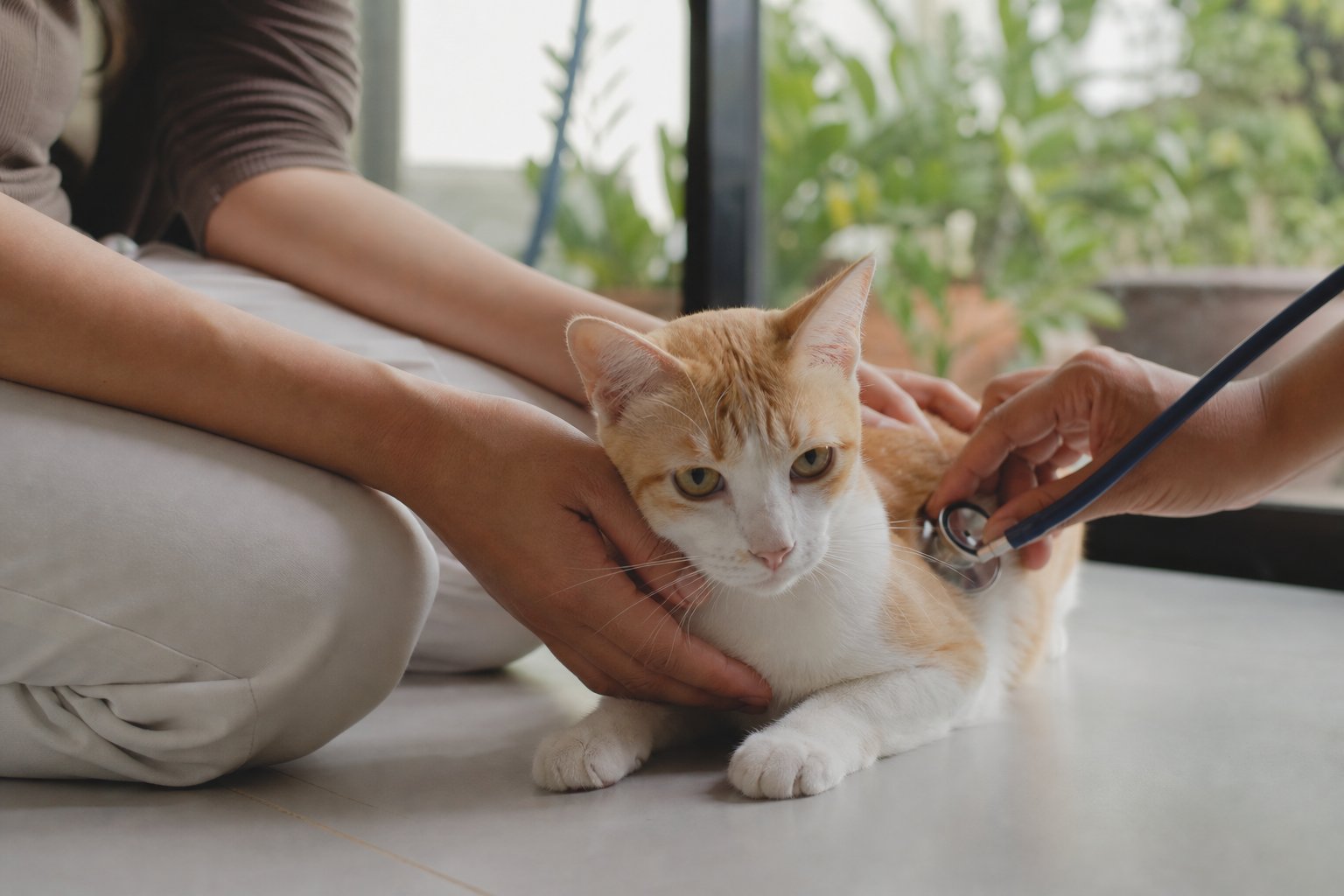
What is ringworm in cats?
Ringworm is a common fungal infection of the skin, hair and sometimes claws. Despite the name, it is not caused by a worm. The medical term is dermatophytosis, and the fungi involved are dermatophytes. In cats, the most common culprit is Microsporum canis, though other species can also be involved.
Ringworm is highly contagious. It spreads through direct contact with an infected animal or person, and through contaminated objects such as bedding, brushes, furniture and carpets. Fungal spores can survive in the environment for a long time, which is why cleaning is a key part of managing an outbreak.
In Malaysia's warm and humid climate, skin problems in cats are common, and ringworm is frequently on the list of possible causes. Humidity alone does not cause ringworm, but a damp coat and skin may make it easier for fungal spores to take hold, especially in cats that are young, elderly, stressed or unwell.
How ringworm spreads
Ringworm spreads in several ways:
- Direct contact with an infected cat, dog or person.
- Contaminated objects such as bedding, towels, grooming tools, cat trees, carriers and food bowls.
- Environmental spores in dust, carpets and upholstery.
- Rodents can carry dermatophytes, so hunting cats may be exposed.
Cats with a weakened immune system, kittens, senior cats and those living in crowded or stressful conditions are more susceptible. Long-haired breeds may also be more prone to persistent infection because spores can hide in the coat.
Because ringworm can pass to humans, it is a zoonotic disease. People with ringworm often notice itchy, circular, red patches on the skin. If you suspect you have ringworm, see a doctor; do not use leftover pet medication on yourself.
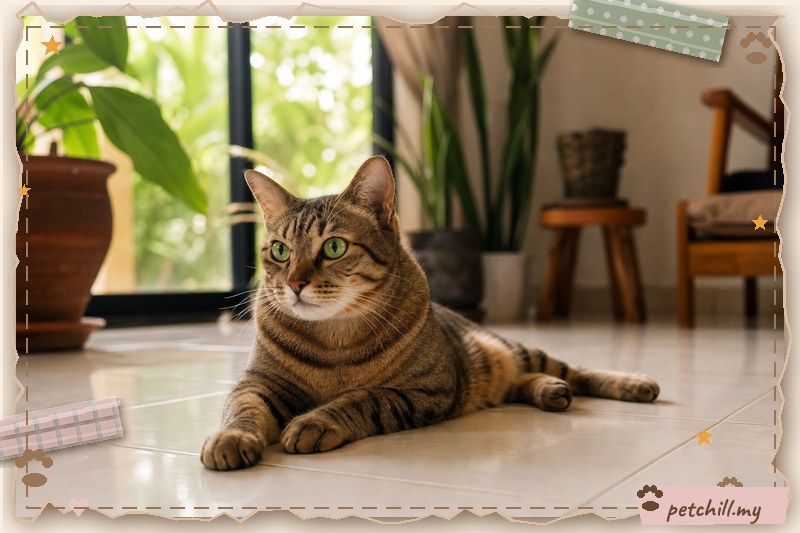
Signs of ringworm in cats
The classic sign is a circular patch of hair loss with a scaly or crusty surface. However, ringworm can look different from cat to cat. Watch for:
- Circular or irregular areas of hair loss, often on the head, ears, face, paws, tail or back.
- Broken hairs and a patchy coat.
- Scaly, flaky or crusty skin.
- Redness or darkening of the skin.
- Itchiness, though some cats are not itchy at all.
- Brittle or deformed claws if the claws are affected.
- In some cats, especially long-haired cats, infection may be subtle, with only mild scaling and little hair loss.
Ringworm can resemble other skin conditions such as flea allergy, bacterial skin infection, demodectic mange or allergic dermatitis. This is why a veterinary examination is important rather than guessing from a photo.
How vets diagnose ringworm
A vet may use several methods:
- Wood's lamp examination. Some Microsporum species fluoresce under ultraviolet light, but not all do, so a negative result does not rule out ringworm.
- Microscopic examination of hairs or skin scales. A sample is examined for fungal spores or hyphae.
- Fungal culture. This is the gold standard. A sample of hair or skin is placed on a culture medium and monitored for fungal growth. Results can take days to weeks.
- PCR testing. Some laboratories offer molecular testing for faster results.
Your vet may also check for other conditions and assess your cat's general health, especially if the cat is young, old or has a history of illness.
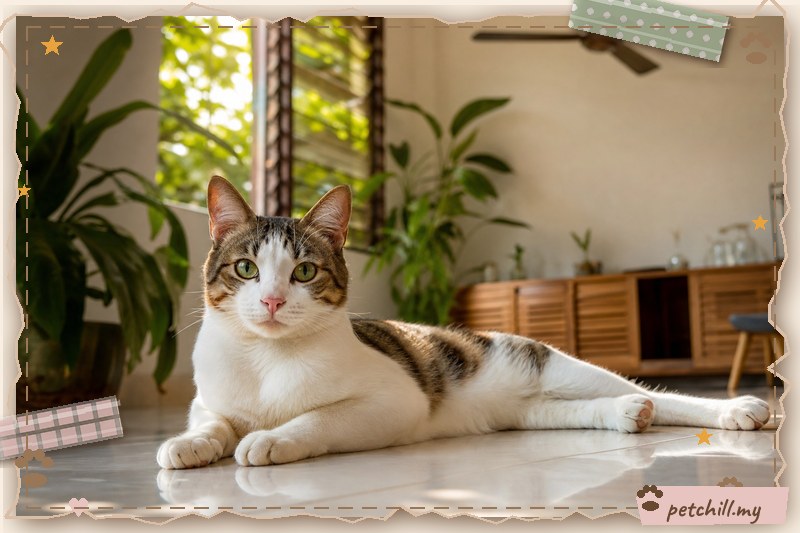
Treatment options
Treatment depends on the severity of the infection, the number of lesions, the cat's age and health, and whether other pets or people in the home are affected. A vet will tailor a plan.
Topical treatment
Topical antifungal products may be prescribed for localized lesions. These can include creams, ointments, sprays or medicated shampoos. Some cats need clipping of the hair around lesions to help the medication reach the skin and to reduce environmental contamination. Never use human antifungal creams on a cat without veterinary advice, as some ingredients are not safe if licked.
Oral medication
For widespread or stubborn infections, vets often prescribe oral antifungal drugs. These are prescription-only and require veterinary supervision because they can affect the liver and need correct dosing. Blood tests may be recommended before and during treatment in some cases.
Environmental cleaning
This is not optional. Spores can linger in the home and reinfect your cat or spread to people. Practical steps include:
- Wash bedding, blankets and soft toys in hot water with detergent.
- Vacuum carpets, rugs, furniture and cat trees regularly, and dispose of the vacuum bag or empty the canister carefully.
- Wipe hard surfaces with a suitable disinfectant. Ask your vet which products are effective against fungal spores and safe for pets.
- Use a fresh brush or comb for the infected cat, or disinfect grooming tools.
- Limit the infected cat to one easy-to-clean room during the early treatment period.
Treating other pets
If you have other pets, ask your vet whether they should be checked or treated. In multi-cat households, ringworm can spread quickly, and a coordinated plan helps prevent a cycle of reinfection.
Ringworm treatment comparison
| Treatment approach | What it involves | Typical use | Important notes |
|---|---|---|---|
| Topical antifungal | Cream, spray, shampoo or ointment applied to lesions | Localized or mild infections | Follow vet instructions; prevent licking |
| Oral antifungal | Prescription tablets or liquid | Widespread, persistent or severe cases | Requires veterinary monitoring |
| Medicated shampoo | Bathing with antifungal shampoo | Part of a broader treatment plan | Not a stand-alone cure in most cases |
| Environmental cleaning | Washing, vacuuming, disinfecting | Every case, especially multi-pet homes | Essential to reduce reinfection |
| Isolation | Separate room for infected cat | Early treatment period | Helps protect people and other pets |
Ringworm and people
Ringworm is contagious to humans. In people, it often appears as an itchy, circular rash with a clearer centre. It can occur on the body, scalp, feet or nails. Children, older adults and people with weakened immune systems may be more susceptible.
If you or a family member develops a suspicious rash, see a doctor. Tell them you have a cat with ringworm. Do not share towels, bedding or clothing with an infected pet, and wash your hands after handling the cat or cleaning its area.
Preventing ringworm in Malaysian homes
Malaysia's humid climate means homes can stay damp, especially during the rainy season. While you cannot eliminate all fungal spores, you can reduce the risk:
- Keep your cat's coat clean and brushed, and dry your cat thoroughly if it gets wet.
- Wash bedding regularly and allow it to dry completely in the sun.
- Vacuum regularly, especially in homes with carpets and soft furnishings.
- Avoid overcrowding and stress, which can affect immunity.
- Feed a balanced diet and keep up with routine veterinary care.
- If you adopt a new cat, ask about its health history and consider a vet check before introducing it to other pets.
- In apartments, pay attention to damp areas such as bathrooms and balconies where spores may linger.
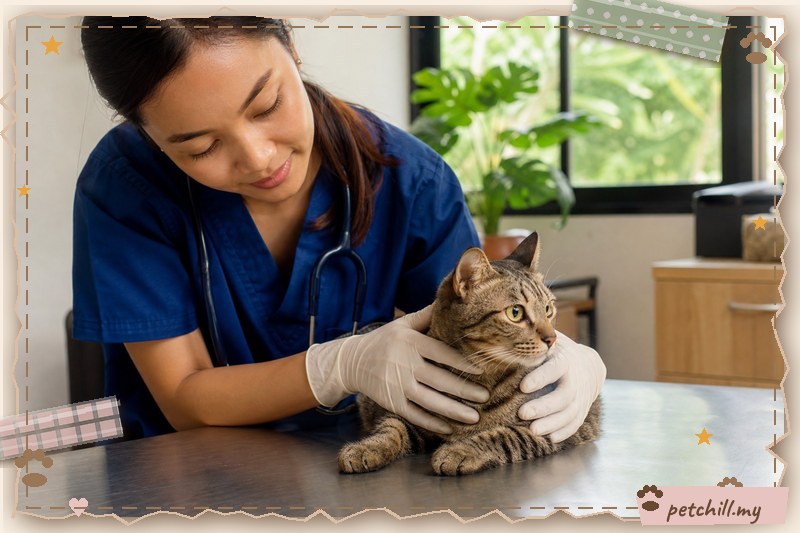
When to see a vet
See a vet if your cat has any of the following:
- Circular patches of hair loss, scaling or crusting.
- Persistent itching or scratching.
- Skin redness, sores or signs of secondary infection.
- Brittle or deformed claws.
- You or a family member has a suspicious rash and your cat has skin problems.
- Your cat is a kitten, senior or has a known health condition.
- The skin problem is not improving or is spreading.
Do not wait for ringworm to resolve on its own, especially in a multi-pet household or where children live. Early veterinary assessment can shorten the course and reduce the risk of spread.
Living with a ringworm-positive cat
A ringworm diagnosis can feel overwhelming, but with a consistent plan it is manageable. Keep a simple routine:
- Give medication exactly as prescribed and on schedule.
- Clean and disinfect the cat's area daily or as advised.
- Wash your hands after contact.
- Keep the cat separate from other pets and children until your vet says it is safe.
- Attend follow-up appointments so your vet can confirm the infection has cleared.
In a Malaysian terrace house or apartment, it helps to choose one room with hard floors and minimal soft furnishings for the cat during treatment. Remove rugs if possible, and wipe surfaces regularly. If the cat usually sleeps on your bed, wash bedding frequently and consider temporary alternatives that are easier to clean.
Key takeaways
- Ringworm is a fungal skin infection, not a worm.
- It is contagious to people and other pets.
- Signs include circular hair loss, scaling and sometimes itch.
- Diagnosis requires a vet; a photo is not enough.
- Treatment usually combines topical or oral medication with environmental cleaning.
- Prevention focuses on hygiene, reducing stress and regular vet care.
This article is for general information only and is not a substitute for veterinary advice. If you suspect your cat has ringworm, consult a licensed veterinarian in Malaysia.
Related reading
- Cat Ringworm Treatment in Malaysia: A Practical Owner's Guide
- Cat Skin Fungus Treatment in Malaysia: A Practical Owner's Guide
- How to Treat Ringworm in Cats at Home: A Practical Guide for Malaysian Owners
- Ringworm in Cats: Causes, Symptoms and Care (Malaysia Guide)
- Ringworm Prevention for Cats in Malaysia: A Practical, Vet-Informed Guide
- Signs of Ringworm in Cats in Malaysia: What Owners Should Look For
- Skin Fungus in Cats in Malaysia: Ringworm Signs, Treatment and Prevention
- Blood Test for Cats in Malaysia: What It Checks, Costs and When You Need One
- Blood Test for Cats: What to Expect (Malaysian Owner's Guide)