
PetChill Pet Encyclopedia
Cat Health

Flea Treatment for Cats: What to Expect (Malaysia Guide)

Flea treatment works best when you know the timeline: what kills adult fleas, when itching eases, why you may see more fleas first, and how to stop reinfection in a Malaysian home.

Published: 2026-11-06·7 min read·Author: PetChill Editorial
Flea Treatment for Cats: What to Expect (Malaysia Guide)

💡 Quick Answer

Expect adult fleas to start dying within hours to a day after treatment, with itching easing over 1–2 weeks. You may see more fleas for a few days as eggs hatch. Treat every pet, clean bedding and vacuum, and repeat on schedule. Never use dog products on cats.

What to expect, in short

Flea treatment for cats is not a single event; it is a short timeline plus a longer prevention plan. In the first day, adult fleas begin to die. Over the next one to two weeks, itching and skin irritation settle. For a few days you may actually see more fleas as eggs in your home hatch and jump onto your protected cat. Treat every pet, wash bedding, vacuum, and repeat on the label schedule. Never use a dog product on a cat.

This guide explains each stage, the main product types available in Malaysia, what side effects are normal, what is not, and how to stop fleas coming back in Malaysian homes.

The flea timeline: what happens after treatment

First 0–24 hours

Most spot-on and oral flea products start killing adult fleas within hours. Your cat may scratch more briefly as fleas become agitated before dying. Some cats are quiet or sleepy after a spot-on; this is usually mild and short-lived. Do not bathe your cat immediately after a spot-on unless the label says it is safe; bathing too soon can reduce effectiveness.

Days 1–7

You may see live fleas. This is often the most confusing part: you treated your cat, yet fleas appear. The reason is the flea life cycle. Adult fleas on the cat lay eggs, which fall into bedding, carpets and cracks. Products kill adults, but eggs and pupae in the environment are not all killed at once. As they hatch, new adults jump on your cat and die. Seeing fleas for several days is common. Vacuuming daily and washing bedding in hot water helps remove eggs and larvae.

Weeks 1–2

Itching, scabs and mild hair loss from flea allergy usually improve. If your cat has flea allergy dermatitis, skin damage can take longer to heal and may need vet care. Do not stop treatment because the cat looks better; the environment still needs time.

Weeks 2–8

With consistent monthly treatment and home cleaning, the flea population should drop sharply. In a warm, humid Malaysian home, fleas can breed year-round, so gaps in treatment let numbers rebound. Mark treatment days on a calendar or phone reminder.

The flea timeline: what happens after treatment

Types of flea treatment for cats

There are several product types. The right choice depends on your cat's age, health, temperament, and whether you can apply a spot-on or give a tablet.

Product type How it works Typical onset Pros Cons
Spot-on Liquid on skin between shoulders Hours to 24 hours Easy for many cats; some last 1–3 months Needs correct application; do not bathe too soon; some cats dislike it
Oral tablet Swallowed; kills fleas from inside Often within hours No residue; good if you can pill the cat Some cats resist; check age/weight limits
Flea collar Releases ingredient around neck Slower; varies Long-lasting some types Fit and safety matter; not all cats tolerate collars
Spray Applied to coat Fast knockdown Useful for some situations Labour-intensive; cats may fear sprayers
Shampoo Kills fleas on contact Immediate during bath Cleans skin No lasting protection; stressful for some cats
Injectable (vet-only) Given by vet Varies Convenient for some cats Vet visit needed; not for all cats

In Malaysia, spot-on and oral products are the most common choices for home use. Brand names vary in availability; ask your vet or retailer what is currently stocked and suitable for your cat. Prices vary by product, pack size and clinic, so ask locally rather than assuming.

Important safety rule

Never use a flea product labelled for dogs on a cat. Some dog products contain permethrin, which is highly toxic to cats and can cause tremors, seizures and death. Read the label every time, even if you have used the product before. If you are unsure, call your vet before applying anything.

Step-by-step: giving flea treatment correctly

  1. Weigh your cat. Dose depends on weight. Guessing can under-dose (fleas survive) or over-dose (side effects).
  2. Read the label. Check species, age, weight and pregnancy status. Kittens and pregnant cats often need vet advice.
  3. Treat every pet in the home. If one pet is untreated, fleas continue. Use species-appropriate products for each pet.
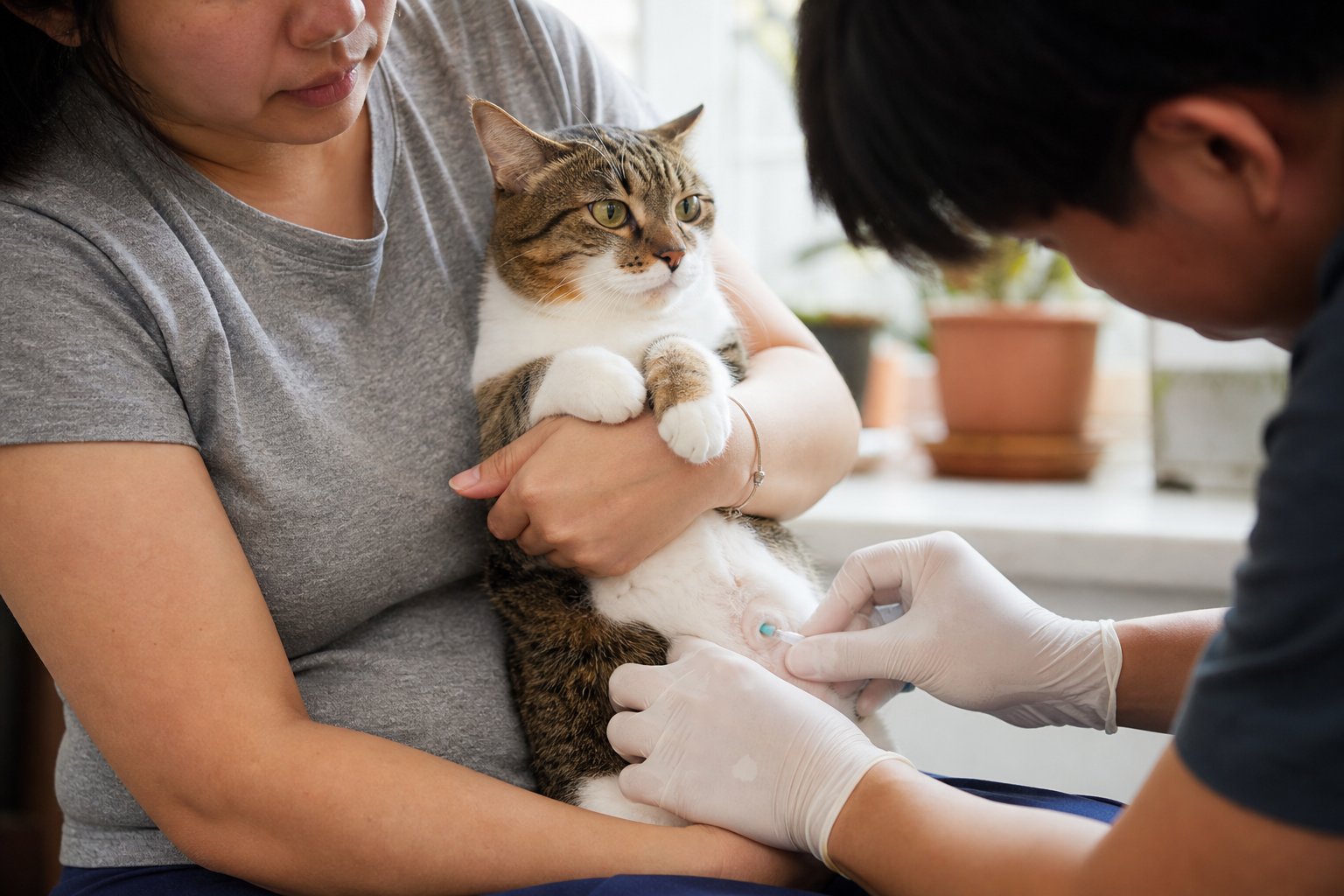
  4. Apply spot-on properly. Part the fur at the back of the neck, place the tip on skin, and squeeze. Do not rub it in with your fingers unless the label says so; wash your hands after.
  5. Keep cats apart briefly. If you have multiple cats, separate them until the spot-on dries so they do not lick each other's product.
  6. Do not bathe too soon. Follow the label; many spot-ons need a few days before bathing.
  7. Record the date. Set a reminder for the next dose.
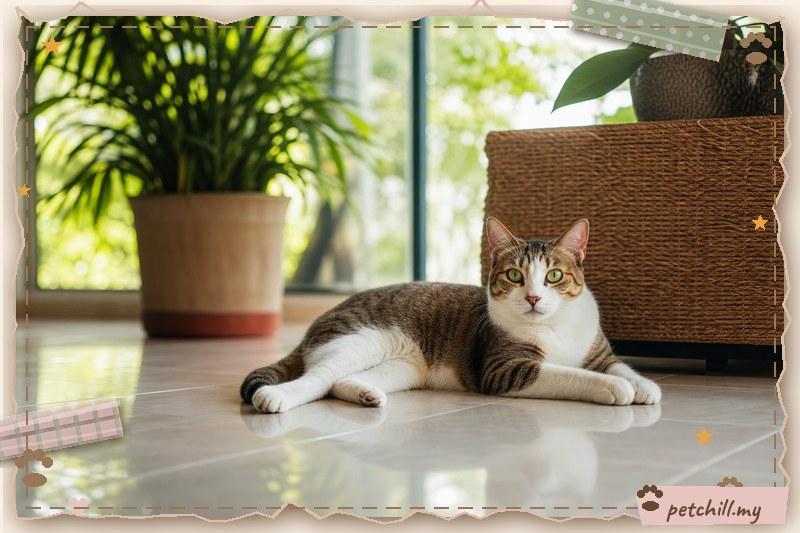
  8. Clean the home. Vacuum floors, sofas, cat trees and car seats; wash bedding; discard the vacuum bag or empty the canister outside.
Step-by-step: giving flea treatment correctly

What side effects are normal, and what is not

Mild, short-lived effects can include:

  • Brief scratching or restlessness after application
  • Mild sleepiness
  • A small amount of residue at the application site
  • Slight redness where the product was applied

Contact your vet promptly if you see:

  • Tremors, twitching or seizures
  • Excessive drooling
  • Weakness or wobbliness
  • Breathing difficulty
  • Vomiting or diarrhoea that persists
  • Severe skin redness, swelling or pain
  • Your cat licking the product and becoming unwell

If you suspect poisoning, call your vet immediately. Do not wait to see if it passes.

Home cleaning: the half of treatment people forget

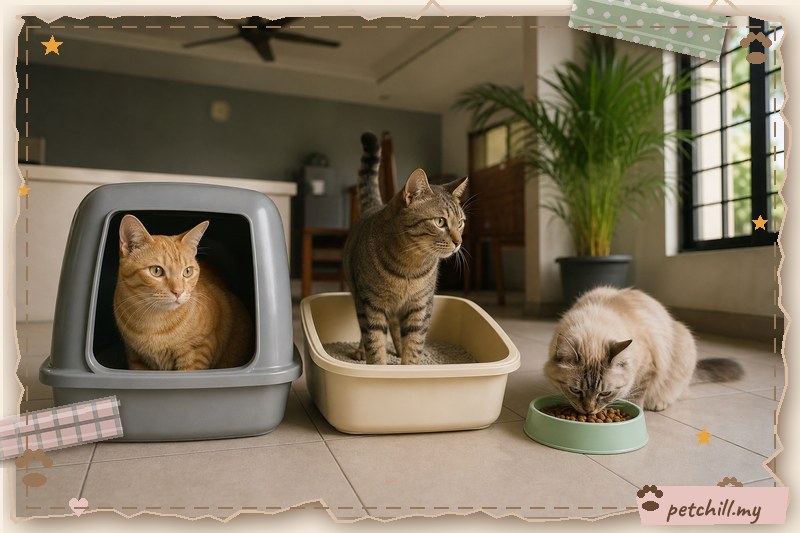
Fleas spend most of their life off the cat. In a Malaysian home, eggs and larvae can settle in bedding, carpets, sofa seams, cracks in tiles, and shaded damp spots. Cleaning is not optional if you want to stop the cycle.

  • Wash bedding weekly in hot water during an outbreak.
  • Vacuum daily for at least two weeks. Pay attention to under furniture, along skirting boards, and where your cat sleeps.
  • Empty the vacuum outside or seal the bag.
  • Clean cat carriers and car seats if your cat travels.
  • Reduce clutter so you can vacuum properly.
  • Consider professional pest control if the infestation is heavy, but keep pets away during treatment and follow instructions.

Outdoors, fleas prefer shaded, damp areas. In a Kuala Lumpur apartment, the risk may come through shared corridors, lifts, or plants on a balcony. In a Johor terrace house, fleas can come from the garden, car porch or stray cats nearby. In the Penang rainy season, damp shaded areas around the home can support flea survival, so drying bedding thoroughly matters.
Home cleaning: the half of treatment people forget

Flea allergy and skin damage

Some cats are allergic to flea saliva. For them, a single flea bite can cause intense itching, scabs, hair loss and skin infection, especially around the lower back, tail base and neck. If your cat has these signs, flea treatment alone may not be enough; your vet may need to treat skin infection, prescribe medication, or recommend a longer plan. Do not use human creams or random home remedies on cats without vet advice.

Kittens, pregnant cats and older cats

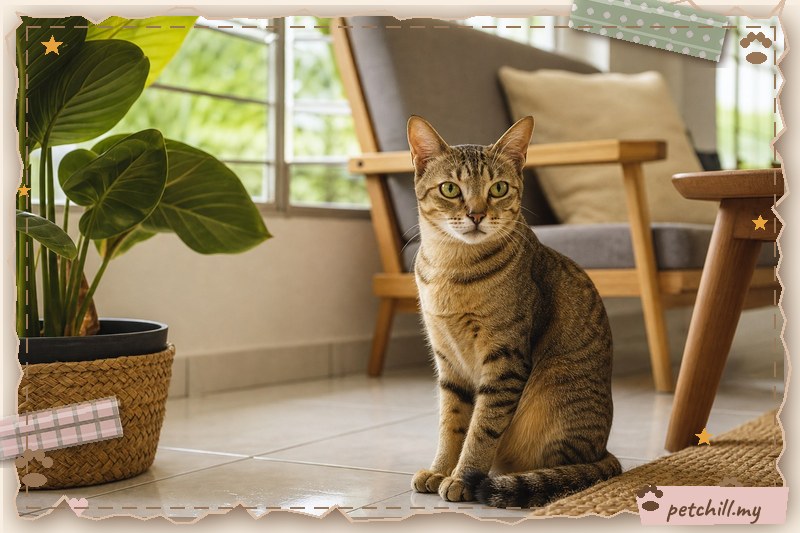
Not all products are safe for kittens. Many labels set a minimum age and weight. Pregnant or nursing cats need vet advice. Older cats with health conditions may need a product check. If your cat is on medication, ask your vet about interactions before starting a new flea product. When in doubt, a quick call to your clinic is cheaper than treating a problem later.
Kittens, pregnant cats and older cats

How to tell treatment is working

  • Fewer live fleas seen on the cat over 1–2 weeks
  • Less scratching and restlessness
  • No new scabs or hair loss
  • No fleas on white paper when you comb your cat
  • No flea dirt (small dark specks that turn reddish-brown on damp tissue)

Use a fine-toothed flea comb over a white surface. If you see flea dirt, fleas are still present. Keep treating and cleaning.

Common mistakes that make flea treatment fail

  • Treating only one pet in a multi-pet home
  • Skipping doses or stretching the interval
  • Bathing too soon after a spot-on
  • Using the wrong weight dose
  • Not cleaning the environment
  • Using a dog product on a cat
  • Stopping treatment as soon as itching stops
  • Buying from an unclear source without label checks

When to see a vet

See a vet if your cat has tremors, drooling, weakness, breathing trouble, severe scratching, open wounds, widespread hair loss, or if fleas persist after correct treatment. Also see a vet for kittens, pregnant or nursing cats, cats with ongoing health problems, or if you are unsure which product is safe. If you suspect poisoning from a flea product, call your vet immediately.

Prevention in Malaysia

Malaysia's warm, humid climate means fleas can be active all year. Year-round prevention is usually more effective than treating only when you see fleas. Keep a schedule, treat all pets, and check your cat after visits to groomers, boarding or outdoor areas. If you foster or rescue cats, quarantine and treat new arrivals promptly with vet advice.

Quick checklist

  • Weigh cat and read label
  • Confirm product is for cats
  • Treat all pets
  • Apply correctly and separate cats briefly
  • Record date and set reminder
  • Vacuum daily for 2 weeks
  • Wash bedding hot
  • Comb weekly to check
  • Call vet if warning signs

Vet disclaimer

This article is general information for Malaysian cat owners and is not a substitute for veterinary advice. Product availability, labelling and suitability vary. Always read the label and consult a licensed veterinarian for diagnosis and treatment, especially for kittens, pregnant cats, sick cats or suspected poisoning.

Frequently Asked Questions

📌 Key Takeaways

  • This article covers: What to expect, in short, The flea timeline: what happens after treatment, Types of flea treatment for cats, Step-by-step: giving flea treatment correctly, What side effects are normal, and what is not, and more
  • Jump to any section via the table of contents for the key details
  • If in doubt, consult a registered veterinarian

Explore this topic cluster

This guide belongs to a Malaysia-focused topic cluster. Read the pillar guide and related articles.

View cluster →

📚 Cat Health article index

This article is part of the Cat Health topic cluster. Explore related articles:

⭐ Pillar guide: Cat Health complete guideBlood Test for Cats in Malaysia: What It Checks, Costs and When You Need One→ ReadBlood Test for Cats Step by Step: What Happens at the Clinic→ ReadBlood Test for Cats: What to Expect (Malaysian Owner's Guide)→ ReadCat Constipation Treatment in Malaysia: A Practical Owner's Guide→ ReadCat Dental Pain Treatment in Malaysia: A Practical Owner's Guide→ ReadCat Diarrhea Treatment in Malaysia: A Practical Owner's Guide→ ReadCat Ear Mites Treatment in Malaysia: A Complete Owner's Guide→ ReadCat Eye Infection Treatment in Malaysia: A Practical Owner's Guide→ ReadCat Fleas Treatment in Malaysia: A Practical Owner's Guide→ ReadCat Hair Loss Treatment in Malaysia: A Practical Owner's Guide→ ReadCat Licking Wounds: Why It Happens and How to Treat It in Malaysia→ ReadCat Poisoning Treatment in Malaysia: What to Do, What to Expect, and How to Prevent It→ ReadCat Ringworm Treatment in Malaysia: A Practical Owner's Guide→ ReadCat Skin Fungus Treatment in Malaysia: A Practical Owner's Guide→ ReadCat Sneezing Blood: Causes, Treatment and When to See a Vet in Malaysia→ ReadCat Vomiting Treatment in Malaysia: What to Do and When to See a Vet→ ReadCat Weight Loss Treatment in Malaysia: A Practical Guide for Owners→ ReadCat Worms Treatment in Malaysia: A Practical Owner's Guide→ ReadChocolate Poisoning and Cats in Malaysia: What Every Owner Should Know→ ReadConstipation in Cats: Causes, Care and When to See a Vet in Malaysia→ ReadConstipation in Cats in Malaysia: Causes, Signs and What to Do→ ReadConstipation Prevention for Cats: A Practical Guide for Malaysian Owners→ ReadDental Pain in Cats: Causes, Signs and Care (Malaysia Guide)→ ReadDental Pain in Cats in Malaysia: Signs, Causes and What to Do→ ReadDental Pain Prevention for Cats: A Practical Malaysian Guide→ ReadDeworming Schedule for Cats in Malaysia: A Practical, Vet-Led Guide→ ReadDeworming Schedule for Cats: A Step-by-Step Plan for Malaysian Owners→ ReadDeworming Schedule for Cats: What to Expect (Malaysia Guide)→ ReadDiarrhea in Cats: Causes and Care (Malaysian Owner's Guide)→ ReadDiarrhea in Cats in Malaysia: Causes, Home Care and When to See a Vet→ ReadDiarrhea Prevention for Cats: A Practical Guide for Malaysian Owners→ ReadE-Collar Recovery for Cats in Malaysia: A Practical Guide for Owners→ ReadE-Collar Recovery for Cats Step by Step: A Practical Guide for Malaysian Owners→ ReadE-Collar Recovery for Cats: What to Expect (Malaysia Guide)→ ReadEar Mites in Cats: Causes and Care (Malaysia Guide)→ ReadEar Mites in Cats in Malaysia: Signs, Treatment and Prevention→ ReadEar Mites Prevention for Cats: A Practical Malaysian Guide→ ReadElectrical Cables and Cats in Malaysia: A Practical Safety Guide→ ReadEye Infection in Cats: Causes and Care (Malaysia Guide)→ ReadEye Infection in Cats in Malaysia: Causes, Signs, Treatment & Prevention→ ReadEye Infection Prevention for Cats: A Practical Malaysian Guide→ ReadFans and Air Conditioning for Cats in Malaysia: A Practical Comfort Guide→ ReadFlea Treatment for Cats in Malaysia: A Complete Guide→ ReadFlea Treatment for Cats Step by Step: A Practical Malaysian Guide→ ReadFleas in Cats: Causes and Care (Malaysia Guide)→ ReadFleas in Cats in Malaysia: Signs, Treatment and Prevention→ ReadFleas Prevention for Cats in Malaysia: A Practical, Year-Round Plan→ ReadGiving Pills for Cats in Malaysia: A Stress-Free Step-by-Step Guide→ ReadGiving Pills for Cats Step by Step: A Calm, Practical Guide for Malaysian Owners→ ReadGiving Pills for Cats: What to Expect (Malaysian Owner's Guide)→ ReadHair Loss in Cats: Causes and Care (Malaysian Owner's Guide)→ ReadHair Loss in Cats in Malaysia: Causes, Home Checks and When to See a Vet→ ReadHair Loss Prevention for Cats: A Practical Grooming and Health Guide→ ReadHousehold Cleaning Products and Cats in Malaysia: A Safety Guide→ ReadHow to Prevent Chocolate Poisoning Around Cats: A Practical Guide for Malaysian Homes→ ReadHow to Prevent Electrical Cables Around Cats: A Practical Safety Guide for Malaysian Homes→ ReadHow to Prevent Fan and Aircond Problems Around Cats: A Malaysian Home Guide→ ReadHow to Prevent Household Cleaning Products Around Cats: A Practical Safety Guide for Malaysian Homes→ ReadHow to Prevent Lily Poisoning Around Cats: A Practical Safety Guide for Malaysian Homes→ ReadHow to Prevent Open Windows Around Cats: A Practical Safety Guide for Malaysian Homes→ ReadHow to Prevent Paracetamol Poisoning Around Cats: A Malaysian Safety Guide→ ReadHow to Prevent Plastic Bags Around Cats: A Practical Safety Guide for Malaysian Homes→ ReadHow to Treat Constipation in Cats at Home: A Practical Malaysian Guide→ ReadHow to Treat Dental Pain in Cats at Home: Safe Relief and When to See a Vet→ ReadHow to Treat Diarrhea in Cats at Home: A Practical Malaysian Guide→ ReadHow to Treat Ear Mites in Cats at Home: A Practical Malaysian Guide→ ReadHow to Treat Eye Infection in Cats at Home: Safe Steps for Malaysian Owners→ ReadHow to Treat Fleas in Cats at Home: A Practical Malaysian Guide→ ReadHow to Treat Hair Loss in Cats at Home: A Practical Malaysian Guide→ ReadHow to Treat Licking Wounds in Cats at Home: A Practical Guide for Malaysian Owners→ ReadHow to Treat Poisoning in Cats at Home: First Aid, Safe Steps and When to Rush to the Vet→ ReadHow to Treat Ringworm in Cats at Home: A Practical Guide for Malaysian Owners→ ReadHow to Treat Skin Fungus in Cats at Home: A Practical Malaysian Guide→ ReadHow to Treat Sneezing Blood in Cats at Home: Safe First Steps for Malaysian Owners→ ReadHow to Treat Vomiting in Cats at Home: A Practical Malaysian Guide→ ReadHow to Treat Weight Loss in Cats at Home: A Practical Guide for Malaysian Owners→ ReadHow to Treat Worms in Cats at Home: A Practical, Safe Guide for Malaysian Owners→ ReadLicking Wounds in Cats: Causes and Care (Malaysian Vet Guide)→ ReadLicking Wounds in Cats Malaysia: When It's Normal and When to Stop It→ ReadLicking Wounds Prevention for Cats: How to Stop the Lick Cycle and Let Skin Heal→ ReadLily Poisoning and Cats in Malaysia: Why Every Petal Is an Emergency→ ReadOpen Windows and Cats in Malaysia: How to Keep Your Cat Safe Without Locking Up the House→ ReadParacetamol Poisoning in Cats in Malaysia: Why Even One Tablet Can Be Deadly→ ReadPlastic Bags and Cats in Malaysia: Why They're Dangerous and How to Keep Your Cat Safe→ ReadPoisoning in Cats: Causes, Symptoms and Care (Malaysia Guide)→ ReadPoisoning in Cats in Malaysia: Common Toxins, Signs and What to Do→ ReadPoisoning Prevention for Cats in Malaysia: A Room-by-Room Safety Guide→ ReadRingworm in Cats: Causes, Symptoms and Care (Malaysia Guide)→ ReadRingworm in Cats in Malaysia: Signs, Treatment and Prevention→ ReadRingworm Prevention for Cats in Malaysia: A Practical, Vet-Informed Guide→ ReadSigns of Constipation in Cats in Malaysia: What to Watch For and When to Act→ ReadSigns of Dental Pain in Cats in Malaysia: What Owners Miss→ ReadSigns of Diarrhea in Cats in Malaysia: What's Normal, What's Not→ ReadSigns of Ear Mites in Cats in Malaysia: How to Spot, Treat and Prevent Them→ ReadSigns of Eye Infection in Cats in Malaysia: What Owners Should Look For→ ReadSigns of Fleas in Cats in Malaysia: How to Spot, Check and Act→ ReadSigns of Hair Loss in Cats in Malaysia: What to Look For and When to Worry→ ReadSigns of Licking Wounds in Cats Malaysia: How to Spot Problem Licking→ ReadSigns of Poisoning in Cats in Malaysia: What to Watch For and What to Do→ ReadSigns of Ringworm in Cats in Malaysia: What Owners Should Look For→ ReadSigns of Skin Fungus in Cats in Malaysia: How to Spot Ringworm Early→ ReadBlood in a Cat's Sneeze: Signs, Causes and What to Do in Malaysia→ ReadSigns of Vomiting in Cats in Malaysia: What's Normal, What's Not, and When to See a Vet→ ReadSigns of Weight Loss in Cats in Malaysia: What to Watch For and When to Worry→ ReadSigns of Worms in Cats in Malaysia: What Owners Should Look For→ ReadSkin Fungus in Cats: Causes, Signs and Care (Malaysia Guide)→ ReadSkin Fungus in Cats in Malaysia: Ringworm Signs, Treatment and Prevention→ ReadSkin Fungus Prevention for Cats: A Practical Guide for Malaysian Homes→ ReadSneezing Blood in Cats: Causes and Care (Malaysia Guide)→ ReadSneezing Blood in Cats in Malaysia: Causes, What to Do, and When to See a Vet→ ReadSneezing Blood Prevention for Cats: Causes, Care and When to Worry→ ReadSterilization for Cats in Malaysia: A Complete Guide for Owners→ ReadSterilization for Cats Step by Step: A Malaysian Owner's Guide→ ReadSterilisation for Cats: What to Expect (Malaysian Owner's Guide)→ ReadUltrasound for Cats in Malaysia: What It Is, When It's Needed, and What to Expect→ ReadUltrasound for Cats Step by Step: What Happens, What It Costs, and How to Prepare→ ReadUltrasound for Cats: What to Expect (Malaysian Owner's Guide)→ ReadVaccination Side Effects for Cats in Malaysia: What's Normal, What's Not→ ReadVaccination Side Effects for Cats: A Step-by-Step Guide for Malaysian Owners→ ReadCat Vaccination Side Effects: What Malaysian Owners Should Expect→ ReadVomiting in Cats: Causes and Care (Malaysia Guide)→ ReadVomiting in Cats in Malaysia: When It's Normal and When to Worry→ ReadVomiting Prevention for Cats: A Practical Guide for Malaysian Owners→ ReadWeight Loss in Cats: Causes and Care (Malaysian Vet Guide)→ ReadWeight Loss in Cats in Malaysia: Causes, Warning Signs and What to Do→ ReadWeight Loss Prevention for Cats: A Practical Malaysian Guide→ ReadWorms in Cats: Causes and Care (Malaysia Vet Guide)→ ReadWorms in Cats in Malaysia: A Practical Owner's Guide→ ReadWorms Prevention for Cats in Malaysia: A Complete Guide→ ReadWound Care for Cats in Malaysia: A Practical Owner's Guide→ ReadWound Care for Cats Step by Step: A Practical Malaysian Guide→ ReadWound Care for Cats: What to Expect, Step by Step→ ReadX-Ray for Cats in Malaysia: What to Expect, Costs and Safety→ ReadX-Ray for Cats Step by Step: What Malaysian Owners Should Expect→ ReadX-Ray for Cats: What to Expect (Malaysian Owner's Guide)→ ReadArthritis Pet Care in Malaysia: A Practical Guide for Cats and Dogs→ ReadCat Arthritis in Malaysia: 5 Home Signs Your Cat Is in Pain — and What to Do→ ReadEarly Signs of Chronic Disease in Cats: 7 Daily Checks and a 4-Week Record Sheet→ ReadCat Chronic Kidney Disease in Malaysia: The Daily Care Routine That Actually Slows It Down→ ReadCat Constipation in Malaysia: The 48-Hour Rule, Red Flags and What Actually Helps→ ReadCat Dehydration in Malaysia: Home Skin-Turgor Test, 7 Causes and Emergency Signs→ ReadCat Heart Disease in Malaysia: Sleep Breathing Count, HCM Early Signs and When to Rush to the Vet→ ReadCat Kidney Disease in Malaysia: Early Signs, Prevention and Everyday Care→ ReadCat Pancreatitis in Malaysia: Symptoms, fPLI Testing, Treatment and Home Recovery→ ReadCat Ringworm in Malaysia: Signs, Treatment and Home Cleaning Guide→ ReadCat Symptom Checker Malaysia: 12 Common Signs and a Green-Amber-Red Triage Table→ ReadPet Deworming in Malaysia: How Often to Worm Your Cat or Dog→ ReadPet Gut Health in Malaysia: Probiotics, Food Transitions and Stool Troubles (Part 2)→ ReadCat Gut Health: Probiotics, Antibiotics and Food Transitions Explained (Malaysia)→ ReadPet Health Malaysia 2026: Common Cat and Dog Illnesses, Prevention Care and Vet Guidance→ ReadPet Insurance in Malaysia: How to Compare Plans Before You Sign→ ReadPet Poisoning at Home: Household Chemicals, Toxic Plants and When Not to Induce Vomiting (Malaysia)→ ReadPet Poisoning at Home: Household Chemicals, Insecticides and Toxic Plants (Malaysia, Part 1)→ ReadCat Chronic Disease Early Signs in Malaysia: 7 Daily Checks and a 4-Week Log→ ReadCat Health Guide Malaysia: Symptom Check, Red-Flag Triage & When to See a Vet→ ReadCat Ringworm in Malaysia: Symptoms, Treatment and Home Cleaning Guide→ ReadGut Health, Probiotics & Food Transition Part 2: Practical Malaysia Guide→ ReadPet Health in Malaysia: A Practical Prevention Guide for Cats and Dogs→ Read