
PetChill Pet Encyclopedia
Cat Health

Cat Poisoning Treatment in Malaysia: What to Do, What to Expect, and How to Prevent It

Cats can be poisoned by common household items, plants, human medicines, and pest control products. This guide explains what to do first, what treatment involves, and how Malaysian cat owners can reduce risk at home.

Published: 2026-11-06·8 min read·Author: PetChill Editorial
Cat Poisoning Treatment in Malaysia: What to Do, What to Expect, and How to

Quick answer

If you suspect your cat has been poisoned, call your vet immediately and do not wait for symptoms. Remove the cat from the source, do not induce vomiting unless instructed, and bring the packaging or a sample if safe. Treatment depends on the toxin and may include decontamination, supportive care, and monitoring.

Why cat poisoning is easy to miss

Cats are curious, groom themselves often, and are small enough that a tiny amount of a toxic substance can cause serious harm. They may lick paws after walking through a spilled cleaner, chew on a houseplant, or eat a dropped pill. Because cats often hide when they feel unwell, early signs can be subtle. Owners may notice only that the cat is quieter than usual, off its food, or hiding under furniture.

In Malaysia, homes often combine indoor and outdoor living. A cat may roam a balcony, a terrace house garden, or a shared apartment corridor. That widens the range of possible exposures: pest control bait, snail pellets, antifreeze from a car, or plants grown for decoration. The key point is that poisoning is not always a dramatic event. It can be a small, repeated exposure that builds up over days.
Why cat poisoning is easy to miss

Common poisons around Malaysian homes

No two homes are the same, but certain categories come up again and again in veterinary practice. The table below groups common risks and explains why they matter.

Category Examples Why it is risky for cats
Human medicines Paracetamol, ibuprofen, aspirin, some antidepressants Cats process many drugs differently from people and dogs; small doses can be toxic
Pest control Rat bait, insect sprays, snail pellets, mothballs Cats may eat bait directly or eat a poisoned rodent; some products cause bleeding or neurological signs
Household cleaners Bleach, drain cleaner, disinfectants, laundry pods Contact burns, fumes, and ingestion can damage the mouth, throat, and stomach
Plants Lilies, oleander, azaleas, some indoor ornamentals Some plants cause kidney failure or heart problems even in small amounts
Foods Chocolate, onions, garlic, alcohol, grapes and raisins Some foods damage red blood cells or cause digestive and neurological signs
Garden and car products Antifreeze, fertilisers, pesticides Antifreeze is highly toxic and can cause rapid kidney damage
Essential oils Tea tree, eucalyptus, citrus oils Cats are sensitive to many oils, especially when applied to the skin or diffused heavily

This list is not exhaustive. If you are unsure about a product, assume it is unsafe until a vet says otherwise. Keep the packaging so you can read the ingredients or show it to your vet.

Signs of poisoning in cats

Signs vary with the poison, the amount, and the time since exposure. Some cats show signs within minutes; others deteriorate over hours or days. Watch for any sudden change in behaviour or body function.

  • Vomiting or diarrhoea, sometimes with blood
  • Drooling, pawing at the mouth, or bad breath
  • Tremors, twitching, seizures, or wobbliness
  • Weakness, collapse, or pale gums
  • Fast or irregular breathing
  • Increased thirst and urination, or not urinating at all
  • Loss of appetite, hiding, or unusual aggression
  • Yellow gums or skin, or dark urine
  • Swelling, redness, or burns around the mouth or skin

A cat that has swallowed a caustic cleaner may drool and refuse food. A cat that has eaten rat bait may seem fine for a day or two before bleeding starts. A cat exposed to lilies may show only vomiting and lethargy before kidney failure develops. Because delayed effects are common, a cat that looks normal after a suspected exposure still needs veterinary advice.
Signs of poisoning in cats

First steps: what to do and what not to do

Do

  1. Call your vet or an emergency clinic immediately. Describe what you think the cat ate or touched, how much, and when. Ask whether you should bring the cat in right away.
  2. Remove the cat from the source. Move it to a safe, quiet room. If the poison is on the coat or paws, prevent grooming by using an Elizabethan collar if you have one.
  3. Collect information. Keep the product packaging, plant material, or a sample of vomit in a sealed container if it is safe to do so. Do not handle unknown chemicals with bare hands.
  4. Note the time and amount. Even an estimate helps the vet plan treatment.
  5. Follow instructions exactly. If the vet asks you to bring the cat in, do so without delay.

Do not

  • Do not induce vomiting unless a vet tells you to. This can cause serious damage with caustic substances or sharp objects.
  • Do not give human medicines, milk, oil, or home remedies. They can make things worse.
  • Do not wait for symptoms to appear. Early treatment is often more effective.
  • Do not scold or punish the cat. Stress makes handling harder and does not help.

If you are unsure whether a substance is toxic, call your vet anyway. It is better to ask a question than to miss a treatable exposure.

What treatment involves

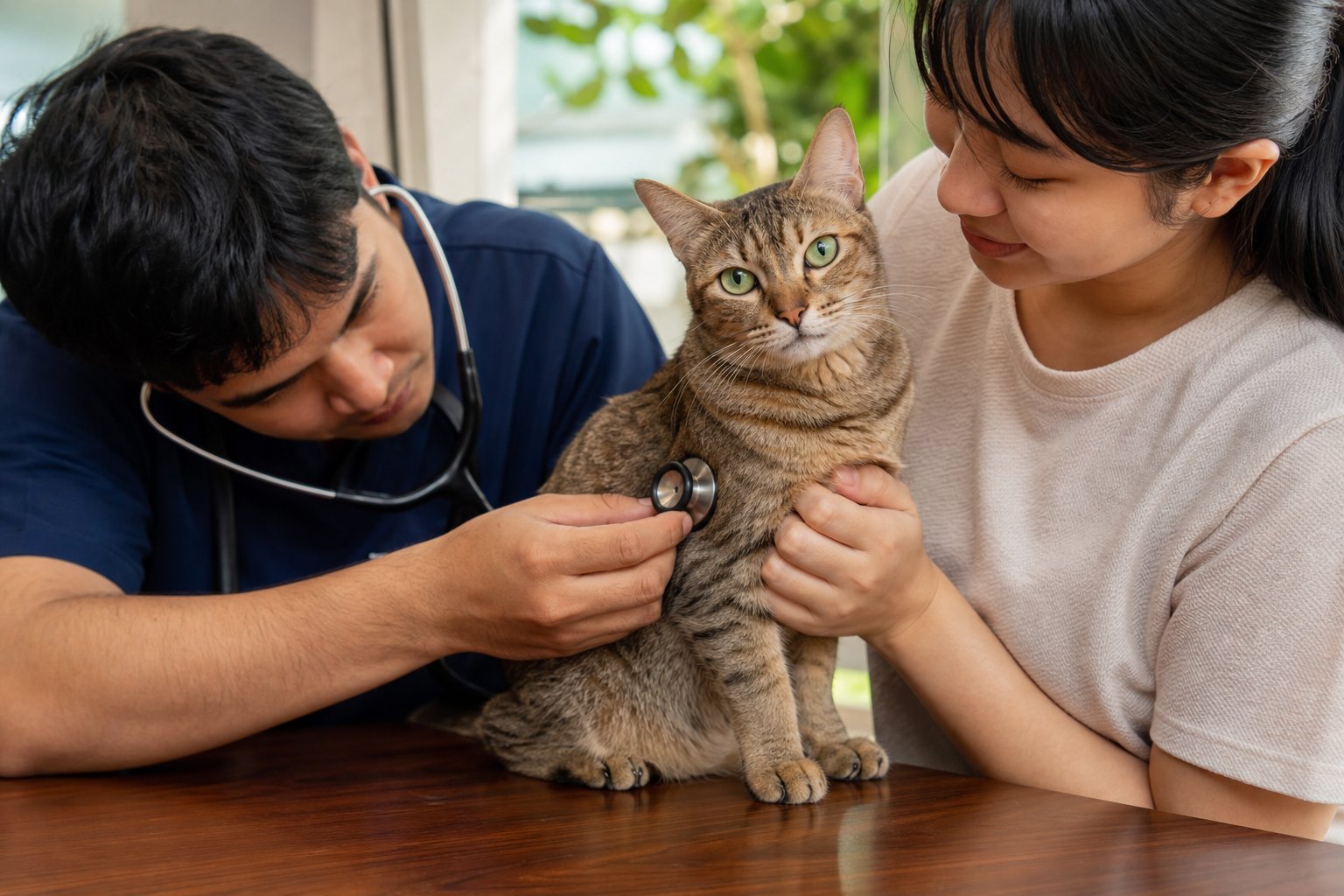
Treatment is tailored to the poison, the cat's condition, and how much time has passed. There is no single antidote for all poisons. A vet will usually start with stabilisation and then decide on decontamination or specific therapy.

Stabilisation

If the cat is collapsed, having seizures, or struggling to breathe, the first priority is to support breathing and circulation. This may involve oxygen, intravenous fluids, and medications to control seizures or shock. Stabilisation comes before any attempt to remove the poison.

Decontamination

Decontamination aims to reduce further absorption. Options include:

  • Washing the skin or coat with mild soap and water if a topical product or chemical is on the fur.
  • Flushing the eyes with saline if there has been eye contact.
  • Rinsing the mouth carefully if there is oral contamination, though this is not always appropriate.
  • Activated charcoal by mouth in some cases to bind certain toxins in the gut. It is not suitable for every poison and is not given to vomiting or unconscious cats.
  • Gastric lavage (stomach washing) in selected cases, usually only when the vet judges it safe and useful.

Supportive care

Many poisoned cats need supportive care while their body clears the toxin. This can include intravenous fluids to protect the kidneys and maintain blood pressure, anti-nausea medication, pain relief, and nutritional support. Some cats need a urinary catheter or repeated blood tests.

Specific treatments

A few poisons have specific antidotes or treatments. For example, certain rat baits may be treated with vitamin K, and some toxins benefit from specific medications. However, many poisons have no antidote, and care is supportive. Your vet will explain what is known about the particular substance and what can realistically be done.

Monitoring

Monitoring is a major part of treatment. Blood tests may be repeated to check kidney and liver function, blood clotting, and red blood cells. Some cats stay in the clinic for observation; others can go home with instructions and follow-up appointments. The length of stay depends on the poison and the cat's response.
What treatment involves

What it costs and what to ask

Costs vary widely depending on the clinic, the treatment needed, and how long the cat stays. There is no standard price for poisoning treatment. In Malaysia, owners should ask their vet for an estimate and discuss what is included. Questions worth asking include:

  • What is the likely poison, and what tests are needed?
  • Will the cat need to stay overnight?
  • What are the main risks in the next 24 to 48 hours?
  • What should I watch for at home?
  • When should I bring the cat back for a recheck?

If cost is a concern, ask about the priorities. Some tests can be staged, but emergency stabilisation should not be delayed. Pet insurance may cover eligible emergency care, but owners should check their policy terms before assuming.

Prevention at home

Prevention is more effective than treatment. A few practical habits can reduce risk significantly.

  • Store medicines in closed cabinets. Keep human painkillers, supplements, and prescription drugs out of reach. Do not leave pills on counters or in open bags.
  • Secure pest control. Use traps or professional services rather than loose bait. Keep rat bait and snail pellets away from areas the cat can access.
  • Choose cat-safe plants. Avoid lilies and other known toxic plants. If you are unsure, check with a vet or a reliable plant database before bringing a plant home.
  • Handle cleaners safely. Rinse surfaces after cleaning, store products in closed containers, and keep cats out of the room while fumes settle.
  • Watch food and rubbish. Secure bins, avoid feeding human food, and keep chocolate, onions, garlic, and alcohol away from cats.
  • Be careful with essential oils. Do not apply oils to cats and use diffusers sparingly in well-ventilated rooms.
  • Check cars and gardens. Clean up antifreeze spills immediately and store fertilisers and pesticides securely.

In a Kuala Lumpur apartment, the main risks may be cleaning products, medicines, and balcony plants. In a Johor terrace house, garden chemicals, snail pellets, and outdoor plants may be more accessible. In Penang during the rainy season, cats may shelter in sheds or garages where chemicals are stored, so check those spaces too.
Prevention at home

When to see a vet

Seek veterinary care immediately if you know or suspect your cat has eaten or touched a poison, even if it seems well. Also seek urgent care for vomiting, drooling, tremors, seizures, weakness, collapse, breathing difficulty, pale gums, yellow gums, dark urine, or not urinating. Do not wait to see if signs improve. If you are unsure, call your vet and describe the exposure. Early advice can make a real difference.

A note on outdoor and indoor cats

Outdoor access increases exposure to plants, pests, and chemicals, but indoor cats are not risk-free. Indoor cats may chew houseplants, lick cleaning residues, or investigate bags and cupboards. Supervising outdoor time, cat-proofing balconies, and keeping chemicals locked away helps both indoor and outdoor cats. If your cat hunts, it may eat a poisoned rodent, so pest control choices matter even if your cat stays mostly indoors.

Final thoughts

Cat poisoning is a serious but often manageable emergency when owners act quickly. The most important steps are to call a vet, remove the cat from the source, avoid home remedies, and bring useful information. Treatment may be simple or intensive, and outcomes depend on the poison and timing. Prevention at home remains the best long-term strategy.

This article is general information and does not replace veterinary advice. If you suspect poisoning, contact a veterinarian immediately.

Frequently Asked Questions

📌 Key Takeaways

  • This article covers: Quick answer, Why cat poisoning is easy to miss, Common poisons around Malaysian homes, Signs of poisoning in cats, First steps: what to do and what not to do, and more
  • Jump to any section via the table of contents for the key details
  • If in doubt, consult a registered veterinarian

Explore this topic cluster

This guide belongs to a Malaysia-focused topic cluster. Read the pillar guide and related articles.

View cluster →

📚 Cat Health article index

This article is part of the Cat Health topic cluster. Explore related articles:

⭐ Pillar guide: Cat Health complete guideBlood Test for Cats in Malaysia: What It Checks, Costs and When You Need One→ ReadBlood Test for Cats Step by Step: What Happens at the Clinic→ ReadBlood Test for Cats: What to Expect (Malaysian Owner's Guide)→ ReadCat Constipation Treatment in Malaysia: A Practical Owner's Guide→ ReadCat Dental Pain Treatment in Malaysia: A Practical Owner's Guide→ ReadCat Diarrhea Treatment in Malaysia: A Practical Owner's Guide→ ReadCat Ear Mites Treatment in Malaysia: A Complete Owner's Guide→ ReadCat Eye Infection Treatment in Malaysia: A Practical Owner's Guide→ ReadCat Fleas Treatment in Malaysia: A Practical Owner's Guide→ ReadCat Hair Loss Treatment in Malaysia: A Practical Owner's Guide→ ReadCat Licking Wounds: Why It Happens and How to Treat It in Malaysia→ ReadCat Ringworm Treatment in Malaysia: A Practical Owner's Guide→ ReadCat Skin Fungus Treatment in Malaysia: A Practical Owner's Guide→ ReadCat Sneezing Blood: Causes, Treatment and When to See a Vet in Malaysia→ ReadCat Vomiting Treatment in Malaysia: What to Do and When to See a Vet→ ReadCat Weight Loss Treatment in Malaysia: A Practical Guide for Owners→ ReadCat Worms Treatment in Malaysia: A Practical Owner's Guide→ ReadChocolate Poisoning and Cats in Malaysia: What Every Owner Should Know→ ReadConstipation in Cats: Causes, Care and When to See a Vet in Malaysia→ ReadConstipation in Cats in Malaysia: Causes, Signs and What to Do→ ReadConstipation Prevention for Cats: A Practical Guide for Malaysian Owners→ ReadDental Pain in Cats: Causes, Signs and Care (Malaysia Guide)→ ReadDental Pain in Cats in Malaysia: Signs, Causes and What to Do→ ReadDental Pain Prevention for Cats: A Practical Malaysian Guide→ ReadDeworming Schedule for Cats in Malaysia: A Practical, Vet-Led Guide→ ReadDeworming Schedule for Cats: A Step-by-Step Plan for Malaysian Owners→ ReadDeworming Schedule for Cats: What to Expect (Malaysia Guide)→ ReadDiarrhea in Cats: Causes and Care (Malaysian Owner's Guide)→ ReadDiarrhea in Cats in Malaysia: Causes, Home Care and When to See a Vet→ ReadDiarrhea Prevention for Cats: A Practical Guide for Malaysian Owners→ ReadE-Collar Recovery for Cats in Malaysia: A Practical Guide for Owners→ ReadE-Collar Recovery for Cats Step by Step: A Practical Guide for Malaysian Owners→ ReadE-Collar Recovery for Cats: What to Expect (Malaysia Guide)→ ReadEar Mites in Cats: Causes and Care (Malaysia Guide)→ ReadEar Mites in Cats in Malaysia: Signs, Treatment and Prevention→ ReadEar Mites Prevention for Cats: A Practical Malaysian Guide→ ReadElectrical Cables and Cats in Malaysia: A Practical Safety Guide→ ReadEye Infection in Cats: Causes and Care (Malaysia Guide)→ ReadEye Infection in Cats in Malaysia: Causes, Signs, Treatment & Prevention→ ReadEye Infection Prevention for Cats: A Practical Malaysian Guide→ ReadFans and Air Conditioning for Cats in Malaysia: A Practical Comfort Guide→ ReadFlea Treatment for Cats in Malaysia: A Complete Guide→ ReadFlea Treatment for Cats Step by Step: A Practical Malaysian Guide→ ReadFlea Treatment for Cats: What to Expect (Malaysia Guide)→ ReadFleas in Cats: Causes and Care (Malaysia Guide)→ ReadFleas in Cats in Malaysia: Signs, Treatment and Prevention→ ReadFleas Prevention for Cats in Malaysia: A Practical, Year-Round Plan→ ReadGiving Pills for Cats in Malaysia: A Stress-Free Step-by-Step Guide→ ReadGiving Pills for Cats Step by Step: A Calm, Practical Guide for Malaysian Owners→ ReadGiving Pills for Cats: What to Expect (Malaysian Owner's Guide)→ ReadHair Loss in Cats: Causes and Care (Malaysian Owner's Guide)→ ReadHair Loss in Cats in Malaysia: Causes, Home Checks and When to See a Vet→ ReadHair Loss Prevention for Cats: A Practical Grooming and Health Guide→ ReadHousehold Cleaning Products and Cats in Malaysia: A Safety Guide→ ReadHow to Prevent Chocolate Poisoning Around Cats: A Practical Guide for Malaysian Homes→ ReadHow to Prevent Electrical Cables Around Cats: A Practical Safety Guide for Malaysian Homes→ ReadHow to Prevent Fan and Aircond Problems Around Cats: A Malaysian Home Guide→ ReadHow to Prevent Household Cleaning Products Around Cats: A Practical Safety Guide for Malaysian Homes→ ReadHow to Prevent Lily Poisoning Around Cats: A Practical Safety Guide for Malaysian Homes→ ReadHow to Prevent Open Windows Around Cats: A Practical Safety Guide for Malaysian Homes→ ReadHow to Prevent Paracetamol Poisoning Around Cats: A Malaysian Safety Guide→ ReadHow to Prevent Plastic Bags Around Cats: A Practical Safety Guide for Malaysian Homes→ ReadHow to Treat Constipation in Cats at Home: A Practical Malaysian Guide→ ReadHow to Treat Dental Pain in Cats at Home: Safe Relief and When to See a Vet→ ReadHow to Treat Diarrhea in Cats at Home: A Practical Malaysian Guide→ ReadHow to Treat Ear Mites in Cats at Home: A Practical Malaysian Guide→ ReadHow to Treat Eye Infection in Cats at Home: Safe Steps for Malaysian Owners→ ReadHow to Treat Fleas in Cats at Home: A Practical Malaysian Guide→ ReadHow to Treat Hair Loss in Cats at Home: A Practical Malaysian Guide→ ReadHow to Treat Licking Wounds in Cats at Home: A Practical Guide for Malaysian Owners→ ReadHow to Treat Poisoning in Cats at Home: First Aid, Safe Steps and When to Rush to the Vet→ ReadHow to Treat Ringworm in Cats at Home: A Practical Guide for Malaysian Owners→ ReadHow to Treat Skin Fungus in Cats at Home: A Practical Malaysian Guide→ ReadHow to Treat Sneezing Blood in Cats at Home: Safe First Steps for Malaysian Owners→ ReadHow to Treat Vomiting in Cats at Home: A Practical Malaysian Guide→ ReadHow to Treat Weight Loss in Cats at Home: A Practical Guide for Malaysian Owners→ ReadHow to Treat Worms in Cats at Home: A Practical, Safe Guide for Malaysian Owners→ ReadLicking Wounds in Cats: Causes and Care (Malaysian Vet Guide)→ ReadLicking Wounds in Cats Malaysia: When It's Normal and When to Stop It→ ReadLicking Wounds Prevention for Cats: How to Stop the Lick Cycle and Let Skin Heal→ ReadLily Poisoning and Cats in Malaysia: Why Every Petal Is an Emergency→ ReadOpen Windows and Cats in Malaysia: How to Keep Your Cat Safe Without Locking Up the House→ ReadParacetamol Poisoning in Cats in Malaysia: Why Even One Tablet Can Be Deadly→ ReadPlastic Bags and Cats in Malaysia: Why They're Dangerous and How to Keep Your Cat Safe→ ReadPoisoning in Cats: Causes, Symptoms and Care (Malaysia Guide)→ ReadPoisoning in Cats in Malaysia: Common Toxins, Signs and What to Do→ ReadPoisoning Prevention for Cats in Malaysia: A Room-by-Room Safety Guide→ ReadRingworm in Cats: Causes, Symptoms and Care (Malaysia Guide)→ ReadRingworm in Cats in Malaysia: Signs, Treatment and Prevention→ ReadRingworm Prevention for Cats in Malaysia: A Practical, Vet-Informed Guide→ ReadSigns of Constipation in Cats in Malaysia: What to Watch For and When to Act→ ReadSigns of Dental Pain in Cats in Malaysia: What Owners Miss→ ReadSigns of Diarrhea in Cats in Malaysia: What's Normal, What's Not→ ReadSigns of Ear Mites in Cats in Malaysia: How to Spot, Treat and Prevent Them→ ReadSigns of Eye Infection in Cats in Malaysia: What Owners Should Look For→ ReadSigns of Fleas in Cats in Malaysia: How to Spot, Check and Act→ ReadSigns of Hair Loss in Cats in Malaysia: What to Look For and When to Worry→ ReadSigns of Licking Wounds in Cats Malaysia: How to Spot Problem Licking→ ReadSigns of Poisoning in Cats in Malaysia: What to Watch For and What to Do→ ReadSigns of Ringworm in Cats in Malaysia: What Owners Should Look For→ ReadSigns of Skin Fungus in Cats in Malaysia: How to Spot Ringworm Early→ ReadBlood in a Cat's Sneeze: Signs, Causes and What to Do in Malaysia→ ReadSigns of Vomiting in Cats in Malaysia: What's Normal, What's Not, and When to See a Vet→ ReadSigns of Weight Loss in Cats in Malaysia: What to Watch For and When to Worry→ ReadSigns of Worms in Cats in Malaysia: What Owners Should Look For→ ReadSkin Fungus in Cats: Causes, Signs and Care (Malaysia Guide)→ ReadSkin Fungus in Cats in Malaysia: Ringworm Signs, Treatment and Prevention→ ReadSkin Fungus Prevention for Cats: A Practical Guide for Malaysian Homes→ ReadSneezing Blood in Cats: Causes and Care (Malaysia Guide)→ ReadSneezing Blood in Cats in Malaysia: Causes, What to Do, and When to See a Vet→ ReadSneezing Blood Prevention for Cats: Causes, Care and When to Worry→ ReadSterilization for Cats in Malaysia: A Complete Guide for Owners→ ReadSterilization for Cats Step by Step: A Malaysian Owner's Guide→ ReadSterilisation for Cats: What to Expect (Malaysian Owner's Guide)→ ReadUltrasound for Cats in Malaysia: What It Is, When It's Needed, and What to Expect→ ReadUltrasound for Cats Step by Step: What Happens, What It Costs, and How to Prepare→ ReadUltrasound for Cats: What to Expect (Malaysian Owner's Guide)→ ReadVaccination Side Effects for Cats in Malaysia: What's Normal, What's Not→ ReadVaccination Side Effects for Cats: A Step-by-Step Guide for Malaysian Owners→ ReadCat Vaccination Side Effects: What Malaysian Owners Should Expect→ ReadVomiting in Cats: Causes and Care (Malaysia Guide)→ ReadVomiting in Cats in Malaysia: When It's Normal and When to Worry→ ReadVomiting Prevention for Cats: A Practical Guide for Malaysian Owners→ ReadWeight Loss in Cats: Causes and Care (Malaysian Vet Guide)→ ReadWeight Loss in Cats in Malaysia: Causes, Warning Signs and What to Do→ ReadWeight Loss Prevention for Cats: A Practical Malaysian Guide→ ReadWorms in Cats: Causes and Care (Malaysia Vet Guide)→ ReadWorms in Cats in Malaysia: A Practical Owner's Guide→ ReadWorms Prevention for Cats in Malaysia: A Complete Guide→ ReadWound Care for Cats in Malaysia: A Practical Owner's Guide→ ReadWound Care for Cats Step by Step: A Practical Malaysian Guide→ ReadWound Care for Cats: What to Expect, Step by Step→ ReadX-Ray for Cats in Malaysia: What to Expect, Costs and Safety→ ReadX-Ray for Cats Step by Step: What Malaysian Owners Should Expect→ ReadX-Ray for Cats: What to Expect (Malaysian Owner's Guide)→ ReadArthritis Pet Care in Malaysia: A Practical Guide for Cats and Dogs→ ReadCat Arthritis in Malaysia: 5 Home Signs Your Cat Is in Pain — and What to Do→ ReadEarly Signs of Chronic Disease in Cats: 7 Daily Checks and a 4-Week Record Sheet→ ReadCat Chronic Kidney Disease in Malaysia: The Daily Care Routine That Actually Slows It Down→ ReadCat Constipation in Malaysia: The 48-Hour Rule, Red Flags and What Actually Helps→ ReadCat Dehydration in Malaysia: Home Skin-Turgor Test, 7 Causes and Emergency Signs→ ReadCat Heart Disease in Malaysia: Sleep Breathing Count, HCM Early Signs and When to Rush to the Vet→ ReadCat Kidney Disease in Malaysia: Early Signs, Prevention and Everyday Care→ ReadCat Pancreatitis in Malaysia: Symptoms, fPLI Testing, Treatment and Home Recovery→ ReadCat Ringworm in Malaysia: Signs, Treatment and Home Cleaning Guide→ ReadCat Symptom Checker Malaysia: 12 Common Signs and a Green-Amber-Red Triage Table→ ReadPet Deworming in Malaysia: How Often to Worm Your Cat or Dog→ ReadPet Gut Health in Malaysia: Probiotics, Food Transitions and Stool Troubles (Part 2)→ ReadCat Gut Health: Probiotics, Antibiotics and Food Transitions Explained (Malaysia)→ ReadPet Health Malaysia 2026: Common Cat and Dog Illnesses, Prevention Care and Vet Guidance→ ReadPet Insurance in Malaysia: How to Compare Plans Before You Sign→ ReadPet Poisoning at Home: Household Chemicals, Toxic Plants and When Not to Induce Vomiting (Malaysia)→ ReadPet Poisoning at Home: Household Chemicals, Insecticides and Toxic Plants (Malaysia, Part 1)→ ReadCat Chronic Disease Early Signs in Malaysia: 7 Daily Checks and a 4-Week Log→ ReadCat Health Guide Malaysia: Symptom Check, Red-Flag Triage & When to See a Vet→ ReadCat Ringworm in Malaysia: Symptoms, Treatment and Home Cleaning Guide→ ReadGut Health, Probiotics & Food Transition Part 2: Practical Malaysia Guide→ ReadPet Health in Malaysia: A Practical Prevention Guide for Cats and Dogs→ Read

Related products at PetChill

