
PetChill Pet Encyclopedia
Cat Health

Flea Treatment for Cats in Malaysia: A Complete Guide

Fleas are a year-round problem for cats in Malaysia. This guide explains how to identify, treat, and prevent flea infestations using safe, effective methods suitable for Malaysian homes.

Published: 2026-11-06·8 min read·Author: PetChill Editorial
Flea Treatment for Cats in Malaysia: A Complete Guide

💡 Quick Answer

To treat fleas on cats in Malaysia, use a vet-recommended monthly spot-on or oral treatment, treat all pets in the household, and clean the environment thoroughly. Consistency is key because fleas thrive in Malaysia's warm, humid climate. Always consult a Malaysian vet for product selection and dosage.

Fleas are a persistent nuisance for cats in Malaysia, and their control requires a thorough understanding of the flea life cycle and consistent effort. This guide provides practical, evidence-based advice for Malaysian cat owners, covering identification, treatment options, environmental control, and prevention strategies tailored to the local climate.

Why Fleas Thrive in Malaysia

Malaysia's tropical climate—warm and humid year-round—creates ideal conditions for fleas to breed continuously. Unlike temperate countries where flea populations drop in winter, Malaysian fleas can reproduce indoors and outdoors throughout the year. This means cat owners must maintain year-round flea prevention, not just seasonal treatment.

Fleas are small, wingless insects that feed on blood. The most common species affecting cats is the cat flea (Ctenocephalides felis). They cause itching, skin irritation, and can transmit diseases such as flea allergy dermatitis (FAD), tapeworms, and Bartonella infections. In severe infestations, kittens can become anaemic.

Understanding the Flea Life Cycle

To effectively control fleas, you must break their life cycle. The flea life cycle has four stages:

  1. Eggs: Laid on the host, eggs fall off into the environment (carpets, bedding, soil). They hatch in 1–10 days depending on temperature and humidity.
  2. Larvae: Worm-like larvae avoid light and feed on organic debris, including flea dirt (adult flea faeces). They develop over 5–20 days.
  3. Pupae: Larvae spin cocoons and pupate. The pupal stage can last from a few days to several months, and pupae are resistant to many insecticides. They emerge as adults when triggered by warmth, vibration, or carbon dioxide.
  4. Adults: Emerge from cocoons, seek a host, and begin feeding within minutes. Adults can live for weeks to months and lay eggs within 24–48 hours of feeding.

Because pupae can survive in the environment for months, treating only the adult fleas on your cat is insufficient. You must also address the environmental stages.
Understanding the Flea Life Cycle

Signs Your Cat Has Fleas

Fleas can be difficult to spot, especially on dark-furred cats. Look for these signs:

  • Scratching and biting: Intense itching, especially around the neck, back, and tail base.
  • Flea dirt: Small black specks resembling pepper on the skin or bedding. Place a speck on a damp paper towel; if it turns reddish-brown, it's flea dirt (digested blood).
  • Hair loss: Especially over the lower back and tail base due to scratching.
  • Visible fleas: Part the fur and look for small, fast-moving insects.
  • Restlessness: Your cat may seem agitated or uncomfortable.
  • Anaemia: In severe cases, gums may appear pale, particularly in kittens.

If you suspect fleas, consult your veterinarian for confirmation and a treatment plan.

Flea Treatment Options for Cats

There are several types of flea treatments available. Always choose products specifically formulated for cats and follow your vet's advice.

Spot-On Treatments

Spot-on products are applied to the skin at the back of the neck. They are convenient and effective. Common active ingredients include:

  • Fipronil: Kills adult fleas and ticks. Some products combine fipronil with (S)-methoprene to also kill eggs and larvae.
  • Selamectin: Kills adult fleas, prevents heartworm, and treats ear mites and some ticks.
  • Imidacloprid: Kills adult fleas; often combined with permethrin (but permethrin is toxic to cats, so only use cat-safe formulations).
  • Indoxacarb: Kills adult fleas.

Apply spot-ons correctly: part the fur, apply to the skin, and prevent your cat from licking the area until dry. Do not bathe your cat immediately before or after application unless the product label allows.

Oral Medications

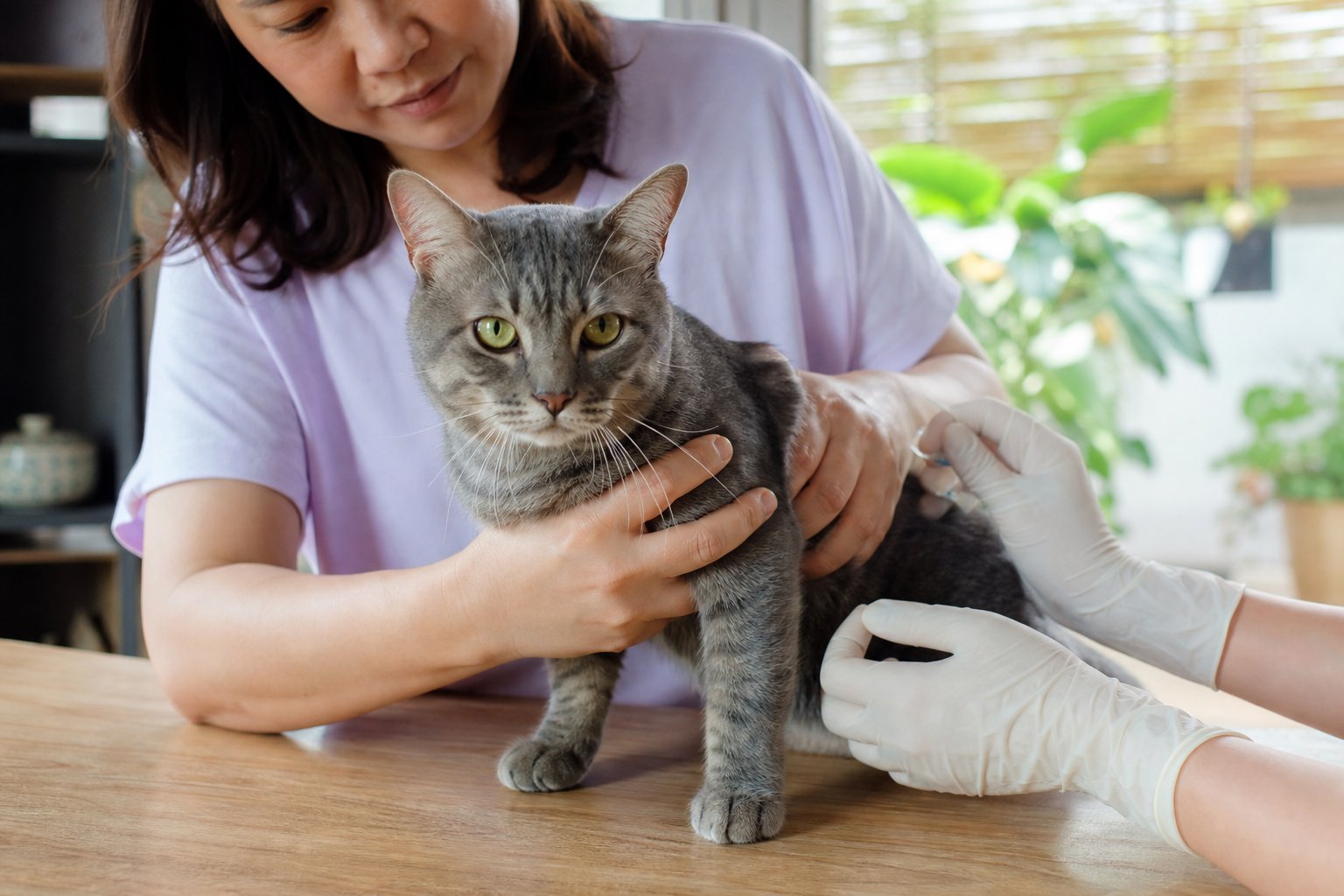
Oral flea treatments are available as tablets or chewables. They work systemically and can be useful for cats that dislike topical applications or have skin sensitivities.

  • Nitenpyram: A fast-acting adulticide that starts killing fleas within 30 minutes. It is short-acting and may be used for quick relief, but not for long-term prevention.
  • Spinosad: Kills adult fleas for a month. Requires a prescription.
  • Fluralaner: A newer oral flea and tick treatment that lasts up to 12 weeks. Prescription only.

Oral products that also address other parasites (e.g., tapeworms) may be recommended if your cat has a mixed infection.

Sprays and Powders

Flea sprays and powders are less commonly used now due to the availability of spot-ons and orals. They can be useful for environmental treatment but are not as convenient for cats. Some cats may be sensitive to spray ingredients.

Shampoos

Flea shampoos provide immediate relief by killing adult fleas on contact, but they have no residual effect. They are useful as part of a comprehensive treatment plan, especially for kittens or before applying a long-acting product. Use only cat-specific shampoos.

Injectable Treatments

Injectable flea treatments are available in some countries but are less common for routine flea control in cats. Discuss with your vet if you are interested.
Flea Treatment Options for Cats

Comparison of Common Flea Treatment Types

Treatment Type Examples of Active Ingredients Duration of Action Pros Cons
Spot-on Fipronil, selamectin, imidacloprid Monthly Easy to apply, effective, some also treat other parasites Can be messy, requires restraint, not for kittens under certain age/weight
Oral tablet Nitenpyram, spinosad, fluralaner Varies (1 day to 12 weeks) No residue, precise dosing, good for cats with skin issues Requires pill administration, some are prescription-only
Shampoo Pyrethrins, essential oils (cat-safe) Immediate, no residual Quick relief, cleans coat No lasting effect, can be stressful for cats
Spray Fipronil, methoprene Up to 1 month Can treat large areas Cats may fear spray sound, inhalation risk
Environmental spray Methoprene, pyriproxyfen Up to 12 months Breaks life cycle in home Must remove pets during application

Note: Prices for these products vary in Malaysia. Consult a local veterinarian or pet retailer for current pricing and availability.

Environmental Control

Treating your cat is only part of the solution. Fleas in the environment must be controlled to prevent reinfestation.

  • Wash bedding regularly: Wash all pet bedding and your own bedding in hot water (at least 60°C) weekly during an infestation.
  • Vacuum thoroughly: Vacuum carpets, rugs, furniture, and crevices. After vacuuming, dispose of the vacuum bag or empty the canister into an outdoor bin. Vacuuming stimulates pupae to emerge, so follow with an environmental insecticide.
  • Use environmental flea sprays: Products containing insect growth regulators (IGRs) like methoprene or pyriproxyfen prevent flea eggs and larvae from developing. Apply to carpets and furniture according to label instructions. Remove pets and cover food during application.
  • Steam cleaning: Steam cleaning carpets and upholstery can kill all flea stages.
  • Outdoor control: Keep your garden tidy, remove debris, and discourage stray animals that may carry fleas. Treat outdoor sleeping areas with pet-safe products.
Environmental Control

Preventing Fleas in Malaysian Homes

Prevention is easier than treatment. Follow these steps:

  • Year-round flea prevention: Use a vet-recommended flea preventive monthly. Do not skip doses, even if you don't see fleas.
  • Treat all pets: If you have multiple cats or dogs, treat them all simultaneously to prevent cross-infestation.
  • Regular grooming: Brush your cat regularly and check for fleas and flea dirt.
  • Limit outdoor access: If your cat goes outside, supervise and keep them away from areas with stray animals.
  • Maintain a clean environment: Regular vacuuming and washing bedding reduce flea populations.
  • Quarantine new pets: Before introducing a new pet, ensure they are flea-free and have been treated.

Special Considerations for Kittens and Pregnant Cats

Not all flea products are safe for kittens or pregnant/nursing cats. Always read the label and consult a vet.

  • Kittens: Most spot-on products are not recommended for kittens under 8 weeks or under a certain weight. Use products specifically labelled for kittens, or use a flea comb and gentle shampoo. Consult your vet for safe options.
  • Pregnant and nursing cats: Some products are safe, but many are not. Your vet can recommend a safe option to protect both the mother and her kittens.
Special Considerations for Kittens and Pregnant Cats

Common Mistakes to Avoid

  • Using dog flea products on cats: Permethrin, a common ingredient in dog flea treatments, is highly toxic to cats and can cause seizures or death. Never use dog products on cats.
  • Skipping environmental treatment: Treating only the cat will not solve the problem because fleas in the environment will reinfest.
  • Incorrect application: Spot-ons must be applied to the skin, not the fur. Part the fur and apply directly to the skin.
  • Over-treating: Do not use multiple products with the same active ingredient simultaneously. Follow label instructions and vet advice.
  • Bathing too soon: Bathing your cat immediately after applying a spot-on can reduce efficacy. Check the label for bathing restrictions.

When to See a Vet

Consult a veterinarian if:

  • Your cat shows severe itching, hair loss, or skin lesions.
  • You suspect flea allergy dermatitis.
  • Your cat is a kitten, pregnant, or nursing.
  • You have tried over-the-counter treatments without success.
  • Your cat has pale gums, lethargy, or other signs of anaemia.
  • You are unsure which product is safe for your cat.

A vet can confirm the diagnosis, prescribe appropriate medication, and advise on environmental control.

Local Examples

  • In a Kuala Lumpur apartment, fleas can quickly infest carpets and furniture. Regular vacuuming and washing of cat bedding, combined with monthly spot-on treatment, are essential.
  • In a Johor terrace house with a garden, cats may pick up fleas from outdoor areas. Keep the garden clear of debris and treat outdoor resting spots with pet-safe products.

Vet Disclaimer

This article provides general information and is not a substitute for professional veterinary advice. Always consult a licensed veterinarian for diagnosis and treatment tailored to your cat's specific needs. Product availability and regulations may vary; check with a Malaysian vet or authorised retailer.

Frequently Asked Questions

📌 Key Takeaways

  • This article covers: Why Fleas Thrive in Malaysia, Understanding the Flea Life Cycle, Signs Your Cat Has Fleas, Flea Treatment Options for Cats, Comparison of Common Flea Treatment Types, and more
  • Jump to any section via the table of contents for the key details
  • If in doubt, consult a registered veterinarian

Explore this topic cluster

This guide belongs to a Malaysia-focused topic cluster. Read the pillar guide and related articles.

View cluster →

📚 Cat Health article index

This article is part of the Cat Health topic cluster. Explore related articles:

⭐ Pillar guide: Cat Health complete guideBlood Test for Cats in Malaysia: What It Checks, Costs and When You Need One→ ReadBlood Test for Cats Step by Step: What Happens at the Clinic→ ReadBlood Test for Cats: What to Expect (Malaysian Owner's Guide)→ ReadCat Constipation Treatment in Malaysia: A Practical Owner's Guide→ ReadCat Dental Pain Treatment in Malaysia: A Practical Owner's Guide→ ReadCat Diarrhea Treatment in Malaysia: A Practical Owner's Guide→ ReadCat Ear Mites Treatment in Malaysia: A Complete Owner's Guide→ ReadCat Eye Infection Treatment in Malaysia: A Practical Owner's Guide→ ReadCat Fleas Treatment in Malaysia: A Practical Owner's Guide→ ReadCat Hair Loss Treatment in Malaysia: A Practical Owner's Guide→ ReadCat Licking Wounds: Why It Happens and How to Treat It in Malaysia→ ReadCat Poisoning Treatment in Malaysia: What to Do, What to Expect, and How to Prevent It→ ReadCat Ringworm Treatment in Malaysia: A Practical Owner's Guide→ ReadCat Skin Fungus Treatment in Malaysia: A Practical Owner's Guide→ ReadCat Sneezing Blood: Causes, Treatment and When to See a Vet in Malaysia→ ReadCat Vomiting Treatment in Malaysia: What to Do and When to See a Vet→ ReadCat Weight Loss Treatment in Malaysia: A Practical Guide for Owners→ ReadCat Worms Treatment in Malaysia: A Practical Owner's Guide→ ReadChocolate Poisoning and Cats in Malaysia: What Every Owner Should Know→ ReadConstipation in Cats: Causes, Care and When to See a Vet in Malaysia→ ReadConstipation in Cats in Malaysia: Causes, Signs and What to Do→ ReadConstipation Prevention for Cats: A Practical Guide for Malaysian Owners→ ReadDental Pain in Cats: Causes, Signs and Care (Malaysia Guide)→ ReadDental Pain in Cats in Malaysia: Signs, Causes and What to Do→ ReadDental Pain Prevention for Cats: A Practical Malaysian Guide→ ReadDeworming Schedule for Cats in Malaysia: A Practical, Vet-Led Guide→ ReadDeworming Schedule for Cats: A Step-by-Step Plan for Malaysian Owners→ ReadDeworming Schedule for Cats: What to Expect (Malaysia Guide)→ ReadDiarrhea in Cats: Causes and Care (Malaysian Owner's Guide)→ ReadDiarrhea in Cats in Malaysia: Causes, Home Care and When to See a Vet→ ReadDiarrhea Prevention for Cats: A Practical Guide for Malaysian Owners→ ReadE-Collar Recovery for Cats in Malaysia: A Practical Guide for Owners→ ReadE-Collar Recovery for Cats Step by Step: A Practical Guide for Malaysian Owners→ ReadE-Collar Recovery for Cats: What to Expect (Malaysia Guide)→ ReadEar Mites in Cats: Causes and Care (Malaysia Guide)→ ReadEar Mites in Cats in Malaysia: Signs, Treatment and Prevention→ ReadEar Mites Prevention for Cats: A Practical Malaysian Guide→ ReadElectrical Cables and Cats in Malaysia: A Practical Safety Guide→ ReadEye Infection in Cats: Causes and Care (Malaysia Guide)→ ReadEye Infection in Cats in Malaysia: Causes, Signs, Treatment & Prevention→ ReadEye Infection Prevention for Cats: A Practical Malaysian Guide→ ReadFans and Air Conditioning for Cats in Malaysia: A Practical Comfort Guide→ ReadFlea Treatment for Cats Step by Step: A Practical Malaysian Guide→ ReadFlea Treatment for Cats: What to Expect (Malaysia Guide)→ ReadFleas in Cats: Causes and Care (Malaysia Guide)→ ReadFleas in Cats in Malaysia: Signs, Treatment and Prevention→ ReadFleas Prevention for Cats in Malaysia: A Practical, Year-Round Plan→ ReadGiving Pills for Cats in Malaysia: A Stress-Free Step-by-Step Guide→ ReadGiving Pills for Cats Step by Step: A Calm, Practical Guide for Malaysian Owners→ ReadGiving Pills for Cats: What to Expect (Malaysian Owner's Guide)→ ReadHair Loss in Cats: Causes and Care (Malaysian Owner's Guide)→ ReadHair Loss in Cats in Malaysia: Causes, Home Checks and When to See a Vet→ ReadHair Loss Prevention for Cats: A Practical Grooming and Health Guide→ ReadHousehold Cleaning Products and Cats in Malaysia: A Safety Guide→ ReadHow to Prevent Chocolate Poisoning Around Cats: A Practical Guide for Malaysian Homes→ ReadHow to Prevent Electrical Cables Around Cats: A Practical Safety Guide for Malaysian Homes→ ReadHow to Prevent Fan and Aircond Problems Around Cats: A Malaysian Home Guide→ ReadHow to Prevent Household Cleaning Products Around Cats: A Practical Safety Guide for Malaysian Homes→ ReadHow to Prevent Lily Poisoning Around Cats: A Practical Safety Guide for Malaysian Homes→ ReadHow to Prevent Open Windows Around Cats: A Practical Safety Guide for Malaysian Homes→ ReadHow to Prevent Paracetamol Poisoning Around Cats: A Malaysian Safety Guide→ ReadHow to Prevent Plastic Bags Around Cats: A Practical Safety Guide for Malaysian Homes→ ReadHow to Treat Constipation in Cats at Home: A Practical Malaysian Guide→ ReadHow to Treat Dental Pain in Cats at Home: Safe Relief and When to See a Vet→ ReadHow to Treat Diarrhea in Cats at Home: A Practical Malaysian Guide→ ReadHow to Treat Ear Mites in Cats at Home: A Practical Malaysian Guide→ ReadHow to Treat Eye Infection in Cats at Home: Safe Steps for Malaysian Owners→ ReadHow to Treat Fleas in Cats at Home: A Practical Malaysian Guide→ ReadHow to Treat Hair Loss in Cats at Home: A Practical Malaysian Guide→ ReadHow to Treat Licking Wounds in Cats at Home: A Practical Guide for Malaysian Owners→ ReadHow to Treat Poisoning in Cats at Home: First Aid, Safe Steps and When to Rush to the Vet→ ReadHow to Treat Ringworm in Cats at Home: A Practical Guide for Malaysian Owners→ ReadHow to Treat Skin Fungus in Cats at Home: A Practical Malaysian Guide→ ReadHow to Treat Sneezing Blood in Cats at Home: Safe First Steps for Malaysian Owners→ ReadHow to Treat Vomiting in Cats at Home: A Practical Malaysian Guide→ ReadHow to Treat Weight Loss in Cats at Home: A Practical Guide for Malaysian Owners→ ReadHow to Treat Worms in Cats at Home: A Practical, Safe Guide for Malaysian Owners→ ReadLicking Wounds in Cats: Causes and Care (Malaysian Vet Guide)→ ReadLicking Wounds in Cats Malaysia: When It's Normal and When to Stop It→ ReadLicking Wounds Prevention for Cats: How to Stop the Lick Cycle and Let Skin Heal→ ReadLily Poisoning and Cats in Malaysia: Why Every Petal Is an Emergency→ ReadOpen Windows and Cats in Malaysia: How to Keep Your Cat Safe Without Locking Up the House→ ReadParacetamol Poisoning in Cats in Malaysia: Why Even One Tablet Can Be Deadly→ ReadPlastic Bags and Cats in Malaysia: Why They're Dangerous and How to Keep Your Cat Safe→ ReadPoisoning in Cats: Causes, Symptoms and Care (Malaysia Guide)→ ReadPoisoning in Cats in Malaysia: Common Toxins, Signs and What to Do→ ReadPoisoning Prevention for Cats in Malaysia: A Room-by-Room Safety Guide→ ReadRingworm in Cats: Causes, Symptoms and Care (Malaysia Guide)→ ReadRingworm in Cats in Malaysia: Signs, Treatment and Prevention→ ReadRingworm Prevention for Cats in Malaysia: A Practical, Vet-Informed Guide→ ReadSigns of Constipation in Cats in Malaysia: What to Watch For and When to Act→ ReadSigns of Dental Pain in Cats in Malaysia: What Owners Miss→ ReadSigns of Diarrhea in Cats in Malaysia: What's Normal, What's Not→ ReadSigns of Ear Mites in Cats in Malaysia: How to Spot, Treat and Prevent Them→ ReadSigns of Eye Infection in Cats in Malaysia: What Owners Should Look For→ ReadSigns of Fleas in Cats in Malaysia: How to Spot, Check and Act→ ReadSigns of Hair Loss in Cats in Malaysia: What to Look For and When to Worry→ ReadSigns of Licking Wounds in Cats Malaysia: How to Spot Problem Licking→ ReadSigns of Poisoning in Cats in Malaysia: What to Watch For and What to Do→ ReadSigns of Ringworm in Cats in Malaysia: What Owners Should Look For→ ReadSigns of Skin Fungus in Cats in Malaysia: How to Spot Ringworm Early→ ReadBlood in a Cat's Sneeze: Signs, Causes and What to Do in Malaysia→ ReadSigns of Vomiting in Cats in Malaysia: What's Normal, What's Not, and When to See a Vet→ ReadSigns of Weight Loss in Cats in Malaysia: What to Watch For and When to Worry→ ReadSigns of Worms in Cats in Malaysia: What Owners Should Look For→ ReadSkin Fungus in Cats: Causes, Signs and Care (Malaysia Guide)→ ReadSkin Fungus in Cats in Malaysia: Ringworm Signs, Treatment and Prevention→ ReadSkin Fungus Prevention for Cats: A Practical Guide for Malaysian Homes→ ReadSneezing Blood in Cats: Causes and Care (Malaysia Guide)→ ReadSneezing Blood in Cats in Malaysia: Causes, What to Do, and When to See a Vet→ ReadSneezing Blood Prevention for Cats: Causes, Care and When to Worry→ ReadSterilization for Cats in Malaysia: A Complete Guide for Owners→ ReadSterilization for Cats Step by Step: A Malaysian Owner's Guide→ ReadSterilisation for Cats: What to Expect (Malaysian Owner's Guide)→ ReadUltrasound for Cats in Malaysia: What It Is, When It's Needed, and What to Expect→ ReadUltrasound for Cats Step by Step: What Happens, What It Costs, and How to Prepare→ ReadUltrasound for Cats: What to Expect (Malaysian Owner's Guide)→ ReadVaccination Side Effects for Cats in Malaysia: What's Normal, What's Not→ ReadVaccination Side Effects for Cats: A Step-by-Step Guide for Malaysian Owners→ ReadCat Vaccination Side Effects: What Malaysian Owners Should Expect→ ReadVomiting in Cats: Causes and Care (Malaysia Guide)→ ReadVomiting in Cats in Malaysia: When It's Normal and When to Worry→ ReadVomiting Prevention for Cats: A Practical Guide for Malaysian Owners→ ReadWeight Loss in Cats: Causes and Care (Malaysian Vet Guide)→ ReadWeight Loss in Cats in Malaysia: Causes, Warning Signs and What to Do→ ReadWeight Loss Prevention for Cats: A Practical Malaysian Guide→ ReadWorms in Cats: Causes and Care (Malaysia Vet Guide)→ ReadWorms in Cats in Malaysia: A Practical Owner's Guide→ ReadWorms Prevention for Cats in Malaysia: A Complete Guide→ ReadWound Care for Cats in Malaysia: A Practical Owner's Guide→ ReadWound Care for Cats Step by Step: A Practical Malaysian Guide→ ReadWound Care for Cats: What to Expect, Step by Step→ ReadX-Ray for Cats in Malaysia: What to Expect, Costs and Safety→ ReadX-Ray for Cats Step by Step: What Malaysian Owners Should Expect→ ReadX-Ray for Cats: What to Expect (Malaysian Owner's Guide)→ ReadArthritis Pet Care in Malaysia: A Practical Guide for Cats and Dogs→ ReadCat Arthritis in Malaysia: 5 Home Signs Your Cat Is in Pain — and What to Do→ ReadEarly Signs of Chronic Disease in Cats: 7 Daily Checks and a 4-Week Record Sheet→ ReadCat Chronic Kidney Disease in Malaysia: The Daily Care Routine That Actually Slows It Down→ ReadCat Constipation in Malaysia: The 48-Hour Rule, Red Flags and What Actually Helps→ ReadCat Dehydration in Malaysia: Home Skin-Turgor Test, 7 Causes and Emergency Signs→ ReadCat Heart Disease in Malaysia: Sleep Breathing Count, HCM Early Signs and When to Rush to the Vet→ ReadCat Kidney Disease in Malaysia: Early Signs, Prevention and Everyday Care→ ReadCat Pancreatitis in Malaysia: Symptoms, fPLI Testing, Treatment and Home Recovery→ ReadCat Ringworm in Malaysia: Signs, Treatment and Home Cleaning Guide→ ReadCat Symptom Checker Malaysia: 12 Common Signs and a Green-Amber-Red Triage Table→ ReadPet Deworming in Malaysia: How Often to Worm Your Cat or Dog→ ReadPet Gut Health in Malaysia: Probiotics, Food Transitions and Stool Troubles (Part 2)→ ReadCat Gut Health: Probiotics, Antibiotics and Food Transitions Explained (Malaysia)→ ReadPet Health Malaysia 2026: Common Cat and Dog Illnesses, Prevention Care and Vet Guidance→ ReadPet Insurance in Malaysia: How to Compare Plans Before You Sign→ ReadPet Poisoning at Home: Household Chemicals, Toxic Plants and When Not to Induce Vomiting (Malaysia)→ ReadPet Poisoning at Home: Household Chemicals, Insecticides and Toxic Plants (Malaysia, Part 1)→ ReadCat Chronic Disease Early Signs in Malaysia: 7 Daily Checks and a 4-Week Log→ ReadCat Health Guide Malaysia: Symptom Check, Red-Flag Triage & When to See a Vet→ ReadCat Ringworm in Malaysia: Symptoms, Treatment and Home Cleaning Guide→ ReadGut Health, Probiotics & Food Transition Part 2: Practical Malaysia Guide→ ReadPet Health in Malaysia: A Practical Prevention Guide for Cats and Dogs→ Read

Related products at PetChill

