PetChill Pet Encyclopedia
Cat Health

Signs of Diarrhea in Cats in Malaysia: What's Normal, What's Not

Loose stools in cats range from a harmless one-off to a sign of serious illness. Here is how Malaysian cat owners can tell the difference, what to do at home, and when to see a vet.

Published: 2026-11-06·8 min read·Author: PetChill Editorial
Signs of Diarrhea in Cats in Malaysia: What''s Normal, What''s Not

Quick answer

The signs of diarrhea in cats are loose, watery or unformed stools, more frequent litter box trips, straining, and dirty fur around the tail. Most mild cases settle within a day or two, but blood, vomiting, lethargy or a kitten with diarrhea needs a vet quickly.

What diarrhea actually looks like in a cat

Diarrhea is not a disease on its own. It is a symptom, and in cats it can look quite different from one household to the next. Some cats pass fully liquid stool. Others produce soft, cow-pat consistency droppings that simply will not hold shape. Some have one bad stool and are fine by evening. Others have small, frequent, mucus-coated stools many times a day.

Because cats bury their waste, many owners miss the early signs. The litter box is your best diagnostic tool. Scoop daily and look before you cover.

The core signs to watch for

  • Stool consistency: soft, pudding-like, watery, or unformed droppings that flatten rather than hold a log shape.
  • Frequency: more visits to the litter box than usual, sometimes several in an hour.
  • Volume: either a large single stool or many small ones.
  • Straining: the cat squats, pushes, and produces little or nothing. This can also signal constipation or urinary problems, so note it carefully.
  • Colour changes: pale, yellow, greenish, black, or streaked with fresh red blood.
  • Mucus: a jelly-like coating around the stool.
  • Mess on the cat: staining or dried stool on the fur around the anus, tail base and back legs.
  • Behaviour at the box: crying, rushing out, or avoiding the box altogether.

Signs that point to something more serious

Diarrhea rarely travels alone. When it comes with any of the following, the picture shifts from "watch and see" to "call the vet":

  • Vomiting, especially repeated vomiting
  • Refusing food for more than 24 hours
  • Visible weight loss or a bony spine and hips
  • Lethargy, hiding, or a cat that stops grooming
  • A swollen, painful or tense abdomen
  • Fever, or ears and paws that feel unusually hot
  • Pale gums, or gums that stay pale when pressed
  • Blood in the stool, or black tarry stool
  • Diarrhea in a kitten under six months, or in a senior cat
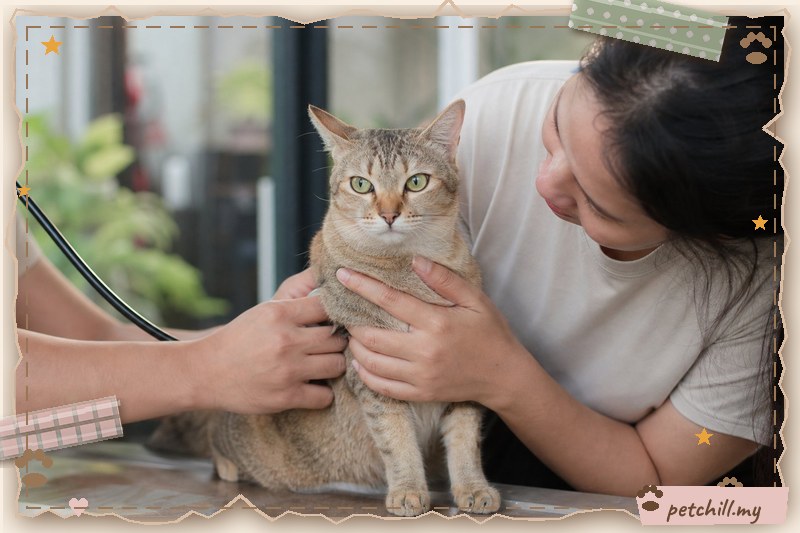
What diarrhea actually looks like in a cat

Why cats get diarrhea: the common causes

Vets group causes broadly, and knowing the categories helps you give a useful history.

Dietary causes

  • Sudden food changes. Switching brands or flavours overnight is one of the most common triggers.
  • Overeating or scavenging. Cats that raid the bin, lick oily plates, or eat too much rich food often pay for it.
  • Food intolerance or allergy. Some cats react to a particular protein or ingredient.
  • Milk and dairy. Many adult cats are lactose intolerant and develop loose stool after milk.
  • Toxic foods. Onion, garlic, chocolate, grapes and alcohol are all unsafe for cats.

Parasites

Roundworms, hookworms, tapeworms, giardia and coccidia are all common in warm, humid climates where cats go outdoors or hunt. Kittens are especially vulnerable. A stool sample check is a simple, sensible first step for any cat with recurring diarrhea.

Infections

Bacterial and viral infections can cause diarrhea, including feline panleukopenia, feline coronavirus and, in some cases, salmonella or campylobacter. These often come with fever, vomiting and marked lethargy.

Stress and environment

Cats are sensitive to change. A new home, a new pet, renovation noise, boarding, or a dirty litter box can all upset the gut. This is common in Malaysian apartments where cats live closely together and share space.

Underlying disease

  • Inflammatory bowel disease
  • Chronic kidney disease
  • Hyperthyroidism
  • Pancreatitis
  • Liver disease
  • Intestinal lymphoma, more common in older cats

Medication and toxins

Antibiotics and some other drugs can disrupt gut flora. Household toxins, plants and human medicines are also risks. Never give a cat human anti-diarrheal medicine without veterinary advice.

A simple comparison: mild upset vs. vet-worthy diarrhea

Feature Usually mild See a vet promptly
Stool Soft but formed, one or two episodes Watery, frequent, or contains blood or mucus
Appetite Normal or slightly reduced Refusing food over 24 hours
Energy Bright, playful, grooming Lethargic, hiding, weak
Vomiting None or once Repeated vomiting
Age Adult cat in good health Kitten, senior, or unwell cat
Duration Settles within 24–48 hours Lasts more than two days or keeps returning
Other signs None Fever, bloated belly, weight loss, dehydration

A simple comparison: mild upset vs. vet-worthy diarrhea

What to do at home: a practical checklist

If your cat is bright, eating, and has only mild loose stool, a short period of home care is reasonable.

  1. Keep fresh water available at all times. Hydration matters more than anything else. Some cats prefer a running tap or a wide bowl.
  2. Do not fast your cat. Fasting is outdated advice and can be harmful. Offer small, frequent meals instead.
  3. Feed something bland and familiar. Plain cooked chicken with no skin, bone or seasoning is a common short-term option. Ask your vet about a suitable recovery diet.
  4. Change food gradually. When reintroducing normal food, mix it in over several days.
  5. Scoop the litter box twice daily. Note the colour, consistency and frequency of stools. Photograph anything unusual.
  6. Check the cat's bottom. Gently clean soiled fur with a warm damp cloth and dry it. Long-haired cats may need a trim around the tail.
  7. Isolate the litter box if you have other cats, and wash your hands after handling.
  8. Disinfect surfaces and wash food bowls daily.
  9. Keep the cat indoors and away from bins, plants and human food.
  10. Weigh the cat if you can. Weight loss is a useful clue for your vet.

What not to do

  • Do not give human anti-diarrheal medication, antibiotics or painkillers. Some are toxic to cats.
  • Do not offer milk or rich treats to "settle the stomach".
  • Do not delay if the cat is a kitten, pregnant, elderly, or already unwell.
  • Do not assume worms are the only cause just because the cat goes outside.

How Malaysian homes affect cat digestion

Malaysia's climate and housing shape how diarrhea shows up and how you manage it.

  • Heat and humidity. Warm, damp conditions help parasites and bacteria thrive. Outdoor access, hunting, and shared corridors raise exposure risk. Fresh water matters more than ever in hot weather, and dehydration can develop fast.
  • Apartment living. In a Kuala Lumpur apartment, cats often share a small space and a single litter area. A soiled box can spread problems between cats, so scoop often and keep one box per cat plus one extra.
  • Terrace houses and outdoor cats. In a Johor terrace house, cats may roam the garden or lane. They pick up parasites, scavenge, and meet other cats. Regular deworming and a stool check are sensible routines.
  • Rainy season. During the Penang rainy season, cats may stay indoors more, litter boxes get busier, and stress-related gut upset can appear. Damp litter also needs more frequent changing.
  • Festive and communal eating. During festive periods, rich food and scraps are everywhere. Keep cats away from the table and bin.
  • Travel and boarding. Moving a cat between homes or boarding it can trigger stress-related diarrhea. Bring familiar food and a familiar blanket.
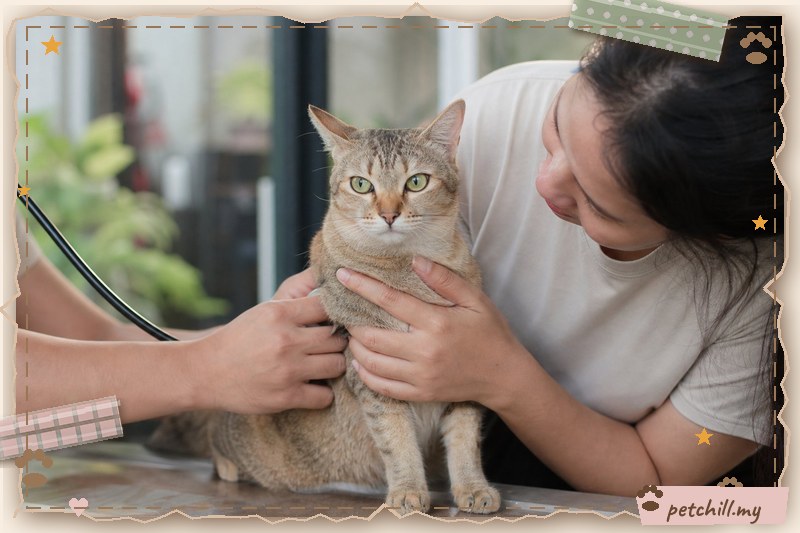
How Malaysian homes affect cat digestion

How vets investigate diarrhea

A good consultation starts with history: when it began, how often, what the stool looks like, diet, worming history, outdoor access, other pets, and any medication. Your vet may then:

  • Weigh the cat and check hydration by gently lifting the skin at the neck
  • Feel the abdomen for thickening, pain or masses
  • Check the mouth, gums and coat condition
  • Examine the stool, and possibly run a faecal flotation or smear
  • Run blood tests to check organ function and thyroid levels
  • Consider imaging such as ultrasound if disease is suspected
  • Trial a hypoallergenic or novel-protein diet for suspected food allergy

Bring a fresh stool sample in a clean container if you can. It saves time and money.

Preventing diarrhea in your cat

  • Change food gradually over seven to ten days
  • Follow a deworming schedule advised by your vet, especially for outdoor cats
  • Keep the litter box clean and provide enough boxes
  • Store food properly and discard spoiled wet food
  • Keep bins lidded and human food out of reach
  • Reduce stress during moves, renovations and new pets
  • Keep up routine vet checks, especially for senior cats
  • Keep toxic plants and household chemicals out of reach
Preventing diarrhea in your cat

When to see a vet

Book a vet visit the same day if your cat has diarrhea with blood, black tarry stool, repeated vomiting, a swollen or painful belly, fever, pale gums, or marked lethargy. Go urgently if the cat is a kitten, pregnant, elderly, or already unwell. Also see a vet if diarrhea lasts more than 48 hours, keeps returning, or comes with weight loss. Dehydration can progress quickly, so do not wait for a cat to become weak before seeking help.

Frequently asked questions

How can I tell if my cat has diarrhea?

Look for stools that are soft, watery or lose their shape, more frequent litter box visits, straining, and dirty fur around the bottom. Keep a note of colour, frequency and any blood or mucus so your vet has clear information.

When is cat diarrhea an emergency?

Seek urgent vet care if there is blood, black tarry stool, repeated vomiting, a swollen belly, fever, collapse, or a kitten with diarrhea. Dehydration develops quickly in small cats, so do not wait more than a day.

Should I stop feeding my cat with diarrhea?

No. Fasting is outdated advice for most cats and can be dangerous. Offer small, frequent meals of bland, easily digestible food and keep fresh water available. Ask your vet before changing diet, especially for kittens or cats with other illnesses.

Can worms cause diarrhea in cats?

Yes. Roundworms, hookworms and other intestinal parasites commonly cause loose stools, especially in kittens and outdoor cats. Regular deworming as advised by your vet, plus a stool check, is the standard approach in Malaysia's warm climate.

Is cat diarrhea contagious to other pets?

Some causes are contagious, including certain viruses, bacteria and parasites. Isolate the affected cat's litter box, wash your hands after handling, and disinfect surfaces. Ask your vet whether other pets in the household need checking.

How long does mild cat diarrhea last?

Mild dietary upset often settles within 24 to 48 hours with gentle feeding and hydration. If diarrhea lasts more than two days, keeps returning, or comes with vomiting, weight loss or lethargy, book a vet visit.

This article is general information only and is not a substitute for veterinary advice. Always consult a licensed veterinarian about your cat's health.

Frequently Asked Questions

📌 Key Takeaways

  • This article covers: Quick answer, What diarrhea actually looks like in a cat, Why cats get diarrhea: the common causes, A simple comparison: mild upset vs. vet-worthy diarrhea, What to do at home: a practical checklist, and more
  • Jump to any section via the table of contents for the key details
  • If in doubt, consult a registered veterinarian

Explore this topic cluster

This guide belongs to a Malaysia-focused topic cluster. Read the pillar guide and related articles.

View cluster →

📚 Cat Health article index

This article is part of the Cat Health topic cluster. Explore related articles:

⭐ Pillar guide: Cat Health complete guideBlood Test for Cats in Malaysia: What It Checks, Costs and When You Need One→ ReadBlood Test for Cats Step by Step: What Happens at the Clinic→ ReadBlood Test for Cats: What to Expect (Malaysian Owner's Guide)→ ReadCat Constipation Treatment in Malaysia: A Practical Owner's Guide→ ReadCat Dental Pain Treatment in Malaysia: A Practical Owner's Guide→ ReadCat Diarrhea Treatment in Malaysia: A Practical Owner's Guide→ ReadCat Ear Mites Treatment in Malaysia: A Complete Owner's Guide→ ReadCat Eye Infection Treatment in Malaysia: A Practical Owner's Guide→ ReadCat Fleas Treatment in Malaysia: A Practical Owner's Guide→ ReadCat Hair Loss Treatment in Malaysia: A Practical Owner's Guide→ ReadCat Licking Wounds: Why It Happens and How to Treat It in Malaysia→ ReadCat Poisoning Treatment in Malaysia: What to Do, What to Expect, and How to Prevent It→ ReadCat Ringworm Treatment in Malaysia: A Practical Owner's Guide→ ReadCat Skin Fungus Treatment in Malaysia: A Practical Owner's Guide→ ReadCat Sneezing Blood: Causes, Treatment and When to See a Vet in Malaysia→ ReadCat Vomiting Treatment in Malaysia: What to Do and When to See a Vet→ ReadCat Weight Loss Treatment in Malaysia: A Practical Guide for Owners→ ReadCat Worms Treatment in Malaysia: A Practical Owner's Guide→ ReadChocolate Poisoning and Cats in Malaysia: What Every Owner Should Know→ ReadConstipation in Cats: Causes, Care and When to See a Vet in Malaysia→ ReadConstipation in Cats in Malaysia: Causes, Signs and What to Do→ ReadConstipation Prevention for Cats: A Practical Guide for Malaysian Owners→ ReadDental Pain in Cats: Causes, Signs and Care (Malaysia Guide)→ ReadDental Pain in Cats in Malaysia: Signs, Causes and What to Do→ ReadDental Pain Prevention for Cats: A Practical Malaysian Guide→ ReadDeworming Schedule for Cats in Malaysia: A Practical, Vet-Led Guide→ ReadDeworming Schedule for Cats: A Step-by-Step Plan for Malaysian Owners→ ReadDeworming Schedule for Cats: What to Expect (Malaysia Guide)→ ReadDiarrhea in Cats: Causes and Care (Malaysian Owner's Guide)→ ReadDiarrhea in Cats in Malaysia: Causes, Home Care and When to See a Vet→ ReadDiarrhea Prevention for Cats: A Practical Guide for Malaysian Owners→ ReadE-Collar Recovery for Cats in Malaysia: A Practical Guide for Owners→ ReadE-Collar Recovery for Cats Step by Step: A Practical Guide for Malaysian Owners→ ReadE-Collar Recovery for Cats: What to Expect (Malaysia Guide)→ ReadEar Mites in Cats: Causes and Care (Malaysia Guide)→ ReadEar Mites in Cats in Malaysia: Signs, Treatment and Prevention→ ReadEar Mites Prevention for Cats: A Practical Malaysian Guide→ ReadElectrical Cables and Cats in Malaysia: A Practical Safety Guide→ ReadEye Infection in Cats: Causes and Care (Malaysia Guide)→ ReadEye Infection in Cats in Malaysia: Causes, Signs, Treatment & Prevention→ ReadEye Infection Prevention for Cats: A Practical Malaysian Guide→ ReadFans and Air Conditioning for Cats in Malaysia: A Practical Comfort Guide→ ReadFlea Treatment for Cats in Malaysia: A Complete Guide→ ReadFlea Treatment for Cats Step by Step: A Practical Malaysian Guide→ ReadFlea Treatment for Cats: What to Expect (Malaysia Guide)→ ReadFleas in Cats: Causes and Care (Malaysia Guide)→ ReadFleas in Cats in Malaysia: Signs, Treatment and Prevention→ ReadFleas Prevention for Cats in Malaysia: A Practical, Year-Round Plan→ ReadGiving Pills for Cats in Malaysia: A Stress-Free Step-by-Step Guide→ ReadGiving Pills for Cats Step by Step: A Calm, Practical Guide for Malaysian Owners→ ReadGiving Pills for Cats: What to Expect (Malaysian Owner's Guide)→ ReadHair Loss in Cats: Causes and Care (Malaysian Owner's Guide)→ ReadHair Loss in Cats in Malaysia: Causes, Home Checks and When to See a Vet→ ReadHair Loss Prevention for Cats: A Practical Grooming and Health Guide→ ReadHousehold Cleaning Products and Cats in Malaysia: A Safety Guide→ ReadHow to Prevent Chocolate Poisoning Around Cats: A Practical Guide for Malaysian Homes→ ReadHow to Prevent Electrical Cables Around Cats: A Practical Safety Guide for Malaysian Homes→ ReadHow to Prevent Fan and Aircond Problems Around Cats: A Malaysian Home Guide→ ReadHow to Prevent Household Cleaning Products Around Cats: A Practical Safety Guide for Malaysian Homes→ ReadHow to Prevent Lily Poisoning Around Cats: A Practical Safety Guide for Malaysian Homes→ ReadHow to Prevent Open Windows Around Cats: A Practical Safety Guide for Malaysian Homes→ ReadHow to Prevent Paracetamol Poisoning Around Cats: A Malaysian Safety Guide→ ReadHow to Prevent Plastic Bags Around Cats: A Practical Safety Guide for Malaysian Homes→ ReadHow to Treat Constipation in Cats at Home: A Practical Malaysian Guide→ ReadHow to Treat Dental Pain in Cats at Home: Safe Relief and When to See a Vet→ ReadHow to Treat Diarrhea in Cats at Home: A Practical Malaysian Guide→ ReadHow to Treat Ear Mites in Cats at Home: A Practical Malaysian Guide→ ReadHow to Treat Eye Infection in Cats at Home: Safe Steps for Malaysian Owners→ ReadHow to Treat Fleas in Cats at Home: A Practical Malaysian Guide→ ReadHow to Treat Hair Loss in Cats at Home: A Practical Malaysian Guide→ ReadHow to Treat Licking Wounds in Cats at Home: A Practical Guide for Malaysian Owners→ ReadHow to Treat Poisoning in Cats at Home: First Aid, Safe Steps and When to Rush to the Vet→ ReadHow to Treat Ringworm in Cats at Home: A Practical Guide for Malaysian Owners→ ReadHow to Treat Skin Fungus in Cats at Home: A Practical Malaysian Guide→ ReadHow to Treat Sneezing Blood in Cats at Home: Safe First Steps for Malaysian Owners→ ReadHow to Treat Vomiting in Cats at Home: A Practical Malaysian Guide→ ReadHow to Treat Weight Loss in Cats at Home: A Practical Guide for Malaysian Owners→ ReadHow to Treat Worms in Cats at Home: A Practical, Safe Guide for Malaysian Owners→ ReadLicking Wounds in Cats: Causes and Care (Malaysian Vet Guide)→ ReadLicking Wounds in Cats Malaysia: When It's Normal and When to Stop It→ ReadLicking Wounds Prevention for Cats: How to Stop the Lick Cycle and Let Skin Heal→ ReadLily Poisoning and Cats in Malaysia: Why Every Petal Is an Emergency→ ReadOpen Windows and Cats in Malaysia: How to Keep Your Cat Safe Without Locking Up the House→ ReadParacetamol Poisoning in Cats in Malaysia: Why Even One Tablet Can Be Deadly→ ReadPlastic Bags and Cats in Malaysia: Why They're Dangerous and How to Keep Your Cat Safe→ ReadPoisoning in Cats: Causes, Symptoms and Care (Malaysia Guide)→ ReadPoisoning in Cats in Malaysia: Common Toxins, Signs and What to Do→ ReadPoisoning Prevention for Cats in Malaysia: A Room-by-Room Safety Guide→ ReadRingworm in Cats: Causes, Symptoms and Care (Malaysia Guide)→ ReadRingworm in Cats in Malaysia: Signs, Treatment and Prevention→ ReadRingworm Prevention for Cats in Malaysia: A Practical, Vet-Informed Guide→ ReadSigns of Constipation in Cats in Malaysia: What to Watch For and When to Act→ ReadSigns of Dental Pain in Cats in Malaysia: What Owners Miss→ ReadSigns of Ear Mites in Cats in Malaysia: How to Spot, Treat and Prevent Them→ ReadSigns of Eye Infection in Cats in Malaysia: What Owners Should Look For→ ReadSigns of Fleas in Cats in Malaysia: How to Spot, Check and Act→ ReadSigns of Hair Loss in Cats in Malaysia: What to Look For and When to Worry→ ReadSigns of Licking Wounds in Cats Malaysia: How to Spot Problem Licking→ ReadSigns of Poisoning in Cats in Malaysia: What to Watch For and What to Do→ ReadSigns of Ringworm in Cats in Malaysia: What Owners Should Look For→ ReadSigns of Skin Fungus in Cats in Malaysia: How to Spot Ringworm Early→ ReadBlood in a Cat's Sneeze: Signs, Causes and What to Do in Malaysia→ ReadSigns of Vomiting in Cats in Malaysia: What's Normal, What's Not, and When to See a Vet→ ReadSigns of Weight Loss in Cats in Malaysia: What to Watch For and When to Worry→ ReadSigns of Worms in Cats in Malaysia: What Owners Should Look For→ ReadSkin Fungus in Cats: Causes, Signs and Care (Malaysia Guide)→ ReadSkin Fungus in Cats in Malaysia: Ringworm Signs, Treatment and Prevention→ ReadSkin Fungus Prevention for Cats: A Practical Guide for Malaysian Homes→ ReadSneezing Blood in Cats: Causes and Care (Malaysia Guide)→ ReadSneezing Blood in Cats in Malaysia: Causes, What to Do, and When to See a Vet→ ReadSneezing Blood Prevention for Cats: Causes, Care and When to Worry→ ReadSterilization for Cats in Malaysia: A Complete Guide for Owners→ ReadSterilization for Cats Step by Step: A Malaysian Owner's Guide→ ReadSterilisation for Cats: What to Expect (Malaysian Owner's Guide)→ ReadUltrasound for Cats in Malaysia: What It Is, When It's Needed, and What to Expect→ ReadUltrasound for Cats Step by Step: What Happens, What It Costs, and How to Prepare→ ReadUltrasound for Cats: What to Expect (Malaysian Owner's Guide)→ ReadVaccination Side Effects for Cats in Malaysia: What's Normal, What's Not→ ReadVaccination Side Effects for Cats: A Step-by-Step Guide for Malaysian Owners→ ReadCat Vaccination Side Effects: What Malaysian Owners Should Expect→ ReadVomiting in Cats: Causes and Care (Malaysia Guide)→ ReadVomiting in Cats in Malaysia: When It's Normal and When to Worry→ ReadVomiting Prevention for Cats: A Practical Guide for Malaysian Owners→ ReadWeight Loss in Cats: Causes and Care (Malaysian Vet Guide)→ ReadWeight Loss in Cats in Malaysia: Causes, Warning Signs and What to Do→ ReadWeight Loss Prevention for Cats: A Practical Malaysian Guide→ ReadWorms in Cats: Causes and Care (Malaysia Vet Guide)→ ReadWorms in Cats in Malaysia: A Practical Owner's Guide→ ReadWorms Prevention for Cats in Malaysia: A Complete Guide→ ReadWound Care for Cats in Malaysia: A Practical Owner's Guide→ ReadWound Care for Cats Step by Step: A Practical Malaysian Guide→ ReadWound Care for Cats: What to Expect, Step by Step→ ReadX-Ray for Cats in Malaysia: What to Expect, Costs and Safety→ ReadX-Ray for Cats Step by Step: What Malaysian Owners Should Expect→ ReadX-Ray for Cats: What to Expect (Malaysian Owner's Guide)→ ReadArthritis Pet Care in Malaysia: A Practical Guide for Cats and Dogs→ ReadCat Arthritis in Malaysia: 5 Home Signs Your Cat Is in Pain — and What to Do→ ReadEarly Signs of Chronic Disease in Cats: 7 Daily Checks and a 4-Week Record Sheet→ ReadCat Chronic Kidney Disease in Malaysia: The Daily Care Routine That Actually Slows It Down→ ReadCat Constipation in Malaysia: The 48-Hour Rule, Red Flags and What Actually Helps→ ReadCat Dehydration in Malaysia: Home Skin-Turgor Test, 7 Causes and Emergency Signs→ ReadCat Heart Disease in Malaysia: Sleep Breathing Count, HCM Early Signs and When to Rush to the Vet→ ReadCat Kidney Disease in Malaysia: Early Signs, Prevention and Everyday Care→ ReadCat Pancreatitis in Malaysia: Symptoms, fPLI Testing, Treatment and Home Recovery→ ReadCat Ringworm in Malaysia: Signs, Treatment and Home Cleaning Guide→ ReadCat Symptom Checker Malaysia: 12 Common Signs and a Green-Amber-Red Triage Table→ ReadPet Deworming in Malaysia: How Often to Worm Your Cat or Dog→ ReadPet Gut Health in Malaysia: Probiotics, Food Transitions and Stool Troubles (Part 2)→ ReadCat Gut Health: Probiotics, Antibiotics and Food Transitions Explained (Malaysia)→ ReadPet Health Malaysia 2026: Common Cat and Dog Illnesses, Prevention Care and Vet Guidance→ ReadPet Insurance in Malaysia: How to Compare Plans Before You Sign→ ReadPet Poisoning at Home: Household Chemicals, Toxic Plants and When Not to Induce Vomiting (Malaysia)→ ReadPet Poisoning at Home: Household Chemicals, Insecticides and Toxic Plants (Malaysia, Part 1)→ ReadCat Chronic Disease Early Signs in Malaysia: 7 Daily Checks and a 4-Week Log→ ReadCat Health Guide Malaysia: Symptom Check, Red-Flag Triage & When to See a Vet→ ReadCat Ringworm in Malaysia: Symptoms, Treatment and Home Cleaning Guide→ ReadGut Health, Probiotics & Food Transition Part 2: Practical Malaysia Guide→ ReadPet Health in Malaysia: A Practical Prevention Guide for Cats and Dogs→ Read

Related products at PetChill