
Quick answer
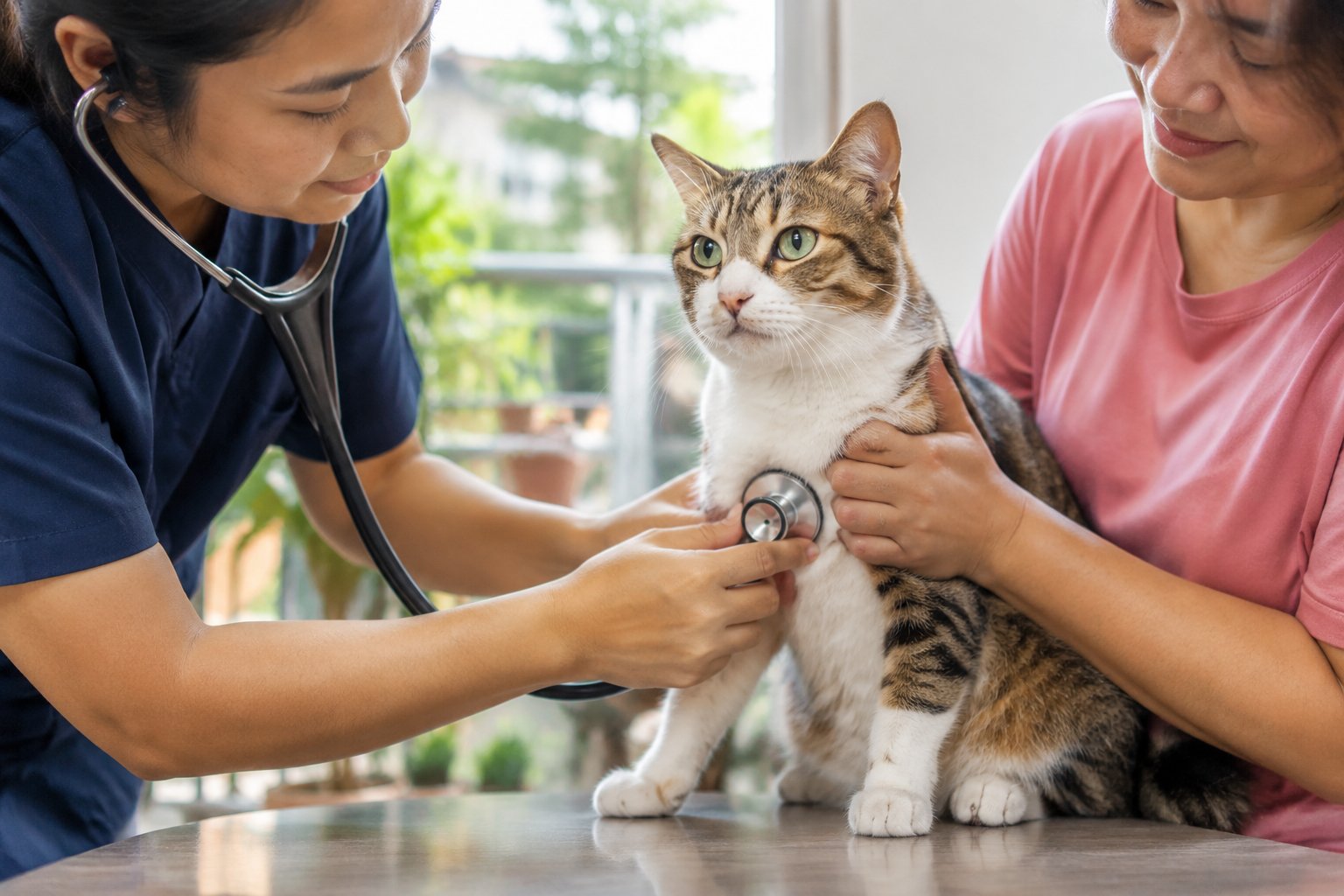
Eye infection in cats is usually caused by feline herpesvirus, calicivirus, chlamydia, mycoplasma or bacteria, sometimes with a foreign body or blocked tear duct. Signs include redness, discharge, squinting and swelling. Never use human eye drops. See a vet for diagnosis, because treatment differs by cause and some cases threaten sight.
Why cat eyes get infected so easily
A cat's eye is a small, exposed surface with a thin protective tear film. When that film is disrupted, bacteria and viruses find an opening. Several things make cats particularly vulnerable.
First, the feline eye has a large cornea relative to its size, and the third eyelid sits close to the surface. Discharge collects quickly in the inner corner, giving microbes a warm, moist place to multiply.
Second, many cats carry feline herpesvirus for life after a first infection. The virus hides in nerve tissue and reactivates when the cat is stressed, ill or treated with steroids. That is why a cat can have a clear eye for months and then develop a weepy, squinting eye after a house move or a new pet arrives.
Third, kittens have immature immune systems and are especially prone to chlamydia and herpesvirus. In multi-cat households and shelters, these infections spread fast through shared bowls, bedding and grooming.
Finally, environment matters. In Malaysia's warm, humid climate, dust, haze particles, air-conditioning draughts and poor ventilation can all irritate the eye surface and make infection more likely. Outdoor cats also face grass seeds, thorns and fights.
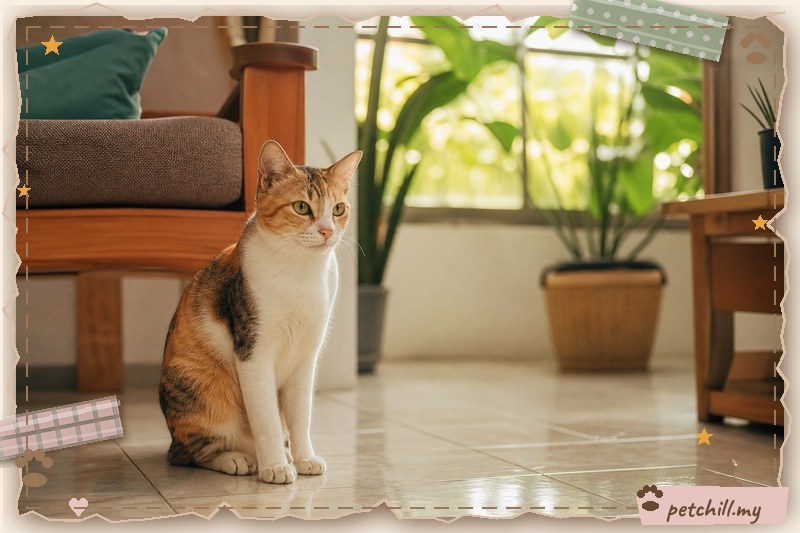
The main causes, and how they differ
Feline herpesvirus (FHV-1)
The most common viral cause. It typically affects the conjunctiva and cornea, causing watery or thick discharge, sneezing and squinting. It often recurs. Corneal ulcers are a serious complication, which is why vets use a stain test before prescribing anything.
Feline calicivirus (FCV)
Usually part of cat flu, alongside mouth ulcers and sneezing. Eye signs are often milder than with herpesvirus but can include conjunctivitis and discharge.
Chlamydia felis and mycoplasma
These bacteria-like organisms cause persistent conjunctivitis, often with a swollen, puffy eye and thick discharge. They spread readily between cats and usually need specific antibiotics rather than a general one.
Secondary bacterial infection
Bacteria often move in after a viral infection or an injury. The discharge changes from clear and watery to yellow-green and sticky, and the eye becomes more inflamed.
Non-infectious causes that look like infection
Not every weepy eye is an infection. Consider:
- Foreign bodies such as grass seeds, grit or hair.
- Corneal ulcers or scratches from a fight or a stray claw.
- Blocked tear ducts, which cause constant tearing without much redness.
- Entropion, where the eyelid rolls inward and lashes rub the eye, common in flat-faced breeds.
- Allergy or irritant exposure to dust, smoke or cleaning sprays.
- Glaucoma or uveitis, which are painful internal eye diseases and true emergencies.
| Cause | Typical signs | Key point |
|---|---|---|
| Herpesvirus | Watery or thick discharge, sneezing, squinting, recurring episodes | Can cause corneal ulcers; steroids may worsen it |
| Calicivirus | Conjunctivitis with mouth ulcers and fever | Part of cat flu complex |
| Chlamydia / mycoplasma | Puffy, red conjunctiva, thick discharge, often both eyes | Needs specific antibiotics |
| Bacterial infection | Yellow-green sticky discharge, worsening redness | Often secondary to virus or injury |
| Foreign body | Sudden squinting, pawing, one eye only | Needs removal by a vet |
| Blocked tear duct | Constant tearing, staining, little redness | Not infectious; needs investigation |
| Entropion | Rolled eyelid, rubbing, discharge | May need surgery |
| Glaucoma / uveitis | Cloudy eye, fixed pupil, severe pain, reluctance to eat | Emergency |
Signs to look for at home
Cats hide discomfort well, so watch for subtle changes.
- Squinting or holding the eye half-closed.
- Excess tearing or discharge in the inner corner, clear, cloudy or coloured.
- Redness of the white of the eye or the conjunctiva.
- Swelling of the eyelids or a puffy look.
- Pawing at the face or rubbing the eye against furniture.
- Sensitivity to light, turning away from windows.
- Crusting that glues the eyelids shut, especially in kittens.
- Sneezing, nasal discharge or mouth ulcers, suggesting cat flu.
- Change in appetite or behaviour, a sign of pain.
A useful rule: one mildly watery eye with no squinting and no change in behaviour can often be watched for 24 hours. Both eyes affected, thick discharge, squinting, cloudiness or pain needs a vet promptly.
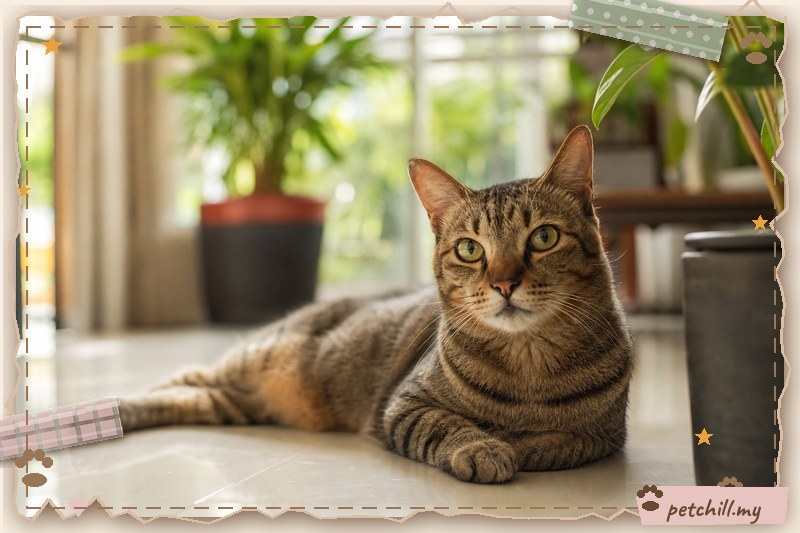
What your vet will do
Expect a structured examination rather than a quick glance.
- History. When it started, which eye, whether the cat sneezes, vaccination status, other cats in the home, recent stress or boarding.
- Vision and reflex checks. Testing whether the cat blinks when a hand approaches and how the pupils respond.
- Fluorescein stain. A harmless dye shows corneal ulcers. This is essential before any steroid is considered.
- Schirmer tear test. A small paper strip measures tear production; low readings suggest dry eye.
- Swabs. In persistent or recurrent cases, a swab can identify bacteria or chlamydia so the right antibiotic is chosen.
- Pressure check. If glaucoma is suspected, the vet measures intraocular pressure.
Treatment depends entirely on the cause. Viral cases may need antiviral drops, supportive care and management of stress. Bacterial and chlamydial cases need the correct antibiotic, often an ointment or drops for one to two weeks. Ulcers need medication that protects the cornea, and sometimes a contact lens or surgery. Foreign bodies are removed under local anaesthetic. Entropion may need corrective surgery once the eye is stable.
Home care you can do safely
Home care supports treatment; it does not replace diagnosis.
Do:
- Clean discharge gently with a clean cotton pad soaked in cooled boiled water, wiping from the inner corner outward.
- Use a fresh pad for each eye to avoid spreading infection.
- Wash your hands before and after handling the cat.
- Keep the cat indoors and away from dusty areas, smoke and strong cleaning fumes.
- Follow the vet's medication schedule exactly, including the full course.
- Reduce stress: quiet room, routine feeding, and a calm introduction if a new pet is in the house.
- Offer soft, smelly food if the cat has a blocked nose and reduced appetite.
Do not:
- Use human eye drops, including antibiotic or redness-relief drops.
- Use old or leftover medication from another pet.
- Touch the eyeball or press on a swollen eye.
- Use cotton wool, which leaves fibres in the eye.
- Delay a vet visit because the eye "looks a bit better today".
Giving eye drops to a cat
This is the step most owners struggle with. A calm, quick technique works best.
- Wrap the cat loosely in a towel, leaving the head free.
- Hold the head gently from behind with one hand, tilting it slightly upward.
- Rest the heel of your other hand on the cat's head so a sudden movement does not jab the eye.
- Use the thumb to gently pull down the lower eyelid and squeeze one drop into the gap.
- Let the cat blink, then praise and reward immediately.
- Wipe excess with a clean tissue, and wash your hands.
For ointments, squeeze a thin ribbon along the lower lid and let the cat blink it across the eye. Never let the tube tip touch the eye surface.
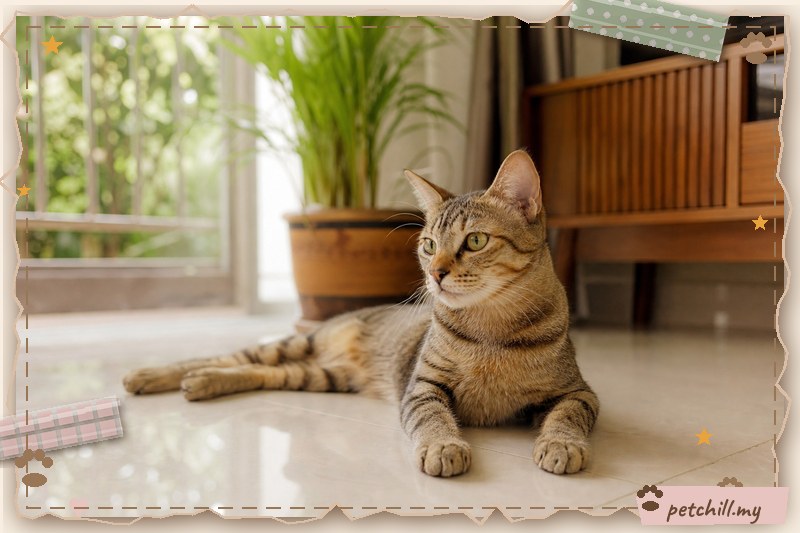
Preventing repeat problems
- Keep vaccinations current. Core vaccines reduce the severity of herpesvirus and calicivirus, though they do not fully prevent infection.
- Manage stress. New pets, renovations, boarding and moving house are common triggers for herpesvirus flare-ups.
- Keep the home dust-free. Vacuum regularly, avoid strong sprays near the cat, and keep litter areas ventilated.
- Check eyes weekly. A quick look during grooming catches early discharge.
- Isolate new cats for a short period and have them checked by a vet before mixing.
- Treat other cats in the household if infection is confirmed, since carriers can reinfect each other.
- Watch flat-faced breeds such as Persians and Exotics, which are more prone to entropion and tear staining.
When to see a vet
Go to a vet the same day if you see any of the following:
- Sudden swelling or the eye bulging.
- A cloudy, blue-grey or white haze over the eye.
- A fixed, dilated pupil or a pupil that looks different from the other eye.
- Severe squinting, crying out or refusing food.
- Blood or a visible wound on the eye.
- Discharge that is thick, yellow-green or foul-smelling.
- No improvement after 48 hours of prescribed treatment.
- A kitten with eye discharge, since young kittens can lose vision quickly.
For a mild, clear watery eye in an otherwise bright, eating cat, a 24-hour watch is reasonable, but any worsening means a visit.
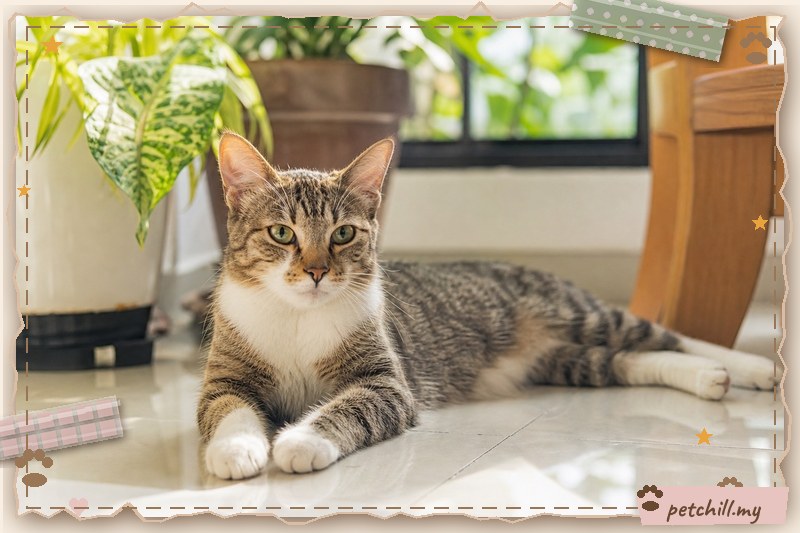
Local context for Malaysian cat owners
Malaysian homes vary widely, and that shapes eye risk. In a Kuala Lumpur apartment, air-conditioning runs for long hours and windows are often closed, so dust and dry air can irritate eyes; a humidifier, regular filter cleaning and dust-free litter help. In a Johor terrace house, cats may have more access to the garden, where grass seeds and thorns are a real hazard, so check eyes after outdoor time.
During the Penang rainy season, damp bedding and crowded indoor spaces can help infections spread between cats. Keep bedding dry, wash bowls daily and separate a sneezing cat from the rest.
Malaysian pet owners can check the Department of Veterinary Services (DVS) website for general animal health guidance and licensing information, and the DVS animal passport portal for travel-related requirements if relocating with a cat. Welfare guidance from SPCA Malaysia is useful for responsible ownership, and the Malaysian Veterinary Council site helps confirm that a clinic is registered. Local prices for consultations and medicines vary between clinics and states, so ask your vet for an estimate rather than relying on online figures.
A simple weekly eye check
Spend one minute per cat each week:
- Look at both eyes in good light.
- Check for redness, swelling or discharge in the inner corner.
- Watch the cat blink normally.
- Check that the third eyelid is not raised across the eye.
- Note any sneezing or change in appetite.
Record anything unusual with a photo and the date. Patterns help your vet decide whether this is a new infection or a recurring herpesvirus flare.
Key takeaways
- Most cat eye infections are viral, bacterial or chlamydial, and treatment differs by cause.
- Never use human eye drops or leftover medication.
- Squinting, cloudiness, swelling or a change in behaviour means a prompt vet visit.
- Home care means gentle cleaning, stress reduction and finishing prescribed treatment.
- Prevention focuses on vaccination, hygiene, dust control and managing stress.
This article is general information for Malaysian cat owners and is not a substitute for veterinary examination. Eye problems can progress quickly; if you are unsure, contact a registered veterinarian.
Related reading
- Eye Infection Prevention for Cats: A Practical Malaysian Guide
- How to Treat Eye Infection in Cats at Home: Safe Steps for Malaysian Owners
- Signs of Eye Infection in Cats in Malaysia: What Owners Should Look For
- Blood Test for Cats Step by Step: What Happens at the Clinic
- Cat Eye Infection Treatment in Malaysia: A Practical Owner's Guide
- Dental Pain in Cats in Malaysia: Signs, Causes and What to Do
- Dental Pain Prevention for Cats: A Practical Malaysian Guide
- Deworming Schedule for Cats: A Step-by-Step Plan for Malaysian Owners
- Deworming Schedule for Cats: What to Expect (Malaysia Guide)
- E-Collar Recovery for Cats Step by Step: A Practical Guide for Malaysian Owners

