PetChill Pet Encyclopedia
Cat Health

Eye Infection in Cats in Malaysia: Causes, Signs, Treatment & Prevention

Cat eye infections are common in Malaysia's humid climate. Learn the signs, safe first steps, vet treatments, and how to prevent recurring eye problems in your cat.

Published: 2026-11-06Β·7 min readΒ·Author: PetChill Editorial
Eye Infection in Cats in Malaysia: Causes, Signs, Treatment & Prevention

πŸ’‘ Quick Answer

Cat eye infections in Malaysia are usually caused by feline herpesvirus, calicivirus, bacteria or irritants. Signs include squinting, redness, discharge and swelling. Never use human eye drops. See a vet for diagnosis and species-safe treatment, and keep your cat's vaccinations and hygiene up to date.

What is an eye infection in cats?

An eye infection in cats is any condition where the eye or surrounding tissues become inflamed or infected by viruses, bacteria, fungi or parasites. In Malaysia's warm, humid climate, these problems are common and can worsen quickly if ignored. The most frequent types are conjunctivitis (inflammation of the pink membrane around the eye), corneal ulcers, and eye signs linked to cat flu.

Eye infections range from mild irritation to sight-threatening emergencies. Because cats hide pain well, subtle signs like squinting or avoiding bright light are easy to miss. Early recognition and vet care make a big difference.

Why eye infections are common in Malaysian cats

Malaysia's humidity and frequent rain create an environment where infectious agents survive longer on surfaces and where cats may spend more time in close quarters indoors. Multi-cat households, catteries and rescue shelters see more outbreaks of contagious eye disease. Dust, haze, strong cleaning products and certain litters can also irritate eyes.

Kittens, senior cats, unvaccinated cats and flat-faced breeds are at higher risk. Stress from moving, new pets or overcrowding can reactivate latent feline herpesvirus, a very common cause of recurrent eye problems.
Why eye infections are common in Malaysian cats

Common causes of eye infections in cats

Feline herpesvirus (FHV-1)

This virus is a leading cause of conjunctivitis and corneal ulcers in cats. After infection, many cats carry the virus for life, and it can reactivate during stress or illness. Signs include squinting, watery or thick discharge, redness and sometimes small corneal ulcers.

Feline calicivirus (FCV)

Calicivirus often causes upper respiratory signs and can also affect the eyes, usually with mild conjunctivitis. It spreads easily between cats through saliva, nasal and eye discharge.

Bacteria

Bacteria such as Staphylococcus and Streptococcus can cause primary infections or secondary infections after a viral episode. Bacterial conjunctivitis often produces yellow-green discharge and sticky eyelids.

Chlamydia and Mycoplasma

These organisms can cause persistent conjunctivitis, especially in multi-cat environments. They require specific veterinary treatment.

Parasites and fungi

Less common in Malaysia but possible, especially in cats with weakened immunity. Fungal eye disease is serious and needs urgent vet care.

Non-infectious causes

Dust, smoke, haze, shampoo, household cleaners, foreign bodies (grass seeds, sand), trauma from scratching, and eyelid abnormalities can all cause eye inflammation that looks like an infection.

Signs your cat may have an eye infection

Watch for one or more of these:

  • Squinting, blinking more than usual, or holding the eye closed
  • Redness of the white of the eye or the eyelids
  • Watery, cloudy, yellow or green discharge
  • Crusting or matted fur around the eye
  • Swelling of the eyelids or conjunctiva
  • Pawing at the face or rubbing the eye against furniture
  • Sensitivity to light
  • A cloudy, blue or white spot on the eye surface
  • Third eyelid (the pink membrane) staying visible
  • Sneezing, nasal discharge, fever or loss of appetite (suggesting cat flu)

Some cats show only mild tearing, while others develop severe pain. Any change in eye appearance or behaviour deserves attention.
Signs your cat may have an eye infection

How vets diagnose eye infections

A vet will start with a full history: when signs began, whether other cats are affected, vaccination status, indoor/outdoor access, and any recent stress or illness. They will examine both eyes and the surrounding face.

Common tests include:

  • Fluorescein stain: a dye that highlights corneal ulcers and scratches
  • Schirmer tear test: measures tear production
  • Conjunctival swabs: for bacterial culture or PCR testing for herpesvirus and calicivirus
  • Tonometry: measures eye pressure if glaucoma is suspected
  • Slit-lamp or ophthalmoscope examination: magnified view of the eye

Not every case needs all tests. Your vet will choose based on severity and response to initial treatment.

Treatment options for cat eye infections

Treatment depends on the cause. Never use leftover or human medication without veterinary advice.

Viral infections

There is no cure for feline herpesvirus, but supportive care helps. Vets may prescribe antiviral eye drops or oral antivirals, lubricating drops, and pain relief. Keeping the cat stress-free and well fed supports recovery. Lysine supplements are sometimes used, though evidence is mixed; ask your vet.

Bacterial infections

Antibiotic eye drops or ointments are prescribed for bacterial conjunctivitis. It is important to complete the course and not stop early when signs improve.

Corneal ulcers

Ulcers need specific treatment, often antibiotic drops to prevent secondary infection, pain relief, and sometimes a protective contact lens or surgery. Never use steroid eye drops on an ulcer, as they can worsen it.

Supportive care

Gentle cleaning of discharge with a clean, damp cotton pad, keeping the face dry, and using a cone if the cat scratches at the eye can help. Ensure fresh water and good nutrition.

Treating underlying disease

If eye signs are part of cat flu, the vet will manage the whole illness. Dental disease, eyelid problems or foreign bodies may need separate treatment.
Treatment options for cat eye infections

Home care do's and don'ts

Do:

  • Gently clean around the eye with sterile saline or cooled boiled water on a clean cotton pad, wiping away from the eye.
  • Use a separate pad for each eye to avoid spreading infection.
  • Keep the cat indoors and away from other cats if infection is suspected.
  • Follow vet instructions exactly and finish all medication.
  • Reduce stress: provide quiet spaces, routine feeding and gentle handling.

Don't:

  • Don't use human eye drops, including those for dry eyes or redness.
  • Don't use old prescriptions from another pet.
  • Don't try to remove a foreign body yourself.
  • Don't use cotton buds inside the eye.
  • Don't delay vet care if the eye is painful, cloudy or worsening.

When to see a vet

See a vet promptly if you notice any of the following:

  • Squinting that lasts more than a few hours
  • Thick yellow or green discharge
  • A cloudy, blue or white spot on the eye
  • Swelling that is getting worse
  • The cat is pawing at the eye or crying
  • Loss of appetite, lethargy or fever
  • Signs in a kitten or senior cat
  • No improvement after 24–48 hours of home cleaning

Emergency signs: sudden blindness, severe pain, bleeding from the eye, a prolapsed third eyelid covering the eye, or a visibly ruptured eye. Go to a vet immediately.
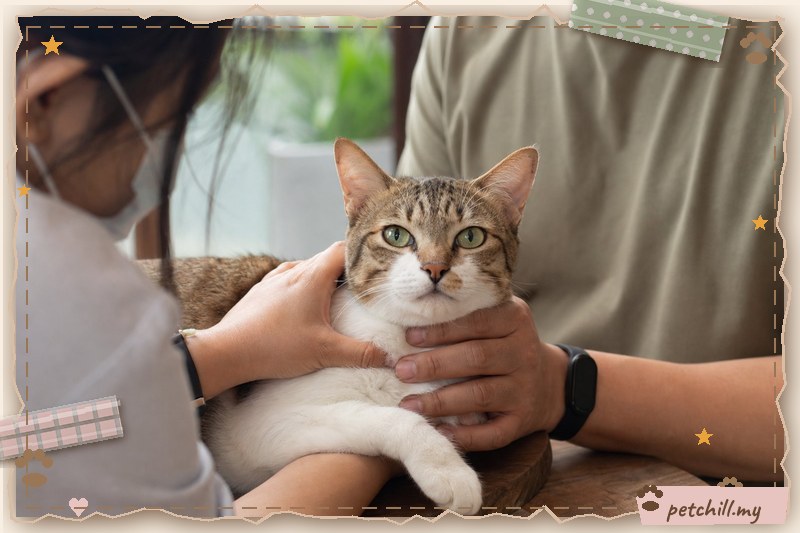
When to see a vet

Preventing eye infections in cats

Prevention is better than treatment. Practical steps include:

  • Keep vaccinations up to date, especially against feline herpesvirus and calicivirus.
  • Reduce stress in multi-cat homes with separate feeding stations, hiding places and gradual introductions.
  • Clean food and water bowls daily and avoid sharing bowls between sick and healthy cats.
  • Use low-dust litter and avoid strong sprays or smoke near the cat.
  • Gently wipe tear staining in flat-faced breeds daily.
  • Isolate new cats for a short period and have them vet-checked.
  • Feed a balanced diet and maintain a healthy weight.
  • Schedule regular vet check-ups, especially for senior cats.

Eye infections in kittens and senior cats

Kittens have immature immune systems and can develop severe eye infections quickly. Neonatal conjunctivitis can cause lasting damage if not treated early. Senior cats may have weaker immunity or underlying diseases like kidney disease or diabetes that slow healing. Both groups need prompt vet attention.

Flat-faced breeds and eye care

Persians, Exotic Shorthairs and British Shorthairs often have shallow eye sockets, prominent eyes and narrow tear ducts. This makes them prone to irritation, tear overflow and infection. Daily gentle cleaning and regular vet checks help. Avoid dusty environments and keep facial fur trimmed if it rubs the eye.

How eye infections spread between cats

Infections spread through direct contact, sneezing, shared bowls, bedding and human hands. In multi-cat households, isolate the affected cat in a separate room with its own litter box and bowls. Wash hands after handling. Disinfect surfaces with a pet-safe product. Keep the sick cat separate until the vet confirms it is safe.

Comparison table: common eye problems in cats

Condition Typical signs Contagious? Vet care needed
Viral conjunctivitis (herpesvirus) Watery discharge, squinting, redness, recurrent Yes Yes, antivirals and supportive care
Bacterial conjunctivitis Yellow/green discharge, sticky eyelids Yes Yes, antibiotics
Corneal ulcer Pain, cloudiness, blue spot, squinting Depends on cause Yes, urgent
Cat flu eye signs Discharge, sneezing, fever, lethargy Yes Yes, full illness management
Foreign body or trauma Sudden pain, tearing, pawing No Yes, removal and treatment
Allergic irritation Redness, watery eyes, no discharge No Maybe, identify trigger

What to expect at the vet

Your vet will ask questions and examine the eyes gently. They may use a stain to check for ulcers and may take a swab. Treatment is often started the same day. Follow-up visits may be needed to check healing, especially for ulcers. Ask about pain relief and how to give eye drops safely. If you are unsure, ask the vet to demonstrate.

Cost and access to care in Malaysia

Veterinary costs vary by clinic, location and the tests needed. A simple consultation and eye drops will cost less than surgery or hospitalisation. Ask your vet for an estimate before treatment. Pet insurance may cover some costs. Do not delay care because of cost; discuss options with your vet.

Living with a cat that has recurrent eye problems

Some cats, especially herpesvirus carriers, have flare-ups during stress or illness. Keep a diary of triggers, maintain vaccinations, and follow your vet's plan. Keep the environment clean and low-stress. Regular check-ups help catch problems early. With good care, most cats live comfortably.

Conclusion

Eye infections in cats are common in Malaysia but manageable with prompt vet care, good hygiene and stress reduction. Never use human eye drops, and always seek professional advice for diagnosis and treatment. Your vet is the best source of guidance for your cat's specific needs.

This article is for general information only and is not a substitute for veterinary advice. Always consult a licensed veterinarian for diagnosis and treatment of your cat's eye condition.

Frequently Asked Questions

πŸ“Œ Key Takeaways

  • This article covers: What is an eye infection in cats?, Why eye infections are common in Malaysian cats, Common causes of eye infections in cats, Signs your cat may have an eye infection, How vets diagnose eye infections, and more
  • Jump to any section via the table of contents for the key details
  • If in doubt, consult a registered veterinarian

Explore this topic cluster

This guide belongs to a Malaysia-focused topic cluster. Read the pillar guide and related articles.

View cluster β†’

πŸ“š Cat Health article index

This article is part of the Cat Health topic cluster. Explore related articles:

⭐ Pillar guide: Cat Health complete guideBlood Test for Cats in Malaysia: What It Checks, Costs and When You Need Oneβ†’ ReadBlood Test for Cats Step by Step: What Happens at the Clinicβ†’ ReadBlood Test for Cats: What to Expect (Malaysian Owner's Guide)β†’ ReadCat Constipation Treatment in Malaysia: A Practical Owner's Guideβ†’ ReadCat Dental Pain Treatment in Malaysia: A Practical Owner's Guideβ†’ ReadCat Diarrhea Treatment in Malaysia: A Practical Owner's Guideβ†’ ReadCat Ear Mites Treatment in Malaysia: A Complete Owner's Guideβ†’ ReadCat Eye Infection Treatment in Malaysia: A Practical Owner's Guideβ†’ ReadCat Fleas Treatment in Malaysia: A Practical Owner's Guideβ†’ ReadCat Hair Loss Treatment in Malaysia: A Practical Owner's Guideβ†’ ReadCat Licking Wounds: Why It Happens and How to Treat It in Malaysiaβ†’ ReadCat Poisoning Treatment in Malaysia: What to Do, What to Expect, and How to Prevent Itβ†’ ReadCat Ringworm Treatment in Malaysia: A Practical Owner's Guideβ†’ ReadCat Skin Fungus Treatment in Malaysia: A Practical Owner's Guideβ†’ ReadCat Sneezing Blood: Causes, Treatment and When to See a Vet in Malaysiaβ†’ ReadCat Vomiting Treatment in Malaysia: What to Do and When to See a Vetβ†’ ReadCat Weight Loss Treatment in Malaysia: A Practical Guide for Ownersβ†’ ReadCat Worms Treatment in Malaysia: A Practical Owner's Guideβ†’ ReadChocolate Poisoning and Cats in Malaysia: What Every Owner Should Knowβ†’ ReadConstipation in Cats: Causes, Care and When to See a Vet in Malaysiaβ†’ ReadConstipation in Cats in Malaysia: Causes, Signs and What to Doβ†’ ReadConstipation Prevention for Cats: A Practical Guide for Malaysian Ownersβ†’ ReadDental Pain in Cats: Causes, Signs and Care (Malaysia Guide)β†’ ReadDental Pain in Cats in Malaysia: Signs, Causes and What to Doβ†’ ReadDental Pain Prevention for Cats: A Practical Malaysian Guideβ†’ ReadDeworming Schedule for Cats in Malaysia: A Practical, Vet-Led Guideβ†’ ReadDeworming Schedule for Cats: A Step-by-Step Plan for Malaysian Ownersβ†’ ReadDeworming Schedule for Cats: What to Expect (Malaysia Guide)β†’ ReadDiarrhea in Cats: Causes and Care (Malaysian Owner's Guide)β†’ ReadDiarrhea in Cats in Malaysia: Causes, Home Care and When to See a Vetβ†’ ReadDiarrhea Prevention for Cats: A Practical Guide for Malaysian Ownersβ†’ ReadE-Collar Recovery for Cats in Malaysia: A Practical Guide for Ownersβ†’ ReadE-Collar Recovery for Cats Step by Step: A Practical Guide for Malaysian Ownersβ†’ ReadE-Collar Recovery for Cats: What to Expect (Malaysia Guide)β†’ ReadEar Mites in Cats: Causes and Care (Malaysia Guide)β†’ ReadEar Mites in Cats in Malaysia: Signs, Treatment and Preventionβ†’ ReadEar Mites Prevention for Cats: A Practical Malaysian Guideβ†’ ReadElectrical Cables and Cats in Malaysia: A Practical Safety Guideβ†’ ReadEye Infection in Cats: Causes and Care (Malaysia Guide)β†’ ReadEye Infection Prevention for Cats: A Practical Malaysian Guideβ†’ ReadFans and Air Conditioning for Cats in Malaysia: A Practical Comfort Guideβ†’ ReadFlea Treatment for Cats in Malaysia: A Complete Guideβ†’ ReadFlea Treatment for Cats Step by Step: A Practical Malaysian Guideβ†’ ReadFlea Treatment for Cats: What to Expect (Malaysia Guide)β†’ ReadFleas in Cats: Causes and Care (Malaysia Guide)β†’ ReadFleas in Cats in Malaysia: Signs, Treatment and Preventionβ†’ ReadFleas Prevention for Cats in Malaysia: A Practical, Year-Round Planβ†’ ReadGiving Pills for Cats in Malaysia: A Stress-Free Step-by-Step Guideβ†’ ReadGiving Pills for Cats Step by Step: A Calm, Practical Guide for Malaysian Ownersβ†’ ReadGiving Pills for Cats: What to Expect (Malaysian Owner's Guide)β†’ ReadHair Loss in Cats: Causes and Care (Malaysian Owner's Guide)β†’ ReadHair Loss in Cats in Malaysia: Causes, Home Checks and When to See a Vetβ†’ ReadHair Loss Prevention for Cats: A Practical Grooming and Health Guideβ†’ ReadHousehold Cleaning Products and Cats in Malaysia: A Safety Guideβ†’ ReadHow to Prevent Chocolate Poisoning Around Cats: A Practical Guide for Malaysian Homesβ†’ ReadHow to Prevent Electrical Cables Around Cats: A Practical Safety Guide for Malaysian Homesβ†’ ReadHow to Prevent Fan and Aircond Problems Around Cats: A Malaysian Home Guideβ†’ ReadHow to Prevent Household Cleaning Products Around Cats: A Practical Safety Guide for Malaysian Homesβ†’ ReadHow to Prevent Lily Poisoning Around Cats: A Practical Safety Guide for Malaysian Homesβ†’ ReadHow to Prevent Open Windows Around Cats: A Practical Safety Guide for Malaysian Homesβ†’ ReadHow to Prevent Paracetamol Poisoning Around Cats: A Malaysian Safety Guideβ†’ ReadHow to Prevent Plastic Bags Around Cats: A Practical Safety Guide for Malaysian Homesβ†’ ReadHow to Treat Constipation in Cats at Home: A Practical Malaysian Guideβ†’ ReadHow to Treat Dental Pain in Cats at Home: Safe Relief and When to See a Vetβ†’ ReadHow to Treat Diarrhea in Cats at Home: A Practical Malaysian Guideβ†’ ReadHow to Treat Ear Mites in Cats at Home: A Practical Malaysian Guideβ†’ ReadHow to Treat Eye Infection in Cats at Home: Safe Steps for Malaysian Ownersβ†’ ReadHow to Treat Fleas in Cats at Home: A Practical Malaysian Guideβ†’ ReadHow to Treat Hair Loss in Cats at Home: A Practical Malaysian Guideβ†’ ReadHow to Treat Licking Wounds in Cats at Home: A Practical Guide for Malaysian Ownersβ†’ ReadHow to Treat Poisoning in Cats at Home: First Aid, Safe Steps and When to Rush to the Vetβ†’ ReadHow to Treat Ringworm in Cats at Home: A Practical Guide for Malaysian Ownersβ†’ ReadHow to Treat Skin Fungus in Cats at Home: A Practical Malaysian Guideβ†’ ReadHow to Treat Sneezing Blood in Cats at Home: Safe First Steps for Malaysian Ownersβ†’ ReadHow to Treat Vomiting in Cats at Home: A Practical Malaysian Guideβ†’ ReadHow to Treat Weight Loss in Cats at Home: A Practical Guide for Malaysian Ownersβ†’ ReadHow to Treat Worms in Cats at Home: A Practical, Safe Guide for Malaysian Ownersβ†’ ReadLicking Wounds in Cats: Causes and Care (Malaysian Vet Guide)β†’ ReadLicking Wounds in Cats Malaysia: When It's Normal and When to Stop Itβ†’ ReadLicking Wounds Prevention for Cats: How to Stop the Lick Cycle and Let Skin Healβ†’ ReadLily Poisoning and Cats in Malaysia: Why Every Petal Is an Emergencyβ†’ ReadOpen Windows and Cats in Malaysia: How to Keep Your Cat Safe Without Locking Up the Houseβ†’ ReadParacetamol Poisoning in Cats in Malaysia: Why Even One Tablet Can Be Deadlyβ†’ ReadPlastic Bags and Cats in Malaysia: Why They're Dangerous and How to Keep Your Cat Safeβ†’ ReadPoisoning in Cats: Causes, Symptoms and Care (Malaysia Guide)β†’ ReadPoisoning in Cats in Malaysia: Common Toxins, Signs and What to Doβ†’ ReadPoisoning Prevention for Cats in Malaysia: A Room-by-Room Safety Guideβ†’ ReadRingworm in Cats: Causes, Symptoms and Care (Malaysia Guide)β†’ ReadRingworm in Cats in Malaysia: Signs, Treatment and Preventionβ†’ ReadRingworm Prevention for Cats in Malaysia: A Practical, Vet-Informed Guideβ†’ ReadSigns of Constipation in Cats in Malaysia: What to Watch For and When to Actβ†’ ReadSigns of Dental Pain in Cats in Malaysia: What Owners Missβ†’ ReadSigns of Diarrhea in Cats in Malaysia: What's Normal, What's Notβ†’ ReadSigns of Ear Mites in Cats in Malaysia: How to Spot, Treat and Prevent Themβ†’ ReadSigns of Eye Infection in Cats in Malaysia: What Owners Should Look Forβ†’ ReadSigns of Fleas in Cats in Malaysia: How to Spot, Check and Actβ†’ ReadSigns of Hair Loss in Cats in Malaysia: What to Look For and When to Worryβ†’ ReadSigns of Licking Wounds in Cats Malaysia: How to Spot Problem Lickingβ†’ ReadSigns of Poisoning in Cats in Malaysia: What to Watch For and What to Doβ†’ ReadSigns of Ringworm in Cats in Malaysia: What Owners Should Look Forβ†’ ReadSigns of Skin Fungus in Cats in Malaysia: How to Spot Ringworm Earlyβ†’ ReadBlood in a Cat's Sneeze: Signs, Causes and What to Do in Malaysiaβ†’ ReadSigns of Vomiting in Cats in Malaysia: What's Normal, What's Not, and When to See a Vetβ†’ ReadSigns of Weight Loss in Cats in Malaysia: What to Watch For and When to Worryβ†’ ReadSigns of Worms in Cats in Malaysia: What Owners Should Look Forβ†’ ReadSkin Fungus in Cats: Causes, Signs and Care (Malaysia Guide)β†’ ReadSkin Fungus in Cats in Malaysia: Ringworm Signs, Treatment and Preventionβ†’ ReadSkin Fungus Prevention for Cats: A Practical Guide for Malaysian Homesβ†’ ReadSneezing Blood in Cats: Causes and Care (Malaysia Guide)β†’ ReadSneezing Blood in Cats in Malaysia: Causes, What to Do, and When to See a Vetβ†’ ReadSneezing Blood Prevention for Cats: Causes, Care and When to Worryβ†’ ReadSterilization for Cats in Malaysia: A Complete Guide for Ownersβ†’ ReadSterilization for Cats Step by Step: A Malaysian Owner's Guideβ†’ ReadSterilisation for Cats: What to Expect (Malaysian Owner's Guide)β†’ ReadUltrasound for Cats in Malaysia: What It Is, When It's Needed, and What to Expectβ†’ ReadUltrasound for Cats Step by Step: What Happens, What It Costs, and How to Prepareβ†’ ReadUltrasound for Cats: What to Expect (Malaysian Owner's Guide)β†’ ReadVaccination Side Effects for Cats in Malaysia: What's Normal, What's Notβ†’ ReadVaccination Side Effects for Cats: A Step-by-Step Guide for Malaysian Ownersβ†’ ReadCat Vaccination Side Effects: What Malaysian Owners Should Expectβ†’ ReadVomiting in Cats: Causes and Care (Malaysia Guide)β†’ ReadVomiting in Cats in Malaysia: When It's Normal and When to Worryβ†’ ReadVomiting Prevention for Cats: A Practical Guide for Malaysian Ownersβ†’ ReadWeight Loss in Cats: Causes and Care (Malaysian Vet Guide)β†’ ReadWeight Loss in Cats in Malaysia: Causes, Warning Signs and What to Doβ†’ ReadWeight Loss Prevention for Cats: A Practical Malaysian Guideβ†’ ReadWorms in Cats: Causes and Care (Malaysia Vet Guide)β†’ ReadWorms in Cats in Malaysia: A Practical Owner's Guideβ†’ ReadWorms Prevention for Cats in Malaysia: A Complete Guideβ†’ ReadWound Care for Cats in Malaysia: A Practical Owner's Guideβ†’ ReadWound Care for Cats Step by Step: A Practical Malaysian Guideβ†’ ReadWound Care for Cats: What to Expect, Step by Stepβ†’ ReadX-Ray for Cats in Malaysia: What to Expect, Costs and Safetyβ†’ ReadX-Ray for Cats Step by Step: What Malaysian Owners Should Expectβ†’ ReadX-Ray for Cats: What to Expect (Malaysian Owner's Guide)β†’ ReadArthritis Pet Care in Malaysia: A Practical Guide for Cats and Dogsβ†’ ReadCat Arthritis in Malaysia: 5 Home Signs Your Cat Is in Pain β€” and What to Doβ†’ ReadEarly Signs of Chronic Disease in Cats: 7 Daily Checks and a 4-Week Record Sheetβ†’ ReadCat Chronic Kidney Disease in Malaysia: The Daily Care Routine That Actually Slows It Downβ†’ ReadCat Constipation in Malaysia: The 48-Hour Rule, Red Flags and What Actually Helpsβ†’ ReadCat Dehydration in Malaysia: Home Skin-Turgor Test, 7 Causes and Emergency Signsβ†’ ReadCat Heart Disease in Malaysia: Sleep Breathing Count, HCM Early Signs and When to Rush to the Vetβ†’ ReadCat Kidney Disease in Malaysia: Early Signs, Prevention and Everyday Careβ†’ ReadCat Pancreatitis in Malaysia: Symptoms, fPLI Testing, Treatment and Home Recoveryβ†’ ReadCat Ringworm in Malaysia: Signs, Treatment and Home Cleaning Guideβ†’ ReadCat Symptom Checker Malaysia: 12 Common Signs and a Green-Amber-Red Triage Tableβ†’ ReadPet Deworming in Malaysia: How Often to Worm Your Cat or Dogβ†’ ReadPet Gut Health in Malaysia: Probiotics, Food Transitions and Stool Troubles (Part 2)β†’ ReadCat Gut Health: Probiotics, Antibiotics and Food Transitions Explained (Malaysia)β†’ ReadPet Health Malaysia 2026: Common Cat and Dog Illnesses, Prevention Care and Vet Guidanceβ†’ ReadPet Insurance in Malaysia: How to Compare Plans Before You Signβ†’ ReadPet Poisoning at Home: Household Chemicals, Toxic Plants and When Not to Induce Vomiting (Malaysia)β†’ ReadPet Poisoning at Home: Household Chemicals, Insecticides and Toxic Plants (Malaysia, Part 1)β†’ ReadCat Chronic Disease Early Signs in Malaysia: 7 Daily Checks and a 4-Week Logβ†’ ReadCat Health Guide Malaysia: Symptom Check, Red-Flag Triage & When to See a Vetβ†’ ReadCat Ringworm in Malaysia: Symptoms, Treatment and Home Cleaning Guideβ†’ ReadGut Health, Probiotics & Food Transition Part 2: Practical Malaysia Guideβ†’ ReadPet Health in Malaysia: A Practical Prevention Guide for Cats and Dogsβ†’ Read

Related products at PetChill