
Quick answer
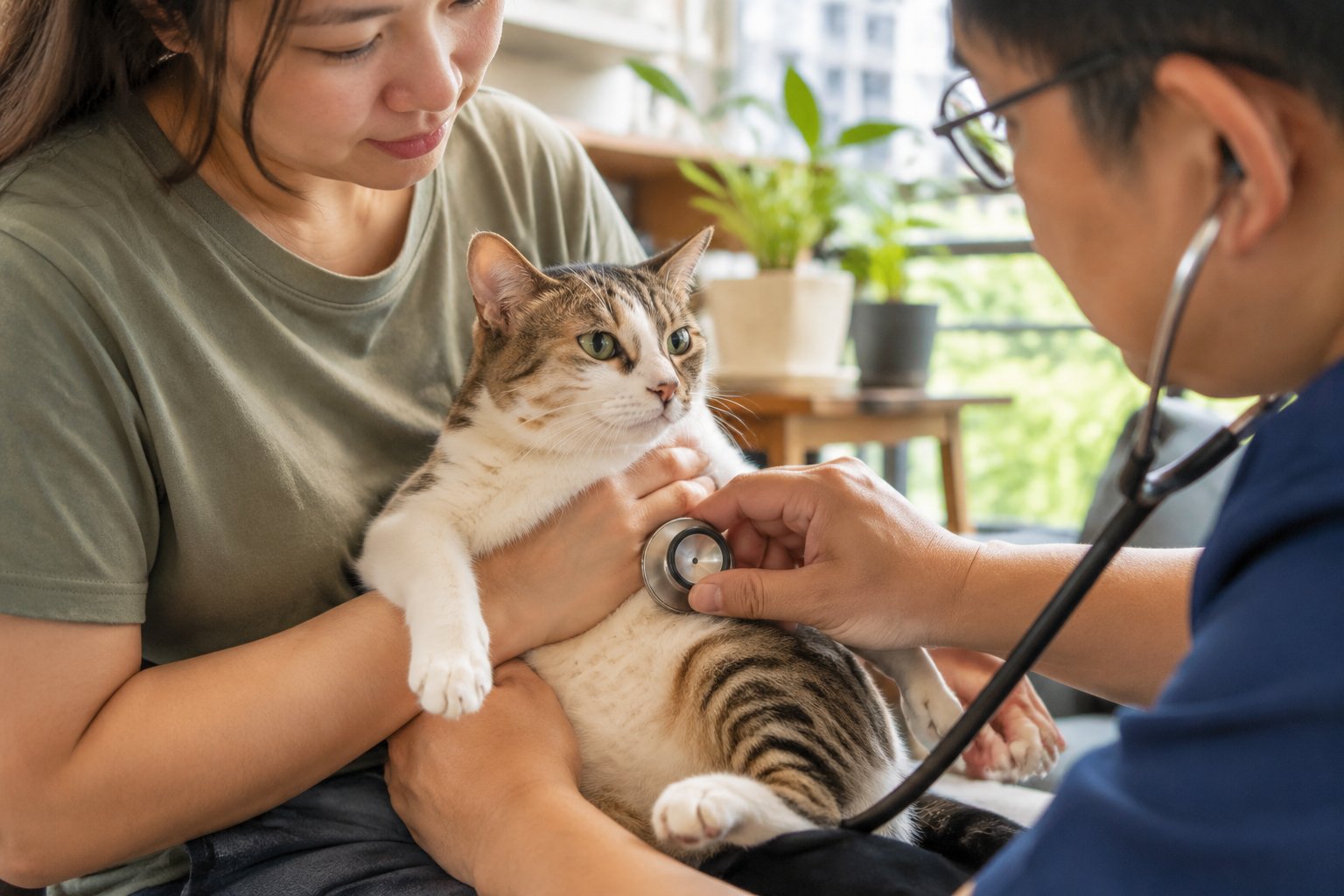
Prevent weight loss in cats by feeding measured portions of complete food, weighing your cat monthly, watching appetite and litter box habits, reducing stress, and seeing a vet early if weight drops. Sudden or ongoing loss is never normal and needs veterinary investigation.
Why weight loss prevention matters more than you think
Many cat owners focus on obesity, and rightly so. But unintended weight loss is just as serious. A cat that slowly drops weight may be developing dental pain, kidney disease, thyroid problems, diabetes, digestive disease or cancer. Because cats are good at hiding illness, the scale is often the first clue.
Prevention is not only about food. It is about knowing your cat's normal body condition, feeding consistently, keeping stress low, and acting quickly when something changes. In Malaysian homes, where many cats live indoors in apartments or terrace houses, small changes in routine can have a big effect.
This guide covers how to prevent weight loss, what to monitor, how to feed, and when to see a vet. It is general information, not a substitute for veterinary advice.
Know your cat's healthy weight and body condition
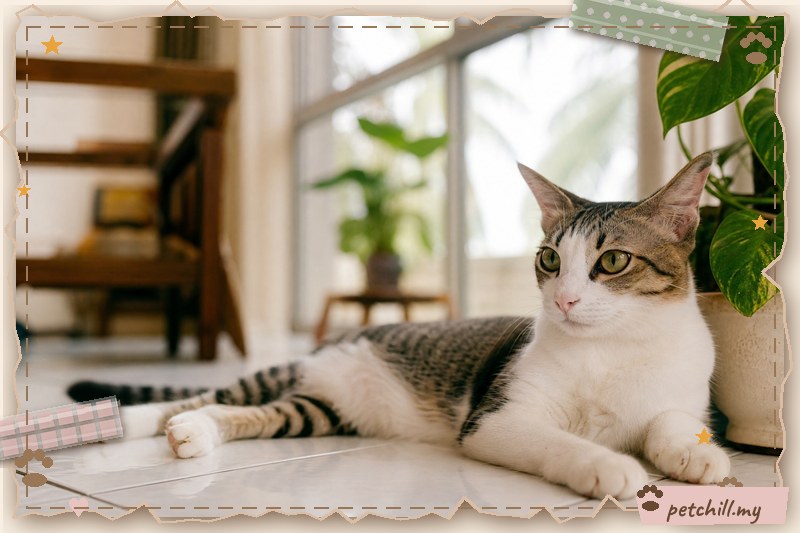
You cannot prevent weight loss if you do not know what normal looks like for your cat. Healthy weight varies by breed, age and frame. A large Maine Coon and a small domestic shorthair should not be judged by the same number.
Use body condition scoring alongside the scale. Run your hands along your cat's ribs: you should feel them easily under a thin fat layer, like feeling the back of your hand. Look from above: there should be a visible waist behind the ribs. From the side, the belly should tuck up slightly.
Weigh monthly and record the number. A baby scale works well for small cats; for larger cats, weigh yourself, then weigh yourself holding the cat, and subtract. Keep a simple log in a notebook or phone.
| Check | What healthy looks like | What to watch for |
|---|---|---|
| Ribs | Easy to feel, slight fat cover | Ribs very sharp or invisible |
| Waist (from above) | Visible tuck behind ribs | No waist or sunken flanks |
| Belly (from side) | Mild upward tuck | Sagging belly or very tucked |
| Weight trend | Stable month to month | Steady drop over weeks |
| Appetite | Consistent, finishes meals | Eating less or skipping meals |
If your cat's weight drops by more than 5–10% without a deliberate diet, book a vet visit. For a 4 kg cat, that is just 200–400 g.
Feed measured meals, not endless top-ups
Free-feeding dry food is common, but it makes it hard to notice reduced appetite and easy for cats to overeat. Measured meals twice daily are better for most cats. It lets you see exactly how much is eaten and spot changes early.
Use the feeding guide on the food label as a starting point, then adjust based on body condition. Treats should be small and counted. Many cats gain weight on treats alone, but the opposite problem happens when cats fill up on low-quality treats and skip complete food.
If your cat is a fussy eater, avoid switching foods constantly. Sudden diet changes can cause digestive upset and reduced intake. Transition gradually over 7–10 days, mixing increasing amounts of the new food with the old.
Wet food can help with hydration and is often more appealing to cats with reduced appetite. In Malaysia's hot climate, good hydration matters. Always provide fresh water and consider a water fountain if your cat prefers running water.
Puzzle feeders and food-dispensing toys can slow eating and provide enrichment, but they are not suitable for cats that are losing weight or eating poorly. For those cats, offer easy access to food in a quiet place.
Watch appetite, litter box and behaviour daily
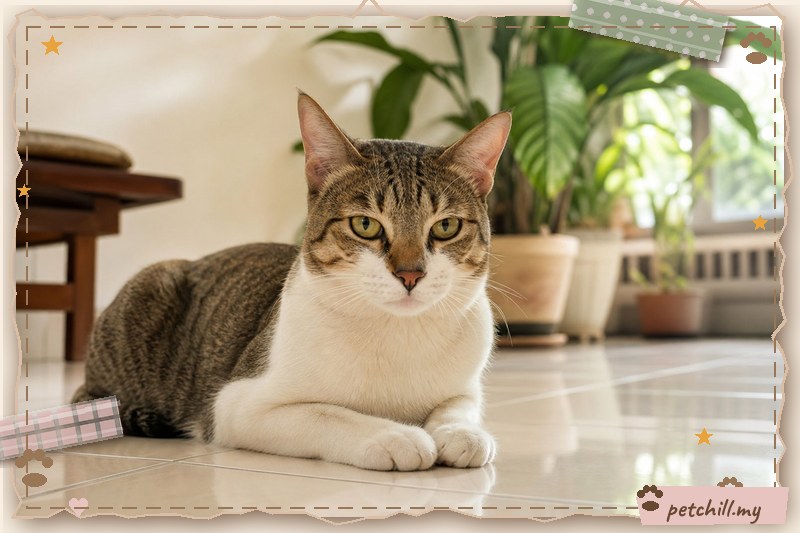
Weight loss prevention is mostly about noticing small changes before they become big ones. Spend a minute each day checking:
- Appetite: Is your cat finishing meals? Leaving food? Asking for food more or less?
- Water intake: Drinking more than usual can be an early sign of kidney disease or diabetes.
- Litter box: Are stools normal? Is there diarrhoea or constipation? Is urine volume higher?
- Energy: Is your cat playing, grooming and interacting as usual?
- Grooming: A dull, greasy or unkempt coat can signal illness.
- Breath and mouth: Bad breath, drooling or chewing on one side may mean dental pain.
- Vomiting: Occasional hairballs may be normal, but frequent vomiting is not.
Write down anything unusual with the date. This record is valuable for your vet.
Reduce stress and competition at home
Stress is an underrated cause of weight loss in cats. Cats are solitary feeders by nature and may not eat well if they feel threatened. In multi-cat homes, one cat may guard food or block access to the bowl.
Provide separate feeding stations in different rooms, and separate litter boxes. The general rule is one litter box per cat plus one extra. Use wide bowls so whiskers are not pressed against the sides. Place food and water away from litter boxes.
In Malaysian apartments, space can be tight. Use vertical space: cat trees, shelves and window perches give cats room to retreat. During renovations, thunderstorms or festive fireworks, create a quiet safe room with food, water, litter and a hiding spot.
New pets, moving house and changes in family routine can all reduce appetite. Introduce changes slowly and give your cat time to adjust.
Dental care and preventive vet checks
Dental disease is one of the most common causes of reduced eating in cats. Cats with sore gums or broken teeth may want to eat but drop food, chew on one side, drool or eat less. Regular dental checks and tooth brushing where possible help prevent pain.
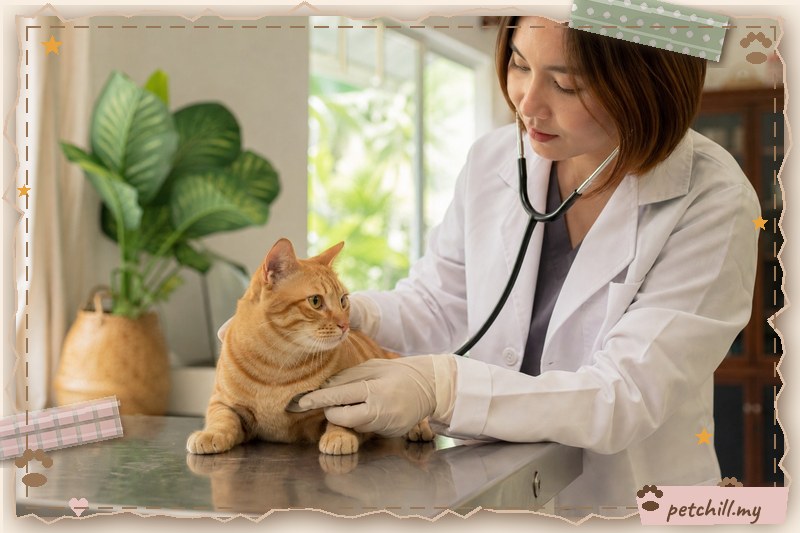
Preventive vet visits are the backbone of weight loss prevention. A yearly check-up for healthy adult cats, and twice-yearly for seniors, allows your vet to weigh, score body condition, check teeth and run basic tests if needed. Early detection of kidney disease, thyroid disease or diabetes makes a real difference.
Keep your cat's vaccinations and parasite prevention up to date. Parasites such as fleas, ticks and intestinal worms can affect health and appetite. Your vet can advise on a suitable prevention plan for your cat's lifestyle.
Feeding through illness or recovery
If your cat has been ill or had surgery, weight loss prevention becomes active nursing. Offer small, frequent meals of highly palatable food. Warm wet food slightly to increase aroma. Ask your vet about appetite stimulants or prescription recovery diets if your cat is not eating enough.
Never force-feed a cat unless your vet has shown you how. Aspiration and stress are real risks. If your cat has not eaten for 24 hours, call your vet.
When to see a vet
See a vet promptly if your cat:
- Loses more than 5–10% of body weight without a deliberate diet
- Has not eaten for 24 hours, or has had very little for 2–3 days
- Vomits frequently, has diarrhoea, or has blood in stool or urine
- Drinks much more than usual or urinates more
- Has bad breath, drooling, or difficulty chewing
- Shows weight loss with lethargy, hiding or aggression
- Is a senior cat losing weight even with a good appetite
These signs can point to serious but treatable conditions. Early action gives your cat the best chance.
A simple monthly prevention checklist
- Weigh your cat and record the number
- Check body condition by hand and eye
- Review how much food is actually eaten each day
- Check litter box habits and water intake
- Inspect teeth and gums if your cat allows
- Confirm parasite prevention is current
- Book a vet check if weight or appetite has changed
- Refresh water sources and clean bowls
- Review stress factors at home and adjust
Local context for Malaysian cat owners
In Kuala Lumpur apartments, cats often live entirely indoors with limited space. This makes measured feeding and vertical enrichment especially important. In Johor terrace houses, cats may have more room but can also face heat and stress during rainy season storms. Penang's humid climate means fresh water and food hygiene need daily attention to prevent spoilage and reduced intake.
Local prices for food, scales and veterinary care vary, so ask your Malaysian vet or retailer for current advice rather than relying on overseas figures.
Vet disclaimer
This article is general information only and is not veterinary advice. Always consult a licensed veterinarian for diagnosis and treatment. If your cat is unwell or losing weight, seek professional care promptly.
Related reading
- Signs of Eye Infection in Cats in Malaysia: What Owners Should Look For
- Blood Test for Cats Step by Step: What Happens at the Clinic
- Cat Hair Loss Treatment in Malaysia: A Practical Owner's Guide
- Cat Ringworm Treatment in Malaysia: A Practical Owner's Guide
- Cat Skin Fungus Treatment in Malaysia: A Practical Owner's Guide
- Constipation in Cats: Causes, Care and When to See a Vet in Malaysia

