
PetChill Pet Encyclopedia
Cat Health

How to Prevent Lily Poisoning Around Cats: A Practical Safety Guide for Malaysian Homes

Even a lick of lily pollen can cause fatal kidney failure in cats. This guide explains which lilies are dangerous, how to remove them safely, and how to keep your cat protected at home, in the garden and at the florist.

Published: 2026-11-06Β·7 min readΒ·Author: PetChill Editorial
How to Prevent Lily Poisoning Around Cats: A Practical Safety Guide for Malaysian

πŸ’‘ Quick Answer

Prevent lily poisoning by keeping all true lilies and daylilies out of your home and cat-accessible garden areas. Never bring them indoors, check bouquets before entering, remove pollen immediately, and choose cat-safe flowers instead. If exposure happens, call a vet straight away.

Why lilies are a serious danger to cats

Lilies are one of the most dangerous plants a cat can encounter. Members of the true lily family (Lilium) and daylilies (Hemerocallis) can cause acute kidney failure in cats. The danger is not limited to eating the flower: licking pollen from fur, drinking water from a vase, or chewing a single leaf can be enough to cause serious harm. For Malaysian cat owners, this matters because lilies are common in bouquets, gifts, religious offerings and garden planting.

The key message is simple: prevention is far easier than treatment. There is no safe way to keep a toxic lily in a home with cats. This guide explains which plants to avoid, how to remove them safely, and how to build a lily-safe routine at home, in the garden and when receiving flowers.

Which lilies are dangerous?

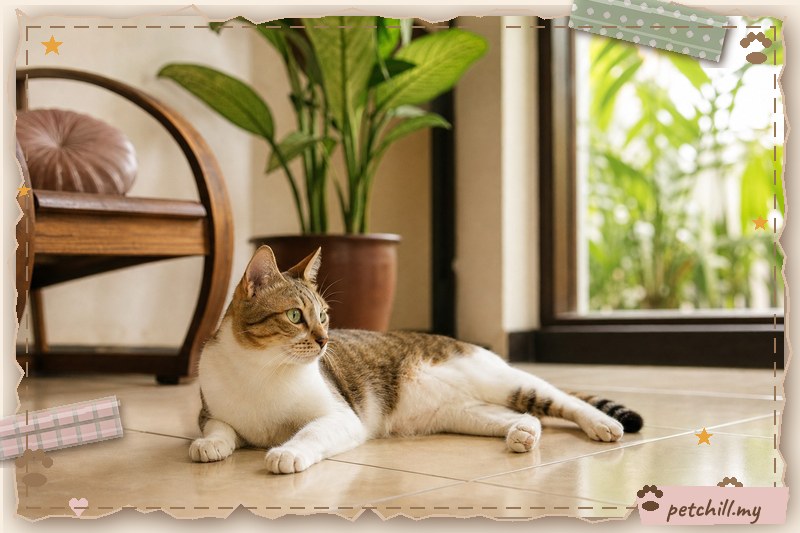
Not every plant called a "lily" is a true lily, but several common plants are still toxic. Use this table as a quick reference.

Plant name Scientific group Risk to cats Action
Easter lily, tiger lily, Asiatic lily, Oriental lily, stargazer lily Lilium Highly toxic; can cause fatal kidney failure Remove completely; never bring indoors
Daylily Hemerocallis Highly toxic; can cause fatal kidney failure Remove from garden; avoid bouquets
Peace lily Spathiphyllum Contains insoluble calcium oxalate crystals; causes mouth pain, drooling, vomiting Keep out of reach; not usually fatal but painful
Calla lily Zantedeschia Contains insoluble calcium oxalate crystals; mouth and throat irritation Keep out of reach
Lily of the valley Convallaria majalis Contains cardiac glycosides; can affect heart rhythm Avoid entirely
Peruvian lily (Alstroemeria) Alstroemeria Mildly toxic; can cause stomach upset Avoid or keep fully out of reach

True lilies and daylilies are the most urgent concern because they can cause kidney failure. Peace lilies and calla lilies are not true lilies, but they still cause significant pain and should not be treated as safe. If you are unsure about a plant, assume it is unsafe until your vet confirms otherwise.
Which lilies are dangerous?

How cats are exposed

Cats are curious and groom themselves frequently. Exposure can happen in several ways:

  • Chewing leaves or petals. A cat may bite a leaf while exploring.
  • Licking pollen. Pollen grains fall onto fur, paws or surfaces. Grooming then moves pollen into the mouth.
  • Drinking vase water. Water can contain pollen or plant sap.
  • Sniffing and rubbing. Cats rub against flowers, picking up pollen on their face and coat.
  • Eating discarded flowers. Bouquets thrown into bins or compost can still be toxic.
  • Outdoor access. Garden lilies, daylilies and neighbour's plants can be reached by outdoor cats.

Because cats are fastidious groomers, a small amount of pollen can be swallowed before an owner notices. This is why "just a sniff" is not a safe assumption.

Step-by-step: remove lilies from your home

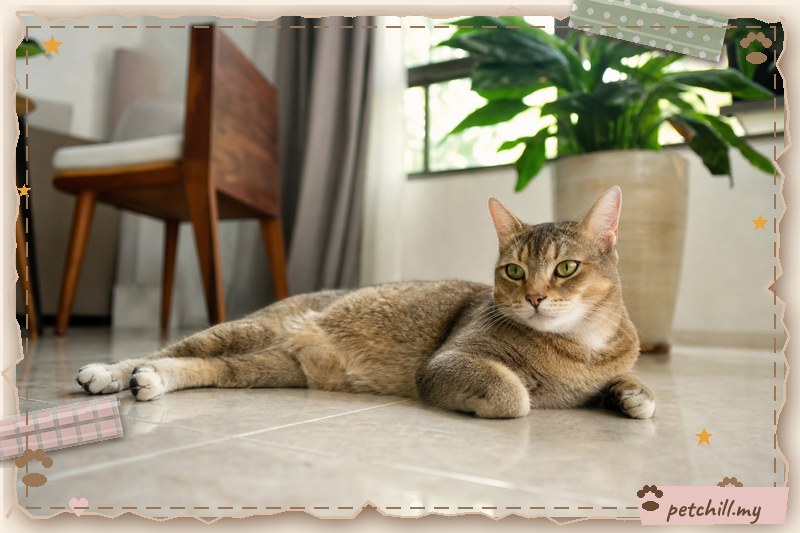
If you have lilies at home, act now. Follow these steps carefully.

  1. Move your cat to another room. Close the door so your cat cannot investigate while you work.
  2. Put on gloves. This protects your skin and reduces pollen transfer.
  3. Place the entire plant in a sealed bag. Do not compost it. Tie the bag securely.
  4. Wipe all surfaces. Use a damp paper towel to clean vases, tables, shelves and floors where the plant stood. Discard the towel in the sealed bag.
  5. Vacuum carefully. Vacuum carpets and soft furnishings, then empty the vacuum outside the home.
  6. Wash your hands and clothes. Change clothes before handling your cat.
  7. Check your cat. Look for pollen on the face, paws and coat. If you see any, call your vet immediately.
  8. Dispose of the bag outside. Place it in a closed rubbish bin that your cat cannot access.

If the lily was a gift, thank the sender but explain that you cannot keep lilies in a cat household. Ask for cat-safe flowers in future.
Step-by-step: remove lilies from your home

Cat-safe alternatives for Malaysian homes

You do not need to give up flowers. Choose plants that are generally considered safer for cats. Always confirm with your vet, because individual plants and cats can vary.

Safer option Notes
Roses Remove thorns or keep out of reach; petals are generally safe
Orchids Popular in Malaysian homes; generally considered safe
Sunflowers Bright and cheerful; generally safe
Snapdragons Generally considered safe
Gerberas Generally considered safe
Carnations Generally considered safe; may cause mild stomach upset in some cats
Spider plant Popular indoor plant; generally considered safe
Boston fern Generally considered safe

Avoid any bouquet that contains lilies, even if the lilies are mixed with other flowers. Pollen can spread to the whole arrangement.

Cat-proofing your home and garden

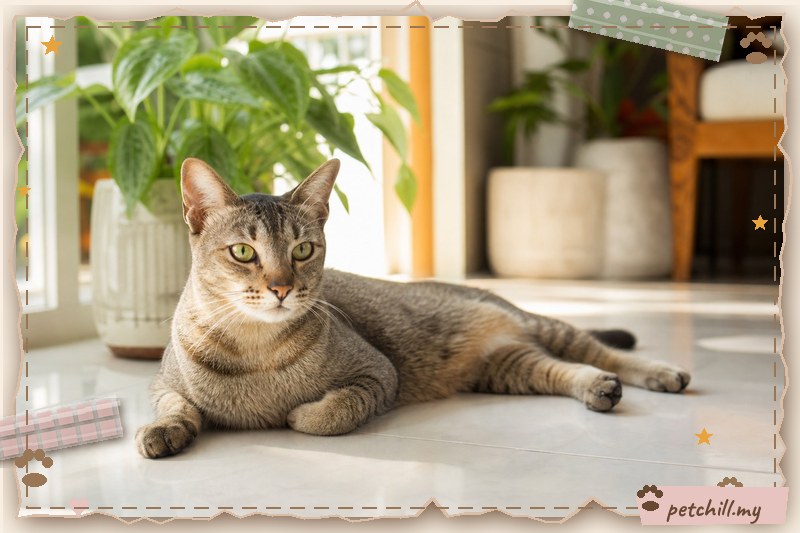
Prevention is about routines, not just one-time removal.

Indoors

  • Set a no-lily rule. Tell family members, helpers and visitors that lilies are not allowed in the home.
  • Check every bouquet before it enters. Inspect flowers at the door. If you see a lily, remove it outside before bringing the rest in.
  • Keep flowers in a room your cat cannot access. Better still, avoid lilies entirely.
  • Secure bins. Use bins with lids so discarded flowers cannot be reached.
  • Check religious offerings. Flowers used in prayers or festivals may include lilies. Keep them in a closed room or choose safer flowers.
  • Educate children. Teach children not to bring lilies home and not to put flowers near the cat.

Outdoors

  • Identify garden plants. Walk around your garden and identify every plant. If you are unsure, take a photo to a nursery or your vet.
  • Remove toxic plants completely. Dig out bulbs and roots, not just the stems.
  • Check neighbouring plants. If a neighbour's lily hangs over your fence, discuss it politely or block access.
  • Supervise outdoor time. Keep cats indoors or in a secure enclosure, especially if lilies grow nearby.
  • Check compost and rubbish. Discarded bouquets can still be toxic.

When receiving flowers

  • Ask before delivery. Tell florists and gift senders that your home is cat-safe and lilies are not allowed.
  • Inspect at the door. Open bouquets outside or in a room away from your cat.
  • Remove and bag any lily. Do not compost it.
  • Wipe the area. Clean surfaces where the bouquet was placed.
Cat-proofing your home and garden

What to do if exposure happens

If you suspect your cat has touched, licked or eaten any part of a lily, act immediately.

  1. Call your vet or an emergency clinic. Do not wait for symptoms.
  2. Bring the plant or a clear photo. Identification helps your vet choose the right treatment.
  3. Do not induce vomiting unless your vet instructs you to.
  4. Note the time of exposure. Tell your vet when it happened and what part of the plant was involved.
  5. Keep your cat calm and contained. Bring your cat in a carrier.

Early treatment is critical. Kidney damage can develop quickly, and cats may not show obvious signs until damage is severe.

When to see a vet

Seek veterinary care immediately if your cat has had any contact with a lily, even if your cat seems normal. Also see a vet if you notice:

  • Vomiting or drooling
  • Loss of appetite
  • Increased thirst or urination
  • Lethargy or weakness
  • Mouth pain or pawing at the mouth
  • Seizures or unusual behaviour
  • Any suspected plant ingestion

Do not wait for symptoms to worsen. With lily poisoning, time matters.
When to see a vet

Building a lily-safe routine in Malaysia

Malaysian homes often have gardens, balconies and open corridors. These spaces can bring cats into contact with plants. A few practical habits help:

  • Kuala Lumpur apartment: Check balcony plants and gifts delivered to the door. Keep bouquets in a closed room and inspect before bringing them inside.
  • Johor terrace house: Walk the garden weekly and remove any lily bulbs or daylilies. Check fences for overhanging plants from neighbours.
  • Penang rainy season: Heavy rain can scatter pollen and plant debris. Check outdoor areas and wipe down surfaces where flowers were placed.

Common myths about lily poisoning

  • "One sniff is safe." False. Pollen can be licked off fur.
  • "Only eating the flower is dangerous." False. Leaves, stems, pollen and vase water can all be risky.
  • "Peace lilies are safe because they are not true lilies." False. They cause mouth pain and drooling.
  • "My cat will not touch it." Cats are curious. Do not rely on luck.
  • "I can keep lilies if they are high up." Cats climb. Pollen can fall.

Final checklist

  • Remove all true lilies and daylilies from your home and garden.
  • Inspect every bouquet before it enters your home.
  • Tell family, helpers and visitors about your no-lily rule.
  • Choose cat-safe flowers such as roses, orchids or sunflowers.
  • Wipe surfaces and vacuum after removing lilies.
  • Call your vet immediately if exposure is suspected.

This article is general information only and is not a substitute for veterinary advice. If you suspect your cat has been exposed to a toxic plant, contact your veterinarian or an emergency animal clinic immediately.

Frequently Asked Questions

πŸ“Œ Key Takeaways

  • This article covers: Why lilies are a serious danger to cats, Which lilies are dangerous?, How cats are exposed, Step-by-step: remove lilies from your home, Cat-safe alternatives for Malaysian homes, and more
  • Jump to any section via the table of contents for the key details
  • If in doubt, consult a registered veterinarian

Explore this topic cluster

This guide belongs to a Malaysia-focused topic cluster. Read the pillar guide and related articles.

View cluster β†’

πŸ“š Cat Health article index

This article is part of the Cat Health topic cluster. Explore related articles:

⭐ Pillar guide: Cat Health complete guideBlood Test for Cats in Malaysia: What It Checks, Costs and When You Need Oneβ†’ ReadBlood Test for Cats Step by Step: What Happens at the Clinicβ†’ ReadBlood Test for Cats: What to Expect (Malaysian Owner's Guide)β†’ ReadCat Constipation Treatment in Malaysia: A Practical Owner's Guideβ†’ ReadCat Dental Pain Treatment in Malaysia: A Practical Owner's Guideβ†’ ReadCat Diarrhea Treatment in Malaysia: A Practical Owner's Guideβ†’ ReadCat Ear Mites Treatment in Malaysia: A Complete Owner's Guideβ†’ ReadCat Eye Infection Treatment in Malaysia: A Practical Owner's Guideβ†’ ReadCat Fleas Treatment in Malaysia: A Practical Owner's Guideβ†’ ReadCat Hair Loss Treatment in Malaysia: A Practical Owner's Guideβ†’ ReadCat Licking Wounds: Why It Happens and How to Treat It in Malaysiaβ†’ ReadCat Poisoning Treatment in Malaysia: What to Do, What to Expect, and How to Prevent Itβ†’ ReadCat Ringworm Treatment in Malaysia: A Practical Owner's Guideβ†’ ReadCat Skin Fungus Treatment in Malaysia: A Practical Owner's Guideβ†’ ReadCat Sneezing Blood: Causes, Treatment and When to See a Vet in Malaysiaβ†’ ReadCat Vomiting Treatment in Malaysia: What to Do and When to See a Vetβ†’ ReadCat Weight Loss Treatment in Malaysia: A Practical Guide for Ownersβ†’ ReadCat Worms Treatment in Malaysia: A Practical Owner's Guideβ†’ ReadChocolate Poisoning and Cats in Malaysia: What Every Owner Should Knowβ†’ ReadConstipation in Cats: Causes, Care and When to See a Vet in Malaysiaβ†’ ReadConstipation in Cats in Malaysia: Causes, Signs and What to Doβ†’ ReadConstipation Prevention for Cats: A Practical Guide for Malaysian Ownersβ†’ ReadDental Pain in Cats: Causes, Signs and Care (Malaysia Guide)β†’ ReadDental Pain in Cats in Malaysia: Signs, Causes and What to Doβ†’ ReadDental Pain Prevention for Cats: A Practical Malaysian Guideβ†’ ReadDeworming Schedule for Cats in Malaysia: A Practical, Vet-Led Guideβ†’ ReadDeworming Schedule for Cats: A Step-by-Step Plan for Malaysian Ownersβ†’ ReadDeworming Schedule for Cats: What to Expect (Malaysia Guide)β†’ ReadDiarrhea in Cats: Causes and Care (Malaysian Owner's Guide)β†’ ReadDiarrhea in Cats in Malaysia: Causes, Home Care and When to See a Vetβ†’ ReadDiarrhea Prevention for Cats: A Practical Guide for Malaysian Ownersβ†’ ReadE-Collar Recovery for Cats in Malaysia: A Practical Guide for Ownersβ†’ ReadE-Collar Recovery for Cats Step by Step: A Practical Guide for Malaysian Ownersβ†’ ReadE-Collar Recovery for Cats: What to Expect (Malaysia Guide)β†’ ReadEar Mites in Cats: Causes and Care (Malaysia Guide)β†’ ReadEar Mites in Cats in Malaysia: Signs, Treatment and Preventionβ†’ ReadEar Mites Prevention for Cats: A Practical Malaysian Guideβ†’ ReadElectrical Cables and Cats in Malaysia: A Practical Safety Guideβ†’ ReadEye Infection in Cats: Causes and Care (Malaysia Guide)β†’ ReadEye Infection in Cats in Malaysia: Causes, Signs, Treatment & Preventionβ†’ ReadEye Infection Prevention for Cats: A Practical Malaysian Guideβ†’ ReadFans and Air Conditioning for Cats in Malaysia: A Practical Comfort Guideβ†’ ReadFlea Treatment for Cats in Malaysia: A Complete Guideβ†’ ReadFlea Treatment for Cats Step by Step: A Practical Malaysian Guideβ†’ ReadFlea Treatment for Cats: What to Expect (Malaysia Guide)β†’ ReadFleas in Cats: Causes and Care (Malaysia Guide)β†’ ReadFleas in Cats in Malaysia: Signs, Treatment and Preventionβ†’ ReadFleas Prevention for Cats in Malaysia: A Practical, Year-Round Planβ†’ ReadGiving Pills for Cats in Malaysia: A Stress-Free Step-by-Step Guideβ†’ ReadGiving Pills for Cats Step by Step: A Calm, Practical Guide for Malaysian Ownersβ†’ ReadGiving Pills for Cats: What to Expect (Malaysian Owner's Guide)β†’ ReadHair Loss in Cats: Causes and Care (Malaysian Owner's Guide)β†’ ReadHair Loss in Cats in Malaysia: Causes, Home Checks and When to See a Vetβ†’ ReadHair Loss Prevention for Cats: A Practical Grooming and Health Guideβ†’ ReadHousehold Cleaning Products and Cats in Malaysia: A Safety Guideβ†’ ReadHow to Prevent Chocolate Poisoning Around Cats: A Practical Guide for Malaysian Homesβ†’ ReadHow to Prevent Electrical Cables Around Cats: A Practical Safety Guide for Malaysian Homesβ†’ ReadHow to Prevent Fan and Aircond Problems Around Cats: A Malaysian Home Guideβ†’ ReadHow to Prevent Household Cleaning Products Around Cats: A Practical Safety Guide for Malaysian Homesβ†’ ReadHow to Prevent Open Windows Around Cats: A Practical Safety Guide for Malaysian Homesβ†’ ReadHow to Prevent Paracetamol Poisoning Around Cats: A Malaysian Safety Guideβ†’ ReadHow to Prevent Plastic Bags Around Cats: A Practical Safety Guide for Malaysian Homesβ†’ ReadHow to Treat Constipation in Cats at Home: A Practical Malaysian Guideβ†’ ReadHow to Treat Dental Pain in Cats at Home: Safe Relief and When to See a Vetβ†’ ReadHow to Treat Diarrhea in Cats at Home: A Practical Malaysian Guideβ†’ ReadHow to Treat Ear Mites in Cats at Home: A Practical Malaysian Guideβ†’ ReadHow to Treat Eye Infection in Cats at Home: Safe Steps for Malaysian Ownersβ†’ ReadHow to Treat Fleas in Cats at Home: A Practical Malaysian Guideβ†’ ReadHow to Treat Hair Loss in Cats at Home: A Practical Malaysian Guideβ†’ ReadHow to Treat Licking Wounds in Cats at Home: A Practical Guide for Malaysian Ownersβ†’ ReadHow to Treat Poisoning in Cats at Home: First Aid, Safe Steps and When to Rush to the Vetβ†’ ReadHow to Treat Ringworm in Cats at Home: A Practical Guide for Malaysian Ownersβ†’ ReadHow to Treat Skin Fungus in Cats at Home: A Practical Malaysian Guideβ†’ ReadHow to Treat Sneezing Blood in Cats at Home: Safe First Steps for Malaysian Ownersβ†’ ReadHow to Treat Vomiting in Cats at Home: A Practical Malaysian Guideβ†’ ReadHow to Treat Weight Loss in Cats at Home: A Practical Guide for Malaysian Ownersβ†’ ReadHow to Treat Worms in Cats at Home: A Practical, Safe Guide for Malaysian Ownersβ†’ ReadLicking Wounds in Cats: Causes and Care (Malaysian Vet Guide)β†’ ReadLicking Wounds in Cats Malaysia: When It's Normal and When to Stop Itβ†’ ReadLicking Wounds Prevention for Cats: How to Stop the Lick Cycle and Let Skin Healβ†’ ReadLily Poisoning and Cats in Malaysia: Why Every Petal Is an Emergencyβ†’ ReadOpen Windows and Cats in Malaysia: How to Keep Your Cat Safe Without Locking Up the Houseβ†’ ReadParacetamol Poisoning in Cats in Malaysia: Why Even One Tablet Can Be Deadlyβ†’ ReadPlastic Bags and Cats in Malaysia: Why They're Dangerous and How to Keep Your Cat Safeβ†’ ReadPoisoning in Cats: Causes, Symptoms and Care (Malaysia Guide)β†’ ReadPoisoning in Cats in Malaysia: Common Toxins, Signs and What to Doβ†’ ReadPoisoning Prevention for Cats in Malaysia: A Room-by-Room Safety Guideβ†’ ReadRingworm in Cats: Causes, Symptoms and Care (Malaysia Guide)β†’ ReadRingworm in Cats in Malaysia: Signs, Treatment and Preventionβ†’ ReadRingworm Prevention for Cats in Malaysia: A Practical, Vet-Informed Guideβ†’ ReadSigns of Constipation in Cats in Malaysia: What to Watch For and When to Actβ†’ ReadSigns of Dental Pain in Cats in Malaysia: What Owners Missβ†’ ReadSigns of Diarrhea in Cats in Malaysia: What's Normal, What's Notβ†’ ReadSigns of Ear Mites in Cats in Malaysia: How to Spot, Treat and Prevent Themβ†’ ReadSigns of Eye Infection in Cats in Malaysia: What Owners Should Look Forβ†’ ReadSigns of Fleas in Cats in Malaysia: How to Spot, Check and Actβ†’ ReadSigns of Hair Loss in Cats in Malaysia: What to Look For and When to Worryβ†’ ReadSigns of Licking Wounds in Cats Malaysia: How to Spot Problem Lickingβ†’ ReadSigns of Poisoning in Cats in Malaysia: What to Watch For and What to Doβ†’ ReadSigns of Ringworm in Cats in Malaysia: What Owners Should Look Forβ†’ ReadSigns of Skin Fungus in Cats in Malaysia: How to Spot Ringworm Earlyβ†’ ReadBlood in a Cat's Sneeze: Signs, Causes and What to Do in Malaysiaβ†’ ReadSigns of Vomiting in Cats in Malaysia: What's Normal, What's Not, and When to See a Vetβ†’ ReadSigns of Weight Loss in Cats in Malaysia: What to Watch For and When to Worryβ†’ ReadSigns of Worms in Cats in Malaysia: What Owners Should Look Forβ†’ ReadSkin Fungus in Cats: Causes, Signs and Care (Malaysia Guide)β†’ ReadSkin Fungus in Cats in Malaysia: Ringworm Signs, Treatment and Preventionβ†’ ReadSkin Fungus Prevention for Cats: A Practical Guide for Malaysian Homesβ†’ ReadSneezing Blood in Cats: Causes and Care (Malaysia Guide)β†’ ReadSneezing Blood in Cats in Malaysia: Causes, What to Do, and When to See a Vetβ†’ ReadSneezing Blood Prevention for Cats: Causes, Care and When to Worryβ†’ ReadSterilization for Cats in Malaysia: A Complete Guide for Ownersβ†’ ReadSterilization for Cats Step by Step: A Malaysian Owner's Guideβ†’ ReadSterilisation for Cats: What to Expect (Malaysian Owner's Guide)β†’ ReadUltrasound for Cats in Malaysia: What It Is, When It's Needed, and What to Expectβ†’ ReadUltrasound for Cats Step by Step: What Happens, What It Costs, and How to Prepareβ†’ ReadUltrasound for Cats: What to Expect (Malaysian Owner's Guide)β†’ ReadVaccination Side Effects for Cats in Malaysia: What's Normal, What's Notβ†’ ReadVaccination Side Effects for Cats: A Step-by-Step Guide for Malaysian Ownersβ†’ ReadCat Vaccination Side Effects: What Malaysian Owners Should Expectβ†’ ReadVomiting in Cats: Causes and Care (Malaysia Guide)β†’ ReadVomiting in Cats in Malaysia: When It's Normal and When to Worryβ†’ ReadVomiting Prevention for Cats: A Practical Guide for Malaysian Ownersβ†’ ReadWeight Loss in Cats: Causes and Care (Malaysian Vet Guide)β†’ ReadWeight Loss in Cats in Malaysia: Causes, Warning Signs and What to Doβ†’ ReadWeight Loss Prevention for Cats: A Practical Malaysian Guideβ†’ ReadWorms in Cats: Causes and Care (Malaysia Vet Guide)β†’ ReadWorms in Cats in Malaysia: A Practical Owner's Guideβ†’ ReadWorms Prevention for Cats in Malaysia: A Complete Guideβ†’ ReadWound Care for Cats in Malaysia: A Practical Owner's Guideβ†’ ReadWound Care for Cats Step by Step: A Practical Malaysian Guideβ†’ ReadWound Care for Cats: What to Expect, Step by Stepβ†’ ReadX-Ray for Cats in Malaysia: What to Expect, Costs and Safetyβ†’ ReadX-Ray for Cats Step by Step: What Malaysian Owners Should Expectβ†’ ReadX-Ray for Cats: What to Expect (Malaysian Owner's Guide)β†’ ReadArthritis Pet Care in Malaysia: A Practical Guide for Cats and Dogsβ†’ ReadCat Arthritis in Malaysia: 5 Home Signs Your Cat Is in Pain β€” and What to Doβ†’ ReadEarly Signs of Chronic Disease in Cats: 7 Daily Checks and a 4-Week Record Sheetβ†’ ReadCat Chronic Kidney Disease in Malaysia: The Daily Care Routine That Actually Slows It Downβ†’ ReadCat Constipation in Malaysia: The 48-Hour Rule, Red Flags and What Actually Helpsβ†’ ReadCat Dehydration in Malaysia: Home Skin-Turgor Test, 7 Causes and Emergency Signsβ†’ ReadCat Heart Disease in Malaysia: Sleep Breathing Count, HCM Early Signs and When to Rush to the Vetβ†’ ReadCat Kidney Disease in Malaysia: Early Signs, Prevention and Everyday Careβ†’ ReadCat Pancreatitis in Malaysia: Symptoms, fPLI Testing, Treatment and Home Recoveryβ†’ ReadCat Ringworm in Malaysia: Signs, Treatment and Home Cleaning Guideβ†’ ReadCat Symptom Checker Malaysia: 12 Common Signs and a Green-Amber-Red Triage Tableβ†’ ReadPet Deworming in Malaysia: How Often to Worm Your Cat or Dogβ†’ ReadPet Gut Health in Malaysia: Probiotics, Food Transitions and Stool Troubles (Part 2)β†’ ReadCat Gut Health: Probiotics, Antibiotics and Food Transitions Explained (Malaysia)β†’ ReadPet Health Malaysia 2026: Common Cat and Dog Illnesses, Prevention Care and Vet Guidanceβ†’ ReadPet Insurance in Malaysia: How to Compare Plans Before You Signβ†’ ReadPet Poisoning at Home: Household Chemicals, Toxic Plants and When Not to Induce Vomiting (Malaysia)β†’ ReadPet Poisoning at Home: Household Chemicals, Insecticides and Toxic Plants (Malaysia, Part 1)β†’ ReadCat Chronic Disease Early Signs in Malaysia: 7 Daily Checks and a 4-Week Logβ†’ ReadCat Health Guide Malaysia: Symptom Check, Red-Flag Triage & When to See a Vetβ†’ ReadCat Ringworm in Malaysia: Symptoms, Treatment and Home Cleaning Guideβ†’ ReadGut Health, Probiotics & Food Transition Part 2: Practical Malaysia Guideβ†’ ReadPet Health in Malaysia: A Practical Prevention Guide for Cats and Dogsβ†’ Read

Related products at PetChill

