
PetChill Pet Encyclopedia
Cat Health

X-Ray for Cats Step by Step: What Malaysian Owners Should Expect

Cat X-rays are quick, low-risk imaging tests that help vets see bones, organs and foreign objects. Here is the full step-by-step process, from booking to results, plus what Malaysian owners should ask.

Published: 2026-11-06·8 min read·Author: PetChill Editorial
X-Ray for Cats Step by Step: What Malaysian Owners Should Expect

💡 Quick Answer

A cat X-ray usually takes 10–20 minutes: your vet examines the cat, decides on sedation or gentle restraint, positions the cat on a plate, takes one or more views, then reviews the images. Most cats go home the same day. Costs vary by clinic, so ask your Malaysian vet for a quote first.

The short answer

An X-ray for a cat is a quick, low-dose imaging test. Your vet examines the cat, decides whether gentle restraint or sedation is needed, positions the cat on a detector plate, takes one or more views, and reviews the images, often within minutes. Most cats go home the same day. The exact cost varies by clinic, so ask your Malaysian vet for a quote before booking.

Why your vet might recommend an X-ray

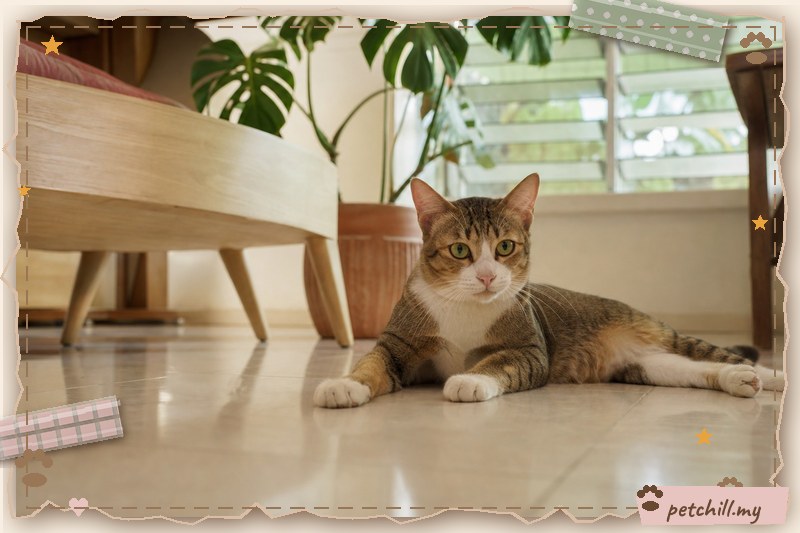
X-rays, also called radiographs, are one of the most useful first-line tools in veterinary practice. They are especially good at showing dense structures: bones, teeth, the spine, the heart silhouette, the lungs, the liver and the bladder. They can also reveal gas patterns in the gut, bladder or kidney stones, and some foreign objects such as metal or bone fragments.

Common reasons a Malaysian vet may suggest an X-ray include:

  • Limping or suspected fracture after a fall, road accident or fight.
  • Persistent vomiting or abdominal pain, to look for obstruction, foreign material or gas buildup.
  • Breathing difficulty or coughing, to check lung patterns and heart size.
  • Urinary signs, to look for bladder stones or an enlarged bladder.
  • Dental disease, as part of a pre-anaesthetic workup.
  • Cancer staging, to check whether a mass has spread to the lungs.
  • Pre-breeding or pregnancy checks, though ultrasound is often preferred for pregnancy.

X-rays are not perfect for every tissue. Soft organs such as the pancreas, intestines and lymph nodes are better seen with ultrasound. Your vet may combine both.
Why your vet might recommend an X-ray

Step 1: The pre-X-ray consultation

Before any image is taken, your vet will ask questions and examine your cat. This step matters because it shapes how the X-ray is done.

Expect questions about:

  • When the problem started and how it has changed.
  • Eating, drinking, urination and bowel habits.
  • Any vomiting, diarrhoea, coughing or weight loss.
  • Previous surgery, illness or medication.
  • Whether the cat is pregnant or may be pregnant.
  • Whether the cat has been fasted, if sedation is possible.

Your vet will also weigh the cat, listen to the heart and lungs, and palpate the abdomen. This helps decide which views are needed and whether sedation is appropriate.

Owner tip: Bring a short written timeline of symptoms and any previous X-rays or reports. If your cat was seen at another clinic, ask for copies of earlier images so the new vet can compare.

Step 2: Deciding on restraint or sedation

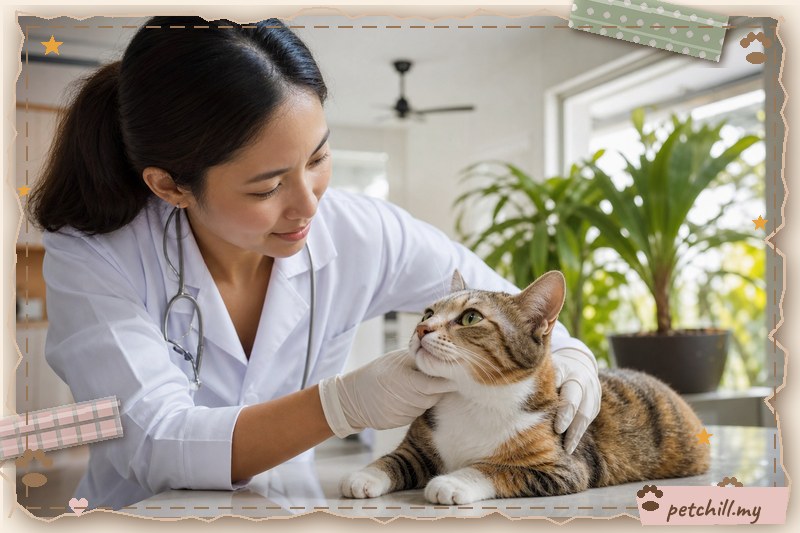
Cats rarely lie still on command. Good positioning is essential because a rotated or wiggling cat produces blurry, unreadable images that may need repeating.

There are three common approaches:

Approach When it is used What it means for your cat
Gentle manual restraint Calm, cooperative cats; quick single views No drugs; cat is held briefly by trained staff
Physical aids (sandbags, ties, troughs) Most routine views No drugs; cat is positioned and supported
Sedation or general anaesthesia Anxious, painful or aggressive cats; multiple or precise views Drugs are given; monitoring and recovery time required

Sedation is not a failure of handling. It is often kinder for a painful cat and safer for staff. Your vet will explain the drug protocol, fasting requirements and recovery expectations. If your cat has a heart condition, kidney disease or is very old, tell the vet so the protocol can be adjusted.
Step 2: Deciding on restraint or sedation

Step 3: Preparing your cat on the day

Preparation is mostly about reducing stress and following your vet's instructions.

A simple checklist:

  • Confirm fasting instructions. If sedation is planned, your vet may ask for a fast of several hours. Do not fast a cat unless your vet tells you to.
  • Bring the carrier. A secure carrier keeps your cat safe and makes handling easier.
  • Use a familiar blanket. A towel or blanket that smells of home can calm the cat.
  • Bring medication. Tell the vet about all medicines, including supplements.
  • Bring previous records. X-rays, blood tests and reports help the vet compare.
  • Allow extra time. Even a quick X-ray appointment can run longer if the clinic is busy.

If your cat is very stressed in the car, ask your vet whether a mild calming strategy is appropriate. Do not give human sedatives or supplements without veterinary advice.

Step 4: Positioning and taking the images

In the X-ray room, staff will place your cat on a table with a detector plate underneath. The cat is positioned in one of several standard ways:

  • Lateral view: the cat lies on its side. This is common for the chest and abdomen.
  • Ventrodorsal or dorsoventral view: the cat lies on its back or belly. This gives a top-down view of the chest or abdomen.
  • Orthogonal views: two views taken at right angles. This is standard for bones and for any mass, because a single view can hide a problem.
  • Special views: for example, open-mouth views for the skull or skyline views for the shoulder.

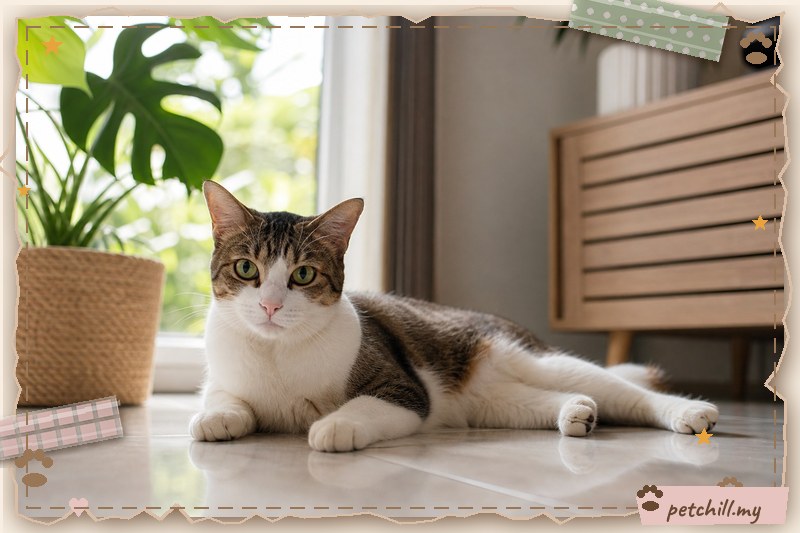
Staff may use sandbags, foam wedges or soft ties to keep the cat in position. Everyone except the cat usually steps behind a protective screen or wears a lead apron. The machine emits a short burst of radiation, and the image appears on a computer screen within seconds.

Most cats tolerate the process well. If your cat becomes distressed, the vet may pause, adjust the plan or switch to sedation.
Step 4: Positioning and taking the images

Step 5: Reading the images

A vet reviews the X-ray for several things:

  • Bone integrity: fractures, dislocations, arthritis, bone tumours.
  • Heart and lungs: heart size, lung patterns, fluid, masses.
  • Abdomen: liver size, spleen, kidneys, bladder, stomach and bowel gas patterns.
  • Foreign material: metal, bone fragments, some stones, and occasionally dense material in the gut.
  • Soft tissue swelling: around joints or in the abdomen.

Some findings are obvious immediately. Others need a second opinion or a radiologist's report. Your vet may also compare the new images with older ones to see whether a change is stable or progressing.

Important: X-rays are a snapshot. They cannot confirm a diagnosis of cancer, infection or inflammation on their own. Further tests such as ultrasound, blood work, fine-needle aspiration or biopsy are often needed.

Step 6: After the X-ray

If no sedation was used, your cat can usually go home straight away. If sedation was used, the cat will recover in a quiet cage and be monitored until it can stand and swallow safely. Recovery often takes one to three hours, depending on the drugs used.

At home:

  • Offer water and a small meal once your cat is fully awake.
  • Keep the cat indoors and quiet for the rest of the day.
  • Watch for wobbliness, vomiting or unusual behaviour.
  • Call the clinic if your cat seems painful, cannot urinate, or is not back to normal by the next day.

Your vet will discuss the findings and next steps. Sometimes the X-ray is normal, and the problem is better investigated with ultrasound or blood tests. A normal X-ray is still useful information.
Step 6: After the X-ray

What X-rays can and cannot show

Structure or problem X-ray Ultrasound
Broken bones Excellent Poor
Lung patterns Good Poor
Heart size Good Fair
Bladder stones Good (many stones) Excellent
Intestinal obstruction Fair to good Excellent
Pancreas Poor Good
Pregnancy Fair (late stage) Excellent
Foreign objects Depends on material Good for many objects

This is why vets often use both imaging types together. Neither replaces a physical examination.

Radiation safety and stress

The radiation dose from a single veterinary X-ray is very low. Modern clinics use collimation to limit the beam, protective aprons for staff, and digital sensors that need less radiation than older film systems. Pregnant staff and owners should tell the vet so they can step out of the room.

The bigger welfare issue is stress. Cats are sensitive to strange smells, restraint and noise. A calm clinic, gentle handling and, where needed, sedation make the experience safer and more accurate. If your cat is extremely fearful, ask about pre-visit calming options and whether the clinic has quiet appointment times.

Cost and practicalities in Malaysia

X-ray prices in Malaysia vary by clinic, city, number of views and whether sedation is included. There is no single national fee. A rural clinic may charge less than a large urban hospital, and emergency or after-hours imaging usually costs more.

Ask your vet for an itemised quote covering:

  • Consultation and examination.
  • Sedation or anaesthesia, if needed.
  • Each X-ray view.
  • Radiologist review, if offered.
  • Any follow-up imaging.

If cost is a concern, ask whether fewer views are clinically acceptable or whether the images can be reviewed later. Do not skip recommended views if the vet says they are needed for safety.

When to see a vet

Seek veterinary care promptly if your cat has:

  • Difficulty breathing or open-mouth breathing.
  • Repeated vomiting or a swollen, painful abdomen.
  • Straining to urinate, especially male cats, which is an emergency.
  • Sudden lameness, dragging a limb or inability to stand.
  • A known fall, road accident or fight.
  • Unexplained weight loss or a new lump.
  • Collapse, pale gums or severe lethargy.

X-rays are often part of the workup, but they are not a substitute for an emergency examination. If your cat is in distress, call the clinic first so staff can prepare.

Questions to ask your vet

  • Why do you recommend an X-ray rather than ultrasound or blood tests?
  • How many views are needed, and why?
  • Will my cat need sedation? What are the risks for my cat's age and health?
  • Who will review the images, and when will I get the results?
  • What should I watch for at home after sedation?
  • What is the total cost, including follow-up?

Bottom line

A cat X-ray is a short, safe and useful test when it is done for a clear reason. The step-by-step process is straightforward: consultation, restraint or sedation decision, positioning, image capture, review and aftercare. For Malaysian owners, the key is to ask about sedation, cost and next steps before the appointment, and to treat X-rays as one part of a full diagnostic plan rather than a magic answer.

This article is general information for Malaysian cat owners and does not replace a veterinary examination. Always consult a licensed veterinarian about your cat's health, and follow their advice on sedation, fasting and follow-up care.

Frequently Asked Questions

📌 Key Takeaways

  • This article covers: The short answer, Why your vet might recommend an X-ray, Step 1: The pre-X-ray consultation, Step 2: Deciding on restraint or sedation, Step 3: Preparing your cat on the day, and more
  • Jump to any section via the table of contents for the key details
  • If in doubt, consult a registered veterinarian

Explore this topic cluster

This guide belongs to a Malaysia-focused topic cluster. Read the pillar guide and related articles.

View cluster →

📚 Cat Health article index

This article is part of the Cat Health topic cluster. Explore related articles:

⭐ Pillar guide: Cat Health complete guideBlood Test for Cats in Malaysia: What It Checks, Costs and When You Need One→ ReadBlood Test for Cats Step by Step: What Happens at the Clinic→ ReadBlood Test for Cats: What to Expect (Malaysian Owner's Guide)→ ReadCat Constipation Treatment in Malaysia: A Practical Owner's Guide→ ReadCat Dental Pain Treatment in Malaysia: A Practical Owner's Guide→ ReadCat Diarrhea Treatment in Malaysia: A Practical Owner's Guide→ ReadCat Ear Mites Treatment in Malaysia: A Complete Owner's Guide→ ReadCat Eye Infection Treatment in Malaysia: A Practical Owner's Guide→ ReadCat Fleas Treatment in Malaysia: A Practical Owner's Guide→ ReadCat Hair Loss Treatment in Malaysia: A Practical Owner's Guide→ ReadCat Licking Wounds: Why It Happens and How to Treat It in Malaysia→ ReadCat Poisoning Treatment in Malaysia: What to Do, What to Expect, and How to Prevent It→ ReadCat Ringworm Treatment in Malaysia: A Practical Owner's Guide→ ReadCat Skin Fungus Treatment in Malaysia: A Practical Owner's Guide→ ReadCat Sneezing Blood: Causes, Treatment and When to See a Vet in Malaysia→ ReadCat Vomiting Treatment in Malaysia: What to Do and When to See a Vet→ ReadCat Weight Loss Treatment in Malaysia: A Practical Guide for Owners→ ReadCat Worms Treatment in Malaysia: A Practical Owner's Guide→ ReadChocolate Poisoning and Cats in Malaysia: What Every Owner Should Know→ ReadConstipation in Cats: Causes, Care and When to See a Vet in Malaysia→ ReadConstipation in Cats in Malaysia: Causes, Signs and What to Do→ ReadConstipation Prevention for Cats: A Practical Guide for Malaysian Owners→ ReadDental Pain in Cats: Causes, Signs and Care (Malaysia Guide)→ ReadDental Pain in Cats in Malaysia: Signs, Causes and What to Do→ ReadDental Pain Prevention for Cats: A Practical Malaysian Guide→ ReadDeworming Schedule for Cats in Malaysia: A Practical, Vet-Led Guide→ ReadDeworming Schedule for Cats: A Step-by-Step Plan for Malaysian Owners→ ReadDeworming Schedule for Cats: What to Expect (Malaysia Guide)→ ReadDiarrhea in Cats: Causes and Care (Malaysian Owner's Guide)→ ReadDiarrhea in Cats in Malaysia: Causes, Home Care and When to See a Vet→ ReadDiarrhea Prevention for Cats: A Practical Guide for Malaysian Owners→ ReadE-Collar Recovery for Cats in Malaysia: A Practical Guide for Owners→ ReadE-Collar Recovery for Cats Step by Step: A Practical Guide for Malaysian Owners→ ReadE-Collar Recovery for Cats: What to Expect (Malaysia Guide)→ ReadEar Mites in Cats: Causes and Care (Malaysia Guide)→ ReadEar Mites in Cats in Malaysia: Signs, Treatment and Prevention→ ReadEar Mites Prevention for Cats: A Practical Malaysian Guide→ ReadElectrical Cables and Cats in Malaysia: A Practical Safety Guide→ ReadEye Infection in Cats: Causes and Care (Malaysia Guide)→ ReadEye Infection in Cats in Malaysia: Causes, Signs, Treatment & Prevention→ ReadEye Infection Prevention for Cats: A Practical Malaysian Guide→ ReadFans and Air Conditioning for Cats in Malaysia: A Practical Comfort Guide→ ReadFlea Treatment for Cats in Malaysia: A Complete Guide→ ReadFlea Treatment for Cats Step by Step: A Practical Malaysian Guide→ ReadFlea Treatment for Cats: What to Expect (Malaysia Guide)→ ReadFleas in Cats: Causes and Care (Malaysia Guide)→ ReadFleas in Cats in Malaysia: Signs, Treatment and Prevention→ ReadFleas Prevention for Cats in Malaysia: A Practical, Year-Round Plan→ ReadGiving Pills for Cats in Malaysia: A Stress-Free Step-by-Step Guide→ ReadGiving Pills for Cats Step by Step: A Calm, Practical Guide for Malaysian Owners→ ReadGiving Pills for Cats: What to Expect (Malaysian Owner's Guide)→ ReadHair Loss in Cats: Causes and Care (Malaysian Owner's Guide)→ ReadHair Loss in Cats in Malaysia: Causes, Home Checks and When to See a Vet→ ReadHair Loss Prevention for Cats: A Practical Grooming and Health Guide→ ReadHousehold Cleaning Products and Cats in Malaysia: A Safety Guide→ ReadHow to Prevent Chocolate Poisoning Around Cats: A Practical Guide for Malaysian Homes→ ReadHow to Prevent Electrical Cables Around Cats: A Practical Safety Guide for Malaysian Homes→ ReadHow to Prevent Fan and Aircond Problems Around Cats: A Malaysian Home Guide→ ReadHow to Prevent Household Cleaning Products Around Cats: A Practical Safety Guide for Malaysian Homes→ ReadHow to Prevent Lily Poisoning Around Cats: A Practical Safety Guide for Malaysian Homes→ ReadHow to Prevent Open Windows Around Cats: A Practical Safety Guide for Malaysian Homes→ ReadHow to Prevent Paracetamol Poisoning Around Cats: A Malaysian Safety Guide→ ReadHow to Prevent Plastic Bags Around Cats: A Practical Safety Guide for Malaysian Homes→ ReadHow to Treat Constipation in Cats at Home: A Practical Malaysian Guide→ ReadHow to Treat Dental Pain in Cats at Home: Safe Relief and When to See a Vet→ ReadHow to Treat Diarrhea in Cats at Home: A Practical Malaysian Guide→ ReadHow to Treat Ear Mites in Cats at Home: A Practical Malaysian Guide→ ReadHow to Treat Eye Infection in Cats at Home: Safe Steps for Malaysian Owners→ ReadHow to Treat Fleas in Cats at Home: A Practical Malaysian Guide→ ReadHow to Treat Hair Loss in Cats at Home: A Practical Malaysian Guide→ ReadHow to Treat Licking Wounds in Cats at Home: A Practical Guide for Malaysian Owners→ ReadHow to Treat Poisoning in Cats at Home: First Aid, Safe Steps and When to Rush to the Vet→ ReadHow to Treat Ringworm in Cats at Home: A Practical Guide for Malaysian Owners→ ReadHow to Treat Skin Fungus in Cats at Home: A Practical Malaysian Guide→ ReadHow to Treat Sneezing Blood in Cats at Home: Safe First Steps for Malaysian Owners→ ReadHow to Treat Vomiting in Cats at Home: A Practical Malaysian Guide→ ReadHow to Treat Weight Loss in Cats at Home: A Practical Guide for Malaysian Owners→ ReadHow to Treat Worms in Cats at Home: A Practical, Safe Guide for Malaysian Owners→ ReadLicking Wounds in Cats: Causes and Care (Malaysian Vet Guide)→ ReadLicking Wounds in Cats Malaysia: When It's Normal and When to Stop It→ ReadLicking Wounds Prevention for Cats: How to Stop the Lick Cycle and Let Skin Heal→ ReadLily Poisoning and Cats in Malaysia: Why Every Petal Is an Emergency→ ReadOpen Windows and Cats in Malaysia: How to Keep Your Cat Safe Without Locking Up the House→ ReadParacetamol Poisoning in Cats in Malaysia: Why Even One Tablet Can Be Deadly→ ReadPlastic Bags and Cats in Malaysia: Why They're Dangerous and How to Keep Your Cat Safe→ ReadPoisoning in Cats: Causes, Symptoms and Care (Malaysia Guide)→ ReadPoisoning in Cats in Malaysia: Common Toxins, Signs and What to Do→ ReadPoisoning Prevention for Cats in Malaysia: A Room-by-Room Safety Guide→ ReadRingworm in Cats: Causes, Symptoms and Care (Malaysia Guide)→ ReadRingworm in Cats in Malaysia: Signs, Treatment and Prevention→ ReadRingworm Prevention for Cats in Malaysia: A Practical, Vet-Informed Guide→ ReadSigns of Constipation in Cats in Malaysia: What to Watch For and When to Act→ ReadSigns of Dental Pain in Cats in Malaysia: What Owners Miss→ ReadSigns of Diarrhea in Cats in Malaysia: What's Normal, What's Not→ ReadSigns of Ear Mites in Cats in Malaysia: How to Spot, Treat and Prevent Them→ ReadSigns of Eye Infection in Cats in Malaysia: What Owners Should Look For→ ReadSigns of Fleas in Cats in Malaysia: How to Spot, Check and Act→ ReadSigns of Hair Loss in Cats in Malaysia: What to Look For and When to Worry→ ReadSigns of Licking Wounds in Cats Malaysia: How to Spot Problem Licking→ ReadSigns of Poisoning in Cats in Malaysia: What to Watch For and What to Do→ ReadSigns of Ringworm in Cats in Malaysia: What Owners Should Look For→ ReadSigns of Skin Fungus in Cats in Malaysia: How to Spot Ringworm Early→ ReadBlood in a Cat's Sneeze: Signs, Causes and What to Do in Malaysia→ ReadSigns of Vomiting in Cats in Malaysia: What's Normal, What's Not, and When to See a Vet→ ReadSigns of Weight Loss in Cats in Malaysia: What to Watch For and When to Worry→ ReadSigns of Worms in Cats in Malaysia: What Owners Should Look For→ ReadSkin Fungus in Cats: Causes, Signs and Care (Malaysia Guide)→ ReadSkin Fungus in Cats in Malaysia: Ringworm Signs, Treatment and Prevention→ ReadSkin Fungus Prevention for Cats: A Practical Guide for Malaysian Homes→ ReadSneezing Blood in Cats: Causes and Care (Malaysia Guide)→ ReadSneezing Blood in Cats in Malaysia: Causes, What to Do, and When to See a Vet→ ReadSneezing Blood Prevention for Cats: Causes, Care and When to Worry→ ReadSterilization for Cats in Malaysia: A Complete Guide for Owners→ ReadSterilization for Cats Step by Step: A Malaysian Owner's Guide→ ReadSterilisation for Cats: What to Expect (Malaysian Owner's Guide)→ ReadUltrasound for Cats in Malaysia: What It Is, When It's Needed, and What to Expect→ ReadUltrasound for Cats Step by Step: What Happens, What It Costs, and How to Prepare→ ReadUltrasound for Cats: What to Expect (Malaysian Owner's Guide)→ ReadVaccination Side Effects for Cats in Malaysia: What's Normal, What's Not→ ReadVaccination Side Effects for Cats: A Step-by-Step Guide for Malaysian Owners→ ReadCat Vaccination Side Effects: What Malaysian Owners Should Expect→ ReadVomiting in Cats: Causes and Care (Malaysia Guide)→ ReadVomiting in Cats in Malaysia: When It's Normal and When to Worry→ ReadVomiting Prevention for Cats: A Practical Guide for Malaysian Owners→ ReadWeight Loss in Cats: Causes and Care (Malaysian Vet Guide)→ ReadWeight Loss in Cats in Malaysia: Causes, Warning Signs and What to Do→ ReadWeight Loss Prevention for Cats: A Practical Malaysian Guide→ ReadWorms in Cats: Causes and Care (Malaysia Vet Guide)→ ReadWorms in Cats in Malaysia: A Practical Owner's Guide→ ReadWorms Prevention for Cats in Malaysia: A Complete Guide→ ReadWound Care for Cats in Malaysia: A Practical Owner's Guide→ ReadWound Care for Cats Step by Step: A Practical Malaysian Guide→ ReadWound Care for Cats: What to Expect, Step by Step→ ReadX-Ray for Cats in Malaysia: What to Expect, Costs and Safety→ ReadX-Ray for Cats: What to Expect (Malaysian Owner's Guide)→ ReadArthritis Pet Care in Malaysia: A Practical Guide for Cats and Dogs→ ReadCat Arthritis in Malaysia: 5 Home Signs Your Cat Is in Pain — and What to Do→ ReadEarly Signs of Chronic Disease in Cats: 7 Daily Checks and a 4-Week Record Sheet→ ReadCat Chronic Kidney Disease in Malaysia: The Daily Care Routine That Actually Slows It Down→ ReadCat Constipation in Malaysia: The 48-Hour Rule, Red Flags and What Actually Helps→ ReadCat Dehydration in Malaysia: Home Skin-Turgor Test, 7 Causes and Emergency Signs→ ReadCat Heart Disease in Malaysia: Sleep Breathing Count, HCM Early Signs and When to Rush to the Vet→ ReadCat Kidney Disease in Malaysia: Early Signs, Prevention and Everyday Care→ ReadCat Pancreatitis in Malaysia: Symptoms, fPLI Testing, Treatment and Home Recovery→ ReadCat Ringworm in Malaysia: Signs, Treatment and Home Cleaning Guide→ ReadCat Symptom Checker Malaysia: 12 Common Signs and a Green-Amber-Red Triage Table→ ReadPet Deworming in Malaysia: How Often to Worm Your Cat or Dog→ ReadPet Gut Health in Malaysia: Probiotics, Food Transitions and Stool Troubles (Part 2)→ ReadCat Gut Health: Probiotics, Antibiotics and Food Transitions Explained (Malaysia)→ ReadPet Health Malaysia 2026: Common Cat and Dog Illnesses, Prevention Care and Vet Guidance→ ReadPet Insurance in Malaysia: How to Compare Plans Before You Sign→ ReadPet Poisoning at Home: Household Chemicals, Toxic Plants and When Not to Induce Vomiting (Malaysia)→ ReadPet Poisoning at Home: Household Chemicals, Insecticides and Toxic Plants (Malaysia, Part 1)→ ReadCat Chronic Disease Early Signs in Malaysia: 7 Daily Checks and a 4-Week Log→ ReadCat Health Guide Malaysia: Symptom Check, Red-Flag Triage & When to See a Vet→ ReadCat Ringworm in Malaysia: Symptoms, Treatment and Home Cleaning Guide→ ReadGut Health, Probiotics & Food Transition Part 2: Practical Malaysia Guide→ ReadPet Health in Malaysia: A Practical Prevention Guide for Cats and Dogs→ Read

Related products at PetChill

