
Quick answer
Cats lick wounds as part of normal grooming, but too much licking can delay healing or signal pain, infection or stress. Signs of problem licking include a bald, red or moist patch, constant licking day and night, an open or smelly wound, bleeding, swelling, limping, hiding, not eating, or a cat that cannot settle. Some licking is normal grooming, but any of these signs means a vet check is needed.
Why cats lick wounds
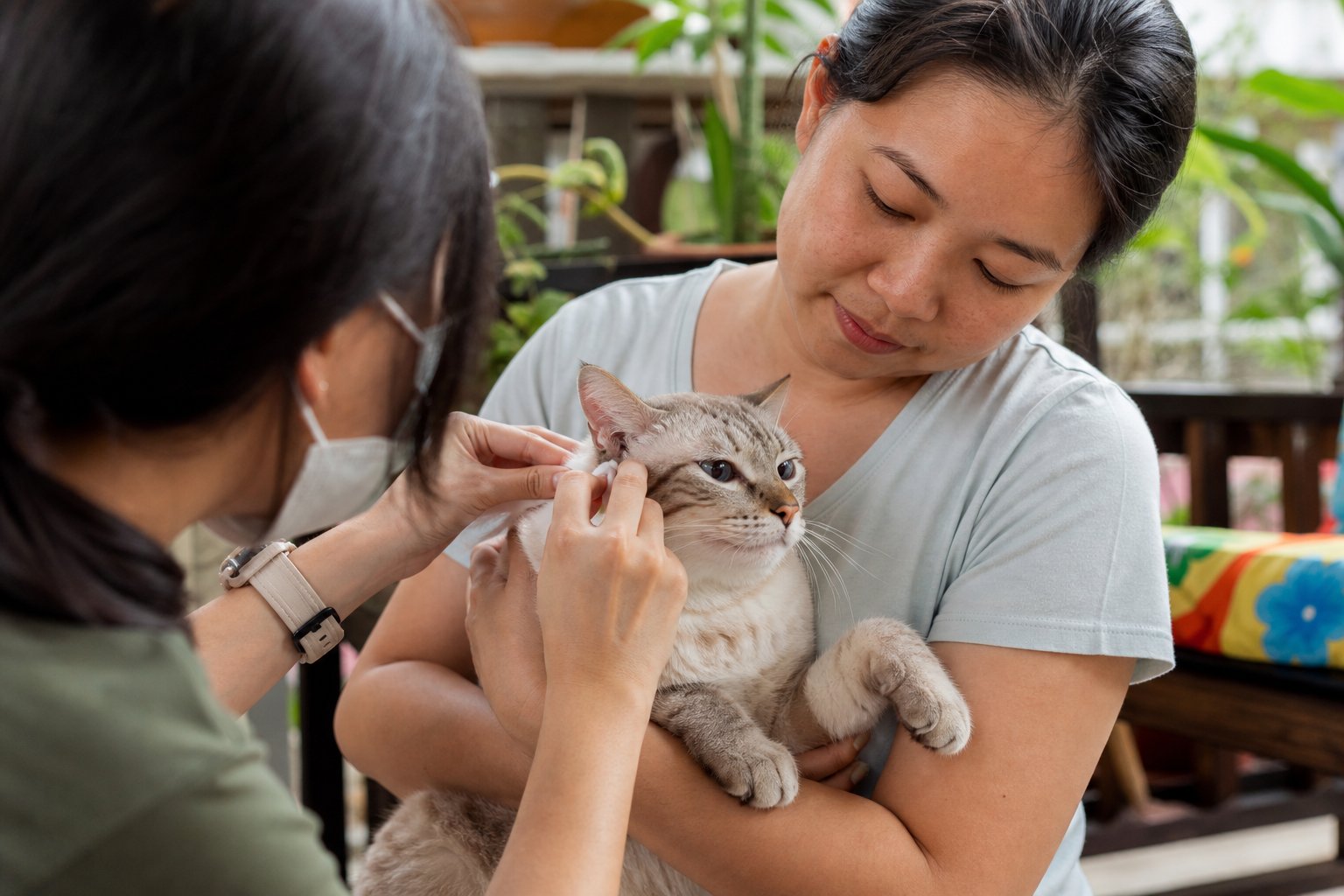
Licking is one of a cat's main grooming tools. A mother cat licks her kittens to clean them and encourage toileting. An adult cat licks to remove loose fur, spread natural oils and cool down. When a cat has a small scrape or a surgical incision, licking the area is a natural response.
A little licking can keep a small surface wound clean by removing debris. The problem starts when licking becomes focused and repeated. Cat tongues are rough and covered in tiny backward-facing hooks. Repeated licking can irritate skin, pull at stitches, remove scabs and create a moist surface where bacteria grow.
Licking can also be a sign of pain. A cat with an infected wound, an abscess, arthritis or an itchy skin problem may lick the same spot again and again. In some cats, licking becomes a habit even after the original wound has healed.
The signs of problem licking
Use this checklist to decide whether your cat's licking is normal grooming or something that needs attention.
| Sign | What it can mean | What to do |
|---|---|---|
| Bald patch around the wound | Over-grooming or irritation | Check daily and ask a vet if it spreads |
| Red, raw or moist skin | Licking has removed the top layer of skin | Cover the area and see a vet |
| Constant licking for more than a few minutes | Pain, itch or habit | Distract, cover and book a vet visit |
| Licking at night or when alone | Boredom, stress or discomfort | Note the pattern and discuss with your vet |
| Open wound or pulled stitches | The wound is not protected | See a vet the same day |
| Bad smell, pus or discharge | Possible infection | See a vet promptly |
| Swelling or heat around the wound | Inflammation or infection | See a vet promptly |
| Bleeding that restarts | The wound is being disturbed | Apply gentle pressure and call your vet |
| Limping or reluctance to move | Pain or a wound on a limb | See a vet |
| Hiding, not eating or grumpy behaviour | Pain or illness | See a vet |
| Licking a bald patch with no wound | Allergy, parasites or stress | Ask for a skin check |
What normal healing looks like
A small, clean wound should begin to scab within a day or two. The skin around it should be a normal colour, not bright red or purple. There may be a little clear fluid at first, but it should not smell. Your cat may show mild interest in the area but should still eat, sleep and behave normally.
What problem licking looks like
Problem licking is usually easy to spot once you know what to look for. The cat returns to the same spot again and again. The fur around the wound becomes thin or bald. The skin looks pink, red or shiny. The wound may stay open instead of forming a scab. Your cat may lick after eating, after using the litter box, or when left alone.
Some cats are very discreet. They may lick only when you are not looking. If you suspect licking, check the wound at least twice a day and look for changes in the fur and skin.
Common causes of wounds that cats lick
Cats can get wounds from many everyday situations. Knowing the cause helps you judge whether licking is likely to be a problem.
- Fights with other cats. Bite wounds are small on the surface but can seal over and form an abscess. Licking an abscess is common.
- Scratches from branches or fences. Outdoor cats can pick up small cuts on the paws, face and sides.
- Surgical incisions. After spaying, neutering or dental work, the incision can itch as it heals.
- Skin allergies and fleas. Allergic skin disease causes itching, and licking is a way to scratch.
- Ear mites or ear infections. Cats may scratch and lick their paws after scratching their ears.
- Arthritis or joint pain. Older cats may lick a painful joint or limb.
- Stress and boredom. Over-grooming can become a habit, especially in indoor cats with limited stimulation.
How to check a wound at home
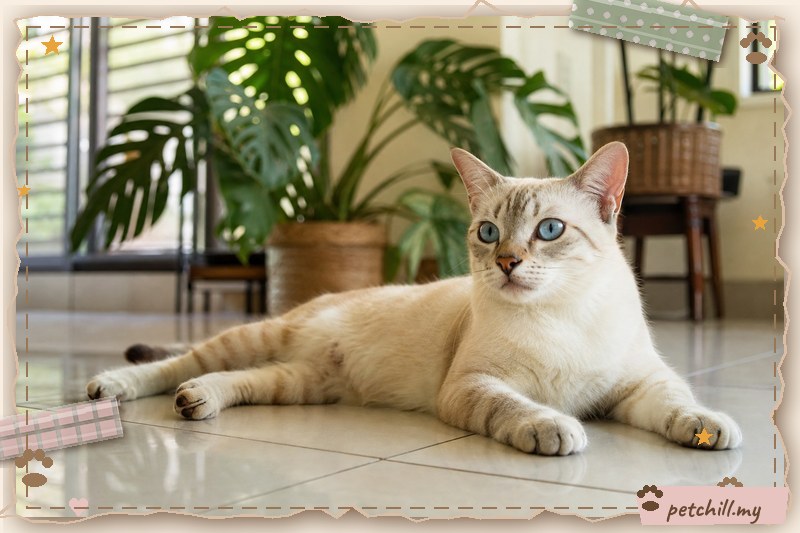
You do not need to be a vet to do a basic check. Work in a quiet room with good light. Have a helper if your cat is wriggly. Use a towel to wrap your cat gently if needed, leaving the wound area accessible.
- Look before you touch. Note the size, colour and smell of the wound.
- Part the fur gently. Check whether the skin around the wound is red, swollen or moist.
- Compare both sides. If the wound is on a leg or ear, compare it with the other side.
- Check for discharge. Clear fluid can be normal at first. Pus, green or yellow discharge, or a bad smell is not.
- Watch your cat move. Limping or stiffness can point to pain.
- Note behaviour. Hiding, not eating or being unusually grumpy are warning signs.
- Take a photo. A dated photo helps you see whether the wound is improving or getting worse.
Do not use human antiseptics, alcohol, hydrogen peroxide or medicated creams unless your vet has told you to. Some products are toxic to cats or slow healing.
How to stop a cat licking a wound
Stopping the licking is often the fastest way to help a wound heal. Try these steps in order.
1. Use a cone or recovery collar
A cone, also called an Elizabethan collar, is the most reliable way to stop a cat reaching a wound on the body, head or legs. Soft recovery collars and surgical suits are alternatives for some cats. Check that your cat can still eat, drink and use the litter box while wearing it.
2. Cover the wound
A light bandage or a vet-approved wound cover can protect the area. Do not wrap too tightly. Change the cover if it becomes wet or dirty. Ask your vet before covering a wound that is discharging or smells.
3. Increase distraction
Boredom can drive licking. Offer puzzle feeders, short play sessions, a window perch or a cardboard box. Rotate toys so your cat has something new to investigate.
4. Keep the area clean and dry
Gently clean around the wound as directed by your vet. Keep your cat away from damp areas and dirty litter. In Malaysia's humid climate, a wound that stays moist is more likely to become infected.
5. Reduce stress
If your cat is over-grooming because of stress, look at the home environment. A new pet, a move, building work or a change in routine can all trigger over-grooming. Provide hiding places, vertical space and a consistent routine.
6. Follow your vet's plan
If your vet prescribes antibiotics, pain relief or a medicated wash, use it exactly as directed. Do not stop early because the wound looks better.
When to see a vet
See a vet if you notice any of the following:
- The wound is open, deep or bleeding.
- There is pus, a bad smell or coloured discharge.
- The area is swollen, hot or spreading red.
- Your cat is licking constantly and cannot be distracted.
- Your cat is limping, hiding, not eating or seems in pain.
- The wound is not improving after a few days.
- The wound is near the eye, mouth, ear or genitals.
- Your cat has a surgical incision that looks open or has pulled stitches.
- Your cat has a bald patch with no visible wound but keeps licking.
If you are unsure, call your vet and describe what you see. A photo can help the clinic decide how soon your cat needs to be seen.
Living with a licking cat in Malaysia
Malaysian homes come in many shapes, and each brings its own challenges for wound care.
In a Kuala Lumpur apartment, space is limited and cats may be more prone to boredom. A cat recovering from a wound may need a quiet room away from visitors, with a cone and a few puzzle toys. Balcony access should be blocked if your cat is wearing a cone, because a cat that cannot see well can slip or fall.
In a Johor terrace house, cats may have more room to roam, but they may also meet neighbourhood cats through windows or gates. Fights and bite wounds are more likely if cats can get close to each other. Check your cat's coat and skin weekly, especially around the head, neck and tail base.
During the Penang rainy season, damp weather and wet fur can slow wound healing. Dry your cat gently if it gets wet, keep bedding dry and check wounds more often. Humid conditions can also make skin folds and armpits moist, which encourages over-grooming.
Preventing wound licking problems
Prevention is easier than treatment. These habits help:
- Check your cat weekly. Run your hands over the body and look for scabs, bald patches and swelling.
- Keep up parasite control. Fleas and mites cause itching and licking. Ask your vet which product suits your cat.
- Neuter your cat. Neutered cats roam less and fight less, which reduces bite wounds.
- Provide enrichment. Scratching posts, play time and safe outdoor access reduce stress.
- Use a cone after surgery. Follow your vet's advice on how long to keep it on.
- Keep a simple record. Note the date, location and appearance of any wound, and take a photo.
What not to do
- Do not apply human ointments, oils or antiseptics without veterinary advice.
- Do not let your cat lick a wound just because it seems clean.
- Do not remove a scab to look underneath.
- Do not use a tight bandage that restricts movement or blood flow.
- Do not delay a vet visit because the wound is small. Small bite wounds can become abscesses.
Key takeaways
Some licking is normal, but constant licking, a bald or red patch, a smelly or open wound, or a cat that stops eating or hides are all signs that something is wrong. Use a cone, distract your cat, keep the wound dry and see a vet if the wound is not improving. In Malaysia's humid climate, quick action helps prevent infection.
This article is general information only and is not a substitute for veterinary advice. Always consult a licensed veterinarian for diagnosis and treatment of your cat.
Related reading
- Blood Test for Cats: What to Expect (Malaysian Owner's Guide)
- Cat Dental Pain Treatment in Malaysia: A Practical Owner's Guide
- Cat Eye Infection Treatment in Malaysia: A Practical Owner's Guide
- Cat Licking Wounds: Why It Happens and How to Treat It in Malaysia
- Cat Poisoning Treatment in Malaysia: What to Do, What to Expect, and How to Prevent It
- Cat Weight Loss Treatment in Malaysia: A Practical Guide for Owners
- Eye Infection in Cats in Malaysia: Causes, Signs, Treatment & Prevention
- How to Prevent Electrical Cables Around Cats: A Practical Safety Guide for Malaysian Homes

