
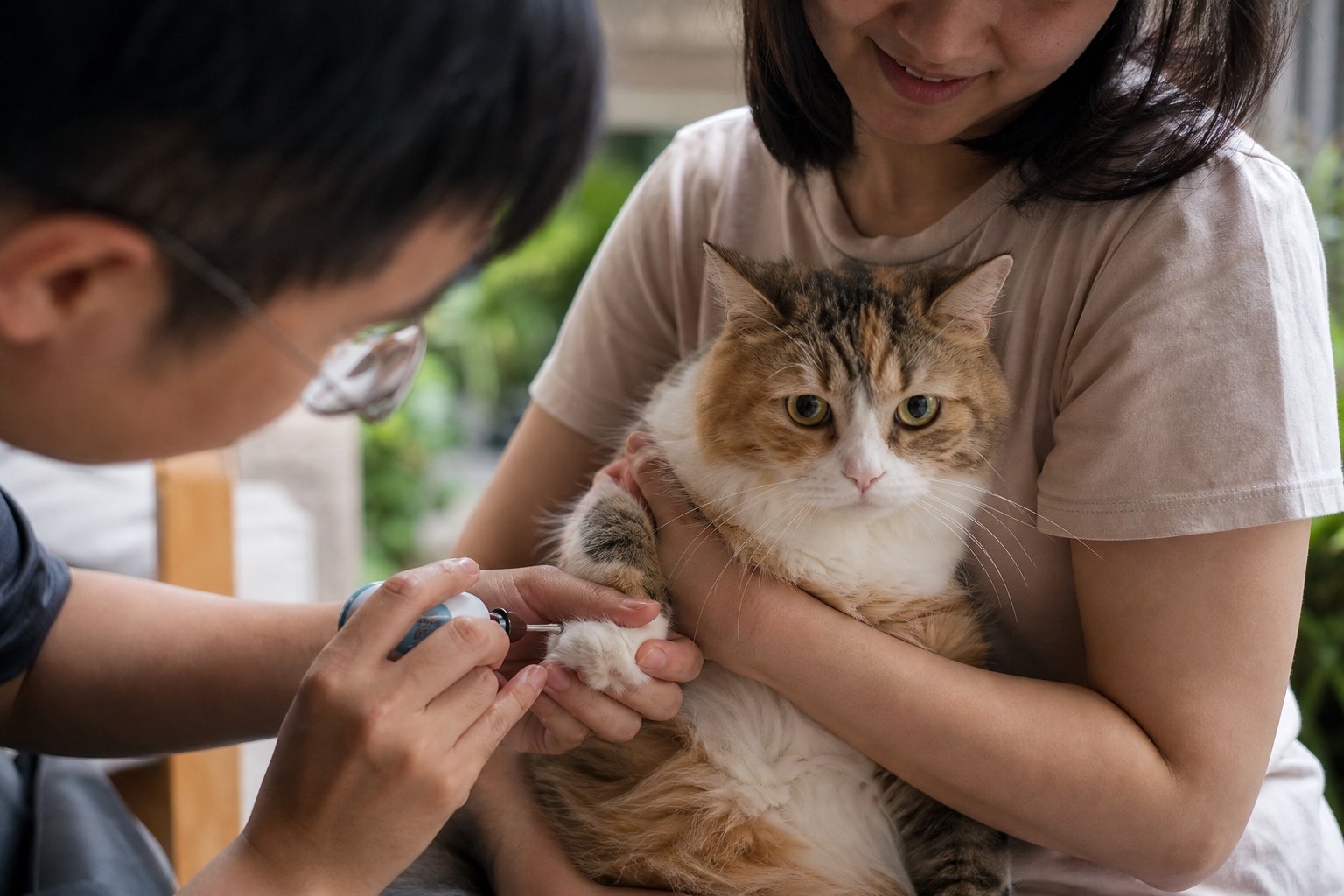
Start with a daily eye check
Eye infection prevention for cats starts with noticing small changes early. A cat's eye is delicate, and many problems begin as mild redness, watery discharge or slight squinting. In Malaysian homes, where dust, humidity and open windows are common, a short daily check gives you a baseline so you can spot changes before they become serious.
Do the check when your cat is relaxed, perhaps after a meal or during grooming. With clean hands, look at both eyes in good light. Compare them side by side. You are checking for redness in the white of the eye, swelling of the eyelids, discharge, cloudiness, a visible third eyelid, or tears running down the face. Gently lift the lip to check the gums are a healthy pink, because some eye problems accompany general illness.
Keep a simple note on your phone if you notice anything unusual. Record the date, which eye, what you saw and whether it changed. This helps a vet later and helps you avoid relying on memory.
Keep the eye area clean and dry
Cleaning is supportive care, not a treatment for infection. Use a clean, soft pad or cotton wool dampened with plain warm water or sterile saline. Wipe from the inner corner outward, using a fresh piece for each eye so you do not transfer anything between eyes. Do not use cotton buds inside the eye, and do not rub the surface of the eye.
For cats with long fur or flat faces, tear staining and small crusts can build up. Gently soften crusts with a damp pad before wiping. If the fur around the eye stays wet, keep it trimmed or ask a groomer or vet nurse for advice, because damp fur can irritate the skin.
Never share cloths, towels or eye products between cats. If one cat has discharge, wash your hands before handling another cat, and keep their bedding separate until a vet has checked the problem.
Reduce irritants in the home
Many eye irritants are everyday items in Malaysian homes. Cigarette smoke, mosquito coil smoke, cooking fumes, aerosol sprays, strong cleaning products and dusty fans can all irritate a cat's eyes. Where possible, ventilate rooms, use extraction fans when cooking, and keep cats out of rooms being cleaned or sprayed.
If you use air conditioning, clean filters regularly. If you use ceiling fans, dust the blades. In apartments with limited airflow, a simple air purifier with a clean filter can reduce airborne particles, but it does not replace cleaning.
Litter choice matters too. Very dusty clay litters can create a cloud when poured or dug. Choose a low-dust litter, pour it gently, and clean the box daily. Store litter in a dry place, because damp litter can grow mould and become more irritating.
Manage litter, humidity and household stress
Malaysia's warm, humid climate can encourage skin fold problems and tear staining, especially in flat-faced cats. Keep the face dry after cleaning. If your cat's eyes water constantly, ask a vet whether tear duct anatomy or eyelid conformation is contributing.
Stress does not directly cause eye infections, but stressed cats may groom less, hide illness and be more prone to outbreaks of latent viral disease. Provide vertical space, quiet hiding spots, consistent routines and separate resources for each cat. In multi-cat homes, ensure each cat has its own food bowl, water bowl, litter box and resting area.
A simple comparison can help you plan prevention according to your home and cat.
| Situation | Main risk | Practical prevention step |
|---|---|---|
| Kuala Lumpur apartment with open windows | Dust and traffic fumes | Wipe surfaces often, use a fan or purifier, check eyes after dusty days |
| Penang rainy season | Damp bedding and mould | Wash bedding weekly, dry thoroughly, keep litter dry |
| Johor terrace house with garden | Plant material and insects | Inspect eyes after outdoor time, keep grass short, avoid pesticides near cats |
| Multi-cat household | Spread of infectious discharge | Separate bowls and bedding, wash hands, isolate new cats |
| Flat-faced breed | Tear staining and shallow eye sockets | Check and clean daily, keep fur trimmed, ask vet about eye shape |
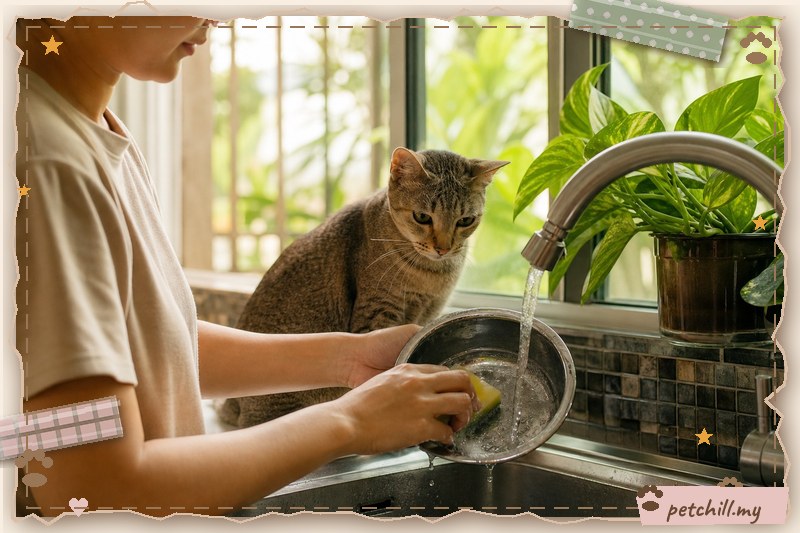
Feed a complete diet and support general health
A cat with good general health is better able to resist and recover from infections. Feed a complete and balanced commercial diet or a vet-formulated home diet. Avoid sudden diet changes, and ensure fresh water is available. If your cat has a medical condition, ask a vet before adding supplements.
Some nutrients, such as vitamin A, are important for eye health, but too much can be harmful. Do not give human vitamin supplements or liver in large amounts without veterinary advice. If you are unsure whether your cat's diet is complete, ask a vet or pet nutritionist.
Obesity can make grooming difficult, especially around the face. Keeping your cat at a healthy weight helps it clean itself and reduces skin fold irritation. Regular play and portion control are simple steps.
Vaccination and parasite control
Core vaccinations protect against serious viral diseases that can affect the eyes, including feline herpesvirus and feline calicivirus. These viruses can cause conjunctivitis and corneal problems, and they can recur when a cat is stressed or ill. Follow your vet's vaccination schedule and keep records.
Parasite control also matters. Some parasites and infections can involve the eyes or surrounding tissues. Use parasite prevention recommended by your vet for your cat's lifestyle and local risk. Do not use dog products on cats, as some are toxic.
If you take in a new cat or kitten, keep it separate from resident cats until a vet has checked it. Many infectious eye problems spread through close contact, shared bedding and food bowls.
Handle new cats and sick cats carefully
New cats and kittens are a common source of infectious eye disease. Before introducing a new cat, arrange a vet check, ask about vaccination history and keep the new cat in a separate room for a period advised by your vet. Wash hands after handling, and do not share bowls, litter scoops or bedding until the vet confirms it is safe.
If one cat develops discharge, assume it could be infectious until a vet says otherwise. Use separate cleaning cloths, wash bedding hot, and clean food and water bowls daily. Do not let a sick cat share towels with others.
Watch for early warning signs
Early signs are easy to miss. Squinting, holding one eye closed, pawing at the face, rubbing the eye against furniture, watery or thick discharge, redness, swelling, cloudiness, a visible third eyelid, or a change in the eye's colour all deserve attention. Some cats become withdrawn or eat less when their eyes are painful.
Do not wait for the eye to look very bad. Eye problems can progress quickly, and some, such as corneal ulcers, can become serious within a short time. If you see any warning sign, contact a vet.
When to see a vet
See a vet promptly, ideally the same day, if your cat has any of the following:
- Squinting or holding an eye closed
- Thick, yellow or green discharge
- Swelling of the eyelids or face
- Cloudiness or a change in eye colour
- A visible third eyelid that stays up
- Pawing at the eye or rubbing the face
- Sudden vision change, bumping into objects or reluctance to move
- An eye injury or a foreign body
- Eye signs along with sneezing, fever, lethargy or loss of appetite
Do not use leftover or human eye drops. Some contain steroids that can worsen corneal ulcers. A vet needs to examine the eye, sometimes with a stain test, before prescribing [treatment.
Build a simple prevention routine
A practical](/articles/cat-eye-infection-treatment-malaysia "mylink") routine for Malaysian cat owners can be short and consistent. Each morning, check both eyes in good light. Each week, wash bedding and clean the litter box thoroughly. Each month, check your cat's weight, grooming and vaccination records. Each season, review parasite prevention with your vet.
Keep a small pet first aid kit with sterile saline, clean cotton pads and a digital thermometer. Do not include human eye drops. Write down your vet's phone number and emergency contact details.
If you have multiple cats, label bowls and bedding so you can keep resources separate. This is especially useful during outbreaks of sneezing or eye discharge.
Common mistakes to avoid
One common mistake is assuming clear watery discharge is harmless. It can be an early sign of irritation or infection. Another is using a home remedy such as milk, tea or herbal drops in the eye. These are not sterile and can introduce infection or irritate the eye further.
Another mistake is stopping treatment early because the eye looks better. If a vet prescribes medication, follow the full course and attend rechecks. Finally, do not delay a vet visit because you are worried about cost. Local prices vary, and it is better to ask a Malaysian vet about fees and options than to wait until the problem is harder to treat.
A note on breeds and age
Kittens, senior cats and flat-faced breeds need closer attention. Kittens have immature immune systems and are more prone to infectious eye disease. Senior cats may have reduced tear production or other age-related changes. Flat-faced breeds often have shallow eye sockets and may need daily cleaning. If your cat is in one of these groups, ask your vet for a prevention plan tailored to its needs.
Final thoughts
Eye infection prevention for cats is mostly about consistent, gentle care. Daily checks, clean bedding, low-dust litter, good ventilation, complete nutrition, vaccination and prompt vet attention cover most of the basics. Small habits make a real difference, especially in humid Malaysian homes where dust and damp can linger.
This article is general information and does not replace a veterinary examination. If your cat has eye signs, contact a veterinarian in Malaysia for advice.
Related reading
- Dental Pain Prevention for Cats: A Practical Malaysian Guide
- Deworming Schedule for Cats: A Step-by-Step Plan for Malaysian Owners
- Signs of Eye Infection in Cats in Malaysia: What Owners Should Look For
- Blood Test for Cats in Malaysia: What It Checks, Costs and When You Need One
- Blood Test for Cats Step by Step: What Happens at the Clinic
- Cat Worms Treatment in Malaysia: A Practical Owner's Guide
- Dental Pain in Cats in Malaysia: Signs, Causes and What to Do

