PetChill Pet Encyclopedia
Cat Health

How to Treat Skin Fungus in Cats at Home: A Practical Malaysian Guide

Ringworm in cats is not a worm but a fungal infection. This guide explains how to treat skin fungus in cats at home, from confirming the diagnosis with a vet to disinfecting your Malaysian home, plus red flags that mean you should stop and seek help.

Published: 2026-11-06Β·8 min readΒ·Author: PetChill Editorial
How to Treat Skin Fungus in Cats at Home: A Practical Malaysian Guide

πŸ’‘ Quick Answer

You can treat cat skin fungus at home only after a vet confirms it. Home care means applying the prescribed antifungal exactly as directed, treating every pet in the house, deep-cleaning bedding and surfaces, and keeping the cat isolated. Never use human creams or bleach on a cat without veterinary advice.

The short answer

You can treat skin fungus in cats at home, but only after a vet has confirmed what you are dealing with. Home treatment works best when it combines three things: the antifungal your vet prescribes, strict hygiene to remove spores from your home, and patience, because fungal infections clear slowly.

Most cat skin fungus in Malaysia is ringworm, also called dermatophytosis. Despite the name, it is not a worm. It is a fungal infection of the skin, hair and sometimes claws. It is common in warm, humid climates, which is why Malaysian cat owners see it often, especially during the rainy season or in homes with poor ventilation.

This guide explains what home treatment actually involves, how to clean your home properly, what not to do, and when to stop home care and see a vet.

First, confirm it is really fungus

Skin fungus in cats can look like many other things. A circular bald patch with a crusty edge is the classic picture, but cats can also show:

  • Scaly, flaky patches anywhere on the body
  • Broken or patchy hair, especially on the head, ears and front legs
  • Red, inflamed skin
  • Thickened or discoloured claws
  • Small bumps that look like acne
  • Sometimes no visible signs at all, just persistent grooming

Other conditions can look almost identical, including bacterial skin infections, allergies, mites, and stress-related overgrooming. This is why guessing is risky. A vet can use a Wood's lamp, a fungal culture, or a skin sample to confirm the diagnosis. Some clinics can give a preliminary answer during the visit, while a culture may take longer.

If your cat has never been diagnosed with fungus before, book a vet visit before starting any home treatment. If your cat has a confirmed, recurring case and your vet has already given you a treatment plan, you can follow that plan at home.
First, confirm it is really fungus

What home treatment actually involves

Home treatment is not just "put cream on the spot." Ringworm spores are tough and can survive in the environment for a long time. A successful plan treats the cat, the environment, and any other pets at the same time.

1. Follow the prescribed antifungal exactly

Your vet may prescribe one or more of the following:

  • A topical antifungal cream, lotion or spray for small, localised patches
  • An antifungal shampoo or rinse, used at a set frequency
  • Oral antifungal medication for widespread, stubborn, or deep infections
  • A combination of the above

Apply topical products exactly as directed. Wear gloves if your vet advises it, and wash your hands afterwards. Do not stop early just because the skin looks better. Fungal spores can remain active after the visible patch fades.

If your cat licks off the cream, ask your vet about an Elizabethan collar or a body suit. Do not double the dose to make up for lost medicine.

2. Treat every pet in the household

Ringworm spreads easily between animals. All cats and dogs in the home should be checked, and often treated, even if they look healthy. A healthy-looking pet can carry spores on its coat and reinfect the cat you are treating.

Your vet can advise whether other pets need a full treatment course, a preventive wash, or just monitoring.

3. Isolate the affected cat

Keep the affected cat in one room or a large enclosure for part of the day, especially during the early weeks of treatment. This limits how far spores spread. Provide food, water, a litter box, a scratching post and a comfortable bed. Spend time with the cat so it does not become bored or stressed, because stress can slow healing.

If isolation is not possible, at least keep the cat off beds, sofas and carpets, and wash your hands after every contact.

4. Clean the environment properly

This is the step most owners underestimate. Spores settle on bedding, floors, brushes, furniture and even in dust. Cleaning is not optional if you want to stop reinfection.

Item What to do How often
Bedding and blankets Wash in hot water with detergent, then dry fully in sun or a dryer Every few days during treatment
Litter box Empty, wash with detergent, dry completely Weekly, or more often
Food and water bowls Wash with hot soapy water Daily
Brushes and combs Wash, or replace if heavily contaminated After each use
Floors and hard surfaces Vacuum, then wipe with a vet-approved disinfectant Every few days
Carpets and rugs Vacuum thoroughly; steam clean if possible Weekly
Cat trees and scratchers Vacuum and wipe down; sunlight helps Weekly
Collars, harnesses and toys Wash or wipe down Weekly

Ask your vet which disinfectant is safe for cats and effective against fungal spores. Never mix cleaning products, and never use bleach at full strength around cats. Cats are sensitive to fumes, and residue on surfaces can be licked off.

5. Handle your cat safely

Ringworm can spread to people. Wear gloves when applying medicine or handling the cat during the infectious period, and wash your hands with soap and water afterwards. Keep the cat away from children's faces and off pillows. If anyone in the home develops a round, itchy patch, see a doctor.

A realistic home treatment routine

Consistency matters more than intensity. A simple daily and weekly routine is easier to keep up than an elaborate plan you abandon after a week.

Daily

  • Check the cat's skin for new patches or changes
  • Apply the prescribed topical treatment
  • Wash food and water bowls
  • Wash your hands after handling the cat
  • Vacuum high-traffic areas if the cat has access to them

Every few days

  • Wash bedding in hot water
  • Wipe down hard floors and surfaces with a vet-approved disinfectant
  • Clean brushes and combs

Weekly

  • Deep clean the litter box
  • Vacuum carpets, rugs and cat trees
  • Wash toys and fabric items
  • Review progress and note any new lesions

Ongoing

  • Keep the cat isolated from other pets as advised
  • Do not stop treatment early
  • Book the recheck your vet recommends

A realistic home treatment routine

What not to do at home

Some home remedies do more harm than good. Avoid these unless your vet specifically recommends them:

  • Human antifungal creams. They may be the wrong strength or contain ingredients that are unsafe if licked off.
  • Bleach or strong disinfectants on the cat. Never apply these to skin, and never use them at full strength around cats.
  • Tea tree oil, vinegar or garlic. These are common internet remedies but can irritate skin or be toxic to cats.
  • Shaving the cat yourself. Clippers can spread spores and irritate skin. Ask your vet first.
  • Stopping treatment when the skin looks normal. Spores can survive after visible signs fade.
  • Treating only the visible patch. Fungus can be present on nearby skin and hair that looks healthy.

When to see a vet

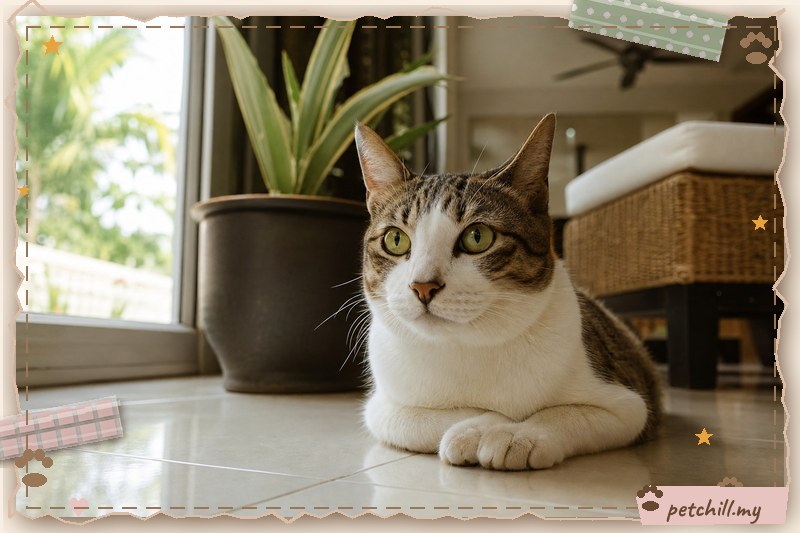
Home care is not enough in some situations. See a vet promptly if:

  • Your cat has never been diagnosed with skin fungus
  • Patches are spreading quickly or appearing in new places
  • The skin is raw, bleeding, oozing or smells bad
  • Your cat seems painful, lethargic, or stops eating
  • Your cat is scratching so much it cannot rest
  • The claws or nail beds look thick, crusty or deformed
  • There is no improvement after a few weeks of treatment
  • The infection keeps coming back after treatment
  • Anyone in the household develops a skin rash
  • Your cat is very young, elderly, pregnant, or has another illness

A vet may need to switch medication, add an oral antifungal, check for a second infection, or take a sample to confirm the diagnosis.
When to see a vet

Living with ringworm in a Malaysian home

Malaysia's warm, humid climate helps fungi thrive, so ringworm can linger if the home is damp or poorly ventilated. Practical steps that suit local homes include:

  • Use a dehumidifier or air-conditioning in the room where the cat stays, especially during the rainy season
  • Air bedding and cushions in direct sunlight when possible
  • Wipe down tiled floors regularly, since spores settle in dust and corners
  • Keep the cat's area dry, and dry the cat thoroughly after a bath or a wet walk outside
  • In apartments, focus on the rooms the cat uses most, since spores spread less in a small, clean space than in a cluttered one

In a Kuala Lumpur apartment, for example, the cat may spend most of its time in one bedroom and on a small balcony. Cleaning that room thoroughly is more manageable than trying to disinfect an entire home. In a Johor terrace house, the cat may roam between the living room, porch and garden, so you may need to limit access to soft furnishings and wash floor mats more often.

How long does treatment take?

Most cases need several weeks of consistent treatment, often four to eight weeks, and sometimes longer for long-haired cats or widespread infections. Your vet will usually want to recheck the cat before declaring it clear. Some vets recommend a repeat culture or lamp check.

Do not measure success by the first week. Measure it by steady improvement: fewer new patches, less scaling, and hair starting to regrow. If things are not improving, that is a signal to go back to the vet, not to try a stronger home remedy.
How long does treatment take?

Preventing reinfection

Once treatment ends, keep some habits going:

  • Wash bedding regularly
  • Vacuum carpets and cat trees
  • Keep the cat's immune system strong with good nutrition and low stress
  • Check new pets with a vet before bringing them home
  • Address damp and poor ventilation in the cat's area
  • Watch for early signs, such as a small scaly patch or unusual grooming

Quick checklist

  • Vet confirmed the diagnosis
  • Prescribed antifungal started
  • All pets in the home checked
  • Affected cat isolated as advised
  • Bedding washed in hot water
  • Floors and surfaces disinfected with a cat-safe product
  • Brushes and toys cleaned
  • Hands washed after handling
  • Recheck appointment booked
  • Treatment continued for the full course

The bottom line

Treating skin fungus in cats at home is realistic, but it is a team effort between you and your vet. The medicine does part of the job; cleaning and consistency do the rest. Confirm the diagnosis, follow the prescribed plan, treat every pet, and clean the environment thoroughly. If anything looks worse, spreads, or does not improve, go back to your vet rather than experimenting with home remedies.

This article is general information only and is not a substitute for veterinary advice. Always consult a licensed veterinarian for diagnosis and treatment of your cat's skin condition.

Frequently Asked Questions

πŸ“Œ Key Takeaways

  • This article covers: The short answer, First, confirm it is really fungus, What home treatment actually involves, A realistic home treatment routine, What not to do at home, and more
  • Jump to any section via the table of contents for the key details
  • If in doubt, consult a registered veterinarian

Explore this topic cluster

This guide belongs to a Malaysia-focused topic cluster. Read the pillar guide and related articles.

View cluster β†’

πŸ“š Cat Health article index

This article is part of the Cat Health topic cluster. Explore related articles:

⭐ Pillar guide: Cat Health complete guideBlood Test for Cats in Malaysia: What It Checks, Costs and When You Need Oneβ†’ ReadBlood Test for Cats Step by Step: What Happens at the Clinicβ†’ ReadBlood Test for Cats: What to Expect (Malaysian Owner's Guide)β†’ ReadCat Constipation Treatment in Malaysia: A Practical Owner's Guideβ†’ ReadCat Dental Pain Treatment in Malaysia: A Practical Owner's Guideβ†’ ReadCat Diarrhea Treatment in Malaysia: A Practical Owner's Guideβ†’ ReadCat Ear Mites Treatment in Malaysia: A Complete Owner's Guideβ†’ ReadCat Eye Infection Treatment in Malaysia: A Practical Owner's Guideβ†’ ReadCat Fleas Treatment in Malaysia: A Practical Owner's Guideβ†’ ReadCat Hair Loss Treatment in Malaysia: A Practical Owner's Guideβ†’ ReadCat Licking Wounds: Why It Happens and How to Treat It in Malaysiaβ†’ ReadCat Poisoning Treatment in Malaysia: What to Do, What to Expect, and How to Prevent Itβ†’ ReadCat Ringworm Treatment in Malaysia: A Practical Owner's Guideβ†’ ReadCat Skin Fungus Treatment in Malaysia: A Practical Owner's Guideβ†’ ReadCat Sneezing Blood: Causes, Treatment and When to See a Vet in Malaysiaβ†’ ReadCat Vomiting Treatment in Malaysia: What to Do and When to See a Vetβ†’ ReadCat Weight Loss Treatment in Malaysia: A Practical Guide for Ownersβ†’ ReadCat Worms Treatment in Malaysia: A Practical Owner's Guideβ†’ ReadChocolate Poisoning and Cats in Malaysia: What Every Owner Should Knowβ†’ ReadConstipation in Cats: Causes, Care and When to See a Vet in Malaysiaβ†’ ReadConstipation in Cats in Malaysia: Causes, Signs and What to Doβ†’ ReadConstipation Prevention for Cats: A Practical Guide for Malaysian Ownersβ†’ ReadDental Pain in Cats: Causes, Signs and Care (Malaysia Guide)β†’ ReadDental Pain in Cats in Malaysia: Signs, Causes and What to Doβ†’ ReadDental Pain Prevention for Cats: A Practical Malaysian Guideβ†’ ReadDeworming Schedule for Cats in Malaysia: A Practical, Vet-Led Guideβ†’ ReadDeworming Schedule for Cats: A Step-by-Step Plan for Malaysian Ownersβ†’ ReadDeworming Schedule for Cats: What to Expect (Malaysia Guide)β†’ ReadDiarrhea in Cats: Causes and Care (Malaysian Owner's Guide)β†’ ReadDiarrhea in Cats in Malaysia: Causes, Home Care and When to See a Vetβ†’ ReadDiarrhea Prevention for Cats: A Practical Guide for Malaysian Ownersβ†’ ReadE-Collar Recovery for Cats in Malaysia: A Practical Guide for Ownersβ†’ ReadE-Collar Recovery for Cats Step by Step: A Practical Guide for Malaysian Ownersβ†’ ReadE-Collar Recovery for Cats: What to Expect (Malaysia Guide)β†’ ReadEar Mites in Cats: Causes and Care (Malaysia Guide)β†’ ReadEar Mites in Cats in Malaysia: Signs, Treatment and Preventionβ†’ ReadEar Mites Prevention for Cats: A Practical Malaysian Guideβ†’ ReadElectrical Cables and Cats in Malaysia: A Practical Safety Guideβ†’ ReadEye Infection in Cats: Causes and Care (Malaysia Guide)β†’ ReadEye Infection in Cats in Malaysia: Causes, Signs, Treatment & Preventionβ†’ ReadEye Infection Prevention for Cats: A Practical Malaysian Guideβ†’ ReadFans and Air Conditioning for Cats in Malaysia: A Practical Comfort Guideβ†’ ReadFlea Treatment for Cats in Malaysia: A Complete Guideβ†’ ReadFlea Treatment for Cats Step by Step: A Practical Malaysian Guideβ†’ ReadFlea Treatment for Cats: What to Expect (Malaysia Guide)β†’ ReadFleas in Cats: Causes and Care (Malaysia Guide)β†’ ReadFleas in Cats in Malaysia: Signs, Treatment and Preventionβ†’ ReadFleas Prevention for Cats in Malaysia: A Practical, Year-Round Planβ†’ ReadGiving Pills for Cats in Malaysia: A Stress-Free Step-by-Step Guideβ†’ ReadGiving Pills for Cats Step by Step: A Calm, Practical Guide for Malaysian Ownersβ†’ ReadGiving Pills for Cats: What to Expect (Malaysian Owner's Guide)β†’ ReadHair Loss in Cats: Causes and Care (Malaysian Owner's Guide)β†’ ReadHair Loss in Cats in Malaysia: Causes, Home Checks and When to See a Vetβ†’ ReadHair Loss Prevention for Cats: A Practical Grooming and Health Guideβ†’ ReadHousehold Cleaning Products and Cats in Malaysia: A Safety Guideβ†’ ReadHow to Prevent Chocolate Poisoning Around Cats: A Practical Guide for Malaysian Homesβ†’ ReadHow to Prevent Electrical Cables Around Cats: A Practical Safety Guide for Malaysian Homesβ†’ ReadHow to Prevent Fan and Aircond Problems Around Cats: A Malaysian Home Guideβ†’ ReadHow to Prevent Household Cleaning Products Around Cats: A Practical Safety Guide for Malaysian Homesβ†’ ReadHow to Prevent Lily Poisoning Around Cats: A Practical Safety Guide for Malaysian Homesβ†’ ReadHow to Prevent Open Windows Around Cats: A Practical Safety Guide for Malaysian Homesβ†’ ReadHow to Prevent Paracetamol Poisoning Around Cats: A Malaysian Safety Guideβ†’ ReadHow to Prevent Plastic Bags Around Cats: A Practical Safety Guide for Malaysian Homesβ†’ ReadHow to Treat Constipation in Cats at Home: A Practical Malaysian Guideβ†’ ReadHow to Treat Dental Pain in Cats at Home: Safe Relief and When to See a Vetβ†’ ReadHow to Treat Diarrhea in Cats at Home: A Practical Malaysian Guideβ†’ ReadHow to Treat Ear Mites in Cats at Home: A Practical Malaysian Guideβ†’ ReadHow to Treat Eye Infection in Cats at Home: Safe Steps for Malaysian Ownersβ†’ ReadHow to Treat Fleas in Cats at Home: A Practical Malaysian Guideβ†’ ReadHow to Treat Hair Loss in Cats at Home: A Practical Malaysian Guideβ†’ ReadHow to Treat Licking Wounds in Cats at Home: A Practical Guide for Malaysian Ownersβ†’ ReadHow to Treat Poisoning in Cats at Home: First Aid, Safe Steps and When to Rush to the Vetβ†’ ReadHow to Treat Ringworm in Cats at Home: A Practical Guide for Malaysian Ownersβ†’ ReadHow to Treat Sneezing Blood in Cats at Home: Safe First Steps for Malaysian Ownersβ†’ ReadHow to Treat Vomiting in Cats at Home: A Practical Malaysian Guideβ†’ ReadHow to Treat Weight Loss in Cats at Home: A Practical Guide for Malaysian Ownersβ†’ ReadHow to Treat Worms in Cats at Home: A Practical, Safe Guide for Malaysian Ownersβ†’ ReadLicking Wounds in Cats: Causes and Care (Malaysian Vet Guide)β†’ ReadLicking Wounds in Cats Malaysia: When It's Normal and When to Stop Itβ†’ ReadLicking Wounds Prevention for Cats: How to Stop the Lick Cycle and Let Skin Healβ†’ ReadLily Poisoning and Cats in Malaysia: Why Every Petal Is an Emergencyβ†’ ReadOpen Windows and Cats in Malaysia: How to Keep Your Cat Safe Without Locking Up the Houseβ†’ ReadParacetamol Poisoning in Cats in Malaysia: Why Even One Tablet Can Be Deadlyβ†’ ReadPlastic Bags and Cats in Malaysia: Why They're Dangerous and How to Keep Your Cat Safeβ†’ ReadPoisoning in Cats: Causes, Symptoms and Care (Malaysia Guide)β†’ ReadPoisoning in Cats in Malaysia: Common Toxins, Signs and What to Doβ†’ ReadPoisoning Prevention for Cats in Malaysia: A Room-by-Room Safety Guideβ†’ ReadRingworm in Cats: Causes, Symptoms and Care (Malaysia Guide)β†’ ReadRingworm in Cats in Malaysia: Signs, Treatment and Preventionβ†’ ReadRingworm Prevention for Cats in Malaysia: A Practical, Vet-Informed Guideβ†’ ReadSigns of Constipation in Cats in Malaysia: What to Watch For and When to Actβ†’ ReadSigns of Dental Pain in Cats in Malaysia: What Owners Missβ†’ ReadSigns of Diarrhea in Cats in Malaysia: What's Normal, What's Notβ†’ ReadSigns of Ear Mites in Cats in Malaysia: How to Spot, Treat and Prevent Themβ†’ ReadSigns of Eye Infection in Cats in Malaysia: What Owners Should Look Forβ†’ ReadSigns of Fleas in Cats in Malaysia: How to Spot, Check and Actβ†’ ReadSigns of Hair Loss in Cats in Malaysia: What to Look For and When to Worryβ†’ ReadSigns of Licking Wounds in Cats Malaysia: How to Spot Problem Lickingβ†’ ReadSigns of Poisoning in Cats in Malaysia: What to Watch For and What to Doβ†’ ReadSigns of Ringworm in Cats in Malaysia: What Owners Should Look Forβ†’ ReadSigns of Skin Fungus in Cats in Malaysia: How to Spot Ringworm Earlyβ†’ ReadBlood in a Cat's Sneeze: Signs, Causes and What to Do in Malaysiaβ†’ ReadSigns of Vomiting in Cats in Malaysia: What's Normal, What's Not, and When to See a Vetβ†’ ReadSigns of Weight Loss in Cats in Malaysia: What to Watch For and When to Worryβ†’ ReadSigns of Worms in Cats in Malaysia: What Owners Should Look Forβ†’ ReadSkin Fungus in Cats: Causes, Signs and Care (Malaysia Guide)β†’ ReadSkin Fungus in Cats in Malaysia: Ringworm Signs, Treatment and Preventionβ†’ ReadSkin Fungus Prevention for Cats: A Practical Guide for Malaysian Homesβ†’ ReadSneezing Blood in Cats: Causes and Care (Malaysia Guide)β†’ ReadSneezing Blood in Cats in Malaysia: Causes, What to Do, and When to See a Vetβ†’ ReadSneezing Blood Prevention for Cats: Causes, Care and When to Worryβ†’ ReadSterilization for Cats in Malaysia: A Complete Guide for Ownersβ†’ ReadSterilization for Cats Step by Step: A Malaysian Owner's Guideβ†’ ReadSterilisation for Cats: What to Expect (Malaysian Owner's Guide)β†’ ReadUltrasound for Cats in Malaysia: What It Is, When It's Needed, and What to Expectβ†’ ReadUltrasound for Cats Step by Step: What Happens, What It Costs, and How to Prepareβ†’ ReadUltrasound for Cats: What to Expect (Malaysian Owner's Guide)β†’ ReadVaccination Side Effects for Cats in Malaysia: What's Normal, What's Notβ†’ ReadVaccination Side Effects for Cats: A Step-by-Step Guide for Malaysian Ownersβ†’ ReadCat Vaccination Side Effects: What Malaysian Owners Should Expectβ†’ ReadVomiting in Cats: Causes and Care (Malaysia Guide)β†’ ReadVomiting in Cats in Malaysia: When It's Normal and When to Worryβ†’ ReadVomiting Prevention for Cats: A Practical Guide for Malaysian Ownersβ†’ ReadWeight Loss in Cats: Causes and Care (Malaysian Vet Guide)β†’ ReadWeight Loss in Cats in Malaysia: Causes, Warning Signs and What to Doβ†’ ReadWeight Loss Prevention for Cats: A Practical Malaysian Guideβ†’ ReadWorms in Cats: Causes and Care (Malaysia Vet Guide)β†’ ReadWorms in Cats in Malaysia: A Practical Owner's Guideβ†’ ReadWorms Prevention for Cats in Malaysia: A Complete Guideβ†’ ReadWound Care for Cats in Malaysia: A Practical Owner's Guideβ†’ ReadWound Care for Cats Step by Step: A Practical Malaysian Guideβ†’ ReadWound Care for Cats: What to Expect, Step by Stepβ†’ ReadX-Ray for Cats in Malaysia: What to Expect, Costs and Safetyβ†’ ReadX-Ray for Cats Step by Step: What Malaysian Owners Should Expectβ†’ ReadX-Ray for Cats: What to Expect (Malaysian Owner's Guide)β†’ ReadArthritis Pet Care in Malaysia: A Practical Guide for Cats and Dogsβ†’ ReadCat Arthritis in Malaysia: 5 Home Signs Your Cat Is in Pain β€” and What to Doβ†’ ReadEarly Signs of Chronic Disease in Cats: 7 Daily Checks and a 4-Week Record Sheetβ†’ ReadCat Chronic Kidney Disease in Malaysia: The Daily Care Routine That Actually Slows It Downβ†’ ReadCat Constipation in Malaysia: The 48-Hour Rule, Red Flags and What Actually Helpsβ†’ ReadCat Dehydration in Malaysia: Home Skin-Turgor Test, 7 Causes and Emergency Signsβ†’ ReadCat Heart Disease in Malaysia: Sleep Breathing Count, HCM Early Signs and When to Rush to the Vetβ†’ ReadCat Kidney Disease in Malaysia: Early Signs, Prevention and Everyday Careβ†’ ReadCat Pancreatitis in Malaysia: Symptoms, fPLI Testing, Treatment and Home Recoveryβ†’ ReadCat Ringworm in Malaysia: Signs, Treatment and Home Cleaning Guideβ†’ ReadCat Symptom Checker Malaysia: 12 Common Signs and a Green-Amber-Red Triage Tableβ†’ ReadPet Deworming in Malaysia: How Often to Worm Your Cat or Dogβ†’ ReadPet Gut Health in Malaysia: Probiotics, Food Transitions and Stool Troubles (Part 2)β†’ ReadCat Gut Health: Probiotics, Antibiotics and Food Transitions Explained (Malaysia)β†’ ReadPet Health Malaysia 2026: Common Cat and Dog Illnesses, Prevention Care and Vet Guidanceβ†’ ReadPet Insurance in Malaysia: How to Compare Plans Before You Signβ†’ ReadPet Poisoning at Home: Household Chemicals, Toxic Plants and When Not to Induce Vomiting (Malaysia)β†’ ReadPet Poisoning at Home: Household Chemicals, Insecticides and Toxic Plants (Malaysia, Part 1)β†’ ReadCat Chronic Disease Early Signs in Malaysia: 7 Daily Checks and a 4-Week Logβ†’ ReadCat Health Guide Malaysia: Symptom Check, Red-Flag Triage & When to See a Vetβ†’ ReadCat Ringworm in Malaysia: Symptoms, Treatment and Home Cleaning Guideβ†’ ReadGut Health, Probiotics & Food Transition Part 2: Practical Malaysia Guideβ†’ ReadPet Health in Malaysia: A Practical Prevention Guide for Cats and Dogsβ†’ Read

Related products at PetChill