PetChill Pet Encyclopedia
Cat Health

Poisoning Prevention for Cats in Malaysia: A Room-by-Room Safety Guide

Cats are curious groomers, which makes them vulnerable to everyday poisons hiding in kitchens, bathrooms, gardens and handbags. This guide explains the most common cat toxins, how to store and secure them, and what to do if you suspect your cat has been poisoned.

Published: 2026-11-06Β·7 min readΒ·Author: PetChill Editorial
Poisoning Prevention for Cats in Malaysia: A Room-by-Room Safety Guide

πŸ’‘ Quick Answer

Prevent cat poisoning by storing all medications, cleaning products and pest control in closed cabinets, never leaving human food or lilies within reach, keeping cats indoors, and contacting a veterinarian immediately if you suspect exposure. Do not induce vomiting unless a vet instructs you to.

Why poisoning prevention matters for Malaysian cats

Cats are fastidious groomers, which means anything on their fur or paws can end up in their mouth within minutes. They also explore kitchens, bathrooms, balconies and car porches with their noses and tongues. In Malaysia's warm, humid climate, many homes keep doors and windows open for ventilation, and that gives cats more chances to encounter hazards. Poisoning prevention is not about wrapping your cat in cotton wool; it is about arranging your home so that the most dangerous items are simply not accessible.

This guide walks through the most common toxins, room by room, and gives you a practical checklist. It also explains what to do if you suspect exposure. The key principle is simple: assume your cat can reach anything, then remove or secure it.

Know the common culprits

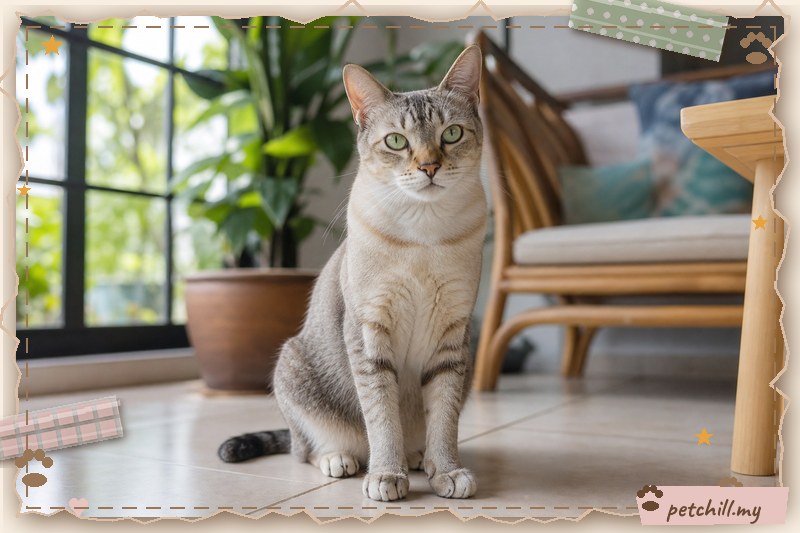
Most cat poisonings fall into a few groups: human foods, human medications, household cleaners, pest control products, plants, and essential oils. Knowing the list helps you spot risks you might otherwise overlook.

Toxic foods

  • Onion, garlic, chives and leeks damage red blood cells and can cause anaemia.
  • Chocolate and caffeine contain methylxanthines that cause vomiting, tremors and heart problems.
  • Alcohol and raw yeast dough can cause dangerous drops in blood sugar and bloating.
  • Grapes and raisins have been linked to kidney injury in pets.
  • Xylitol, a sweetener in sugar-free gum and some baked goods, can cause low blood sugar and liver damage.
  • Raw fish contains an enzyme that destroys thiamine (vitamin B1) and can cause neurological problems if fed regularly.
  • Salty snacks and processed meats can lead to salt poisoning or pancreatitis.

Human medications

Paracetamol, ibuprofen, aspirin, naproxen, antidepressants, ADHD medications, and even some cold and flu tablets are dangerous to cats. Cats are especially sensitive because they lack certain liver enzymes. Never give human medicine to a cat unless your vet has prescribed it and given you the dose.

Household chemicals

Bleach, drain cleaners, oven cleaners, disinfectants, laundry pods, and toilet bowl cleaners are all corrosive or irritating. Some disinfectants containing quaternary ammonium compounds or phenols are particularly toxic to cats. Even floor cleaners can poison a cat that walks on the wet floor and then grooms its paws.

Pest control

Rat and mouse baits, snail pellets, insect sprays, ant gel, and cockroach traps are common in Malaysian homes. Cats can eat the bait directly or eat a poisoned rodent. Some baits cause bleeding; others cause neurological signs. Always use tamper-resistant stations and keep pets away.

Plants

Lilies are the most dangerous. Easter lilies, tiger lilies, Asiatic lilies and day lilies can cause kidney failure in cats. Other risky plants include sago palm, oleander, tulips, daffodils, azaleas, and some philodendrons and pothos. If you are unsure about a plant, remove it or keep it strictly out of reach.

Essential oils

Tea tree, eucalyptus, peppermint, citrus, pine and wintergreen oils are toxic to cats. Diffusers, room sprays, and oil burners can expose cats through the air and through their skin. Cats groom oils off their fur, so even a small spill matters.
Know the common culprits

Room-by-room prevention checklist

Use this checklist to audit your home. Walk through each area with fresh eyes and ask, "Could a cat reach this?"

Kitchen

  • Store all food in closed containers or the fridge. Never leave onion, garlic or chocolate on the counter.
  • Keep rubbish bins with secure lids, especially if they contain bones, wrappers or coffee grounds.
  • Store cleaning products in a closed cabinet, not under the sink if the cabinet is easy to open.
  • Do not leave dishwashing pods or laundry pods on the counter.
  • Wipe up spills immediately, especially oil, antifreeze or cleaning fluids.
  • Keep cats off the stove and counters when cooking; use a screen or simply close the kitchen door.

Bathroom and laundry

  • Keep toilet lids down. Toilet bowl cleaner can be toxic, and small kittens can drown.
  • Store medications in a closed drawer or cabinet, ideally with a child lock.
  • Keep bleach, mould remover and drain cleaner in a locked cupboard.
  • Do not leave laundry pods in open baskets; cats may bat them around and bite them.
  • Check the washing machine and dryer before closing the door; cats like warm, enclosed spaces.

Living room and bedroom

  • Remove lilies and other toxic plants. If you receive a bouquet, check the flowers before bringing them inside.
  • Keep handbags and backpacks off the floor. They often contain gum, mints, medications and pens.
  • Store button batteries, coins and small toys out of reach; cats can swallow them.
  • Use covered power strips or cable tidies to prevent chewing.
  • Avoid oil diffusers and plug-in air fresheners in rooms the cat uses.

Balcony and garden

  • Check for snail pellets, rat bait and insect spray residue.
  • Remove toxic plants such as oleander, sago palm and lilies.
  • Keep cats indoors or use secure netting; this also prevents them from eating poisoned prey.
  • Store fertilisers, weed killers and pool chemicals in closed containers.
  • Be careful with compost; mouldy food can contain toxins.

Car porch and garage

  • Clean up antifreeze spills immediately. It tastes sweet to cats.
  • Store car fluids, paints and solvents in locked cabinets.
  • Check under the car and around the engine before starting it; cats seek warmth.
  • Keep rubbish bags sealed and out of reach.

A comparison table of common toxins

Toxin Common source Typical signs Prevention
Onion and garlic Soups, sauces, table scraps Weakness, pale gums, vomiting Never feed table scraps; store produce away
Chocolate Snacks, baking supplies Vomiting, tremors, fast heart rate Keep in closed containers
Paracetamol Medicine cabinet, handbags Brown gums, swelling, lethargy Lock medications away
Lilies Bouquets, garden plants Vomiting, drooling, kidney failure Do not keep lilies at home
Rat poison Baits, poisoned rodents Bleeding, weakness, seizures Use tamper-resistant stations
Bleach and disinfectants Cleaning cupboard Drooling, burns, vomiting Store in closed cabinet; rinse floors
Essential oils Diffusers, spills Drooling, wobbliness, breathing trouble Avoid diffusers; wipe spills
Antifreeze Car porch, garage Vomiting, wobbliness, thirst Clean spills immediately

A comparison table of common toxins

Safe storage and daily habits

Prevention is mostly about habits. Make these part of your routine:

  • Use closed storage. A cabinet with a latch is better than a shelf. Cats can open some doors with their paws.
  • Never leave medications on counters or bedside tables. Put them away immediately after use.
  • Keep handbags zipped and off the floor. Guests may not know your cat's habits.
  • Read labels. Products labelled "keep away from children and pets" should be treated as toxic.
  • Rinse floors after cleaning. A quick mop with clean water removes residue.
  • Check bouquets before bringing them in. Ask florists for cat-safe options.
  • Keep cats indoors or in a secure enclosure. This reduces exposure to poisoned prey, car fluids and garden chemicals.
  • Teach children not to share food or medicine with the cat.

What to do if you suspect poisoning

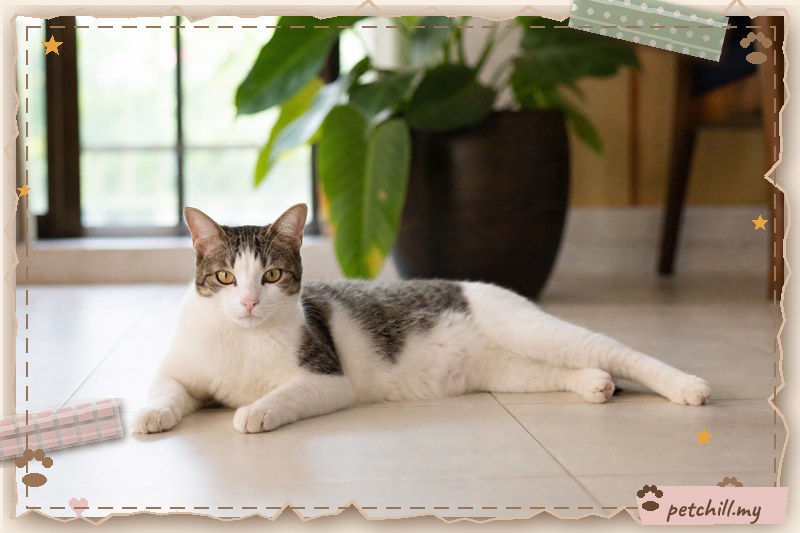
If you think your cat has eaten or touched something toxic, act quickly but calmly.

  1. Remove the cat from the source. Move it to a safe area and prevent further access.
  2. Do not induce vomiting unless a vet tells you to. Some corrosives cause more damage when vomited.
  3. Collect information. Note the product name, active ingredient, amount, and time of exposure. Keep the packaging.
  4. Call your veterinarian or an emergency clinic. Explain what happened and follow their instructions.
  5. Do not give home remedies such as milk, oil or salt water unless instructed.
  6. Bring the packaging or a photo of it to the clinic.

If your cat is having seizures, difficulty breathing, or is unconscious, go to the vet immediately.
What to do if you suspect poisoning

When to see a vet

See a vet immediately if you notice any of the following after possible exposure:

  • Vomiting, drooling or diarrhoea that does not stop
  • Tremors, seizures or wobbliness
  • Difficulty breathing or fast heart rate
  • Pale, brown or yellow gums
  • Weakness, collapse or unusual sleepiness
  • Burns around the mouth or on the paws
  • Swelling of the face or paws
  • Increased thirst and urination

Do not wait for symptoms to worsen. Early treatment improves outcomes, especially for lilies, antifreeze and rat poison.

Local context for Malaysian homes

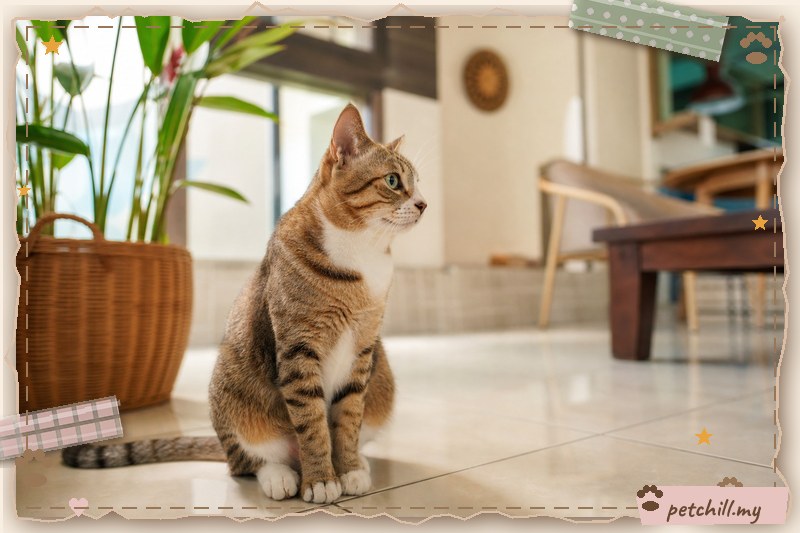
Malaysian homes often have open windows, ceiling fans and tiled floors. Cats may walk on freshly mopped floors and then groom their paws, so rinse well. In high-rise apartments, balconies can be tempting, but netting keeps cats safe from falls and from eating poisoned pests. In terrace houses, gardens may contain snail pellets or rat bait; check with your neighbour before using any bait. During rainy seasons, cats may shelter in garages or under cars, where antifreeze and oil spills are more likely. Always check before starting the engine.
Local context for Malaysian homes

Building a cat-safe home

Poisoning prevention is an ongoing process, not a one-time task. Recheck your home after holidays, moving house, or when guests visit. Keep a list of emergency contacts, including your regular vet and the nearest emergency clinic. Store it on the fridge or in your phone. If you have a habit of leaving things out, set reminders or use locked boxes. Your cat depends on you to keep its environment safe.

Vet disclaimer

This article is for general information only and does not replace professional veterinary advice. If you suspect your cat has been poisoned, contact a licensed veterinarian immediately. Do not induce vomiting or give any treatment without veterinary guidance.

Frequently Asked Questions

πŸ“Œ Key Takeaways

  • This article covers: Why poisoning prevention matters for Malaysian cats, Know the common culprits, Room-by-room prevention checklist, A comparison table of common toxins, Safe storage and daily habits, and more
  • Jump to any section via the table of contents for the key details
  • If in doubt, consult a registered veterinarian

Explore this topic cluster

This guide belongs to a Malaysia-focused topic cluster. Read the pillar guide and related articles.

View cluster β†’

πŸ“š Cat Health article index

This article is part of the Cat Health topic cluster. Explore related articles:

⭐ Pillar guide: Cat Health complete guideBlood Test for Cats in Malaysia: What It Checks, Costs and When You Need Oneβ†’ ReadBlood Test for Cats Step by Step: What Happens at the Clinicβ†’ ReadBlood Test for Cats: What to Expect (Malaysian Owner's Guide)β†’ ReadCat Constipation Treatment in Malaysia: A Practical Owner's Guideβ†’ ReadCat Dental Pain Treatment in Malaysia: A Practical Owner's Guideβ†’ ReadCat Diarrhea Treatment in Malaysia: A Practical Owner's Guideβ†’ ReadCat Ear Mites Treatment in Malaysia: A Complete Owner's Guideβ†’ ReadCat Eye Infection Treatment in Malaysia: A Practical Owner's Guideβ†’ ReadCat Fleas Treatment in Malaysia: A Practical Owner's Guideβ†’ ReadCat Hair Loss Treatment in Malaysia: A Practical Owner's Guideβ†’ ReadCat Licking Wounds: Why It Happens and How to Treat It in Malaysiaβ†’ ReadCat Poisoning Treatment in Malaysia: What to Do, What to Expect, and How to Prevent Itβ†’ ReadCat Ringworm Treatment in Malaysia: A Practical Owner's Guideβ†’ ReadCat Skin Fungus Treatment in Malaysia: A Practical Owner's Guideβ†’ ReadCat Sneezing Blood: Causes, Treatment and When to See a Vet in Malaysiaβ†’ ReadCat Vomiting Treatment in Malaysia: What to Do and When to See a Vetβ†’ ReadCat Weight Loss Treatment in Malaysia: A Practical Guide for Ownersβ†’ ReadCat Worms Treatment in Malaysia: A Practical Owner's Guideβ†’ ReadChocolate Poisoning and Cats in Malaysia: What Every Owner Should Knowβ†’ ReadConstipation in Cats: Causes, Care and When to See a Vet in Malaysiaβ†’ ReadConstipation in Cats in Malaysia: Causes, Signs and What to Doβ†’ ReadConstipation Prevention for Cats: A Practical Guide for Malaysian Ownersβ†’ ReadDental Pain in Cats: Causes, Signs and Care (Malaysia Guide)β†’ ReadDental Pain in Cats in Malaysia: Signs, Causes and What to Doβ†’ ReadDental Pain Prevention for Cats: A Practical Malaysian Guideβ†’ ReadDeworming Schedule for Cats in Malaysia: A Practical, Vet-Led Guideβ†’ ReadDeworming Schedule for Cats: A Step-by-Step Plan for Malaysian Ownersβ†’ ReadDeworming Schedule for Cats: What to Expect (Malaysia Guide)β†’ ReadDiarrhea in Cats: Causes and Care (Malaysian Owner's Guide)β†’ ReadDiarrhea in Cats in Malaysia: Causes, Home Care and When to See a Vetβ†’ ReadDiarrhea Prevention for Cats: A Practical Guide for Malaysian Ownersβ†’ ReadE-Collar Recovery for Cats in Malaysia: A Practical Guide for Ownersβ†’ ReadE-Collar Recovery for Cats Step by Step: A Practical Guide for Malaysian Ownersβ†’ ReadE-Collar Recovery for Cats: What to Expect (Malaysia Guide)β†’ ReadEar Mites in Cats: Causes and Care (Malaysia Guide)β†’ ReadEar Mites in Cats in Malaysia: Signs, Treatment and Preventionβ†’ ReadEar Mites Prevention for Cats: A Practical Malaysian Guideβ†’ ReadElectrical Cables and Cats in Malaysia: A Practical Safety Guideβ†’ ReadEye Infection in Cats: Causes and Care (Malaysia Guide)β†’ ReadEye Infection in Cats in Malaysia: Causes, Signs, Treatment & Preventionβ†’ ReadEye Infection Prevention for Cats: A Practical Malaysian Guideβ†’ ReadFans and Air Conditioning for Cats in Malaysia: A Practical Comfort Guideβ†’ ReadFlea Treatment for Cats in Malaysia: A Complete Guideβ†’ ReadFlea Treatment for Cats Step by Step: A Practical Malaysian Guideβ†’ ReadFlea Treatment for Cats: What to Expect (Malaysia Guide)β†’ ReadFleas in Cats: Causes and Care (Malaysia Guide)β†’ ReadFleas in Cats in Malaysia: Signs, Treatment and Preventionβ†’ ReadFleas Prevention for Cats in Malaysia: A Practical, Year-Round Planβ†’ ReadGiving Pills for Cats in Malaysia: A Stress-Free Step-by-Step Guideβ†’ ReadGiving Pills for Cats Step by Step: A Calm, Practical Guide for Malaysian Ownersβ†’ ReadGiving Pills for Cats: What to Expect (Malaysian Owner's Guide)β†’ ReadHair Loss in Cats: Causes and Care (Malaysian Owner's Guide)β†’ ReadHair Loss in Cats in Malaysia: Causes, Home Checks and When to See a Vetβ†’ ReadHair Loss Prevention for Cats: A Practical Grooming and Health Guideβ†’ ReadHousehold Cleaning Products and Cats in Malaysia: A Safety Guideβ†’ ReadHow to Prevent Chocolate Poisoning Around Cats: A Practical Guide for Malaysian Homesβ†’ ReadHow to Prevent Electrical Cables Around Cats: A Practical Safety Guide for Malaysian Homesβ†’ ReadHow to Prevent Fan and Aircond Problems Around Cats: A Malaysian Home Guideβ†’ ReadHow to Prevent Household Cleaning Products Around Cats: A Practical Safety Guide for Malaysian Homesβ†’ ReadHow to Prevent Lily Poisoning Around Cats: A Practical Safety Guide for Malaysian Homesβ†’ ReadHow to Prevent Open Windows Around Cats: A Practical Safety Guide for Malaysian Homesβ†’ ReadHow to Prevent Paracetamol Poisoning Around Cats: A Malaysian Safety Guideβ†’ ReadHow to Prevent Plastic Bags Around Cats: A Practical Safety Guide for Malaysian Homesβ†’ ReadHow to Treat Constipation in Cats at Home: A Practical Malaysian Guideβ†’ ReadHow to Treat Dental Pain in Cats at Home: Safe Relief and When to See a Vetβ†’ ReadHow to Treat Diarrhea in Cats at Home: A Practical Malaysian Guideβ†’ ReadHow to Treat Ear Mites in Cats at Home: A Practical Malaysian Guideβ†’ ReadHow to Treat Eye Infection in Cats at Home: Safe Steps for Malaysian Ownersβ†’ ReadHow to Treat Fleas in Cats at Home: A Practical Malaysian Guideβ†’ ReadHow to Treat Hair Loss in Cats at Home: A Practical Malaysian Guideβ†’ ReadHow to Treat Licking Wounds in Cats at Home: A Practical Guide for Malaysian Ownersβ†’ ReadHow to Treat Poisoning in Cats at Home: First Aid, Safe Steps and When to Rush to the Vetβ†’ ReadHow to Treat Ringworm in Cats at Home: A Practical Guide for Malaysian Ownersβ†’ ReadHow to Treat Skin Fungus in Cats at Home: A Practical Malaysian Guideβ†’ ReadHow to Treat Sneezing Blood in Cats at Home: Safe First Steps for Malaysian Ownersβ†’ ReadHow to Treat Vomiting in Cats at Home: A Practical Malaysian Guideβ†’ ReadHow to Treat Weight Loss in Cats at Home: A Practical Guide for Malaysian Ownersβ†’ ReadHow to Treat Worms in Cats at Home: A Practical, Safe Guide for Malaysian Ownersβ†’ ReadLicking Wounds in Cats: Causes and Care (Malaysian Vet Guide)β†’ ReadLicking Wounds in Cats Malaysia: When It's Normal and When to Stop Itβ†’ ReadLicking Wounds Prevention for Cats: How to Stop the Lick Cycle and Let Skin Healβ†’ ReadLily Poisoning and Cats in Malaysia: Why Every Petal Is an Emergencyβ†’ ReadOpen Windows and Cats in Malaysia: How to Keep Your Cat Safe Without Locking Up the Houseβ†’ ReadParacetamol Poisoning in Cats in Malaysia: Why Even One Tablet Can Be Deadlyβ†’ ReadPlastic Bags and Cats in Malaysia: Why They're Dangerous and How to Keep Your Cat Safeβ†’ ReadPoisoning in Cats: Causes, Symptoms and Care (Malaysia Guide)β†’ ReadPoisoning in Cats in Malaysia: Common Toxins, Signs and What to Doβ†’ ReadRingworm in Cats: Causes, Symptoms and Care (Malaysia Guide)β†’ ReadRingworm in Cats in Malaysia: Signs, Treatment and Preventionβ†’ ReadRingworm Prevention for Cats in Malaysia: A Practical, Vet-Informed Guideβ†’ ReadSigns of Constipation in Cats in Malaysia: What to Watch For and When to Actβ†’ ReadSigns of Dental Pain in Cats in Malaysia: What Owners Missβ†’ ReadSigns of Diarrhea in Cats in Malaysia: What's Normal, What's Notβ†’ ReadSigns of Ear Mites in Cats in Malaysia: How to Spot, Treat and Prevent Themβ†’ ReadSigns of Eye Infection in Cats in Malaysia: What Owners Should Look Forβ†’ ReadSigns of Fleas in Cats in Malaysia: How to Spot, Check and Actβ†’ ReadSigns of Hair Loss in Cats in Malaysia: What to Look For and When to Worryβ†’ ReadSigns of Licking Wounds in Cats Malaysia: How to Spot Problem Lickingβ†’ ReadSigns of Poisoning in Cats in Malaysia: What to Watch For and What to Doβ†’ ReadSigns of Ringworm in Cats in Malaysia: What Owners Should Look Forβ†’ ReadSigns of Skin Fungus in Cats in Malaysia: How to Spot Ringworm Earlyβ†’ ReadBlood in a Cat's Sneeze: Signs, Causes and What to Do in Malaysiaβ†’ ReadSigns of Vomiting in Cats in Malaysia: What's Normal, What's Not, and When to See a Vetβ†’ ReadSigns of Weight Loss in Cats in Malaysia: What to Watch For and When to Worryβ†’ ReadSigns of Worms in Cats in Malaysia: What Owners Should Look Forβ†’ ReadSkin Fungus in Cats: Causes, Signs and Care (Malaysia Guide)β†’ ReadSkin Fungus in Cats in Malaysia: Ringworm Signs, Treatment and Preventionβ†’ ReadSkin Fungus Prevention for Cats: A Practical Guide for Malaysian Homesβ†’ ReadSneezing Blood in Cats: Causes and Care (Malaysia Guide)β†’ ReadSneezing Blood in Cats in Malaysia: Causes, What to Do, and When to See a Vetβ†’ ReadSneezing Blood Prevention for Cats: Causes, Care and When to Worryβ†’ ReadSterilization for Cats in Malaysia: A Complete Guide for Ownersβ†’ ReadSterilization for Cats Step by Step: A Malaysian Owner's Guideβ†’ ReadSterilisation for Cats: What to Expect (Malaysian Owner's Guide)β†’ ReadUltrasound for Cats in Malaysia: What It Is, When It's Needed, and What to Expectβ†’ ReadUltrasound for Cats Step by Step: What Happens, What It Costs, and How to Prepareβ†’ ReadUltrasound for Cats: What to Expect (Malaysian Owner's Guide)β†’ ReadVaccination Side Effects for Cats in Malaysia: What's Normal, What's Notβ†’ ReadVaccination Side Effects for Cats: A Step-by-Step Guide for Malaysian Ownersβ†’ ReadCat Vaccination Side Effects: What Malaysian Owners Should Expectβ†’ ReadVomiting in Cats: Causes and Care (Malaysia Guide)β†’ ReadVomiting in Cats in Malaysia: When It's Normal and When to Worryβ†’ ReadVomiting Prevention for Cats: A Practical Guide for Malaysian Ownersβ†’ ReadWeight Loss in Cats: Causes and Care (Malaysian Vet Guide)β†’ ReadWeight Loss in Cats in Malaysia: Causes, Warning Signs and What to Doβ†’ ReadWeight Loss Prevention for Cats: A Practical Malaysian Guideβ†’ ReadWorms in Cats: Causes and Care (Malaysia Vet Guide)β†’ ReadWorms in Cats in Malaysia: A Practical Owner's Guideβ†’ ReadWorms Prevention for Cats in Malaysia: A Complete Guideβ†’ ReadWound Care for Cats in Malaysia: A Practical Owner's Guideβ†’ ReadWound Care for Cats Step by Step: A Practical Malaysian Guideβ†’ ReadWound Care for Cats: What to Expect, Step by Stepβ†’ ReadX-Ray for Cats in Malaysia: What to Expect, Costs and Safetyβ†’ ReadX-Ray for Cats Step by Step: What Malaysian Owners Should Expectβ†’ ReadX-Ray for Cats: What to Expect (Malaysian Owner's Guide)β†’ ReadArthritis Pet Care in Malaysia: A Practical Guide for Cats and Dogsβ†’ ReadCat Arthritis in Malaysia: 5 Home Signs Your Cat Is in Pain β€” and What to Doβ†’ ReadEarly Signs of Chronic Disease in Cats: 7 Daily Checks and a 4-Week Record Sheetβ†’ ReadCat Chronic Kidney Disease in Malaysia: The Daily Care Routine That Actually Slows It Downβ†’ ReadCat Constipation in Malaysia: The 48-Hour Rule, Red Flags and What Actually Helpsβ†’ ReadCat Dehydration in Malaysia: Home Skin-Turgor Test, 7 Causes and Emergency Signsβ†’ ReadCat Heart Disease in Malaysia: Sleep Breathing Count, HCM Early Signs and When to Rush to the Vetβ†’ ReadCat Kidney Disease in Malaysia: Early Signs, Prevention and Everyday Careβ†’ ReadCat Pancreatitis in Malaysia: Symptoms, fPLI Testing, Treatment and Home Recoveryβ†’ ReadCat Ringworm in Malaysia: Signs, Treatment and Home Cleaning Guideβ†’ ReadCat Symptom Checker Malaysia: 12 Common Signs and a Green-Amber-Red Triage Tableβ†’ ReadPet Deworming in Malaysia: How Often to Worm Your Cat or Dogβ†’ ReadPet Gut Health in Malaysia: Probiotics, Food Transitions and Stool Troubles (Part 2)β†’ ReadCat Gut Health: Probiotics, Antibiotics and Food Transitions Explained (Malaysia)β†’ ReadPet Health Malaysia 2026: Common Cat and Dog Illnesses, Prevention Care and Vet Guidanceβ†’ ReadPet Insurance in Malaysia: How to Compare Plans Before You Signβ†’ ReadPet Poisoning at Home: Household Chemicals, Toxic Plants and When Not to Induce Vomiting (Malaysia)β†’ ReadPet Poisoning at Home: Household Chemicals, Insecticides and Toxic Plants (Malaysia, Part 1)β†’ ReadCat Chronic Disease Early Signs in Malaysia: 7 Daily Checks and a 4-Week Logβ†’ ReadCat Health Guide Malaysia: Symptom Check, Red-Flag Triage & When to See a Vetβ†’ ReadCat Ringworm in Malaysia: Symptoms, Treatment and Home Cleaning Guideβ†’ ReadGut Health, Probiotics & Food Transition Part 2: Practical Malaysia Guideβ†’ ReadPet Health in Malaysia: A Practical Prevention Guide for Cats and Dogsβ†’ Read

Related products at PetChill