
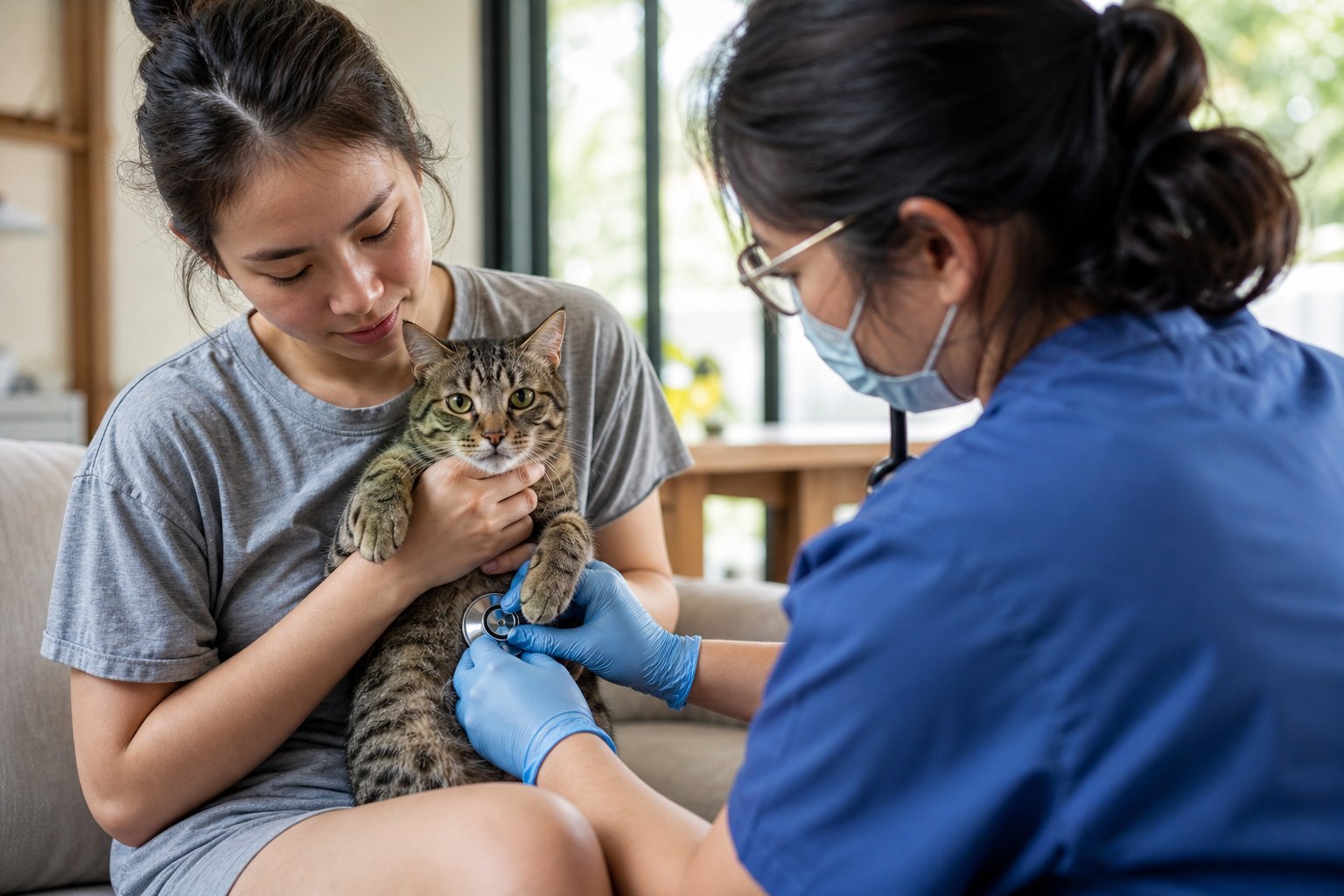
PetChill Pet Encyclopedia
Cat Health

How to Treat Constipation in Cats at Home: A Practical Malaysian Guide

A practical, vet-informed guide to helping a constipated cat at home in Malaysia, including hydration, fibre, diet, grooming, litter tray habits and the red flags that need a vet.

Published: 2026-11-06Β·9 min readΒ·Author: PetChill Editorial
How to Treat Constipation in Cats at Home: A Practical Malaysian Guide

πŸ’‘ Quick Answer

Mild constipation in cats can often be eased at home with more water, wet food, gentle exercise, extra grooming and a clean, quiet litter tray. Never give human laxatives or enemas. If your cat has not passed stool for 48 hours, is straining painfully, vomiting or off food, see a vet promptly.

The short answer

Mild constipation in cats can often be eased at home with more water, wet food, gentle exercise, extra grooming and a clean, quiet litter tray. Never give human laxatives or enemas. If your cat has not passed stool for 48 hours, is straining painfully, vomiting or off food, see a vet promptly.

Constipation is one of the most common digestive complaints in cats, and it is also one of the most rewarding to manage early. The goal at home is simple: soften the stool, keep the gut moving, and remove the everyday triggers that make a cat hold on. This guide walks through what you can safely do yourself, what to avoid, and when home care should stop and a vet should take over.

What counts as constipation in cats?

Constipation is when a cat passes hard, dry, small or infrequent stools, or strains with little result. A healthy cat usually produces a firm but not rock-hard stool roughly once a day, though some cats go every other day. What matters is your cat's normal pattern, not a textbook number.

Watch for these signs:

  • Small, dry, pellet-like stools
  • Straining in the litter tray with little or nothing produced
  • Crying or vocalising while passing stool
  • Spending a long time in the tray
  • Reduced appetite or low energy
  • Vomiting, especially after straining
  • Avoiding the litter tray altogether
  • Scuffing the floor or passing stool outside the tray

If a cat strains and produces nothing at all, that is different from constipation and can signal a urinary blockage, especially in male cats. That is an emergency. A male cat who is repeatedly visiting the tray, squatting with no urine, or crying should be seen immediately.
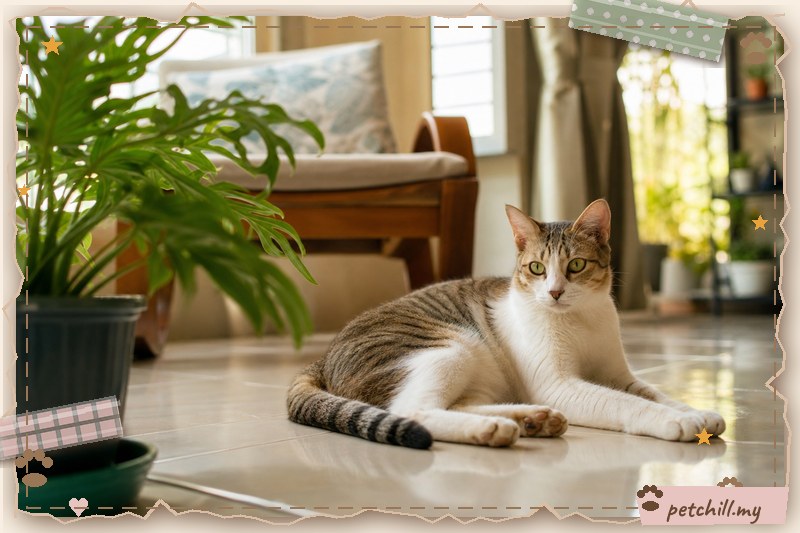
What counts as constipation in cats?

Why cats get constipated

Understanding the cause makes home treatment far more effective. Common contributors include:

Low water intake. Cats evolved from desert-dwelling ancestors and have a naturally weak thirst drive. A cat eating only dry food may run on the edge of dehydration, and the colon responds by pulling more water out of the stool.

Diet and hair. A diet low in moisture or digestible fibre, plus swallowed hair from grooming, can slow things down. Long-haired cats and heavy groomers are especially prone to hairball-related constipation.

Stress and litter tray problems. A dirty tray, a tray in a noisy spot, a new pet, renovation work or a move can all make a cat hold stool. Cats are fastidious, and some will simply wait rather than use a tray they dislike.

Age and mobility. Older cats may have arthritis that makes squatting uncomfortable, weaker gut motility, or dental pain that reduces eating and drinking.

Obesity and inactivity. Overweight cats move less and are more likely to become constipated.

Underlying medical issues. Dehydration from kidney disease, thyroid problems, neurological conditions, pelvic narrowing after injury, and some medications can all contribute. These need veterinary diagnosis, not guesswork.

Step 1: Increase water intake

Hydration is the single most useful lever you have at home. A well-hydrated cat produces softer stool.

Practical ways to raise water intake:

  • Switch part of the diet to wet food. Even mixing a spoonful of wet food into dry food adds moisture. If your cat is on dry food only, a gradual transition is kinder to the gut.
  • Add warm water to food. A tablespoon or two of warm (not hot) water mixed into meals is an easy start. Some cats prefer a little low-salt broth, but check with your vet first.
  • Offer multiple water bowls. Place bowls in several quiet spots, away from food and litter trays. Cats often drink more when water is not next to their food.
  • Try a pet fountain. Many cats prefer running water. Clean fountains regularly, as biofilm builds up quickly in a warm climate.
  • Refresh bowls daily. Stale water puts cats off, and in Malaysian humidity bowls can develop a film fast.
  • Wide, shallow bowls. Some cats dislike their whiskers touching the sides of a narrow bowl.

Do not restrict water to force a cat to drink more at set times. Free access to fresh water is always the right approach.
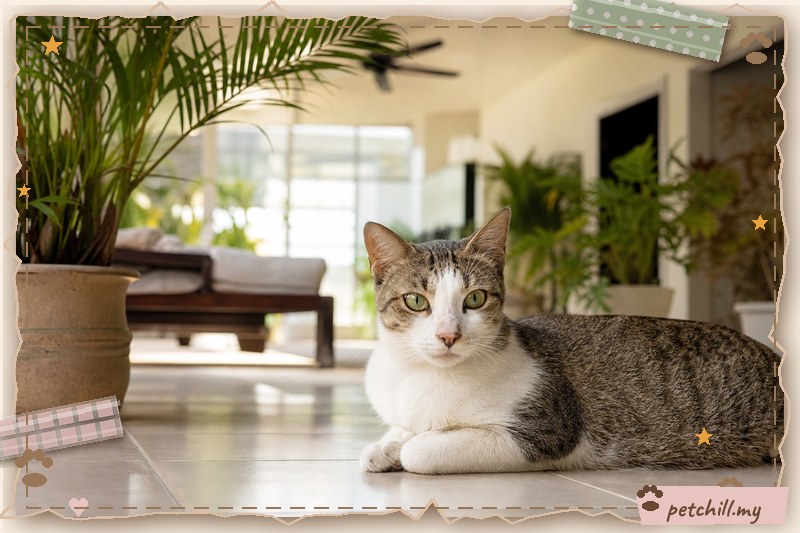
Step 1: Increase water intake

Step 2: Adjust fibre carefully

Fibre is helpful, but the type and amount matter. There are two broad kinds:

  • Soluble fibre absorbs water and forms a gel, softening stool. Examples include plain cooked pumpkin, psyllium and some oat-based products.
  • Insoluble fibre adds bulk and stimulates the gut wall. Too much can worsen constipation in a dehydrated cat, so it is not a universal fix.

A common home approach is a small amount of plain cooked or canned pumpkin (no sugar, spice or salt), introduced gradually over several days. Start with a teaspoon for a small cat and watch the litter tray for the next 24 to 48 hours.

Some owners use a vet-recommended fibre supplement. Only use products formulated for cats, and only at the dose your vet advises. Human fibre powders are not automatically safe, and some contain sweeteners or additives that upset cats.

Home strategy What it does Cautions
Wet food or added warm water Raises moisture in stool Transition gradually to avoid diarrhoea
Plain cooked pumpkin Soluble fibre, softens stool Small amounts only; no sugar or spice
Vet-approved fibre supplement Adds bulk or gel-forming fibre Dose must come from your vet
Pet fountain and extra bowls Encourages drinking Clean regularly in warm weather
Daily grooming Reduces swallowed hair Use a suitable brush for coat type
Play and gentle exercise Stimulates gut movement Short, frequent sessions suit cats
Clean, quiet litter trays Reduces holding behaviour One tray per cat plus one extra

Step 3: Manage hairballs and grooming

Hair is a common and often overlooked cause. Cats spend hours grooming, and the hair they swallow normally passes through. When gut movement slows, hair can clump and contribute to hard stools.

  • Brush your cat daily, especially long-haired breeds and during shedding season.
  • Use a brush suited to the coat, and be gentle around the belly and hindquarters.
  • If hairballs are frequent, ask your vet about a cat-specific hairball product rather than reaching for human remedies.
  • Keep up grooming even in short-haired cats, as loose hair still gets swallowed.
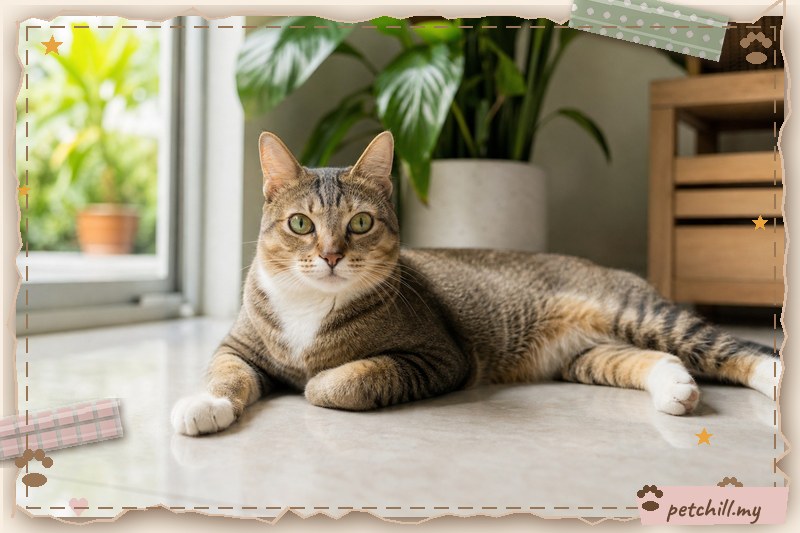
Step 3: Manage hairballs and grooming

Step 4: Fix the litter tray setup

A surprising number of constipation cases improve simply by making the toilet more appealing.

  • One tray per cat, plus one extra. Two cats means three trays.
  • Scoop at least once daily, and do a full wash weekly with unscented soap and water.
  • Choose a quiet, low-traffic spot away from noisy appliances and busy doorways.
  • Avoid covered trays if your cat seems reluctant. Some cats feel trapped.
  • Use a litter your cat likes. Sudden changes in litter type can cause holding.
  • Make sure the tray is easy to enter. Senior cats with arthritis may struggle with high sides.

In a Kuala Lumpur apartment, trays often end up in a bathroom or balcony. Check that the spot is not next to a noisy washing machine or a hot, humid corner where the cat avoids lingering.

Step 5: Encourage movement and routine

Gentle activity helps move the gut. Short play sessions with a wand toy, a few minutes of chasing, or simply encouraging your cat to walk around the home can help. For older or arthritic cats, soft bedding, ramps and easy access to food, water and the tray reduce the effort of daily life.

Keep routines predictable. Feed at similar times, keep the tray in the same place, and avoid sudden changes during stressful periods. If you are renovating or moving, set up a quiet room with the cat's essentials first.
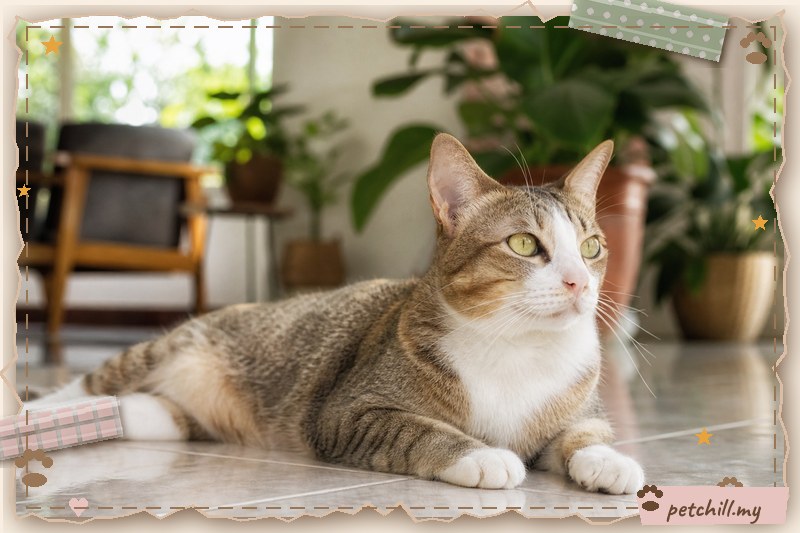
Step 5: Encourage movement and routine

Step 6: Know what NOT to do

This is the most important section in this guide.

  • Never give human laxatives. Products containing stimulant laxatives, senna, bisacodyl or magnesium salts can cause serious harm to cats.
  • Never give a human enema. Enemas designed for people can cause severe electrolyte disturbances and even death in cats.
  • Do not use suppositories unless a vet has specifically instructed you.
  • Do not force fluids by mouth with a syringe unless your vet has shown you how and given a volume.
  • Do not withhold food to "reset" the gut. Cats that stop eating can develop serious liver problems.
  • Do not give mineral oil or paraffin by mouth as a home remedy. If aspirated, it can cause pneumonia.
  • Do not delay a vet visit because home remedies seem to be working slowly.

If you are unsure whether a product is safe, call your vet before giving it. That call is always cheaper and safer than treating a complication.

Home care vs vet care: a comparison

Situation Home care appropriate? What to do
Occasional hard stool, cat bright and eating Yes Increase water, wet food, grooming, tray hygiene
Straining but passing small stools daily Yes, with monitoring Home steps plus a vet call if no improvement in 2 to 3 days
No stool for 48 hours No Contact a vet
Straining with nothing produced, especially a male cat No Emergency vet visit
Vomiting, off food, lethargic No Vet visit same day
Blood in stool or on the tray No Vet visit
Repeated bouts over weeks No Vet check for underlying causes

When to see a vet

Contact a vet promptly if any of the following apply:

  • Your cat has not passed stool for more than 48 hours.
  • Your cat is straining and producing nothing, or crying in pain.
  • There is vomiting, especially repeated vomiting.
  • Your cat refuses food or seems weak or withdrawn.
  • You see blood or mucus in the stool.
  • The abdomen looks swollen or feels hard.
  • Your cat is a male straining to urinate, which is an emergency.
  • Constipation keeps coming back despite home changes.
  • Your cat is elderly, has kidney disease, or is on medication that affects gut motility.

A vet can check for dehydration, feel the abdomen, and rule out obstruction or other serious causes. They may recommend prescription diets, stool softeners, motility support or, in severe cases, careful removal of impacted stool. Never attempt that at home.

A simple daily checklist

Use this as a quick routine while your cat is recovering:

  1. Fresh water in clean bowls, plus a fountain if you have one.
  2. Wet food or water added to meals.
  3. A small, gradual fibre addition if your vet agrees.
  4. Two to five minutes of gentle play.
  5. A quick brush, especially for long-haired cats.
  6. Scoop the tray and check the stool shape.
  7. Note the date of the last stool.
  8. Watch appetite, energy and behaviour.

Keep a short log for a week. Patterns are easier to spot on paper, and your vet will appreciate the detail.

Living with a constipated cat in Malaysia

Malaysia's warm, humid climate affects hydration and litter hygiene. Water bowls can develop a film quickly, and litter can clump or smell faster than in cooler places. In a Penang terrace house, trays may sit in a warm utility area, so check that the spot stays ventilated and is not too hot for your cat to use comfortably. During the rainy season, some cats drink less and stay indoors more, so wet food and play become even more useful.

In a Johor terrace house with multiple cats, tray competition is a common hidden cause. Adding an extra tray in a different room often solves a problem that supplements cannot. In smaller Kuala Lumpur apartments, space is tight, so choose quiet corners and keep trays away from the kitchen and noisy appliances.

Local prices for food, litter and supplements vary widely, so ask your Malaysian vet or retailer for suitable options rather than relying on overseas pricing.

Preventing constipation long term

  • Feed a moisture-rich diet where possible.
  • Keep weight in a healthy range.
  • Provide daily play and enrichment.
  • Groom regularly.
  • Keep trays clean, plentiful and private.
  • Schedule routine vet checks, especially for senior cats.
  • Address stress early when routines change.
  • Follow your vet's advice if your cat has a chronic condition.

Final word

Most mild constipation responds well to better hydration, sensible fibre, grooming and a comfortable toilet setup. The key is to act early, avoid human medicines entirely, and know when to hand over to a vet. If in doubt, call your vet. A quick conversation is far better than a late-night emergency.

This article is general information only and is not a substitute for veterinary advice. Always consult a licensed veterinarian about your cat's health, diet and treatment.

Frequently Asked Questions

πŸ“Œ Key Takeaways

  • This article covers: The short answer, What counts as constipation in cats?, Why cats get constipated, Step 1: Increase water intake, Step 2: Adjust fibre carefully, and more
  • Jump to any section via the table of contents for the key details
  • If in doubt, consult a registered veterinarian

Explore this topic cluster

This guide belongs to a Malaysia-focused topic cluster. Read the pillar guide and related articles.

View cluster β†’

πŸ“š Cat Health article index

This article is part of the Cat Health topic cluster. Explore related articles:

⭐ Pillar guide: Cat Health complete guideBlood Test for Cats in Malaysia: What It Checks, Costs and When You Need Oneβ†’ ReadBlood Test for Cats Step by Step: What Happens at the Clinicβ†’ ReadBlood Test for Cats: What to Expect (Malaysian Owner's Guide)β†’ ReadCat Constipation Treatment in Malaysia: A Practical Owner's Guideβ†’ ReadCat Dental Pain Treatment in Malaysia: A Practical Owner's Guideβ†’ ReadCat Diarrhea Treatment in Malaysia: A Practical Owner's Guideβ†’ ReadCat Ear Mites Treatment in Malaysia: A Complete Owner's Guideβ†’ ReadCat Eye Infection Treatment in Malaysia: A Practical Owner's Guideβ†’ ReadCat Fleas Treatment in Malaysia: A Practical Owner's Guideβ†’ ReadCat Hair Loss Treatment in Malaysia: A Practical Owner's Guideβ†’ ReadCat Licking Wounds: Why It Happens and How to Treat It in Malaysiaβ†’ ReadCat Poisoning Treatment in Malaysia: What to Do, What to Expect, and How to Prevent Itβ†’ ReadCat Ringworm Treatment in Malaysia: A Practical Owner's Guideβ†’ ReadCat Skin Fungus Treatment in Malaysia: A Practical Owner's Guideβ†’ ReadCat Sneezing Blood: Causes, Treatment and When to See a Vet in Malaysiaβ†’ ReadCat Vomiting Treatment in Malaysia: What to Do and When to See a Vetβ†’ ReadCat Weight Loss Treatment in Malaysia: A Practical Guide for Ownersβ†’ ReadCat Worms Treatment in Malaysia: A Practical Owner's Guideβ†’ ReadChocolate Poisoning and Cats in Malaysia: What Every Owner Should Knowβ†’ ReadConstipation in Cats: Causes, Care and When to See a Vet in Malaysiaβ†’ ReadConstipation in Cats in Malaysia: Causes, Signs and What to Doβ†’ ReadConstipation Prevention for Cats: A Practical Guide for Malaysian Ownersβ†’ ReadDental Pain in Cats: Causes, Signs and Care (Malaysia Guide)β†’ ReadDental Pain in Cats in Malaysia: Signs, Causes and What to Doβ†’ ReadDental Pain Prevention for Cats: A Practical Malaysian Guideβ†’ ReadDeworming Schedule for Cats in Malaysia: A Practical, Vet-Led Guideβ†’ ReadDeworming Schedule for Cats: A Step-by-Step Plan for Malaysian Ownersβ†’ ReadDeworming Schedule for Cats: What to Expect (Malaysia Guide)β†’ ReadDiarrhea in Cats: Causes and Care (Malaysian Owner's Guide)β†’ ReadDiarrhea in Cats in Malaysia: Causes, Home Care and When to See a Vetβ†’ ReadDiarrhea Prevention for Cats: A Practical Guide for Malaysian Ownersβ†’ ReadE-Collar Recovery for Cats in Malaysia: A Practical Guide for Ownersβ†’ ReadE-Collar Recovery for Cats Step by Step: A Practical Guide for Malaysian Ownersβ†’ ReadE-Collar Recovery for Cats: What to Expect (Malaysia Guide)β†’ ReadEar Mites in Cats: Causes and Care (Malaysia Guide)β†’ ReadEar Mites in Cats in Malaysia: Signs, Treatment and Preventionβ†’ ReadEar Mites Prevention for Cats: A Practical Malaysian Guideβ†’ ReadElectrical Cables and Cats in Malaysia: A Practical Safety Guideβ†’ ReadEye Infection in Cats: Causes and Care (Malaysia Guide)β†’ ReadEye Infection in Cats in Malaysia: Causes, Signs, Treatment & Preventionβ†’ ReadEye Infection Prevention for Cats: A Practical Malaysian Guideβ†’ ReadFans and Air Conditioning for Cats in Malaysia: A Practical Comfort Guideβ†’ ReadFlea Treatment for Cats in Malaysia: A Complete Guideβ†’ ReadFlea Treatment for Cats Step by Step: A Practical Malaysian Guideβ†’ ReadFlea Treatment for Cats: What to Expect (Malaysia Guide)β†’ ReadFleas in Cats: Causes and Care (Malaysia Guide)β†’ ReadFleas in Cats in Malaysia: Signs, Treatment and Preventionβ†’ ReadFleas Prevention for Cats in Malaysia: A Practical, Year-Round Planβ†’ ReadGiving Pills for Cats in Malaysia: A Stress-Free Step-by-Step Guideβ†’ ReadGiving Pills for Cats Step by Step: A Calm, Practical Guide for Malaysian Ownersβ†’ ReadGiving Pills for Cats: What to Expect (Malaysian Owner's Guide)β†’ ReadHair Loss in Cats: Causes and Care (Malaysian Owner's Guide)β†’ ReadHair Loss in Cats in Malaysia: Causes, Home Checks and When to See a Vetβ†’ ReadHair Loss Prevention for Cats: A Practical Grooming and Health Guideβ†’ ReadHousehold Cleaning Products and Cats in Malaysia: A Safety Guideβ†’ ReadHow to Prevent Chocolate Poisoning Around Cats: A Practical Guide for Malaysian Homesβ†’ ReadHow to Prevent Electrical Cables Around Cats: A Practical Safety Guide for Malaysian Homesβ†’ ReadHow to Prevent Fan and Aircond Problems Around Cats: A Malaysian Home Guideβ†’ ReadHow to Prevent Household Cleaning Products Around Cats: A Practical Safety Guide for Malaysian Homesβ†’ ReadHow to Prevent Lily Poisoning Around Cats: A Practical Safety Guide for Malaysian Homesβ†’ ReadHow to Prevent Open Windows Around Cats: A Practical Safety Guide for Malaysian Homesβ†’ ReadHow to Prevent Paracetamol Poisoning Around Cats: A Malaysian Safety Guideβ†’ ReadHow to Prevent Plastic Bags Around Cats: A Practical Safety Guide for Malaysian Homesβ†’ ReadHow to Treat Dental Pain in Cats at Home: Safe Relief and When to See a Vetβ†’ ReadHow to Treat Diarrhea in Cats at Home: A Practical Malaysian Guideβ†’ ReadHow to Treat Ear Mites in Cats at Home: A Practical Malaysian Guideβ†’ ReadHow to Treat Eye Infection in Cats at Home: Safe Steps for Malaysian Ownersβ†’ ReadHow to Treat Fleas in Cats at Home: A Practical Malaysian Guideβ†’ ReadHow to Treat Hair Loss in Cats at Home: A Practical Malaysian Guideβ†’ ReadHow to Treat Licking Wounds in Cats at Home: A Practical Guide for Malaysian Ownersβ†’ ReadHow to Treat Poisoning in Cats at Home: First Aid, Safe Steps and When to Rush to the Vetβ†’ ReadHow to Treat Ringworm in Cats at Home: A Practical Guide for Malaysian Ownersβ†’ ReadHow to Treat Skin Fungus in Cats at Home: A Practical Malaysian Guideβ†’ ReadHow to Treat Sneezing Blood in Cats at Home: Safe First Steps for Malaysian Ownersβ†’ ReadHow to Treat Vomiting in Cats at Home: A Practical Malaysian Guideβ†’ ReadHow to Treat Weight Loss in Cats at Home: A Practical Guide for Malaysian Ownersβ†’ ReadHow to Treat Worms in Cats at Home: A Practical, Safe Guide for Malaysian Ownersβ†’ ReadLicking Wounds in Cats: Causes and Care (Malaysian Vet Guide)β†’ ReadLicking Wounds in Cats Malaysia: When It's Normal and When to Stop Itβ†’ ReadLicking Wounds Prevention for Cats: How to Stop the Lick Cycle and Let Skin Healβ†’ ReadLily Poisoning and Cats in Malaysia: Why Every Petal Is an Emergencyβ†’ ReadOpen Windows and Cats in Malaysia: How to Keep Your Cat Safe Without Locking Up the Houseβ†’ ReadParacetamol Poisoning in Cats in Malaysia: Why Even One Tablet Can Be Deadlyβ†’ ReadPlastic Bags and Cats in Malaysia: Why They're Dangerous and How to Keep Your Cat Safeβ†’ ReadPoisoning in Cats: Causes, Symptoms and Care (Malaysia Guide)β†’ ReadPoisoning in Cats in Malaysia: Common Toxins, Signs and What to Doβ†’ ReadPoisoning Prevention for Cats in Malaysia: A Room-by-Room Safety Guideβ†’ ReadRingworm in Cats: Causes, Symptoms and Care (Malaysia Guide)β†’ ReadRingworm in Cats in Malaysia: Signs, Treatment and Preventionβ†’ ReadRingworm Prevention for Cats in Malaysia: A Practical, Vet-Informed Guideβ†’ ReadSigns of Constipation in Cats in Malaysia: What to Watch For and When to Actβ†’ ReadSigns of Dental Pain in Cats in Malaysia: What Owners Missβ†’ ReadSigns of Diarrhea in Cats in Malaysia: What's Normal, What's Notβ†’ ReadSigns of Ear Mites in Cats in Malaysia: How to Spot, Treat and Prevent Themβ†’ ReadSigns of Eye Infection in Cats in Malaysia: What Owners Should Look Forβ†’ ReadSigns of Fleas in Cats in Malaysia: How to Spot, Check and Actβ†’ ReadSigns of Hair Loss in Cats in Malaysia: What to Look For and When to Worryβ†’ ReadSigns of Licking Wounds in Cats Malaysia: How to Spot Problem Lickingβ†’ ReadSigns of Poisoning in Cats in Malaysia: What to Watch For and What to Doβ†’ ReadSigns of Ringworm in Cats in Malaysia: What Owners Should Look Forβ†’ ReadSigns of Skin Fungus in Cats in Malaysia: How to Spot Ringworm Earlyβ†’ ReadBlood in a Cat's Sneeze: Signs, Causes and What to Do in Malaysiaβ†’ ReadSigns of Vomiting in Cats in Malaysia: What's Normal, What's Not, and When to See a Vetβ†’ ReadSigns of Weight Loss in Cats in Malaysia: What to Watch For and When to Worryβ†’ ReadSigns of Worms in Cats in Malaysia: What Owners Should Look Forβ†’ ReadSkin Fungus in Cats: Causes, Signs and Care (Malaysia Guide)β†’ ReadSkin Fungus in Cats in Malaysia: Ringworm Signs, Treatment and Preventionβ†’ ReadSkin Fungus Prevention for Cats: A Practical Guide for Malaysian Homesβ†’ ReadSneezing Blood in Cats: Causes and Care (Malaysia Guide)β†’ ReadSneezing Blood in Cats in Malaysia: Causes, What to Do, and When to See a Vetβ†’ ReadSneezing Blood Prevention for Cats: Causes, Care and When to Worryβ†’ ReadSterilization for Cats in Malaysia: A Complete Guide for Ownersβ†’ ReadSterilization for Cats Step by Step: A Malaysian Owner's Guideβ†’ ReadSterilisation for Cats: What to Expect (Malaysian Owner's Guide)β†’ ReadUltrasound for Cats in Malaysia: What It Is, When It's Needed, and What to Expectβ†’ ReadUltrasound for Cats Step by Step: What Happens, What It Costs, and How to Prepareβ†’ ReadUltrasound for Cats: What to Expect (Malaysian Owner's Guide)β†’ ReadVaccination Side Effects for Cats in Malaysia: What's Normal, What's Notβ†’ ReadVaccination Side Effects for Cats: A Step-by-Step Guide for Malaysian Ownersβ†’ ReadCat Vaccination Side Effects: What Malaysian Owners Should Expectβ†’ ReadVomiting in Cats: Causes and Care (Malaysia Guide)β†’ ReadVomiting in Cats in Malaysia: When It's Normal and When to Worryβ†’ ReadVomiting Prevention for Cats: A Practical Guide for Malaysian Ownersβ†’ ReadWeight Loss in Cats: Causes and Care (Malaysian Vet Guide)β†’ ReadWeight Loss in Cats in Malaysia: Causes, Warning Signs and What to Doβ†’ ReadWeight Loss Prevention for Cats: A Practical Malaysian Guideβ†’ ReadWorms in Cats: Causes and Care (Malaysia Vet Guide)β†’ ReadWorms in Cats in Malaysia: A Practical Owner's Guideβ†’ ReadWorms Prevention for Cats in Malaysia: A Complete Guideβ†’ ReadWound Care for Cats in Malaysia: A Practical Owner's Guideβ†’ ReadWound Care for Cats Step by Step: A Practical Malaysian Guideβ†’ ReadWound Care for Cats: What to Expect, Step by Stepβ†’ ReadX-Ray for Cats in Malaysia: What to Expect, Costs and Safetyβ†’ ReadX-Ray for Cats Step by Step: What Malaysian Owners Should Expectβ†’ ReadX-Ray for Cats: What to Expect (Malaysian Owner's Guide)β†’ ReadArthritis Pet Care in Malaysia: A Practical Guide for Cats and Dogsβ†’ ReadCat Arthritis in Malaysia: 5 Home Signs Your Cat Is in Pain β€” and What to Doβ†’ ReadEarly Signs of Chronic Disease in Cats: 7 Daily Checks and a 4-Week Record Sheetβ†’ ReadCat Chronic Kidney Disease in Malaysia: The Daily Care Routine That Actually Slows It Downβ†’ ReadCat Constipation in Malaysia: The 48-Hour Rule, Red Flags and What Actually Helpsβ†’ ReadCat Dehydration in Malaysia: Home Skin-Turgor Test, 7 Causes and Emergency Signsβ†’ ReadCat Heart Disease in Malaysia: Sleep Breathing Count, HCM Early Signs and When to Rush to the Vetβ†’ ReadCat Kidney Disease in Malaysia: Early Signs, Prevention and Everyday Careβ†’ ReadCat Pancreatitis in Malaysia: Symptoms, fPLI Testing, Treatment and Home Recoveryβ†’ ReadCat Ringworm in Malaysia: Signs, Treatment and Home Cleaning Guideβ†’ ReadCat Symptom Checker Malaysia: 12 Common Signs and a Green-Amber-Red Triage Tableβ†’ ReadPet Deworming in Malaysia: How Often to Worm Your Cat or Dogβ†’ ReadPet Gut Health in Malaysia: Probiotics, Food Transitions and Stool Troubles (Part 2)β†’ ReadCat Gut Health: Probiotics, Antibiotics and Food Transitions Explained (Malaysia)β†’ ReadPet Health Malaysia 2026: Common Cat and Dog Illnesses, Prevention Care and Vet Guidanceβ†’ ReadPet Insurance in Malaysia: How to Compare Plans Before You Signβ†’ ReadPet Poisoning at Home: Household Chemicals, Toxic Plants and When Not to Induce Vomiting (Malaysia)β†’ ReadPet Poisoning at Home: Household Chemicals, Insecticides and Toxic Plants (Malaysia, Part 1)β†’ ReadCat Chronic Disease Early Signs in Malaysia: 7 Daily Checks and a 4-Week Logβ†’ ReadCat Health Guide Malaysia: Symptom Check, Red-Flag Triage & When to See a Vetβ†’ ReadCat Ringworm in Malaysia: Symptoms, Treatment and Home Cleaning Guideβ†’ ReadGut Health, Probiotics & Food Transition Part 2: Practical Malaysia Guideβ†’ ReadPet Health in Malaysia: A Practical Prevention Guide for Cats and Dogsβ†’ Read

Related products at PetChill

