
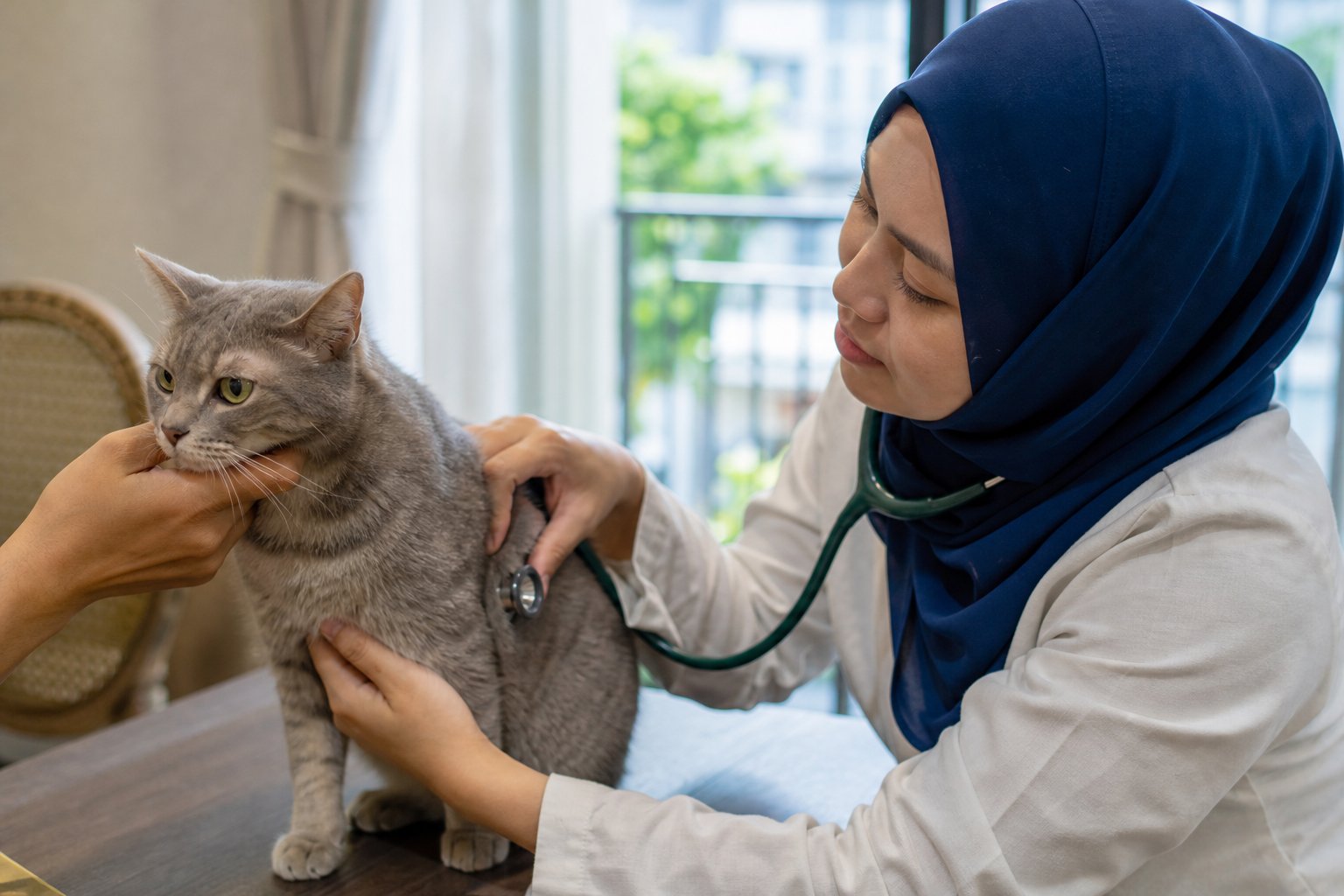
What is ringworm in cats?
Ringworm in cats is a fungal infection of the skin, hair and claws. Despite the name, it is not a worm. The condition is also called dermatophytosis. It is caused by fungi called dermatophytes that digest keratin, the protein in skin, hair and nails. In cats, the most common cause is Microsporum canis, though other dermatophytes can also be involved.
Ringworm is contagious. It can spread between cats, to other pets such as dogs, and to people. Because of this, treating the cat and cleaning the environment are both important. Most cats recover with consistent treatment, but it can take weeks and requires patience.
What causes ringworm in cats?
Ringworm is caused by exposure to dermatophyte spores. A cat can become infected through direct contact with an infected animal or through contaminated objects such as bedding, brushes, furniture and carriers. Spores can survive in the environment for a long time, which is why reinfection is common if cleaning is incomplete.
Some cats are more likely to develop ringworm:
- Young cats and kittens with immature immune systems.
- Senior cats or those with underlying illness.
- Long-haired cats, because spores can hide in the coat and skin lesions may be harder to spot.
- Cats living in crowded or multi-cat households, where spread is easier.
- Cats under stress or with poor nutrition.
- Cats with skin damage or frequent scratching.
Ringworm is not caused by poor hygiene alone, but hygiene affects spread. A cat can pick up spores from a seemingly clean home if an infected animal visited recently.
How ringworm spreads
Ringworm spreads through spores. These microscopic particles can be shed in hair and skin flakes. They can land on bedding, carpets, grooming tools and human clothing. A person can carry spores on their hands or clothes without becoming infected.
Spread happens through:
- Direct contact with an infected cat or other animal.
- Contaminated objects such as blankets, toys, litter trays and scratching posts.
- Environmental contamination in carpets, cracks and upholstery.
- Human clothing and hands moving spores between rooms.
Because spores are hardy, a single cleaning session is rarely enough. A consistent cleaning routine during treatment reduces the risk of the cat becoming reinfected and lowers the risk to people in the home.
Signs of ringworm in cats
Ringworm can look different from cat to cat. Some cats show obvious skin lesions, while others have mild or no visible signs and are carriers.
Common signs include:
- Circular areas of hair loss, often with a scaly or crusty surface.
- Broken hairs and a patchy coat.
- Redness or darkening of the skin.
- Mild itching, though many cats are not very itchy.
- Lesions on the head, ears, face, paws or tail.
- Brittle or thickened claws in some cases.
- In long-haired cats, patchy hair loss may be subtle or hidden.
Ringworm can resemble other skin problems, including allergies, bacterial infections, mites and hormonal conditions. A vet examination is needed to confirm the cause. Do not assume every bald patch is ringworm, and do not assume a lack of itching rules it out.
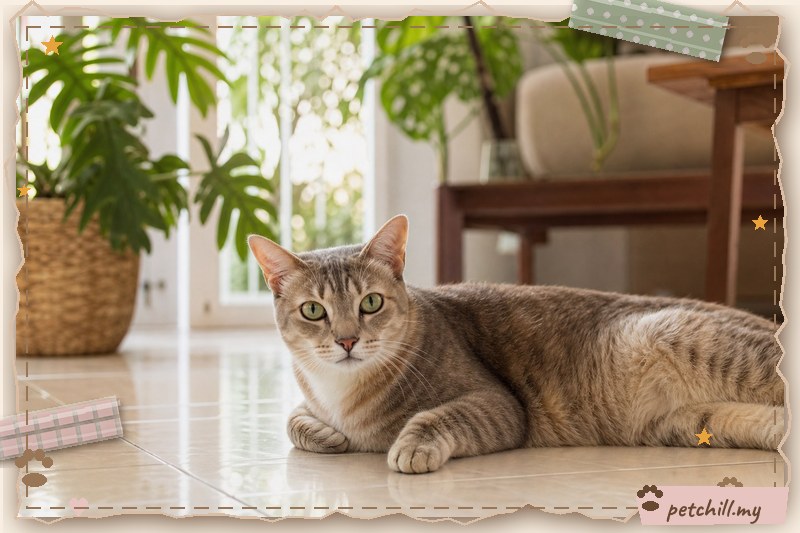
How vets diagnose ringworm
Diagnosis usually starts with a physical examination. A vet may use a Wood's lamp, a special ultraviolet light. Some dermatophytes fluoresce under the lamp, but not all do, so a negative lamp result does not rule out ringworm.
Other tests include:
- Fungal culture: hair and skin samples are placed on a culture medium to grow the fungus. This is a common confirmatory test but can take days to weeks.
- Microscopy: samples are examined under a microscope for fungal spores or hyphae.
- PCR testing: some laboratories offer molecular tests that can detect fungal DNA more quickly.
Your vet may also recommend skin scrapings or other tests to rule out mites and other conditions. In multi-cat homes, a vet may advise testing in-contact cats even if they show no [signs.
Treatment options for ringworm in cats
Treatment](/articles/cat-ringworm-malaysia-2 "mylink") depends on the severity, the number of cats affected and the cat's health. Most cases need a combination of systemic and topical treatment, plus environmental cleaning.
Systemic antifungal medicine
Oral antifungal drugs are often prescribed for cats with confirmed ringworm, especially if lesions are widespread or multiple cats are affected. These are prescription medicines. They must be given exactly as directed, and some require monitoring of liver values. Never use human antifungal tablets or leftover medicine without veterinary advice.
Topical treatment
Topical therapy helps reduce spores on the coat and skin. Options may include medicated shampoos, rinses, sprays or creams. Your vet will choose a product appropriate for your cat. Some cats need clipping of affected areas to improve topical penetration and reduce contamination. Topical treatment is often continued for weeks.
Environmental management
Cleaning is part of treatment, not an optional extra. Spores can persist in the home, so a cleaning plan reduces reinfection and protects people. Your vet or veterinary nurse can advise on suitable disinfectants and safe use around cats.
Treatment comparison
| Approach | What it does | Practical notes |
|---|---|---|
| Oral antifungal | Treats infection from within | Prescription only; follow dosing and monitoring advice |
| Medicated shampoo or rinse | Reduces spores on coat and skin | Frequency depends on product and vet advice |
| Topical cream or spray | Targets specific lesions | Useful for small areas; prevent licking |
| Clipping | Removes infected hair | May be advised for long-haired or widespread cases |
| Environmental cleaning | Reduces spore load at home | Use vet-recommended products; repeat regularly |
Caring for a cat with ringworm at home
A practical care plan helps you stay consistent. The exact plan should come from your vet, but the following steps are commonly useful.
1. Set up a cleaning and treatment schedule
Write down treatment times, cleaning days and vet appointments. Consistency matters more than intensity. A simple daily and weekly checklist can prevent missed doses and forgotten cleaning spots.
2. Handle your cat safely
Wash your hands after handling, feeding or cleaning up after your cat. Wear gloves if you have skin cuts or a weakened immune system. Keep the cat away from people who are unwell or have compromised immunity where possible. Do not let the cat sleep on your bed during treatment if you can avoid it.
3. Clean bedding and fabrics
Wash cat bedding, blankets and soft toys in hot water with detergent. Dry thoroughly. If items cannot be washed, consider replacing them or storing them away from the cat during treatment. Vacuum carpets and upholstery regularly, and empty the vacuum bag or canister carefully.
4. Disinfect hard surfaces and tools
Wipe food bowls, litter trays, carriers and grooming tools with a suitable disinfectant. Use products according to label directions and allow contact time. Rinse food and water bowls thoroughly after cleaning. Do not mix cleaning chemicals.
5. Groom carefully
Brush your cat as advised. If your cat has long hair, ask your vet whether clipping is needed. Clean brushes after use and keep them separate from other pets. Avoid sharing grooming tools between cats.
6. Monitor progress
Take photos of lesions to track changes. Note any new patches, increased scratching or changes in appetite. Contact your vet if the cat seems worse or if new lesions appear. Do not stop treatment early just because the skin looks better.
Living with ringworm in a Malaysian home
Malaysia's warm, humid climate can make skin problems more noticeable, and indoor cats in apartments may share close quarters with people and other pets. In a Kuala Lumpur apartment, space is limited, so keeping an infected cat in one room during treatment can reduce spread to other pets and make cleaning easier. In a Johor terrace house, spores can travel on shoes and clothing between rooms, so a doormat and a change of footwear indoors can help reduce contamination.
During the rainy season in Penang, damp conditions can make bedding slower to dry. Wash bedding early in the day and use a dryer or a well-ventilated area. Damp fabric left around can harbour spores and odour. If your cat has long hair, regular grooming and drying after any medicated bath is important.
Multi-cat households need extra planning. Feed cats separately, avoid sharing bowls and bedding, and ask your vet whether in-contact cats should be examined or tested. If you have children, teach them to wash hands after playing with the cat and avoid face-to-face contact during treatment.
Ringworm and people
Ringworm can spread from cats to people. In people, it often appears as a ring-shaped, scaly or itchy rash. People with weakened immunity, young children and the elderly may be more susceptible. If you develop a rash, see a doctor and mention that you have a cat with ringworm. Do not share towels or bedding with the cat during treatment.
Good hand hygiene, cleaning and keeping the cat's treatment on schedule reduce the risk. If someone in the home is immunocompromised, ask your vet and doctor for advice.
When to see a vet
See a vet if your cat has patchy hair loss, scaly skin, broken hairs or persistent scratching. You should also seek veterinary advice if:
- Lesions are spreading or not improving.
- New bald patches appear during treatment.
- Your cat is lethargic, off food or losing weight.
- There are multiple cats in the home and one is affected.
- A person in the home develops a suspicious rash.
- Your cat is a kitten, senior or has another health condition.
- You are unsure about a product or dose.
Do not use human antifungal medicines, bleach or harsh chemicals on your cat without veterinary guidance. Some products are toxic or ineffective.
Prevention and reducing recurrence
Prevention focuses on reducing exposure and maintaining good hygiene:
- Keep new cats separate until examined by a vet.
- Avoid sharing grooming tools and bedding between pets.
- Clean and disinfect carriers and litter trays regularly.
- Wash hands after handling animals.
- Maintain good nutrition and manage stress where possible.
- Follow your vet's treatment plan fully, even if signs improve.
If ringworm recurs, your vet may recommend repeat testing and a more thorough environmental cleaning plan. Recurrence does not necessarily mean treatment failed; spores can persist in the home.
Quick care checklist
- Confirm diagnosis with a vet.
- Give all prescribed medicine on schedule.
- Use topical treatment as directed.
- Wash bedding in hot water.
- Vacuum carpets and furniture.
- Disinfect bowls, trays and tools.
- Wash hands after handling the cat.
- Keep the cat away from immunocompromised people where possible.
- Track lesions with photos.
- Attend follow-up appointments.
Bottom line
Ringworm in cats is a contagious fungal infection that needs veterinary diagnosis and consistent treatment. Oral and topical antifungal therapy, combined with thorough cleaning, gives the best chance of recovery and reduces spread to other pets and people. Most cats recover, but treatment takes time. If you suspect ringworm, see a vet early and follow the plan closely.
This article is for general information only and is not a substitute for veterinary advice. Always consult a licensed veterinarian for diagnosis and treatment of your cat.
Related reading
- Cat Ringworm Treatment in Malaysia: A Practical Owner's Guide
- How to Treat Ringworm in Cats at Home: A Practical Guide for Malaysian Owners
- How to Treat Skin Fungus in Cats at Home: A Practical Malaysian Guide
- Ringworm in Cats in Malaysia: Signs, Treatment and Prevention
- Ringworm Prevention for Cats in Malaysia: A Practical, Vet-Informed Guide
- Signs of Ringworm in Cats in Malaysia: What Owners Should Look For
- Signs of Skin Fungus in Cats in Malaysia: How to Spot Ringworm Early
- Skin Fungus in Cats: Causes, Signs and Care (Malaysia Guide)