
PetChill Pet Encyclopedia
Cat Health

Flea Treatment for Cats Step by Step: A Practical Malaysian Guide

Fleas are a year-round problem in Malaysian homes, and treating them properly takes more than one spot-on. This guide walks you through a full step-by-step plan: confirming the infestation, picking a product that is safe for cats, treating every pet in the house, breaking the life cycle in your home, and preventing re-infestation.

Published: 2026-11-06Β·7 min readΒ·Author: PetChill Editorial
Flea Treatment for Cats Step by Step: A Practical Malaysian Guide

πŸ’‘ Quick Answer

Treat every cat and dog in the home with a vet-recommended cat-safe flea product on the same day, then clean bedding, vacuum thoroughly and repeat treatment on the schedule your vet advises. Flea eggs and larvae in the home survive most products, so a single dose rarely solves the problem.

The short answer

Flea treatment works best as a plan, not a single purchase. Treat every cat and dog in the home on the same day with a cat-safe product, then attack the flea life cycle in your home with vacuuming, hot washing and repeat treatments on schedule. Fleas in Malaysia breed all year, so prevention has to be continuous.

Step 1: Confirm your cat actually has fleas

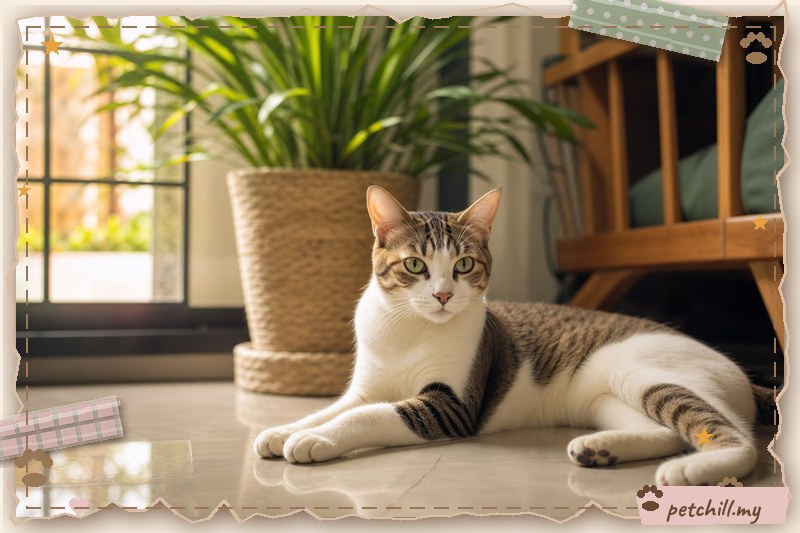
Before you buy anything, check. Fleas are small, fast and often hidden in thick fur, so a quick look is not enough.

How to check:

  1. Stand your cat on a white towel or paper towel in good light.
  2. Use a fine-toothed flea comb and comb backwards from the tail base towards the head, paying attention to the neck, chin, belly and the base of the tail.
  3. Tap the comb onto a damp white paper towel. Small dark specks that smear reddish-brown are flea dirt, which is digested blood.
  4. Part the fur and look for live fleas, which are reddish-brown and about 1–2 mm long.
  5. Check for signs of flea allergy: scabs, hair loss, reddened skin or intense scratching, especially around the lower back and tail base.

Many cats with fleas show no itching at all, so finding flea dirt is enough to start treatment. If you find nothing but your cat is scratching, ask your vet to check for other causes such as mites, ringworm or skin infections.
Step 1: Confirm your cat actually has fleas

Step 2: Choose a product that is safe for cats

This is the step where mistakes cause the most harm. Cats are not small dogs, and some dog flea products are genuinely dangerous to them.

Key rules:

  • Never use a dog product on a cat unless your vet has specifically confirmed it is safe for cats. Products containing permethrin are highly toxic to cats and can cause tremors, seizures and death.
  • Check the label for the species and weight range. A product for a 5 kg cat is not appropriate for a 2 kg kitten.
  • Check the minimum age. Many products are not approved for kittens under a certain age or weight.
  • Ask about pregnant or nursing cats. Not every product is approved for them.
  • Buy from a reputable source. Counterfeit or poorly stored products exist, and a product that has been stored badly may not work.

Common product types:

Type How it works Typical schedule Points to note
Spot-on Applied to the skin at the back of the neck Usually monthly Do not bathe or handle the application site for the period stated on the label
Oral tablet Swallowed, works from inside Varies; some last 1–3 months Some cats are difficult to tablet; check age and weight limits
Flea collar Slow release around the neck Varies by product Effectiveness varies widely; check it is cat-specific
Spray Applied over the coat Often repeated Can be stressful for cats; follow label carefully
Shampoo Kills fleas on contact One-off No lasting protection; useful as a support measure only

Your vet is the best person to match a product to your cat's age, weight, health status and lifestyle. Prices vary between clinics and retailers in Malaysia, so compare and ask what is included before buying.

Step 3: Treat every pet in the house on the same day

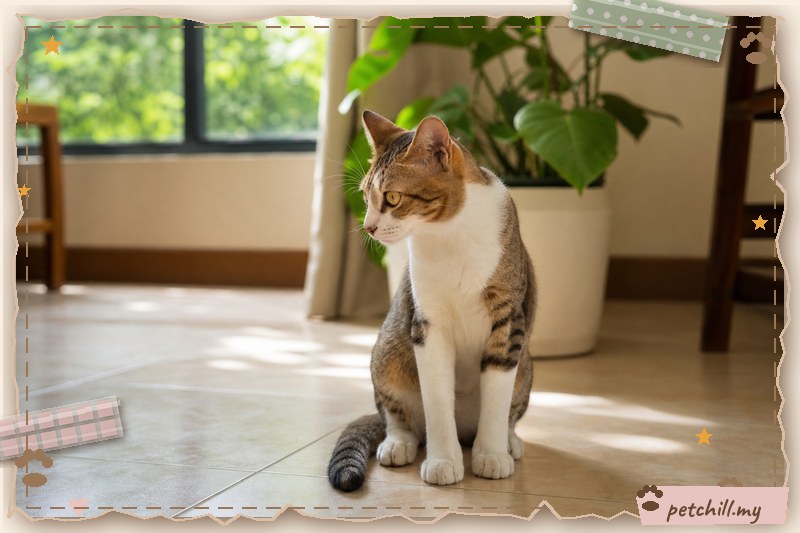
Fleas do not stay on one animal. If you treat one cat and leave the dog, or leave the second cat untreated, the untreated pet becomes a reservoir and the fleas come straight back.

Checklist for treatment day:

  • Treat every cat and dog in the household, using the correct product for each species and weight.
  • Record the date and product name for each pet so you do not double-dose or miss a repeat.
  • Keep treated pets apart for the period stated on the label, especially if one pet might lick another's application site.
  • Do not bathe your cat immediately before or after a spot-on unless the label says it is fine.
  • Wash your hands after applying any product.
  • Watch for reactions such as drooling, wobbliness, vomiting or excessive scratching at the application site, and contact your vet if you see them.

If you have recently taken in a stray or a new cat, treat it as soon as your vet confirms it is safe to do so, and keep it separate from resident pets until it has been checked.
Step 3: Treat every pet in the house on the same day

Step 4: Break the life cycle in your home

Most of the flea problem is not on your cat. Adult fleas on the cat lay eggs that fall into the environment, where they develop into larvae and then pupae before emerging as new adults. Killing adults on the cat without cleaning the home leaves that cycle running.

What to do:

  1. Vacuum thoroughly. Go over carpets, rugs, sofa seams, under furniture, along skirting boards and inside the car if your cat travels in it. Vacuuming removes eggs, larvae and dirt, and the vibration can encourage pupae to hatch so later treatments catch them.
  2. Dispose of the vacuum bag or empty the canister into an outside bin immediately.
  3. Hot wash bedding. Wash cat beds, blankets, cushion covers and your own bedding in the hottest water the fabric allows, then dry thoroughly.
  4. Clear clutter. Fleas hide in piles of clothes, cardboard and soft toys. Reduce hiding places and wash what can be washed.
  5. Consider a household flea spray that is labelled for use around cats. Read the label carefully: some products are not safe around cats, and cats should be kept out of treated rooms until the product has dried as instructed.
  6. Repeat cleaning weekly for several weeks. Flea pupae can survive in the environment for a long time and hatch in waves, so one big clean is not enough.

A realistic timeline:

Time Action
Day 1 Treat all pets; vacuum and hot wash bedding
Day 2–7 Vacuum daily or every other day; watch for live fleas
Week 2 Repeat vacuuming and washing; check pets for flea dirt
Week 3–4 Continue cleaning; apply the next scheduled pet treatment
Month 2–3 Keep prevention going; review with your vet if fleas persist

Step 5: Keep prevention going year-round

In Malaysia's warm, humid climate, fleas can survive and breed throughout the year, so stopping treatment in the cooler months is not a reliable strategy. Continuous prevention is simpler and cheaper than repeated infestations.

Prevention habits:

  • Keep every pet on a schedule your vet recommends and set reminders so doses are not missed.
  • Groom your cat regularly with a flea comb so you notice problems early.
  • Wash pet bedding regularly, not only when you see fleas.
  • Vacuum high-traffic areas weekly.
  • Check new pets and strays before bringing them home.
  • If you foster or rescue cats, treat and isolate new arrivals as advised by your vet.
Step 5: Keep prevention going year-round

Special situations

Kittens. Many products have minimum age and weight limits, and kittens can become anaemic quickly from flea burdens. Ask your vet before using anything, and do not split adult doses.

Pregnant and nursing cats. Product choice is limited. Your vet can advise on what is safe for the mother and the kittens.

Cats with flea allergy dermatitis. These cats react to flea saliva and can develop severe itching and skin damage from just a few bites. They need strict, continuous flea control plus veterinary treatment for the skin.

Multi-cat households. Treat all cats on the same day, and consider treating the home at the same time. In a small apartment, fleas can move easily between rooms and pets.

Outdoor-access cats. Cats that go outside, or live near stray cats, face constant exposure. Consistent monthly prevention matters more than occasional treatment after itching starts.

Common mistakes to avoid

  • Using a dog product on a cat, or using a product on a kitten that is too young or too small.
  • Treating the cat but not the other pets.
  • Skipping home cleaning because the cat looks better.
  • Bathing a cat right after a spot-on and washing off the protection.
  • Reapplying a product too soon because fleas are still visible, which risks overdose.
  • Relying on shampoos alone, which kill fleas on contact but leave no lasting protection.
  • Buying a product without checking the label for the species, weight and age.
Common mistakes to avoid

When to see a vet

Contact a veterinarian promptly if:

  • Your cat has severe itching, open sores, hair loss or skin infection.
  • Your cat is a kitten, pregnant or nursing, and you are unsure which product is safe.
  • Your cat shows signs of poisoning after a flea product, such as drooling, tremors, wobbliness, vomiting, weakness or seizures. This is an emergency.
  • Fleas persist despite correct treatment and home cleaning for several weeks.
  • Your cat is pale, lethargic or weak, which can indicate anaemia from a heavy flea burden.
  • You are unsure whether a product you already applied was appropriate.

A quick comparison of approaches

Approach Kills adult fleas on cat Lasting protection Cleans home Best used for
Spot-on Yes Yes, if applied on schedule No Routine prevention
Oral tablet Yes Yes, per label duration No Cats that tolerate tablets
Shampoo Yes, on contact No No Immediate relief as a support measure
Household spray No No Yes, if used correctly Reducing environmental stages
Vacuuming and hot washing No No Yes Every step of the plan

The bottom line

Flea treatment for cats is a sequence: confirm the problem, choose a cat-safe product with veterinary advice, treat every pet on the same day, clean the home thoroughly and repeatedly, and keep prevention going all year. In Malaysia's climate, consistency matters more than any single product. If fleas keep coming back, or your cat is itchy, unwell or very young, see a vet rather than experimenting with products.

This article is general information only and is not a substitute for veterinary advice. Always consult a licensed veterinarian about flea products and your cat's health.

Frequently Asked Questions

πŸ“Œ Key Takeaways

  • This article covers: The short answer, Step 1: Confirm your cat actually has fleas, Step 2: Choose a product that is safe for cats, Step 3: Treat every pet in the house on the same day, Step 4: Break the life cycle in your home, and more
  • Jump to any section via the table of contents for the key details
  • If in doubt, consult a registered veterinarian

Explore this topic cluster

This guide belongs to a Malaysia-focused topic cluster. Read the pillar guide and related articles.

View cluster β†’

πŸ“š Cat Health article index

This article is part of the Cat Health topic cluster. Explore related articles:

⭐ Pillar guide: Cat Health complete guideBlood Test for Cats in Malaysia: What It Checks, Costs and When You Need Oneβ†’ ReadBlood Test for Cats Step by Step: What Happens at the Clinicβ†’ ReadBlood Test for Cats: What to Expect (Malaysian Owner's Guide)β†’ ReadCat Constipation Treatment in Malaysia: A Practical Owner's Guideβ†’ ReadCat Dental Pain Treatment in Malaysia: A Practical Owner's Guideβ†’ ReadCat Diarrhea Treatment in Malaysia: A Practical Owner's Guideβ†’ ReadCat Ear Mites Treatment in Malaysia: A Complete Owner's Guideβ†’ ReadCat Eye Infection Treatment in Malaysia: A Practical Owner's Guideβ†’ ReadCat Fleas Treatment in Malaysia: A Practical Owner's Guideβ†’ ReadCat Hair Loss Treatment in Malaysia: A Practical Owner's Guideβ†’ ReadCat Licking Wounds: Why It Happens and How to Treat It in Malaysiaβ†’ ReadCat Poisoning Treatment in Malaysia: What to Do, What to Expect, and How to Prevent Itβ†’ ReadCat Ringworm Treatment in Malaysia: A Practical Owner's Guideβ†’ ReadCat Skin Fungus Treatment in Malaysia: A Practical Owner's Guideβ†’ ReadCat Sneezing Blood: Causes, Treatment and When to See a Vet in Malaysiaβ†’ ReadCat Vomiting Treatment in Malaysia: What to Do and When to See a Vetβ†’ ReadCat Weight Loss Treatment in Malaysia: A Practical Guide for Ownersβ†’ ReadCat Worms Treatment in Malaysia: A Practical Owner's Guideβ†’ ReadChocolate Poisoning and Cats in Malaysia: What Every Owner Should Knowβ†’ ReadConstipation in Cats: Causes, Care and When to See a Vet in Malaysiaβ†’ ReadConstipation in Cats in Malaysia: Causes, Signs and What to Doβ†’ ReadConstipation Prevention for Cats: A Practical Guide for Malaysian Ownersβ†’ ReadDental Pain in Cats: Causes, Signs and Care (Malaysia Guide)β†’ ReadDental Pain in Cats in Malaysia: Signs, Causes and What to Doβ†’ ReadDental Pain Prevention for Cats: A Practical Malaysian Guideβ†’ ReadDeworming Schedule for Cats in Malaysia: A Practical, Vet-Led Guideβ†’ ReadDeworming Schedule for Cats: A Step-by-Step Plan for Malaysian Ownersβ†’ ReadDeworming Schedule for Cats: What to Expect (Malaysia Guide)β†’ ReadDiarrhea in Cats: Causes and Care (Malaysian Owner's Guide)β†’ ReadDiarrhea in Cats in Malaysia: Causes, Home Care and When to See a Vetβ†’ ReadDiarrhea Prevention for Cats: A Practical Guide for Malaysian Ownersβ†’ ReadE-Collar Recovery for Cats in Malaysia: A Practical Guide for Ownersβ†’ ReadE-Collar Recovery for Cats Step by Step: A Practical Guide for Malaysian Ownersβ†’ ReadE-Collar Recovery for Cats: What to Expect (Malaysia Guide)β†’ ReadEar Mites in Cats: Causes and Care (Malaysia Guide)β†’ ReadEar Mites in Cats in Malaysia: Signs, Treatment and Preventionβ†’ ReadEar Mites Prevention for Cats: A Practical Malaysian Guideβ†’ ReadElectrical Cables and Cats in Malaysia: A Practical Safety Guideβ†’ ReadEye Infection in Cats: Causes and Care (Malaysia Guide)β†’ ReadEye Infection in Cats in Malaysia: Causes, Signs, Treatment & Preventionβ†’ ReadEye Infection Prevention for Cats: A Practical Malaysian Guideβ†’ ReadFans and Air Conditioning for Cats in Malaysia: A Practical Comfort Guideβ†’ ReadFlea Treatment for Cats in Malaysia: A Complete Guideβ†’ ReadFlea Treatment for Cats: What to Expect (Malaysia Guide)β†’ ReadFleas in Cats: Causes and Care (Malaysia Guide)β†’ ReadFleas in Cats in Malaysia: Signs, Treatment and Preventionβ†’ ReadFleas Prevention for Cats in Malaysia: A Practical, Year-Round Planβ†’ ReadGiving Pills for Cats in Malaysia: A Stress-Free Step-by-Step Guideβ†’ ReadGiving Pills for Cats Step by Step: A Calm, Practical Guide for Malaysian Ownersβ†’ ReadGiving Pills for Cats: What to Expect (Malaysian Owner's Guide)β†’ ReadHair Loss in Cats: Causes and Care (Malaysian Owner's Guide)β†’ ReadHair Loss in Cats in Malaysia: Causes, Home Checks and When to See a Vetβ†’ ReadHair Loss Prevention for Cats: A Practical Grooming and Health Guideβ†’ ReadHousehold Cleaning Products and Cats in Malaysia: A Safety Guideβ†’ ReadHow to Prevent Chocolate Poisoning Around Cats: A Practical Guide for Malaysian Homesβ†’ ReadHow to Prevent Electrical Cables Around Cats: A Practical Safety Guide for Malaysian Homesβ†’ ReadHow to Prevent Fan and Aircond Problems Around Cats: A Malaysian Home Guideβ†’ ReadHow to Prevent Household Cleaning Products Around Cats: A Practical Safety Guide for Malaysian Homesβ†’ ReadHow to Prevent Lily Poisoning Around Cats: A Practical Safety Guide for Malaysian Homesβ†’ ReadHow to Prevent Open Windows Around Cats: A Practical Safety Guide for Malaysian Homesβ†’ ReadHow to Prevent Paracetamol Poisoning Around Cats: A Malaysian Safety Guideβ†’ ReadHow to Prevent Plastic Bags Around Cats: A Practical Safety Guide for Malaysian Homesβ†’ ReadHow to Treat Constipation in Cats at Home: A Practical Malaysian Guideβ†’ ReadHow to Treat Dental Pain in Cats at Home: Safe Relief and When to See a Vetβ†’ ReadHow to Treat Diarrhea in Cats at Home: A Practical Malaysian Guideβ†’ ReadHow to Treat Ear Mites in Cats at Home: A Practical Malaysian Guideβ†’ ReadHow to Treat Eye Infection in Cats at Home: Safe Steps for Malaysian Ownersβ†’ ReadHow to Treat Fleas in Cats at Home: A Practical Malaysian Guideβ†’ ReadHow to Treat Hair Loss in Cats at Home: A Practical Malaysian Guideβ†’ ReadHow to Treat Licking Wounds in Cats at Home: A Practical Guide for Malaysian Ownersβ†’ ReadHow to Treat Poisoning in Cats at Home: First Aid, Safe Steps and When to Rush to the Vetβ†’ ReadHow to Treat Ringworm in Cats at Home: A Practical Guide for Malaysian Ownersβ†’ ReadHow to Treat Skin Fungus in Cats at Home: A Practical Malaysian Guideβ†’ ReadHow to Treat Sneezing Blood in Cats at Home: Safe First Steps for Malaysian Ownersβ†’ ReadHow to Treat Vomiting in Cats at Home: A Practical Malaysian Guideβ†’ ReadHow to Treat Weight Loss in Cats at Home: A Practical Guide for Malaysian Ownersβ†’ ReadHow to Treat Worms in Cats at Home: A Practical, Safe Guide for Malaysian Ownersβ†’ ReadLicking Wounds in Cats: Causes and Care (Malaysian Vet Guide)β†’ ReadLicking Wounds in Cats Malaysia: When It's Normal and When to Stop Itβ†’ ReadLicking Wounds Prevention for Cats: How to Stop the Lick Cycle and Let Skin Healβ†’ ReadLily Poisoning and Cats in Malaysia: Why Every Petal Is an Emergencyβ†’ ReadOpen Windows and Cats in Malaysia: How to Keep Your Cat Safe Without Locking Up the Houseβ†’ ReadParacetamol Poisoning in Cats in Malaysia: Why Even One Tablet Can Be Deadlyβ†’ ReadPlastic Bags and Cats in Malaysia: Why They're Dangerous and How to Keep Your Cat Safeβ†’ ReadPoisoning in Cats: Causes, Symptoms and Care (Malaysia Guide)β†’ ReadPoisoning in Cats in Malaysia: Common Toxins, Signs and What to Doβ†’ ReadPoisoning Prevention for Cats in Malaysia: A Room-by-Room Safety Guideβ†’ ReadRingworm in Cats: Causes, Symptoms and Care (Malaysia Guide)β†’ ReadRingworm in Cats in Malaysia: Signs, Treatment and Preventionβ†’ ReadRingworm Prevention for Cats in Malaysia: A Practical, Vet-Informed Guideβ†’ ReadSigns of Constipation in Cats in Malaysia: What to Watch For and When to Actβ†’ ReadSigns of Dental Pain in Cats in Malaysia: What Owners Missβ†’ ReadSigns of Diarrhea in Cats in Malaysia: What's Normal, What's Notβ†’ ReadSigns of Ear Mites in Cats in Malaysia: How to Spot, Treat and Prevent Themβ†’ ReadSigns of Eye Infection in Cats in Malaysia: What Owners Should Look Forβ†’ ReadSigns of Fleas in Cats in Malaysia: How to Spot, Check and Actβ†’ ReadSigns of Hair Loss in Cats in Malaysia: What to Look For and When to Worryβ†’ ReadSigns of Licking Wounds in Cats Malaysia: How to Spot Problem Lickingβ†’ ReadSigns of Poisoning in Cats in Malaysia: What to Watch For and What to Doβ†’ ReadSigns of Ringworm in Cats in Malaysia: What Owners Should Look Forβ†’ ReadSigns of Skin Fungus in Cats in Malaysia: How to Spot Ringworm Earlyβ†’ ReadBlood in a Cat's Sneeze: Signs, Causes and What to Do in Malaysiaβ†’ ReadSigns of Vomiting in Cats in Malaysia: What's Normal, What's Not, and When to See a Vetβ†’ ReadSigns of Weight Loss in Cats in Malaysia: What to Watch For and When to Worryβ†’ ReadSigns of Worms in Cats in Malaysia: What Owners Should Look Forβ†’ ReadSkin Fungus in Cats: Causes, Signs and Care (Malaysia Guide)β†’ ReadSkin Fungus in Cats in Malaysia: Ringworm Signs, Treatment and Preventionβ†’ ReadSkin Fungus Prevention for Cats: A Practical Guide for Malaysian Homesβ†’ ReadSneezing Blood in Cats: Causes and Care (Malaysia Guide)β†’ ReadSneezing Blood in Cats in Malaysia: Causes, What to Do, and When to See a Vetβ†’ ReadSneezing Blood Prevention for Cats: Causes, Care and When to Worryβ†’ ReadSterilization for Cats in Malaysia: A Complete Guide for Ownersβ†’ ReadSterilization for Cats Step by Step: A Malaysian Owner's Guideβ†’ ReadSterilisation for Cats: What to Expect (Malaysian Owner's Guide)β†’ ReadUltrasound for Cats in Malaysia: What It Is, When It's Needed, and What to Expectβ†’ ReadUltrasound for Cats Step by Step: What Happens, What It Costs, and How to Prepareβ†’ ReadUltrasound for Cats: What to Expect (Malaysian Owner's Guide)β†’ ReadVaccination Side Effects for Cats in Malaysia: What's Normal, What's Notβ†’ ReadVaccination Side Effects for Cats: A Step-by-Step Guide for Malaysian Ownersβ†’ ReadCat Vaccination Side Effects: What Malaysian Owners Should Expectβ†’ ReadVomiting in Cats: Causes and Care (Malaysia Guide)β†’ ReadVomiting in Cats in Malaysia: When It's Normal and When to Worryβ†’ ReadVomiting Prevention for Cats: A Practical Guide for Malaysian Ownersβ†’ ReadWeight Loss in Cats: Causes and Care (Malaysian Vet Guide)β†’ ReadWeight Loss in Cats in Malaysia: Causes, Warning Signs and What to Doβ†’ ReadWeight Loss Prevention for Cats: A Practical Malaysian Guideβ†’ ReadWorms in Cats: Causes and Care (Malaysia Vet Guide)β†’ ReadWorms in Cats in Malaysia: A Practical Owner's Guideβ†’ ReadWorms Prevention for Cats in Malaysia: A Complete Guideβ†’ ReadWound Care for Cats in Malaysia: A Practical Owner's Guideβ†’ ReadWound Care for Cats Step by Step: A Practical Malaysian Guideβ†’ ReadWound Care for Cats: What to Expect, Step by Stepβ†’ ReadX-Ray for Cats in Malaysia: What to Expect, Costs and Safetyβ†’ ReadX-Ray for Cats Step by Step: What Malaysian Owners Should Expectβ†’ ReadX-Ray for Cats: What to Expect (Malaysian Owner's Guide)β†’ ReadArthritis Pet Care in Malaysia: A Practical Guide for Cats and Dogsβ†’ ReadCat Arthritis in Malaysia: 5 Home Signs Your Cat Is in Pain β€” and What to Doβ†’ ReadEarly Signs of Chronic Disease in Cats: 7 Daily Checks and a 4-Week Record Sheetβ†’ ReadCat Chronic Kidney Disease in Malaysia: The Daily Care Routine That Actually Slows It Downβ†’ ReadCat Constipation in Malaysia: The 48-Hour Rule, Red Flags and What Actually Helpsβ†’ ReadCat Dehydration in Malaysia: Home Skin-Turgor Test, 7 Causes and Emergency Signsβ†’ ReadCat Heart Disease in Malaysia: Sleep Breathing Count, HCM Early Signs and When to Rush to the Vetβ†’ ReadCat Kidney Disease in Malaysia: Early Signs, Prevention and Everyday Careβ†’ ReadCat Pancreatitis in Malaysia: Symptoms, fPLI Testing, Treatment and Home Recoveryβ†’ ReadCat Ringworm in Malaysia: Signs, Treatment and Home Cleaning Guideβ†’ ReadCat Symptom Checker Malaysia: 12 Common Signs and a Green-Amber-Red Triage Tableβ†’ ReadPet Deworming in Malaysia: How Often to Worm Your Cat or Dogβ†’ ReadPet Gut Health in Malaysia: Probiotics, Food Transitions and Stool Troubles (Part 2)β†’ ReadCat Gut Health: Probiotics, Antibiotics and Food Transitions Explained (Malaysia)β†’ ReadPet Health Malaysia 2026: Common Cat and Dog Illnesses, Prevention Care and Vet Guidanceβ†’ ReadPet Insurance in Malaysia: How to Compare Plans Before You Signβ†’ ReadPet Poisoning at Home: Household Chemicals, Toxic Plants and When Not to Induce Vomiting (Malaysia)β†’ ReadPet Poisoning at Home: Household Chemicals, Insecticides and Toxic Plants (Malaysia, Part 1)β†’ ReadCat Chronic Disease Early Signs in Malaysia: 7 Daily Checks and a 4-Week Logβ†’ ReadCat Health Guide Malaysia: Symptom Check, Red-Flag Triage & When to See a Vetβ†’ ReadCat Ringworm in Malaysia: Symptoms, Treatment and Home Cleaning Guideβ†’ ReadGut Health, Probiotics & Food Transition Part 2: Practical Malaysia Guideβ†’ ReadPet Health in Malaysia: A Practical Prevention Guide for Cats and Dogsβ†’ Read