
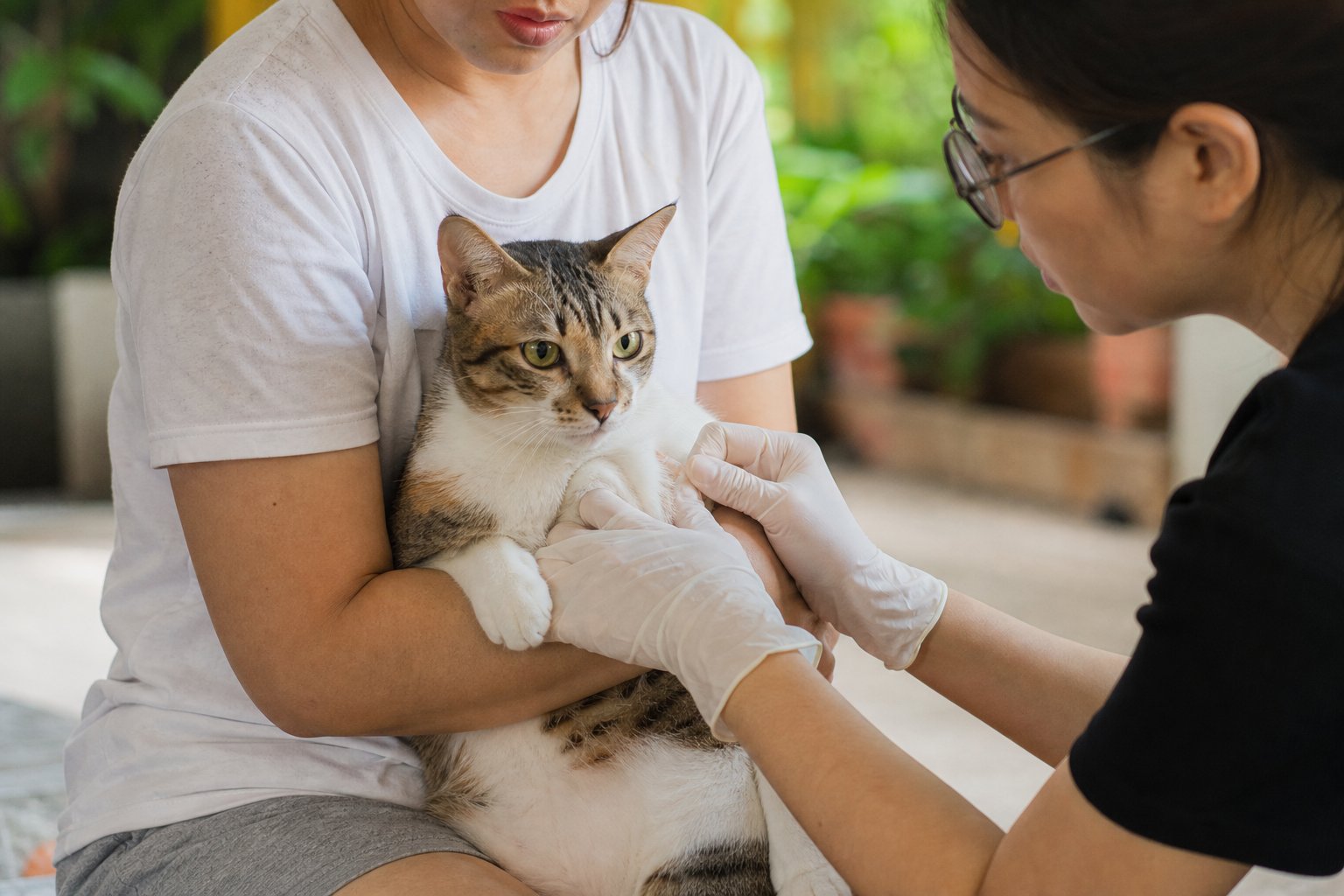
Worms in cats in Malaysia: what every owner should know
Worms are among the most common parasites affecting cats in Malaysia. The warm, humid climate supports parasite survival outdoors, and many cats live in close contact with other animals, soil and insects. While worms are rarely fatal on their own, they can cause serious illness, especially in kittens, and some can infect people. The good news is that worms are easy to treat and largely preventable with a sensible deworming routine.
This guide explains the main types of worms, how cats pick them up, the signs to watch for, how deworming works, and how to protect your cat and your household. It is written for Malaysian cat owners and focuses on practical steps you can take at home.
The main types of worms that affect cats
Cats in Malaysia can be affected by several types of internal parasites. The most important are roundworms, tapeworms and hookworms. Less commonly, cats may be affected by lungworms or other parasites, but these are seen less often in typical household pets.
Roundworms
Roundworms are long, pale, spaghetti-like worms that live in the intestines. They are especially common in kittens. Cats can become infected by swallowing eggs from contaminated soil or faeces, or by eating infected prey such as rodents. Kittens can also be infected through their mother's milk. Roundworm eggs are tough and can survive in the environment for a long time.
Tapeworms
Tapeworms are flat, segmented worms that attach to the intestinal wall. The most common tapeworm in cats is spread by fleas: a cat becomes infected when it swallows a flea during grooming. Tapeworms can also be spread by eating raw meat or infected prey. You may see small, rice-like segments around your cat's anus or in its bedding.
Hookworms
Hookworms are small worms that attach to the lining of the small intestine and feed on blood. They can cause anaemia, especially in kittens. Cats can pick up hookworms through the skin, often from walking on contaminated soil, or by ingesting them. Hookworm larvae can also penetrate human skin, causing itchy tracks.
Other worms
Less common worms include lungworms, which can cause coughing, and stomach worms. Your vet can identify these through faecal tests if your cat has persistent signs.
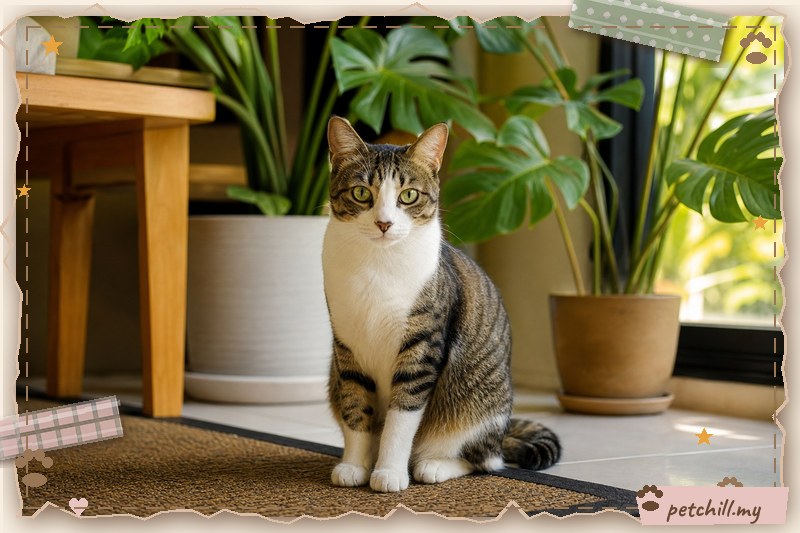
How cats pick up worms
Understanding how worms spread helps you reduce the risk. Common routes include:
- Contaminated soil or sand: Cats that dig or toilet outdoors can pick up eggs or larvae.
- Fleas: Fleas carry tapeworm larvae; swallowing a flea during grooming leads to infection.
- Hunting and raw meat: Eating rodents, birds or raw meat can transmit worms.
- Mother to kitten: Kittens can be infected before birth or through milk.
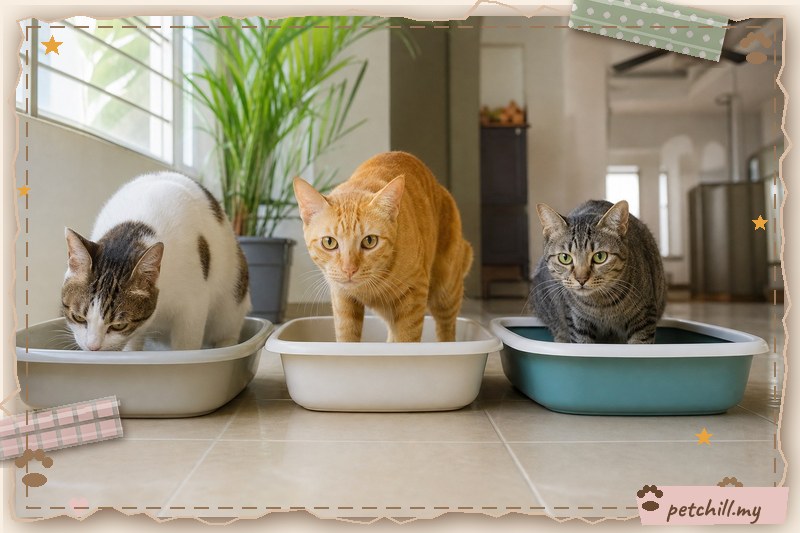
- Shared litter trays: In multi-cat households, infected cats shed eggs that other cats may ingest.
- Shoes and objects: Eggs can be brought indoors on shoes or equipment.
Even indoor cats are not completely safe, especially if there are fleas in the home or if they eat raw food.
Signs and symptoms of worms in cats
Some cats with worms show no obvious signs, particularly in the early stages. When signs do appear, they can include:
- Weight loss despite a good appetite
- A pot-bellied appearance, especially in kittens
- Vomiting, sometimes with visible worms
- Diarrhoea or soft stools
- Worms in the stool or around the anus
- Scooting the bottom along the floor
- A dull, rough coat
- Lethargy or weakness
- Pale gums (a sign of anaemia, especially with hookworms)
- Coughing (with lungworms or heavy roundworm burdens)
If you notice any of these signs, it is worth having your cat checked by a vet. Many other conditions can cause similar symptoms, so a proper diagnosis matters.
Diagnosing worms
Your vet may suspect worms based on your cat's history and a physical examination. They may also ask for a stool sample, which can be examined under a microscope to look for eggs or larvae. In some cases, a faecal flotation test or a specific test for certain worms may be used. Tapeworm segments are sometimes visible to the naked eye, so check your cat's bedding and around the anus.
Deworming treatment
Deworming is the main treatment for intestinal worms. Several effective products are available, including tablets, spot-on treatments and oral pastes. The best choice depends on your cat's age, weight, lifestyle and the types of worms present.
Important safety points
- Never give dog dewormers to cats. Some dog products contain ingredients that are toxic to cats.
- Use the correct dose for your cat's weight. Weigh your cat or ask your vet to weigh it.
- Check the product's spectrum. Not all dewormers treat all worms. For example, some target roundworms and hookworms but not tapeworms.
- Treat all cats in the household at the same time to reduce reinfection.
- Follow the instructions on the product label or from your vet.
If you are unsure which product to use, ask your vet or a qualified pet retailer. Prices vary, so it is best to check locally rather than rely on online estimates.
Deworming schedules
There is no single schedule that suits every cat. A common approach is:
- Kittens: Deworm from around 2–3 weeks of age, then every 2 weeks until 12 weeks, then monthly until 6 months. Your vet will tailor this.
- Adult cats: Deworm every 3–6 months. Cats that hunt or go outdoors may need more frequent treatment.
- Pregnant or nursing queens: Deworm under veterinary guidance, as some products are not safe during pregnancy.
Your vet can recommend a schedule based on your cat's risk factors.
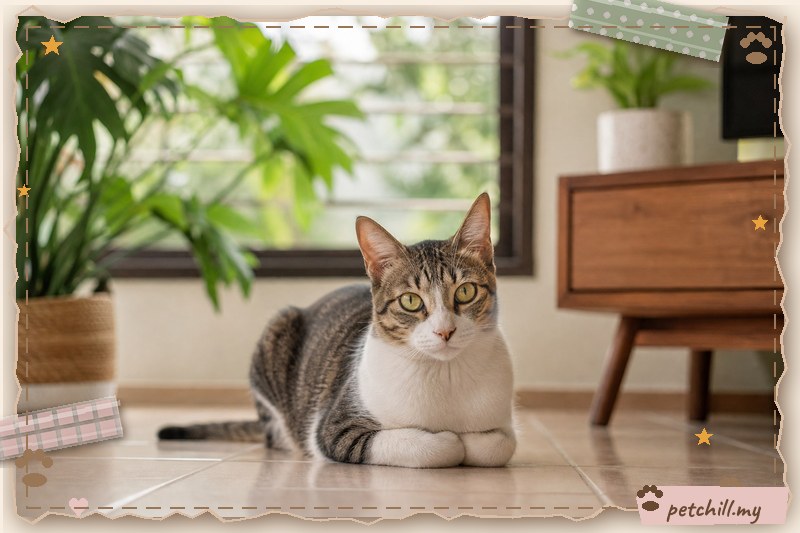
Comparison of common worm types
| Worm type | Common signs | Main routes of infection | Key prevention |
|---|---|---|---|
| Roundworm | Pot belly, weight loss, vomiting, worms in stool | Contaminated soil, prey, mother's milk | Regular deworming, hygiene, keep cats indoors |
| Tapeworm | Rice-like segments around anus, scooting | Fleas, raw meat, prey | Flea control, deworming, avoid raw meat |
| Hookworm | Anaemia, pale gums, weakness, diarrhoea | Skin contact with contaminated soil, ingestion | Deworming, clean litter, avoid contaminated soil |
| Lungworm | Coughing, breathing difficulty | Slugs, snails, prey | Prevent hunting, vet diagnosis |
Preventing worms in Malaysian cats
Prevention is better than treatment. Here are practical steps:
- Deworm regularly according to your vet's advice.
- Control fleas year-round. Use a vet-recommended flea product, as fleas carry tapeworms.
- Clean litter trays daily and wash them regularly. Wear gloves if you are pregnant or immunocompromised.
- Dispose of cat faeces safely, especially in children's play areas.
- Wash hands after handling cats, litter or soil.
- Cover sandboxes to stop cats using them as toilets.
- Avoid feeding raw meat unless it has been properly frozen or cooked to kill parasites.
- Keep cats indoors or supervise outdoor access to reduce hunting and exposure.
- Clean food and water bowls regularly.
In Malaysia's climate, parasites can survive outdoors for much of the year, so consistent prevention matters.
Worms and human health
Some cat worms can affect people. Roundworm larvae can cause a condition called visceral larva migrans, especially in young children. Hookworm larvae can penetrate the skin and cause itchy tracks. Tapeworms can rarely infect people who accidentally swallow infected fleas. Good hygiene and regular deworming greatly reduce the risk.
Pregnant women, young children and people with weakened immune systems should take extra care. Avoid handling cat litter if possible, or wear gloves and wash hands thoroughly.
When to see a vet
See a vet if your cat shows any of the following:
- Persistent vomiting or diarrhoea
- Weight loss or a swollen belly
- Visible worms in stool or around the anus
- Pale gums, weakness or lethargy
- Coughing or breathing difficulty
- Signs of worms in a kitten
- You are unsure about which dewormer to use
- Your cat has not responded to treatment
A vet can confirm the diagnosis, prescribe the right treatment and check for other conditions.
Common questions from Malaysian cat owners
Many owners ask whether over-the-counter dewormers are enough. They can be, but it is important to choose a product that targets the worms your cat is likely to have. If in doubt, ask your vet. Another common question is whether indoor cats need deworming. Yes, they can still be exposed through fleas or contaminated objects, so regular deworming is still advised, though the schedule may be less frequent.
Final thoughts
Worms are a common but manageable problem in Malaysian cats. By understanding the types of worms, recognising the signs, deworming appropriately and maintaining good hygiene, you can keep your cat healthy and reduce the risk to your family. If you have any concerns, your vet is the best source of advice.
This article is for general information only and is not a substitute for veterinary advice. Always consult a licensed veterinarian for diagnosis and treatment of your cat.
Related reading
- Cat Ear Mites Treatment in Malaysia: A Complete Owner's Guide
- Cat Worms Treatment in Malaysia: A Practical Owner's Guide
- Constipation Prevention for Cats: A Practical Guide for Malaysian Owners
- Deworming Schedule for Cats in Malaysia: A Practical, Vet-Led Guide
- Ear Mites in Cats: Causes and Care (Malaysia Guide)
- Ear Mites in Cats in Malaysia: Signs, Treatment and Prevention
- Fleas in Cats: Causes and Care (Malaysia Guide)
- Pet Health in Malaysia: A Practical Prevention Guide for Cats and Dogs
- Ringworm Prevention for Cats in Malaysia: A Practical, Vet-Informed Guide
- Signs of Hair Loss in Cats in Malaysia: What to Look For and When to Worry
- Signs of Worms in Cats in Malaysia: What Owners Should Look For

