
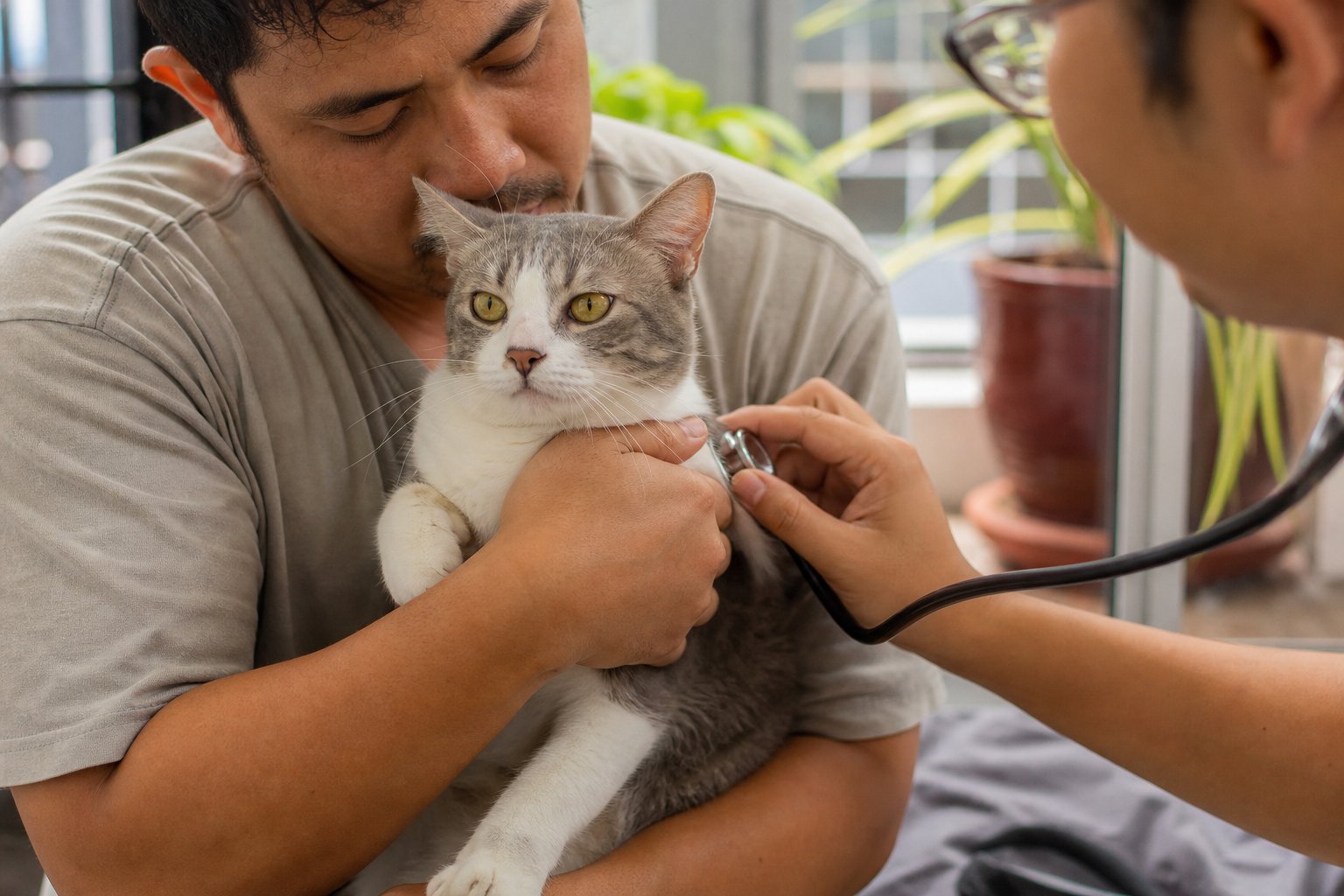
Understanding Constipation in Cats
Constipation is a common feline health issue where a cat has difficulty passing stool or passes stool infrequently. It can range from mild discomfort to a serious condition requiring veterinary care. Preventing constipation is easier than treating it, and with a few adjustments to your cat's routine, you can help keep their digestive system running smoothly.
In Malaysia, cats face unique challenges: hot and humid weather can affect hydration, and many cats live indoors in apartments, which may limit exercise. By understanding the causes and taking proactive steps, you can reduce the risk of constipation and keep your cat comfortable.
Why Prevention Matters
Constipation can lead to serious complications if left untreated. Chronic constipation can cause obstipation (severe, unrelieved constipation) and megacolon, a condition where the colon becomes permanently enlarged and loses its ability to contract. These conditions are painful and often require lifelong management, including special diets, medication, or even surgery.
Prevention is key. By ensuring your cat stays hydrated, eats a balanced diet, and gets regular exercise, you can avoid these problems and save yourself and your cat from stress and expensive vet bills.
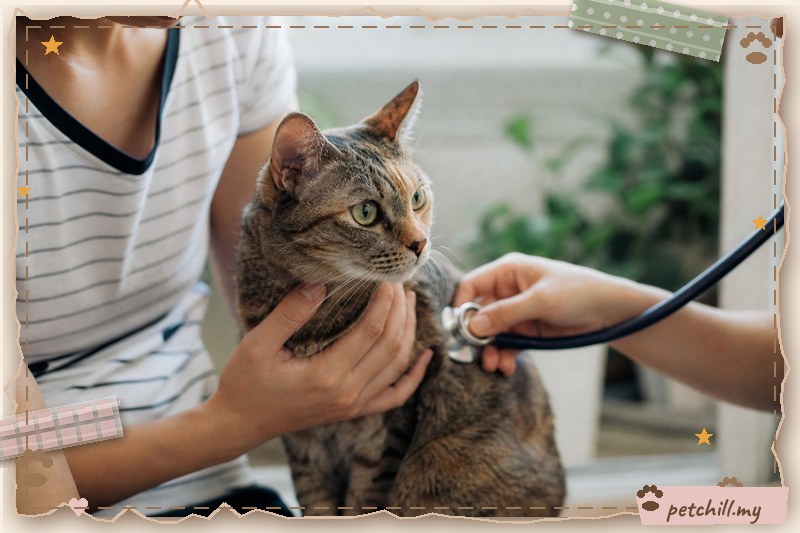
Hydration: The Cornerstone of Prevention
Cats are notoriously poor drinkers. They evolved from desert-dwelling ancestors and have a low thirst drive, which means they may not drink enough water even when dehydrated. In Malaysia's hot climate, this can be even more pronounced.
Tips to Increase Water Intake
- Feed wet food: Canned or pouched food contains 70-80% water, which is an easy way to boost hydration. If your cat eats only dry food, consider mixing in some wet food or adding water to their kibble.
- Use a water fountain: Many cats prefer running water. A pet fountain can encourage drinking.
- Place multiple water bowls: Put bowls in different locations around the house, away from food and litter boxes. Use wide, shallow bowls to avoid whisker fatigue.
- Flavour the water: A splash of tuna water (from a can packed in water, not oil) or low-sodium chicken broth can make water more appealing. Avoid adding salt or onions.
- Keep water fresh: Change water daily and clean bowls regularly to prevent bacterial growth.
The Role of Diet in Hydration
Dry food has its place, but it contains only about 10% moisture. If your cat is prone to constipation, consider switching to a wet food diet or a combination. Always transition gradually to avoid digestive upset. Consult your vet for dietary recommendations tailored to your cat's health.
Fibre: The Good, the Bad, and the Balance
Fibre is essential for healthy digestion. It adds bulk to stool and helps it move through the colon. However, not all fibre is created equal.
Types of Fibre
- Soluble fibre: Dissolves in water to form a gel, which can help soften stool. Examples include psyllium husk and pumpkin.
- Insoluble fibre: Adds bulk and speeds up transit time. Examples include cellulose and wheat bran.
A balanced mix of both is ideal. Many commercial cat foods contain added fibre, but if your cat needs more, your vet may recommend a supplement.
Natural Fibre Sources
- Canned pumpkin (plain, not pie filling): Rich in soluble fibre and moisture. Offer a teaspoon mixed with food.
- Cooked green beans: A safe, low-calorie source of fibre.
- Wheatgrass or cat grass: Some cats enjoy nibbling on it, which provides fibre.
Always introduce new foods slowly and in small amounts to avoid gastrointestinal upset. Avoid giving human fibre supplements without veterinary guidance, as dosages vary.
Fibre Comparison Table
| Fibre Source | Type | Benefits | How to Offer |
|---|---|---|---|
| Canned pumpkin | Soluble | Softens stool, adds moisture | 1 tsp mixed with food |
| Psyllium husk | Soluble | Forms gel, regulates bowel movements | Vet-recommended dose mixed with water |
| Cooked green beans | Insoluble | Adds bulk, low calorie | Chopped, mixed with food |
| Wheat bran | Insoluble | Speeds transit | Sprinkle small amount on food |
| Cat grass | Insoluble | Provides fibre, aids hairball passage | Allow supervised access |
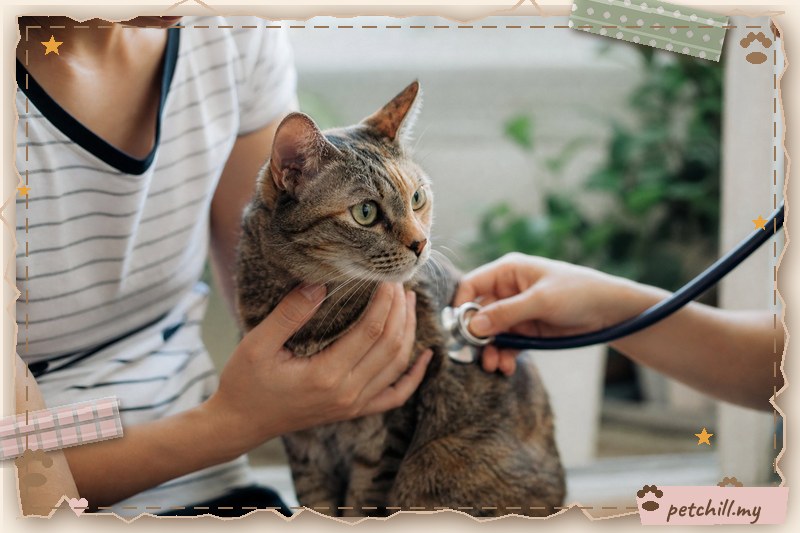
Grooming and Hairball Management
Cats groom themselves constantly, and ingested hair can accumulate in the stomach and intestines. While most hair passes through, large amounts can cause constipation or blockages, especially in long-haired breeds.
Grooming Tips
- Brush regularly: Brush your cat daily, especially during shedding season. Use a slicker brush or grooming glove.
- Hairball remedies: Petroleum-based hairball gels or malt-flavoured supplements can help lubricate the intestines and aid hair passage. Use as directed by your vet.
- Professional grooming: For long-haired cats, consider professional grooming to reduce loose hair.
In Malaysia's humid climate, cats may shed more, so grooming is particularly important.
Litter Box Hygiene and Accessibility
A clean litter box is crucial for preventing litter box avoidance, which can lead to holding in stool and constipation. Cats are fastidious and may refuse to use a dirty box.
Litter Box Best Practices
- Scoop daily: Remove clumps and solids at least once a day.
- Full change weekly: Wash the box with mild soap and water, rinse well, and refill with fresh litter.
- Number of boxes: Provide one box per cat plus one extra. For example, two cats need three boxes.
- Location: Place boxes in quiet, accessible areas away from food and water. In Malaysian apartments, choose spots away from busy corridors.
- Size: The box should be at least 1.5 times the length of your cat.
- Litter type: Most cats prefer unscented, fine-grained clumping litter. Avoid sudden changes.
Accessibility for Senior or Arthritic Cats
Older cats or those with arthritis may have difficulty climbing into high-sided boxes. Provide a low-entry box or a ramp. Pain when posturing to defecate can cause cats to hold stool, leading to constipation.
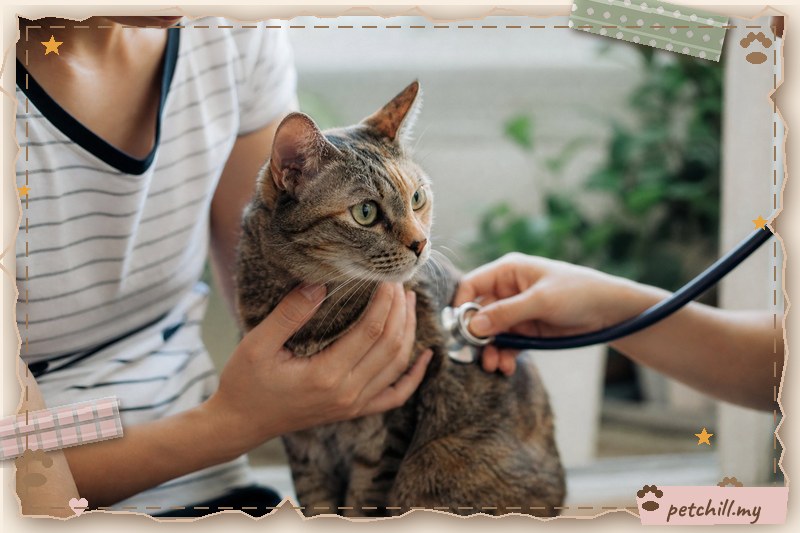
Exercise and Weight Management
Obesity is a significant risk factor for constipation. Overweight cats are less active, which slows gut motility. They also may have difficulty grooming and reaching the litter box.
Encouraging Activity
- Interactive play: Use wand toys, laser pointers, or puzzle feeders to stimulate your cat. Aim for at least 15-20 minutes of active play daily.
- Environmental enrichment: Provide cat trees, shelves, and scratching posts to encourage climbing and jumping.
- Food puzzles: Make your cat work for food, which mimics natural foraging and increases activity.
Weight Management
If your cat is overweight, consult your vet for a safe weight loss plan. Never restrict food drastically without veterinary supervision, as rapid weight loss can be dangerous.
Stress Reduction
Stress can affect digestion and lead to litter box avoidance. Common stressors include changes in routine, new pets, moving house, or loud noises.
Stress-Reduction Strategies
- Maintain routine: Feed and play at consistent times.
- Provide safe spaces: Cats need hiding spots and vertical territory (cat trees, shelves).
- Use pheromone products: Feliway diffusers or sprays can help calm anxious cats.
- Introduce changes gradually: When moving or adding a pet, do so slowly.
In Malaysian multi-cat households, ensure resources (food, water, litter boxes, resting spots) are plentiful and spread out to reduce competition.
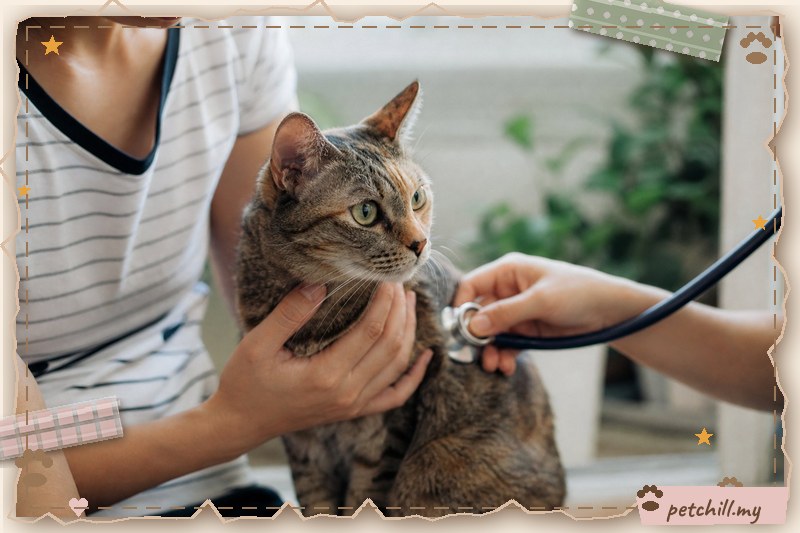
Monitoring Your Cat's Habits
Early detection is key. Keep a close eye on your cat's litter box habits.
What to Watch For
- Frequency: Most cats defecate once or twice daily. If your cat goes more than 24-48 hours without a bowel movement, consult your vet.
- Stool consistency: Ideally, stool should be well-formed, moist, and easy to pass. Hard, dry pellets indicate constipation.
- Straining: If your cat strains to defecate, cries, or spends long periods in the box, it's a red flag.
- Other signs: Loss of appetite, vomiting, lethargy, or abdominal discomfort.
Keeping a Log
Consider keeping a simple log of your cat's litter box habits, especially if they have a history of constipation. Note the date, time, and consistency. This information is valuable for your vet.
When to See a Vet
Constipation can be a symptom of underlying medical conditions such as dehydration, kidney disease, hyperthyroidism, diabetes, or intestinal obstruction. If you notice any of the following, seek veterinary attention promptly:
- No bowel movement for more than 48 hours
- Straining to defecate with little or no stool produced
- Crying or showing pain when defecating
- Blood in the stool
- Vomiting, lethargy, or loss of appetite
- Abdominal swelling or pain
- Repeated episodes of constipation
Your vet will perform a physical examination and may recommend diagnostic tests such as X-rays, blood work, or ultrasound to determine the cause. Treatment may include fluid therapy, laxatives, enemas, or dietary changes. Never give human laxatives or enemas to cats without veterinary advice, as some can be toxic.
Creating a Constipation Prevention Plan for Your Cat
Use this checklist to build a prevention plan tailored to your cat:
- Feed a balanced diet with adequate moisture (wet food or water-added dry food)
- Provide fresh water in multiple locations; consider a fountain
- Include fibre sources (canned pumpkin, vet-approved supplement)
- Brush your cat daily to reduce hair ingestion
- Scoop litter boxes daily; full change weekly
- Provide enough litter boxes (one per cat plus one)
- Encourage daily play and exercise
- Maintain a healthy weight
- Reduce stressors and provide safe spaces
- Monitor litter box habits and note changes
- Schedule regular veterinary check-ups
Conclusion
Constipation prevention for cats involves a holistic approach: hydration, diet, grooming, litter box management, exercise, and stress reduction. By implementing these strategies, you can help your cat maintain healthy digestion and avoid the discomfort of constipation. Remember that every cat is unique, so work with your vet to create a plan that suits your cat's individual needs. With a little effort, you can keep your feline friend happy and regular.
Disclaimer: This article is for informational purposes only and does not replace professional veterinary advice. Always consult a licensed veterinarian for diagnosis and treatment of your cat's health conditions.
Related reading
- Cat Health Guide Malaysia: Symptom Check, Red-Flag Triage & When to See a Vet
- Constipation in Cats: Causes, Care and When to See a Vet in Malaysia
- Constipation in Cats in Malaysia: Causes, Signs and What to Do
- How to Treat Constipation in Cats at Home: A Practical Malaysian Guide
- Ringworm Prevention for Cats in Malaysia: A Practical, Vet-Informed Guide
- Signs of Constipation in Cats in Malaysia: What to Watch For and When to Act
- Sneezing Blood Prevention for Cats: Causes, Care and When to Worry
- Worms in Cats in Malaysia: A Practical Owner's Guide
- Blood Test for Cats in Malaysia: What It Checks, Costs and When You Need One
- Blood Test for Cats: What to Expect (Malaysian Owner's Guide)
- Cat Constipation in Malaysia: The 48-Hour Rule, Red Flags and What Actually Helps

