
The short answer
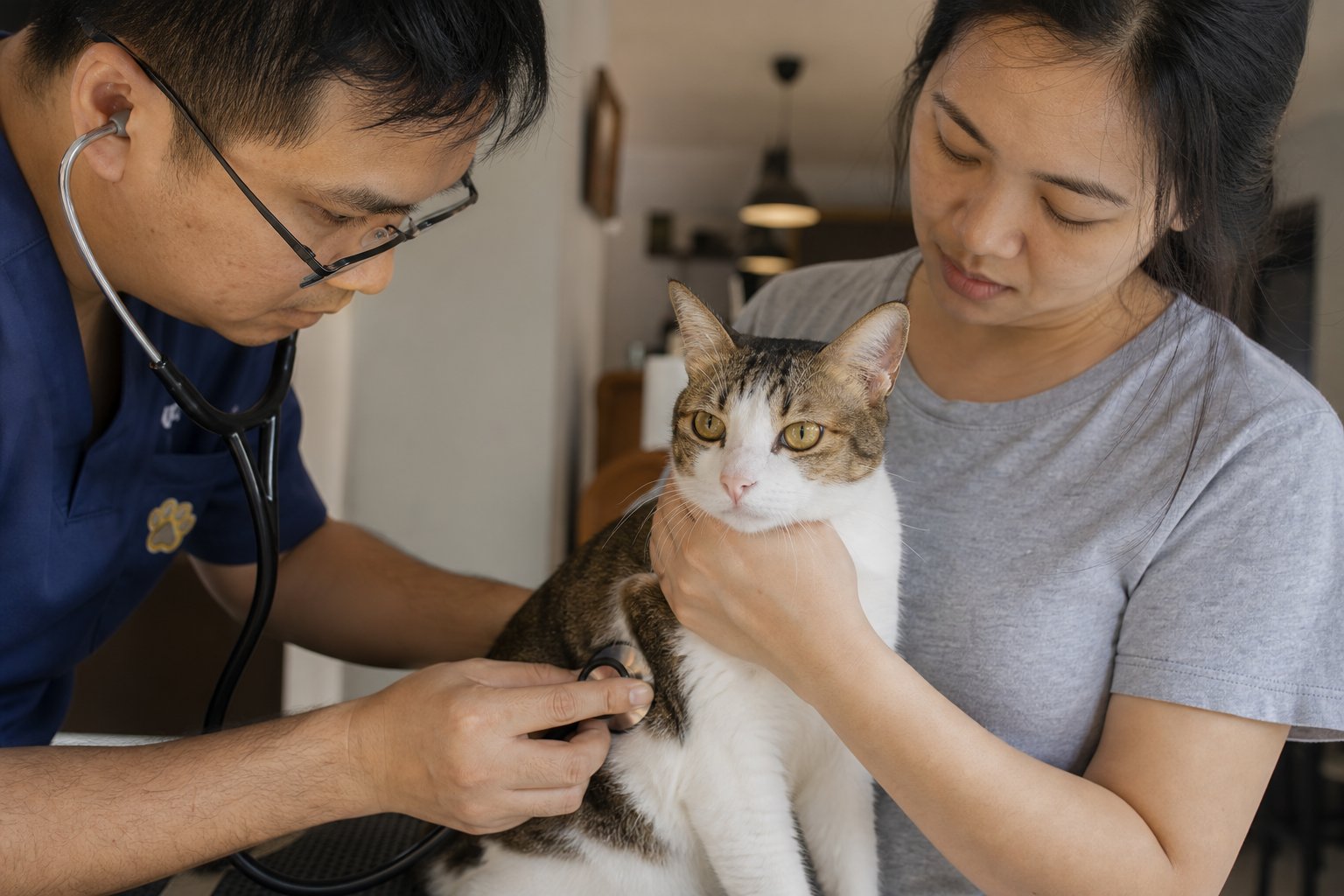
Cat diarrhea is common and often settles within a day or two, but it can also signal parasites, diet mistakes, infection or chronic gut disease. Mild cases usually improve with bland food, fresh water and a little time. See a vet urgently if there is blood, vomiting, lethargy, fever, or diarrhea lasting more than two days, especially in kittens or senior cats.
What diarrhea in cats actually means
Diarrhea is not a disease on its own. It is a sign that something has irritated the gut, sped up transit time, or damaged the lining so the body cannot absorb water properly. The result is loose, watery or unusually frequent stool.
Vets usually describe it in a few ways:
- Acute diarrhea starts suddenly and lasts a short time, often a day or two.
- Chronic diarrhea persists for weeks or keeps coming back.
- Small bowel diarrhea tends to produce larger volumes of stool, sometimes with weight loss.
- Large bowel diarrhea often brings small, frequent stools, mucus, straining and urgency.
You do not need to diagnose the type at home, but noting the pattern helps your vet. A photo of the stool and a note of when it started are genuinely useful.
Common causes of diarrhea in cats
Diet changes and food indiscretion
This is one of the most frequent triggers. A sudden switch to a new brand, too many treats, rich table scraps, or a cat that raids the bin can all upset the gut. Cats are creatures of routine, and abrupt dietary change often produces loose stool within a day.
Scavenging and spoiled food
Outdoor cats and curious indoor cats sometimes eat things they should not: spoiled meat, insects, plants, or food left out in warm weather. In Malaysia's heat and humidity, food spoils faster than many owners expect, so leftovers left down for hours are a real risk.
Intestinal parasites
Roundworms, hookworms, tapeworms, giardia and coccidia are common causes, particularly in kittens, rescued cats and cats that go outdoors. Parasites are diagnosed with a stool sample, not by guessing.
Stress
A new home, a new pet, boarding, renovation noise, or a long car trip can trigger short-lived diarrhea. Stress-related gut upset is real, especially in sensitive cats.
Infections
Viral infections such as feline panleukopenia, and bacterial or viral gut infections, can cause diarrhea. Panleukopenia is serious and often affects unvaccinated kittens, so vaccination status matters.
Food intolerance or allergy
Some cats react to a particular protein or ingredient. This usually causes chronic or recurring signs rather than a single episode, sometimes with itching or ear problems too.
Chronic gut disease
Inflammatory bowel disease, lymphoma, pancreatitis, thyroid disease and kidney disease can all affect stool quality. Older cats with chronic diarrhea and weight loss need a proper work-up.
Medication and toxins
Antibiotics and some other drugs can loosen stool. Household toxins, certain plants and human medicines are also risks. Never give human anti-diarrhea medicine to a cat without veterinary advice.
Mild versus serious: a quick comparison
| Sign | Usually mild | Needs a vet soon |
|---|---|---|
| Stool | Soft but formed, once or twice | Watery, very frequent, or bloody |
| Appetite | Normal or slightly reduced | Not eating for 24 hours or more |
| Drinking | Normal | Refusing water or unable to keep it down |
| Behaviour | Bright, playful, grooming | Lethargic, hiding, weak |
| Vomiting | None or once | Repeated vomiting |
| Age | Healthy adult | Kitten, senior, pregnant or unwell cat |
| Duration | Under 48 hours | More than two days or recurring |
This table is a guide, not a diagnosis. When in doubt, a phone call to your vet is cheaper than waiting too long.
Home care for a cat with mild diarrhea
Keep water available
Dehydration is the main danger with diarrhea. Offer fresh water in several places and consider a water fountain if your cat prefers running water. Some cats accept a little unsalted, unseasoned broth to encourage drinking, but avoid anything salty or onion-based.
Feed small, bland meals
Do not starve an adult cat for long. Offer small portions of bland, easily digested food more often than usual. Plain boiled chicken with well-cooked white rice is a common short-term option, but it is not nutritionally complete. Use it for a day or two at most, then transition back to normal food.
Consider a gastrointestinal diet
Many vets recommend a commercially prepared gastrointestinal diet for a few days. These are formulated to be gentle and complete. Ask your vet or pet retailer which options are available locally, since stock varies.
Reintroduce normal food gradually
Mix increasing amounts of the usual food into the bland food over several days. Sudden switches back can trigger another loose stool.
Keep the litter box clean
Scoop at least twice daily and disinfect the box regularly. Wash your hands afterwards. If you have more than one cat, provide separate boxes so an affected cat is not sharing a contaminated tray.
Reduce stress
Keep the routine calm, avoid unnecessary travel, and give your cat quiet places to rest. Stress reduction genuinely helps gut recovery.
Do not use human medicines
Human anti-diarrhea products, painkillers and antibiotics are not safe for cats without veterinary direction. Some are toxic.
Diet and fibre: what actually helps
Diet changes are one of the most effective tools for diarrhea, but they need to match the cause.
- Fibre can help some large bowel cases by adding bulk, while other cats do better on highly digestible, low-residue food.
- Novel protein diets help if a food allergy is suspected.
- Hydrolysed protein diets are sometimes used for allergic or chronic gut cases.
- Probiotics are popular and may help some cats, but quality varies. Ask your vet before choosing one.
- Pumpkin or psyllium are sometimes suggested for mild fibre support, but doses should come from your vet, not the internet.
There is no single diet that suits every cat. A cat with chronic diarrhea may need a structured dietary trial over several weeks.
Parasite control and hygiene
If your cat goes outdoors, hunts, or lives with other animals, regular deworming is sensible. Your vet can advise on a schedule based on your cat's lifestyle. Bring a fresh stool sample to the appointment if possible; it makes diagnosis faster.
Hygiene matters because some parasites and bacteria can affect people too. Clean the litter box daily, wear gloves if you are pregnant or immunocompromised, and wash hands thoroughly. Keep young children away from soiled litter.
When to see a vet
Contact a veterinarian promptly if you notice any of the following:
- Blood in the stool, or black, tarry stool
- Repeated vomiting or inability to keep water down
- Lethargy, weakness, hiding or pale gums
- A swollen or painful belly
- Fever or signs of pain
- Diarrhea lasting more than two days, or recurring episodes
- Weight loss despite a good appetite
- A kitten, senior cat, pregnant cat or a cat with another illness
- Possible exposure to toxins, plants or human medicines
Kittens and senior cats dehydrate quickly, so do not wait. If your cat is bright but has one soft stool, monitoring at home is reasonable. If your cat is dull, vomiting, or passing watery stool repeatedly, call your vet.
What your vet may do
A vet visit usually starts with a history: diet, duration, stool pattern, vomiting, appetite, vaccination, parasite control and possible exposures. Then comes a physical examination, including hydration and abdominal palpation.
Depending on findings, your vet may recommend:
- A stool examination for parasites
- Blood tests to check organ function and hydration
- X-rays or ultrasound if obstruction or organ disease is suspected
- A dietary trial for suspected food intolerance
- Medication for parasites, infection or gut inflammation
Diagnostics are chosen case by case. There is no single test that explains every diarrhea.
Preventing diarrhea in cats
- Change food gradually over about a week.
- Keep rubbish bins secure and food covered.
- Avoid rich table scraps and sudden treat overload.
- Follow a parasite control plan suited to your cat's lifestyle.
- Keep vaccinations up to date.
- Provide fresh water and clean bowls daily.
- Keep litter boxes clean and reduce household stress.
- Store dry food properly in Malaysia's humid climate to prevent spoilage.
Living with a cat with diarrhea in Malaysia
In a Kuala Lumpur apartment, a cat with diarrhea can soil a small litter area quickly, so scooping twice daily and using an easy-to-clean tray helps keep the home hygienic. In a Johor terrace house, an indoor-outdoor cat may pick up parasites or scavenge more easily, so regular deworming and secure bins matter. During Penang's rainy season, cats may spend more time indoors and food can spoil faster in humid conditions, so store food carefully and watch for stress-related gut upset.
Frequently asked questions
How long does diarrhea in cats usually last? Mild dietary diarrhea often improves within 24 to 48 hours once the stomach settles and food is reintroduced gradually. If it lasts beyond two days, keeps returning, or comes with vomiting, weight loss or lethargy, book a vet visit rather than waiting longer.
Should I stop feeding my cat with diarrhea? No. Adult cats should not be fasted for long because fasting can cause liver problems. Offer small, frequent meals of bland, easily digested food, keep fresh water available, and let your vet advise on any short fasting period for your specific cat.
Is rice and chicken safe for cats with diarrhea? Plain boiled chicken with well-cooked white rice is a common short-term bland option, but it is not a complete diet. Use it only for a day or two, then transition back to normal cat food. Ask your vet for a suitable gastrointestinal diet if diarrhea persists.
Can worms cause diarrhea in cats? Yes. Roundworms, hookworms, tapeworms and other intestinal parasites commonly cause loose stools, especially in kittens and outdoor cats. A vet can check a stool sample and recommend deworming, so bring a fresh sample if possible.
When is cat diarrhea an emergency? Treat it as urgent if you see blood or black tarry stool, repeated vomiting, a swollen belly, pale gums, collapse, fever, or a kitten or senior cat that stops eating or drinking. Dehydration in small cats can become serious quickly.
Can I catch diarrhea from my cat? Some causes, such as certain parasites and bacteria, can pass to people, so wash hands after cleaning litter, wear gloves, and keep young children and immunocompromised people away from soiled litter. Most ordinary dietary upsets are not contagious to humans.
Vet disclaimer
This article is general information for Malaysian cat owners and is not a substitute for veterinary examination, diagnosis or treatment. Diarrhea has many causes, and only a veterinarian who has examined your cat can advise on the right care. If your cat is unwell, contact a licensed veterinarian promptly.
Related reading
- Diarrhea in Cats in Malaysia: Causes, Home Care and When to See a Vet
- How to Treat Diarrhea in Cats at Home: A Practical Malaysian Guide
- How to Treat Ear Mites in Cats at Home: A Practical Malaysian Guide
- Signs of Diarrhea in Cats in Malaysia: What's Normal, What's Not
- Cat Constipation Treatment in Malaysia: A Practical Owner's Guide
- Cat Diarrhea Treatment in Malaysia: A Practical Owner's Guide
- Cat Fleas Treatment in Malaysia: A Practical Owner's Guide
- Chocolate Poisoning and Cats in Malaysia: What Every Owner Should Know
- Constipation in Cats: Causes, Care and When to See a Vet in Malaysia

