PetChill Pet Encyclopedia
Cat Health

Cat Eye Infection Treatment in Malaysia: A Practical Owner's Guide

Cat eye infections are common in Malaysia's humid climate. This guide covers causes, vet treatment options, home care, and red flags that need urgent veterinary attention.

Published: 2026-11-06·7 min read·Author: PetChill Editorial
Cat Eye Infection Treatment in Malaysia: A Practical Owner''s Guide

💡 Quick Answer

Cat eye infection treatment in Malaysia starts with a vet visit for diagnosis. Treatment usually involves antibiotic or antiviral eye drops, cleaning, and addressing underlying causes like cat flu or blocked tear ducts. Never use human eye drops. See a vet promptly if your cat squints, has discharge, or shows flu signs.

Answer-first: What to do about a cat eye infection in Malaysia

If your cat has a suspected eye infection, the first step is a veterinary examination. In Malaysia, vets commonly see eye infections linked to cat flu, conjunctivitis, and corneal ulcers. Treatment usually involves prescribed eye drops or ointment, gentle cleaning, and sometimes oral medication. Never use human eye drops. Start treatment early to prevent complications.

Common causes of eye infections in Malaysian cats

Malaysia's warm, humid climate can support the spread of infectious agents, especially in multi-cat households or shelters. The most frequent causes include:

  • Feline herpesvirus (FHV-1) and feline calicivirus (FCV) – part of the cat flu complex. These viruses cause conjunctivitis, sneezing, and nasal discharge. Herpesvirus can reactivate during stress.
  • Bacterial infections – often secondary to viral damage or irritants. Common bacteria include Staphylococcus and Streptococcus species.
  • Chlamydophila felis – a bacterium that causes persistent conjunctivitis, more common in crowded environments.
  • Mycoplasma – another bacterial cause of conjunctivitis.
  • Environmental irritants – dust, smoke, household cleaning sprays, and pollen can irritate eyes.
  • Trauma – scratches from other cats, foreign bodies like grass seeds, or chemical burns.
  • Blocked tear ducts – can cause chronic tearing and secondary infection.
  • Eyelid abnormalities – such as entropion (inward-rolling eyelids), more common in certain breeds.

In Malaysia, stray cats and outdoor cats may be more exposed to fights and environmental irritants. Indoor cats in apartments can still develop infections, especially if new cats are introduced without quarantine.
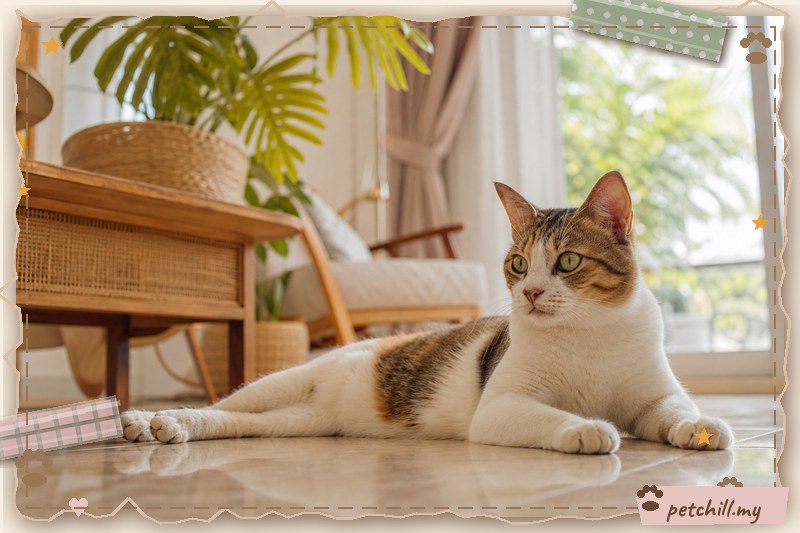
Common causes of eye infections in Malaysian cats

Recognising the signs: when to suspect an eye infection

Watch for these symptoms:

  • Squinting or holding the eye closed
  • Redness in the white of the eye (sclera) or conjunctiva
  • Swelling of the eyelids
  • Discharge – clear, watery, or thick yellow/green pus
  • Pawing at the eye or rubbing the face
  • Sensitivity to light
  • Sneezing, nasal discharge, or fever (suggesting systemic illness)
  • Cloudiness or visible ulcer on the eye surface

Important: Some eye conditions are emergencies. If your cat suddenly cannot open the eye, has a bulging eye, or shows severe pain, seek immediate veterinary care.

Diagnosing eye infections: what your vet may do

A vet will typically:

  1. Take a history – onset, progression, other signs, vaccination status, and environment.
  2. Examine the eye – using a bright light and magnifying loupe.
  3. Perform a fluorescein stain test – to check for corneal ulcers. This is crucial because some eye medications (especially steroids) can worsen ulcers.
  4. Collect samples – swabs for bacterial culture or PCR testing for viruses, especially in severe or recurrent cases.
  5. Check tear production – Schirmer tear test if dry eye is suspected.
  6. Assess general health – temperature, weight, and oral exam.

In Malaysia, not all clinics have advanced diagnostics, but most can perform basic eye exams and fluorescein staining. Ask your vet about their capabilities.
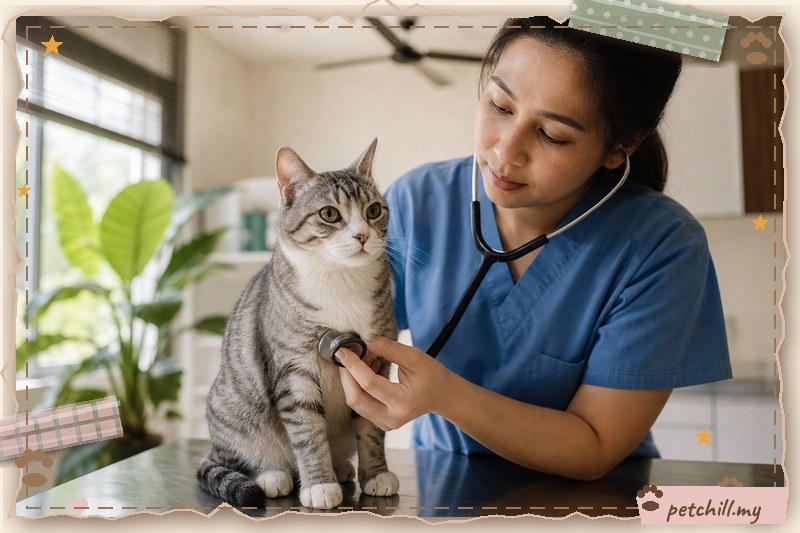
Diagnosing eye infections: what your vet may do

Treatment options for cat eye infections

Treatment depends on the cause. Your vet will tailor a plan.

Bacterial conjunctivitis

  • Topical antibiotics – eye drops or ointment containing ingredients like chloramphenicol, gentamicin, or fusidic acid. Never use antibiotics left over from previous prescriptions.
  • Oral antibiotics – if infection is severe or deep.
  • Gentle cleaning – use sterile saline or vet-recommended eye wash to remove discharge. Cotton balls or soft gauze can be used, wiping from inner to outer corner.

Viral infections (herpesvirus, calicivirus)

  • Antiviral eye drops – such as idoxuridine or trifluridine, may be prescribed for herpes-related eye disease.
  • Oral antiviral – sometimes used for severe cases.
  • Supportive care – keep eyes clean, manage stress, ensure good nutrition.
  • L-lysine – evidence is mixed; discuss with your vet.

Corneal ulcers

  • Topical antibiotics – to prevent secondary infection.
  • Pain relief – vet-prescribed.
  • Serum eye drops – sometimes used to promote healing.
  • Surgery – in severe or non-healing ulcers.

Chlamydophila or Mycoplasma

  • Oral antibiotics – such as doxycycline or azithromycin. Topical treatment alone may not clear the infection.

Environmental irritants

  • Flush the eye – with sterile saline.
  • Remove the irritant – identify and eliminate source (e.g., new cleaning product, dusty litter).
  • Anti-inflammatory drops – only if vet approves and no ulcer present.

Blocked tear ducts

  • Flushing – vet procedure to clear the duct.
  • Address underlying cause – e.g., infection or anatomy.

Note on prices: Veterinary fees in Malaysia vary by clinic, location, and complexity. Ask your vet for an estimate before treatment. Do not convert or assume prices from other countries.

Home care tips for Malaysian cat owners

  • Follow vet instructions exactly – complete the full course of medication, even if the eye looks better.
  • Clean gently – use a separate clean cotton ball for each eye. Wipe from inner to outer corner. Do not reuse.
  • Keep the cat indoors – reduce exposure to dust, smoke, and other animals.
  • Use a cone (Elizabethan collar) – if your cat paws at the eye. This prevents self-trauma.
  • Wash hands – before and after handling the cat, especially if other pets are present.
  • Disinfect – food bowls, water bowls, and bedding regularly. Use pet-safe disinfectants.
  • Reduce stress – stress can trigger herpesvirus reactivation. Provide quiet spaces and maintain routine.
  • Monitor – check the eye at least twice daily for improvement or worsening.

Do not use human eye drops – they may contain preservatives or steroids that harm cats. Do not use old prescriptions – they may be expired or inappropriate.
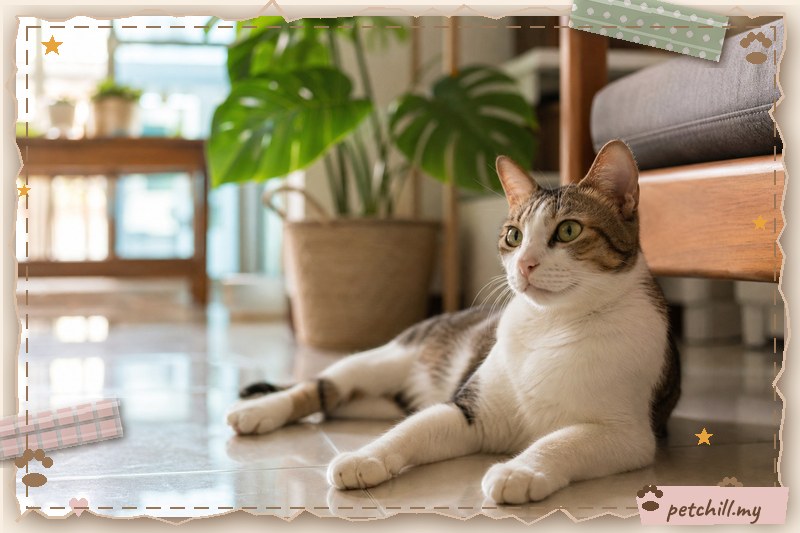
Home care tips for Malaysian cat owners

Preventing eye infections in cats

  • Vaccination – core vaccines protect against herpesvirus and calicivirus. Keep boosters up to date.
  • Good hygiene – clean litter boxes daily, wash food bowls, and disinfect surfaces.
  • Quarantine new cats – isolate for 10–14 days and monitor for signs of illness.
  • Avoid overcrowding – especially in multi-cat homes.
  • Regular vet check-ups – at least annually, more often for senior cats.
  • Manage stress – use pheromone diffusers, provide hiding spots, and keep routines stable.
  • Protect eyes from irritants – avoid smoking indoors, use dust-free litter, and store chemicals safely.

Comparison table: common eye infection treatments

Cause Typical treatment Duration Notes
Bacterial conjunctivitis Topical antibiotic drops/ointment 5–10 days Finish course; clean discharge
Viral (herpesvirus) Antiviral drops, supportive care 7–14 days May recur; manage stress
Corneal ulcer Antibiotic drops, pain relief, serum 1–3 weeks Avoid steroids; recheck vet
Chlamydophila Oral antibiotics (e.g., doxycycline) 2–4 weeks Treat all in-contact cats
Environmental irritant Flush with saline, remove irritant Immediate Vet check if no improvement
Blocked tear duct Flushing procedure Single visit May need repeat

Comparison table: common eye infection treatments

When to see a vet

Seek veterinary care promptly if your cat shows any of the following:

  • Squinting that lasts more than a few hours
  • Thick yellow or green discharge
  • Bloody discharge
  • Cloudiness or visible ulcer on the eye
  • Pawing at the eye or rubbing the face
  • Sneezing, nasal discharge, or fever
  • Loss of appetite or lethargy
  • Sudden vision loss or bulging eye
  • No improvement after 48 hours of home cleaning

Emergency: If your cat is in severe pain, the eye is protruding, or there is sudden blindness, go to an emergency vet immediately.

Local considerations for Malaysian cat owners

  • Humidity and heat – can worsen skin fold dermatitis and eye irritation in flat-faced breeds (e.g., Persians). Keep folds clean and dry.
  • Apartment living – indoor cats in Kuala Lumpur apartments may be exposed to dust and cleaning fumes. Ensure good ventilation.
  • Rainy season – in Penang and other areas, damp conditions can lead to mold and dust mites, which may irritate eyes. Keep bedding dry and clean.
  • Stray and rescue cats – often have untreated eye infections. If you adopt, get a vet check immediately.
  • Vaccination access – core vaccines are available at most Malaysian vet clinics. Ask about feline herpesvirus and calicivirus coverage.

Vet disclaimer

This article provides general information and is not a substitute for professional veterinary advice. Always consult a licensed veterinarian for diagnosis and treatment of your cat's eye condition. The author and publisher are not responsible for any harm resulting from the use of this information.

Frequently asked questions

1. Can I use human eye drops on my cat? No. Human eye drops can be toxic or cause irritation. Some contain preservatives or steroids that worsen infections. Always use vet-prescribed medication.

2. How long does a cat eye infection take to heal? With proper treatment, many bacterial infections improve within 3–7 days. Viral infections may take longer. Finish the full course even if symptoms improve.

3. Is cat eye infection contagious to other pets? Yes, if caused by infectious agents like feline herpesvirus or calicivirus. Keep the affected cat separate and wash hands. Disinfect food bowls and bedding.

4. What are common signs of eye infection in cats? Squinting, redness, swelling, discharge (clear or pus-like), pawing at the eye, and sensitivity to light. Flu-like sneezing may also appear.

5. Can I prevent cat eye infections? Keep vaccinations up to date, reduce stress, maintain good hygiene, and avoid overcrowding. Regular vet check-ups help catch issues early.

6. When should I rush my cat to the vet? If your cat is in pain, has sudden vision loss, bloody discharge, or the eye is bulging, go immediately. Also seek urgent care if the cat stops eating.

Frequently Asked Questions

📌 Key Takeaways

  • This article covers: Answer-first: What to do about a cat eye infection in Malaysia, Common causes of eye infections in Malaysian cats, Recognising the signs: when to suspect an eye infection, Diagnosing eye infections: what your vet may do, Treatment options for cat eye infections, and more
  • Jump to any section via the table of contents for the key details
  • If in doubt, consult a registered veterinarian

Explore this topic cluster

This guide belongs to a Malaysia-focused topic cluster. Read the pillar guide and related articles.

View cluster →

📚 Cat Health article index

This article is part of the Cat Health topic cluster. Explore related articles:

⭐ Pillar guide: Cat Health complete guideBlood Test for Cats in Malaysia: What It Checks, Costs and When You Need One→ ReadBlood Test for Cats Step by Step: What Happens at the Clinic→ ReadBlood Test for Cats: What to Expect (Malaysian Owner's Guide)→ ReadCat Constipation Treatment in Malaysia: A Practical Owner's Guide→ ReadCat Dental Pain Treatment in Malaysia: A Practical Owner's Guide→ ReadCat Diarrhea Treatment in Malaysia: A Practical Owner's Guide→ ReadCat Ear Mites Treatment in Malaysia: A Complete Owner's Guide→ ReadCat Fleas Treatment in Malaysia: A Practical Owner's Guide→ ReadCat Hair Loss Treatment in Malaysia: A Practical Owner's Guide→ ReadCat Licking Wounds: Why It Happens and How to Treat It in Malaysia→ ReadCat Poisoning Treatment in Malaysia: What to Do, What to Expect, and How to Prevent It→ ReadCat Ringworm Treatment in Malaysia: A Practical Owner's Guide→ ReadCat Skin Fungus Treatment in Malaysia: A Practical Owner's Guide→ ReadCat Sneezing Blood: Causes, Treatment and When to See a Vet in Malaysia→ ReadCat Vomiting Treatment in Malaysia: What to Do and When to See a Vet→ ReadCat Weight Loss Treatment in Malaysia: A Practical Guide for Owners→ ReadCat Worms Treatment in Malaysia: A Practical Owner's Guide→ ReadChocolate Poisoning and Cats in Malaysia: What Every Owner Should Know→ ReadConstipation in Cats: Causes, Care and When to See a Vet in Malaysia→ ReadConstipation in Cats in Malaysia: Causes, Signs and What to Do→ ReadConstipation Prevention for Cats: A Practical Guide for Malaysian Owners→ ReadDental Pain in Cats: Causes, Signs and Care (Malaysia Guide)→ ReadDental Pain in Cats in Malaysia: Signs, Causes and What to Do→ ReadDental Pain Prevention for Cats: A Practical Malaysian Guide→ ReadDeworming Schedule for Cats in Malaysia: A Practical, Vet-Led Guide→ ReadDeworming Schedule for Cats: A Step-by-Step Plan for Malaysian Owners→ ReadDeworming Schedule for Cats: What to Expect (Malaysia Guide)→ ReadDiarrhea in Cats: Causes and Care (Malaysian Owner's Guide)→ ReadDiarrhea in Cats in Malaysia: Causes, Home Care and When to See a Vet→ ReadDiarrhea Prevention for Cats: A Practical Guide for Malaysian Owners→ ReadE-Collar Recovery for Cats in Malaysia: A Practical Guide for Owners→ ReadE-Collar Recovery for Cats Step by Step: A Practical Guide for Malaysian Owners→ ReadE-Collar Recovery for Cats: What to Expect (Malaysia Guide)→ ReadEar Mites in Cats: Causes and Care (Malaysia Guide)→ ReadEar Mites in Cats in Malaysia: Signs, Treatment and Prevention→ ReadEar Mites Prevention for Cats: A Practical Malaysian Guide→ ReadElectrical Cables and Cats in Malaysia: A Practical Safety Guide→ ReadEye Infection in Cats: Causes and Care (Malaysia Guide)→ ReadEye Infection in Cats in Malaysia: Causes, Signs, Treatment & Prevention→ ReadEye Infection Prevention for Cats: A Practical Malaysian Guide→ ReadFans and Air Conditioning for Cats in Malaysia: A Practical Comfort Guide→ ReadFlea Treatment for Cats in Malaysia: A Complete Guide→ ReadFlea Treatment for Cats Step by Step: A Practical Malaysian Guide→ ReadFlea Treatment for Cats: What to Expect (Malaysia Guide)→ ReadFleas in Cats: Causes and Care (Malaysia Guide)→ ReadFleas in Cats in Malaysia: Signs, Treatment and Prevention→ ReadFleas Prevention for Cats in Malaysia: A Practical, Year-Round Plan→ ReadGiving Pills for Cats in Malaysia: A Stress-Free Step-by-Step Guide→ ReadGiving Pills for Cats Step by Step: A Calm, Practical Guide for Malaysian Owners→ ReadGiving Pills for Cats: What to Expect (Malaysian Owner's Guide)→ ReadHair Loss in Cats: Causes and Care (Malaysian Owner's Guide)→ ReadHair Loss in Cats in Malaysia: Causes, Home Checks and When to See a Vet→ ReadHair Loss Prevention for Cats: A Practical Grooming and Health Guide→ ReadHousehold Cleaning Products and Cats in Malaysia: A Safety Guide→ ReadHow to Prevent Chocolate Poisoning Around Cats: A Practical Guide for Malaysian Homes→ ReadHow to Prevent Electrical Cables Around Cats: A Practical Safety Guide for Malaysian Homes→ ReadHow to Prevent Fan and Aircond Problems Around Cats: A Malaysian Home Guide→ ReadHow to Prevent Household Cleaning Products Around Cats: A Practical Safety Guide for Malaysian Homes→ ReadHow to Prevent Lily Poisoning Around Cats: A Practical Safety Guide for Malaysian Homes→ ReadHow to Prevent Open Windows Around Cats: A Practical Safety Guide for Malaysian Homes→ ReadHow to Prevent Paracetamol Poisoning Around Cats: A Malaysian Safety Guide→ ReadHow to Prevent Plastic Bags Around Cats: A Practical Safety Guide for Malaysian Homes→ ReadHow to Treat Constipation in Cats at Home: A Practical Malaysian Guide→ ReadHow to Treat Dental Pain in Cats at Home: Safe Relief and When to See a Vet→ ReadHow to Treat Diarrhea in Cats at Home: A Practical Malaysian Guide→ ReadHow to Treat Ear Mites in Cats at Home: A Practical Malaysian Guide→ ReadHow to Treat Eye Infection in Cats at Home: Safe Steps for Malaysian Owners→ ReadHow to Treat Fleas in Cats at Home: A Practical Malaysian Guide→ ReadHow to Treat Hair Loss in Cats at Home: A Practical Malaysian Guide→ ReadHow to Treat Licking Wounds in Cats at Home: A Practical Guide for Malaysian Owners→ ReadHow to Treat Poisoning in Cats at Home: First Aid, Safe Steps and When to Rush to the Vet→ ReadHow to Treat Ringworm in Cats at Home: A Practical Guide for Malaysian Owners→ ReadHow to Treat Skin Fungus in Cats at Home: A Practical Malaysian Guide→ ReadHow to Treat Sneezing Blood in Cats at Home: Safe First Steps for Malaysian Owners→ ReadHow to Treat Vomiting in Cats at Home: A Practical Malaysian Guide→ ReadHow to Treat Weight Loss in Cats at Home: A Practical Guide for Malaysian Owners→ ReadHow to Treat Worms in Cats at Home: A Practical, Safe Guide for Malaysian Owners→ ReadLicking Wounds in Cats: Causes and Care (Malaysian Vet Guide)→ ReadLicking Wounds in Cats Malaysia: When It's Normal and When to Stop It→ ReadLicking Wounds Prevention for Cats: How to Stop the Lick Cycle and Let Skin Heal→ ReadLily Poisoning and Cats in Malaysia: Why Every Petal Is an Emergency→ ReadOpen Windows and Cats in Malaysia: How to Keep Your Cat Safe Without Locking Up the House→ ReadParacetamol Poisoning in Cats in Malaysia: Why Even One Tablet Can Be Deadly→ ReadPlastic Bags and Cats in Malaysia: Why They're Dangerous and How to Keep Your Cat Safe→ ReadPoisoning in Cats: Causes, Symptoms and Care (Malaysia Guide)→ ReadPoisoning in Cats in Malaysia: Common Toxins, Signs and What to Do→ ReadPoisoning Prevention for Cats in Malaysia: A Room-by-Room Safety Guide→ ReadRingworm in Cats: Causes, Symptoms and Care (Malaysia Guide)→ ReadRingworm in Cats in Malaysia: Signs, Treatment and Prevention→ ReadRingworm Prevention for Cats in Malaysia: A Practical, Vet-Informed Guide→ ReadSigns of Constipation in Cats in Malaysia: What to Watch For and When to Act→ ReadSigns of Dental Pain in Cats in Malaysia: What Owners Miss→ ReadSigns of Diarrhea in Cats in Malaysia: What's Normal, What's Not→ ReadSigns of Ear Mites in Cats in Malaysia: How to Spot, Treat and Prevent Them→ ReadSigns of Eye Infection in Cats in Malaysia: What Owners Should Look For→ ReadSigns of Fleas in Cats in Malaysia: How to Spot, Check and Act→ ReadSigns of Hair Loss in Cats in Malaysia: What to Look For and When to Worry→ ReadSigns of Licking Wounds in Cats Malaysia: How to Spot Problem Licking→ ReadSigns of Poisoning in Cats in Malaysia: What to Watch For and What to Do→ ReadSigns of Ringworm in Cats in Malaysia: What Owners Should Look For→ ReadSigns of Skin Fungus in Cats in Malaysia: How to Spot Ringworm Early→ ReadBlood in a Cat's Sneeze: Signs, Causes and What to Do in Malaysia→ ReadSigns of Vomiting in Cats in Malaysia: What's Normal, What's Not, and When to See a Vet→ ReadSigns of Weight Loss in Cats in Malaysia: What to Watch For and When to Worry→ ReadSigns of Worms in Cats in Malaysia: What Owners Should Look For→ ReadSkin Fungus in Cats: Causes, Signs and Care (Malaysia Guide)→ ReadSkin Fungus in Cats in Malaysia: Ringworm Signs, Treatment and Prevention→ ReadSkin Fungus Prevention for Cats: A Practical Guide for Malaysian Homes→ ReadSneezing Blood in Cats: Causes and Care (Malaysia Guide)→ ReadSneezing Blood in Cats in Malaysia: Causes, What to Do, and When to See a Vet→ ReadSneezing Blood Prevention for Cats: Causes, Care and When to Worry→ ReadSterilization for Cats in Malaysia: A Complete Guide for Owners→ ReadSterilization for Cats Step by Step: A Malaysian Owner's Guide→ ReadSterilisation for Cats: What to Expect (Malaysian Owner's Guide)→ ReadUltrasound for Cats in Malaysia: What It Is, When It's Needed, and What to Expect→ ReadUltrasound for Cats Step by Step: What Happens, What It Costs, and How to Prepare→ ReadUltrasound for Cats: What to Expect (Malaysian Owner's Guide)→ ReadVaccination Side Effects for Cats in Malaysia: What's Normal, What's Not→ ReadVaccination Side Effects for Cats: A Step-by-Step Guide for Malaysian Owners→ ReadCat Vaccination Side Effects: What Malaysian Owners Should Expect→ ReadVomiting in Cats: Causes and Care (Malaysia Guide)→ ReadVomiting in Cats in Malaysia: When It's Normal and When to Worry→ ReadVomiting Prevention for Cats: A Practical Guide for Malaysian Owners→ ReadWeight Loss in Cats: Causes and Care (Malaysian Vet Guide)→ ReadWeight Loss in Cats in Malaysia: Causes, Warning Signs and What to Do→ ReadWeight Loss Prevention for Cats: A Practical Malaysian Guide→ ReadWorms in Cats: Causes and Care (Malaysia Vet Guide)→ ReadWorms in Cats in Malaysia: A Practical Owner's Guide→ ReadWorms Prevention for Cats in Malaysia: A Complete Guide→ ReadWound Care for Cats in Malaysia: A Practical Owner's Guide→ ReadWound Care for Cats Step by Step: A Practical Malaysian Guide→ ReadWound Care for Cats: What to Expect, Step by Step→ ReadX-Ray for Cats in Malaysia: What to Expect, Costs and Safety→ ReadX-Ray for Cats Step by Step: What Malaysian Owners Should Expect→ ReadX-Ray for Cats: What to Expect (Malaysian Owner's Guide)→ ReadArthritis Pet Care in Malaysia: A Practical Guide for Cats and Dogs→ ReadCat Arthritis in Malaysia: 5 Home Signs Your Cat Is in Pain — and What to Do→ ReadEarly Signs of Chronic Disease in Cats: 7 Daily Checks and a 4-Week Record Sheet→ ReadCat Chronic Kidney Disease in Malaysia: The Daily Care Routine That Actually Slows It Down→ ReadCat Constipation in Malaysia: The 48-Hour Rule, Red Flags and What Actually Helps→ ReadCat Dehydration in Malaysia: Home Skin-Turgor Test, 7 Causes and Emergency Signs→ ReadCat Heart Disease in Malaysia: Sleep Breathing Count, HCM Early Signs and When to Rush to the Vet→ ReadCat Kidney Disease in Malaysia: Early Signs, Prevention and Everyday Care→ ReadCat Pancreatitis in Malaysia: Symptoms, fPLI Testing, Treatment and Home Recovery→ ReadCat Ringworm in Malaysia: Signs, Treatment and Home Cleaning Guide→ ReadCat Symptom Checker Malaysia: 12 Common Signs and a Green-Amber-Red Triage Table→ ReadPet Deworming in Malaysia: How Often to Worm Your Cat or Dog→ ReadPet Gut Health in Malaysia: Probiotics, Food Transitions and Stool Troubles (Part 2)→ ReadCat Gut Health: Probiotics, Antibiotics and Food Transitions Explained (Malaysia)→ ReadPet Health Malaysia 2026: Common Cat and Dog Illnesses, Prevention Care and Vet Guidance→ ReadPet Insurance in Malaysia: How to Compare Plans Before You Sign→ ReadPet Poisoning at Home: Household Chemicals, Toxic Plants and When Not to Induce Vomiting (Malaysia)→ ReadPet Poisoning at Home: Household Chemicals, Insecticides and Toxic Plants (Malaysia, Part 1)→ ReadCat Chronic Disease Early Signs in Malaysia: 7 Daily Checks and a 4-Week Log→ ReadCat Health Guide Malaysia: Symptom Check, Red-Flag Triage & When to See a Vet→ ReadCat Ringworm in Malaysia: Symptoms, Treatment and Home Cleaning Guide→ ReadGut Health, Probiotics & Food Transition Part 2: Practical Malaysia Guide→ ReadPet Health in Malaysia: A Practical Prevention Guide for Cats and Dogs→ Read

Related products at PetChill