
The short answer
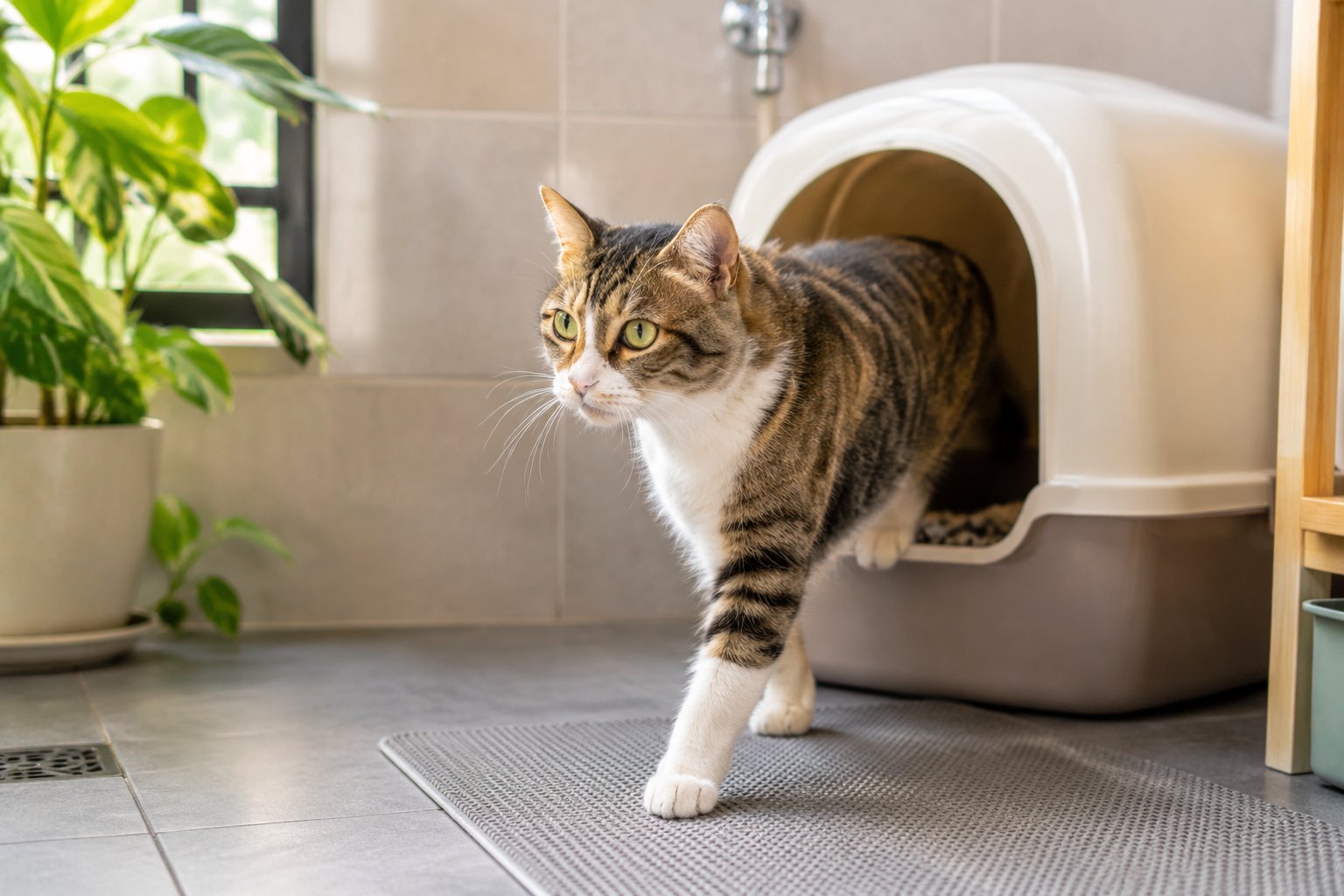
A covered litter box is a good buy for many Malaysian cats, but only if it is large, easy to clean and well ventilated. The best choice is usually a big hooded tray with a removable or hinged lid, a low front step, side vents and a carbon filter slot. If your cat is shy, elderly or arthritic, an open tray is often kinder.
This guide explains how to judge size, ventilation, litter type, cleaning routines and placement in Malaysian homes, and when a covered box is the wrong tool.
Covered vs open: what you gain and what you lose
A hooded box hides waste from view and keeps litter from being kicked across the floor. That matters in a small apartment or a room guests see. It also reduces urine spray on nearby walls when a cat stands high to urinate.
The trade-offs are real. A lid traps warm, humid air and odour. Ammonia builds up faster in a closed box, especially in a warm room. Some cats feel trapped with one exit, particularly if another cat guards the door. A covered box also takes longer to scoop and wash.
| Feature | Covered box | Open tray |
|---|---|---|
| Hides waste | Yes | No |
| Litter scatter | Low | Higher |
| Odour build-up | Higher if not cleaned | Lower |
| Cat feels secure | Some cats yes, some no | Usually yes |
| Cleaning speed | Slower | Faster |
| Space needed | Similar footprint, taller | Similar footprint |
| Best for | Confident cats, small homes | Shy, senior, arthritic cats |
Neither design is universally better. Match the box to the cat, not to the photo on the box.
Size: the number that matters most
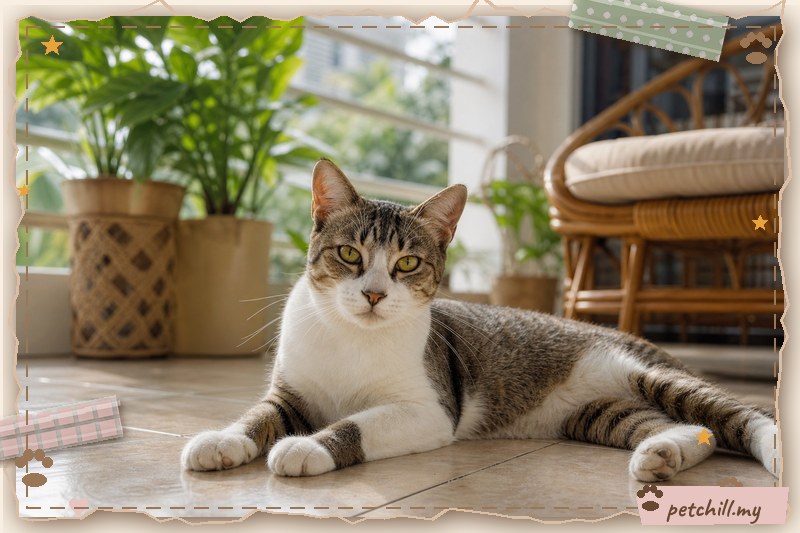
Most litter box problems start with a box that is too small. A cat needs to enter, turn around, dig and squat without touching the walls. As a working guide, the internal length should be about 1.5 times your cat's length from nose to the base of the tail. For most adult cats that means at least 60 cm inside, and many large breeds need more.
Height matters too. A tall cat should be able to stand and turn under the lid. If the roof touches the ears, the box is too small. A low entry lip helps kittens, seniors and cats with joint pain step in without jumping.
Measure your cat before you shop. Measure the space where the box will sit, then check the product's internal dimensions, not just the outer size. Many hooded boxes look big outside but lose several centimetres to thick walls and a sloping roof.
Ventilation and odour control
A covered box needs air movement. Look for side vents, a slotted back panel or a lid that sits slightly raised. Carbon filter slots help, but filters only work if you replace them. A clogged filter is worse than no filter because it gives false confidence.
Placement does more for odour than any accessory. Put the box where air moves, such as a bathroom with a window, a covered utility area or a corridor with a fan. Avoid sealed cupboards, wardrobes and tight corners behind doors. In a Kuala Lumpur apartment, a bathroom with an exhaust fan is often the best spot. In a Johor terrace house, a shaded utility area or a downstairs bathroom works well, as long as it is not hot and airless.
Avoid scented litter deodorisers and perfumed sprays. They mask odour for humans but can irritate a cat's nose and put it off the box. Mild, unscented washing is safer.
Litter choice inside a covered box
Litter and box design work together. In a covered box, dust and tracking are more noticeable because the cat walks out through a small opening.
- Clumping clay litter forms firm clumps that are easy to scoop. It suits most covered boxes but can be dusty.
- Fine clumping litter controls odour well but tracks more. A textured entry mat helps.
- Pellet litter made from wood or paper produces less dust but clumps poorly. It can work in a covered box if you scoop solids daily.
- Crystal litter absorbs urine and dries faeces, which reduces odour, but some cats dislike the texture.
Use one litter type consistently. Sudden changes can cause a cat to avoid the box. If you must change, mix old and new litter over a week or two.
Fill depth matters. About 5 to 8 cm of clumping litter gives enough depth to dig and bury without spilling through the door. Too little litter leads to urine sticking to the base, which smells.
Cleaning routine that actually controls smell
A covered box needs a routine, not a weekly panic.
- Scoop solids at least twice a day. Once a day is the minimum; twice is better in warm weather.
- Stir the litter lightly after scooping so wet spots are exposed and can dry.
- Top up litter to the correct depth.
- Do a full litter change weekly, or sooner if the box smells when you lift the lid.
- Wash the tray and lid monthly with mild unscented soap and warm water. Rinse well and dry fully before refilling.
- Replace the carbon filter monthly, or as the maker advises.
- Check the door flap and hinges. A stiff or noisy flap can scare a cat.
Avoid bleach and strong disinfectants inside the box. Residual fumes can deter cats. If you use a pet-safe disinfectant, follow the label and let the box dry completely.
Placement in Malaysian homes
Where you put the box matters as much as which box you buy.
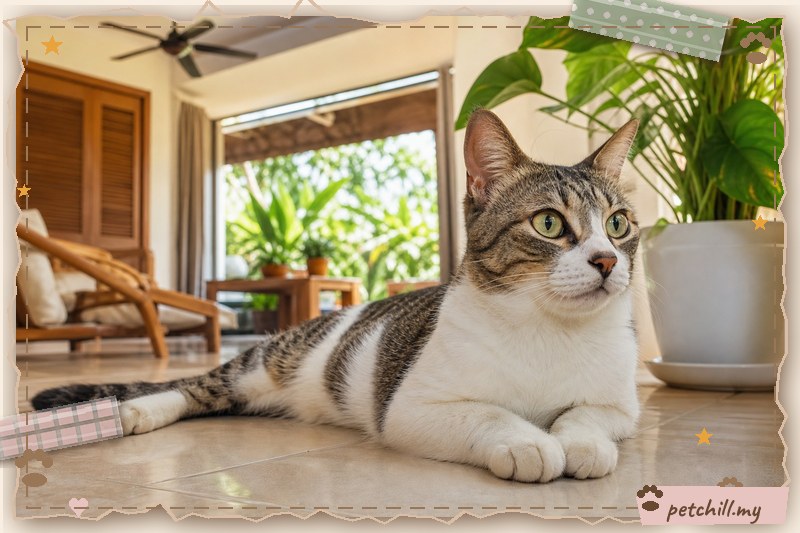
- Apartments: a bathroom with an exhaust fan, a balcony that is shaded and safe, or a utility corner away from food and water. Avoid hot, sealed rooms.
- Terrace houses: a downstairs bathroom, a covered utility area or a quiet corner away from the kitchen. Avoid car porches that get direct afternoon sun.
- Multi-cat homes: spread boxes across different rooms. Do not line them all up in one row, which can let one cat guard the area.
- Away from food and water: cats prefer not to eat near their toilet. Keep bowls at least a metre or two away.
- Quiet but not isolated: a box in a busy walkway can be stressful, but a box in a locked room is worse. Aim for a quiet spot the cat can reach easily.
In a Penang rainy season, humidity rises and odour can worsen. Check the box more often, keep the room ventilated and consider a dehumidifier nearby if the room is damp.
When a covered box is the wrong choice
Some cats should not use a covered box, or should use one only with the lid off.
- Shy or anxious cats that startle easily.
- Senior cats with arthritis or reduced mobility.
- Cats with urinary or digestive conditions that need frequent visits.
- Multi-cat homes where one cat guards the box.
- Kittens still learning, who may not find the entrance.
- Cats that have already soiled outside the box.
If your cat avoids the box, remove the lid for a week and see what happens. Many owners find the cat prefers an open tray, and that is a valid outcome. A box the cat uses is better than a stylish box it avoids.
Features worth paying for
Not every feature is useful. Here is what to prioritise.
- A large internal space.
- A lid that lifts off or swings open easily for scooping.
- Side ventilation and a filter slot.
- A low entry step.
- A secure latch that does not rattle.
- Smooth, non-porous plastic that washes clean.
- A replaceable filter, not a glued-in one.
Skip features that add cost without helping: built-in lights, complex electronic flaps, and tiny scoop holders that break. Simple is easier to clean, and easy cleaning is what controls smell.
Common mistakes
- Buying by colour instead of size.
- Putting the box in a sealed cupboard to hide it.
- Using scented litter to mask odour instead of scooping.
- Keeping one box for two cats.
- Forgetting to replace the carbon filter.
- Washing with strong bleach and refilling before the box is dry.
- Ignoring a cat that suddenly avoids the box.
When to see a vet
See a vet if your cat strains to urinate, cries while urinating, produces only small amounts of urine, has blood in the urine, or urinates outside the box suddenly. These can be signs of urinary disease, which is serious and can worsen quickly. Also see a vet if your cat stops eating, vomits repeatedly, has diarrhoea lasting more than a day, or seems painful when moving. Behaviour changes such as avoiding the box can have a medical cause, so a check-up is sensible before you blame the box.
Quick checklist before you buy
- Measure your cat and the space.
- Check internal dimensions, not just outer size.
- Confirm the lid lifts off or swings open.
- Look for side vents and a filter slot.
- Check the entry height.
- Plan where the box will go.
- Buy one box per cat plus one.
- Buy an unscented, low-dust litter.
- Set a reminder to scoop twice daily and wash monthly.
Bottom line
The best covered litter box for a Malaysian cat is a large, simple, well-ventilated one that you can clean quickly. Size and ventilation beat fancy features. If your cat refuses it, remove the lid or switch to an open tray. A box your cat uses every day is the only box that works.
This article is general information, not veterinary advice. Consult a licensed veterinarian for your cat's health and behaviour.

