The short answer
Scented cat litter is a convenience product, not a cleaning product. It can make a litter box in a Kuala Lumpur apartment feel less noticeable between scoops, but the fragrance does not neutralise urine or faeces. Buy scented litter only when your cat already uses the box reliably, choose a mild fragrance over a strong perfume, and keep unscented litter as your fallback. If your cat starts avoiding the tray, the scent is one of the first things to remove.
This guide walks through how odour-control litter works, how to read a label, how the main litter types compare, and how to set up a box so the litter does its job.
How scented cat litter actually works
Cat litter odour control happens in two separate layers, and it helps to keep them apart when you shop.
Layer one: moisture and ammonia control. Clumping litter binds urine into a scoopable solid, so the urine leaves the box instead of soaking into the base. Some litters also contain ingredients that bind ammonia, the sharp gas that builds up in a used tray. Materials such as activated carbon, zeolite and baking soda are commonly added for this reason. This layer does real work.
Layer two: fragrance. Perfume, essential oils or fragrance beads add a smell on top of whatever is already in the box. It masks odour for a while. It does not remove the source, and in a warm, humid room the perfume and the waste smell can combine into something worse than either alone.
That is why a heavily perfumed litter can smell pleasant when you pour it and unpleasant two days later. The fragrance fades faster than the waste accumulates.
A useful rule: buy scented litter for the clumping and dust control first, and treat the scent as a small bonus. If the only thing a product offers is a strong smell, it is not solving your problem.
What to check on the label before you buy
Malaysian shelves carry imported and locally packed litter, and packaging claims vary widely. Read the back of the bag, not just the front.
- Clumping vs non-clumping. Clumping litter is easier to scoop and keeps the box drier. Non-clumping litter needs more frequent full changes.
- Material. Bentonite clay, tofu (soy or pea fibre), pine pellets, paper pellets, silica crystal and mixed litters all behave differently. Know which one you are buying.
- Dust level. Shake the bag gently in the shop if it is sealed in clear plastic, or read reviews. Dusty litter coats surfaces and irritates noses.
- Fragrance strength. Words like "fresh", "lavender" and "lemon" tell you little. Look for "lightly scented" or a short ingredient list, and avoid products that smell strongly through the sealed bag.
- Additives. Activated carbon, zeolite and baking soda are odour binders. Essential oils are fragrance, and some cats are sensitive to them.
- Bag size and resealability. A large bag is only good value if you can store it dry. Malaysian humidity turns exposed clay litter clumpy and musty.
- Weight. Clay is heavy. If you live in a walk-up flat or carry groceries by public transport, a lighter tofu or pine litter may be more practical.
Prices vary by brand, bag size and retailer, so compare cost per kilogram rather than the shelf price, and ask your local pet shop or vet clinic which options they actually stock.
Comparing the main litter types
The table below compares common options on the points that matter most for a scented product.
| Litter type | Odour control | Dust | Weight | Scent options | Best suited to |
|---|---|---|---|---|---|
| Bentonite clay (clumping) | Strong; tight clumps, good ammonia control | Moderate to high unless low-dust | Heavy | Widely available scented and unscented | Most adult cats; households wanting firm clumps |
| Tofu / plant fibre | Good; clumps well, lighter | Low | Light | Often lightly scented or unscented | Apartments, owners who dislike heavy bags |
| Pine pellets | Good; sawdust controls moisture | Low | Medium | Usually natural wood scent, rarely perfumed | Owners wanting a natural smell, pellet-tolerant cats |
| Paper pellets | Moderate; absorbs but clumps poorly | Very low | Light | Usually unscented | Sensitive cats, post-surgery or kitten setups |
| Silica crystal | Strong moisture control, dries waste | Low | Medium | Sometimes scented | Low-maintenance households, single cats |
| Mixed litter | Varies by blend | Varies | Varies | Varies | Owners testing a compromise between two types |
Two practical notes. First, cats often have a texture preference, and a cat that loves fine clay may refuse chunky pellets. Second, switching litter type and adding scent at the same time makes it impossible to tell which change caused a problem. Change one thing at a time.
Scent, sensitivity and cat welfare
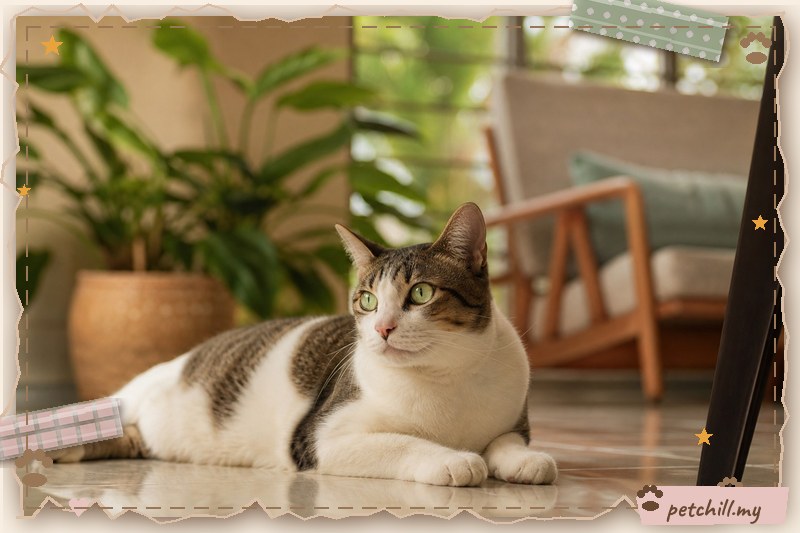
Cats have a far sharper sense of smell than people, and they investigate the box nose-first. A fragrance that seems faint to you can be intense at litter level.
Watch for these signs that the scent is too much:
- Sniffing the litter, then shaking the head or sneezing
- Pawing at the nose or mouth after entering the box
- Entering the box, turning around and leaving without going
- Going just outside the box or on a mat nearby
- Increased grooming around the face
Some cats are more vulnerable. Kittens are still learning, senior cats may have reduced mobility, and cats with asthma or other breathing conditions should have low-dust, unscented litter as the default. If your cat has a diagnosed respiratory issue, ask your vet before introducing any fragranced product.
There is also a behaviour trap worth knowing. A scented box can mask the smell of a dirty tray from you, so you scoop less often. The cat then avoids the box because it is dirty, and the owner blames the litter. Set a scooping routine that does not depend on your nose.
Setting up the box so the litter works
Litter performance depends heavily on setup. A good scented litter in a bad box will still smell.
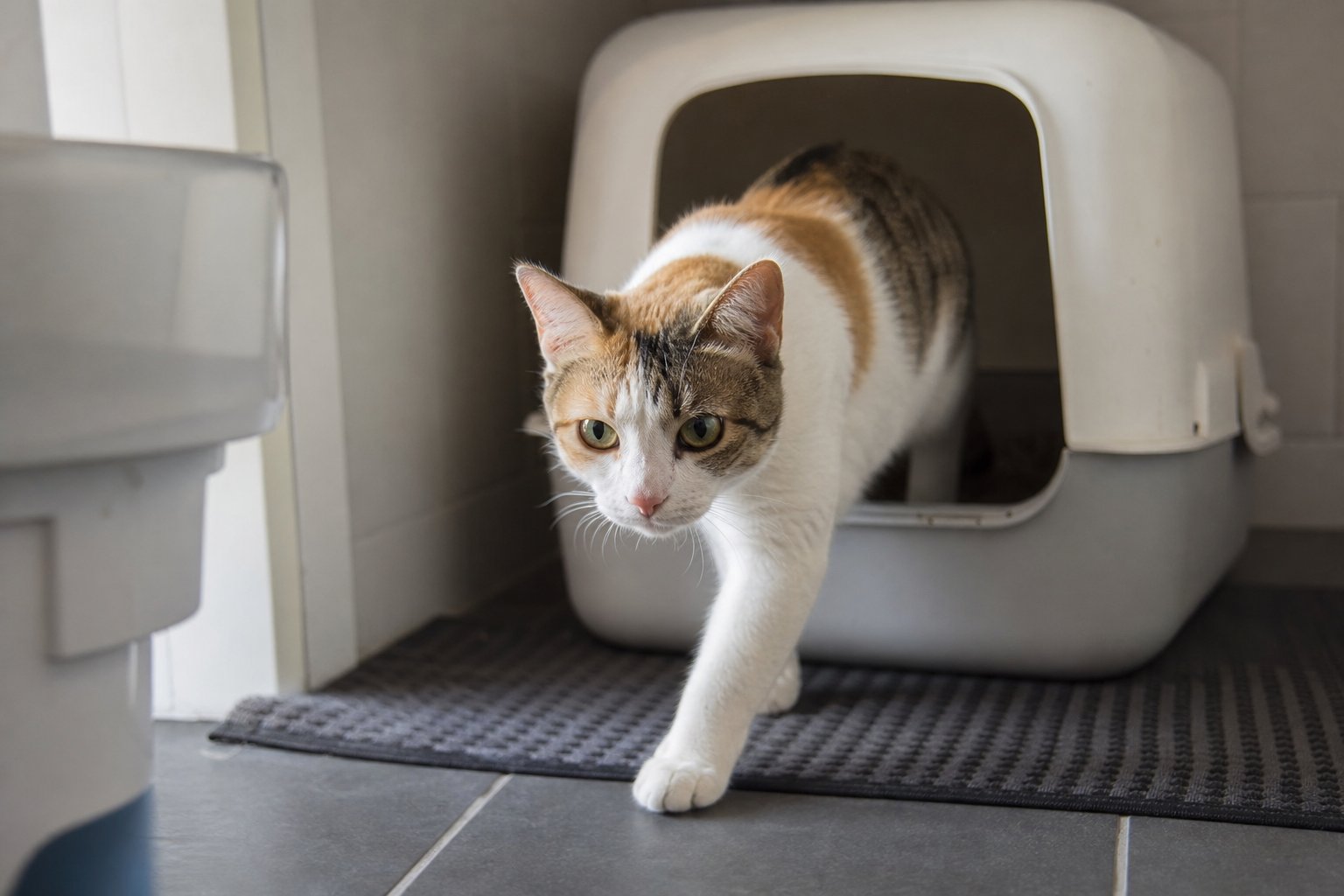
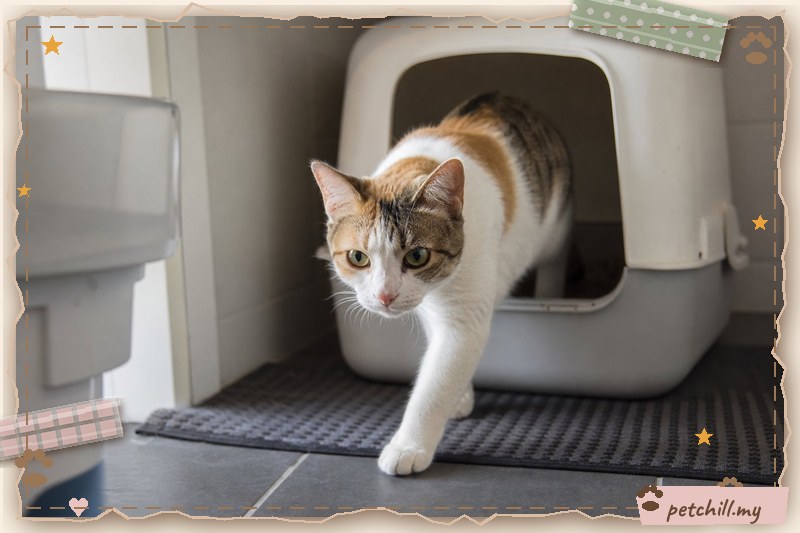
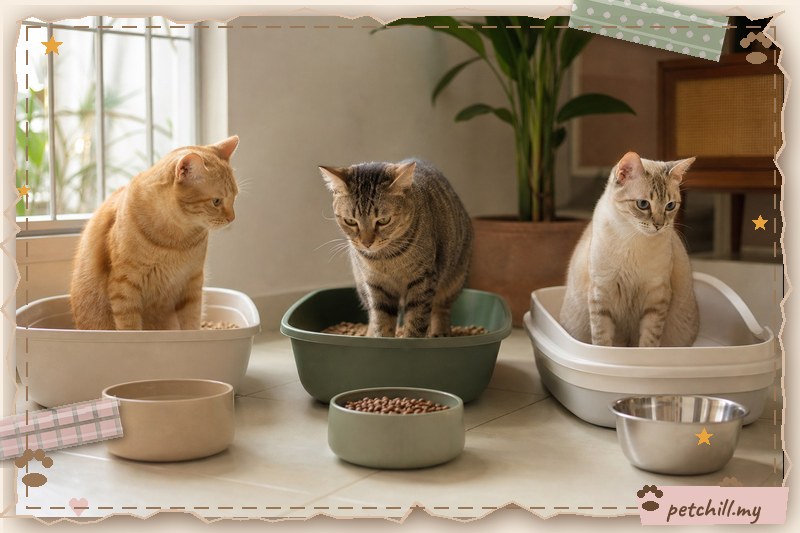
Box size and number. The common guideline is one box per cat plus one extra, placed in different spots. A box should be roughly one and a half times the length of your cat, so the cat can turn around.
Litter depth. Around five to eight centimetres suits most clumping litters. Too shallow and urine reaches the base; too deep and cats dig to the bottom.
Placement. Keep boxes away from food and water, noisy appliances and busy walkways. In a small flat, a bathroom or utility corner with some air movement works better than a bedroom cupboard.
Scooping. Scoop solids at least twice a day. Clumps should come out daily, not weekly.
Full changes. Wash the tray and replace all litter roughly every two to four weeks for one cat. In humid weather or with several cats, do it more often. Use a mild, pet-safe cleaner and let the tray dry fully before refilling.
Storage. Keep the bag sealed and off the floor. Damp litter clumps in the bag and develops a musty smell before it ever reaches the tray.
Air and humidity. Malaysian humidity keeps odour hanging in the air. Ventilation and a dry box do more for smell than any fragrance.
A simple buying checklist
Use this before you pay:
- Confirm your cat currently uses the box without accidents.
- Decide the material first, then the scent.
- Choose the mildest fragrance option in that material, or unscented if available.
- Check dust level and bag resealability.
- Compare cost per kilogram, not per bag.
- Buy the smallest size first and test it in one box.
- Keep one unscented box available during the trial.
- Note the date you opened the bag so you can judge how long it lasts.
If your cat refuses the new litter, do not persist for weeks. Mix a little of the new litter into the old for several days, or simply return to what worked.
When to see a vet
Litter and litter-box behaviour can reveal health problems, and some signs should not wait.
See a vet promptly if your cat:
- Strains in the box, cries out, or produces only small amounts of urine
- Has blood in the urine or passes urine outside the box suddenly
- Stops using the box entirely after a litter change and does not settle within a few days
- Sneezes, wheezes or has runny eyes that started after a litter switch
- Grooms the genital area excessively or has soiled fur
- Shows pain when picked up around the belly
Urinary blockages, especially in male cats, are emergencies. Do not wait to see whether a new litter fixes the problem. Litter choice is a management tool, not a treatment.
Bottom line
Scented cat litter is a reasonable option for owners who want a little help between scoops, provided the cat accepts it. Choose a low-dust clumping litter with a mild fragrance, scoop twice daily, wash the tray on a schedule, and keep unscented litter on hand. If your cat votes against the scent, listen to the cat.
This article is general information for cat owners and is not veterinary advice. If your cat shows signs of illness, pain or a change in litter-box behaviour, consult a licensed veterinarian in Malaysia.