
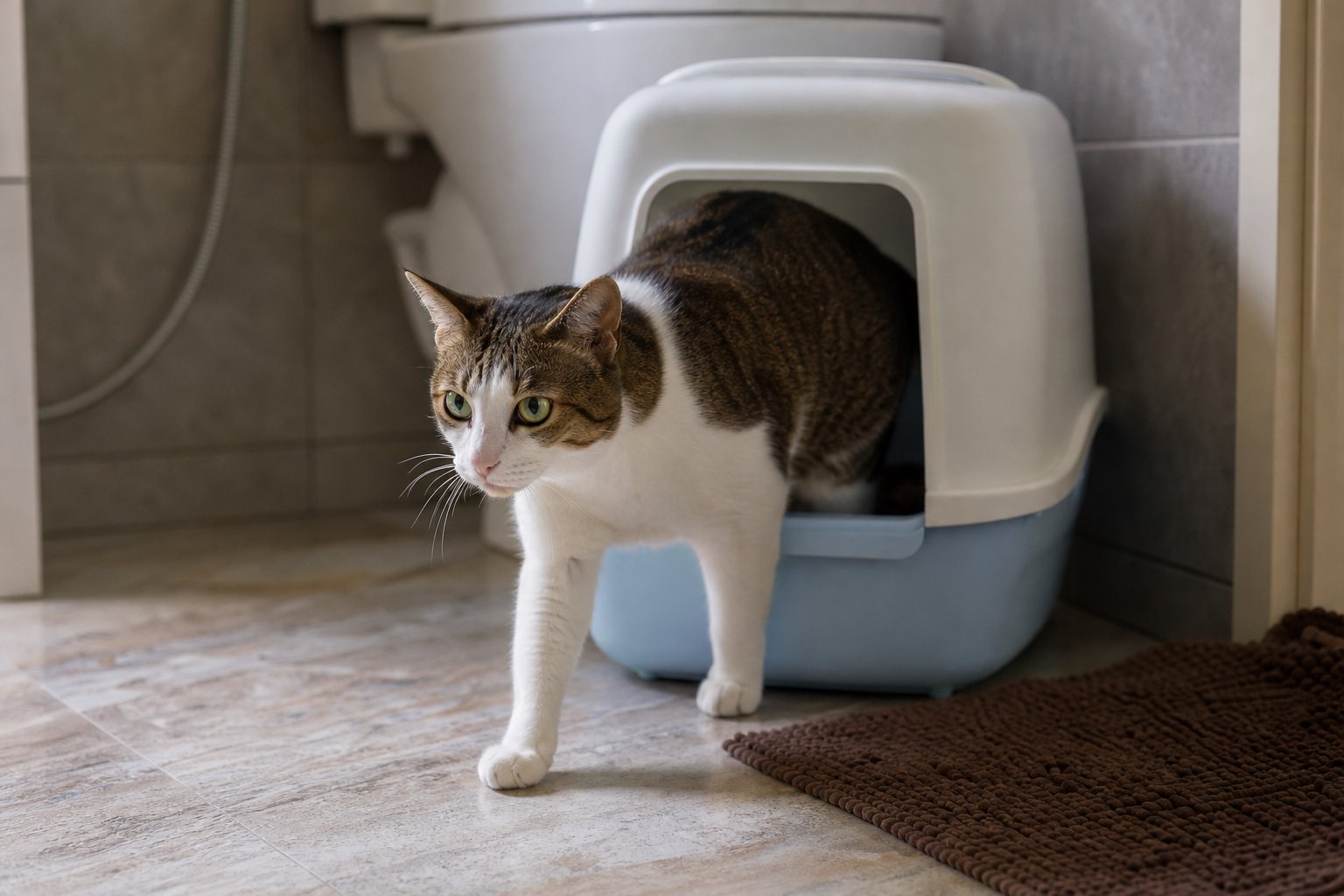
The short answer
Paper cat litter is a soft, low-dust, lightweight litter made from recycled paper pellets or shredded paper. It is gentle on paws, useful for kittens and cats recovering from surgery, and easy to carry home. The trade-offs are real: most paper litter does not clump, odour control is weaker than clay, and you will do more full tray changes. It is a good fit for sensitive cats and small apartments, but a costly choice for multi-cat homes unless you plan the routine carefully.
What paper cat litter actually is
Paper litter is usually made from recycled newspaper, office paper or cardboard that is shredded, compressed into pellets, and sometimes treated for absorbency. Pellets break down into soft pulp when wet. Some brands add baking soda or odour-control agents; others are plain.
There are two common forms:
- Pellet litter: small compressed cylinders that hold shape until wet, then soften.
- Shredded or crumbled paper: softer, more like bedding, and often used for kittens or post-surgery care.
Neither form behaves like bentonite clay. Clay clumps tightly around urine; paper absorbs and spreads moisture. That single difference drives most of the pros and cons below.
Pros of paper cat litter
1. Very low dust
Dust is one of the most common complaints about clay and some plant-based litters. Paper pellets produce little airborne dust when poured or scooped. That matters in enclosed spaces such as a Kuala Lumpur apartment where the tray sits in a bathroom or utility area, and for owners with asthma or allergies.
2. Soft on paws and gentle after surgery
Paper litter is soft and does not stick to fur or skin the way fine clay can. Vets often recommend non-clumping, low-dust litter after abdominal surgery, wound treatment or for cats with sensitive paws. It is also a common choice for kittens that are just learning to use a tray.
3. Lightweight and easy to handle
A bag of paper litter is much lighter than the same volume of clay. That helps if you carry litter upstairs, live alone, or order supplies online. It is also easier to tip into the bin during a full change.
4. Lower tracking than fine clay
Paper pellets are larger and heavier than fine clay grains, so they tend to stay near the tray. You will still find pieces around the box, but less fine grit across the floor. A textured mat at the tray entrance helps further.
5. Made from recycled material
Many paper litters use recycled paper, which appeals to owners trying to reduce waste. Check the packaging for what the paper source is and whether the product is compostable; claims vary by brand.
6. Good for cats that eat litter
Some cats, especially kittens, nibble litter. Paper is softer and generally less risky than clumping clay, which can form hard masses in the gut if eaten in quantity. No litter is completely safe to eat, but paper is a gentler option for a curious kitten.
Cons of paper cat litter
1. It usually does not clump
This is the biggest drawback for many owners. Without clumping, urine spreads through the tray instead of forming a scoopable ball. You cannot remove urine neatly each day, so the whole tray needs more frequent replacement. Some paper products claim clumping, but check reviews and the label before assuming.
2. Weaker odour control
Paper absorbs moisture but does not neutralise ammonia as well as clay or some plant litters. In warm, humid Malaysian weather, a paper tray can start to smell sour faster than expected. You need daily scooping, regular stirring, and full changes every few days. Odour-control additives help, but they do not replace cleaning.
3. More frequent full changes
Because urine is not removed in clumps, the tray reaches saturation sooner. For one cat, expect a full change every two to four days. In a humid spell or with two cats, it may be every one to two days. That means more litter used over a month.
4. Higher ongoing cost per cat
Paper litter is often priced competitively per bag, but the frequent full changes mean you buy more. For a single cat it can be manageable; for three or four cats it becomes expensive compared with clumping clay. Prices vary widely in Malaysia, so compare cost per full tray change rather than bag price alone.
5. Pellets can scatter as cats dig
Lightweight pellets can be kicked out of the tray by enthusiastic diggers. A high-sided tray or a hooded box reduces the mess. Some cats dislike the texture of pellets under their paws at first, especially if they are used to fine clay.
6. Not all cats accept it
Cats are particular about litter texture. A cat used to fine clumping clay may refuse paper pellets or protest by eliminating outside the tray. Transition gradually by mixing paper with the old litter over one to two weeks.
7. Moisture and humidity matter
Paper litter absorbs moisture from the air as well as from the cat. In a humid bathroom or rainy season, an open bag can soften and clump together. Store it sealed and dry, and avoid keeping a large open bag next to the tray.
Paper vs clay vs other litters: a quick comparison
| Feature | Paper litter | Clumping clay | Plant-based (tofu, pine, corn) |
|---|---|---|---|
| Clumping | Rarely | Yes | Often, varies |
| Dust | Very low | Moderate to high | Low to moderate |
| Odour control | Fair | Good | Good |
| Full change frequency | Every 2–4 days | Every 1–2 weeks | Every 3–7 days |
| Weight | Light | Heavy | Light to medium |
| Paw comfort | Soft | Fine, can stick | Varies |
| Cost per month | Moderate to high | Low to moderate | Moderate |
| Best for | Kittens, post-surgery, dust-sensitive homes | Multi-cat homes, budget | Owners wanting clumping with less dust |
Use this as a guide, not a rule. Individual brands differ, and your cat's preference matters more than any table.
How to use paper litter well
Paper litter works best with a routine. Try this daily and weekly checklist:
Daily
- Scoop solid waste at least once, ideally twice.
- Stir the litter so wet patches are distributed and the tray surface stays dry.
- Check for sour smell; if it is strong, change the tray early.
Every two to four days
- Empty the whole tray, bag the waste, and wipe the tray with a pet-safe cleaner.
- Dry the tray fully before adding fresh litter.
- Refill to about 3–5 cm depth; too shallow and urine reaches the bottom, too deep and pellets scatter.
Weekly
- Wash the tray with mild soap and water, rinse well, and dry in the sun if possible.
- Check the litter bag for moisture and reseal it.
Practical tips
- Use a tray with high sides or a hood in small apartments.
- Place a mat at the entrance to catch pellets.
- Keep one tray per cat plus one extra where space allows.
- Store litter in a dry cupboard, not next to the washing machine or in a humid bathroom.
Who paper litter suits best
Paper litter is a strong choice for:
- Kittens learning to use a tray, because it is soft and low-dust.
- Cats recovering from surgery or with wounds, where non-clumping, low-dust litter is often advised.
- Owners with dust sensitivity or asthma, especially in enclosed apartments.
- Senior cats that may have sensitive paws or struggle with heavy clay bags.
- Small homes where a lightweight, low-tracking litter is easier to manage.
It is a weaker choice for:
- Multi-cat households where litter costs and change frequency add up quickly.
- Owners who want scoop-and-go convenience, since paper needs full changes.
- Cats that strongly prefer fine clumping texture and refuse pellets.
Malaysian context: humidity, apartments and rainy season
Malaysia's warm, humid climate affects paper litter more than dry climates. In a Kuala Lumpur apartment, a tray in a small bathroom can stay damp, and paper pellets may soften faster. In a Penang terrace house during the rainy season, an open bag in a utility area can absorb moisture and clump in the bag. Keep the bag sealed, store it dry, and expect to change the tray slightly more often in wet months.
In a Johor terrace house with several cats, paper litter can become expensive because each tray needs frequent full changes. A practical compromise is to use paper litter in the kitten's tray or the recovery room, and clumping litter in the main trays, provided the cats accept the difference.
Transitioning your cat to paper litter
Do not switch suddenly. Mix a small amount of paper litter into the old litter and increase the ratio over one to two weeks. Keep the tray in the same place and keep it clean. If your cat avoids the tray, slows down, or eliminates outside it, slow the transition or pause. Cats can develop litter aversion quickly, and it is easier to prevent than fix.
When to see a vet
See a vet if your cat:
- Stops urinating, strains, or cries while urinating.
- Urinates outside the tray suddenly, especially in small amounts.
- Has blood in the urine or frequent licking of the genital area.
- Shows pain, swelling or discharge around a surgical wound after using litter.
- Eats litter repeatedly or shows vomiting, constipation or lethargy.
- Develops sneezing, wheezing or eye irritation that you suspect is linked to litter dust.
Urinary blockage, especially in male cats, is an emergency. Do not wait to see if it improves.
Bottom line
Paper cat litter is a gentle, low-dust option that suits kittens, post-surgery cats and dust-sensitive homes. Its weaknesses are weaker odour control, no clumping, and more frequent full changes, which raise the monthly cost in multi-cat homes. In Malaysia's humidity, store it dry and change trays promptly. Choose it for the right reasons, transition slowly, and keep a close eye on your cat's litter habits.
This article is general information, not veterinary advice. Always consult a licensed veterinarian in Malaysia about your cat's health, surgery aftercare or litter-related concerns.
Related reading
- Cat Litter Guide Malaysia 2026: Types, Costs and How to Choose
- Cat Litter in Malaysia: 5 Types Compared and How to Pick the Right One
- Auto Litter Box in Malaysia: What to Check Before You Buy (2026 Guide)
- Best Covered Litter Box for Cats in Malaysia: A Practical Buying Guide
- Covered Litter Box Buying Guide for Cat Owners in Malaysia
- Litter Box Buying Guide for Cat Owners in Malaysia: Size, Style, Litter & Placement
- Best Clumping Cat Litter for Cats in Malaysia: A Practical Buying Guide
- Best Crystal Cat Litter for Cats in Malaysia: A Practical Buying Guide

