
Quick answer
Clumping cat litter is easy to use once you know the basics: fill a clean tray 5–7 cm deep, scoop clumps at least once daily, top up fresh litter, and fully change and wash the tray weekly. Introduce it gradually, keep the tray quiet and accessible, and watch for any change in your cat's urination or litter habits.
What clumping cat litter is and why it behaves differently
Clumping litter is made from materials that absorb liquid and bind into solid lumps, usually bentonite clay or plant-based alternatives. When your cat urinates, the litter grabs the moisture and forms a clump that you can lift out with a scoop. This is different from non-clumping litter, which absorbs liquid but leaves the whole tray soiled, so you often need to change it more often.
The clumping action is convenient, but it also means the litter needs a little more attention in how you set it up. If the litter is too shallow, urine reaches the tray base and forms a flat, stuck-on layer. If it is too deep, some cats dig excessively and scatter litter. If you scoop too late, clumps can break apart and leave behind small soiled pieces that smell.
For Malaysian homes, humidity is a practical factor. Clumping litter can absorb moisture from the air in a humid bathroom or balcony, so store the bag sealed and dry. A litter tray in a poorly ventilated area may also stay damp longer, which makes daily scooping and weekly washing more important.
Choosing the right clumping litter for your cat
There is no single best clumping litter. The right choice depends on your cat's preferences, your home and your routine. Here is a practical comparison of common types you will see in Malaysian pet shops and online stores.
| Litter type | Clumping behaviour | Dust | Weight | Best for | Watch-outs |
|---|---|---|---|---|---|
| Bentonite clay | Strong, firm clumps | Moderate to high | Heavy | Most adult cats; easy scooping | Dusty for sensitive cats; heavy bags |
| Plant-based (tofu, corn, wheat) | Moderate clumps | Low to moderate | Light | Cats that dislike clay dust; apartments | Some cats may eat plant litter; clumps can be softer |
| Mixed clay blends | Good clumps | Moderate | Medium | Budget-conscious households | Quality varies between brands |
| Fine-grain clay | Very firm clumps | Higher | Heavy | Cats that like fine sand texture | Tracks easily; dustier |
| Large-particle clay | Moderate clumps | Lower | Heavy | Kittens, cats that mouth litter | Less comfortable for picky paws |
When you shop, look for clear labelling, a resealable bag and a texture your cat accepts. Avoid strongly perfumed litters if your cat has shown signs of respiratory sensitivity or avoids the tray after a change. International brand names are fine to consider, but availability and price vary widely in Malaysia, so check with local retailers and compare bag sizes by weight rather than by packaging alone.
Step-by-step: setting up a clumping litter tray
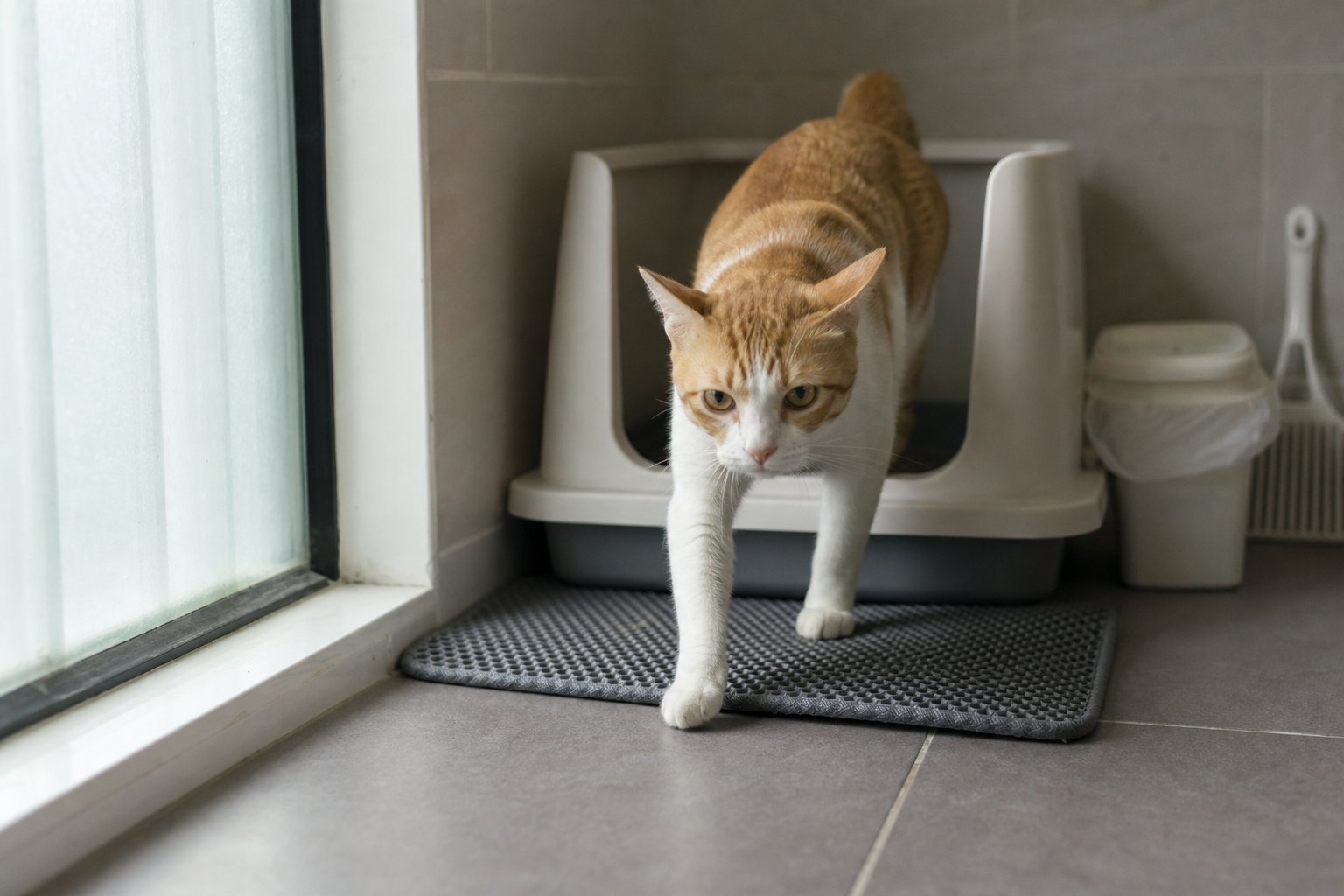
- Choose the right tray size. The tray should be about one and a half times the length of your cat, excluding the tail. Many Malaysian cats are comfortable in a large open tray. Covered trays can work, but some cats dislike the enclosed smell and reduced visibility.
- Wash and dry the tray. Use warm water and a mild, unscented soap. Avoid strong disinfectants that leave a lingering smell. Dry completely before adding litter.
- Add 5–7 cm of clumping litter. For most adult cats, this depth lets urine clump before it reaches the base. Kittens and senior cats may prefer 3–5 cm. If your cat digs to the bottom, try slightly more litter.
- Level the surface. Do not press the litter down. A loose, even surface is easier for your cat to dig and for you to scoop.
- Place the tray in a quiet, accessible spot. Avoid next to noisy appliances, behind a closed door or far from your cat's resting area. In a Kuala Lumpur apartment, a bathroom or utility corner often works better than a busy living room.
- Add a mat or low-sided tray outside. This catches tracked litter. In a Johor terrace house, a washable mat near the tray helps keep tiles clean during rainy weather when paws are damp.
- Keep the bag sealed and dry. Store clumping litter in a cool, dry place. Humidity can make clay litter absorb moisture and clump in the bag.
Daily and weekly routine
A simple routine keeps the tray usable and reduces odour.
Daily:
- Scoop solid clumps and faeces at least once daily, ideally twice.
- Use a slotted scoop and tap off loose litter gently.
- Bag waste and dispose of it in general waste.
- Top up fresh litter to maintain the 5–7 cm depth.
- Stir the litter lightly if your cat has scattered it.
Weekly:
- Empty the entire tray.
- Wash the tray with warm water and mild soap.
- Dry fully before adding fresh litter.
- Check the tray for cracks or rough edges that could trap odour.
Monthly:
- Inspect the tray for wear and replace it if scratched or cracked.
- Review whether your cat is tracking more litter than usual; this may mean the litter depth or texture needs adjusting.
If you have more than one cat, the general rule is one tray per cat plus one extra. Scoop all trays daily. In a multi-cat household, a soiled tray can cause stress and avoidance, especially if one cat guards the tray.
Transitioning from another litter
Cats are creatures of habit. A sudden switch to clumping litter can cause a cat to avoid the tray, urinate outside it or hold urine. A gradual transition is safer.
- Days 1–3: Mix about one part clumping litter with three parts old litter.
- Days 4–6: Increase to half and half.
- Days 7–10: Use mostly clumping litter with a small amount of old litter.
- Day 11 onward: Use clumping litter only if your cat is using the tray normally.
Keep the tray in the same location during the transition. Do not change the tray, location and litter all at once. If your cat shows reluctance, slow down and add more old litter. Some cats accept a new litter quickly; others need two weeks or more.
Common mistakes and how to fix them
| Mistake | What you may notice | Fix |
|---|---|---|
| Too little litter | Urine stuck to tray base; strong smell | Add litter to 5–7 cm |
| Too much litter | Litter scattered widely; cat digs to bottom | Reduce depth slightly; use a deeper tray |
| Scooping too late | Broken clumps; lingering odour | Scoop at least daily, twice if possible |
| Strongly scented litter | Cat sniffs and avoids tray | Switch to unscented clumping litter |
| Tray too small | Cat hangs over edge or misses | Use a larger tray |
| Tray in noisy area | Cat rushes or avoids | Move to a quiet, accessible spot |
| Sudden litter change | Cat urinates outside tray | Transition gradually |
| Not washing tray | Odour persists after scooping | Wash tray weekly and dry fully |
Safety and health checks
Clumping litter is generally safe for healthy adult cats when used as intended. However, there are a few points to keep in mind.
- Kittens and litter eating: Very young kittens or cats that mouth litter may swallow clumps. Use a larger-particle litter, keep the tray shallow and supervise. If your kitten eats litter repeatedly, speak to your vet.
- Dust sensitivity: Some clumping litters are dusty. If your cat sneezes or avoids the tray, try a low-dust option and keep the area ventilated.
- Urinary health: Clumping litter does not cause urinary blockages, but it can reveal them. A cat that strains, visits the tray often or produces small clumps may have a urinary problem. Do not wait to see a vet.
- Pregnancy and hygiene: Pregnant women should avoid handling used cat litter where possible because of toxoplasmosis risk. Wear gloves and wash hands if handling is unavoidable, and ask a vet or doctor for advice.
- Respiratory concerns: If anyone in the home has asthma or respiratory sensitivity, choose a low-dust litter and scoop gently to reduce airborne particles.
When to see a vet
Contact a veterinarian if you notice any of the following:
- Your cat strains to urinate, cries while urinating or produces very small amounts of urine.
- Your cat visits the litter tray frequently but passes little or no urine.
- There is blood in the urine or the clumps look pink or red.
- Your cat urinates outside the tray suddenly, especially after a litter change or in a previously reliable cat.
- Your cat stops using the tray altogether, or shows signs of pain, lethargy or reduced appetite.
- Your cat eats litter repeatedly or shows vomiting, diarrhoea or other illness.
- Your kitten is very young and you are unsure about litter safety.
Urinary blockages, especially in male cats, are emergencies. If your cat is straining and producing no urine, seek veterinary care immediately.
Malaysian context: practical examples
Kuala Lumpur apartment: Space is limited, so a large open tray in the bathroom or utility area often works best. Keep the bag sealed in a cupboard away from humidity. Scoop twice daily if the tray is in a small room, and use a washable mat to catch tracked litter. If the bathroom is shared, make sure the door is not closed off from your cat.
Johor terrace house: A covered outdoor area or utility room can work, but heat and humidity may make litter damp. Store litter indoors in a dry place. During rainy weather, paws can be wet, so expect more tracking and clean the mat more often. Check the tray for ants or moisture, especially if it is near an outdoor wall.
Penang rainy season: Humid air can make clay litter clump in the bag. Keep the bag tightly sealed and use it within a reasonable time after opening. If the litter feels damp before use, it may be better to replace it.
Frequently asked questions
How deep should clumping cat litter be? Fill the tray about 5–7 cm deep for most adult cats. Kittens and senior cats may prefer 3–5 cm. Adjust based on your cat's digging style.
How often should I scoop clumping litter? Scoop solid clumps and faeces at least once daily, ideally twice. Remove clumps promptly so they do not break apart. Top up fresh litter after scooping. A full litter change and tray wash is usually needed weekly.
Can I flush clumping cat litter down the toilet? No. Clumping litter expands and can block pipes and septic systems. Even 'flushable' labels are risky in Malaysian plumbing. Bag used litter and dispose of it in general waste instead.
How do I switch my cat to clumping litter? Mix clumping litter with the old litter in increasing proportions over 7–10 days. Keep the tray in the same place. If your cat avoids the tray, slow down and add more old litter. Never force a sudden switch.
Is clumping litter safe for kittens? Use clumping litter with caution for kittens under about 8 weeks or any kitten that eats litter. Choose a low-dust, larger-particle clumping litter, keep the tray shallow, and supervise. Ask your vet for advice if your kitten mouths litter.
Why is my cat not using the clumping litter? Common reasons include a dirty tray, litter depth that is too deep or too shallow, strong scent, sudden litter change, tray location, or pain during urination. Rule out medical causes with a vet before assuming it is behavioural.
Vet disclaimer
This article is for general information only and is not a substitute for veterinary advice. Every cat is different. If you have concerns about your cat's litter habits, urination, health or behaviour, consult a licensed veterinarian in Malaysia.
Related reading
- Cat Litter Guide Malaysia 2026: Types, Costs and How to Choose
- Best Crystal Cat Litter for Cats in Malaysia: A Practical Buying Guide
- Best Paper Cat Litter for Cats in Malaysia: A Practical Buying Guide
- Best Pine Cat Litter for Cats in Malaysia: A Practical Buying Guide
- Best Tofu Cat Litter for Cats in Malaysia: A Practical Buying Guide
- Covered Litter Box for Cats: Pros and Cons for Malaysian Homes
- Crystal Cat Litter Buying Guide for Cat Owners in Malaysia
- Crystal Cat Litter for Cats: Pros and Cons Every Malaysian Owner Should Know
- How to Use a Litter Box for Cats: A Complete Guide for Malaysian Owners

