
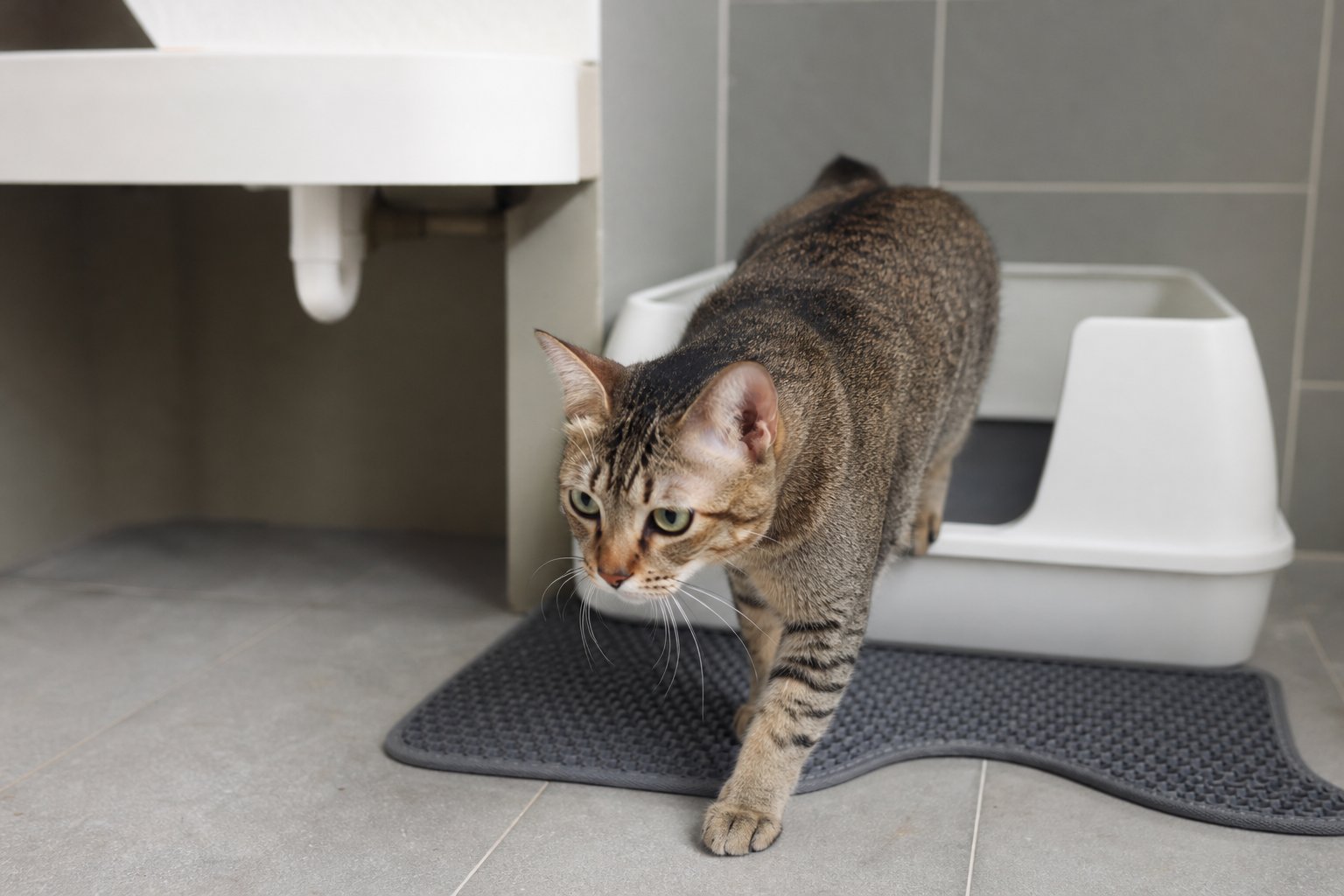
Tapioca cat litter is a plant-based litter built on cassava starch that sets into firm clumps quickly, keeps dust low, and feels smooth under paw. In Malaysia it suits apartments and small trays well, provided you store it sealed and keep the bed 7–8 cm deep. It generally costs more per litre than tofu litter and is sold as pure or blended formulae. Start with a small pack and let your cat decide.
What tapioca cat litter actually is
Cassava — the same starchy root behind local carbohydrates — is dried, milled into flour, mixed with water and other plant fibres, then extruded and cut into small granules. The key reaction happens the moment the granules meet liquid: cassava starch gelatinises, swelling and gluing neighbouring particles into a solid mass. That is why a tapioca clump often forms noticeably faster than one made from soy-based tofu litter, which relies more on fibre structure than starch.
Because the base is agricultural rather than mineral, tapioca litter is biodegradable and typically much lighter than clay, which matters when you are carrying a pack up several flights of stairs or living in a high-rise unit. It also produces far less silica dust than conventional bentonite litter, a practical benefit for households where someone has asthma or where a cat is prone to sneezing after digging.
A typical formula is not pure starch, though. Read the pack, because the secondary ingredients change how the litter behaves:
| Ingredient | What it does | Effect on performance |
|---|---|---|
| Cassava starch | Primary clumping agent | Sets clump speed and firmness |
| Soy fibre (tofu residue) | Adds bulk and lowers cost | Common in blends; slightly slower clumps, lighter granules |
| Calcium carbonate or plant cellulose | Binding agent during extrusion | Affects granule hardness and how fast it breaks down |
| Activated charcoal or probiotic additives | Odour control | Helps with ammonia smell without changing clumping |
| Fragrance | Scent | Some cats reject scented litter; choose unscented first |
Blends are the norm rather than the exception, so a bag labelled "tapioca litter" may contain a substantial share of tofu fibre. If you want the fastest possible clumping, look for a product where cassava starch is listed first and clearly dominant; if you want a lower cost per bag, a blended formula is usually the better buy.
Tapioca vs tofu, and how the five types compare
Both tapioca and tofu litter are plant-based, low-dust, scoopable and clumping, so the choice between them comes down to four practical questions: how fast you need clumps, how much you want to spend per litre, whether you flush, and what your cat prefers underfoot.
| What you are checking | Tapioca [litter | Tofu](/articles/cat-litter-guide-hong-kong-2026-malaysia "mylink") litter | Edge |
|---|---|---|---|
| Clump speed | Fast; starch gels on contact | Fast to moderate | Tapioca |
| Clump firmness | Hard, resists breaking up | Firm but softens when wet | Roughly even |
| Sticking to tray base | Can stick if bed is shallow | Less prone to sticking | Tofu |
| Dust level | Low | Low | Even |
| Breaks down in water | Moderate | Faster, easier to disperse | Tofu |
| Cost per litre | Higher | Wider, generally lower range | Tofu |
| Texture under paw | Smoother, more slippery | Slightly grainier | Cat's preference |
Zooming out to the whole litter market helps put tapioca in context:
| Litter type | Odour control | Clumping | Dust | Flushable | Best suited to |
|---|---|---|---|---|---|
| Tapioca | Very good | Fast, firm | Low | Usually yes, in small amounts | Owners wanting fast clumps with low dust |
| Tofu | Very good | Fast to moderate | Low | Yes, breaks down easily | Budget-conscious owners, multi-cat homes |
| Bentonite clay | Very good | Strongest | High | No | Cats that prefer classic sandy texture |
| Pine | Moderate | Breaks down rather than clumps | Very low | Only some designs | Scent-sensitive owners using a two-tier tray |
| Blended (soy + tapioca) | Very good | Firm | Low | Usually yes | Owners balancing cost and performance |
Two patterns are worth remembering. Clay remains the strongest clumping and usually the cheapest option, but it is heavy, dusty and never flushable. Plant-based litters trade a little clumping strength for low dust and easier disposal, and among them tapioca sits at the performance end rather than the value end.
When tapioca suits your cat — and when it doesn't
Tapioca is a strong pick if several of these sound like you:
- You want clumps fast enough that daily scooping keeps the tray fresh with minimal effort.
- Dust is a problem — someone in the home has respiratory sensitivity, or the tray sits near a living area.
- Your cat rejected tofu litter on texture grounds and you want a smoother alternative.
- You prefer plant-based, biodegradable products over mined clay.
- You want a litter that can go down the toilet in small amounts where plumbing allows.
It is a weaker choice if your main goal is the lowest possible cost per litre, because plant-based litters generally sit above clay on price. It is also less ideal for cats that love to dig, play and kick litter across the floor: starch-based granules are light and tend to travel further than heavier clay granules, so a litter mat outside the tray becomes almost essential.
Fragrance deserves its own warning. Some cats find strong-smelling litters aversive and will start avoiding the tray, which then looks like a behaviour problem when it is really a product problem. If your cat has never tried a scented litter, buy unscented first and add fragrance only if you know your cat tolerates it.
Before committing, ask yourself these quick checks:
- Does my cat walk in and dig without backing out?
- Are clumps lifting out whole after one night?
- Is dust visible when I pour a fresh bag?
- Can I store the pack sealed and dry?
- Is the cost per month sustainable for my household?
If the answer to any of the first three is no, change depth, scooping habits or product before blaming the litter itself.
Getting the best results: sticking, dust and tracking
Most complaints about tapioca litter — sticking, smearing, soft clumps — come from setup rather than the formula. Work through this checklist before deciding the litter is faulty:
- Bed depth: keep 7–8 cm in the tray. Too thin, and wet granules reach the plastic base and weld themselves to it. Do not skim on depth to make a pack last longer; it backfires in cleaning time.
- Scoop daily: clumps left overnight soften the surrounding granules and spread moisture. A once-a-day scoop is the minimum for a single cat.
- Wash the tray: empty, wash and dry every two weeks. Residue on the base is the main reason new litter sticks in the first place.
- Pouring: tip the bag gently along the edge rather than dropping from height, which generates dust even in low-dust formulas.
- Tracking control: a ridged mat or a shallow "landing strip" of the same litter outside the tray catches granules carried out on paws.
- Sifting: if you use a sifting insert, check that tapioca's granule size passes through your holes; overly fine grains clog some sifting designs.
For a single cat, plan on changing the entire tray every two to three weeks, topping up weekly as the level drops. In a two-cat household, halve those intervals — the tray is used twice as often and ammonia builds faster.
A useful buying test: buy the smallest available pack of your shortlisted product. A bag that looks cheap may only cover a single cat for a week or two once you maintain a proper 7–8 cm bed, which changes the real monthly cost considerably. Compare packages by cost per litre and by how many days they last in your own tray, not by sticker price alone. Local prices vary widely between retailers and pack sizes, so check current pricing with your Malaysian vet's retail counter or pet store rather than relying on any figure quoted online.
Humidity and storage in a Malaysian home
Cassava starch is hygroscopic: it attracts moisture from the air. Left open, tapioca litter softens, loses clumping strength and can eventually smell musty or show discoloured granules — all signs it needs a full change rather than a top-up.
In a Kuala Lumpur apartment with limited cross-ventilation, the fix is mostly storage discipline. Keep the unopened or half-used bag sealed with a clip or in a lidded bin, stand it off the floor, and place the tray away from the bathroom door, washing machine and balcony where humidity swings. Air-conditioned rooms dry the litter naturally; if the tray must live in a non-air-conditioned room, a dehumidifier near the area makes a visible difference over a few weeks.
During the Penang rainy season, resist buying in bulk. Buy two or three smaller packs instead of one large sack, and work through them in order. A practical rule: if granules look darker than when you opened the pack, feel tacky, or clumps go soft instead of hard, do not wait — empty the tray and start fresh. Mould growth is rarer in tapioca than in some soy-heavy blends because of the higher starch purity, but it still happens in warm, damp conditions.
Other humidity habits worth keeping:
- Never store litter next to sinks, outdoor walls or under a leaking window.
- Keep a dedicated scoop in a dry container, not lying in the tray.
- During prolonged wet spells, increase the frequency of full changes to every 10–14 days.
- Discard the bottom layer of the tray at each full change rather than only scooping the surface.
Switching your cat over: a 7–10 day plan
Cats are habit-driven, and a sudden litter change is one of the most common triggers for tray avoidance. Use the gradual blend method:
Days 1–2: three-quarters of the old litter, one-quarter tapioca, mixed in the same tray in the same spot.
Days 3–4: half and half.
Days 5–6: one-quarter old litter, three-quarters tapioca.
Days 7–10: pure tapioca, unless your cat showed hesitation at any stage, in which case repeat the previous ratio for another two days.
During the transition, watch three things closely: how often your cat enters the tray, whether clumps are being made in the right place, and whether any urine appears outside the tray. Reluctance usually shows up as the cat stepping in, sniffing and stepping straight out, or perching on the rim instead of settling.
If accidents happen, do not punish — clean the spot with an enzyme-based cleaner and slow the transition. Also keep the old litter available in a second tray during the switch, then retire it once the new litter is accepted for several days in a row.
When to see a vet
Litter choice interacts directly with urinary health, because a cat that dislikes its tray will hold urine rather than use it. Contact your veterinarian promptly if you notice any of the following, whether or not you have recently changed litter:
- Straining in the tray with little or no urine produced, or frequent trips that yield only drops.
- Blood in urine, or crying while urinating.
- Urinating outside the tray in a cat that was previously reliable.
- Sudden increase in water intake or urination volume.
- Lethargy, vomiting, or refusal to eat alongside litter box changes.
- Persistent sneezing, eye discharge or coughing that began after switching to a new litter, which may point to dust or fragrance sensitivity.
Urinary blockage is a genuine emergency in male cats, so straining with no output warrants same-day attention. Behavioural inappropriate urination often has a medical cause first, so always rule out illness before treating it as a training problem.
Frequently asked questions
Is tapioca litter better than tofu litter?
Tapioca usually clumps faster and feels smoother, while tofu litter is typically cheaper per litre and breaks down more readily in water. Neither is universally better. Buy one small pack of each and let your cat, your budget and your litter box routine decide.
Can tapioca litter be flushed?
Many tapioca litters are labelled flushable, but they break down more slowly than pure tofu litter. Flush only small amounts at a time and wait for them to disperse. If your building's drains are old or shared, bag it and bin it instead.
Why does tapioca litter stick to the bottom of the tray?
Almost always because the bed is too shallow or clumps sat too long. Keep the litter 7–8 cm deep, scoop daily, and wash the tray every two weeks. Switching to a pack marketed as low-stick or non-stick can also help.
Is tapioca litter suitable for kittens and sensitive cats?
Plant-based granules are generally soft and low in dust, which suits many cats. Start with an unscented version, as fragrant litters put some cats off. For kittens, ensure the granule size is small enough for small paws and supervise the first few visits.
How long does one pack last a single cat?
It depends on pack size, bed depth and how often you scoop. A small 2–6 litre pack may last a single cat roughly one to three weeks. Larger packs are usually better value per litre, but buy a size you can store sealed.
How do I switch my cat to tapioca litter?
Use a 7–10 day blend: start with three-quarters old litter and one-quarter tapioca, raising the tapioca share every two days. Keep the same tray and location. Watch urination frequency and any accidents, and slow down if your cat avoids the tray.
This article is general purchasing and care guidance only. Individual cats vary, and any change in urination, defecation, appetite or behaviour should be assessed by a registered veterinarian.