
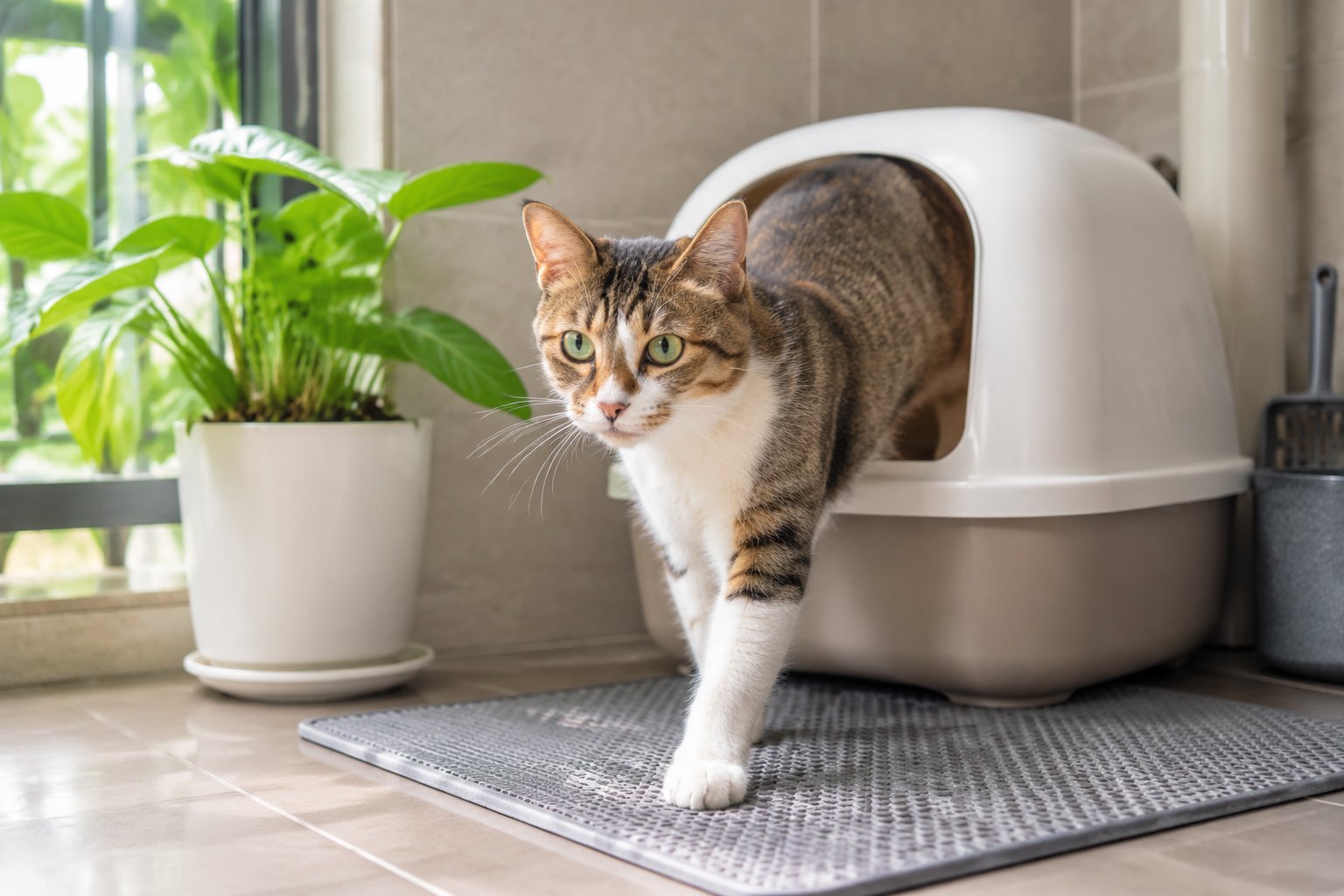
What is crystal cat litter?
Crystal cat litter is made from silica gel, a porous form of silicon dioxide that absorbs moisture. Unlike traditional clay or clumping litter, crystal litter comes in the form of small, translucent beads that soak up urine and dehydrate solid waste. This unique composition gives it several distinct advantages and disadvantages.
In Malaysia, where humidity is high, many cat owners look for litter that controls odour and stays dry. Crystal litter is often marketed as a premium option, but it's not without its drawbacks. This article explores the pros and cons of crystal cat litter to help you decide if it's right for your cat.
How does crystal cat litter work?
Silica gel beads are highly absorbent. When your cat urinates, the liquid is drawn into the pores of the beads, where it evaporates over time. Solid waste sits on top and dries out, making it easy to scoop. Because the urine is absorbed rather than clumping, you don't get clumps to remove; instead, you stir the litter to ensure even absorption and top up as needed.
The drying effect also helps reduce bacterial growth, which is why crystal litter is known for odour control. However, the beads can become saturated over time and need to be replaced entirely.
Pros of crystal cat litter
1. Superior odour control
Crystal litter excels at controlling odours. The silica gel absorbs urine and traps ammonia, the primary component of cat urine smell. This is particularly beneficial in small apartments or homes with multiple cats. In Malaysia's warm climate, odour can intensify quickly, so a litter that keeps smells at bay is a big plus.
2. Low dust
Unlike clay litters, which can produce fine dust that settles on surfaces and irritates respiratory tracts, crystal litter is virtually dust-free. This makes it a good choice for cats with respiratory sensitivities and for households where cleanliness is a priority.
3. Lightweight
Crystal litter is much lighter than clay or clumping litter. This makes it easier to carry home from the store and to handle when cleaning the litter box. For elderly owners or those with mobility issues, the lighter weight is a practical advantage.
4. Long-lasting
Because the beads absorb and evaporate moisture, you don't need to scoop clumps daily. Solid waste should be removed daily, but the litter itself can last longer between full changes—typically 2 to 4 weeks for one cat. This can be cost-effective over time, despite the higher upfront price.
5. Non-sticky
Crystal litter doesn't stick to the litter box or to your cat's paws as much as clay litter. This means less mess and easier cleaning.
Cons of crystal cat litter
1. Higher upfront cost
Crystal litter is generally more expensive per bag than clay litter. However, because it lasts longer, the cost per month may be comparable. Prices in Malaysia vary, so it's best to check with local pet retailers.
2. Tracking
The lightweight beads can easily be tracked out of the litter box and scattered around the house. Using a litter mat can help, but some tracking is inevitable. This can be a nuisance, especially in homes with hard floors.
3. Not all cats like the texture
Cats are particular about litter texture. The large, smooth beads of crystal litter may feel uncomfortable to some cats, especially those used to fine clumping clay or sand. If your cat refuses to use it, you may need to transition gradually or choose a different litter.
4. Doesn't clump
Many owners prefer clumping litter because it makes removing urine easy. With crystal litter, you can't scoop urine clumps; you must stir the litter to distribute moisture. This means the litter box may retain some odour if not maintained properly.
5. Environmental concerns
Silica gel is not biodegradable. Used crystal litter must be disposed of in the rubbish bin, contributing to landfill waste. For eco-conscious owners, this is a significant drawback.
6. Potential health concerns
While silica gel is generally safe, there have been concerns about ingestion, especially in kittens or cats with pica. If ingested, the beads can cause gastrointestinal blockage. Always supervise and choose a litter that your cat doesn't eat.
Comparison table: crystal litter vs. clay litter vs. clumping litter
| Feature | Crystal Litter | Clay Litter | Clumping Litter |
|---|---|---|---|
| Odour control | Excellent | Moderate | Good |
| Dust | Very low | High | Moderate |
| Weight | Light | Heavy | Heavy |
| Clumping | No | No | Yes |
| Cost per bag | High | Low | Moderate |
| Cost per month | Moderate | Moderate | Moderate |
| Cat acceptance | Variable | High | High |
| Environmental impact | High (non-biodegradable) | High (strip mining) | Moderate |
| Tracking | Moderate | Low | High |
Is crystal cat litter suitable for Malaysian homes?
Malaysia's hot and humid climate can make litter box odour worse. Crystal litter's moisture-absorbing properties can help keep the box drier and less smelly. However, the humidity also means the litter may absorb moisture from the air, reducing its lifespan. In air-conditioned homes, this is less of an issue.
For apartment dwellers in Kuala Lumpur or Penang, where space is limited and odour can travel, crystal litter's odour control is a major advantage. In landed houses in Johor, where cats may have more space, the tracking issue might be more noticeable on tiled floors.
How to transition your cat to crystal litter
If you want to switch to crystal litter, do it gradually to avoid litter box aversion. Here's a step-by-step approach:
- Mix litters: Start by mixing a small amount of crystal litter with your cat's current litter. Gradually increase the proportion over a week or two.
- Keep the box clean: Scoop solid waste daily and stir the litter to distribute moisture.
- Place the box in a quiet spot: Ensure the litter box is in a low-traffic area, away from food and water.
- Monitor your cat: Watch for signs of reluctance, such as sniffing and walking away. If your cat refuses, slow down the transition.
- Use a litter mat: To reduce tracking, place a textured mat under the litter box.
Maintenance tips for crystal litter
- Remove solid waste daily.
- Stir the litter daily to help moisture evaporate evenly.
- Top up with fresh litter as needed.
- Replace the entire litter every 2-4 weeks for one cat, more often for multiple cats.
- Wash the litter box with mild soap and water between full changes.
When to see a vet
If your cat shows any of the following signs, consult a veterinarian:
- Refusing to use the litter box or straining to urinate
- Blood in urine
- Frequent urination or licking the genital area
- Respiratory issues such as coughing or wheezing (could be related to dust)
- Ingestion of litter (especially kittens)
These could indicate underlying health issues, and a vet can provide appropriate advice.
Frequently asked questions
1. Is crystal cat litter safe for cats? Yes, silica gel litter is generally safe for cats when used as intended. However, avoid letting kittens or cats with a habit of eating litter use it, as ingestion can cause harm. Always supervise and consult your vet if concerned.
2. How often should I change crystal cat litter? You should remove solid waste daily and stir the litter. For a single cat, replace the entire litter every 2 to 4 weeks, depending on usage. Multi-cat homes may need more frequent changes.
3. Does crystal cat litter control odour well? Yes, crystal litter is excellent at odour control because silica gel absorbs moisture and traps ammonia. It outperforms many clay litters in this regard, especially in humid climates.
4. Can crystal litter cause health problems in cats? There is no evidence that crystal litter causes health problems when used properly. However, some cats may be sensitive to dust or silica particles. If your cat shows signs of respiratory issues, switch to a low-dust alternative.
5. Is crystal cat litter flushable? No, crystal litter should never be flushed down the toilet. It does not break down and can clog pipes. Dispose of it in the rubbish bin according to local waste guidelines.
6. Why does my cat refuse to use crystal litter? Cats can be picky about litter texture. Crystal litter has a different feel and sound compared to clay or sand. Transition gradually by mixing it with the old litter, and ensure the box is clean and placed in a quiet spot.
Conclusion
Crystal cat litter offers excellent odour control and low dust, making it a strong contender for Malaysian cat owners dealing with humidity and small living spaces. However, it comes with drawbacks such as tracking, higher upfront cost, and potential cat reluctance. By weighing the pros and cons and transitioning gradually, you can decide if crystal litter is the right fit for your feline friend.
Disclaimer: This article is for informational purposes only and does not replace professional veterinary advice. Always consult your veterinarian for health concerns related to your cat.

